Clan Hay
– 3 min read


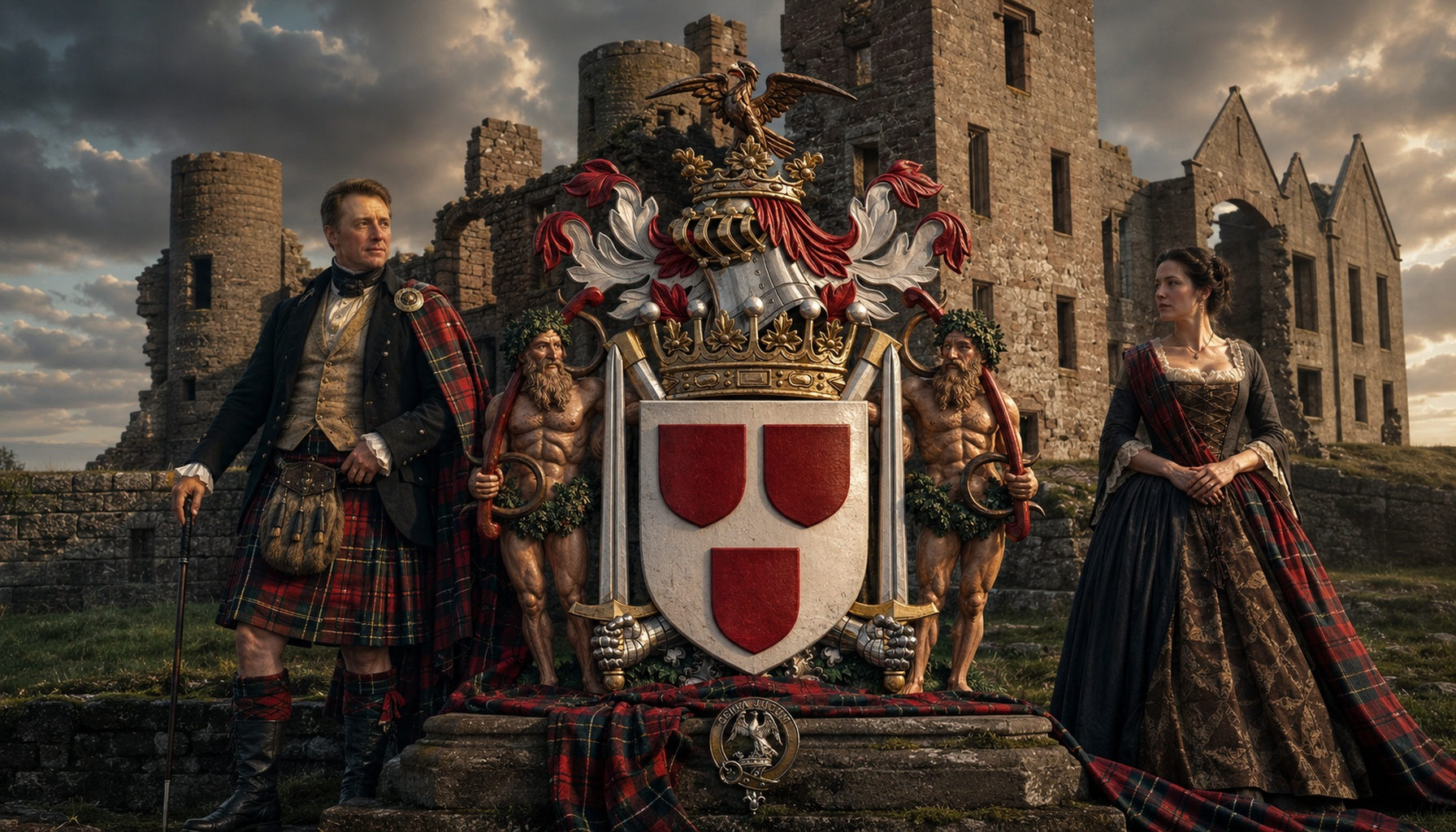
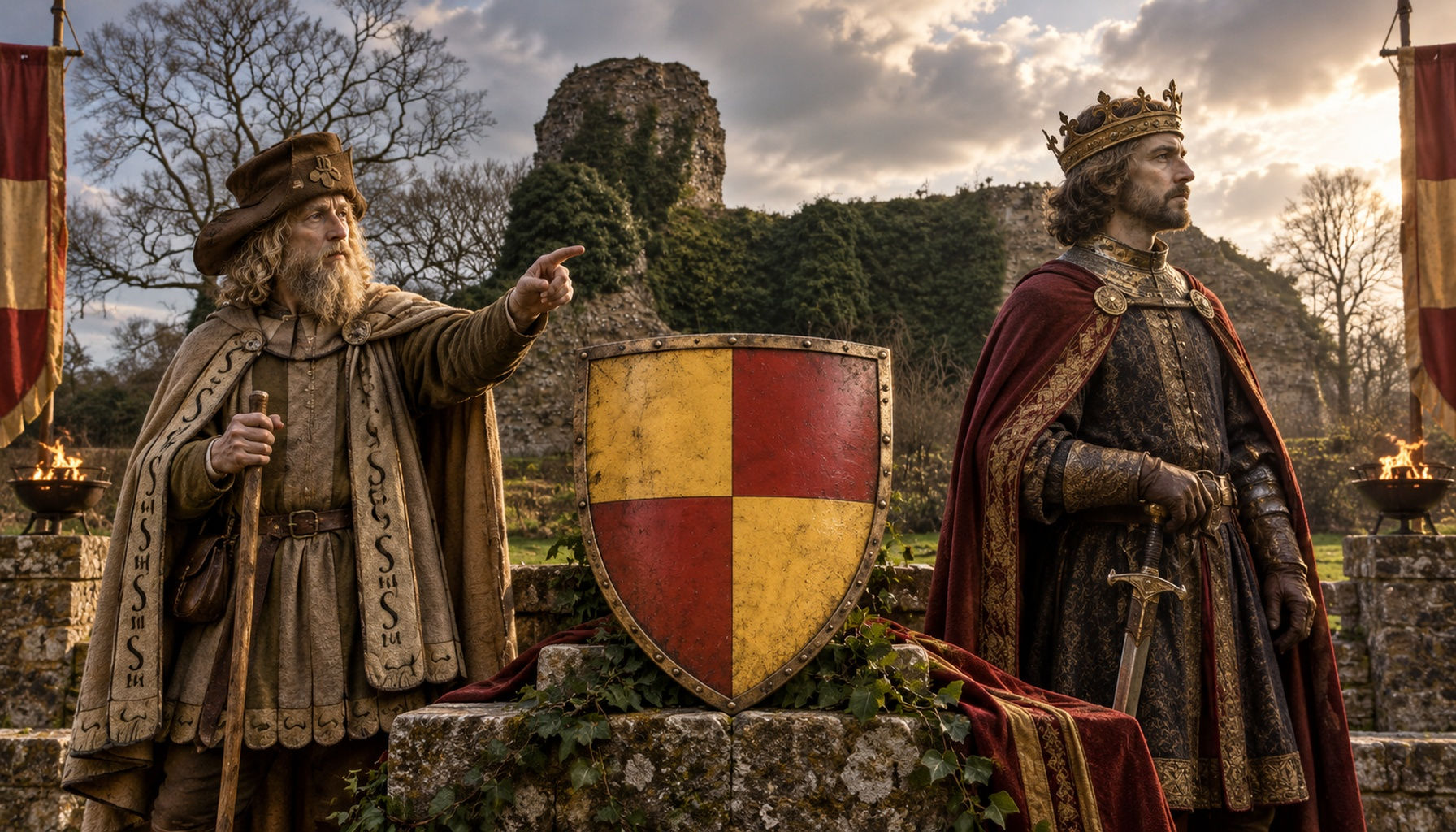
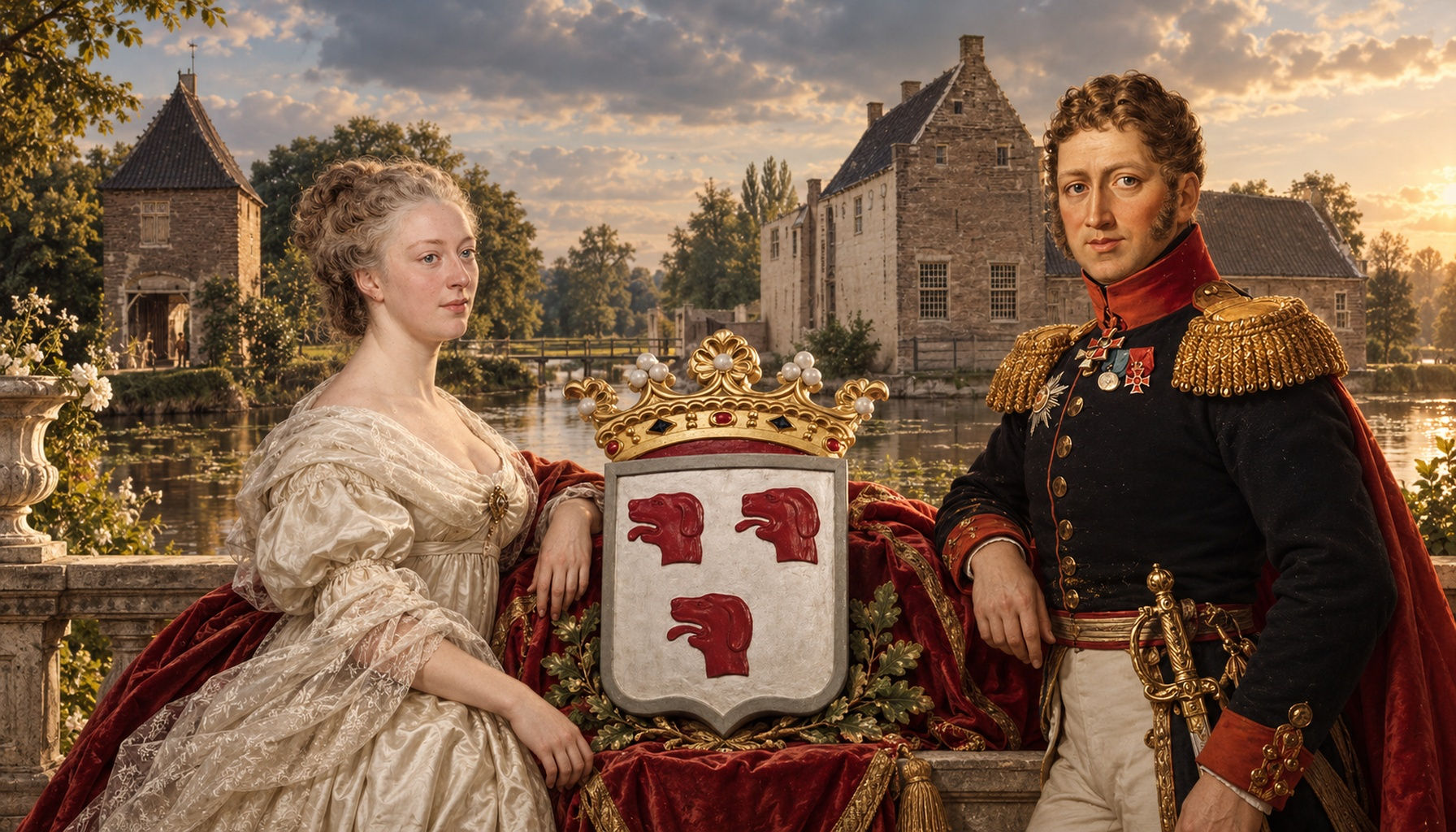
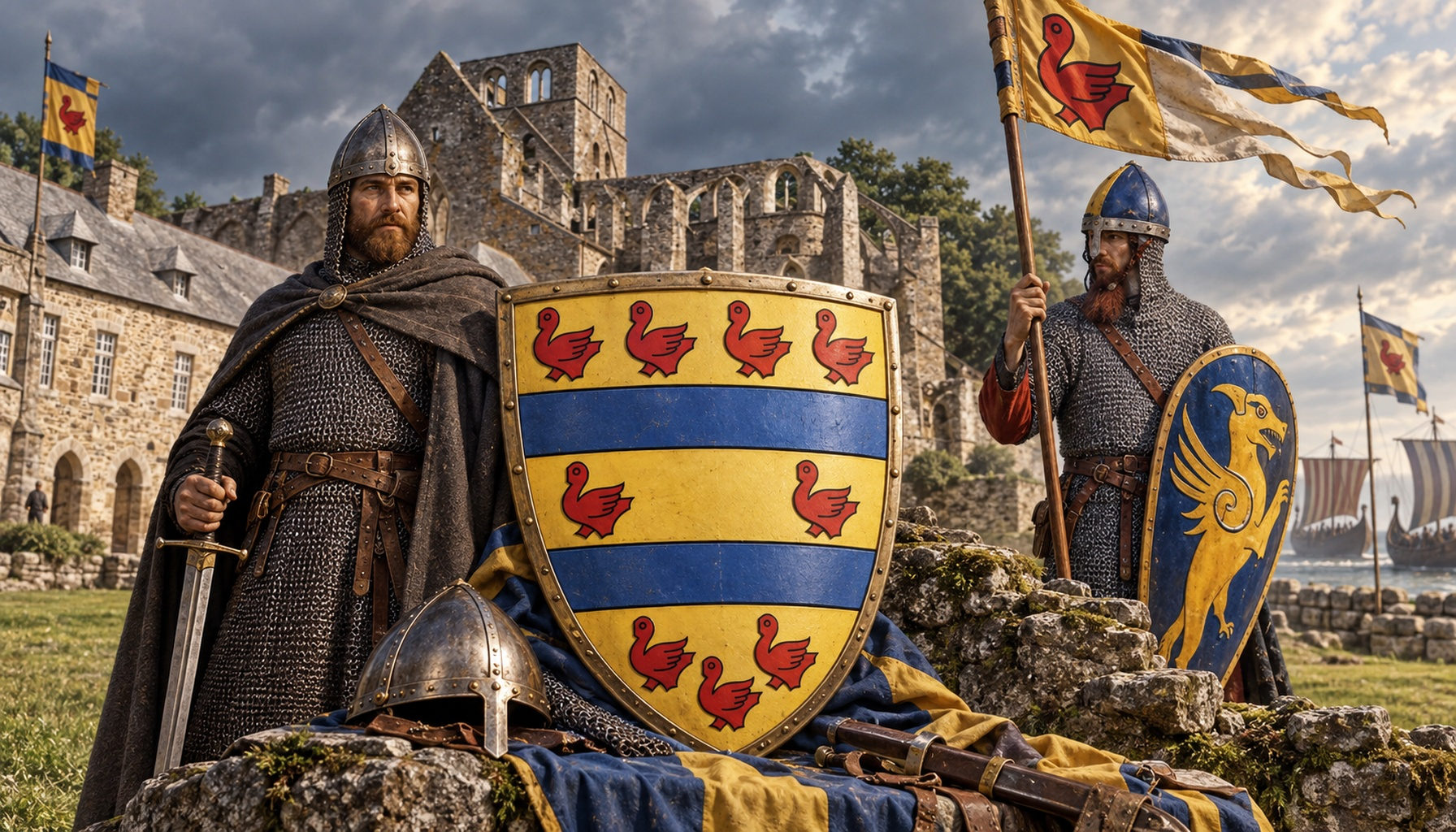
Clan Hay was one of the great noble families of Scotland: a magnate clan of land, office, war, marriage, and royal service. Their story is rooted above all in Perthshire and in the earldom of Erroll, where the Hays built lasting aristocratic power and a name that carried weight far beyond one district. In historical terms, they fit the classic Scottish pattern of lordship: territorial authority at home, influence in national politics, hereditary service to the crown, and a heraldic identity that advertised rank and continuity. For DNA tagging, Clan Hay is linked here with haplogroup R1b1a1b1a1a2b1 as the primary family haplogroup, within the wider R1b line so common in western Europe.
The family emerged in the feudal world of medieval Scotland, when kings rewarded loyalty with land and office, and when ambitious lineages turned local holdings into dynastic power. The Hays are traditionally associated with early royal service and with the steady accumulation of estates through military usefulness and marriage alliances. One early named figure is William II de Haya, recorded around 1160, already showing the family in the documentary light of twelfth-century Scotland. From there the Hays rose through generations of landholding and noble connection into one of the best-known aristocratic houses in the kingdom, with earls, castles, heraldry, and a long public role in Scottish affairs. Their prestige was not simply decorative. It rested on the hard machinery of lordship: tenants, offices, kinship, armed followings, and a close relationship with crown and state.
A powerful location anchor for Hay heritage is New Slains Castle in Aberdeenshire, a dramatic ruined castle standing on the northeast coast above the North Sea. Although not their only great seat, it is one of the most evocative places associated with the family, especially the Earls of Erroll. The present castle largely dates from the rebuilding and enlargement of an older house in the late sixteenth and later centuries, developing into an impressive courtyard castle and then into a more modern aristocratic residence. Its cliff-edge position gives it that unmistakable Scottish mixture of grandeur and exposure, beautiful and severe at once. The building later declined, and the roofless ruin seen today has become famous in its own right, often linked in popular imagination with the atmosphere that inspired Bram Stoker while he was in the area. As a heritage site, New Slains remains a striking reminder that noble power was not just a title on parchment but something planted into the landscape in stone. The ruin can still be viewed and visited from the surrounding area, with coastal walks making it one of the more memorable surviving places connected to Hay history.
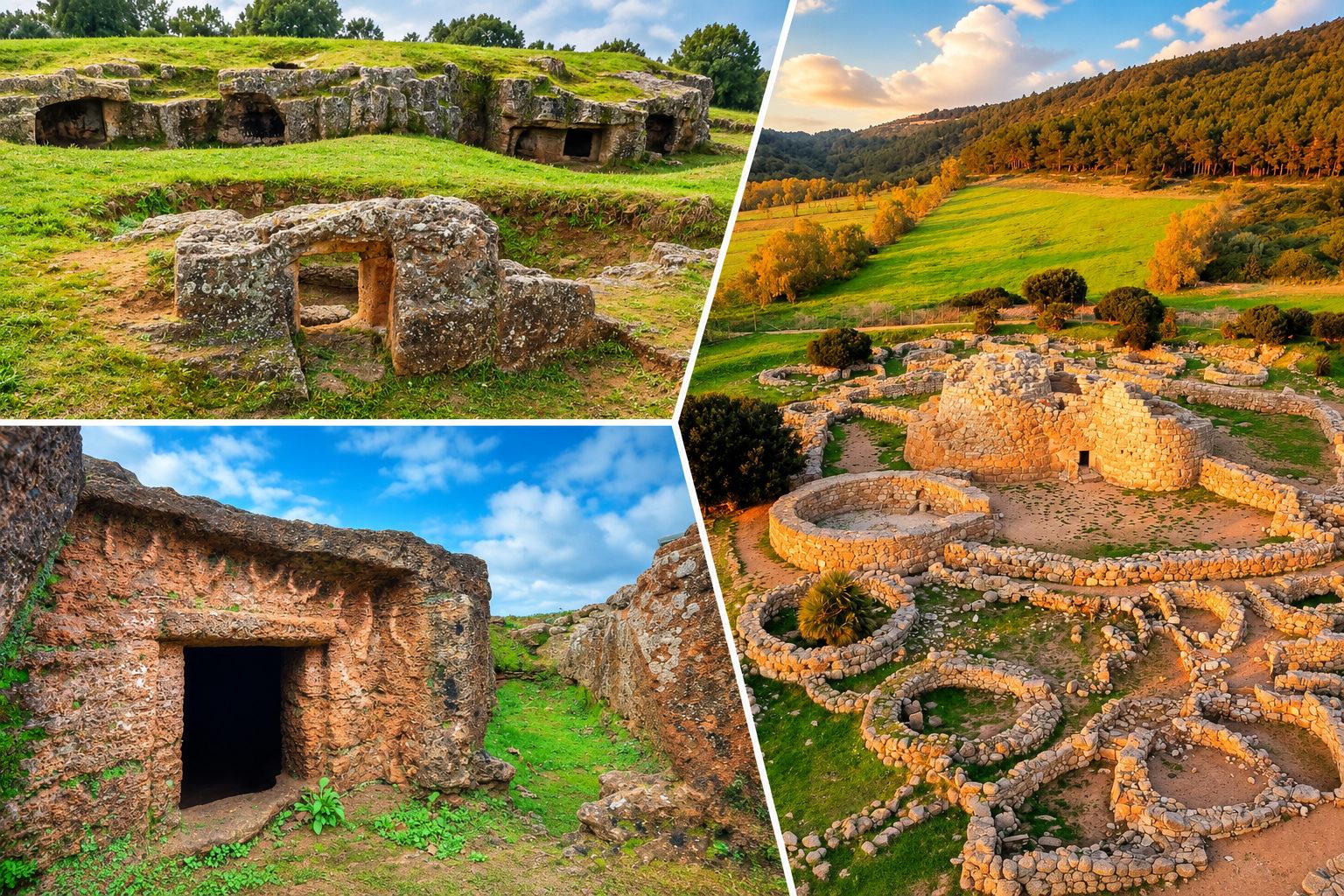
From an ancient-DNA perspective, the Hay-linked haplogroup R1b1a1b1a1a2b1 belongs to a very broad western and central European paternal landscape with deep time depth. That does not mean we can claim direct descent from ancient individuals, only that they are related or linked within the same wider paternal branch. Useful comparative examples include Pict-era Scotland samples from Rosemarkie Cave on the Black Isle such as KD001, KD001_2, KD001_3, KD001_4, KD001_6a, and KD001_6b; Celtic and later British examples such as WBK106 and WBK36 from Durotriges England, I16503 and I16416 from Iron Age Broxmouth in East Lothian, and Roman-era FEN008 from Cambridgeshire; and continental parallels ranging from elite Celtic burials like APG001 and APG003 in Germany to Gallo-Celtic Switzerland samples 3434x, 3429, 3431, and 3434. There are also medieval and dark-age linked examples from northern Spain at Las Gobas, including ldo066, ldo037, ldo046, ldo048, ldo062, and ldo040. Taken together, these linked samples suggest that the paternal line associated here with Clan Hay sits within a lineage that moved through Bell Beaker, Bronze Age, Iron Age, Celtic, Roman, and medieval worlds across much of Europe before appearing in historically documented families of Britain and Scotland.
If you want to explore whether your own family lines may connect with Clan Hay, Scottish noble ancestry, or the wider R1b1a1b1a1a2b1 story, upload your DNA to MyTrueAncestry and compare your results with both historic populations and ancient samples.
Comments