Clan Sinclair
– 3 min read



Clan Sinclair was one of the great noble kindreds of northern Scotland, rooted in Caithness, Orkney, Rosslyn, and the wider seaways of the North Atlantic. Their story is not that of an isolated Highland family, but of a dynasty shaped by ships, lordship, church patronage, landholding, and politics. In origin, the Sinclairs are usually traced to the St Clair family of Norman background, who came into the British Isles in the medieval world and then became thoroughly woven into Scotland's own history. In the far north, where Norse earldoms, Scottish kingship, and coastal power met, the family took on that distinctively northern character which made them so important for centuries. The primary haplogroup linked here is R1b1a1b1a1a1c2b2a1b1a4b2a2c1a1.
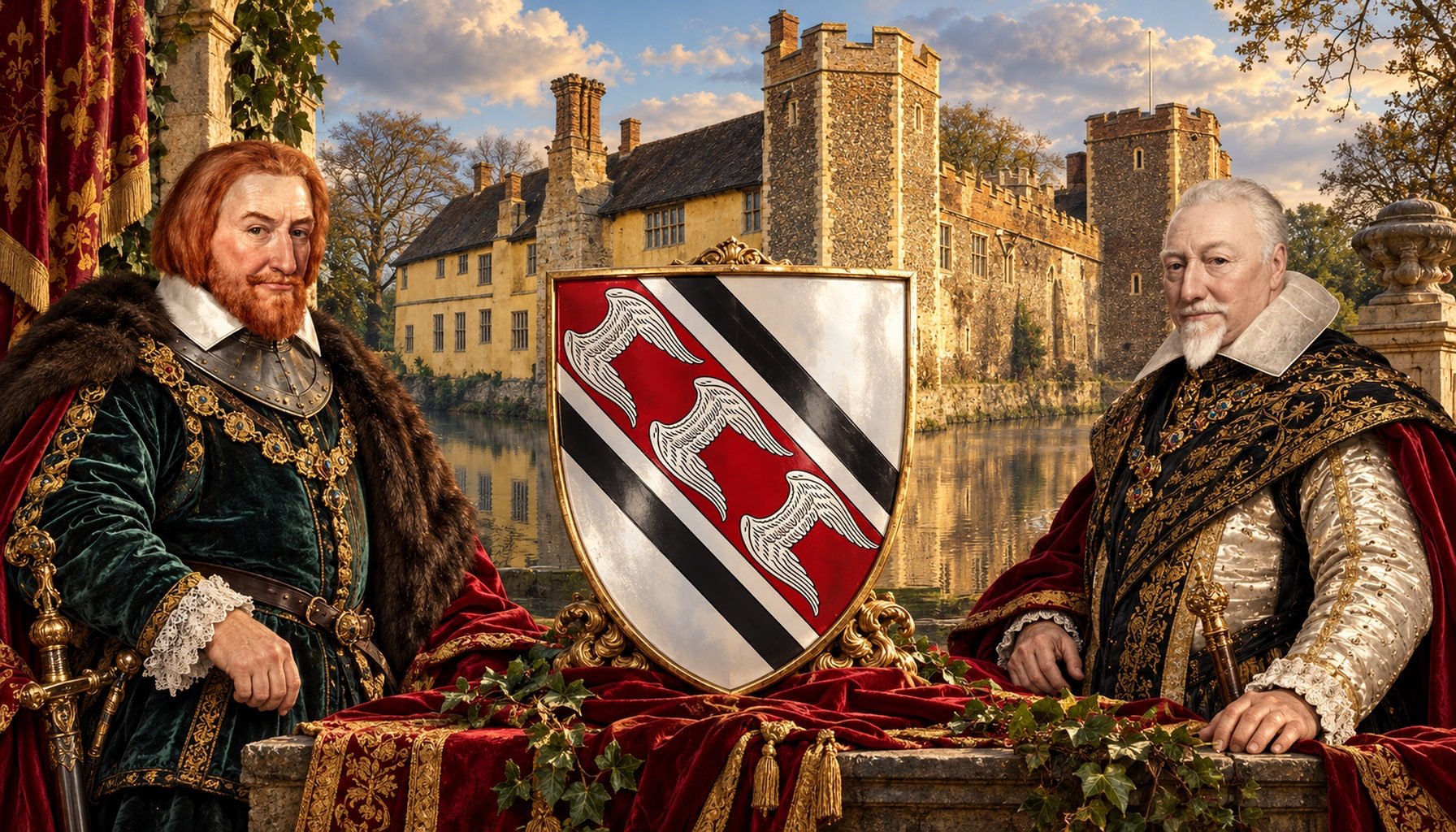
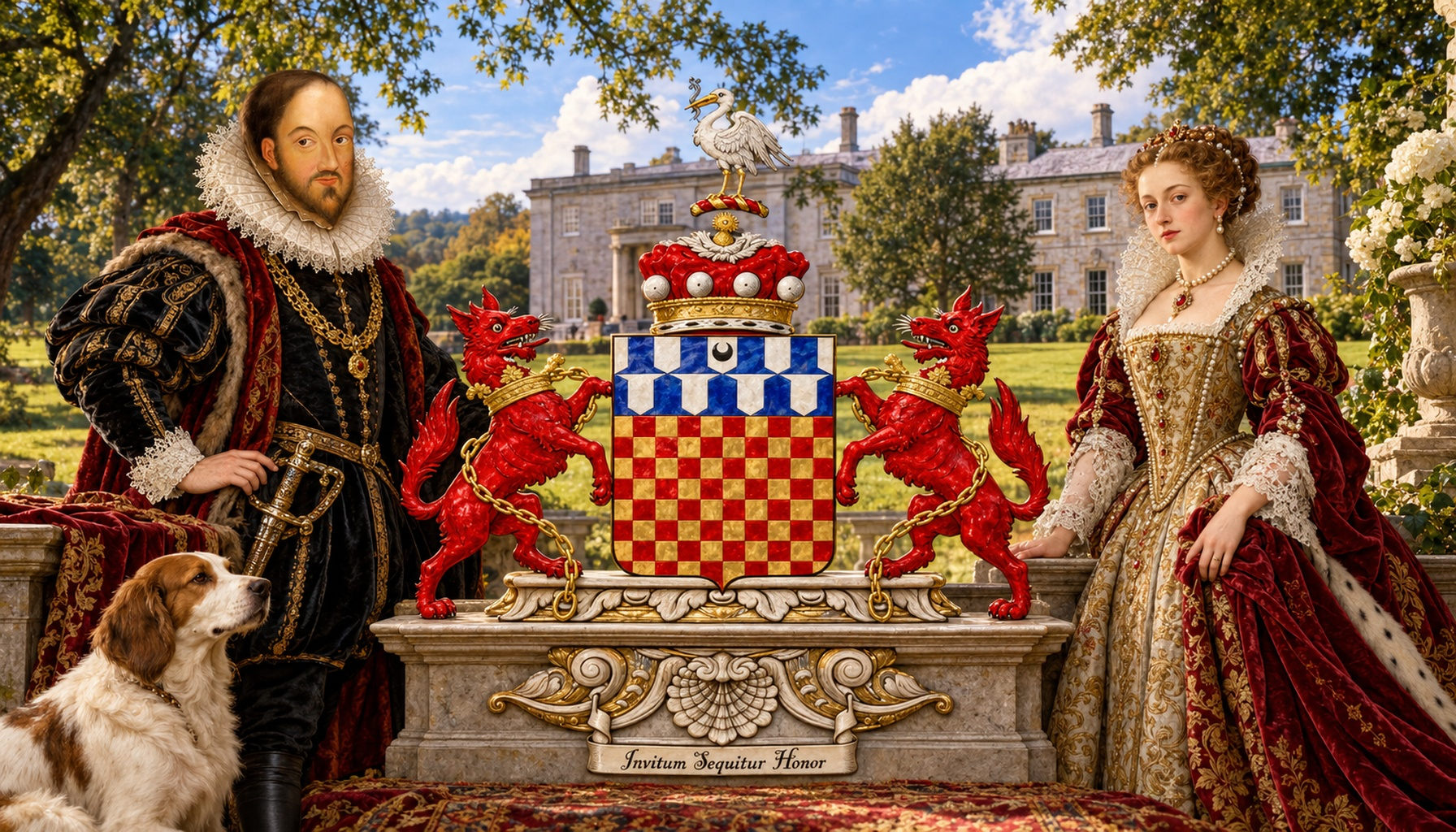
What makes Sinclair history so compelling is this mixture of influences. Here is a family with Norman aristocratic roots, operating in a region long marked by Norse settlement and maritime culture, and rising within the structures of the Scottish kingdom. That combination helps explain why the Sinclairs appear so often beside earldoms, castles, heraldry, and ambitious building projects. The Earl of Orkney line, active in the later Middle Ages, is especially famous through figures such as Henry I Sinclair, Earl of Orkney, whose life belongs to the 14th and early 15th century world of island lordship and North Sea politics. The Earls of Caithness, a title held from 1455 to the present, became another major branch, anchoring Sinclair prestige in the far north of mainland Scotland. Rosslyn, of course, gave the family one of the most celebrated chapels in Britain, but the wider Sinclair pattern is bigger than any one monument: sea power, noble rank, marriage strategy, and territorial authority.
Few places capture the family’s northern identity better than Castle Sinclair Girnigoe, dramatically set on a rocky promontory near Wick in Caithness. In fact, what visitors see today is a striking combined site of two linked castles, Girnigoe and Sinclair, which grew together over time into one of the most remarkable strongholds in northern Scotland. Much of the visible structure belongs to the 15th, 16th, and 17th centuries, and the castle became closely associated with the Earls of Caithness. It was both residence and statement: a fortress looking out to sea, perfectly suited to a family whose power depended not only on inland estates but on maritime routes, coastal control, and visibility. The cliff-edge setting is wonderfully theatrical, but it is not just romance. It tells you something basic about Sinclair history: this was a lordship facing the North Sea world as much as the Scottish interior. The ruins still survive and, as a preserved historic site, can be visited today, which makes it one of the best places to feel the atmosphere of Sinclair country in person.
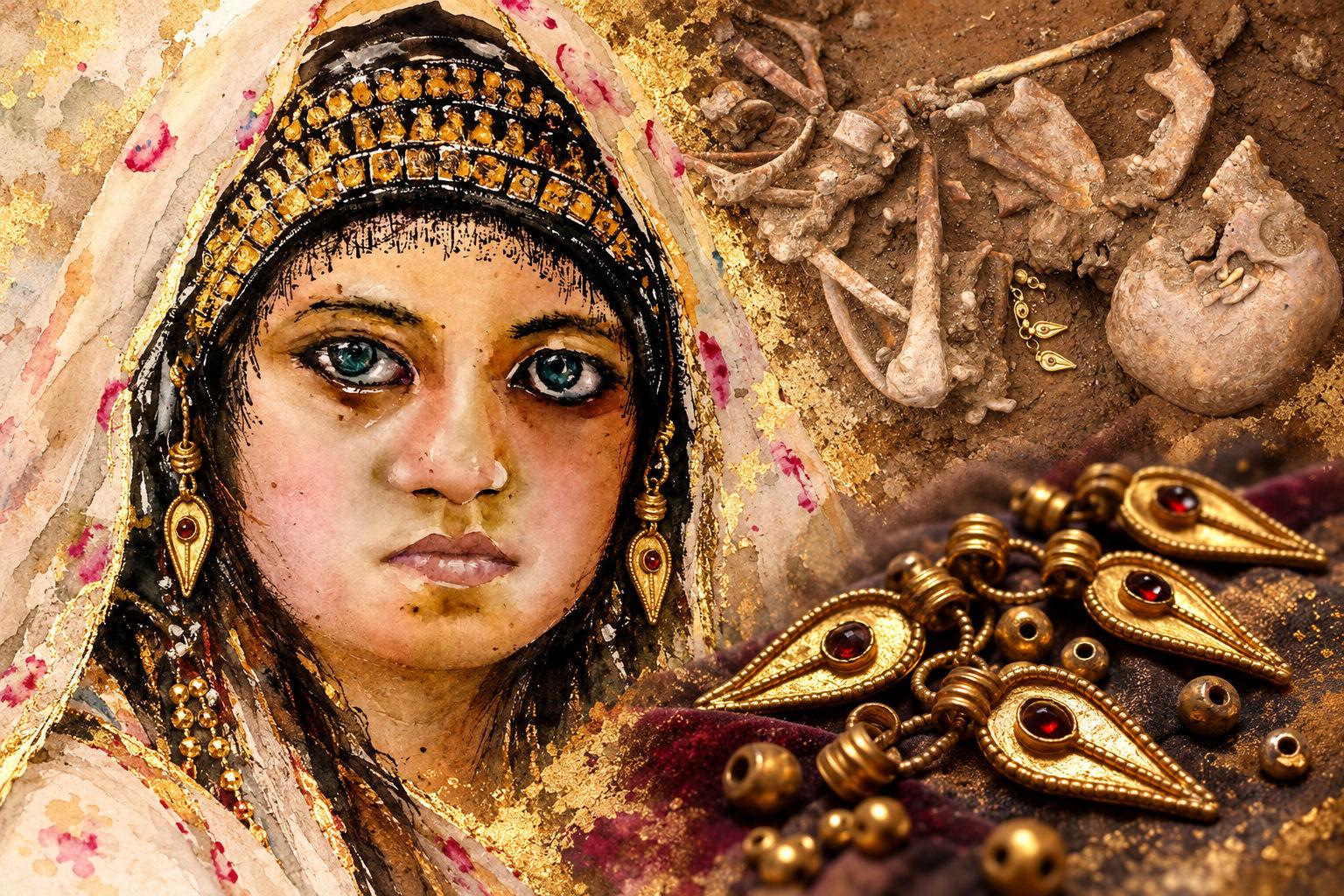
From a DNA perspective, the Sinclair-linked paternal signature highlighted here is R1b1a1b1a1a1c2b2a1b1a4b2a2c1a1. Ancient DNA does not let us simply point to a medieval earl and declare a perfect one-to-one match, and it is always worth being cautious about that. What it can do is place a family within a wider web of related paternal lineages seen across medieval and early historic northern Europe. Related or linked samples for this branch include Medieval Oxfordshire Magdalen College Longwall Quad, England, sample C11119; Thuringii-associated Roman period Deersheim in Saxony-Anhalt, Germany, sample DRH057; Medieval western Slav settler Steuden in Sachsen-Anhalt, sample SDN003; a Saxon grave from Hannover-Anderten in Lower Saxony, sample ADN002; Viking Age Galgedil on Funen, Denmark, sample VK133; and a Viking Age spearman from Telemark, Norway, sample VK389. Taken together, these do not prove direct descent from any one ancient individual, but they do fit the broad historical picture behind Sinclair heritage: a northwestern European paternal line moving through the same interconnected world of Saxon, Norse, Germanic, insular, and medieval populations that shaped Scotland’s northern nobility.
Explore the Royal House of Stewart
If you carry Sinclair ancestry, or simply suspect a connection to the old noble world of Caithness, Orkney, and Rosslyn, DNA can add another fascinating layer to the paper trail. Uploading your results can help you see whether you match Clan Sinclair’s featured haplogroup or show links to related ancient DNA samples from Viking Age Scandinavia, medieval Britain, or the Germanic world behind northern Scottish history.
Comments