Clan Gunn

– 3 min read


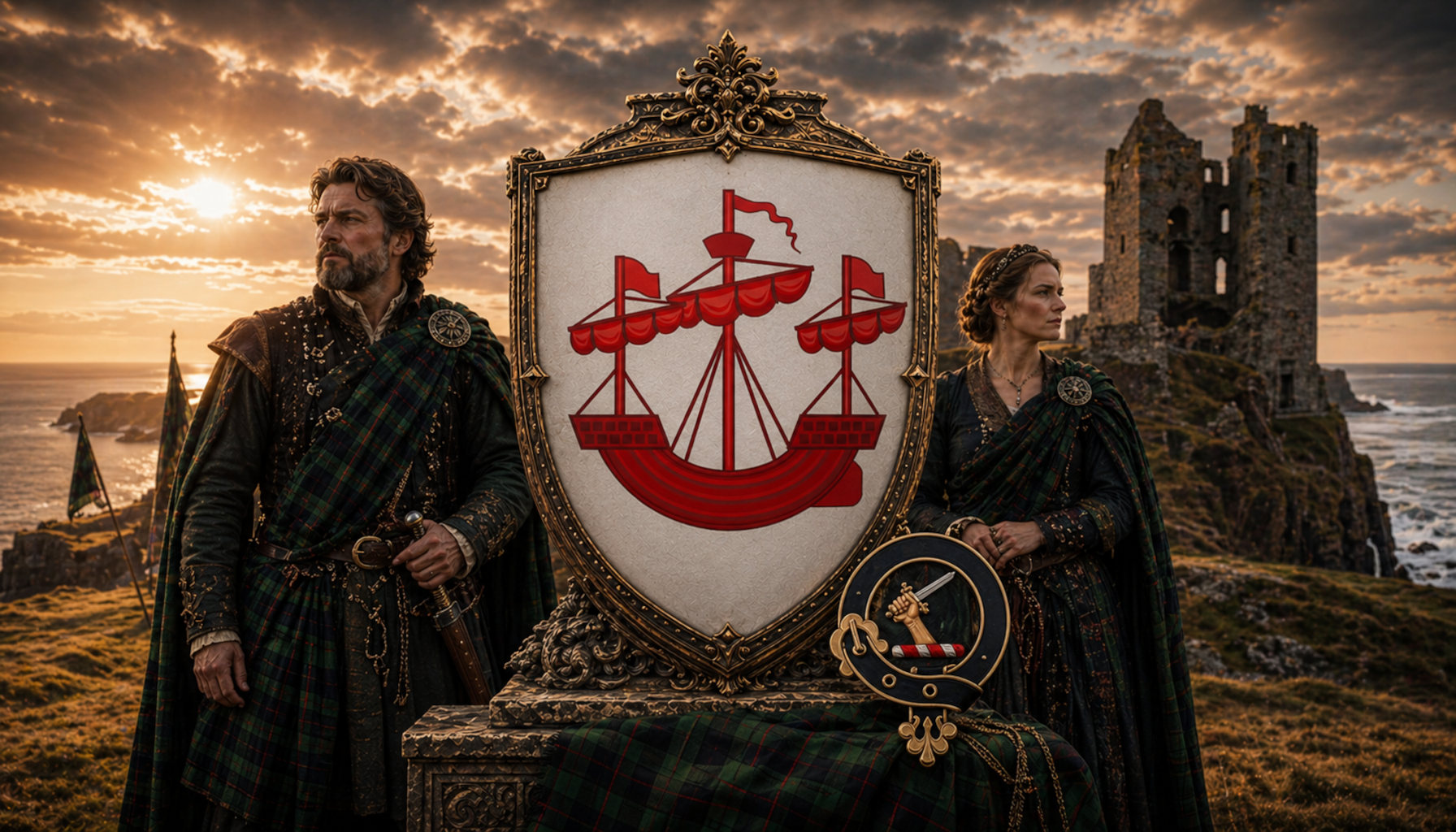
Clan Gunn was one of the great far-northern Highland kindreds of Scotland, rooted above all in Caithness and Sutherland, in a landscape of cliffs, sea-winds, moor, and narrow fertile strips between mountain and coast. Traditionally the clan is linked to a Norse-Gaelic past, which suits the region perfectly: this was never a neatly sealed Gaelic world, but a frontier where Norse settlement, seaborne movement, and Highland kinship overlapped for centuries. The family is commonly associated here with the Y-DNA haplogroup R1b1a1b1a1a1b1a, a lineage found widely across northwestern Europe and useful as one strand, not the whole story, in thinking about deep paternal heritage.
Historically, the Gunns emerge as a hard-edged northern clan whose identity was shaped by office, feud, landholding, and reputation. One of the earliest clearly recorded chiefs was George Gunn, Coroner of Caithness, who lived circa 1380 to 1464 and was remembered as Am Braisdeach Mor, the great brooch-wearer, from the insignia of his office. That detail is marvellous because it reminds us that medieval authority was visible and theatrical: people wore power. The clan was associated with Gunn's Castle or Clyth Castle, with other sites such as Dirlot Castle, Halberry Castle, Latheron, and lands around Kinbrace, and with the long and bitter feud with Clan Keith. Out of that feud come some of the most famous northern traditions: Helen of Braemore, Ackergill Castle, the Battle of Champions, bloodshed, memory, and eventually reconciliation. Even the motto, Aut pax aut bellum, either peace or war, sounds like the north speaking in a plain voice.
The clan's great location anchor is Gunn's Castle, also called Clyth Castle, near Wick in Caithness. It stands, or rather survives, on a rocky site above the sea, which is exactly where one would expect a northern stronghold of this sort to be: not inland and comfortable, but exposed, watchful, and half in conversation with the water. The site is associated with the chiefs of Clan Gunn and reflects the coastal character of their power, tied to movement along the shore as much as to control of inland ground. Sources on the castle describe it as a ruin, but an evocative one, with its remains still marking the cliff-top position and the strategic logic behind it. This is not the kind of castle that dominates by size alone; it dominates by placement, by the feeling that whoever held it had one eye on enemies and another on the sea-lanes. On that evidence, the site can still be visited in the sense that its remains survive and the location is known, making it a tangible stopping point for anyone tracing Clan Gunn country today.
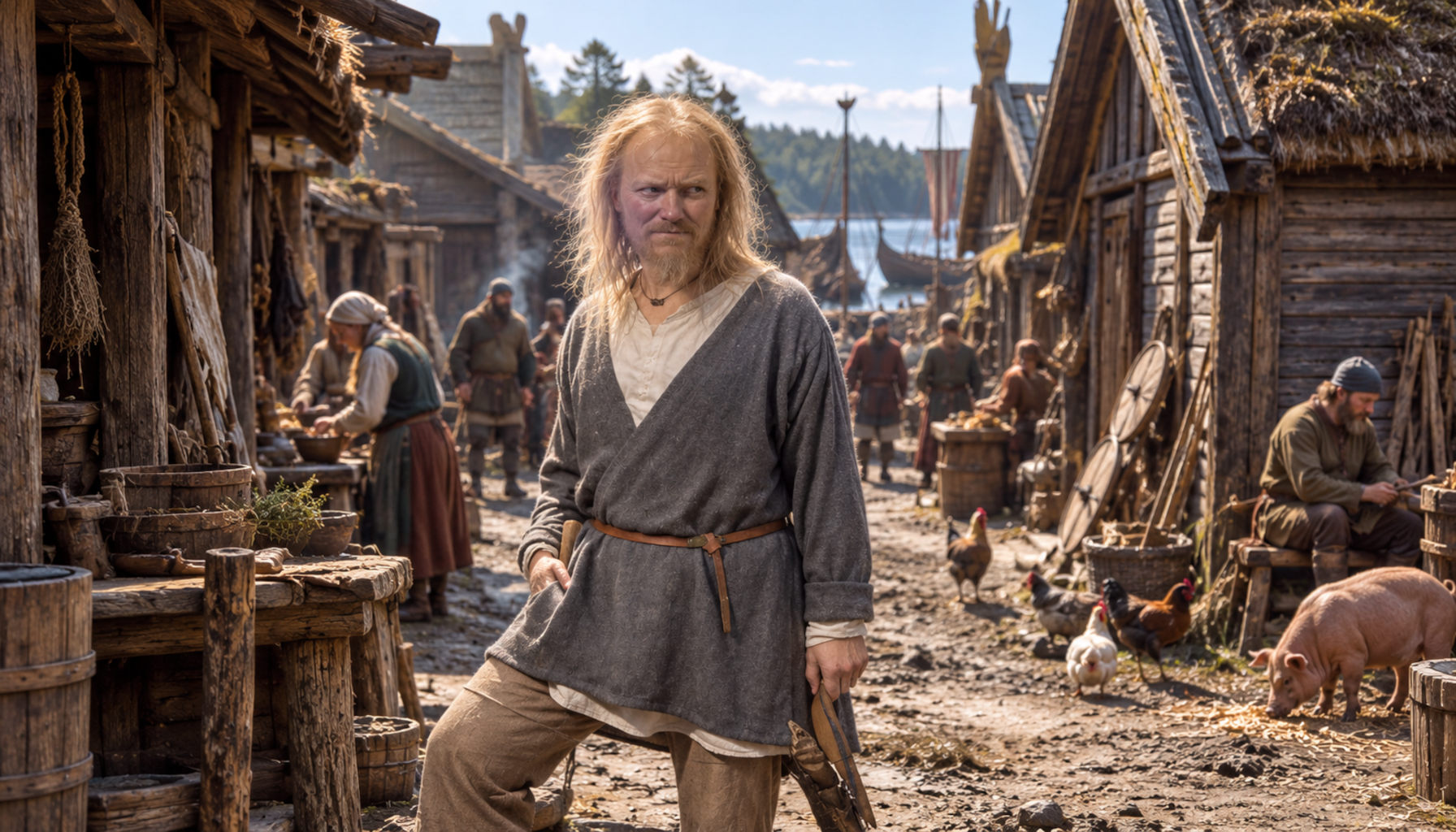
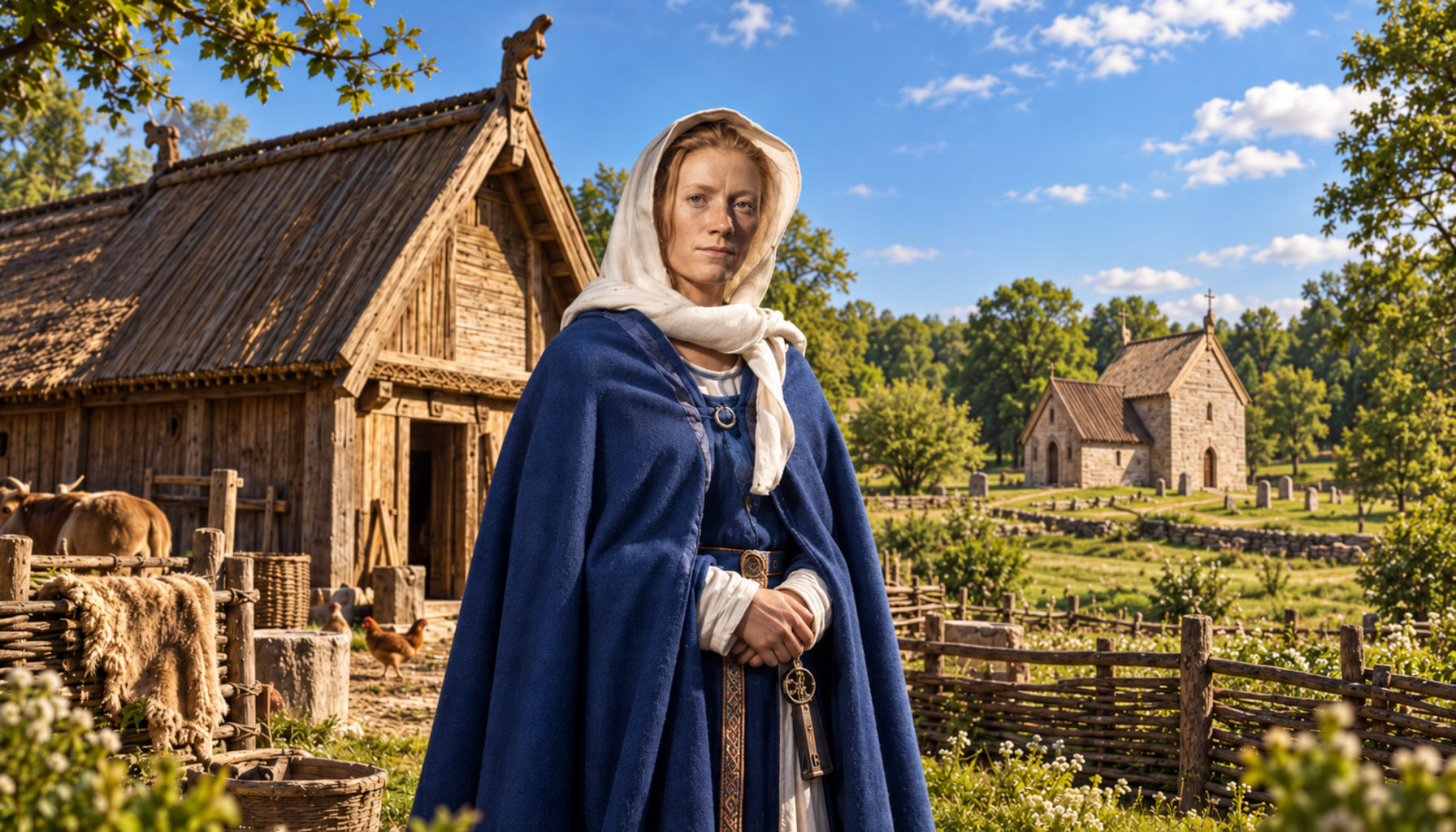
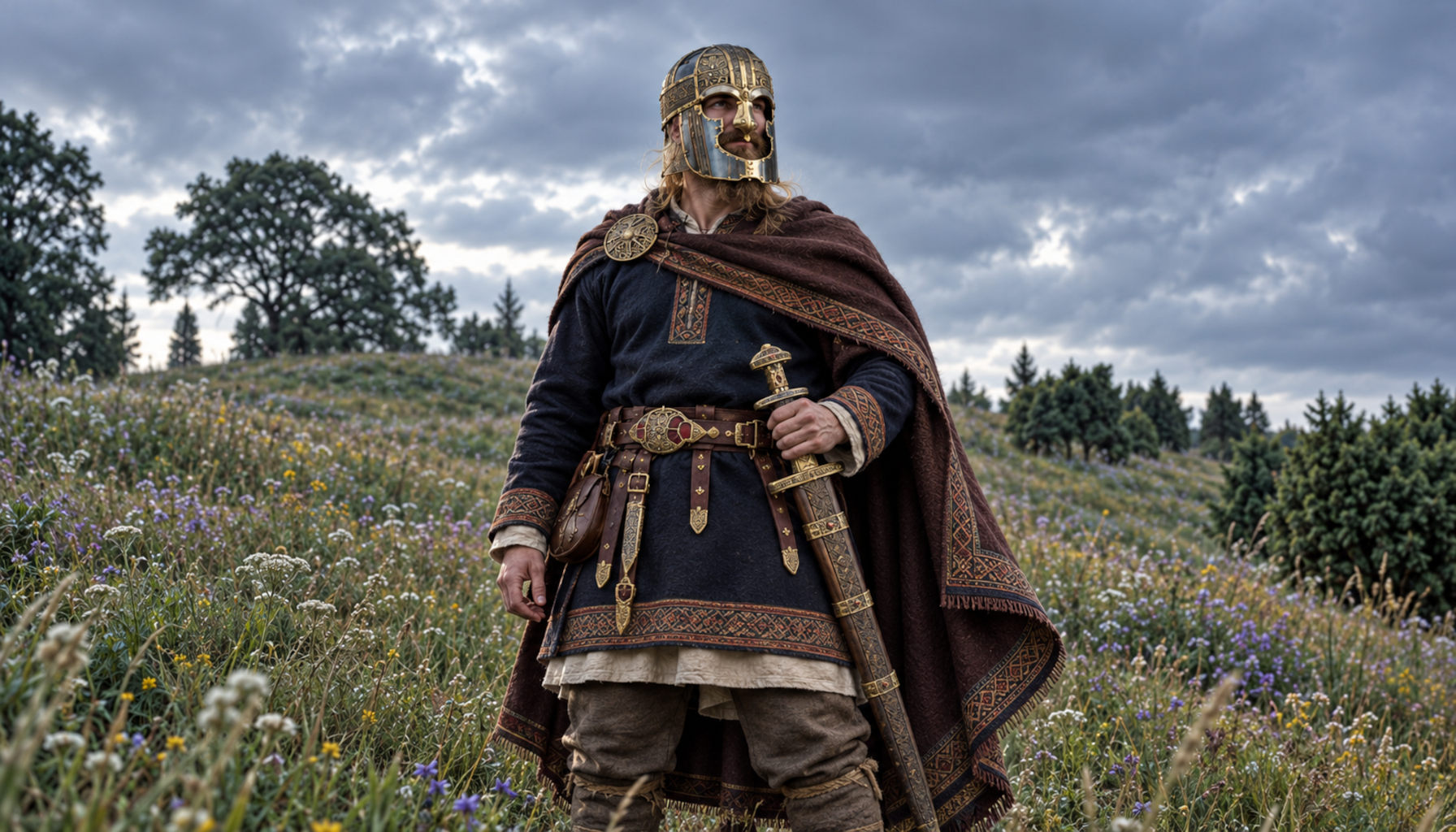
From a DNA perspective, the primary family haplogroup tag here is R1b1a1b1a1a1b1a. It is important not to turn that into a fairytale of direct descent from any one excavated man with a sword and a dramatic haircut. What we can say is that related or linked ancient DNA samples carrying this broader paternal signal appear across a striking sweep of European history, which suits the mixed northern setting of Clan Gunn rather well. They include Bronze Age central European examples such as LEU007 from Unetice Leubingen in Thuringia, Iron Age and Germanic-linked individuals such as PCA0485 from Gdansk Wielbark and PCA0531 from Czarnowko, Roman and post-Roman figures including I15527 from Viminacium and OSIJ003 from Mursa, early medieval and Frankish samples like Mln42 and OBM025, Anglo-Saxon and Saxon-period burials such as I11583, I11584, I20652, BUK025, BUK060, BUK064, BUK070, DUN006, DUN009, and DUN011, and Viking Age or Scandinavian-linked individuals including urm160 and urm160x from Sigtuna, VK204 from Viking Age Orkney, VK308 from Skara Varnhem, and CGG107013 from northern Norway. There are also linked Danish and wider Nordic samples from Bronze Age, Iron Age, Danii, and Jutish contexts, including Karlstrup, Kirkebjerggaard, Simonsborg, Mosede Mose, Sanddal, and Mellemholm. Taken together, these do not prove a Clan Gunn pedigree line; rather, they sketch the wider genetic world from which a Norse-Gaelic northern Scottish clan could ultimately have emerged.
If your family story touches Caithness, Sutherland, the far north of Scotland, or the Norse-Gaelic world of the northern sea, it is worth exploring further. Upload your DNA to MyTrueAncestry to see whether you match Clan Gunn, its associated haplogroup R1b1a1b1a1a1b1a, or related ancient DNA samples from Bronze Age, Saxon, Viking, and medieval northern Europe.
Comments