Clan Sutherland

– 3 min read



Clan Sutherland was one of the great noble kindreds of the far north of Scotland, rooted in the county of Sutherland and remembered for territorial authority, earldom rank, and a remarkably durable presence in Highland politics. In genetic tagging terms, the primary family haplogroup associated here is R1b1a1b1a1a2a. Historically, this is a clan that sits at the intersection of two worlds: the older Highland pattern of kinship, land, and local power, and the medieval and early modern world of charters, titles, marriage strategy, and national influence.
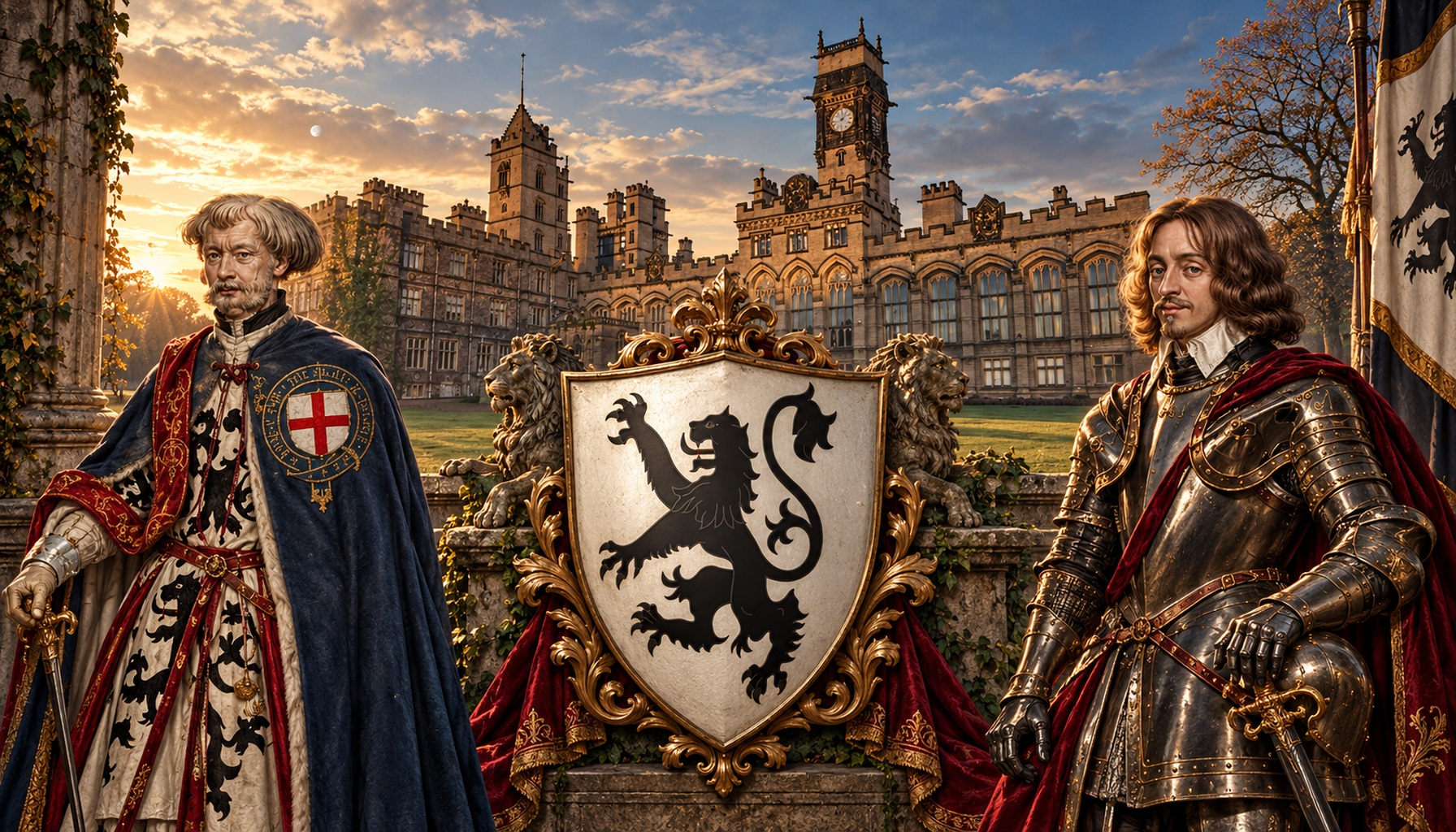
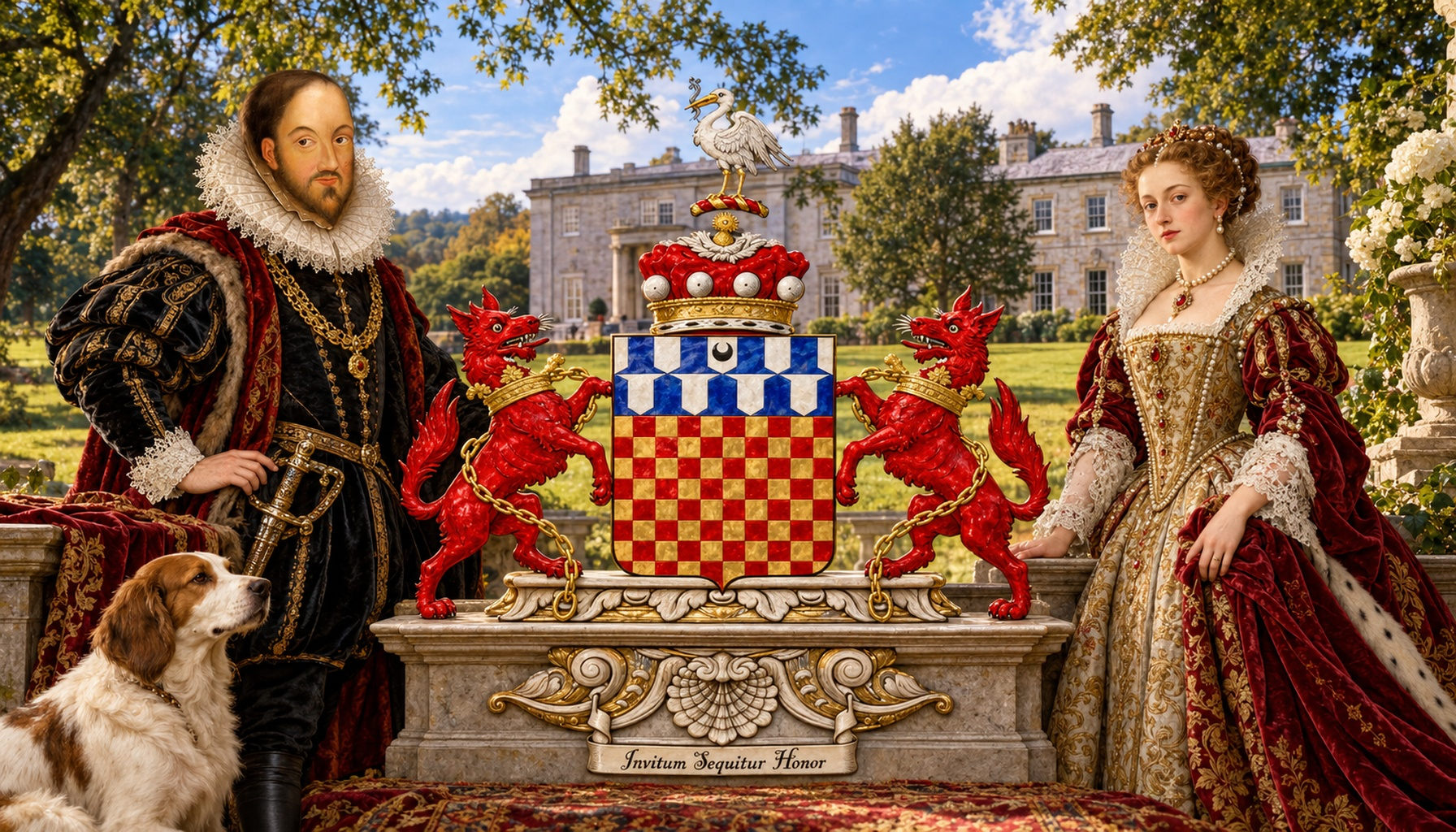
The family background is richer than the usual tartan shorthand. The Sutherlands are traditionally linked to the Moravia line, descending from Freskin of Flanders, a figure tied to the reshaping of Scotland under the twelfth-century kings. His descendants became major landholders in the north, and William de Moravia, active in the years 1210-1248, stands out in the consolidation of the family in Sutherland itself. From that base, the line developed through chiefship and aristocratic promotion, with later connections reaching into the wider Scottish nobility through titles such as Earl of Tullibardine in 1606, Earl of Atholl in 1629, Marquess of Atholl in 1676, and Duke of Atholl in 1703. That does not mean every Sutherland line is a direct line to each of those title-holders, but it does show the broad political world in which the family moved: one of alliances, military service, and enduring prestige across centuries.
Dunrobin Castle is the great location anchor of Sutherland history, and it is one of those places that seems almost too theatrical to be real: rising above the Moray Firth near Golspie, with towers and spires that make it look closer to a Loire chateau than a grim northern fortress. But that is part of the point. Dunrobin grew over centuries from a medieval stronghold of the Earls of Sutherland into the vast house seen today, especially after major nineteenth-century remodelling. It is among the oldest continuously inhabited great houses in Scotland, long associated with the chiefs and earls of the family, and it expresses in stone what the clan represented in history: continuity, landed command, aristocratic display, and a deep attachment to the northern landscape. The gardens, museum collections, and coastal setting all reinforce that sense of long inheritance. Yes, it can still be visited, and for anyone interested in Sutherland heritage it is the obvious place to begin.
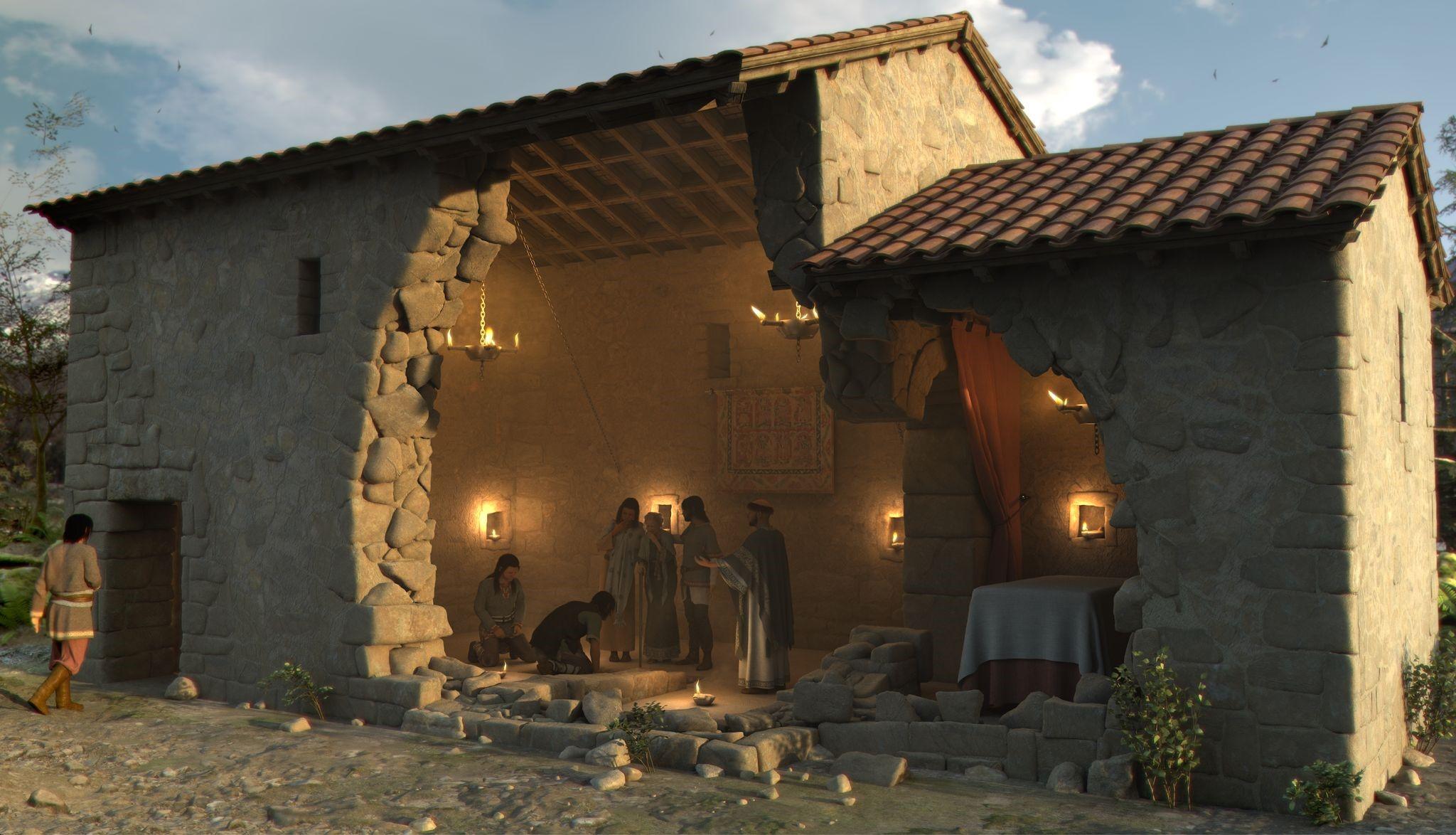
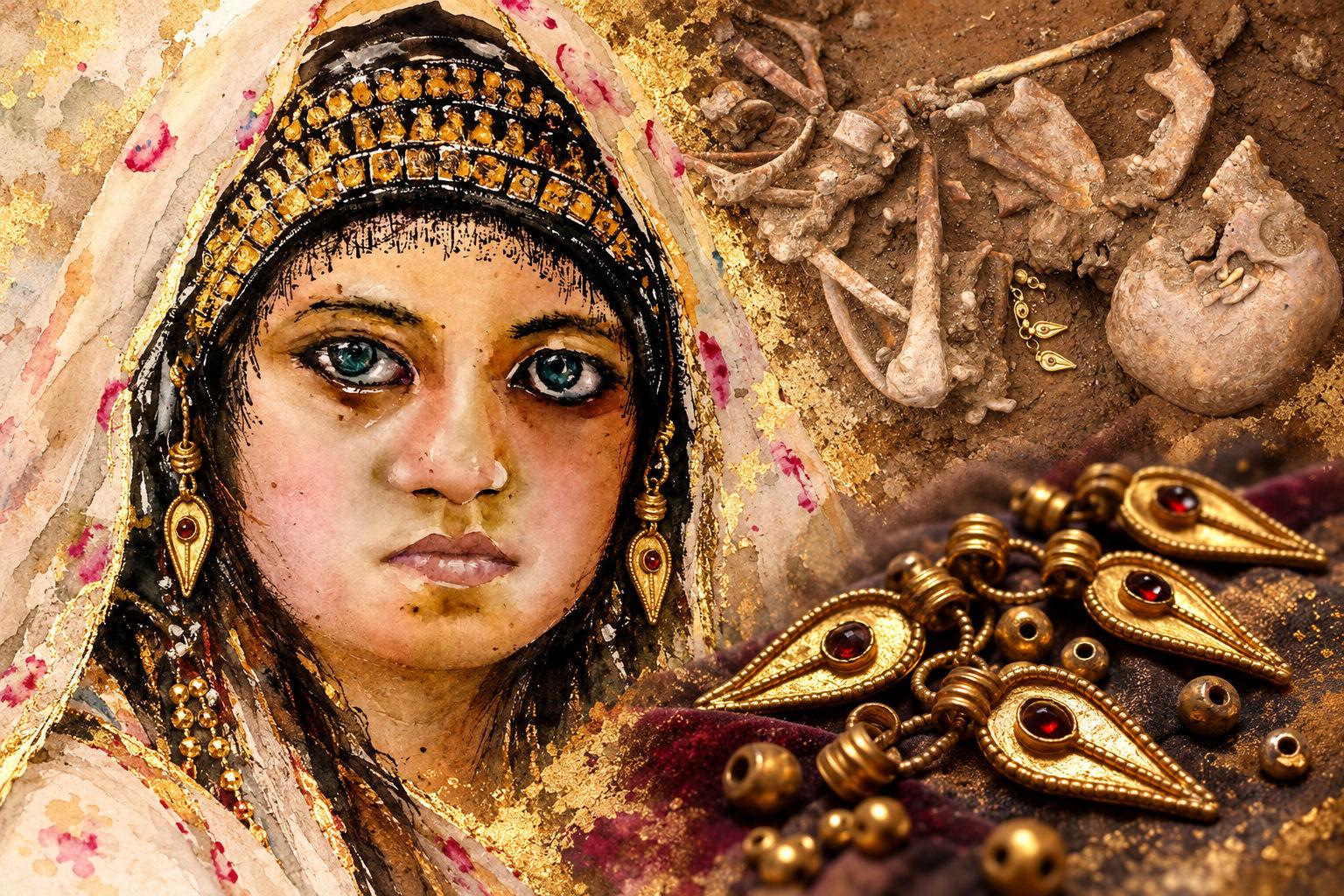
On the ancient DNA side, R1b1a1b1a1a2a-linked samples appear across a wide and rather fascinating spread of European contexts. Related or linked examples include Pict-era Scotland from Rosemarkie Cave on the Black Isle such as KD001 and KD001_2, early medieval Pict-era Lundin Links cemetery samples such as LUN004, Roman-era and medieval England samples including NWC009 from Eddington and ATP_PSN_944 from Cherry Hinton, and a strong cluster of Iron Age and elite Celtic contexts from central Europe such as Magdalenenberg MBG013, Asperg-Grafenbuehl APG001, and Hochdorf HOC001. There are also linked medieval and dark age examples from northern Spain at Las Gobas, including ldo066, ldo037, and ldo062. None of this proves direct descent from any one excavated individual, and it should not be presented that way. What it does show is that the broader paternal line tagged here has deep roots across the same western and central European worlds that fed into later British and Highland population history.
If Clan Sutherland is part of your story, the interesting question is not just whether the name appears in your tree, but how your DNA fits into the larger historical landscape of northern Scotland, medieval noble families, and older R1b-linked population layers across Britain and Europe. Upload your DNA to MyTrueAncestry to see whether you match Clan Sutherland connections or any of the related ancient DNA samples that illuminate this wider heritage.
Comments