Archaeogenetics: Using Ancient DNA to Decode Human History
– 6 min read


Archaeogenetics: Reading History in Ancient Bones
In this comprehensive exploration of archaeogenetics, we delve into the fascinating world of ancient DNA extracted from human remains and the objects buried alongside them. Rather than focusing solely on laboratory methods, this study follows the stories of real people whose bones were uncovered in graves, tombs, and long-lost settlements across the ancient world.
Each burial site functions as a carefully packed time capsule, revealing secrets that have been locked away for millennia. Archaeologists approach graves not merely to catalogue pottery and weapons, but to collect precious fragments of bone and tooth from which specialists can read traces of DNA that survive for thousands of years. These genetic signatures, preserved in the mineral matrix of ancient remains, offer unprecedented insights into the lives and origins of our ancestors.
A single grave might contain a warrior buried with an ornate sword and bronze shield, a high-status woman adorned with glass beads and silver bracelets, or a child laid to rest with a carefully crafted clay toy. The grave goods, when combined with genetic evidence, reveal where these individuals' ancestors originated, whom they intermarried with, and how they moved across the vast tapestry of the ancient world. The chemical signatures in their teeth tell us where they spent their childhood years, while their DNA carries the story of their ancestral journeys across continents.
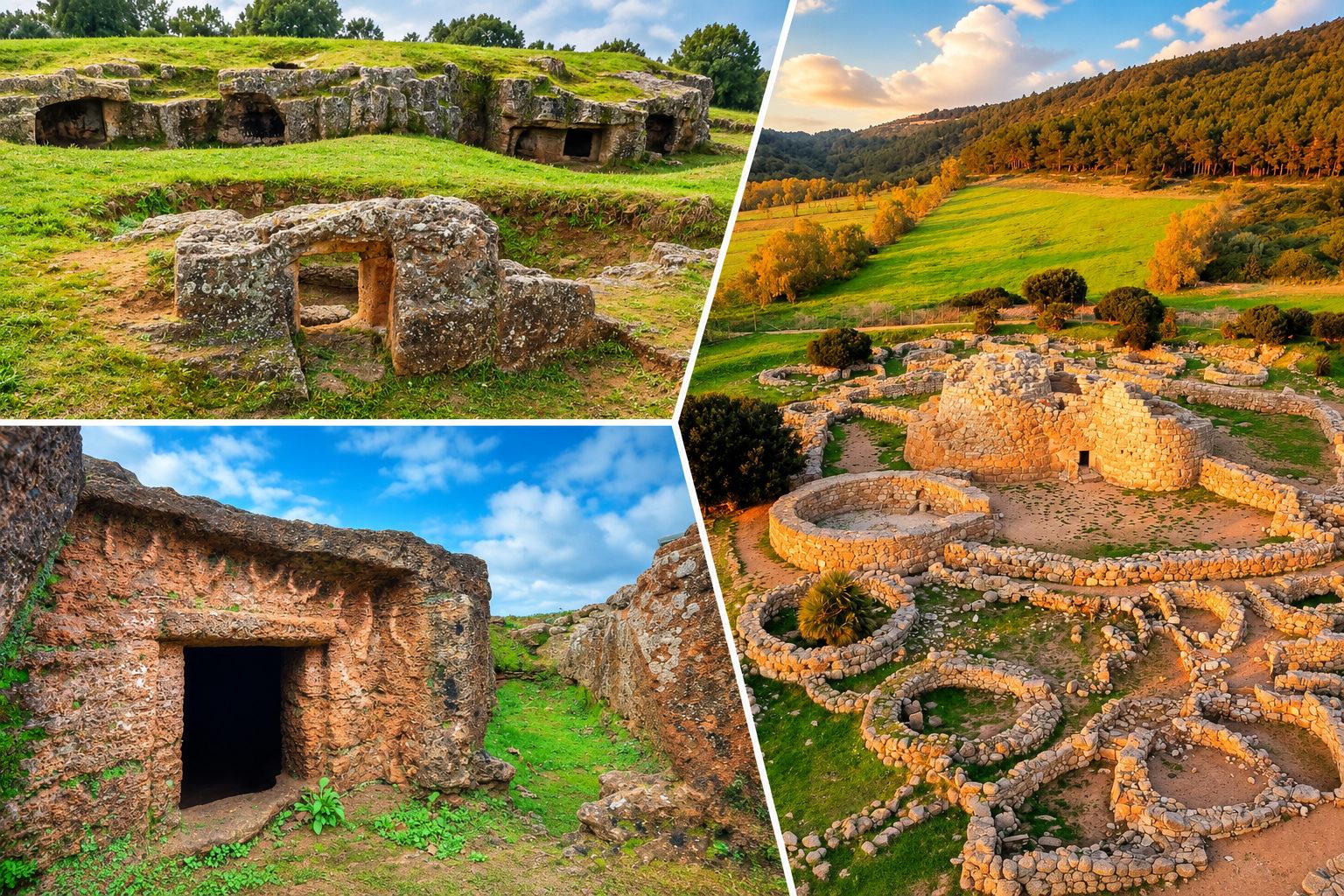
Across diverse regions, excavation pits cut through modern fields, roads, and housing developments to reach forgotten cemeteries that hold the keys to understanding ancient population movements. In one remarkable site, orderly rows of modest graves are interrupted by a single spectacular burial filled with intricate metalwork, imported amber jewelry, and exotic objects from distant lands. In another location, cramped mass graves hint at episodes of disease, famine, or violent conflict that swept through entire communities.
By carefully mapping the physical layout of these cemeteries and matching burial patterns with DNA results, researchers explore fundamental questions about ancient social organization. Were the people buried in a single row of graves members of the same extended family? Did newcomers to a region bury their dead using different customs and orientations? Did certain prestige objects, such as horse equipment or fine drinking vessels, travel with particular groups of migrants as they established new settlements?
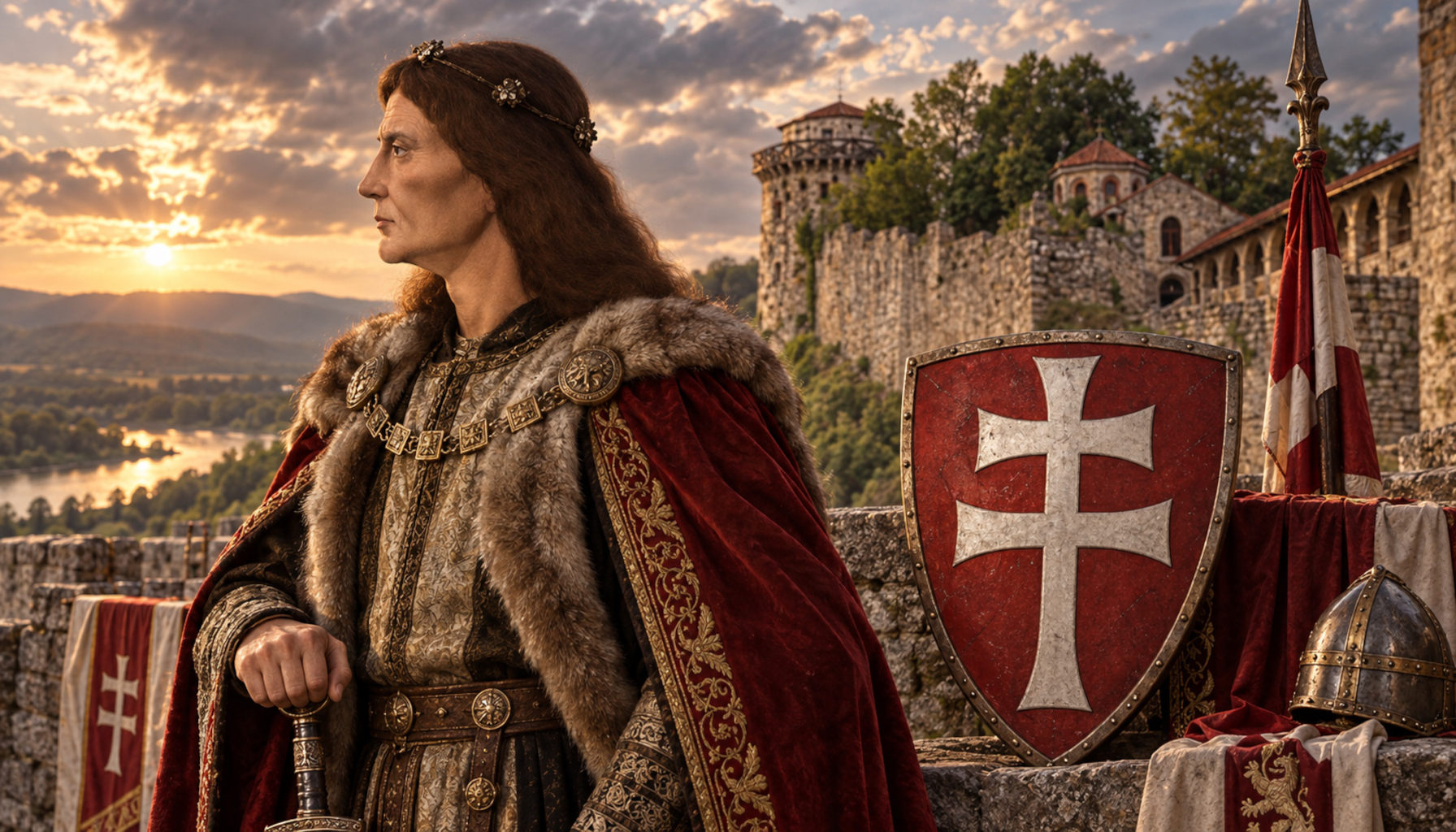
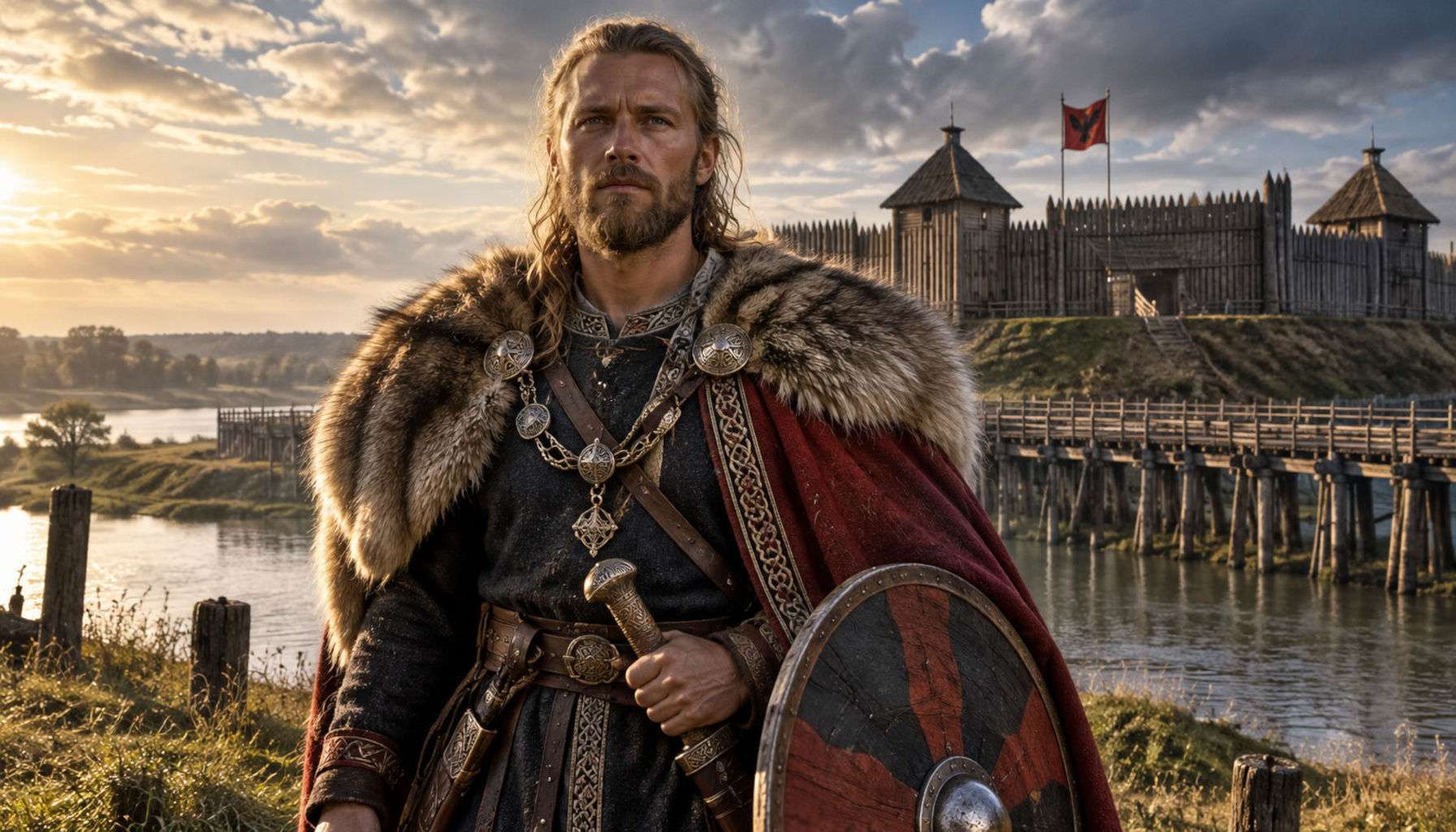
Rather than speaking only in statistical averages, this research brings to life specific ancient individuals whose personal stories illuminate broader historical patterns. One skeleton belongs to a tall man buried with a magnificently crafted sword, an iron shield boss, and a small collection of silver coins. His DNA reveals ancestry linking both local farming communities and distant steppe herders, suggesting he was descended from migrants who had intermarried with the established population over several generations.
Another burial contains a high-status woman laid out on a wooden bed frame, surrounded by bronze pins, colored glass beads, and a polished bronze mirror that would have been extraordinarily valuable. Her genetic profile, combined with the distinctive style of her grave goods, demonstrates connections to trading networks that stretched across multiple regions and cultural boundaries. Through such detailed examples, anonymous skeletons are transformed into real people with complex family histories, social roles, and personal possessions that meant something special to them in life.
The study of ancient human migrations takes on new dimensions when archaeological evidence is combined with genetic data from burial sites. Early farming communities left distinctive traces in their long, narrow houses, grain storage pits, and carefully organized cemeteries. Inside their graves, the dead were typically laid on their sides, accompanied by pottery vessels, polished stone tools, and ornaments crafted from animal teeth and marine shells that had traveled great distances from coastal regions.
When genetic material is successfully recovered from these ancient burials, it reveals that these early farmers were not simply local hunter-gatherers who had adopted new subsistence strategies. Instead, the evidence shows they were largely newcomers who carried their agricultural traditions, languages, and family lineages across enormous distances over many generations. This pattern suggests that farming spread not merely as a set of techniques or ideas, but through the actual movement of people who brought their entire way of life with them as they established new communities in previously unsettled territories.
Burial grounds often function as frozen snapshots of cultural interaction and population mixing. In many cemeteries, skulls and skeletons display mixed physical traits, with people buried side by side showing different facial structures and body builds. Their grave goods also tell contrasting stories about their cultural affiliations and personal identities.
In one extensively studied region, warrior graves contain beautifully crafted metal daggers, polished stone battle-axes, and elaborate drinking vessels, buried with individuals whose genetic signatures indicate ancestors from distant grassland regions to the east. Nearby graves hold people with more local ancestry, interred with simpler pottery and traditional stone implements. These mixed cemeteries reveal tales of encounter, integration, and sometimes population replacement, as newcomers and established residents were laid to rest shoulder by shoulder in the same sacred spaces.
The most compelling aspects of this research focus on specific ancient individuals who can be studied almost like characters in a historical narrative. A young woman buried with multiple strings of carefully crafted beads and an elegantly shaped ceremonial vessel is revealed through genetic analysis to have grown up far from her final resting place. Her teeth preserve chemical signatures from different water sources, providing evidence that she moved across significant distances during her lifetime, possibly as part of marriage alliances or trading expeditions.
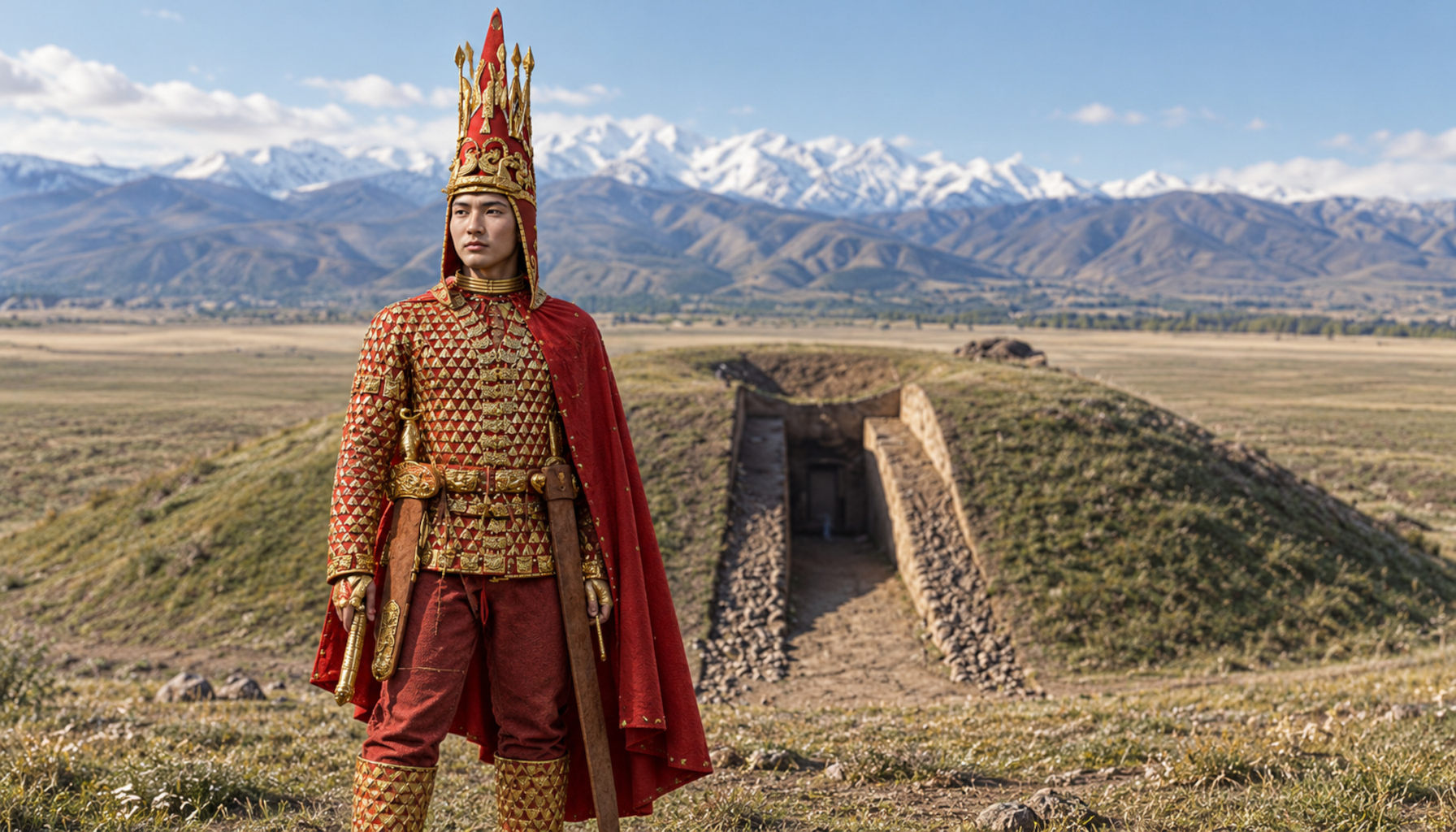
Another individual, an elderly man interred beneath a substantial burial mound with a copper axe, carefully knapped flint blades, and a distinctive belt decorated with wild boar tusks, shows ancestry connected to distant populations that had once roamed the great grassland plains. Such figures demonstrate how large-scale population movements can be understood through the detailed life stories of individual people, buried with objects that speak eloquently of status, trade relationships, and cultural identity.
The long encounter between older hunting and gathering societies and incoming farming communities provides some of the most fascinating insights into ancient population dynamics. In caves, rock shelters, and riverside settlements, archaeologists have uncovered earlier burials of hunter-gatherers, typically accompanied by modest grave goods: carefully crafted stone tools, necklaces of animal teeth, and sometimes red ochre powder sprinkled ceremonially over the bones.
In later archaeological layers of the same regions, new types of graves appear with more standardized cemetery organization. The dead are buried with pottery vessels, bones from domesticated animals, and ornaments made from copper or exotic shells. Genetic studies demonstrate that these later populations are related to farming groups from southern and eastern regions. Over time, some graves contain individuals with mixed ancestry, carrying genetic signals from both the earlier hunter-gatherers and the incoming agricultural communities. This represents a slow, complex process of cultural interaction involving intermarriage, technological borrowing, and gradual shifts in which groups held demographic dominance.
Throughout these studies, grave goods function as ancient passports that document movement and cultural exchange. Coastal burial sites include ornaments made from sea shells that must have traveled far inland through trading networks. In mountain valley cemeteries, graves contain beads carved from distinctive stones found only hundreds of kilometers away. Metal objects display design motifs and manufacturing techniques typical of distant cultural regions.
When such foreign objects appear in graves where the individual's genetic ancestry also points to far-off regions, they likely represent more than simple trade goods. They probably belonged to migrants or the children of migrants - people who brought both their physical bodies and their most treasured possessions to new homelands. Archaeological evidence shows how these foreign items first appear as rare luxury goods and gradually become more common, reflecting the spread of both people and cultural practices across the ancient landscape.
The integration of archaeological excavation with genetic analysis of ancient remains has revolutionized our understanding of the past. Each cemetery, burial mound, cave burial, and village graveyard contributes to a vivid picture of a world in constant motion, where people were not static ancestors rooted to single locations but the children and grandchildren of travelers: farmers pushing into new territories, hunters adapting to incoming neighbors, warriors moving across plains, and seafarers exploring new routes between distant shores.
Every grave, with its distinctive pottery, jewelry, weapons, and worn bones, becomes a crucial point on a much larger map of human experience. By carefully interpreting archaeological evidence alongside genetic signals preserved in ancient remains, we can now trace how entire populations rose, moved, mixed, and sometimes faded away, leaving behind a deep and intricate record of human movement, adaptation, and cultural change across the ages. These ancient voices, speaking through bone and artifact, remind us that the human story has always been one of movement, connection, and the endless human drive to explore new horizons while maintaining ties to ancestral traditions and identities.
Original source article: https://doi.org/10.1073/pnas.2520565123
Comments