Ancient DNA from Bakr Awa: Tracing Population Change in Bronze and Iron Age Mesopotamia
– 6 min read


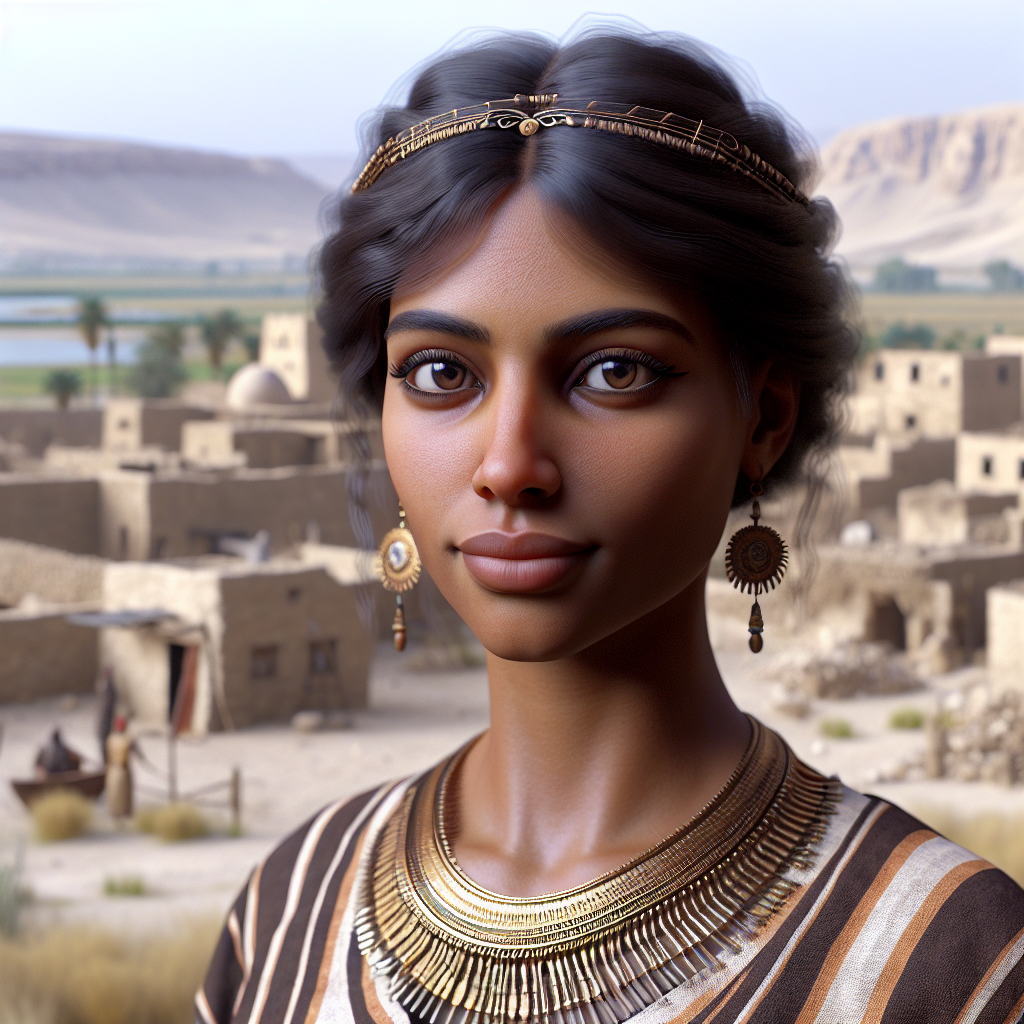
The settlement of Bakr Awa, located in the Shahrizor Plain of northeastern Iraq, represents a true crossroads between worlds. For thousands of years this community stood where the great lowland cities of Mesopotamia met the highlands of the Zagros. Far from being a remote outpost, Bakr Awa emerges as a frontier town humming with trade, migration, and cultural mixing across the Bronze and Iron Ages.
Archaeologically, it sits on the edge of empires: Old Babylonian kingdoms, then Assyrian power, and finally the vast Persian Achaemenid realm. The graves excavated here span these eras, turning the cemetery itself into a historical timeline. Ancient DNA from the individuals buried at Bakr Awa allows researchers to observe how people at this frontier changed or remained constant as new rulers, soldiers, traders, and migrants passed through their lands.
The excavated burials belong to men, women, children, and infants, all laid to rest in a community that existed between two different landscapes: the fertile Mesopotamian plains to the west and the rugged Zagros hills to the east. This was precisely the kind of place where caravans would have passed, merchants bartered, and highland and lowland customs mixed in everyday life.
Each grave represents more than a burial site. It provides a snapshot of how people at Bakr Awa thought about identity, family, and belonging, and how they positioned themselves within wider Mesopotamian traditions while maintaining distinctly local characteristics. The burials serve as precious windows into this frontier life, revealing the complex interplay between imperial influence and local continuity.
The earlier burials come from the time when Old Babylonian power still cast a long cultural shadow over northern Mesopotamia. Bakr Awa appears as part of this orbit: a place where people might have known the prestige of Babylonian scribes, stories, and city life, even while living on the frontier.
The graves from this period belong to a community woven into larger networks of trade and communication, yet they also demonstrate deep local roots. Ancient DNA from these individuals helps determine whether the people of Bakr Awa were long-settled families, newcomers from afar, or descendants of repeated waves of migrants moving through this frontier corridor.
The genetics suggest a community that absorbed outside influences without losing its own character. Even under Babylonian cultural prestige, the people at Bakr Awa lived their own version of Mesopotamian life, shaped by their position at the very edge of the lowland world. This balance between external influence and local identity characterizes much of the site's long history.
Later burials at Bakr Awa belong to the age of rising and falling empires: first the Assyrians, then the Achaemenid Persians. By the Achaemenid period in particular, the Near East had become part of one of the largest empires on earth. Roads were built, armies marched, officials moved around, and deported populations were resettled far from home.
In this setting, Bakr Awa becomes a testing ground for understanding imperial influence. The research asks whether the people in these later graves still resemble the older, local community, or whether they carry genetic traces of distant regions pulled into the empire. Every skeleton from this era becomes a possible witness to long journeys: a soldier's child, a trader's descendant, or a family uprooted and resettled on the frontier.
At the same time, the site demonstrates that life did not dissolve into imperial uniformity. Even under the Assyrians and Achaemenids, Bakr Awa remained a place with its own rhythms and traditions. The DNA evidence hints at centuries of contact and movement, but also at a stubborn continuity of local identity on this strip of land where plains and mountains meet.
What makes this single site so powerful is that it allows observation of a community changing over time, while still maintaining local traditions and ancestry. The graves here do not belong to one frozen moment. Instead, they trace lives lived under Old Babylonian rulers, then under the Assyrian imperial shadow, and finally within the vast Persian Achaemenid world.
Archaeologists have uncovered burials from both the Bronze Age and the Iron Age at Bakr Awa. These are carefully placed graves that once held people who farmed, traded, wrote, fought, and raised families on this busy frontier. The genetic data from these individuals captures a dynamic between continuity and change. Some lineages run deeply local, echoing generations rooted in the same valley. Others hint at newcomers, drawn in by trade, war, or imperial resettlement.
In the earlier, Babylonian-influenced levels, the graves likely belong to people who lived in a world where the great southern cities still held cultural prestige. These individuals were buried in a landscape connected to scribes, merchants, and temple economies, yet perched near the eastern mountains. Their bodies and DNA suggest communities that were attached to the region, but not isolated.
One of the most striking aspects of this research is its focus on real individuals rather than faceless historical categories. These are particular people: parents, children, infants whose graves happened to survive. Their remains now allow archaeologists and geneticists to see how ordinary families lived through extraordinary changes.
Over the long span from the Bronze Age into the Iron Age, Bakr Awa witnessed the rise of cities, the collapse of kingdoms, the expansion of imperial armies, and the redrawing of borders. Yet through all this, the cemetery kept filling, generation after generation. Each genome adds a thread to the story of how frontier communities handled new rulers, new neighbors, and new mixtures of ancestry, while still passing down their own sense of belonging.
As the layers rise through time and the graves shift into the Achaemenid Persian era, the site becomes even more revealing. By then, Bakr Awa lay under one of the largest empires the ancient world ever saw. Imperial roads cut across the landscape, soldiers marched, traders moved goods, and administrators relocated people. Each grave from this period serves as a test case: is this person descended from old Shahrizor families, or from someone whose grandparents came from hundreds of kilometers away?
Some individuals still carry the stamp of deep local roots, while others bear the genetic traces of movement and mixture across imperial frontiers. The graves themselves, with their careful placement and burial goods, anchor these genetic stories in real lives. A child interred in the Babylonian phase might belong to a farming family that had tended the same fields for generations, yet shows a hint of ancestry from farther west. An adult from the Achaemenid layers might have been the descendant of deportees or soldiers resettled by imperial policy, now fully woven into the local community.
The cemetery at Bakr Awa offers a unique opportunity to examine how local people remained connected to their homeland under successive empires, and how far imperial power actually brought in new populations. This was no quiet village on the edge of nowhere, but a settlement that stood on a frontier where kingdoms met, merchants passed, armies marched, and cultures blended.
The way bodies were laid out, the pottery placed beside them, the ornaments and tools they carried into death: all of this sets the local scene. Ancient DNA adds a new layer of understanding, revealing whether these people descended from long-rooted local families, or whether their genomes whisper of parents or grandparents who came from different corners of the empire.
By the time the Achaemenid Persians ruled, the Near East had been incorporated into one of the largest empires the ancient world had ever seen. Imperial roads stretched over mountains and deserts, armies moved between distant provinces, administrators and soldiers were posted far from home, and forced resettlements shifted whole groups of people from one region to another.
The Achaemenid-era graves at Bakr Awa serve as historical experiments. When archaeologists study the DNA from these tombs, do the buried individuals resemble earlier local populations? Or do their genomes carry traces of ancestry from far-off lands within the imperial web? Specific graves, with their goods and careful burial practices, become testing grounds for the reach of imperial integration.
In this way, Bakr Awa emerges as a living frontier – not just a line on a map, but a place where the great histories of Babylon, Assyria, and Persia were actually experienced. The graves and the ancient DNA together catch history in the act: trade routes turning into family ties, imperial orders turning into local lives, and a frontier settlement quietly knitting Mesopotamia and the Zagros together over many centuries. By tracking these men, women, and children through time, the site reveals a settlement that remained both stubbornly local and endlessly open to change, serving as a living record of how ancient families maintained their connection to the landscape while new people and new bloodlines arrived with each fresh wave of political power.
Source: PRJEB111543
Comments