Clan Murray
– 3 min read


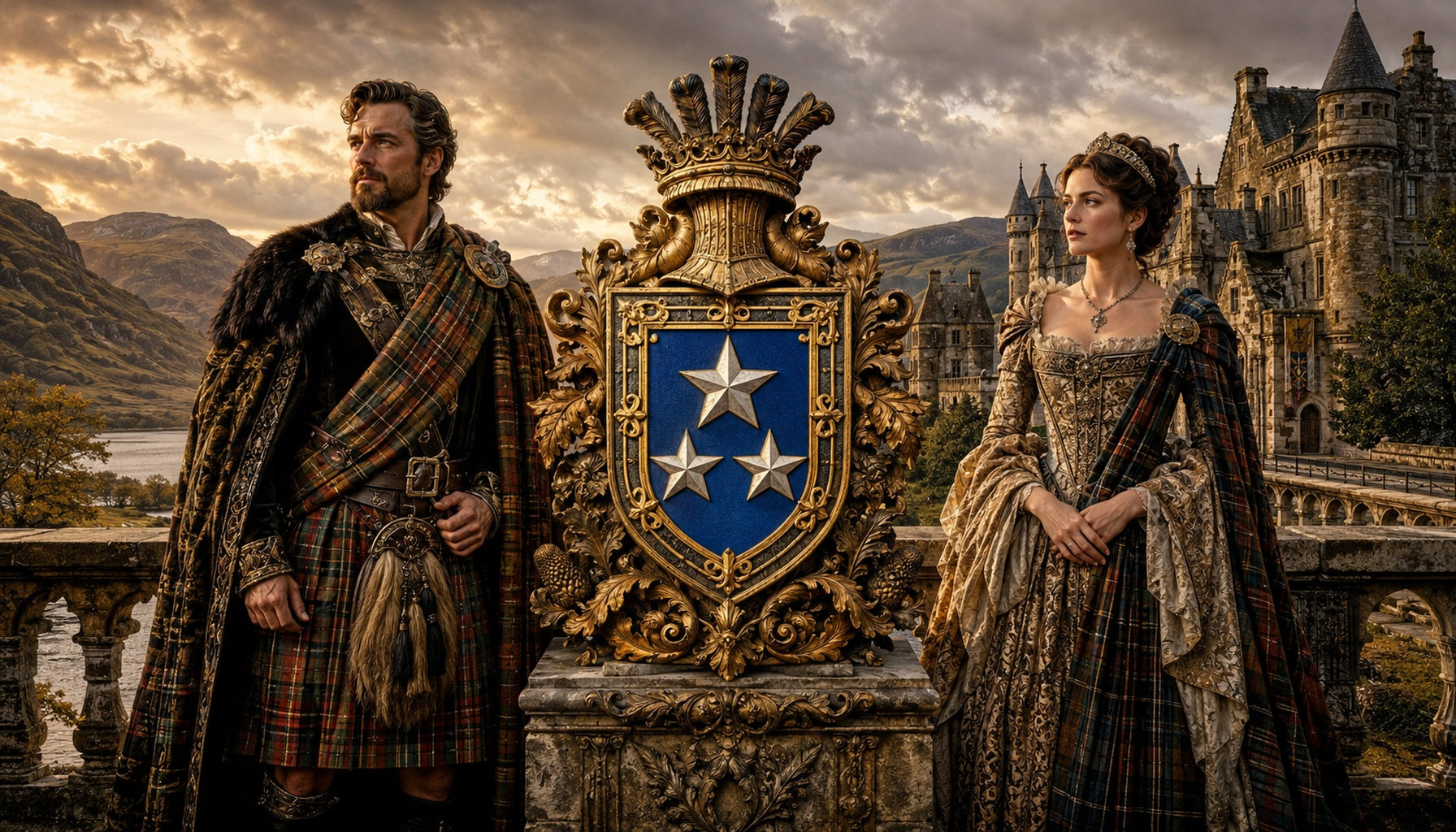
Clan Murray was one of the great aristocratic kindreds of Scotland: a family of land, office, war, and royal service, rooted above all in Atholl and Tullibardine and eventually raised into the highest ranks of the Scottish peerage. In the broad pattern of Scottish history, the Murrays are a splendid example of how a medieval family could grow into a magnate clan: first by securing land, then by serving kings, then by marrying well, holding castles, gathering titles, and placing themselves firmly in the machinery of the realm. Their primary Y-DNA association is linked here with haplogroup R1b1a1b1a1a2a, a lineage common in western European paternal history and well represented in ancient DNA from Celtic, Roman, and medieval contexts.
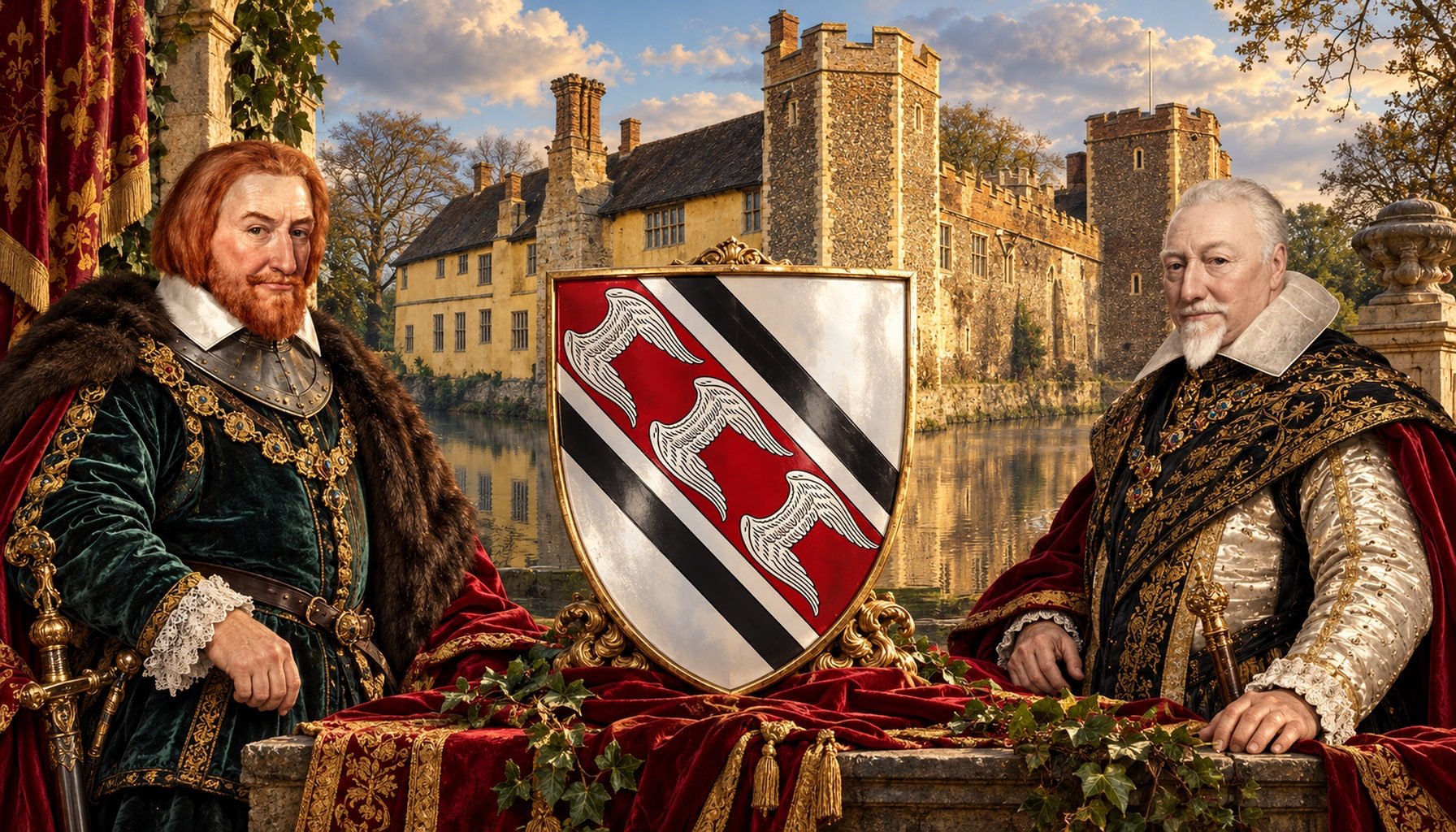
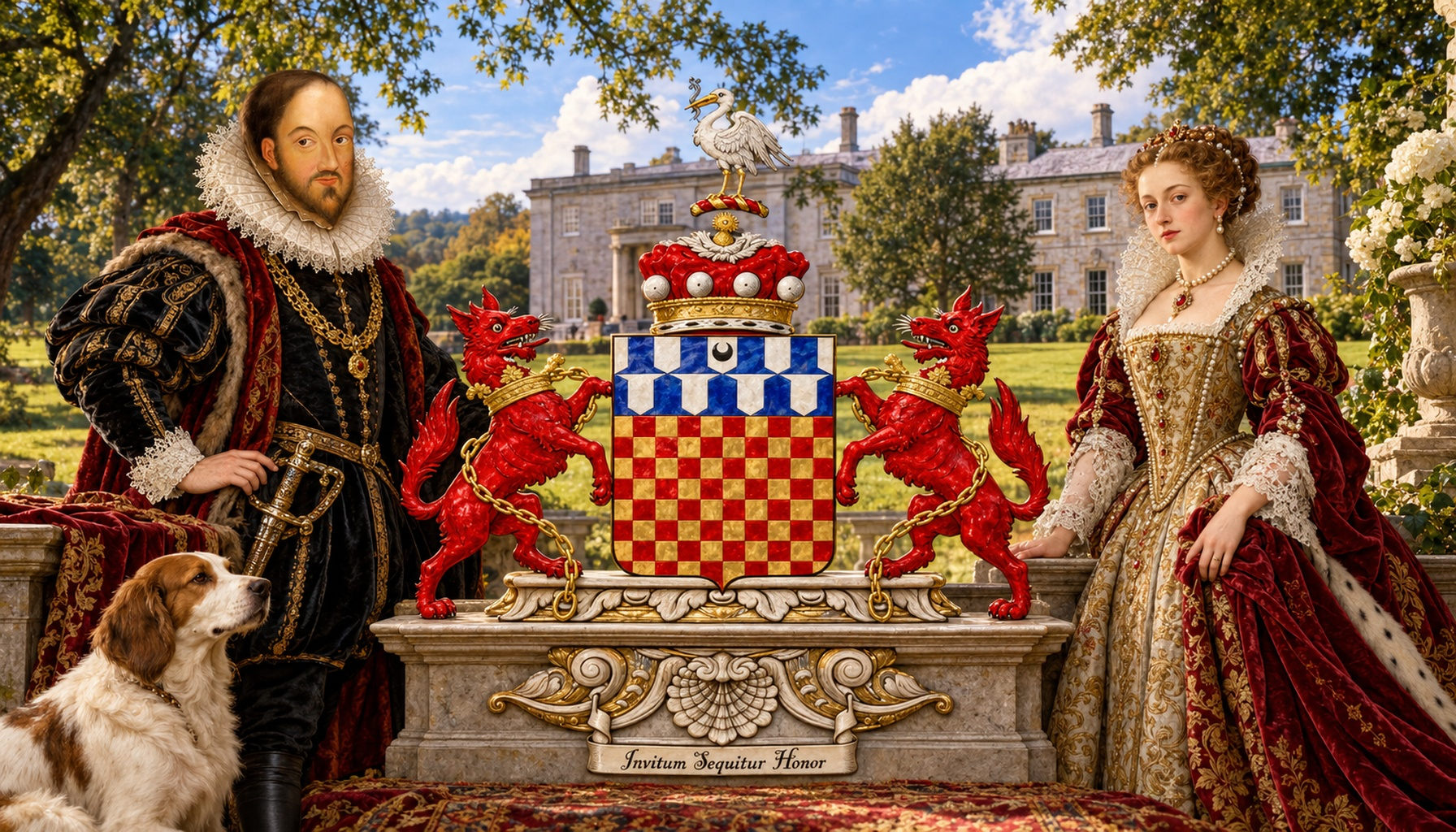
The family name itself comes from Moray, historically Moravia, in the north of Scotland, and the early Murray story belongs to that formative medieval world in which new lordships were built from older Pictish, Gaelic, Norse, and incoming continental influences. The often-cited ancestor Freskin of Flanders stands at the opening of the documented line, a figure tied to the twelfth-century settlement policies of the Scottish crown. From this base emerged William de Moravia (1210-1248) and later a dynasty that spread its authority far beyond Moray. Over time the Murrays became identified not only with their northern origins but with the central Highland heartland of Atholl, and then with a ladder of noble dignities: Earl of Tullibardine in 1606, Earl of Atholl in 1629, Marquess of Atholl in 1676, and Duke of Atholl in 1703. Chiefs, heraldry, estates, and state service all came together in a family that managed to look both intensely Highland and thoroughly governmental at the same time.
Read more about the Royal House of Stewart
One useful place to anchor the Murray story is Bothwell Castle in South Lanarkshire, even though the family's greatest long-term associations lie elsewhere. Bothwell is one of the grandest medieval castles in Scotland, dramatically set above a bend of the River Clyde. Begun in the thirteenth century by the powerful Murray ancestors of the de Moravia line through the lords of Bothwell, it was conceived on a scale that speaks of enormous ambition: this was not a modest fortified house, but a statement in stone. Its massive circular donjon is among the most striking survivals of medieval military architecture in Scotland. The castle was caught up in the Wars of Scottish Independence, changing hands and suffering destruction after the Battle of Bothwell Bridge's much later fame had already given the site another political afterlife. Edward I's campaigns left their mark, and later rebuilding created the impressive ruins visitors see today. In other words, Bothwell Castle is the sort of place where dynastic history stops being abstract and turns physical: curtain walls, river bluff, shattered prestige, rebuilt power. Happily, it can still be visited today, and it remains one of the finest places to get a feel for the scale, wealth, and political world surrounding families like the Murrays.
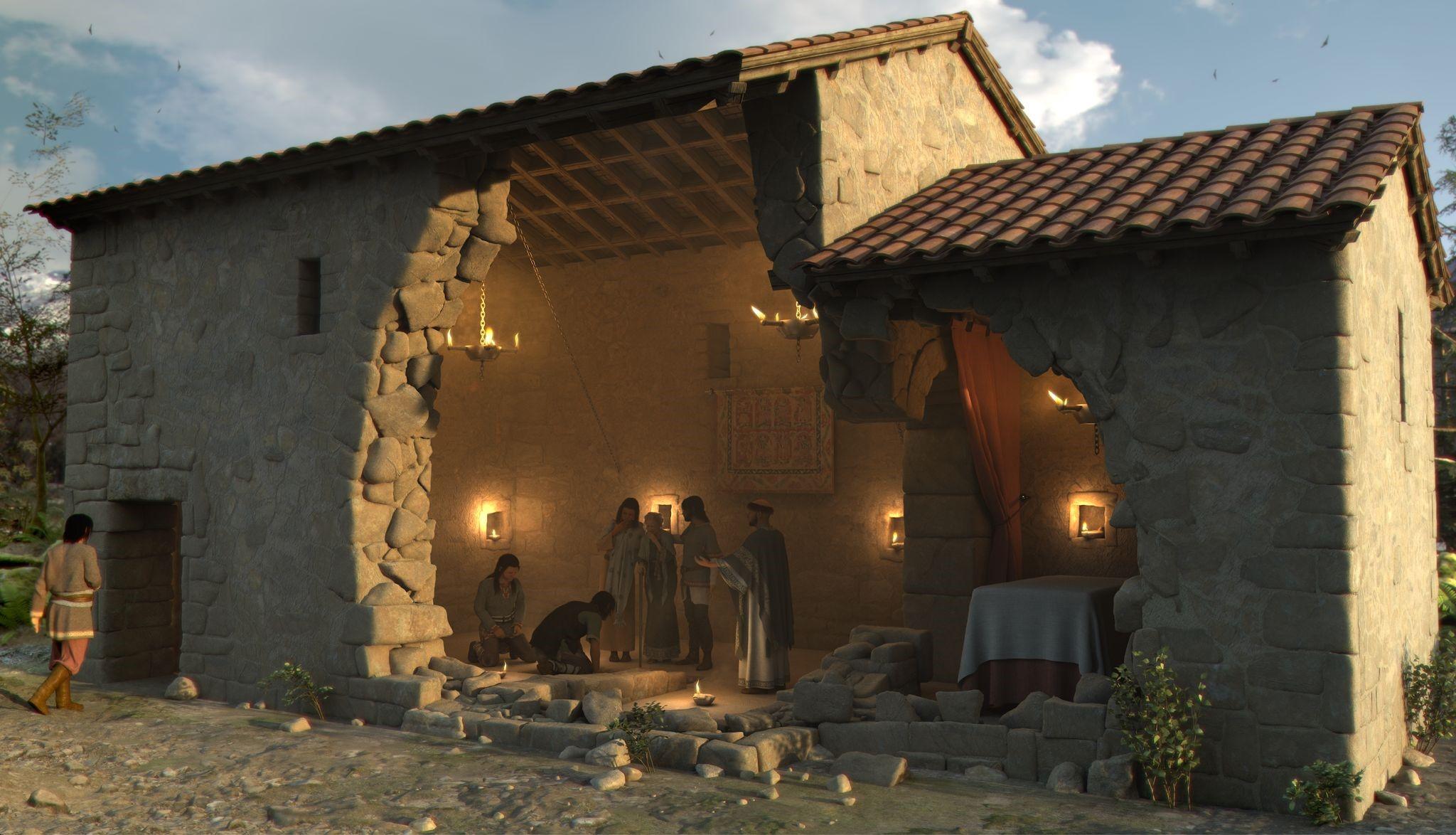
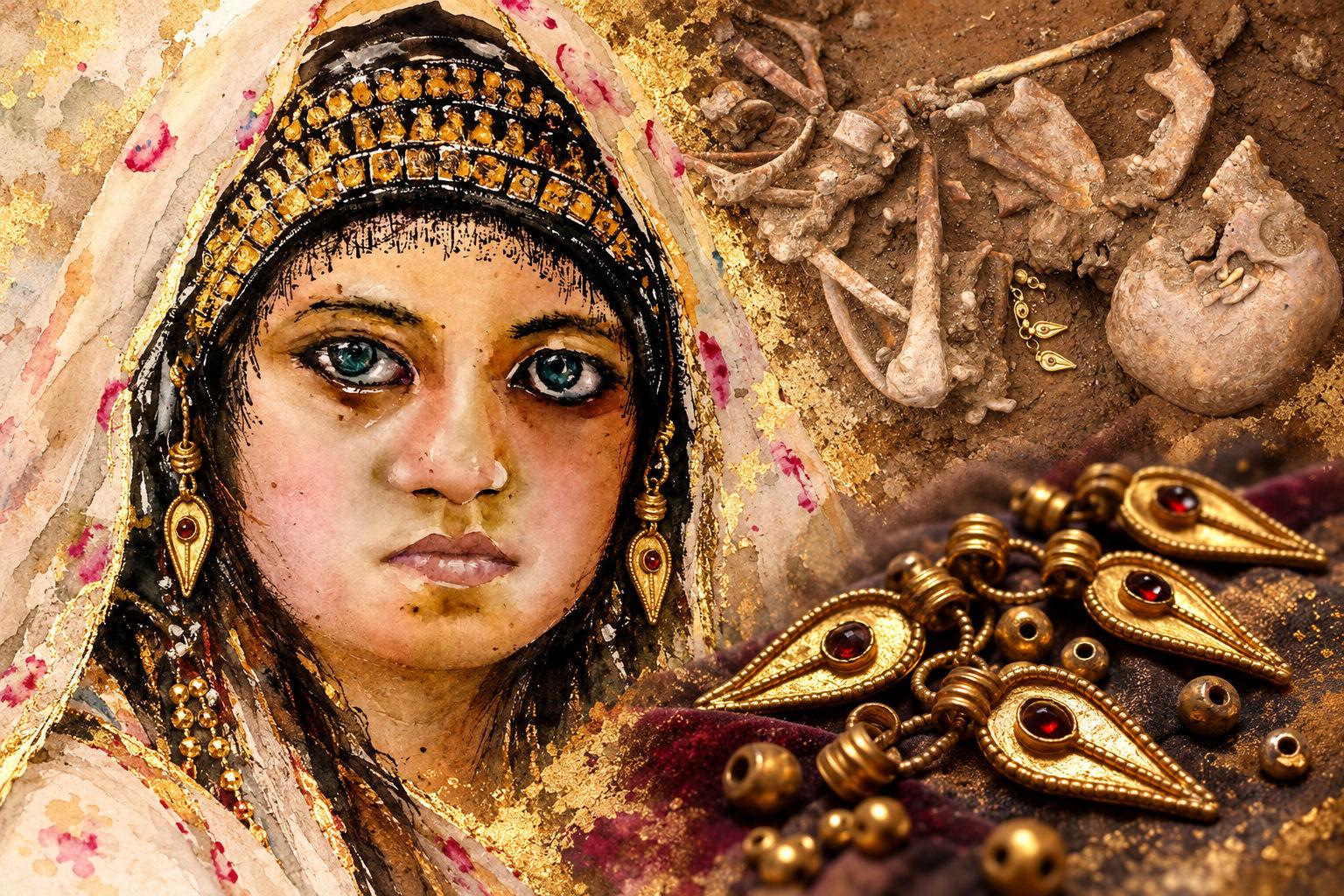
From a DNA perspective, the Murray-associated haplogroup R1b1a1b1a1a2a belongs to a very old and widespread paternal network across western and central Europe. It appears in linked or related ancient samples from Iron Age and later Celtic Britain, including Durotriges burials at Duropolis Winterborne Kingston such as WBK103, WBK106, WBK17, and WBK36, as well as Iron Age and later British contexts like NWC009 from Roman era Cambridgeshire and Pict era samples from Rosemarkie Cave including KD001 and KD001_2. It also turns up in elite continental settings, such as Magdalenenberg MBG013, Asperg-Grafenbuehl APG001 and APG003, Hochdorf HOC001, HOC001b and HOC001c, and Lombard warrior elite graves like COL_150. Medieval northern Spain offers further linked examples, including Las Gobas samples ldo066, ldo037, ldo046, ldo048, ldo040, and ldo062. None of these individuals should be described as direct ancestors of Clan Murray without specific evidence, but together they show the deep time range and broad geographical spread of the paternal lineage associated with the clan: from Bronze Age and Celtic Europe to Roman Britain, Pictish Scotland, and medieval western Christendom.
If you carry Murray heritage, or simply suspect a connection to this great Scottish kindred, DNA can add another layer to the story. Upload your results to MyTrueAncestry to see whether you match Clan Murray, its associated haplogroup R1b1a1b1a1a2a, or related ancient DNA samples from Pictish Scotland, Celtic Britain, and medieval Europe.
Comments