Clan MacKay
– 2 min read


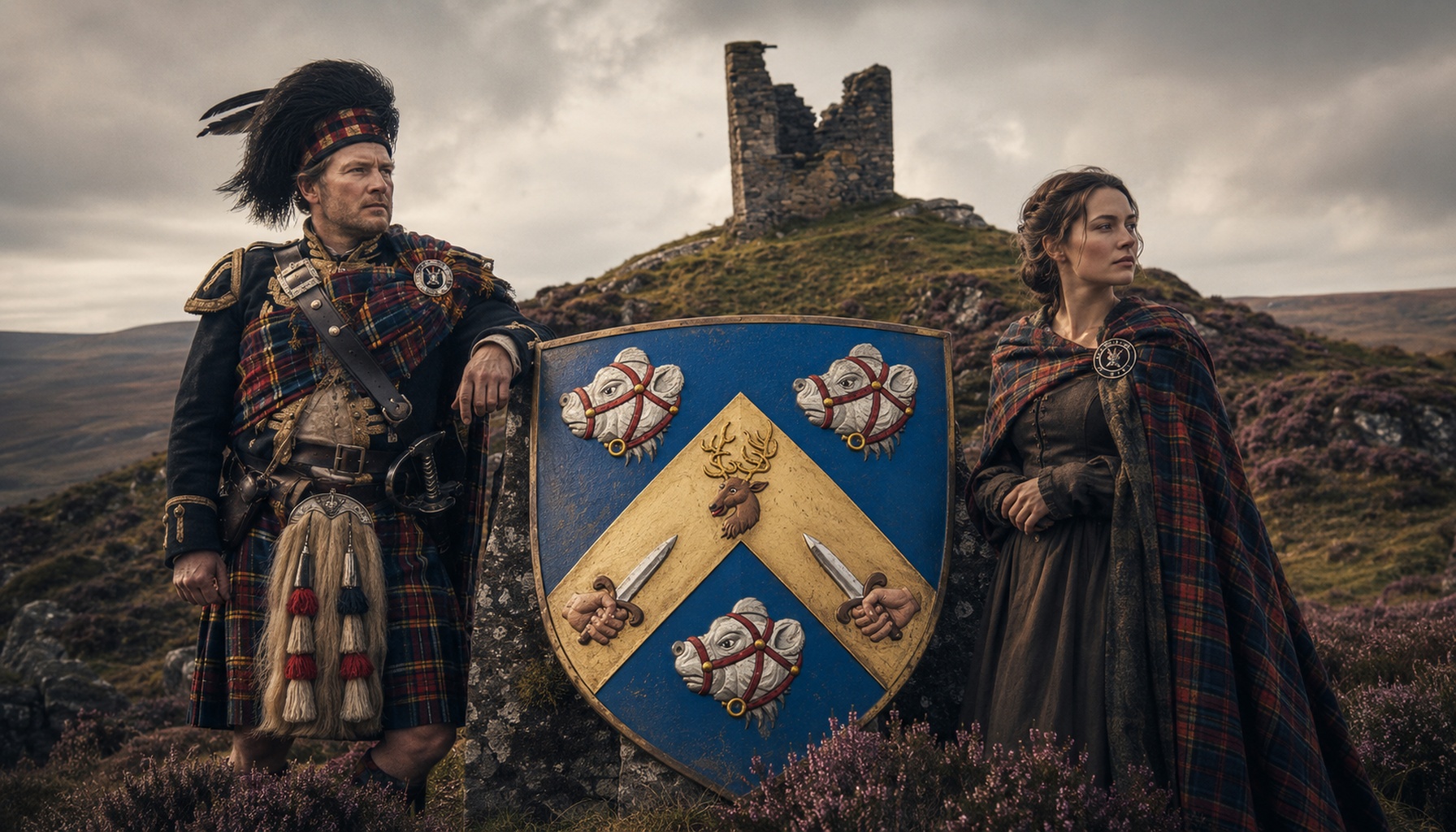
Clan MacKay was one of the great clans of the far northern Highlands of Scotland, rooted above all in Strathnaver in northern Sutherland, with influence stretching across a hard, windswept landscape where power depended on land, kin, and the ability to defend both. In historical terms, the MacKays are a classic Highland clan story: a family that became a territorial force through chiefship, military service, alliances, and a formidable warrior reputation. Their heraldry, their chiefs, and their proud motto, Manu Forti, or "with a strong hand", all speak the language of authority won and held in a difficult frontier region. Haplogroup tag: R1b1a1b1a1a2c1a4b2c1. Primary family haplogroup: R1b1a1b1a1a2c1a4b2c1.
The clan's origins belong to the medieval north, in a world where Norse influence, Gaelic lordship, and Scottish royal politics all overlapped uneasily. The MacKays emerged as leading powers in Strathnaver and nearby districts, and by the later Middle Ages they were firmly part of the political and military fabric of Highland Scotland. One early named figure is Iye Mackay, noted in 1210, who stands near the shadowy beginning of the documented line. From there the family built prestige not simply by existing, but by doing what Highland chiefs had to do: leading fighting men, securing loyalties, navigating rivalries, and making themselves indispensable in the wider history of northern Scotland.
Read more about Clan Mackenzie
If you want one place that anchors the MacKay story in stone, it is Castle Varrich, perched dramatically near Tongue in Sutherland, above the Kyle of Tongue. The site is associated with the chiefs of Clan MacKay and occupies a striking position that makes immediate sense once you see it: this is a lookout, a statement, and a stronghold all at once. The surviving structure is a ruined tower house, probably built in its present form in the 14th or 15th century, though the site may have earlier Norse connections and is often linked to a much older seat of power in the district. It was later altered and reused, but even as a ruin it still conveys what Highland authority looked like in practice, not abstractly, but as command over a landscape of sea lochs, routes, grazing, and movement. Better still, Castle Varrich can still be visited today, and the walk up to it remains one of those rare occasions when the geography of clan history becomes instantly visible.
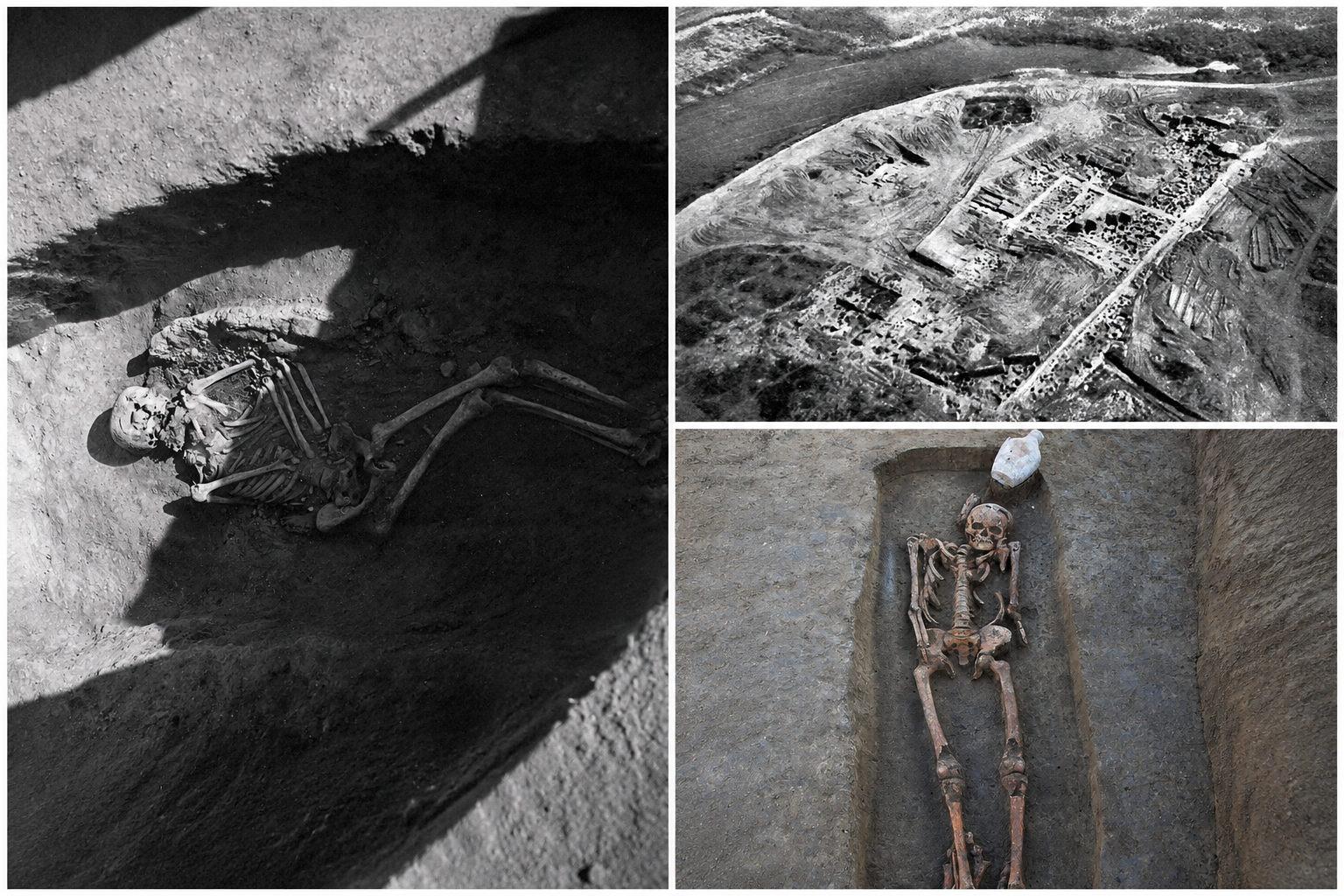
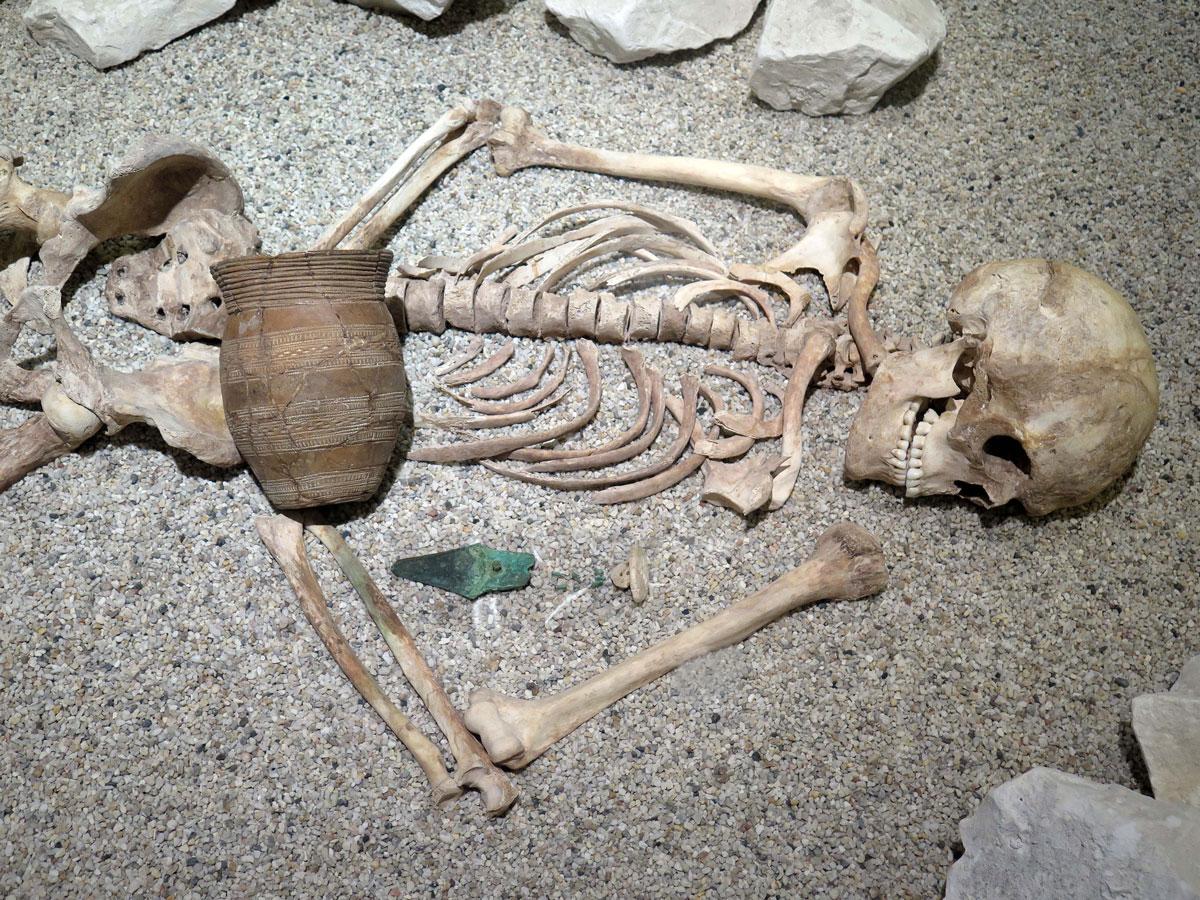
From a DNA perspective, the primary MacKay-linked haplogroup here is R1b1a1b1a1a2c1a4b2c1, a branch within the wider R1b family that appears across parts of later prehistoric and medieval Europe. Related or linked ancient samples associated with this broader paternal line include Medieval England Cambridge St Johns Hospital (ATP_PSN_192), Late Medieval England Clopton Cambridgeshire (ATP_PSN_1268), Bronze Age Germany Tollense Valley Battlefield Mecklenburg-Vorpommern (WEZ59), the Belgic tribe hillfort at Danebury in Hampshire (I17264), Early Viking Age Oland Sweden (VK349), Viking Age Staraya Ladoga (VK218), and Bronze Age Trumpington England (I7640). These do not prove direct descent from any one of those individuals, and it is important not to pretend they do. What they offer instead is a wider genetic and historical frame: the MacKay line sits within a paternal story that connects the North Atlantic world, medieval Britain, Iron Age communities, Viking Age mobility, and even the violent horizons of Bronze Age Europe.
If you carry MacKay heritage, or simply suspect a link to the northern Highlands, DNA can add another layer to the story. Upload your results to MyTrueAncestry to see whether you match Clan MacKay, the haplogroup R1b1a1b1a1a2c1a4b2c1, or related ancient DNA samples from medieval Britain, Viking Age Scandinavia, and Bronze Age Europe.
Comments