Medieval Paleogenomics in Northern Latium
– 1 min read


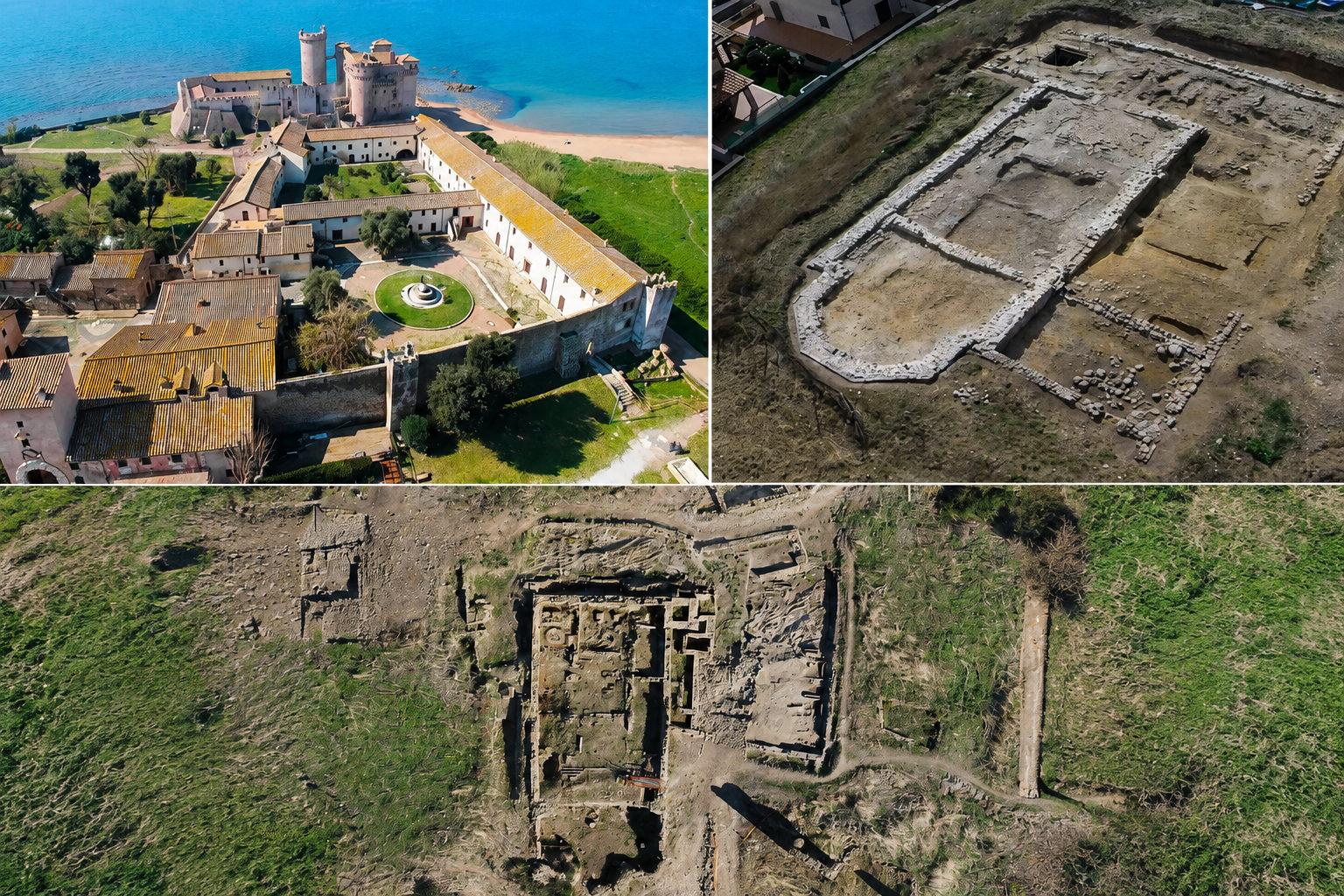
North of Rome, medieval Latium offered three strikingly different communities: Santa Severa on the Tyrrhenian coast, Allumiere-La Bianca in the mineral-rich Tolfa Mountains, and Leopoli-Cencelle, a planned papal town. Together they reveal a medieval society that was busy, adaptive, and deeply connected.
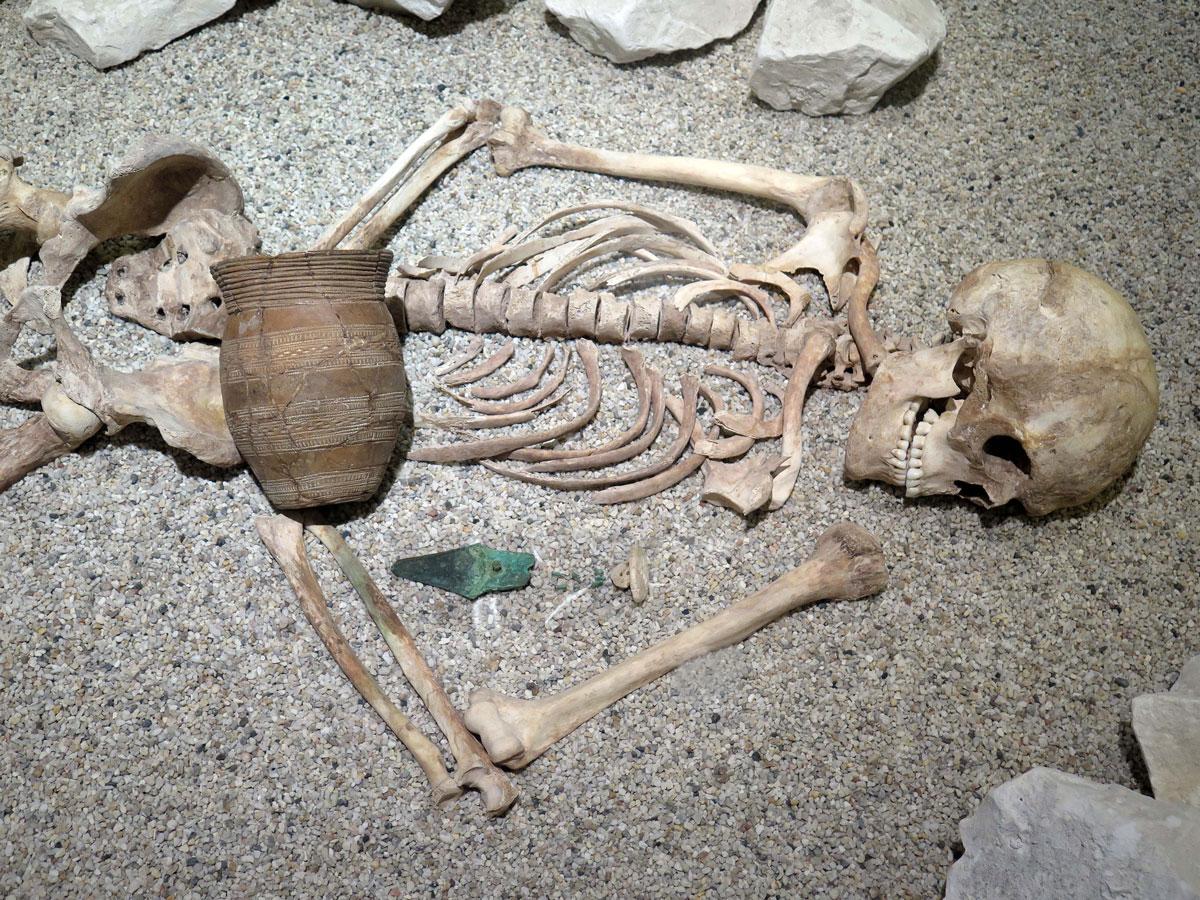
Santa Severa was a defended coastal settlement where maritime trade, defence, and daily life converged. Its cemetery preserves generations of inhabitants who were outward-facing yet firmly rooted in central Italy's regional population. Scientific evidence confirms continuity rather than dramatic foreign replacement, revealing a community open to the wider world while remaining anchored to its local landscape.
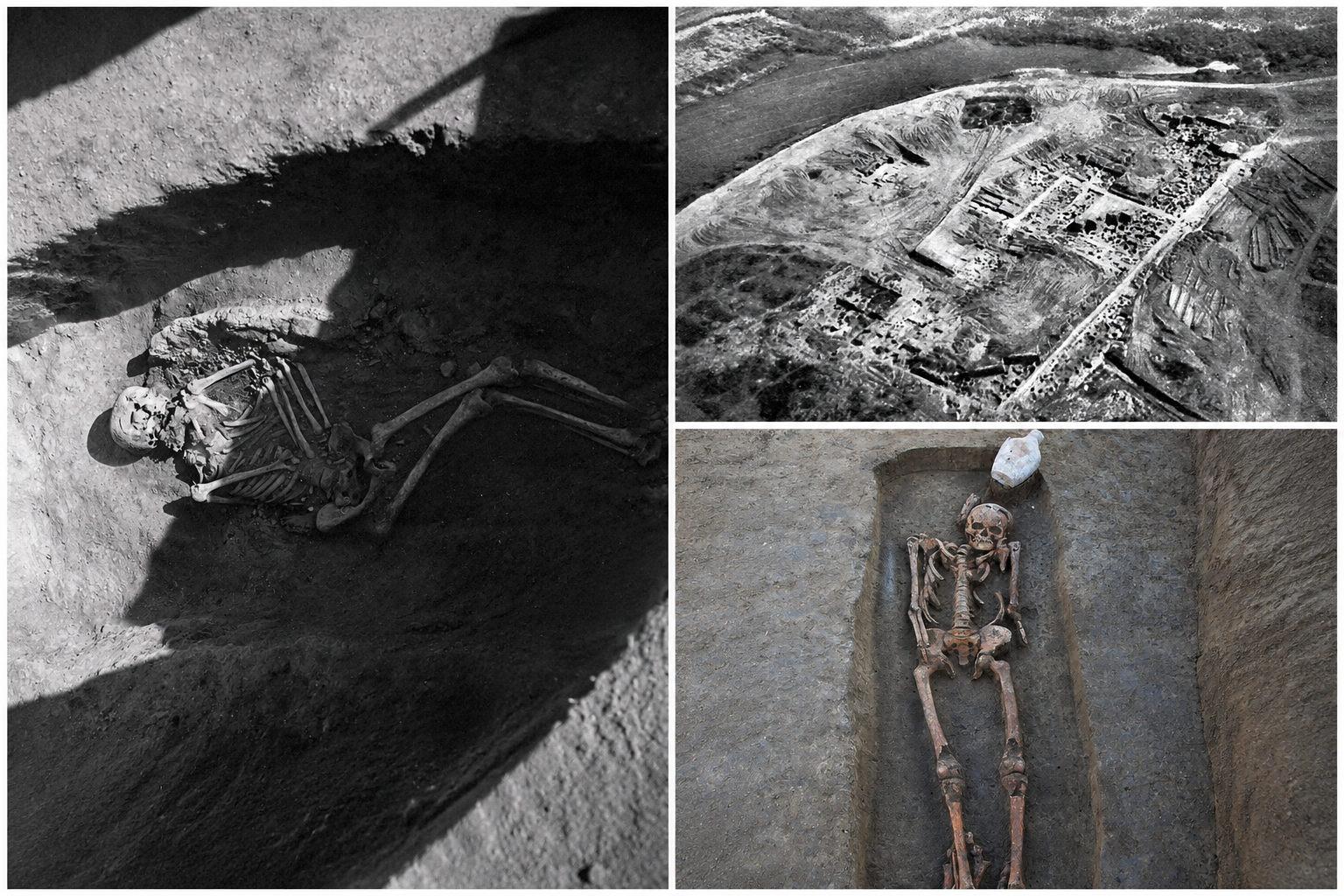
Allumiere-La Bianca was a specialised alum-mining community embedded in upland terrain. Remarkably, all analysed burials were male, reflecting a labouring workforce shaped by demanding extraction work. Though slightly distinct from neighbouring sites, these men still belonged broadly to central Italy's regional population, suggesting local recruitment rather than distant migration.
Founded in the ninth century, Leopoli-Cencelle was deliberate papal planning made real through generations of ordinary inhabitants. Its cemetery beside a basilica complex spans early and late medieval phases, proving that this planned town became a true community through centuries of birth, labour, and burial. Like the other sites, its population drew from the same central Italian human background.
Researchers analysed 82 individuals from all three sites, with 36 yielding usable ancient DNA. Results revealed 16 females and 20 males, with Allumiere's exclusively male sample reinforcing its mining-community interpretation. Maternal and paternal lineages fell firmly within European and Mediterranean ranges. Most significantly, all three populations overlapped closely, suggesting medieval mobility was largely regional rather than dramatic long-distance migration. Different settlements, different ways of life, but one deeply shared human landscape.
https://www.ucm.es/antropologiafisica/file/galfano-et-al-poster-online-seaf-2026?ver
Comments