Clan Greer
– 3 min read


Clan Greer belongs to that wide and fascinating Scottish-Irish world where family identity was carried not by one vast Highland dominion, but by surname, kinship, service, and movement across the North Channel. The name is usually linked with Scottish and Irish traditions shaped by Gaelic speech, Border conditions, and long patterns of migration between southwest Scotland and Ulster. In that sense, Greer heritage is less about one single feudal stronghold and more about continuity: families who held to their name through changing loyalties, shifting frontiers, plantation-era movement, and the ordinary grit of public duty and local belonging. The primary haplogroup linked here is R1b1a1b1a1a2c1a1a1a1a1a1a5, a paternal line strongly associated with northwestern Europe and especially resonant in Scottish and Irish surname histories.
The Greer story also sits comfortably in the historical pattern of names that developed through local reputation and regional rootedness. Variants such as Grier and Grierson appear in records, and one early named figure is Gilbert Grierson, recorded in 1420, showing the family already visible in the late medieval documentary world. That matters, because medieval surnames were not yet the fixed and bureaucratic labels we know today. They were social markers, often tied to landholding, office, obligation, or neighborhood memory. For Greers, the enduring tradition is one of resilience: a family identity maintained across Scotland and Ireland, then far beyond both, into the great diaspora.
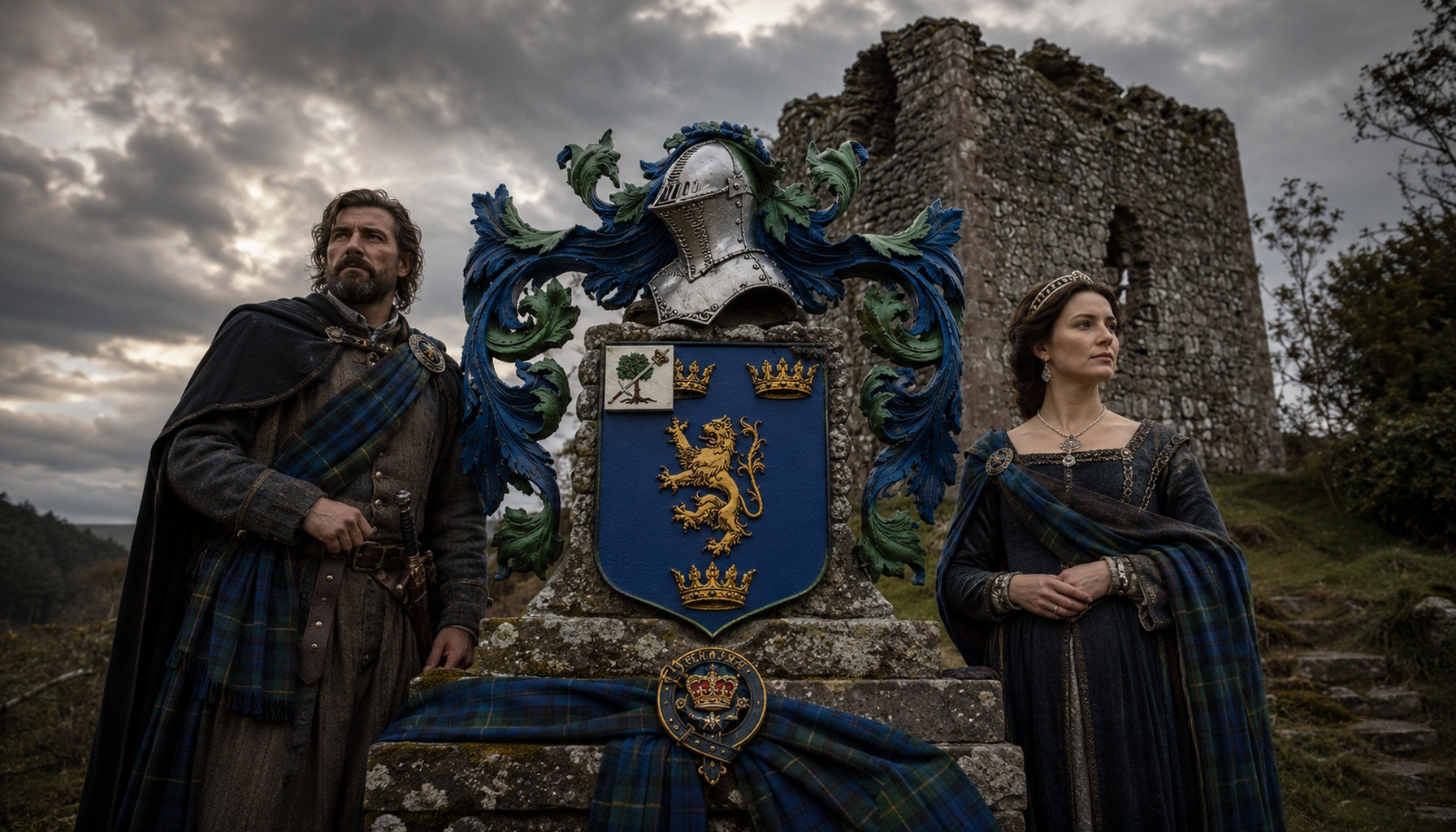
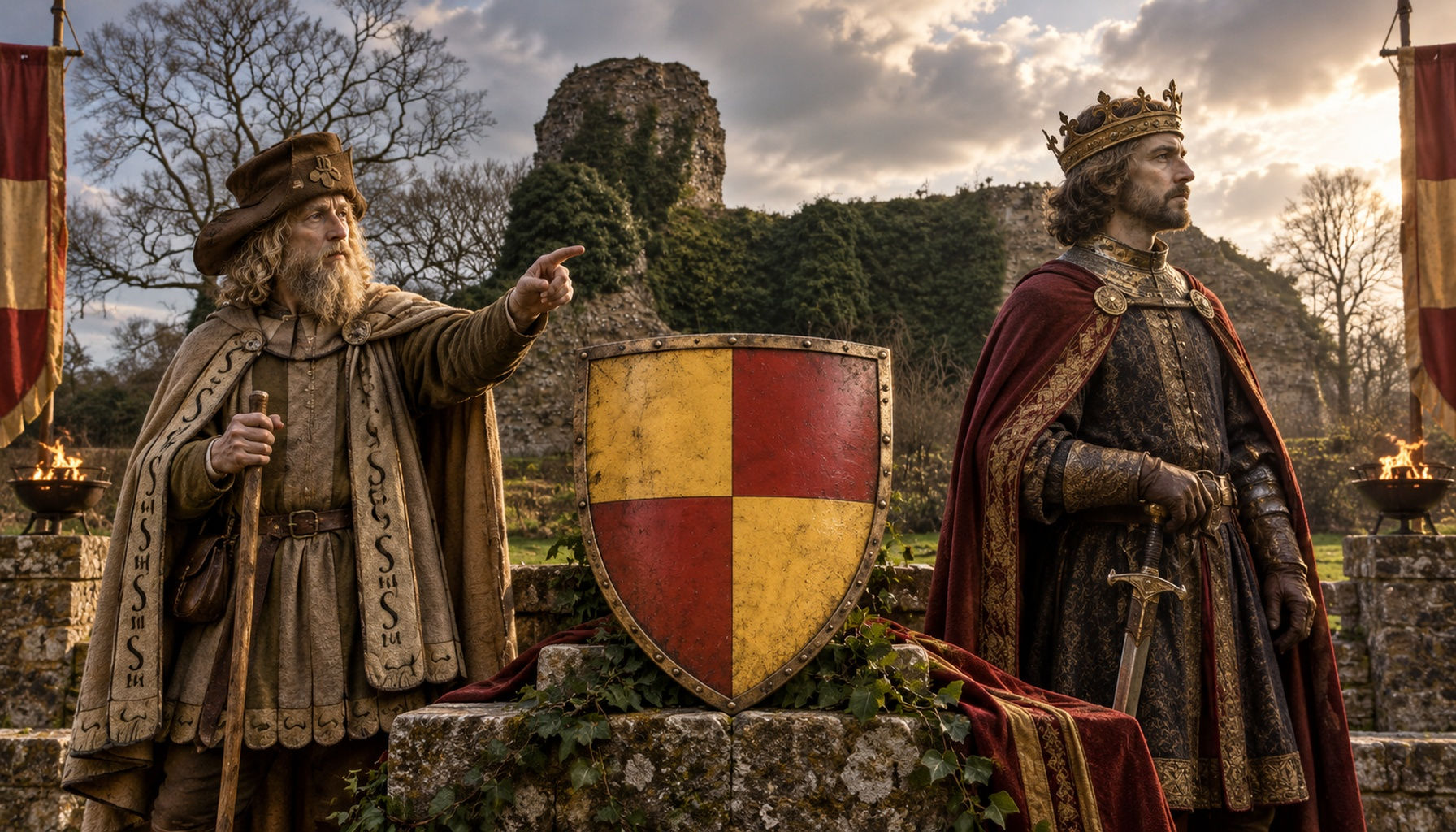
A useful location anchor for the wider Greer and Border-connected world is Lag Tower in Dumfriesshire, a powerful reminder of the landscape in which many southwest Scottish surnames took shape. Lag Tower is a grim, memorable tower house associated with the turbulent frontier society of the West March, where kin groups, local lairds, reivers, and crown officers all rubbed along in ways that were rarely peaceful for long. The surviving tower, though ruined, still gives a vivid sense of that hard-edged society of watchfulness, retaliation, and family alliance. It stands near Dunscore, and its setting helps explain how surname communities endured: not as abstract genealogical charts, but as real people living in defended residences, serving local powers, guarding routes, and negotiating the unstable politics of the Borders. Reasonably speaking, Lag Tower can still be visited as a historic ruin, and for anyone interested in Greer-adjacent regional history, it is exactly the kind of place where the past stops being decorative and starts feeling real.
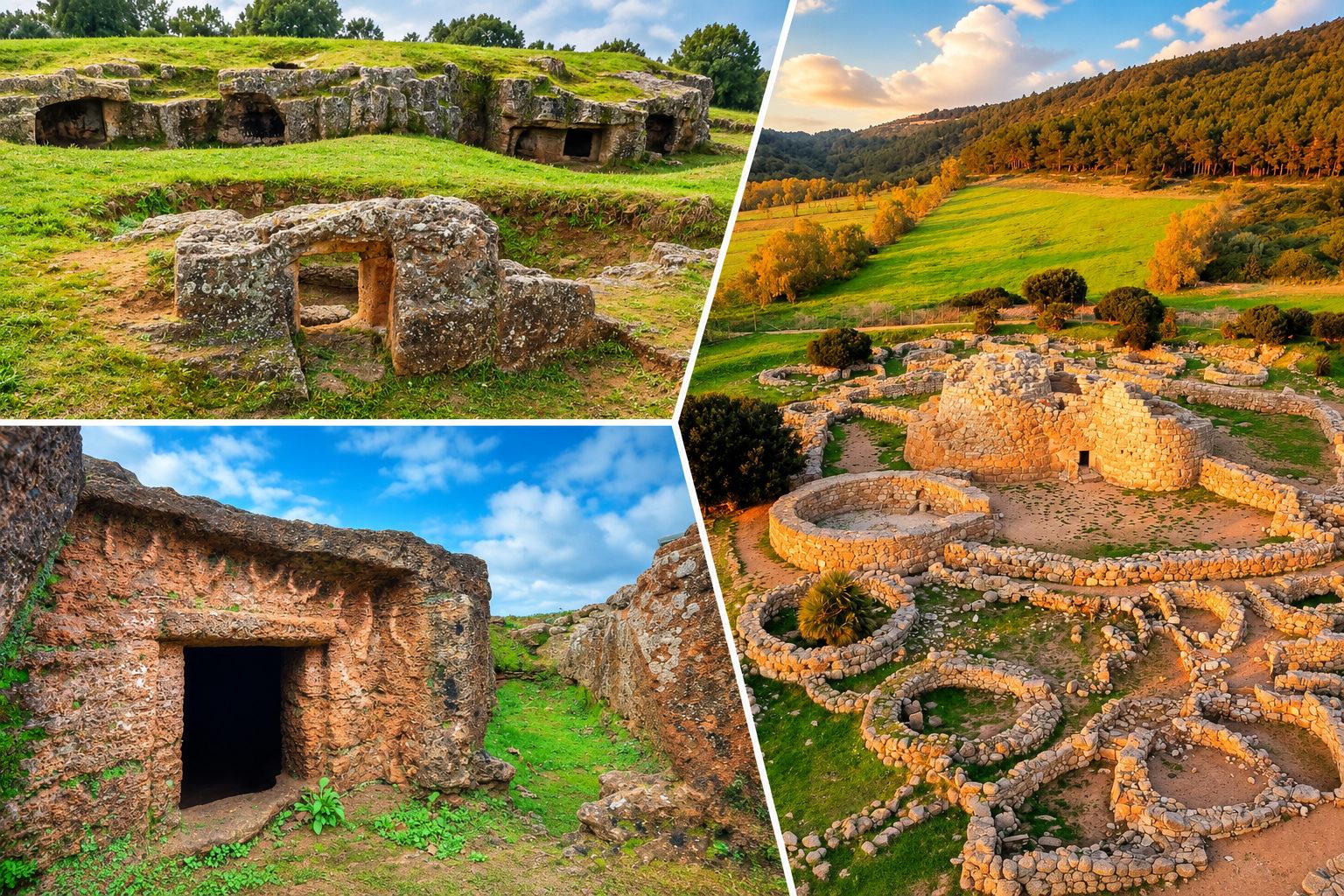
From the ancient DNA side, the Greer haplogroup tag R1b1a1b1a1a2c1a1a1a1a1a1a5 can be set beside a cluster of related or linked samples rather than claimed as proof of direct descent. Particularly relevant are numerous medieval individuals from Ballyhanna, County Donegal, Ireland, including samples such as Sk197an, Sk197y, Sk197q, Sk197am, Sk197s, Sk197ab, Sk197u, Sk197t, Sk197r, Sk197ad, Sk197x, Sk197n, Sk197aa, Sk197z, Sk197ak, Sk197w, Sk197ai, Sk197m, Sk197ah, Sk197ag, Sk197v, Sk197ac, Sk197al, Sk197af, Sk197ae, Sk197o, Sk197aj, HAN197x, Sk197a through Sk197p, and HAN197. Also linked in this broader genetic neighborhood are medieval Irish samples from Kilteasheen in Roscommon such as KIL041, KIL044, KIL033, KIL037, KIL009, and KIL014, along with more distant North Atlantic comparanda like Viking Age Hofstadir, Iceland sample VK95 and Medieval Age Faroe Islands Sandoy Church sample VK44. These do not mean the Greers descend from any one excavated individual. What they do show is that the paternal lineage associated with Greer heritage belongs to a deeply rooted Atlantic-world population history connecting medieval Ireland, Scotland, and the Norse-Gaelic seaways.
Read more about Clan Gallagher
If you carry the Greer surname, or suspect Greer lines in your Scottish or Irish family tree, DNA can add an intriguing extra layer to the paper trail. Upload your DNA to MyTrueAncestry to see whether you match Clan Greer, or show links to related ancient DNA samples from medieval Ireland and the wider Scottish-Irish world.
Comments