Clan Gallagher
– 3 min read


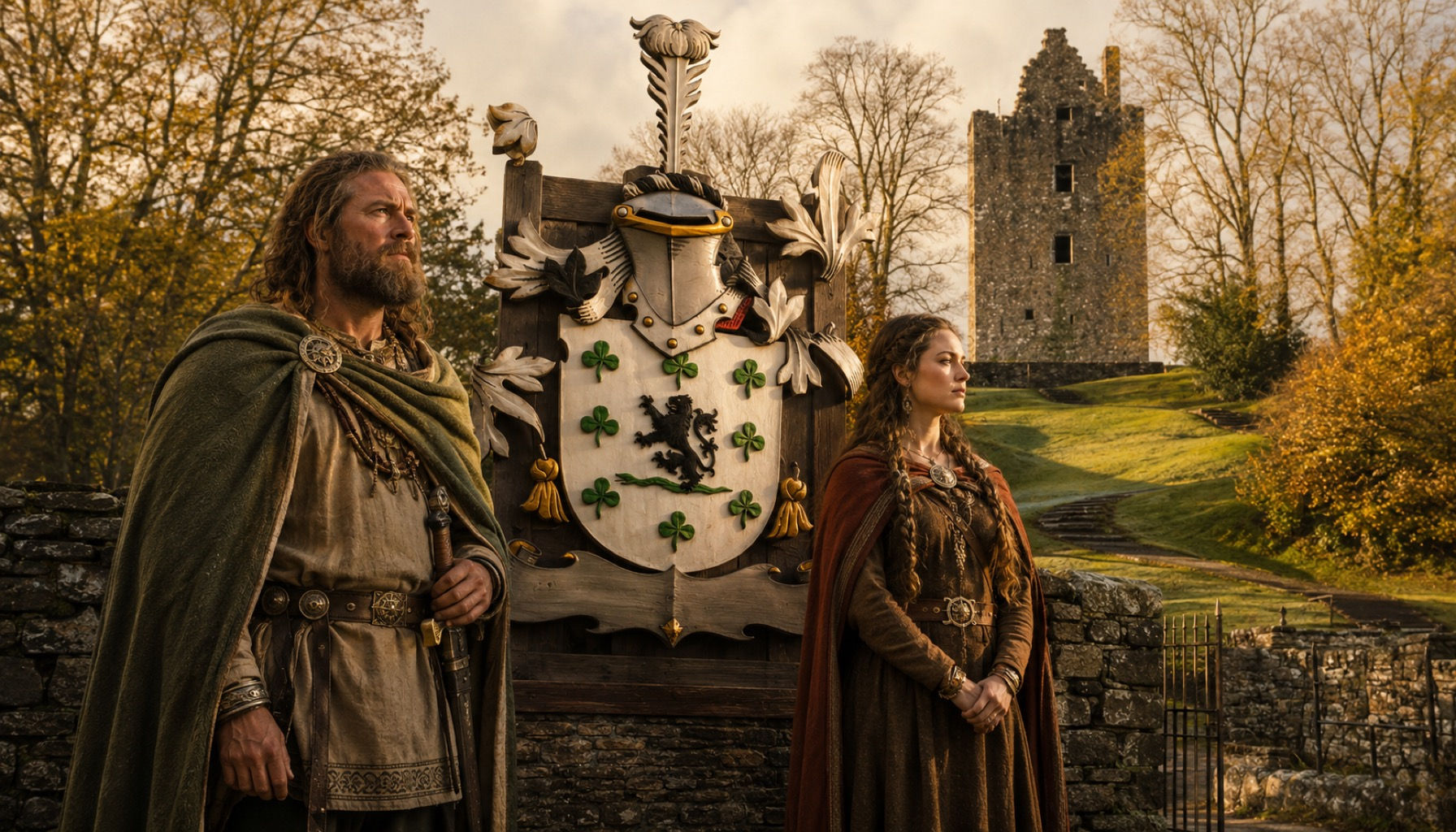
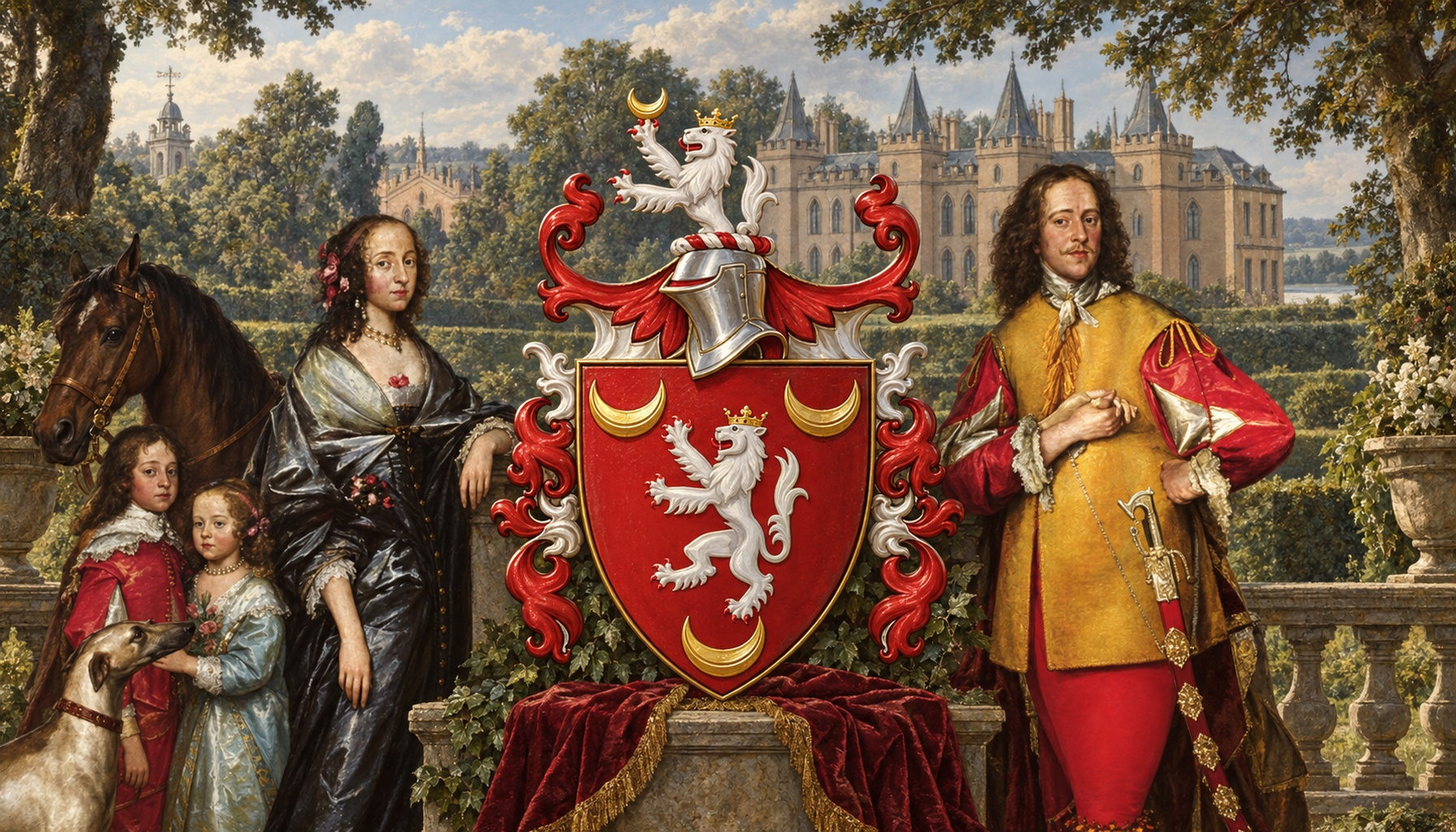
Clan Gallagher was one of the old Gaelic families of northwestern Ireland, rooted above all in Donegal and the wider world of Tir Chonaill in Gaelic Ulster. The name comes from the O Gallchobhair tradition, and the family belongs to that older Irish pattern in which kin, territory, service, memory, and descent were tightly bound together. In that world, a surname was not just a label. It was a claim about belonging: to a people, to a landscape, and to a remembered line of ancestors. For Gallagher heritage, the primary Y-DNA haplogroup often associated with the family is R1b1a1b1a1a2c1a1a2a, a branch within the broad Atlantic-facing R1b world so common in Ireland.
Historically, the Gallaghers are linked with the political and cultural life of Tir Chonaill, long associated with local leadership, learned service, and continuity through upheaval. Their story sits in the middle of the great Irish drama: the age of Gaelic lordship, the pressure of conquest, the slow grind of anglicization, and then migration into a far-flung diaspora that carried the surname well beyond Ulster. Traditional genealogies looked back to figures such as Niall Noigiallach, dated here to 455, and Oengus, dated here to 650, not as modern birth-certificate history but as part of the deep ancestral framework through which Gaelic families explained rank, kinship, and legitimacy. By the modern era, names like Captain Gallagher in 1818 remind us that this was not a vanished medieval people, but a family memory that kept adapting while still pointing home toward Donegal.
A strong location anchor for Gallagher heritage is Glenveagh Castle in County Donegal, set within the dramatic landscape of Glenveagh National Park. The castle itself is not a medieval Gallagher fortress, but it stands in the very sort of Donegal scenery that explains the endurance of Ulster clan identity: mountains, lakes, distance, weather, and a feeling that landscape remembers more than paper records do. Glenveagh Castle was built in the 19th century by John George Adair in a Scottish baronial style on the shores of Lough Veagh, and the estate later became known for its gardens and for the remarkable setting beneath the Derryveagh Mountains. Today it serves as one of Donegal's best-known historic sites, and yes, it can still be visited, which makes it a useful and tangible stopping place for anyone trying to connect family memory to place. If you are tracing Gallagher roots, standing there is a good reminder that heritage is not only in archives and DNA results, but also in the geography that shaped how people lived, moved, and remembered.
From a DNA perspective, the Gallagher-linked haplogroup R1b1a1b1a1a2c1a1a2a connects the family to a much wider northwestern European story rather than to one provable single ancient individual. Related or linked ancient samples in this broader paternal neighborhood include Medieval England Cambridge St Johns Hospital (ATP_PSN_68), Iron Age Thame, Oxfordshire (I14807), Celtic Briton Yarnton, Oxfordshire (I21182), Celtic Briton Broom Quarry, Bedfordshire (I16597), Celtic Iron Age Harlyn Bay, Cornwall (I16380), Iron Age East Lothian North Berwick, Scotland (I16499), and Iron Age Orkney, Scotland (I2799). These do not demonstrate direct descent from Clan Gallagher, and it is important not to pretend otherwise. What they do show is that lineages related to this branch were present across Iron Age and medieval Britain, giving useful context for the deep genetic background shared across the Irish Sea zone and the old Celtic-speaking west.
Explore ancient DNA and Celtic origins
Gallagher heritage is, in the end, a story of ancestral descent, regional belonging, resilience, and enduring family memory. If your surname is Gallagher, or if your family comes from Donegal or northern Ireland, you can go beyond the name and explore the deeper genetic and historical picture. Upload your DNA to MyTrueAncestry to see whether you match the family pattern or related ancient DNA samples connected to this wider Gaelic and Atlantic world.
Comments