Clan Aitken
– 3 min read


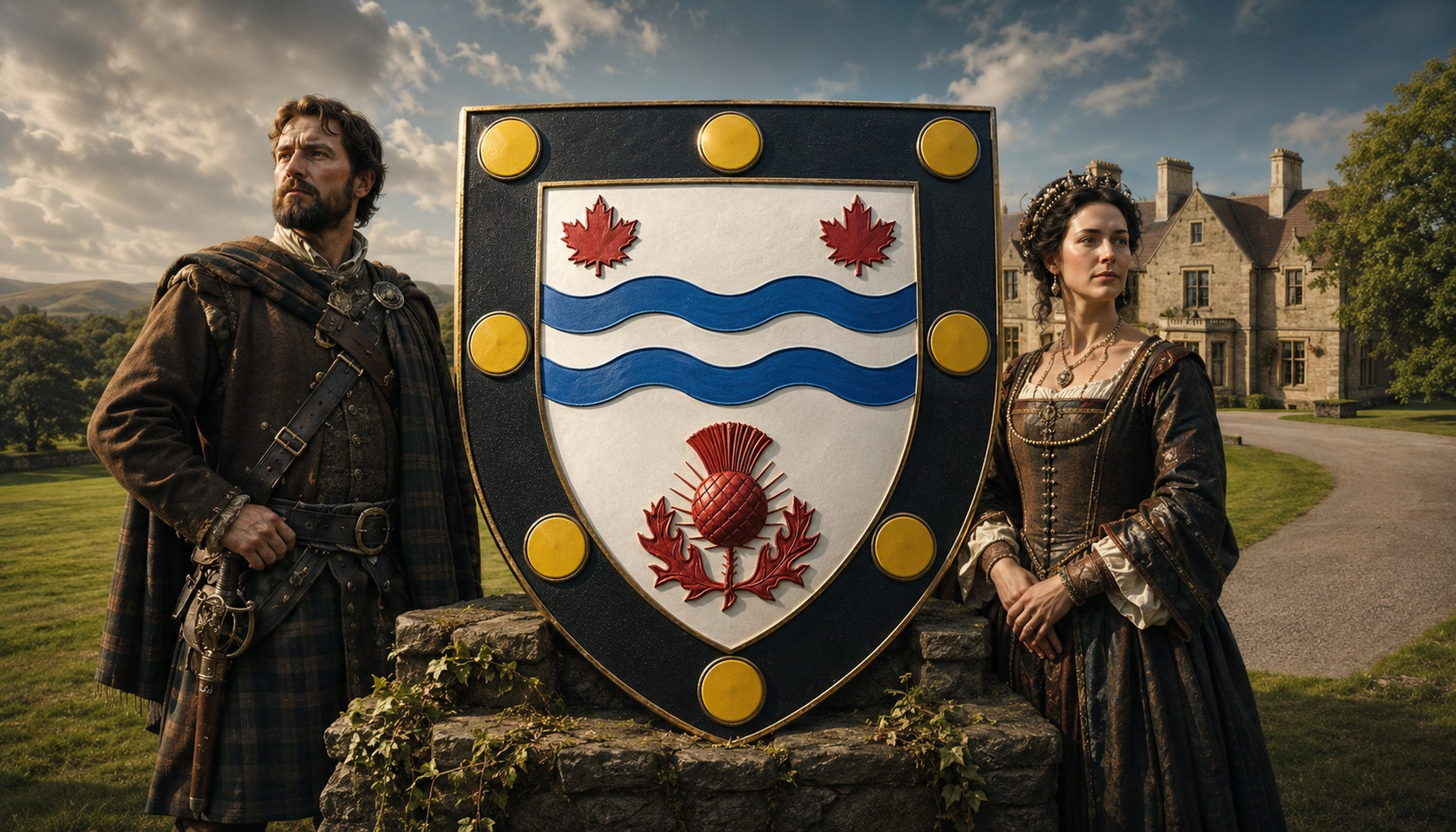
Clan Aitken belongs to the long-lived surname tradition of Lowland Scotland, a family world built less on Highland spectacle and more on regional rootedness, service, land, reputation, and continuity. The name is generally linked to the Scots form of Adam, and over time Aitken and its variants became established across the Lowlands, where identity was shaped through parish, estate, office, marriage, and the practical business of being known locally. In that sense, the Aitkens are wonderfully Scottish: not merely a name on paper, but a kin-group whose standing grew through generations of public duty and remembered place. In DNA terms, the primary family haplogroup linked here is R1b1a1b1a1a2c1a5a2a1a2, part of the wider paternal landscape long associated with western and northern Europe.
The historical Aitken story is one of steady presence rather than sudden legend. Families of this kind appear in records because they served, held land, witnessed charters, married into neighboring networks, and maintained a surname that endured through centuries of change. Aitken heritage includes heraldry, local reputation, military and civic participation, and the kind of family memory that survives because it was tied to real communities. Among named figures are Harie Aitkine, Sheriff of Orkney in 1600, James Aitkine, Bishop of Moray and Galloway from 1613 to 1687, and James Aitken of Darroch, 1778 to 1818. Taken together, they show the breadth of the family footprint: administration, church life, landed standing, and the wider public sphere of Scotland.
One especially evocative location anchor for Aitken heritage is Glenbervie House and Estate near Larbert in Falkirk, a place that captures how Scottish family history lives in landscape as much as in documents. The estate became known for its designed grounds and gardens, with the sort of improvement culture that mattered enormously to landed Scotland: avenues, planting, display, and the shaping of countryside into a statement of taste, stability, and family presence. Glenbervie was not simply a residence but part of a wider local world of estate management, social life, and memory, where household, grounds, and community met. The surviving story of its gardens helps us glimpse that older rhythm of Scottish estate life, in which families such as the Aitkens were connected to the land not abstractly but physically, season by season. Better still, Glenbervie House and its estate setting remain a real point on the map rather than a vanished footnote, and the grounds area can still be visited in the wider sense of exploring the historic estate landscape and its local heritage context.
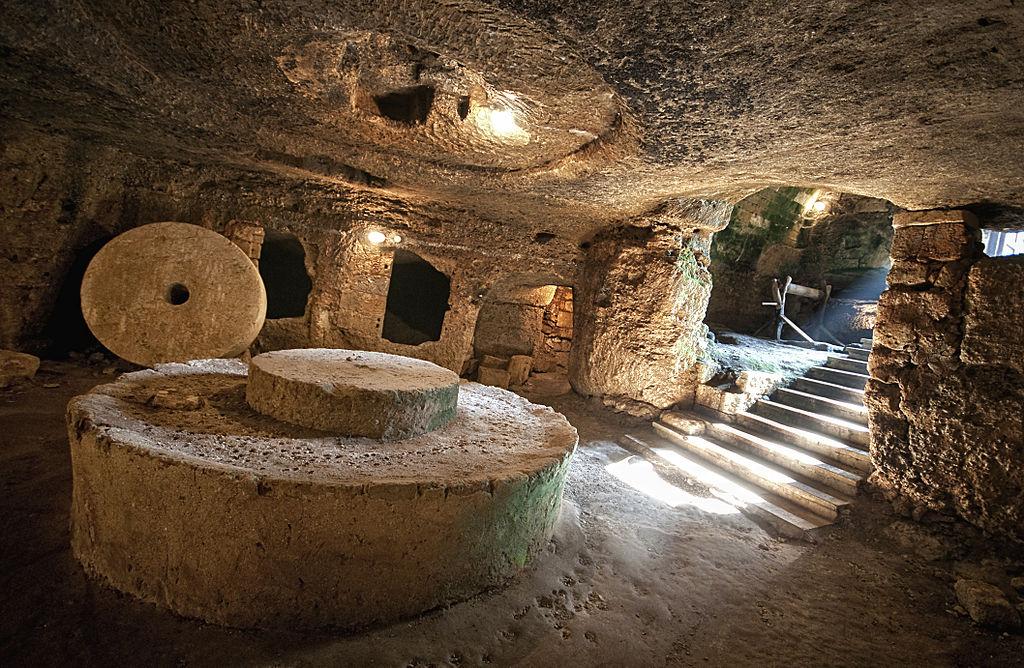
From the ancient DNA side, the haplogroup R1b1a1b1a1a2c1a5a2a1a2 links the Aitken story into a much older British and Irish tapestry. Related or linked samples include Early Anglo-Saxon Cemetery, West Heslerton, Yorkshire, England, sample I11586; Celtic Briton individuals from Carsington Pasture Cave, Derbyshire, sample I12775, Lechlade-on-Thames, Gloucestershire, sample I12783, and Bradley Fen, Cambridgeshire, sample I11156; Iron Age Gloucestershire from Greystones Farm, sample I12785; and the famous Copper Age Irish individual Rathlin1B. These are not being presented as direct ancestors of the Aitken family, and that distinction matters. What they do offer is a glimpse of the deeper paternal and regional world from which later British and Scottish surname traditions emerged: Iron Age Britons, early medieval populations, and older insular lineages that help frame the genetic backdrop of Lowland families like the Aitkens.
Read more about Clan Mackenzie
If you carry the Aitken surname, have Aitken lines in your family tree, or simply want to see how Scottish heritage and ancient DNA might meet, upload your DNA to MyTrueAncestry and explore whether you match the Aitken family profile or related ancient samples connected with Britain and Ireland. Family history becomes far richer when names, places, and deep ancestry begin to speak to each other.
Comments