Clan Ainslie

– 3 min read


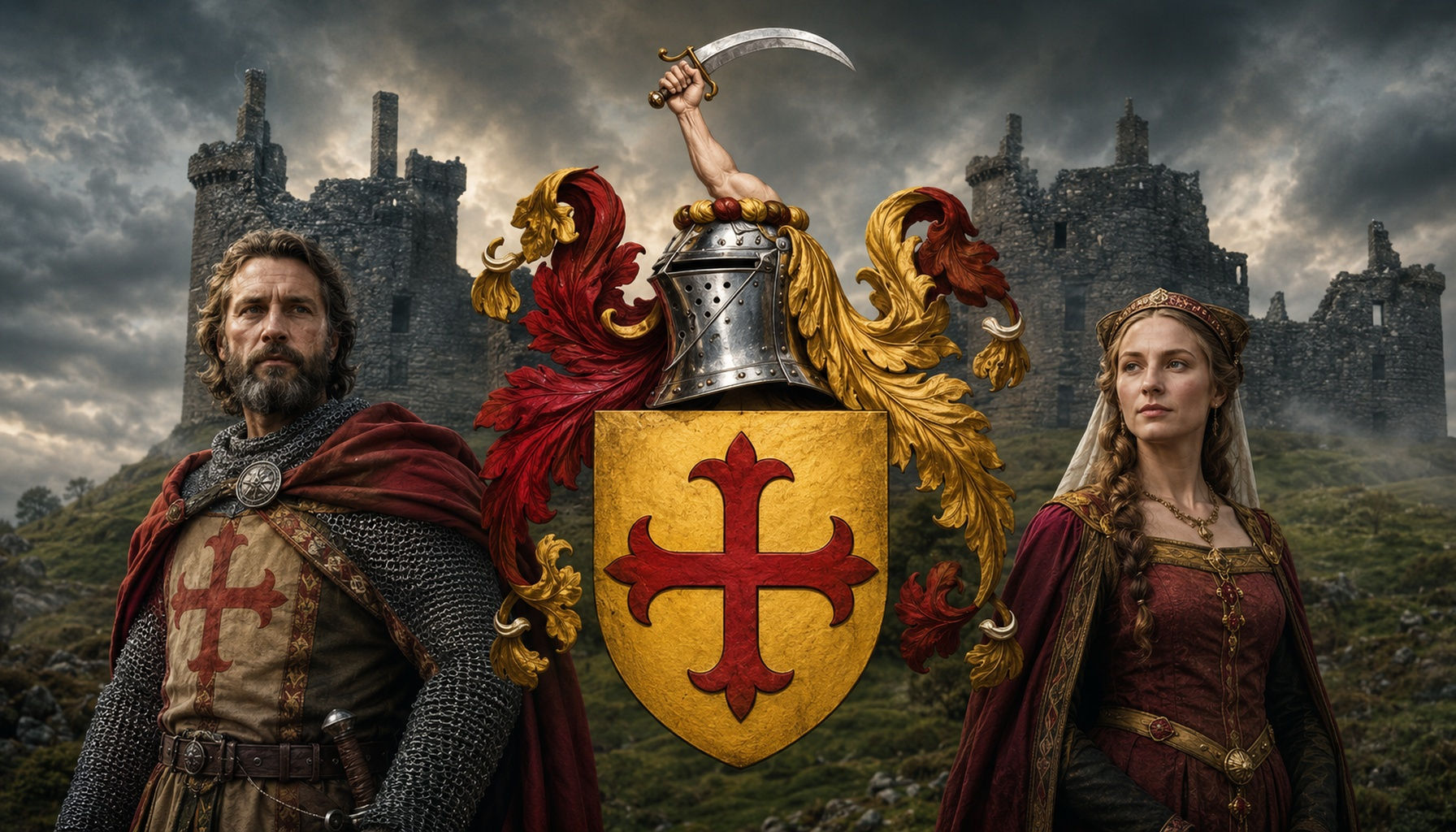
Clan Ainslie is best understood as a Scottish family tradition rooted in the Borders and Lowlands, shaped by the long, practical history that formed so many Scottish surnames: attachment to place, service to local society, kinship ties, and the steady carrying forward of a name across generations. Rather than belonging to the great princely kindreds of Highland legend, the Ainslies belong to that equally important world of Scottish historical continuity in which heraldry, local standing, and family memory preserved identity. In DNA terms, the primary family haplogroup linked here is R1a1a1b1a1a1c1e, a lineage tag that places the family within a much wider Eurasian paternal story while the surname itself remains distinctly Scottish in its later historic expression.
The name is generally associated with the old lands of Annesley or Ainslie-type place naming, and in the Scottish context it settled into the social landscape of the southeast, especially in areas where Border and Lowland habits overlapped: landholding, tenancy, local duty, church record, and armorial tradition. This is the sort of surname history that tells us a great deal about Scotland as it really functioned. Names endured not simply because they were noble, but because families endured. One early figure often cited is Thomas de Aneslei in 1221, a form that points to the medieval habit of identifying a man by territorial or locational association. That is exactly how many enduring Scottish surnames first come into view: not as mythic founders stepping out of mist, but as people attached to a place, recorded because they mattered in a legal or social setting.
A useful location anchor for the Ainslie family tradition is Dolphinstone Castle in East Lothian, near Tranent, a region deeply tied to the Lowland world in which families such as the Ainslies maintained their presence. Dolphinstone was a tower house, later altered and reduced, and like so many Scottish lesser strongholds it speaks not of vast royal magnificence but of a rooted local society where status, defense, and domestic life met in one structure. The castle was associated with the Seton orbit and with the historical fabric of East Lothian landholding, and its surviving remains still evoke the compact, practical character of Scottish noble and lairdly residence. What makes places like Dolphinstone so valuable is that they give texture to family history: stone, landscape, roads, parish world, and the old geography of obligation. The site has surviving remains and, as a historic ruin visible in the landscape, it can still be visited in a reasonable sense by those exploring East Lothian, though visitors should always respect access conditions and the state of the monument.
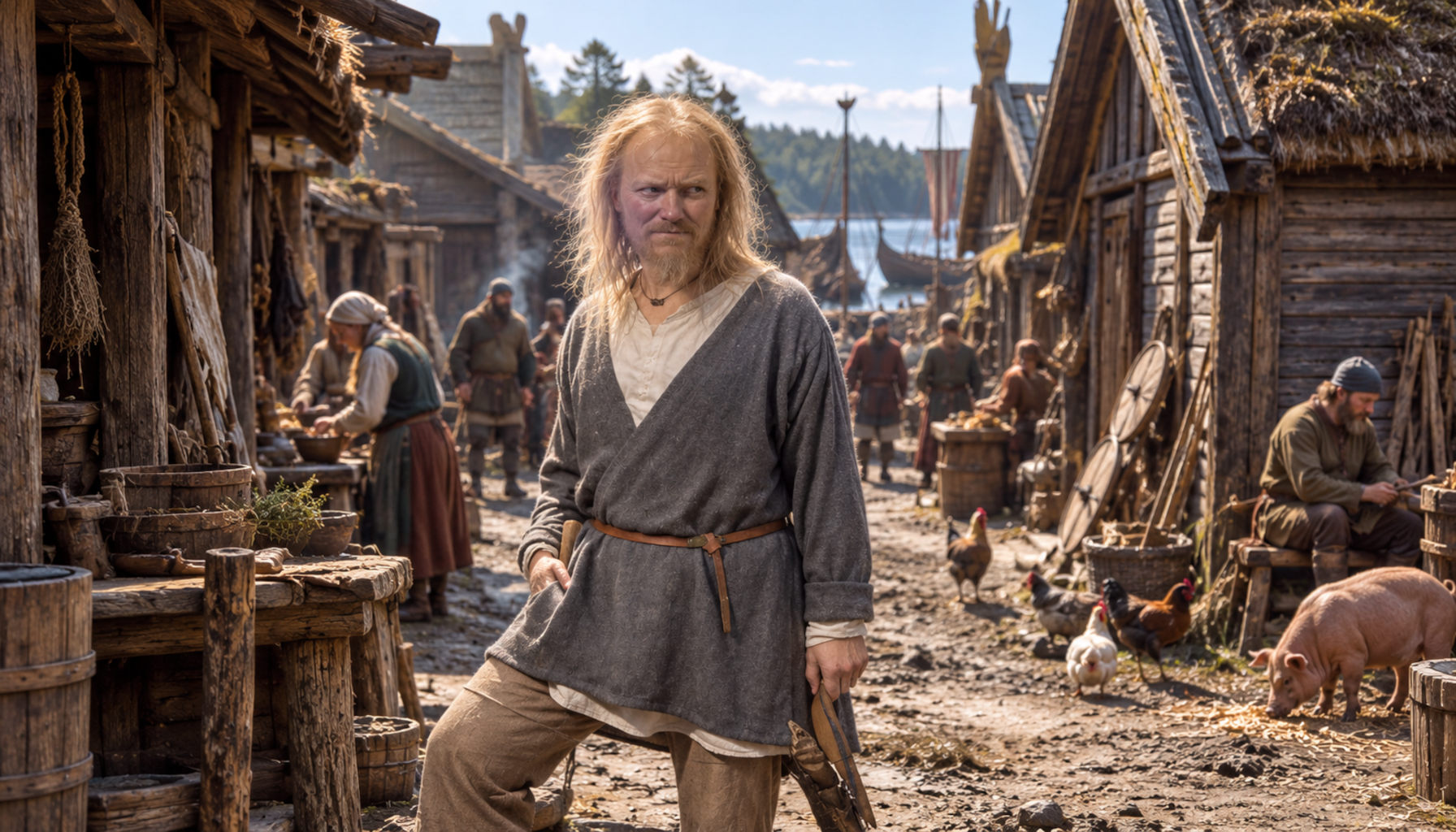
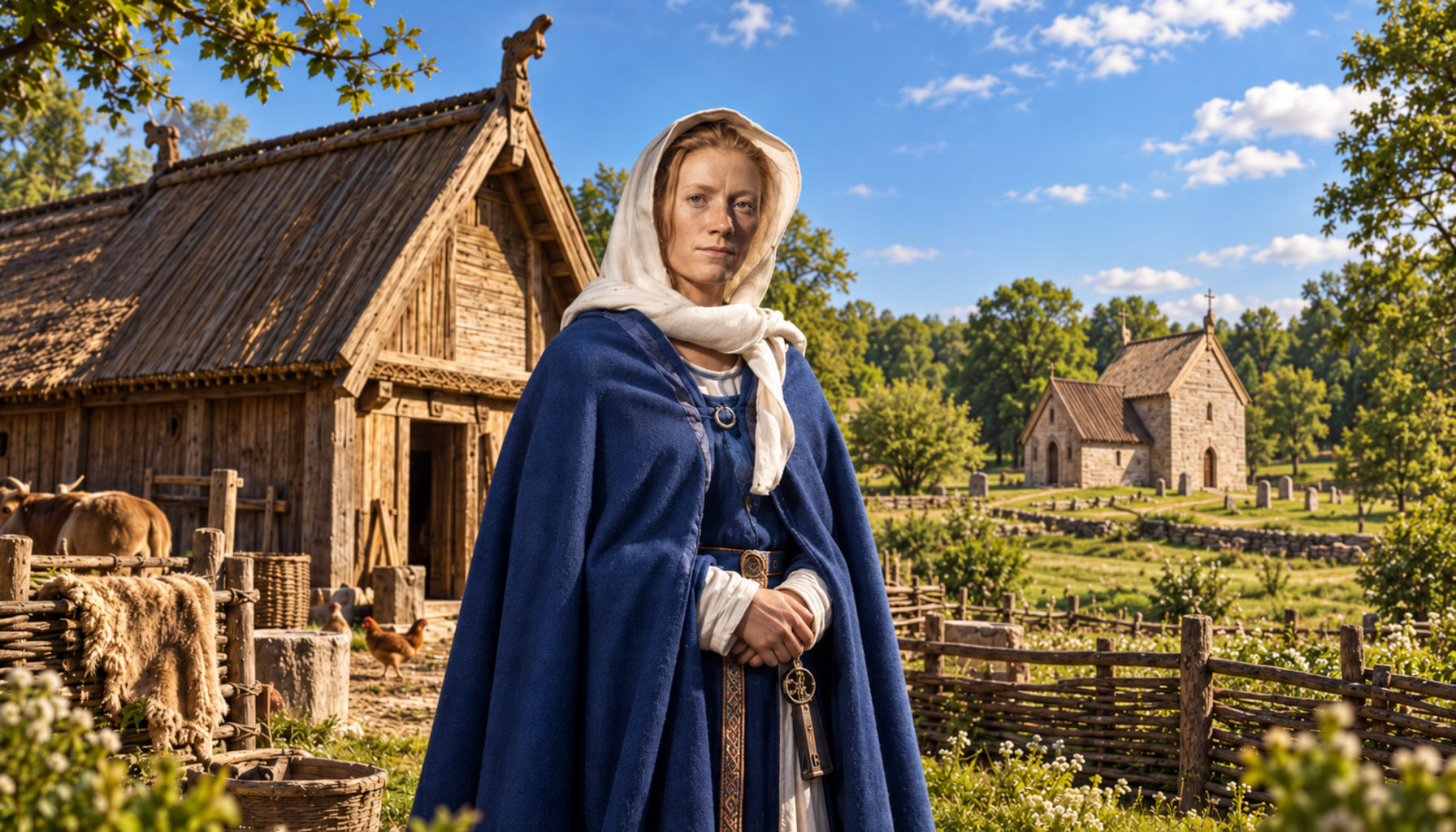
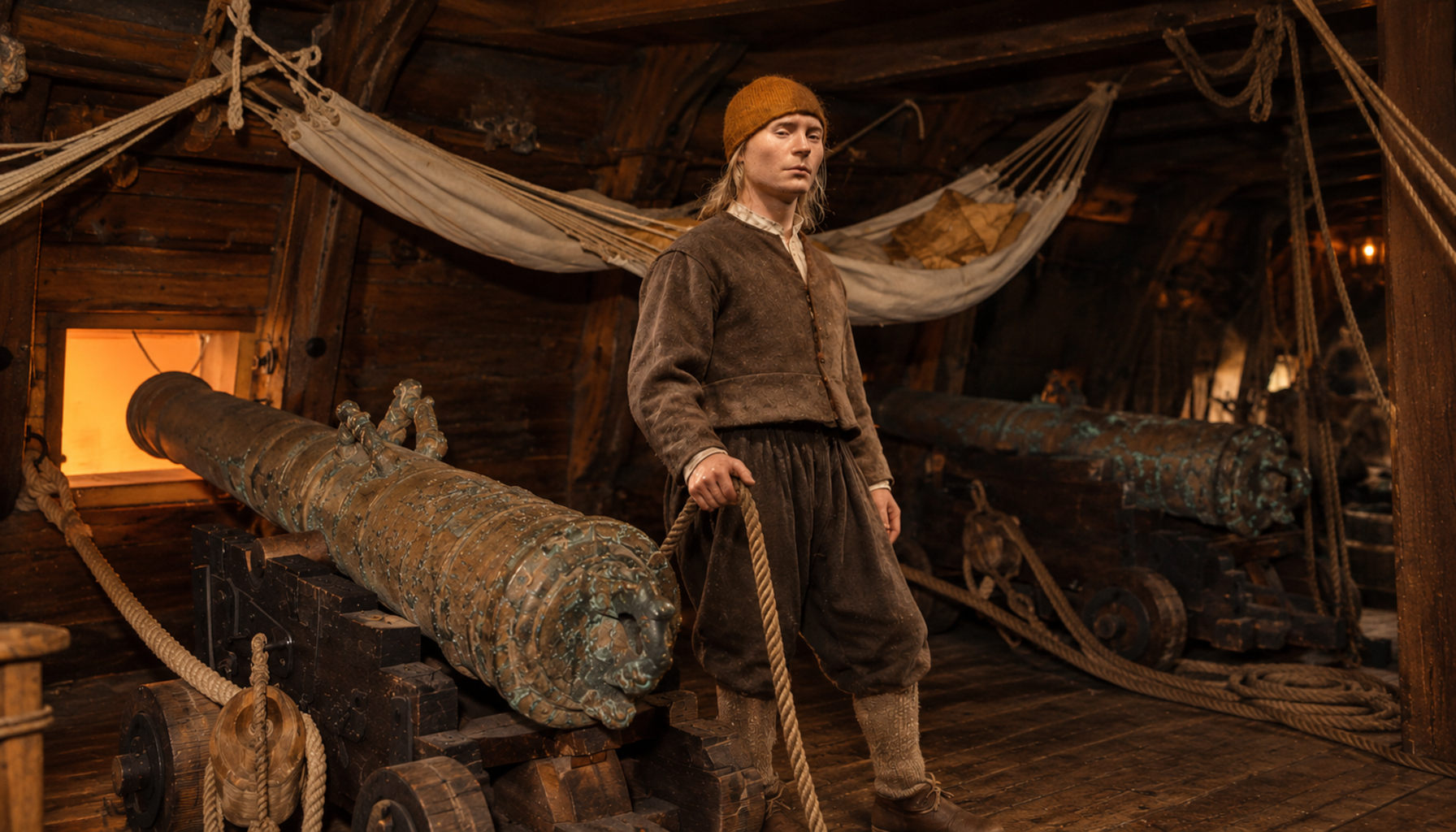
The haplogroup tag R1a1a1b1a1a1c1e connects Clan Ainslie, at the level of deep paternal ancestry, to a broader network of ancient and medieval males found across northern, central, and eastern Europe. These are not evidence of direct descent from any specific excavated individual, but they are related or linked comparanda that help illustrate the wider historical world into which this lineage fits. Relevant examples include Medieval Hungary Carolingian Szekesfehervar Sarkereszturi AHPS185W, Early Goth Pommerania Pruszcz Gdansk Pruszcz Wielbark PCA0457, Medieval Denmark Tjrby Randers Municipality CGG101689, Piast Dynasty Greater Poland lad PCA0213, Santok in Lubusz Province PCA0383, Santok lads PCA0394 and PCA0399, Early Goth Pommerania Czarnowko Wielbark samples PCA0550, PCA0551, and PCA0554, Soldier of Napoleon Grande Armee mass grave Vilnius YYY088B, Duchy of Sandomierz Lublin Region Pidhirtsi PDH006, Thuringii Tribe Germany Deersheim Saxony-Anhalt DRH009, Piast Non-Masovian Dynasty male PCA0643, Piast prince PCA0624, Ostrow Lednicki PCA0336, Medieval Poland Piast lad PCA0181, Medieval Pommerania Legowo PCA0165, Medieval Hungary Carolingian Border Bodajk Proletarfoldek AHPS190W and AHPS199W, and the Stora Kronan shipwreck sample kro002 from the Battle of Oland in Sweden. Taken together, these linked samples suggest a lineage with deep roots in the northern European historical zone out of which many later medieval and early modern families emerged, before surnames such as Ainslie took fixed Scottish form.
If you carry the Ainslie surname, or have Ainslie lines in your family tree, DNA can add another layer to the story alongside records, heraldry, and local history. Upload your DNA to MyTrueAncestry to explore ancient links, compare haplogroups, and place your family history in a much deeper human past.
Comments