Clan Harris
– 3 min read


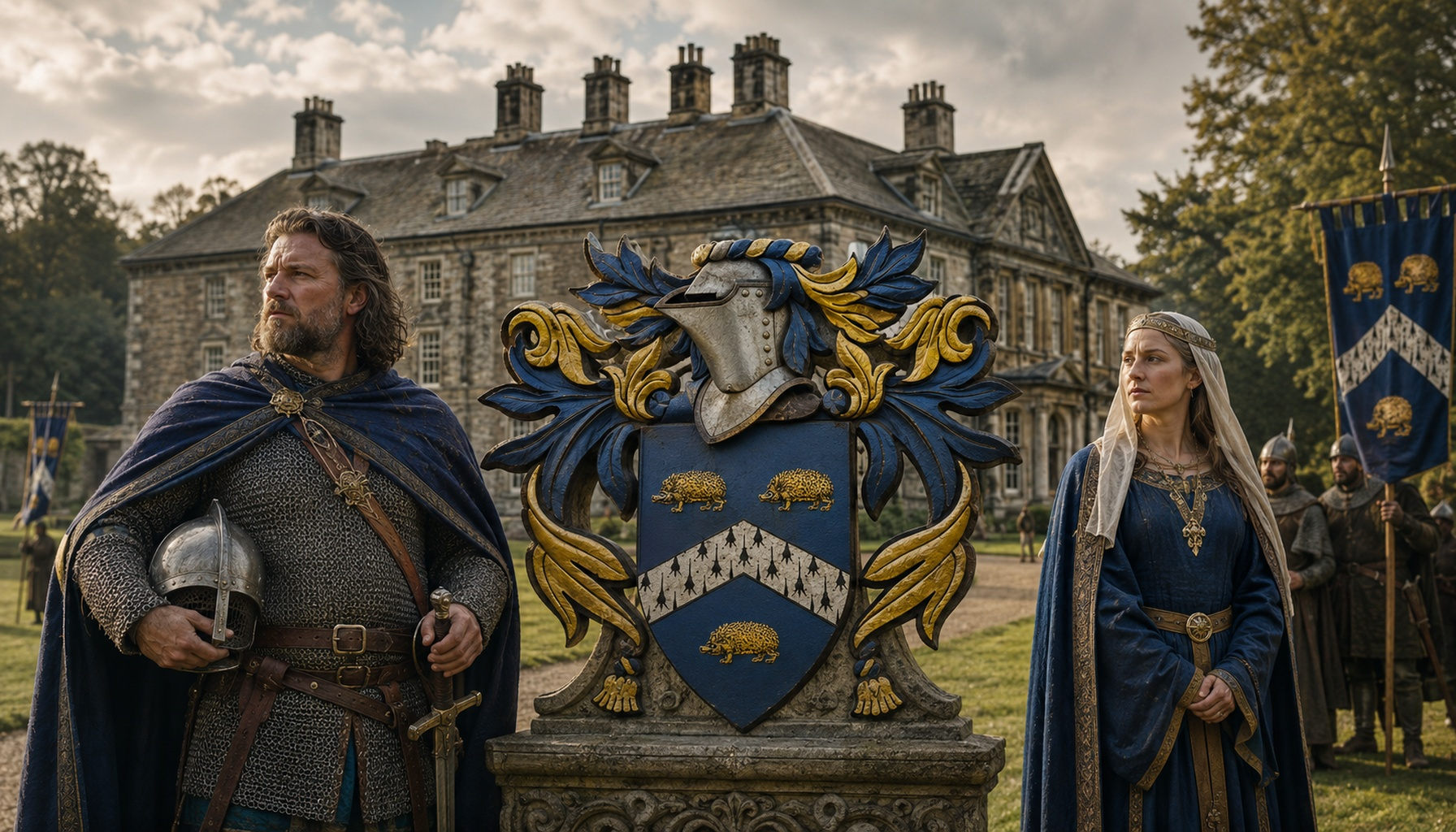
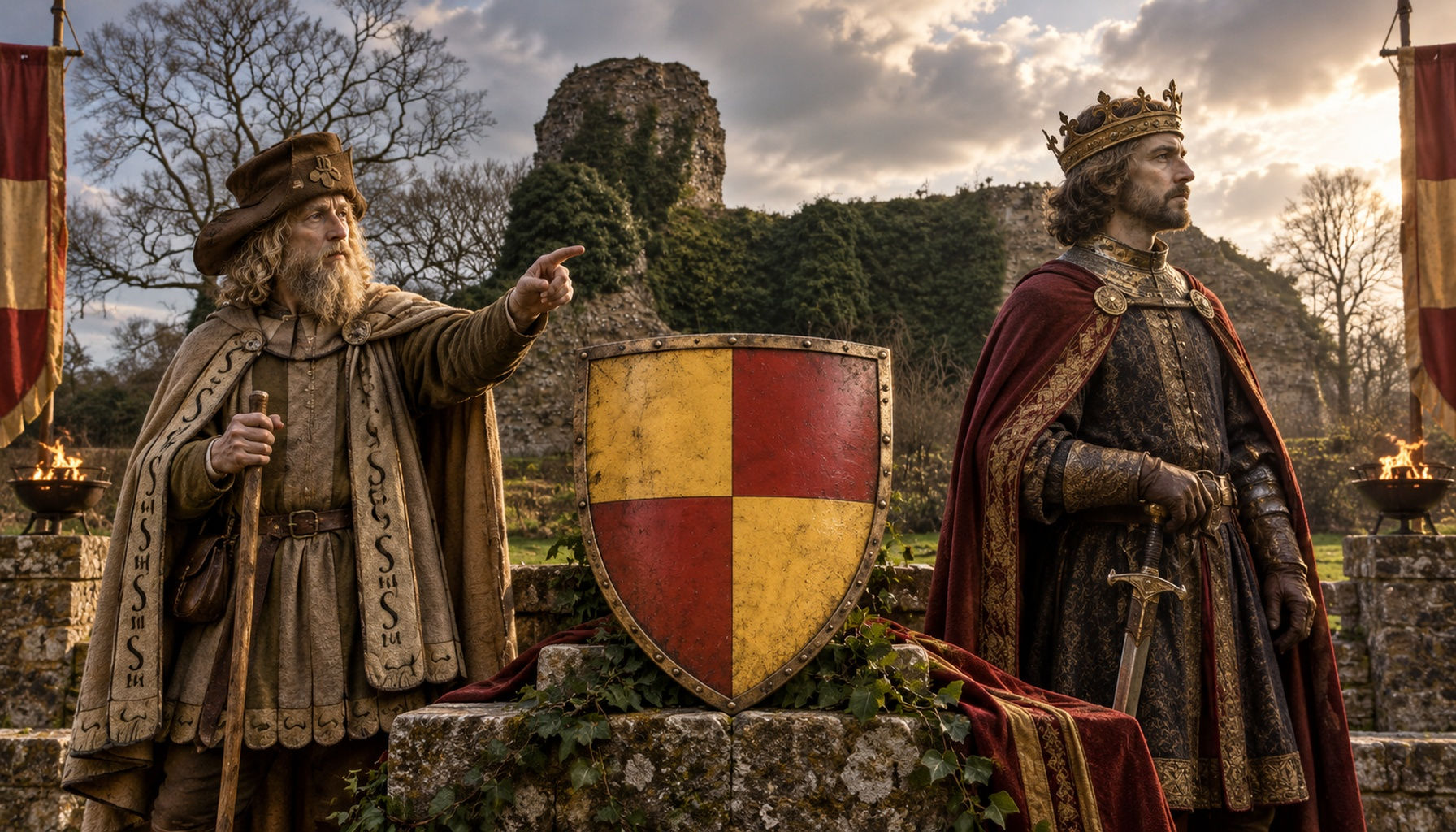
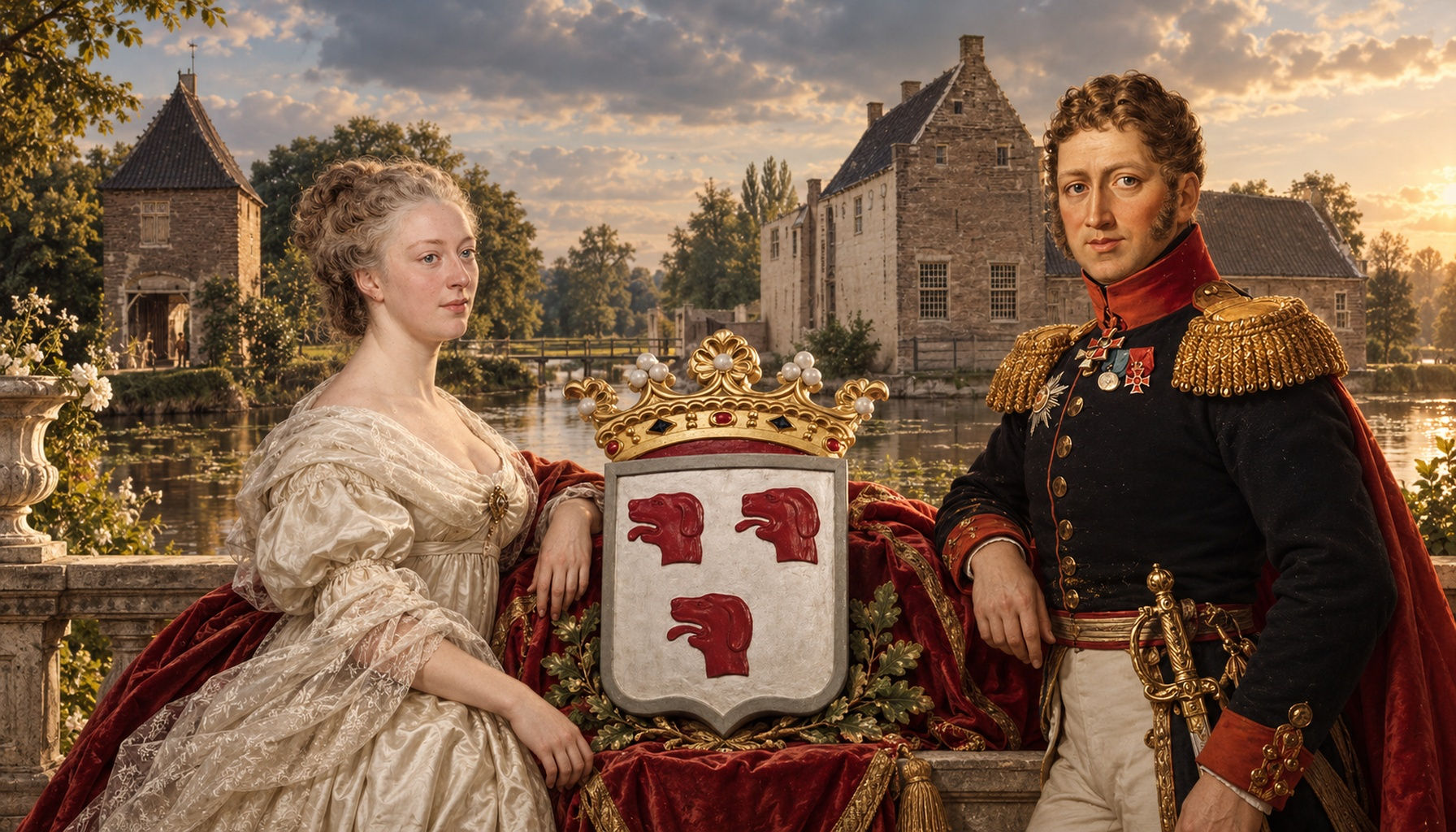
Clan Harris belongs to that broad and very British pattern of family history in which a surname carries memory across centuries more reliably than any single castle or princely title ever could. The name is usually understood as a patronymic form, growing out of the personal names Harry or Henry, and it spread through Scotland and the wider British world by the familiar engines of history: local service, landholding, trade, movement between parishes and burghs, and later migration much farther afield. In that sense, Harris heritage is not the story of one tiny closed territory, but of surname continuity across many regions, held together by kinship, habit, and the stubborn human urge to remember where one belongs. For DNA-tagging purposes, the primary family haplogroup linked here is I1a3a1a1a2b1.
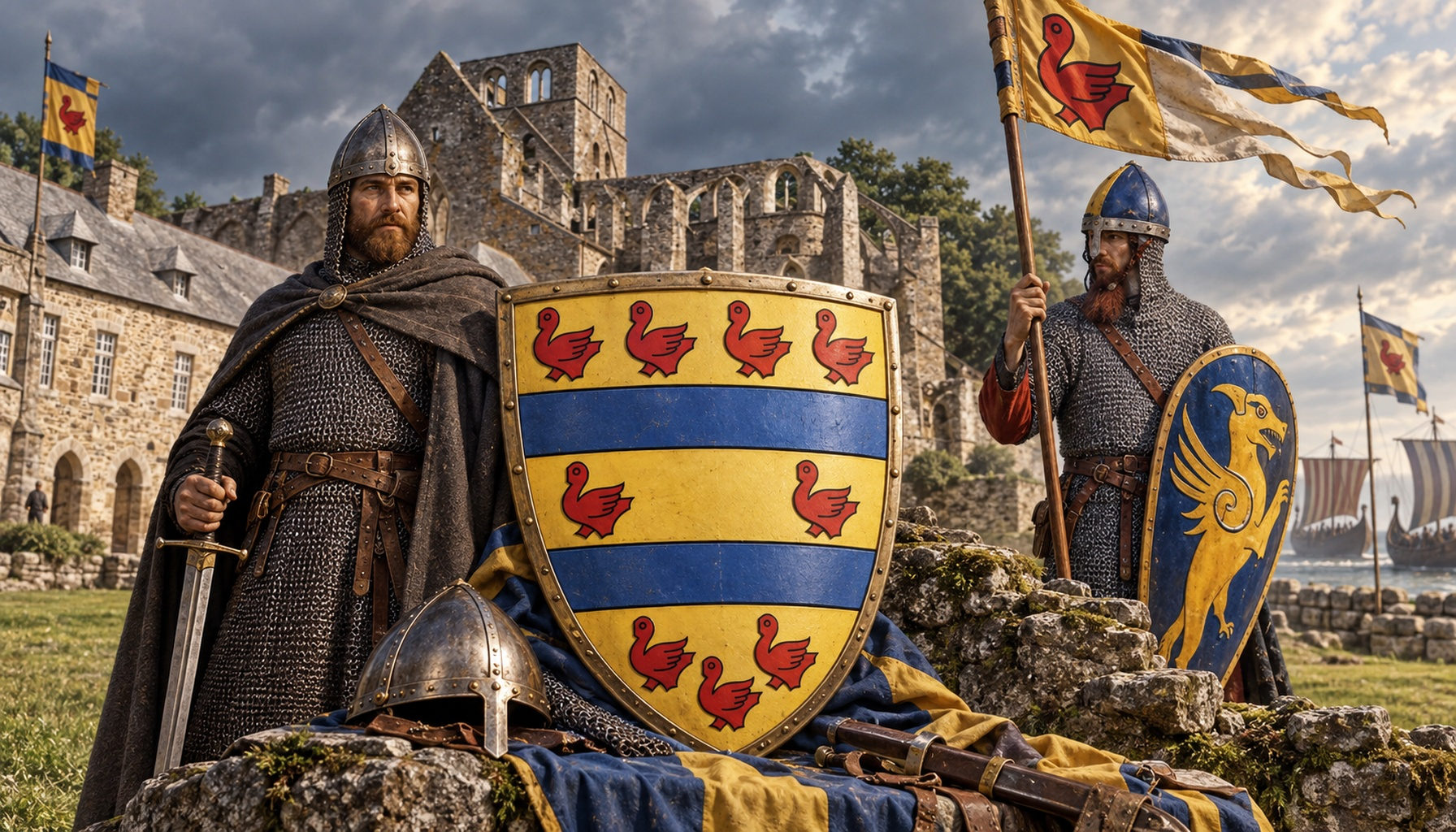
Early forms of the name remind us how fluid medieval spelling could be, and how quickly a personal name could become a hereditary marker. Figures such as Hericius in 1022 and Josceline Fitz-Herice in 1156 stand as useful signposts in that long transition from individual identification to family surname. They are not celebrities in the modern sense, but that is rather the point: most real family history is built not from crowns and trumpets, but from scribes, witnesses, tenants, clergy, and men whose names flicker briefly in charters before vanishing back into ordinary life. Clan Harris, represented in this clan-style tradition, is best understood as a durable surname community rooted in regional diversity, inherited identity, and continuity over rank.
A useful location anchor for Harris memory is the Mill of Converth, better known today as the Mill of Conveth, in Kincardineshire near Laurencekirk. Sites like this matter because they place family tradition back into the working landscape of historic Scotland: not just lairds and lineages on paper, but grain, water power, rents, roads, and the practical business of feeding a community. The Canmore record identifies the site as a mill location with visible remains and documentary interest, tying it into that older rural world in which surnames such as Harris were sustained through service networks, tenurial relationships, and everyday economic life. It is precisely the sort of place that reminds us that family history happened in mills as much as in manor houses. As an archaeological site recorded in the national inventory, it can reasonably be regarded as a place that can still be visited, at least from the surrounding area and landscape context, subject of course to local access conditions and site preservation.
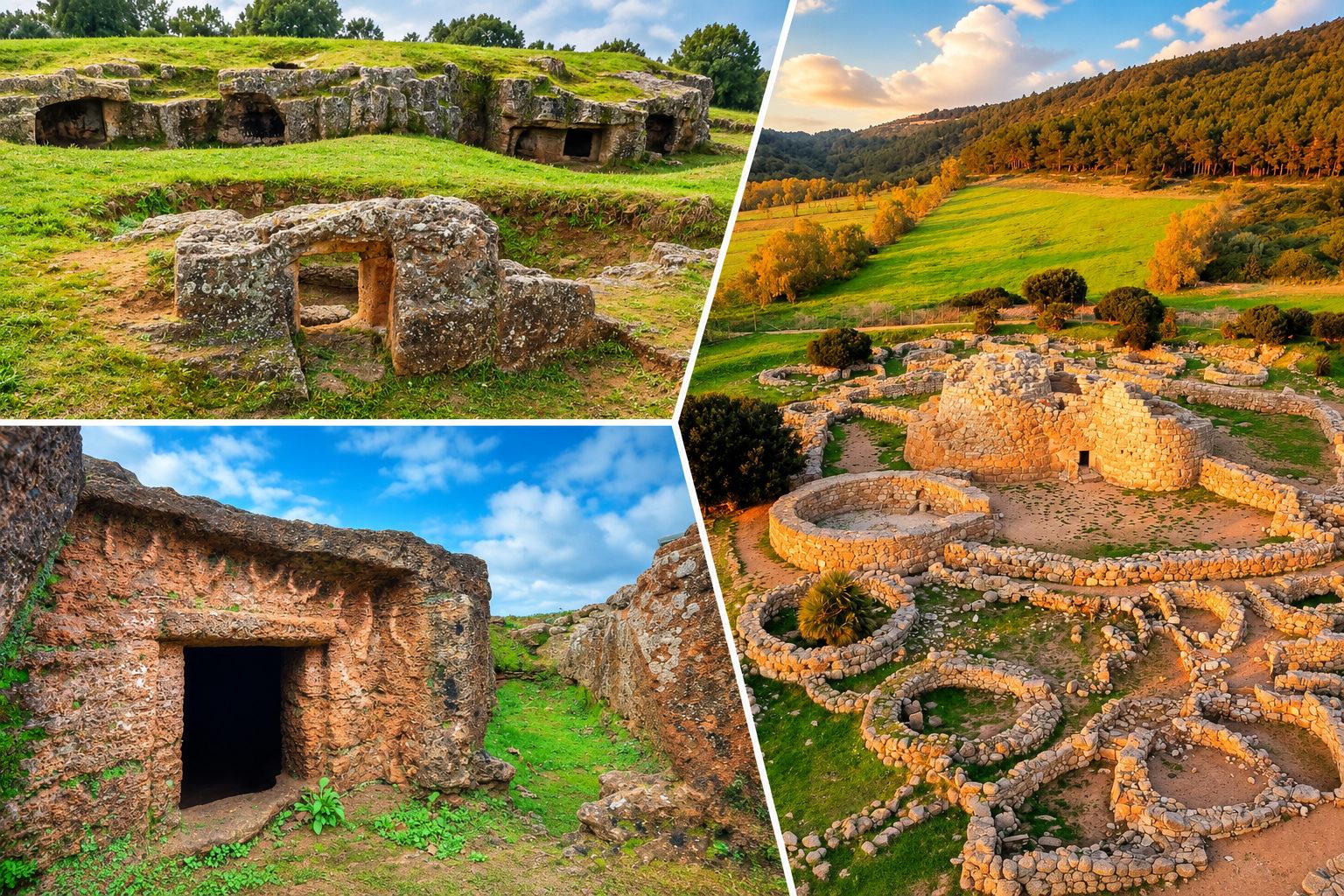
From the genetic side, the primary Harris family haplogroup tag here is I1a3a1a1a2b1, a branch with a fascinating spread across ancient European contexts. Related or linked ancient DNA examples include Migration Period Hungary Rakoczifalva samples RKO003 and RKF274, Merovingian Bavaria at Altheim in Germany with Alh_282, Gothic-associated contexts in Poland such as Maslomecz Wielbark sample PL086 and Kowalewko Oborniki sample PCA0018, and the Roman-period Germanic warrior from Mursa in Croatia, OSIJ007, set against the Third Century Crisis. The same linked branch also appears in later and wider settings, including Byzantine-era Anatolia at Zeytinliada Monastery with I14832, Early Medieval Buckinghamshire at Wolverton Radcliffe with S16508, the Viking Age elite warrior from Bodzia in Poland with VK157, and the mixed Vasconic-Roman context of Crypta Balbi with R110. None of these samples should be claimed as direct ancestors of the Harris family without specific evidence, but together they sketch a striking backdrop of northern and central European mobility, military service, frontier life, and cultural mixing that fits well with the larger Harris story of continuity through movement rather than isolation.
Read more about Clan Henderson
If you carry the Harris surname, or believe your family may connect to this wider Scottish and British surname tradition, uploading your DNA can help you explore whether you match the Harris family profile or any of these related ancient DNA samples. That is where family memory, documentary history, and archaeology become properly exciting: you can test the old stories against deep genetic time and see what echoes remain.
Comments