Clan Harvey
– 3 min read


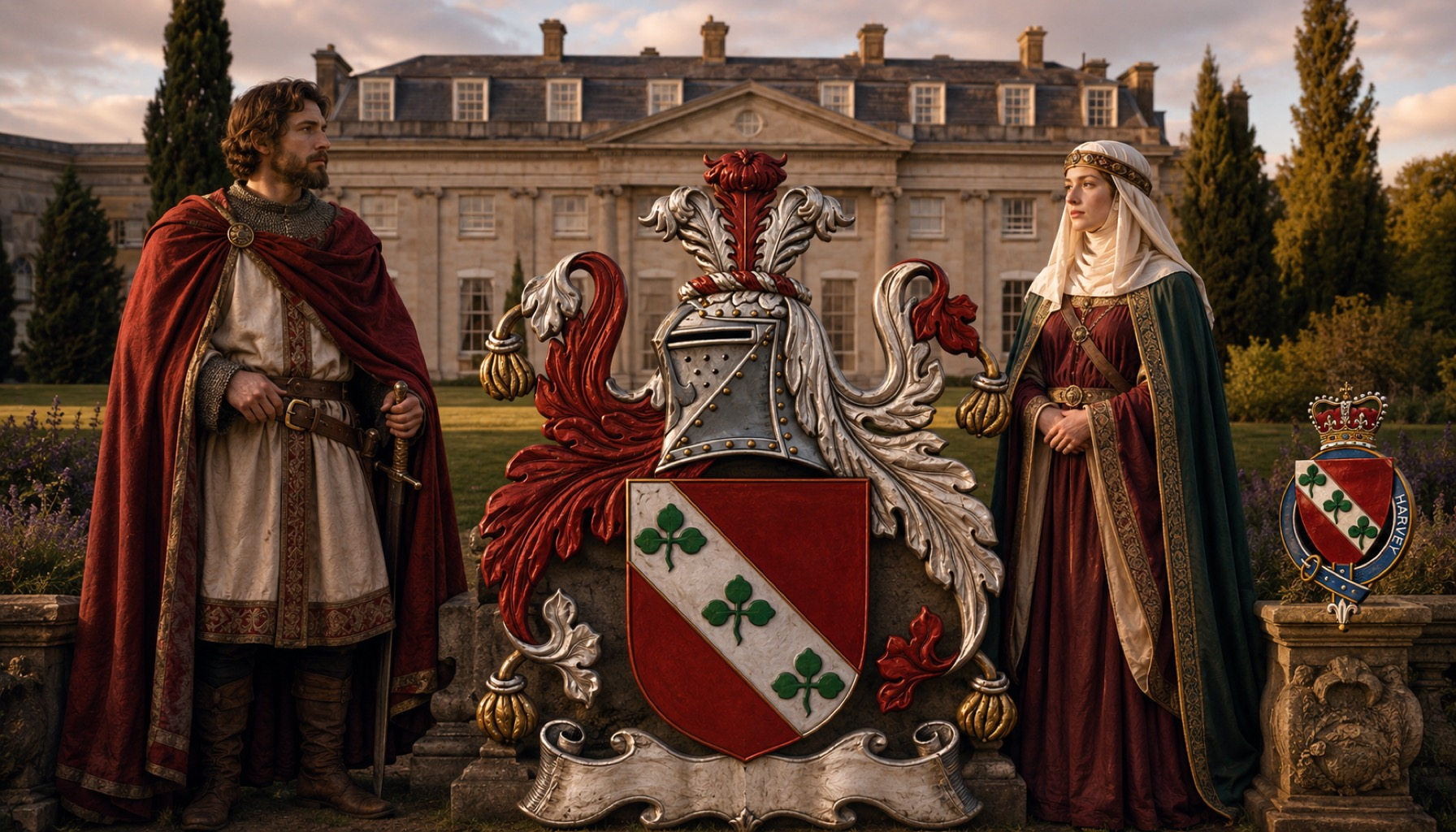
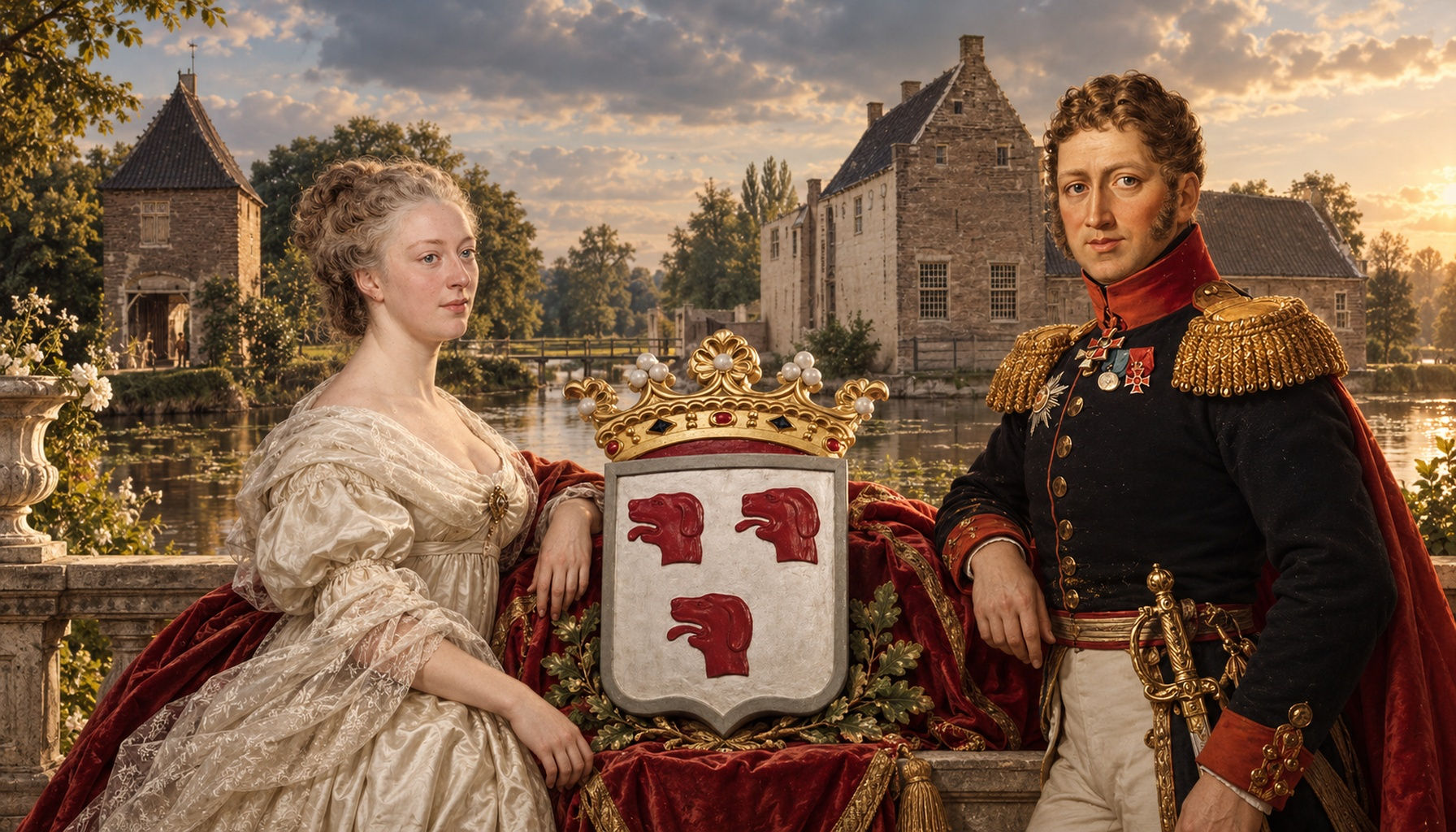
Clan Harvey belongs to that broad and very recognisable Scottish and British family tradition in which a surname became a kind of portable inheritance: carried from parish to parish, county to county, and later across oceans, while still holding fast to memory of place, service, and standing in the community. In this case the name Harvey is linked here with the primary family haplogroup R1b1a1b1a1a3a2, a paternal line found widely across western Europe and entirely at home in the longer story of the British Isles. Rather than a tale of princely grandeur, Harvey history is better understood as one of regional roots, landholding, local duty, migration, and the stubborn continuity of a family name across centuries.
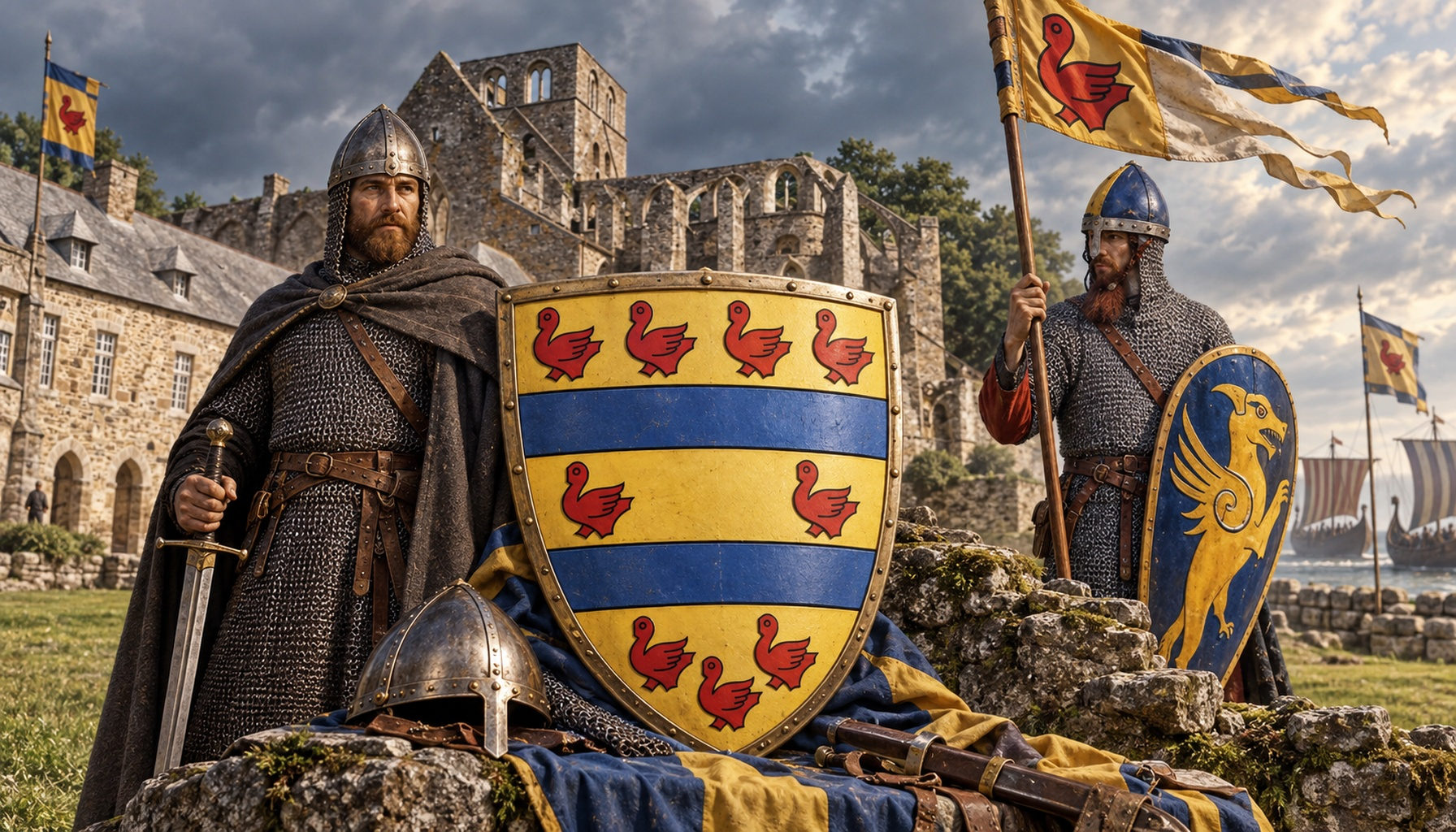
The surname itself appears in medieval records in forms shaped by Norman, French, English, and Scottish usage, which is exactly what one would expect in the busy, mixed world of the high Middle Ages. One early figure is Herueide Caster, recorded between 1157 and 1163, reminding us that these names surface first not in romantic legend but in charters, land business, and practical administration. Later, the most famous bearer of the name was William Harvey (1578-1657), the physician whose demonstration of the circulation of the blood changed medical history. Taken together, such figures show the family not as a single grand dynastic house, but as part of the historical fabric of Britain: useful, literate, mobile, and memorable.
A strong location anchor for Harvey heritage is Ickworth House in Suffolk, one of those places that tells the story of British family continuity almost before you step through the door. The house is best known for its extraordinary central Rotunda, inspired by classical architecture and developed chiefly for the Hervey family, later Marquesses of Bristol. It sits in landscaped parkland near Bury St Edmunds and combines aristocratic ambition, collecting culture, and the long afterlife of landed families in Britain. What matters historically is not just the building's grandeur, but what it represents: a family establishing itself in a region, expressing identity through estate, art, public presence, and inherited memory. Ickworth House is now in the care of the National Trust, so yes, it can still be visited, which is rather wonderful because it allows modern visitors to walk straight into the material world that helped preserve Harvey-associated family memory.
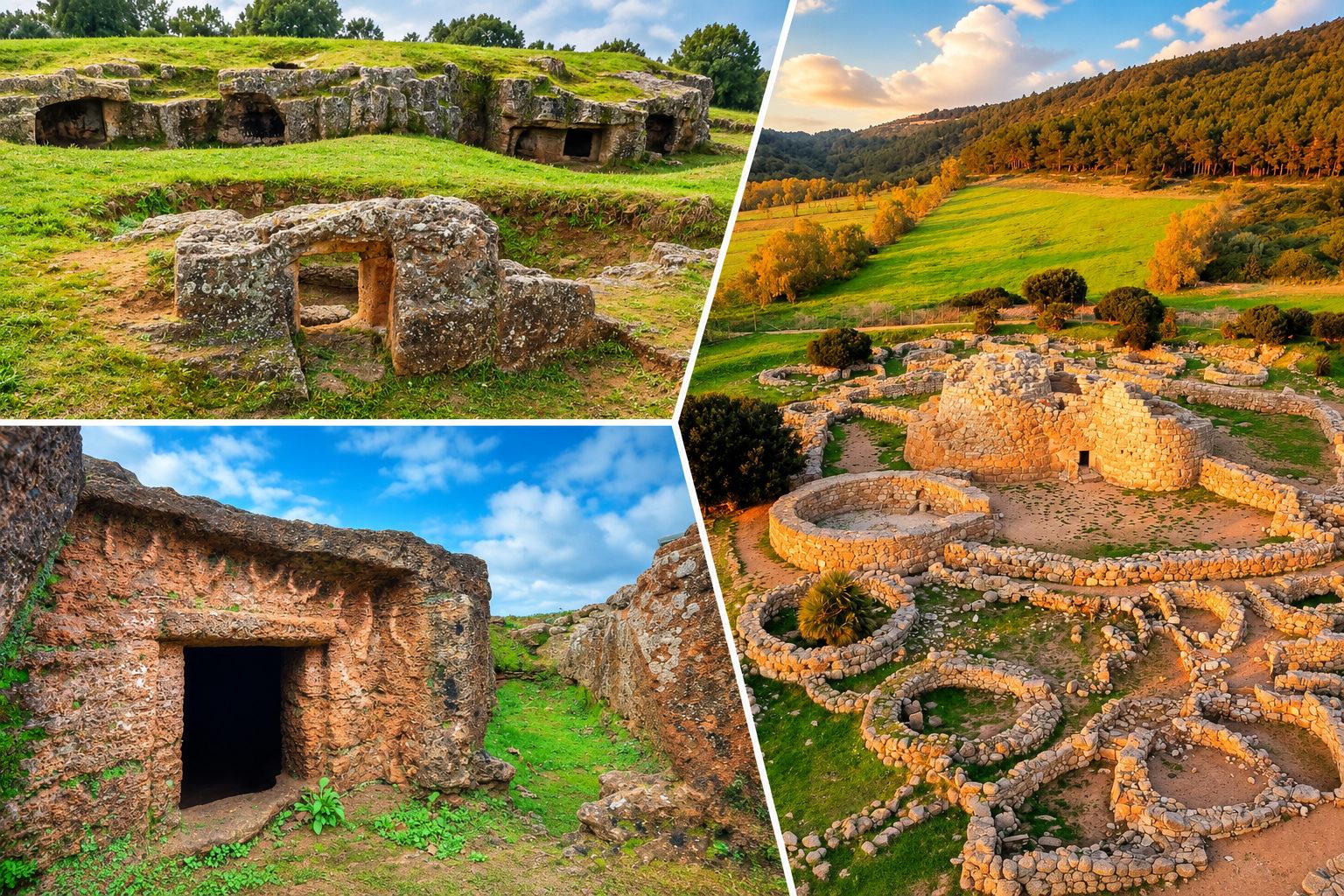
From the ancient-DNA side, the Harvey-linked haplogroup R1b1a1b1a1a3a2 connects the family story to a wide arc of related western and central European samples rather than to any single proven ancestor. Among the more suggestive linked examples are Celtic Durotriges England Duropolis Winterborne Kingston (WBK106), Late Iron Age Ham Hill Fort Somerset England (I19653), Iron Age Hill Fort Fin Cop Derbyshire England (I20632), Celtic Briton Slonk Hill Sussex England (I7632), Early Anglo Saxon Period Hatherdene Close Cambridgeshire England (HAD017), Medieval England Cherry Hinton (ATP_PSN_944), Medieval England Cambridge St Johns Hospital (ATP_PSN_36), and the Pict-era Rosemarkie Cave individuals from the Black Isle in Scotland such as KD001_2, KD001_3, KD001_4, KD001_6a, KD001_6b, and KD001. Beyond Britain, related samples appear in Bronze Age France at Saint-Martin-la-Garenne (SMGB54) and Grevottes in Aube (BRE445FK), in Celtic and later Germany at Ludwigsburg Roemerhuegel (LWB002_ss, LWB002_ss_b), Leubingen in Thuringia (LEU040, LEU065), and Deersheim (DRH046, DRH017), as well as in medieval northern Spain at Las Gobas (ldo046, ldo040). None of this proves direct descent from any one of them, of course. What it does show is that the Harvey paternal signature sits within a very old and well-travelled European lineage, one that turns up among Bronze Age communities, Iron Age Celtic worlds, early medieval populations, and later British and Atlantic societies.
If you carry the Harvey name, or suspect Harvey lines in your family tree, the most interesting question is not whether the story is royal, but how your branch fits into this larger pattern of British continuity, movement, and memory. Upload your DNA to MyTrueAncestry to see whether you match Clan Harvey or any of these related ancient DNA samples, and to place your own family story inside the much deeper archaeology of the British Isles and Europe.
Comments