Clan Henderson
– 3 min read


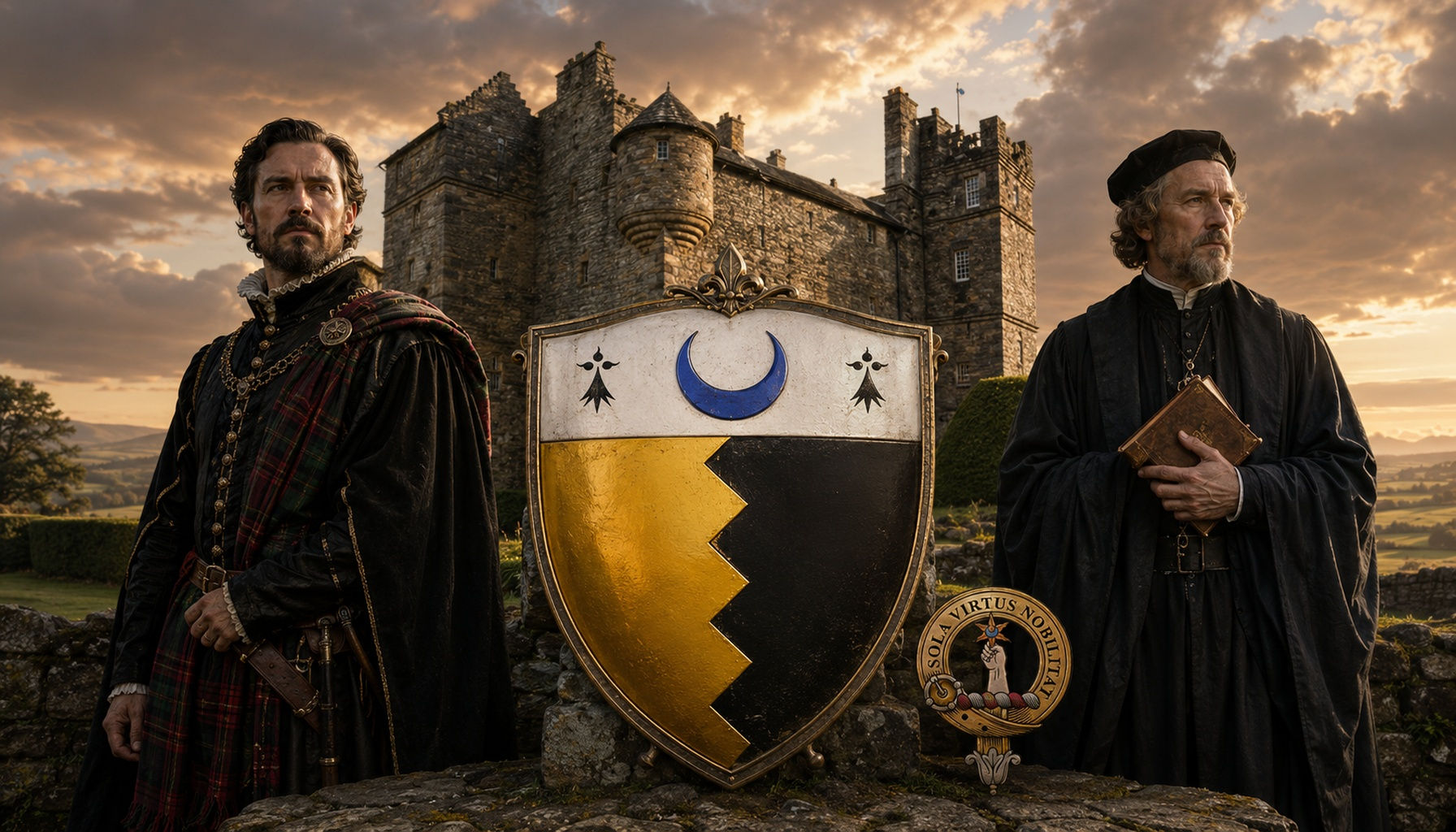
Clan Henderson is one of those wonderfully Scottish families whose story does not sit neatly inside one small patch of ground. The name appears across Highland, Border, and Lowland traditions, and that is very much the point of it. Henderson history reflects the broad pattern of Scottish clan life: kinship, movement, service, local authority, war, alliance, and a stubborn determination to preserve family identity over centuries. In that sense the clan stands less as a single narrow tribe and more as a durable surname community, adapting to changing political worlds while holding on to memory, heraldry, and family solidarity. Haplogroup tags linked with this family tradition include R1b lineages, with the primary family haplogroup here noted as R1b1a1b1a1a2a7.
The surname itself is commonly understood as meaning "son of Henry," but in Scotland surnames quickly became more than simple labels. They became markers of loyalty, inheritance, and local standing. The Hendersons appear in different regional settings, which helps explain why the clan has several branches rather than one single territorial centre. Among the named figures associated with the family are James Henderson, recorded in 1494, and the far better known Alexander Henderson, born in 1583 and active until 1646, the great churchman and statesman of the Covenanting age. Together they give a sense of the clan's range: one rooted in late medieval record, the other standing at the heart of one of the great constitutional and religious struggles in Scottish history.
A particularly important location anchor for the Henderson story is Fordell Castle in Fife. The present building incorporates a tower house of about the sixteenth century, later enlarged and altered, and it stands on a site with deeper medieval associations. Historically it became closely connected with the Hendersons of Fordell, one of the most prominent Lowland Henderson families, who rose into landed importance and armorial distinction. This matters because castles in Scotland were not just picturesque houses with battlements; they were statements of status, continuity, and local command. Fordell, lying in Fife not far from the Firth of Forth, placed the family in a region deeply involved in the political, commercial, and ecclesiastical life of eastern Scotland. The castle is still standing, though altered over time, and the chapel at Fordell is especially noted. Public access can vary since the estate has been in private hands, so it is best described as a place that can still be seen and in some cases visited through arranged access or special openings rather than as a fully open walk-in monument every day.
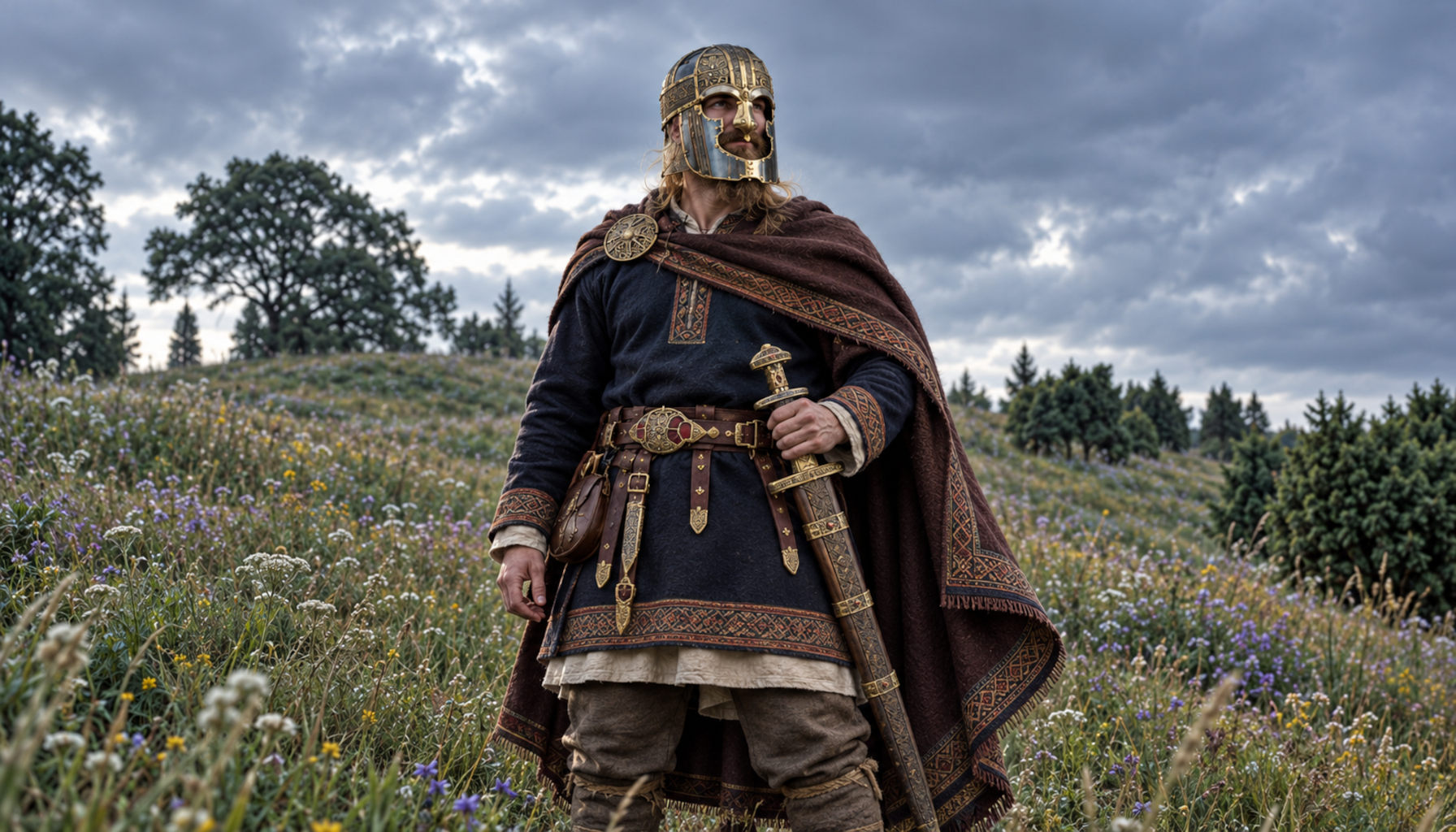
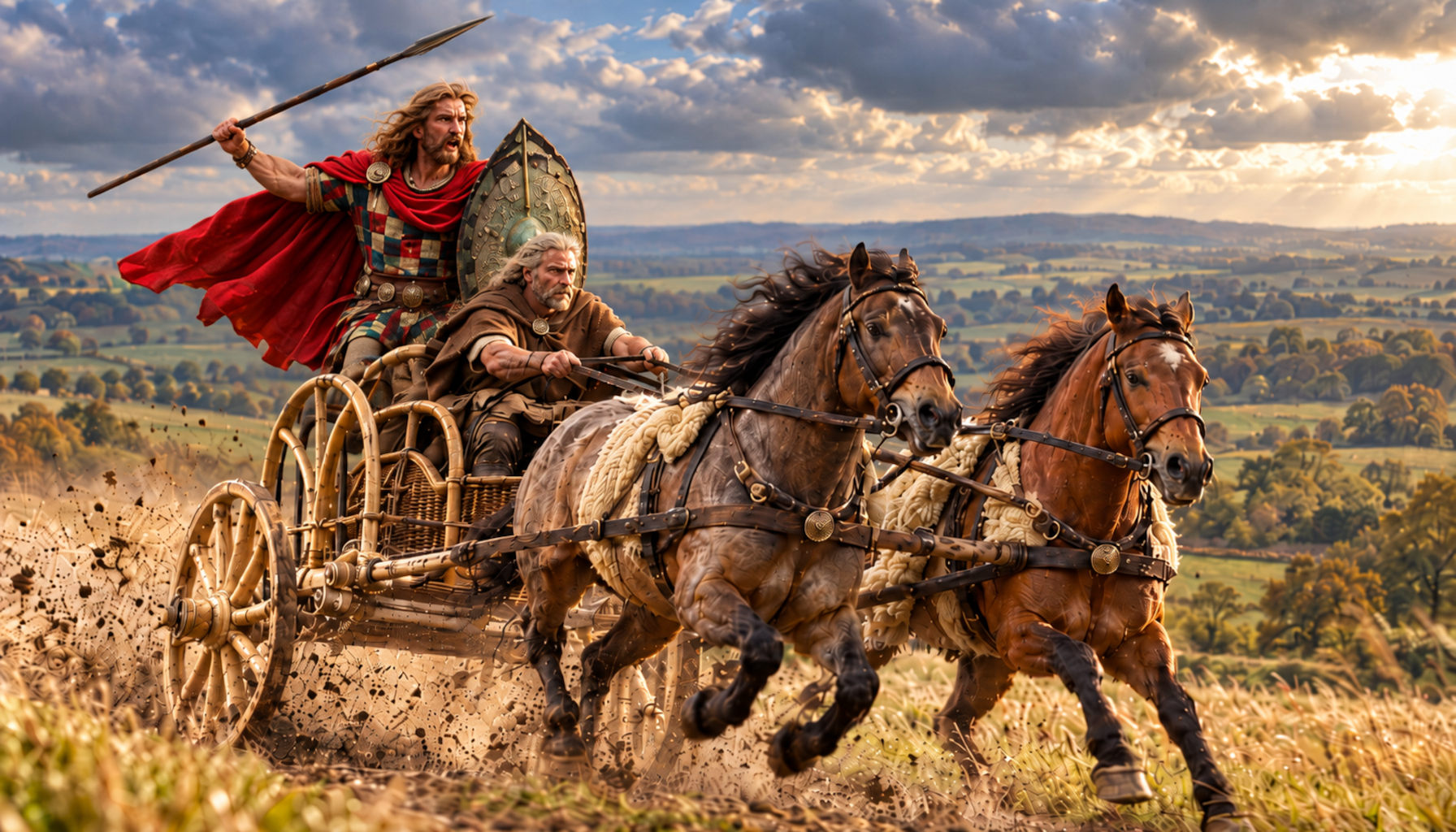
The haplogroup R1b1a1b1a1a2a7 belongs to a very broad and ancient paternal network spread across Britain and much of western and central Europe, so any ancient DNA discussion here must be careful: these are linked or related samples, not proof of direct descent from a named Henderson line. Even so, the pattern is fascinating. Related R1b1a1b1a1a2a7-linked samples appear in Pict-era Scotland at Rosemarkie Cave on the Black Isle, in Iron Age and Roman Britain, in medieval England and Ireland, and across Celtic, Gallo-Roman, Germanic, and medieval contexts from Spain, France, the Low Countries, Germany, Hungary, Portugal, Denmark, and beyond. Examples include Pict-era Scotland Black Isle Rosemarkie Cave samples KD001 and related individuals, Celtic Durotriges burials from Winterborne Kingston in England such as WBK106 and WBK36, Roman-era Fenstanton in Cambridgeshire FEN008, elite Celtic burials at Asperg-Grafenbuehl and Ludwigsburg in Germany, medieval northern Spain Las Gobas samples such as ldo066, ldo037, ldo046, ldo048, ldo062, and early Bronze Age and Bell Beaker linked finds from France, the Netherlands, Bohemia, and Britain. What this suggests, in broad historical terms, is a paternal lineage with deep roots in the population movements that shaped Atlantic and Celtic Europe, later flowing through the same connected worlds of migration, warfare, lordship, and settlement that eventually formed the historical setting of Scottish surnames like Henderson.
If you carry the Henderson name, or think your family may connect to Clan Henderson, DNA can add another layer to the paper trail. Upload your DNA to MyTrueAncestry to explore ancient samples linked to your deeper ancestry and place your family story in the long human history behind the clan name.
Comments