Clan Houston
– 3 min read



Clan Houston was a Lowland Scottish family rooted in Renfrewshire in the west of Scotland, and its identity was tied above all to place: land, settlement, lordship, and service. The surname is territorial, taken from the lands of Houston itself, and the family fits that very Scottish Lowland pattern in which power was not only about battle fame but about holding estates, witnessing charters, serving crown and locality, and carrying a name forward through generations. In DNA terms, the primary family haplogroup associated here is R1b1a1b1a1a2c1a3c, a branch within the great R1b line so common across western Europe.
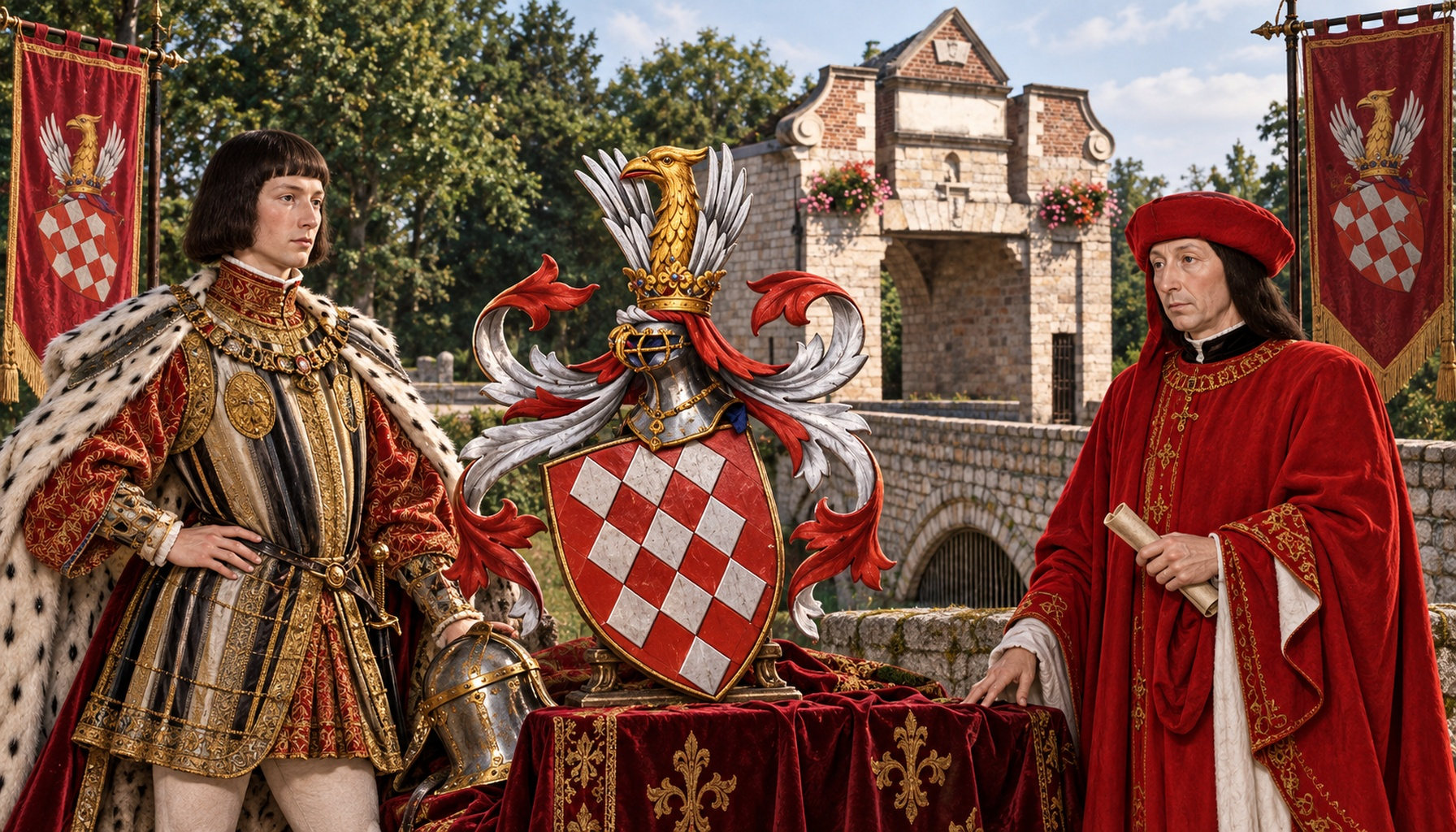
The name Houston is usually understood as deriving from Hugh's tun, or settlement, recalling an early lordly foundation in the medieval landscape of Renfrewshire. That matters, because in medieval Scotland surnames like this were not casual labels: they marked control of land and belonging to a local world of tenants, churches, roads, and neighbouring families. Clan Houston grew within the historic orbit of the Stewart west, where landed families built status through public duty, heraldry, and practical continuity. One early named figure is Sir Finlay de Hustone, recorded in 1296, a date that instantly places the family in one of the most charged moments of Scottish history, the age of fealty rolls, contested kingship, and the long wars that shaped the kingdom.
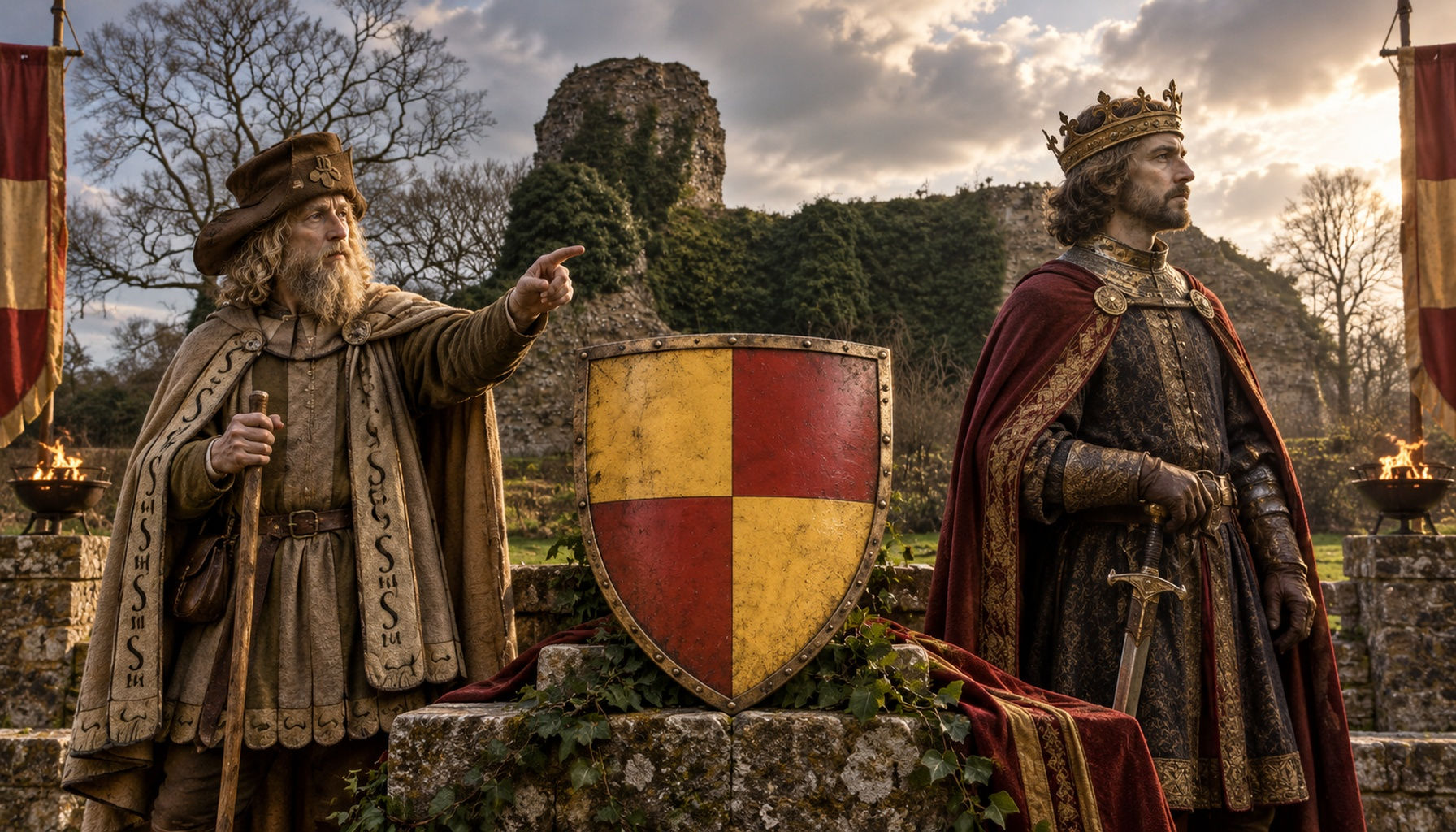
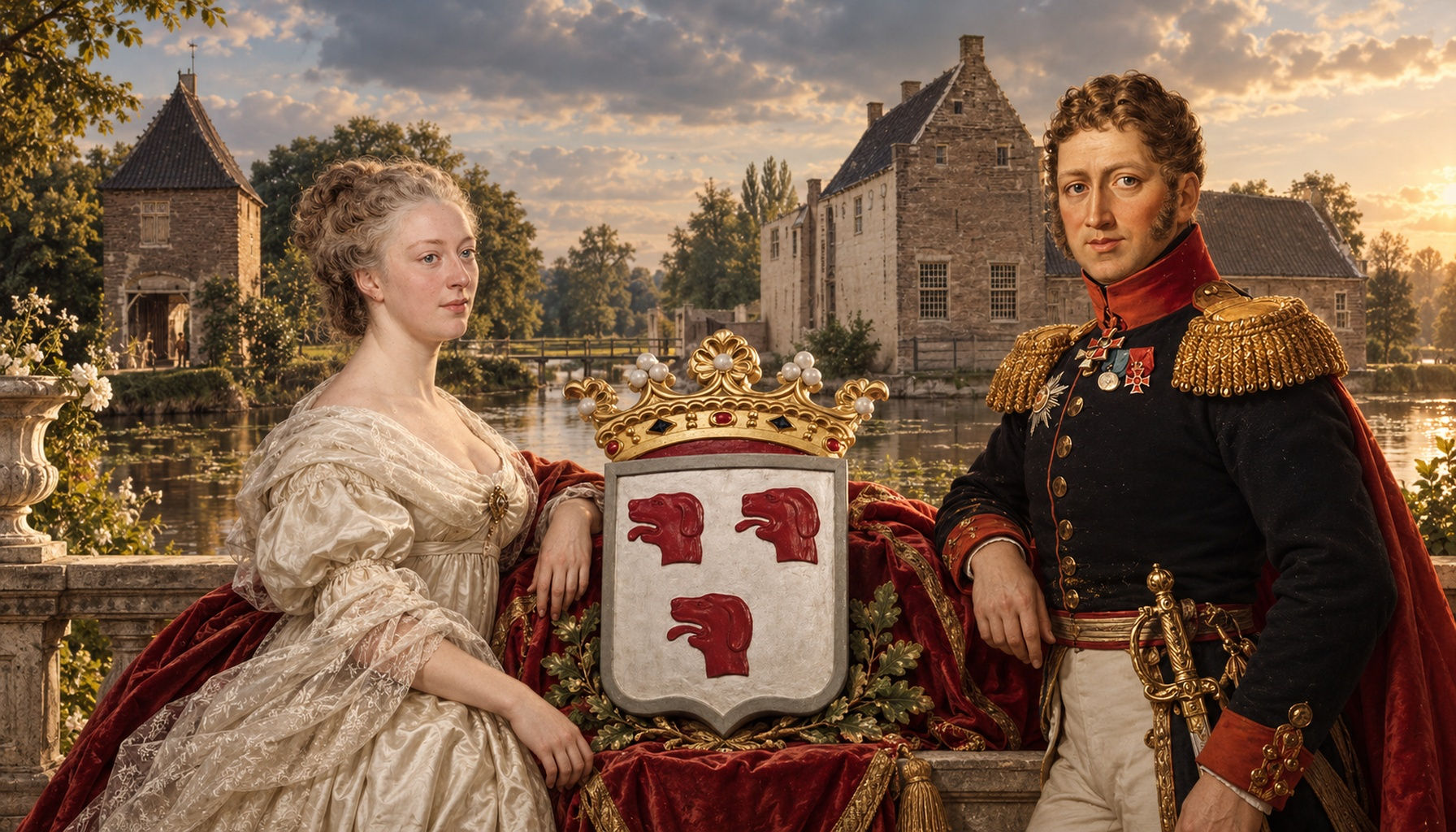
The great location anchor for the family is Houston House in Renfrewshire, the old seat that gave the family both name and historical focus. This was not just a country residence in the modern romantic sense, but the centre of a territorial identity, the kind of place from which local influence radiated outward. The site reflects the long development of the estate, with layers of medieval origin and later rebuilding that speak to the changing fortunes and tastes of the family across centuries. As noted in Scottish heritage material, Houston House stands as a reminder that clans in the Lowlands were often as much about estates, administration, and continuity as about the more theatrical image of tartan warfare. It remains an important heritage landmark for understanding how a family like the Houstons was anchored in a real landscape of authority and memory. The house and its grounds have been known as a place that can still be viewed and visited from the outside, with the wider Houston village itself preserving the family name in living geography.
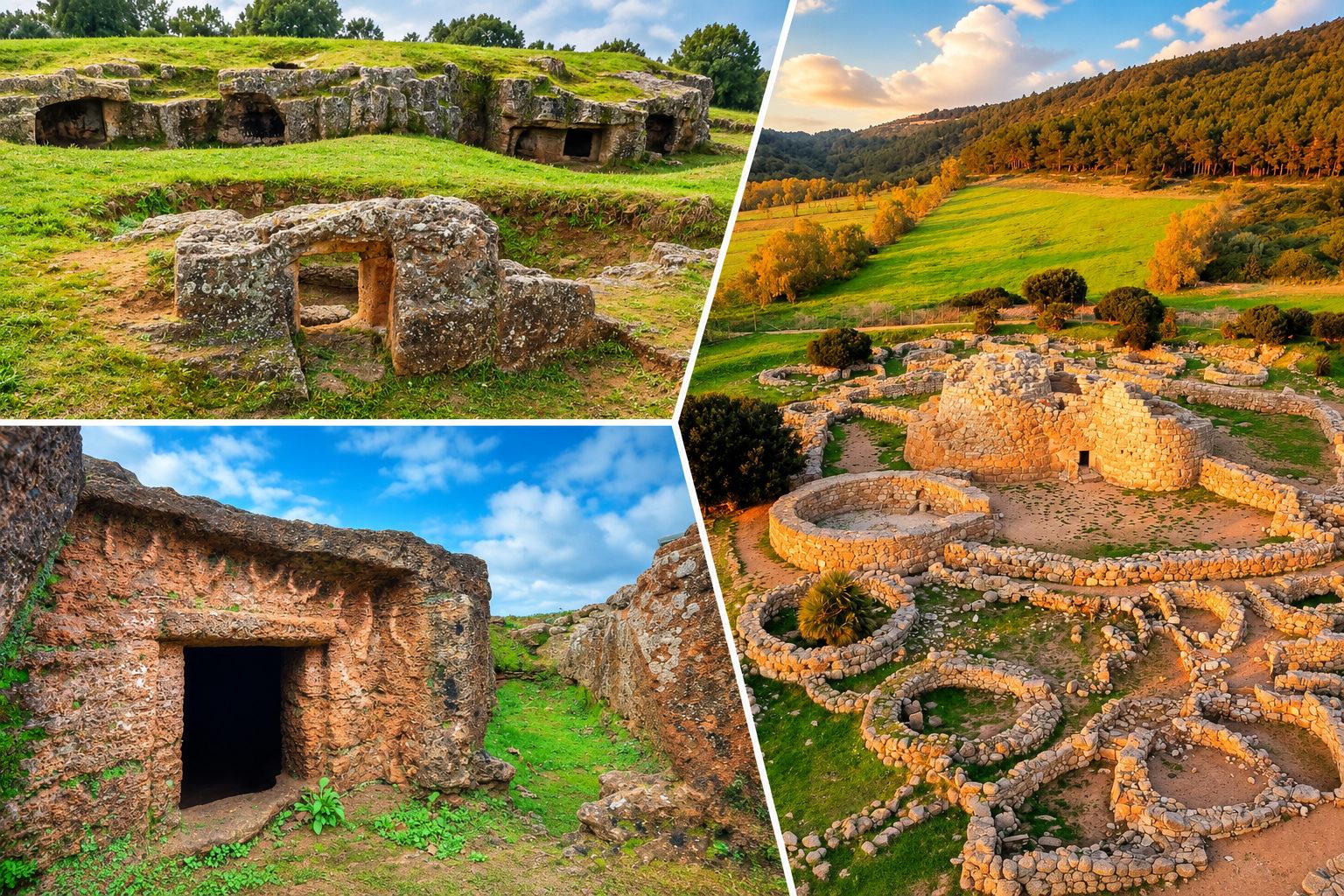
The Houston story sits comfortably within a much deeper genetic landscape linked to haplogroup R1b1a1b1a1a2c1a3c. That does not prove direct descent from any ancient individual, of course, but it does place the family within a broad paternal network seen across Iron Age, Roman, early medieval, and later European contexts. Particularly suggestive are related or linked samples from Celtic Britain, including several Durotriges individuals from Duropolis at Winterborne Kingston such as WBK12, WBK20, WBK29, WBK41, WBK05, WBK30, WBK43, WBK06, WBK08, WBK18, and WBK191. There are also linked samples from Pict-era and prehistoric Scotland, including Mine Howe in Orkney, Applecross in Highland Scotland, Broxmouth in East Lothian, Westray Links of Noltland, Covesea Caves in Moray, and Dryburn Bridge. Beyond Britain, related samples appear in Roman Croatia, medieval Ireland, Saxon England, early medieval Belgium, medieval northern Spain at Las Gobas, and Gallic contexts in France and Italy. In other words, the Houston haplogroup belongs to a very old west European story, one stretching from Bronze Age Britain through Celtic and Pictish worlds into the medieval societies from which Scottish surnames finally emerge.
If you carry the Houston surname, or have Houston lines in your family tree, this is a fine example of how history, place, and DNA can illuminate one another. The family is not simply a name on a tartan list, but part of a long Lowland tradition of estate identity, civic duty, heraldic memory, and surname endurance. Upload your DNA to MyTrueAncestry to see whether you match Clan Houston or any of the related ancient DNA samples linked to haplogroup R1b1a1b1a1a2c1a3c.

Comments