The Noble House of Gaston

– 3 min read


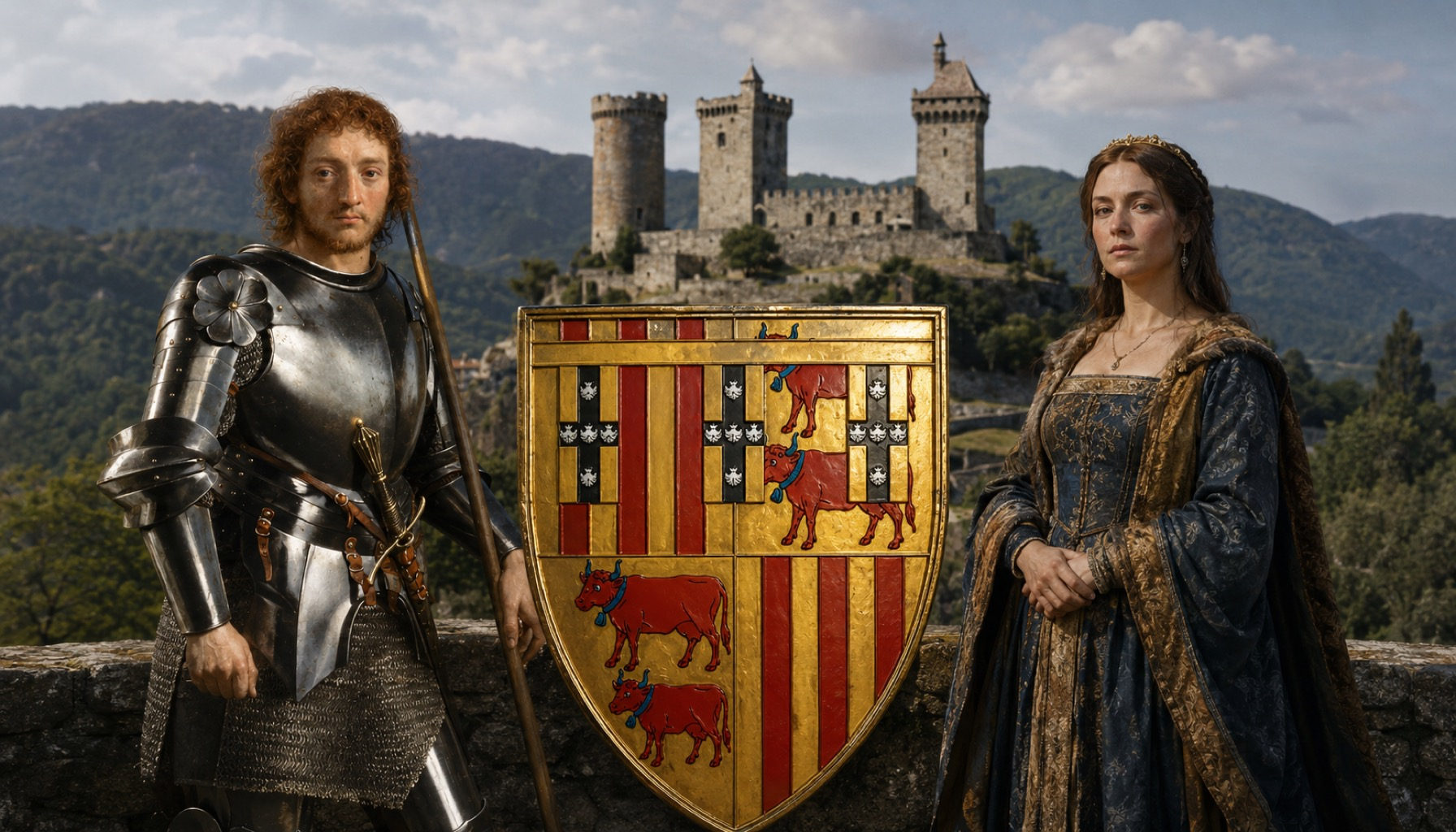
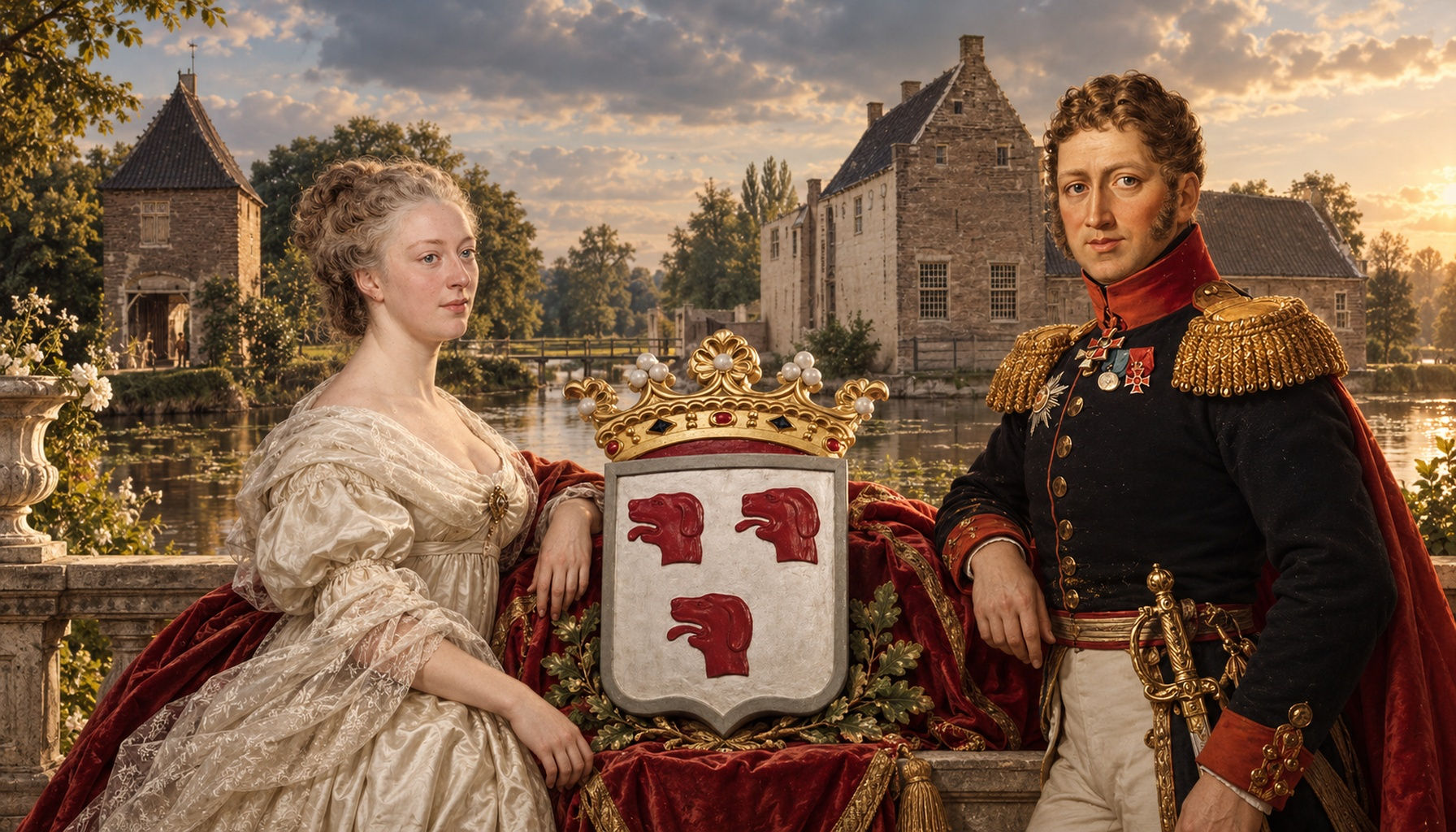
The Gaston family belongs to the long French tradition of noble and regional houses whose identity grew out of land, duty, and remembered ancestry. In that world, a family was not just a surname on parchment. It was a local power, a network of loyalties, a history of service, and a claim to continuity across generations. For House Gaston, that heritage is best understood through its French roots, its association with the Foix region, and its wider movement into Britain, Ireland, and the Atlantic world through migration, commerce, and settlement. The primary family haplogroup linked here is R1b1a1b1a1a2c1a4a.
The name sits comfortably within the older pattern of French family houses that rose through regional authority, military reputation, and adaptation to changing political worlds. In the south of France especially, noble identity was often tied to castles, borderlands, and service in a landscape shaped by feudal rivalry and cross-Pyrenean connections. One famous figure associated with this historical orbit is Gaston III, Count of Foix, better known as Gaston Phebus, who lived from 1331 to 1391. He was one of the most striking aristocratic personalities of fourteenth-century France: a warrior lord, political operator, and author, famous enough that he still looms over the memory of Foix today. Through such figures, House Gaston represents not a static bloodline frozen in time, but a durable family-house tradition: rooted locally, tested by conflict, carried by migration, and preserved by surname, heraldic memory, and alliance.
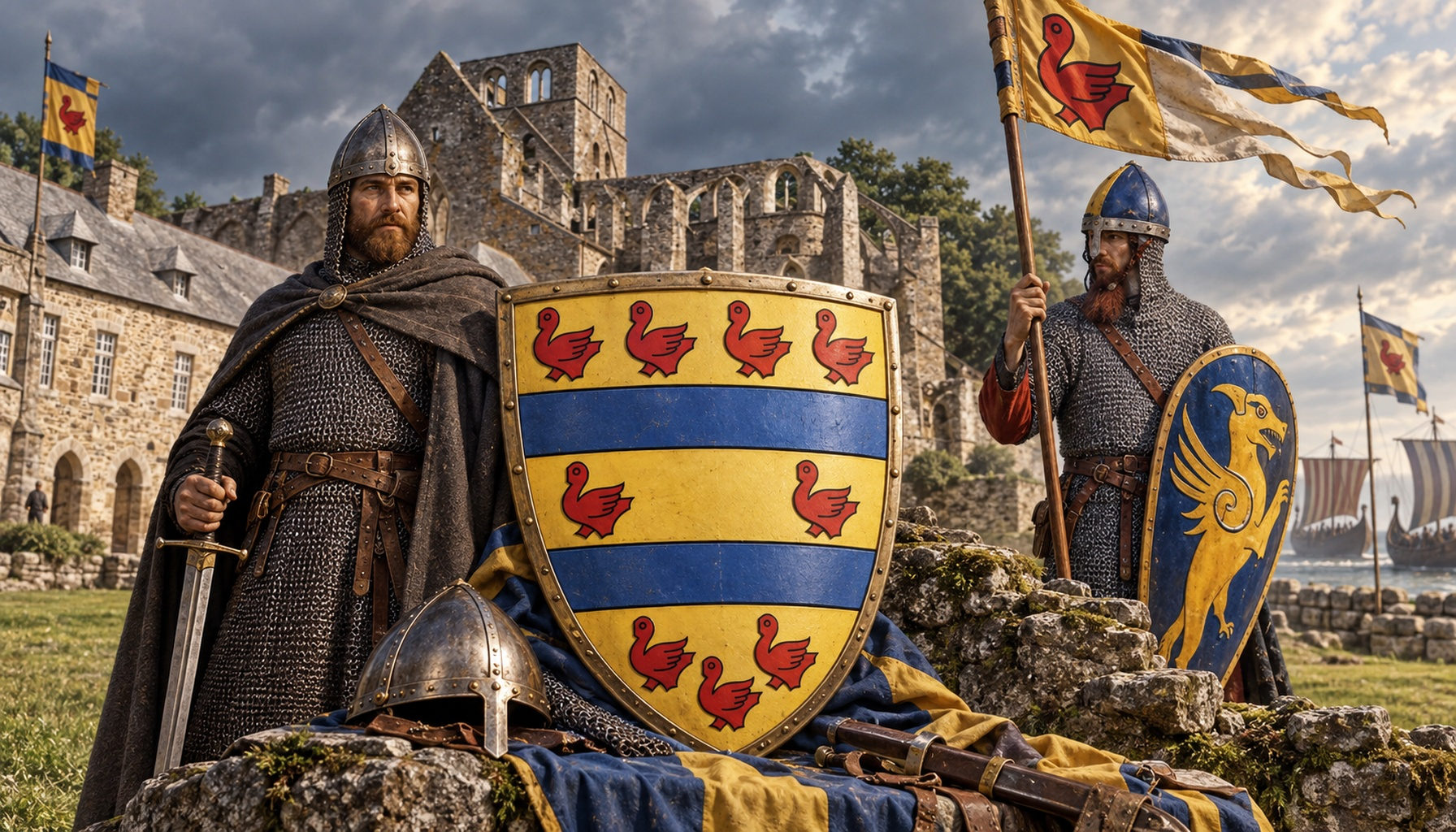
Explore the Princely House de Dreux
The great location anchor for this heritage is the Chateau de Foix, one of the most imposing strongholds in the Ariege and one of those castles that still looks as if it expects an army to appear over the horizon. Perched on a rocky outcrop above the town of Foix, the site has very deep medieval roots and became the political and symbolic center of the Counts of Foix. Its position mattered enormously: this was a frontier-minded lordship in the Pyrenean world, where control of roads, valleys, and fortified heights shaped power. Over the centuries the castle was expanded and strengthened, and its three towers became a visual statement of comital authority. It later served other purposes too, including use as a prison, which is often the fate of castles once their military moment has passed. Today it remains one of the best-known monuments in the region, and yes, it can still be visited, making it a very tangible place to connect the family story to the landscape that sustained it.
Read more about the House of Montfort
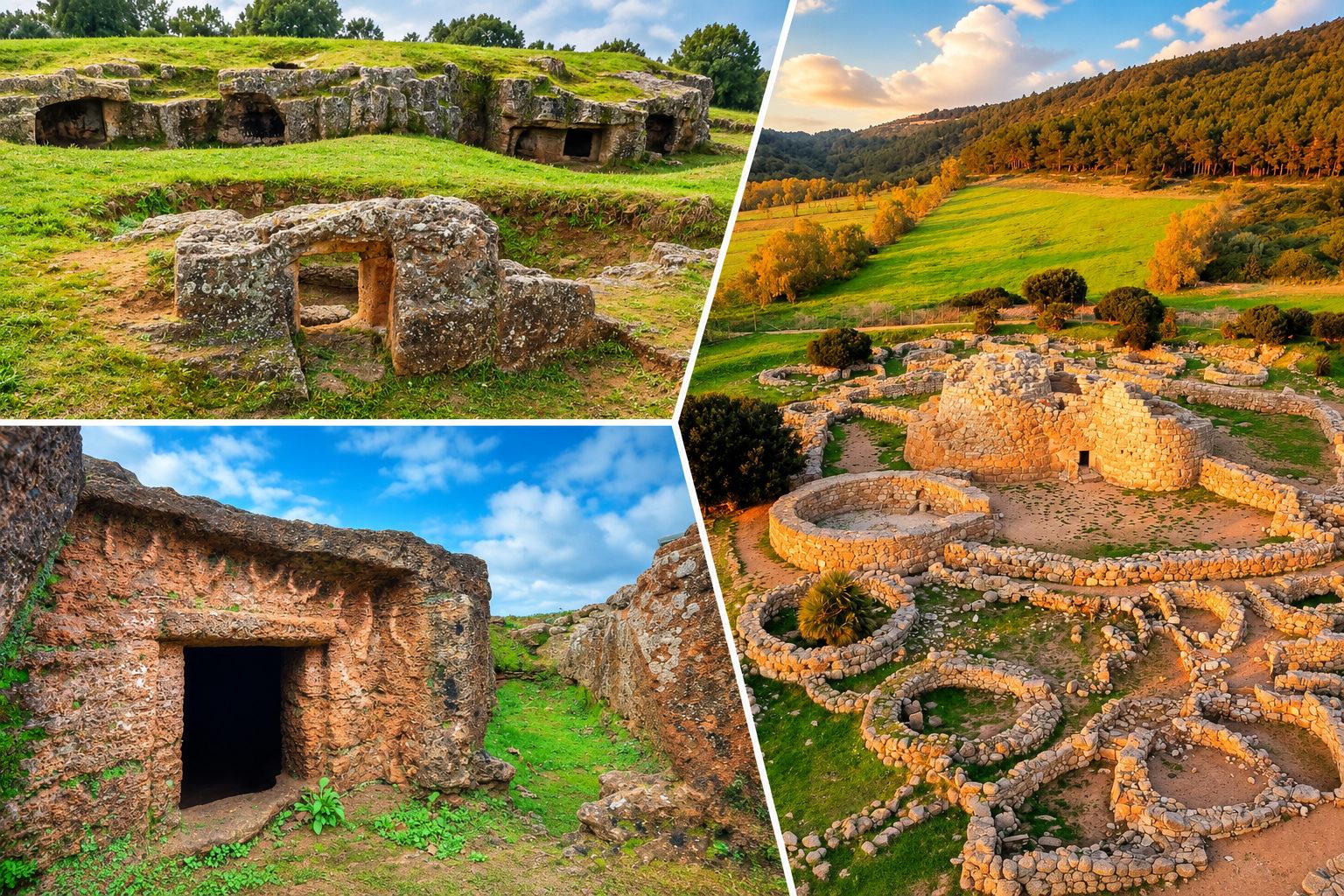
From an ancient-DNA point of view, the Gaston story fits into a much wider western European pattern linked with haplogroup R1b1a1b1a1a2c1a4a. That lineage appears in a broad scatter of related or linked ancient samples across Britain, Gaul, Iberia, and nearby regions, reminding us that noble houses emerge from very old population histories rather than from nowhere. Among the linked examples are several Celtic Durotriges burials from Duropolis at Winterborne Kingston in England, including WBK12, WBK20, WBK29, WBK41, WBK05, WBK30, WBK43, WBK06, WBK08, WBK18, and WBK191; Belgic and Gallic era samples such as Bucy-le-Long (CGG022427) and Parancot (CGG023699) in France; Iron Age and Celtic Briton individuals from Kent, Oxfordshire, Somerset, Yorkshire, Hampshire, Cornwall, and Scotland; and medieval or post-Roman examples from northern Spain at Las Gobas, Belgium at Sint-Truiden, Ireland at Kilteasheen, Saxon England, and even later movement contexts such as Maryland. These samples are not evidence of direct descent from any one ancient individual. Rather, they show a lineage network associated with long-term male-line continuity across the very Atlantic and western European zones into which French surnames and families like Gaston later spread.
If the history of House Gaston speaks to your own family story, whether through France, Britain, Ireland, or the wider Atlantic world, you can take it a step further. Upload your DNA to MyTrueAncestry and see whether you match the Gaston family pattern or any of the related ancient DNA samples linked with haplogroup R1b1a1b1a1a2c1a4a. It is a chance to place your own ancestry in the longer human story of regional roots, migration, and continuity.
Comments