Clan Lennox
– 3 min read


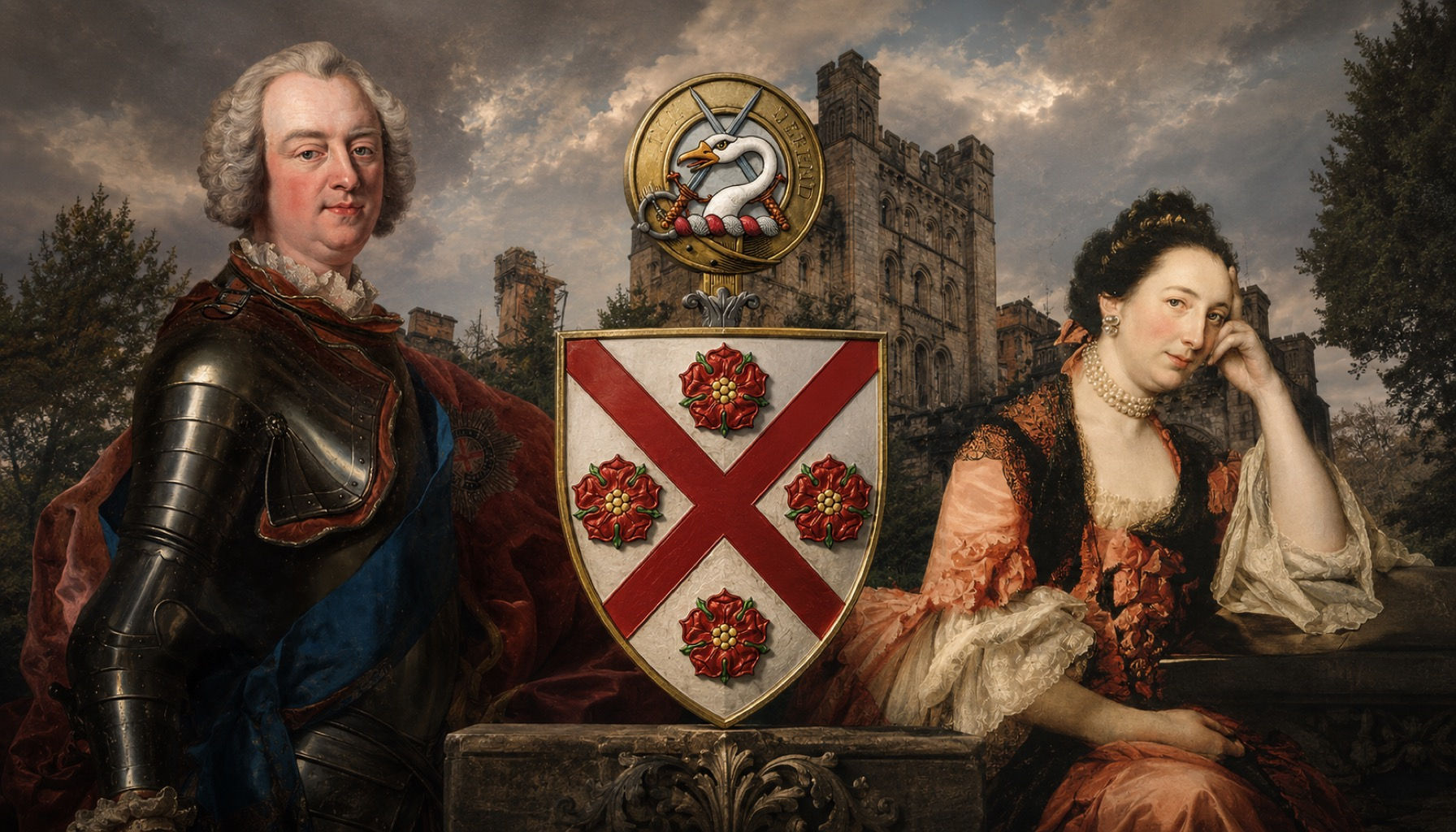
Clan Lennox was one of the notable territorial noble kindreds of Scotland, rooted in the old earldom of Lennox around the lands west of Stirling and north of the River Clyde, especially the district around Loch Lomond and the lower Highlands. In other words, this was not simply a surname that drifted into being: it was a regional power, a lordship, and then a dynastic identity. The name Lennox comes from the historic province itself, and the family emerged in the medieval world where land, castle, marriage, military following, and royal favor made a house great. In haplogroup tagging, Clan Lennox is here linked with R1b1a1b1a1a2c1b1a as the primary family haplogroup.
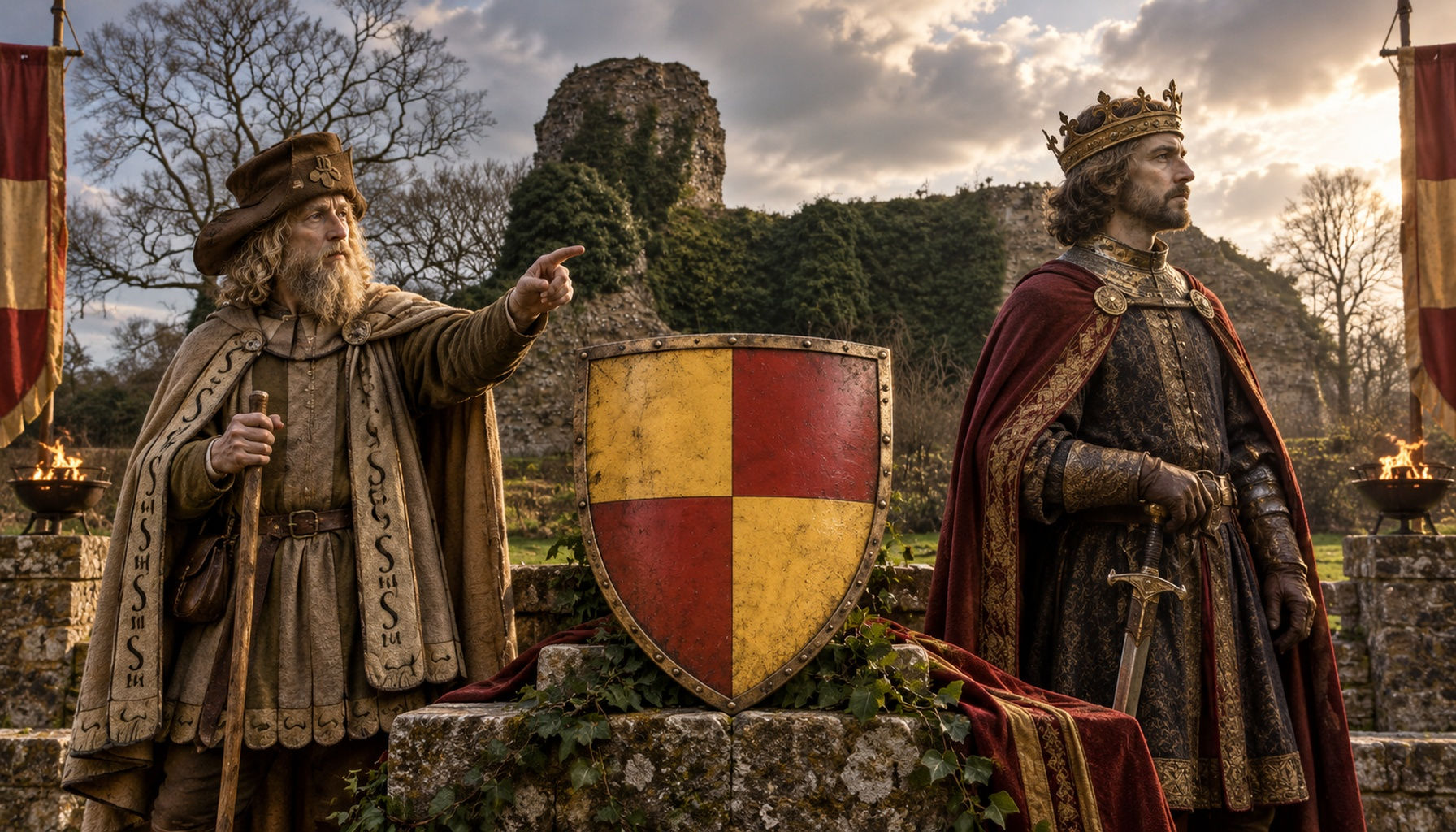
The story of Lennox is very Scottish in the grand old sense: earls who governed territory, noble families who married into other great houses, and a lineage that became entangled with the Stewart monarchy. Through the earldom, later ducal titles, heraldry, and political service, the Lennox name carried both regional authority and courtly prestige. One of the most famous figures was Mathew, Earl of Lennox, born in 1511, a major player in the dangerous politics of sixteenth-century Scotland and the father of Henry Stuart, Lord Darnley, who married Mary, Queen of Scots. That made the Lennox line part of the immediate family drama of the Scottish and English crowns, with all the ambition, faction, and risk that such proximity to royalty always involved.
Read more about the Royal House of Stewart
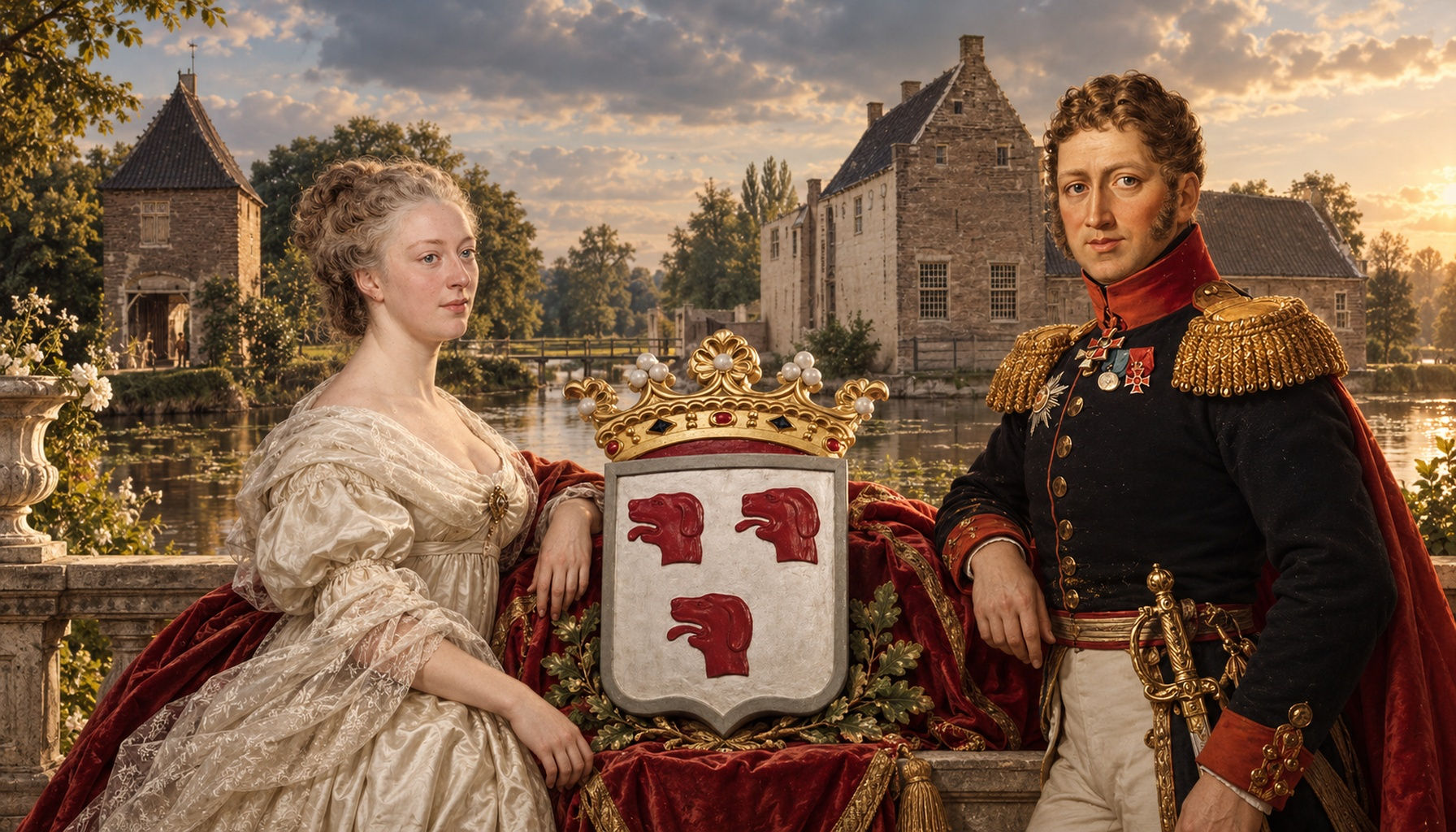
A useful later place-anchor for the family memory is Lennox Castle in Dunbartonshire, near Lennoxtown in East Dunbartonshire. Despite the medieval prestige of the earldom, the present castle is not a medieval fortress of the original earls but a much later country house, built in the nineteenth century in a castellated style for the Lennox-related aristocratic tradition, especially the Lennox family line associated with the Dukes of Richmond and Lennox. It stood within an extensive estate and later had a very different life, being used for institutional and hospital purposes in the twentieth century. Today the building itself is a roofless ruin, atmospheric rather than comfortable, and it remains a striking reminder of how noble landscapes change over time: first lordship, then estate display, then public institution, then romantic shell. The surrounding grounds and country park area can still be visited, so for anyone tracing Lennox heritage there is indeed a real landscape to walk, not just a pedigree to read.
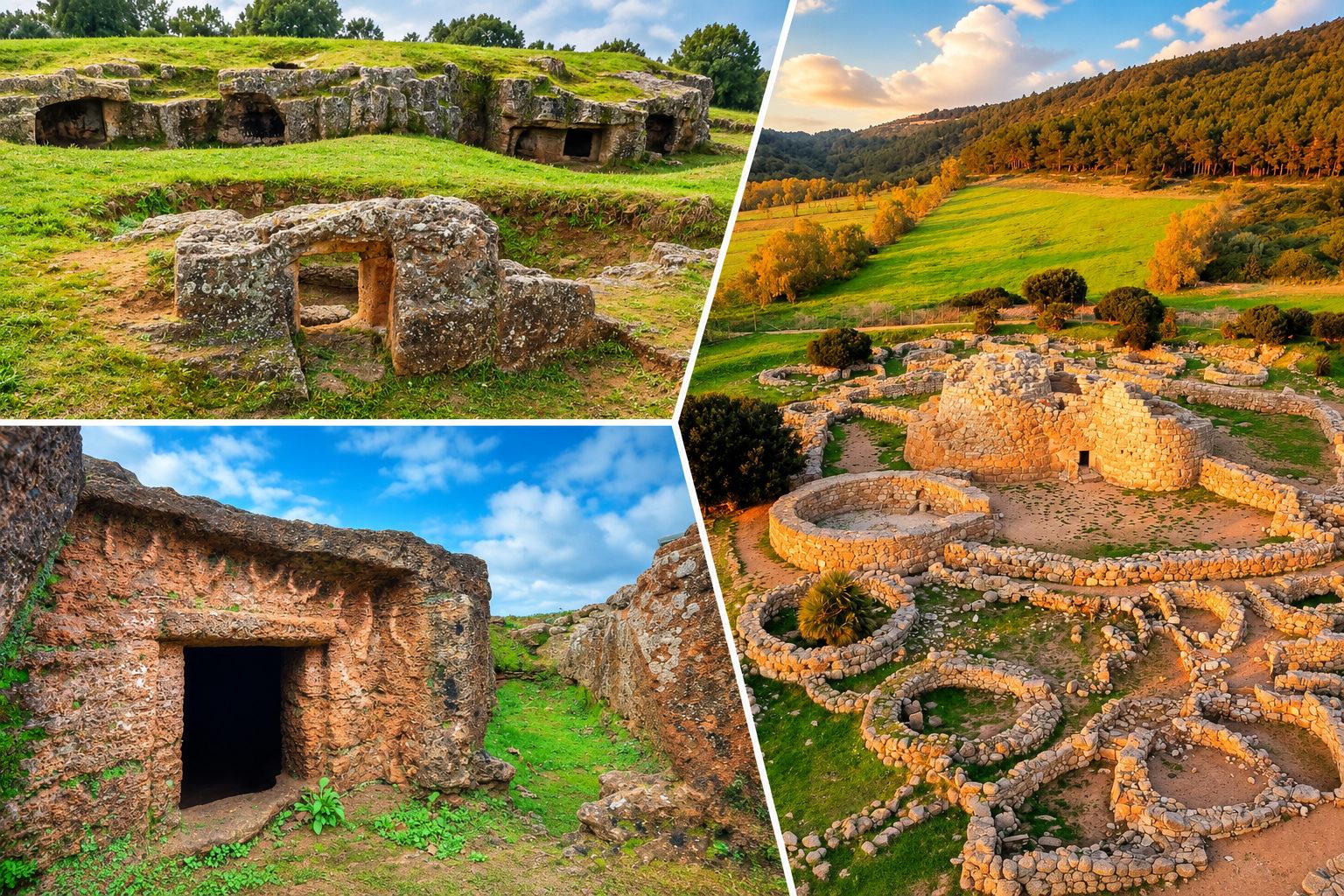
From a DNA perspective, the Lennox-linked haplogroup R1b1a1b1a1a2c1b1a belongs to a broad and deeply rooted western European paternal story, and it appears in a wide spread of ancient samples across Britain and beyond. These are not claims of direct descent from Clan Lennox, of course, but related or linked signals that help sketch the older population background from which later Scottish noble lines emerged. Among the relevant examples are Late Bronze Age Covesea Caves, Moray, Scotland (I2859x), Pict era Orkney Mine Howe samples (CGG018915 and CGG018915x), Iron Age Highland Applecross, Scotland (I3566, I3567), Iron Age Hillfort Broxmouth, East Lothian (I16504, I2695), and Early Bronze Age East Lothian (I2569), all of which place this paternal strand firmly within ancient Scotland. Beyond Scotland, linked samples include Roman era Duxford, Cambridgeshire (DUX019), Saxon Hinxton (12880A, 12884A), early Anglo-Saxon and early medieval English burials such as BUK055, HAD018, LAK010, and EAS004, plus medieval Irish examples like KIL025, KIL015, and KIL012. There are also continental matches reaching into northern Spain at Las Gobas (ldo039, ldo052, ldo242), Gallic Cenomani contexts in Verona (3214s, 3214), Belgic France at Bucy-le-Long (CGG022427), medieval Hungary (AHPS144), Hedeby (SWG003), and even older Bronze and Iron Age Britain from Kent, Oxfordshire, Somerset, Yorkshire, Wiltshire, Sussex, Bedfordshire, Cornwall, Wales, and beyond. What this suggests, in broad historical terms, is not a single clan founder emerging from nowhere, but a paternal lineage embedded in the long population history of Atlantic and northwestern Europe, later crystallized in Scotland into the territorial nobility remembered as Lennox.
Read more about Clan MacFarlane
If you have Lennox heritage, or suspect a connection to the old earldom, the most interesting question is not whether history turns you into an earl overnight, but how your own family story fits into this larger web of Scottish lordship, royal alliance, and deep ancestral continuity. Upload your DNA to MyTrueAncestry and see whether you match Clan Lennox or any of the related ancient DNA samples linked with haplogroup R1b1a1b1a1a2c1b1a.
Comments