Clan MacFarlane
– 2 min read


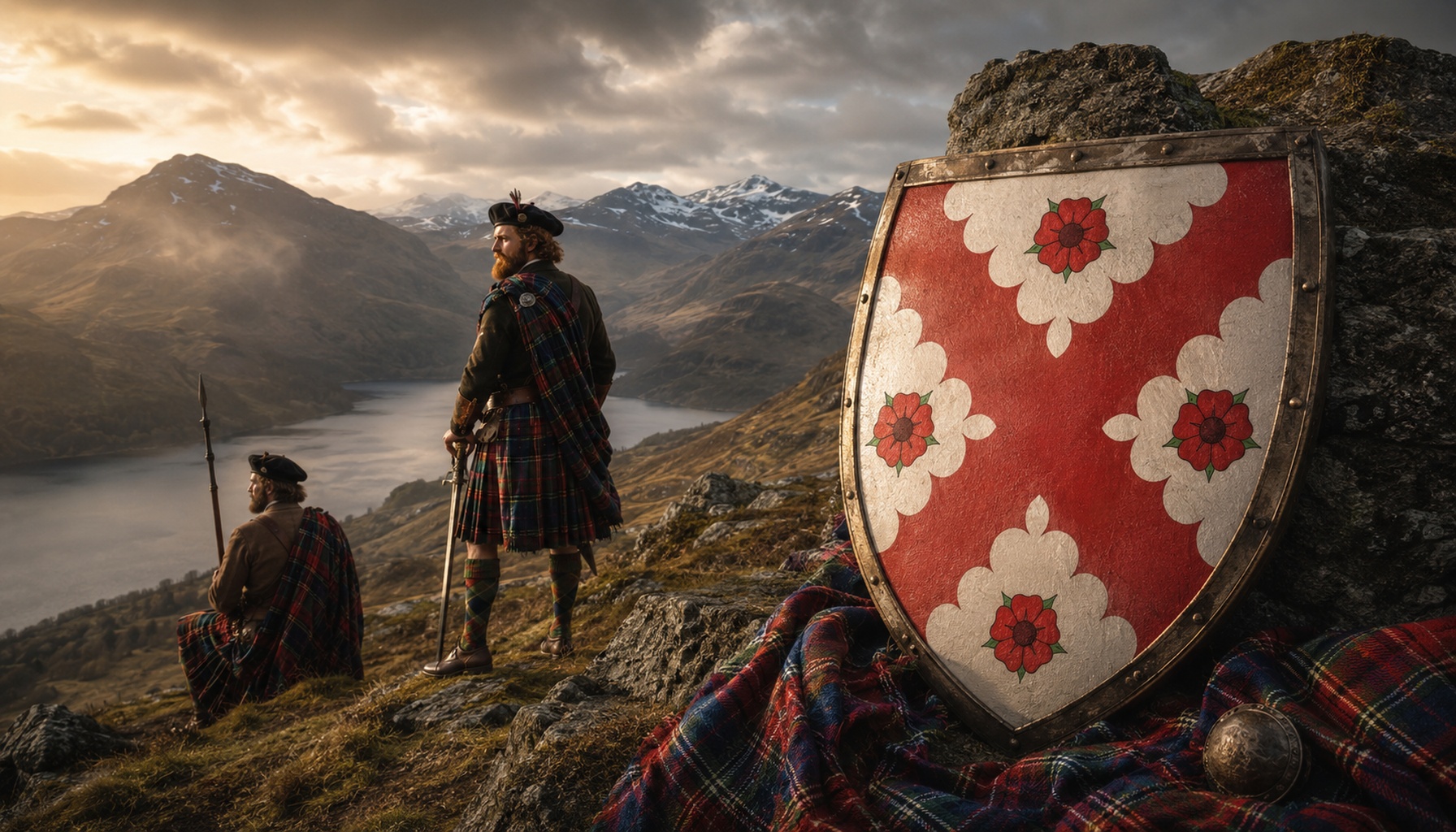
Clan MacFarlane was a Highland Scottish clan rooted in Arrochar at the head of Loch Long and closely tied to Loch Lomond, the western Highlands, and the older Gaelic world of kin, land, and lordship. Their story belongs to that distinctly Highland pattern in which family identity was not just a surname but a territorial reality, defended in glens, lochside routes, and hill country where power was personal, martial, and constantly negotiated. The clan is commonly linked with the Y-DNA haplogroup R1b1a1b1a1a2c1b1a, the primary family haplogroup associated here with MacFarlane heritage.
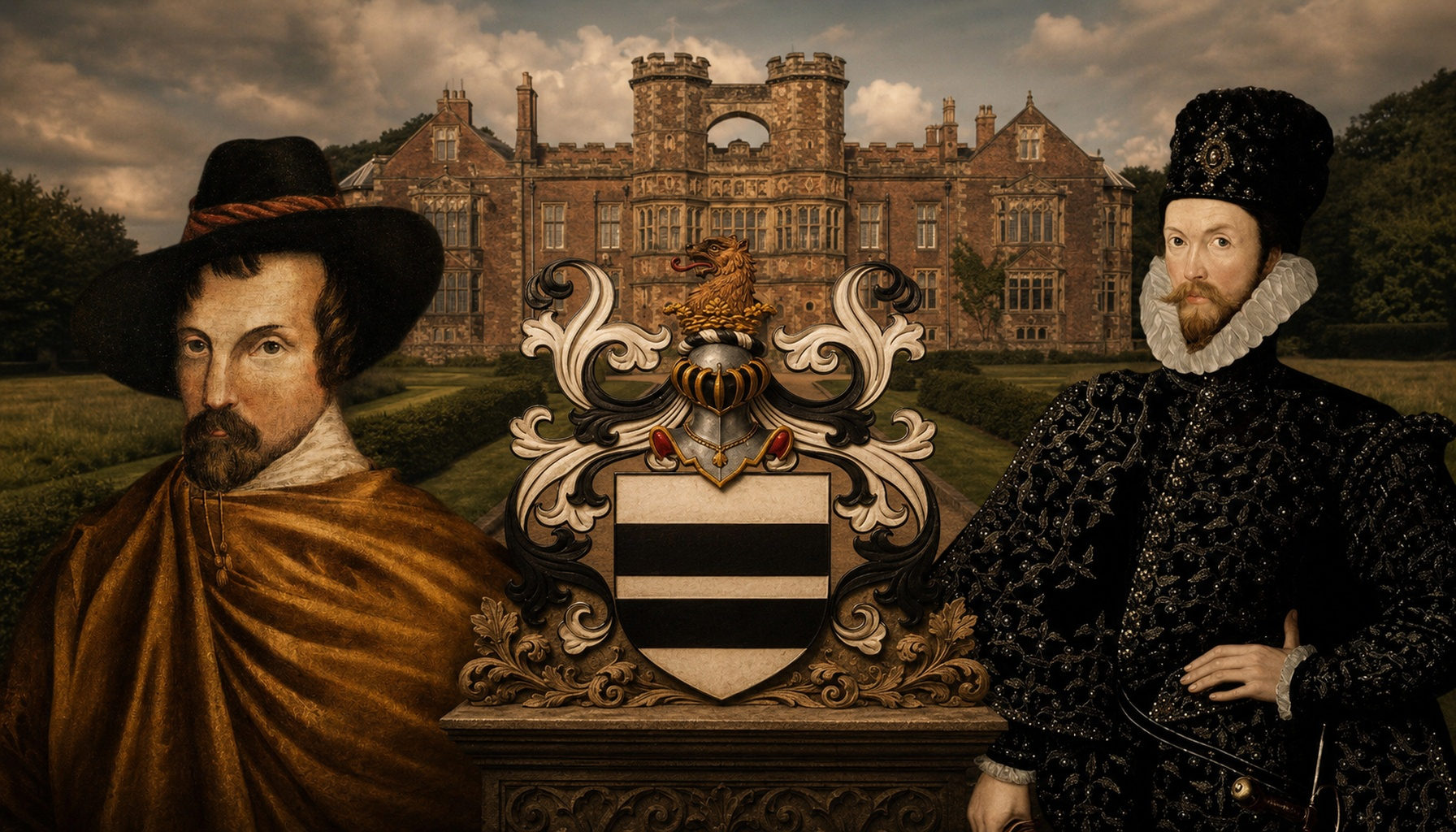
The MacFarlanes emerged in a region where geography and politics were inseparable. This was a frontier of movement between the Lennox, Argyll, and the western seaways, and clans survived by balancing chiefship, landholding, military service, alliance, and raw resilience. MacFarlane memory has long preserved a fierce martial reputation, especially in traditions of swift night raids, a reminder that Highland warfare was often as much about cattle, pressure, and reputation as grand pitched battle. Heraldry, oral tradition, attachment to place, and the continuity of the name helped carry the clan forward even as Scottish authority changed around them. One figure who appears in the historical record is Donnchadh Mac Pharlain in 1544, a small but telling glimpse of the family in the age when Highland lordship was still very much alive.
If you want one place that anchors MacFarlane history to the map, it is Inveruglas, near Arrochar, on the western side of Loch Lomond. Arrochar itself sits in one of the most dramatic gateways of the southern Highlands, where routes by land and water converged and where local lordship mattered enormously. Inveruglas Castle, long associated with the chiefs of Clan MacFarlane, stood in precisely the sort of position a Highland family needed: close to the loch, watchful over movement, and embedded in a landscape where defence, hospitality, and authority all came together. Today the castle survives as a ruin, but that almost makes the point better. You can still visit the area and stand within the scenery that shaped MacFarlane identity, with Arrochar and its surroundings remaining a very accessible base for anyone tracing the clan in the field as well as on paper.
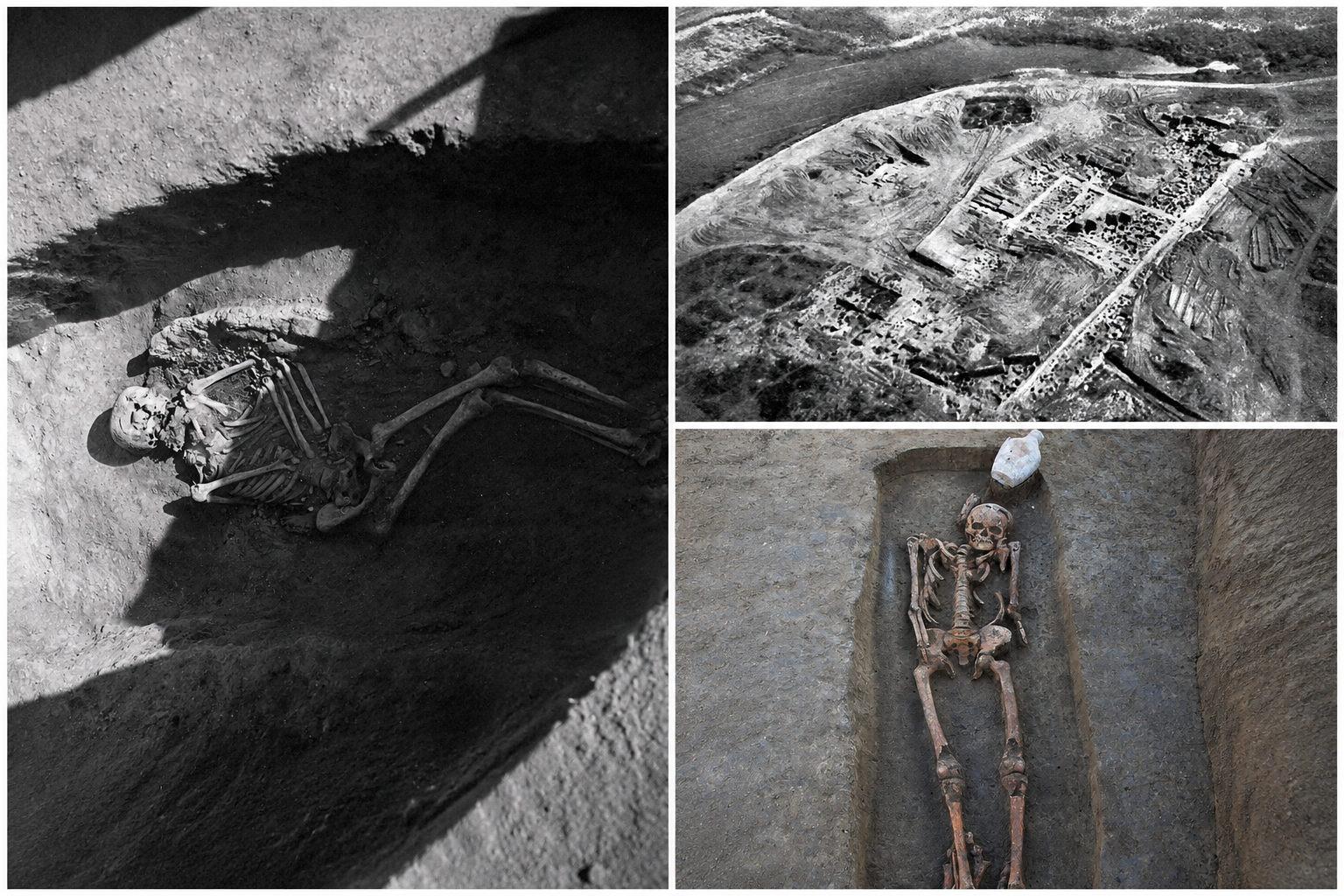
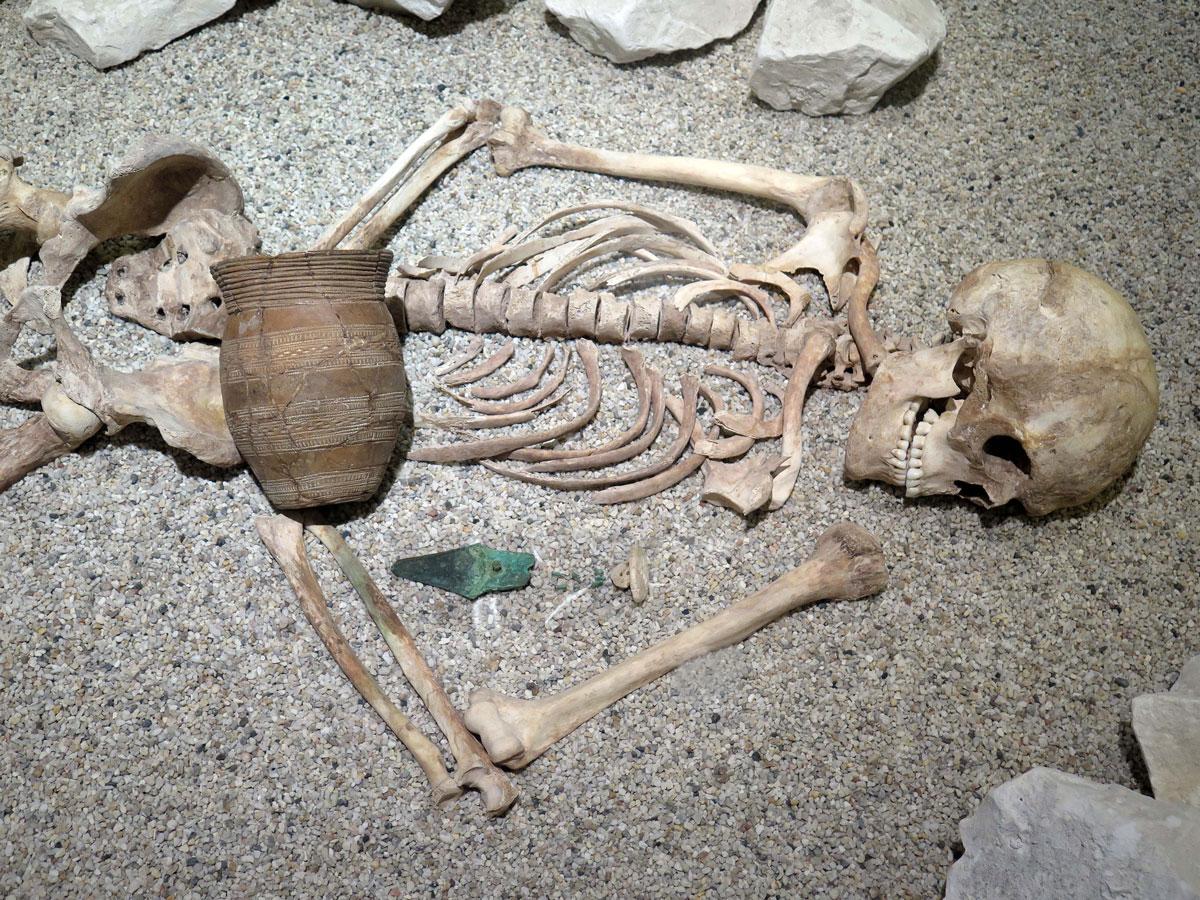
From an ancient-DNA perspective, the MacFarlane-associated haplogroup R1b1a1b1a1a2c1b1a belongs to a much wider story spread across Britain and western Europe. Related or linked samples carrying this branch or closely connected sub-branches appear in places and periods as varied as Late Bronze Age Covesea Caves in Moray, Iron Age Applecross in Highland Scotland, Pict-era Mine Howe in Orkney, Iron Age Broxmouth in East Lothian, Roman-era Duxford in Cambridgeshire, Saxon Hinxton, medieval Kilteasheen in Roscommon, post-Viking Hedeby in southern Jutland, and medieval Las Gobas in northern Spain. There are also linked finds among Iron Age and Bronze Age communities in Kent, Oxfordshire, Somerset, Yorkshire, Sussex, Wiltshire, and beyond, as well as continental examples such as the Gallic Cenomani samples from Verona and a Belgic Suessiones sample from Bucy-le-Long in France. That does not prove direct descent from any one of these individuals, of course, but it does place MacFarlane-linked paternal ancestry within a very old and well-travelled northwestern European genetic landscape, one that fits neatly with the clan's Gaelic Highland identity while also reminding us that ancestry is rarely as neat as later heraldry suggests.
Read more about Clan MacGregor
If you carry MacFarlane heritage, or simply suspect a connection to the western Highlands, uploading your DNA can help you explore whether you match this family story or related ancient DNA samples from Britain, Ireland, and the wider Celtic world.
Comments