Clan MacGregor
– 3 min read


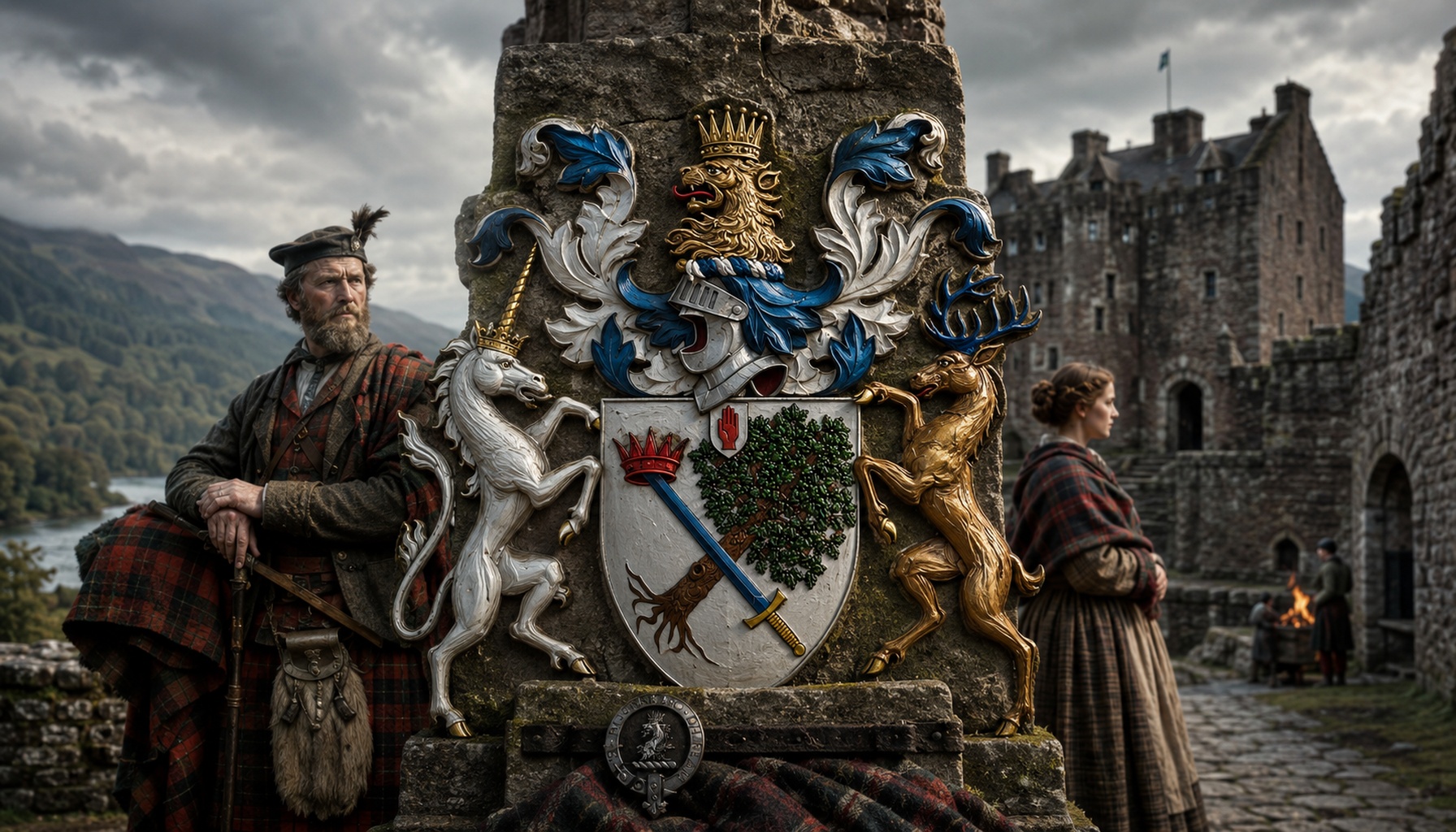
Clan MacGregor was one of the great Highland kindreds of Scotland, rooted above all in the central Highlands around Glenstrae, Balquhidder, Rannoch, and Breadalbane. In family tradition the MacGregors traced their descent from royal stock, a claim remembered in the famous motto, Royal is my race. Their primary family Y-DNA haplogroup is linked here as R1b1a1b1a1a2c1a1f1, a branch within the broad R1b lineage so common across Atlantic Europe. Haplogroups linked with this heritage topic include R1b1a1b1a1a2c1a1f1 as the primary family signature.
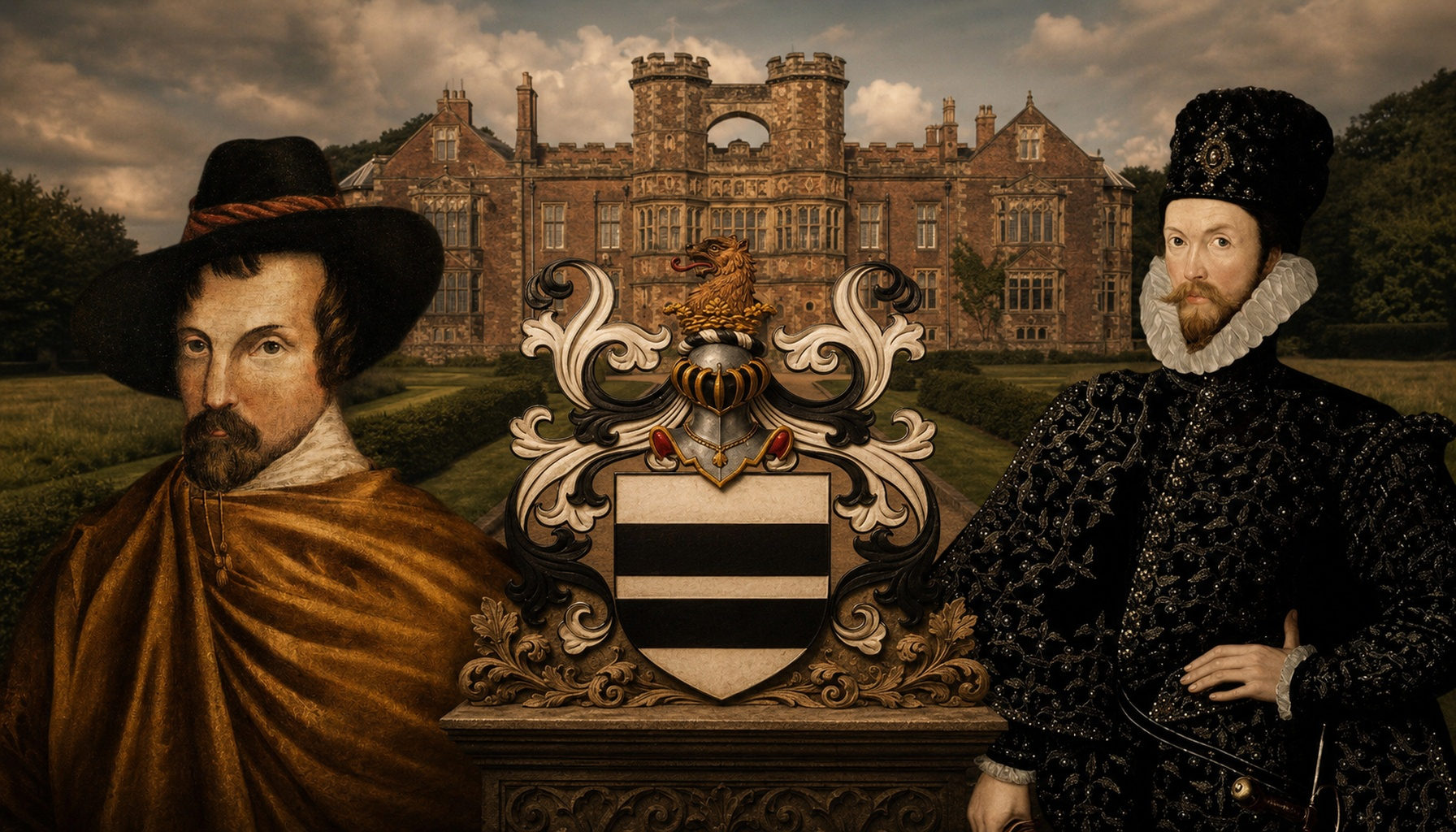
Historically, the MacGregors are almost a textbook case of Highland clan life at its fiercest and most dramatic. They were landholders, fighters, cattlemen, clients, raiders, and survivors in a world where kinship and territory mattered intensely. Their fortunes rose and fell in a crowded political landscape dominated by rival powers such as the Campbells. The suppression of the MacGregor name after periods of conflict did not erase the clan; if anything, it sharpened its identity. Families adopted other surnames under pressure, yet the memory of MacGregor descent endured stubbornly. That mixture of hardship, outlaw legend, and pride is precisely why figures like Rob Roy MacGregor (1671-1734) became so iconic, and why the chiefly line of the Baronet MacGregor of MacGregor (1795-present) still carries such symbolic weight in clan history.
One especially useful place-anchor for MacGregor heritage is Meggernie Castle, in Glen Lyon, Perthshire, a tall and striking tower house with later additions, set in one of the most atmospheric Highland landscapes imaginable. The building largely dates to the 16th century, though it stands on an older site and sits in territory deeply entangled with the shifting fortunes of Highland families. Architecturally it is a classic lairdly stronghold: defensible, prominent, and practical, but also expressive of status in a region where lordship was always local, personal, and contested. Meggernie later passed through several hands and was restored in modern times, and it is well known today as one of Highland Perthshire's notable historic houses. It has operated in recent years as accommodation and is known as a place that can still be visited, which gives modern descendants and enthusiasts a rare chance to stand in a landscape that still feels recognizably clan country.
Explore neighboring Clan McNab
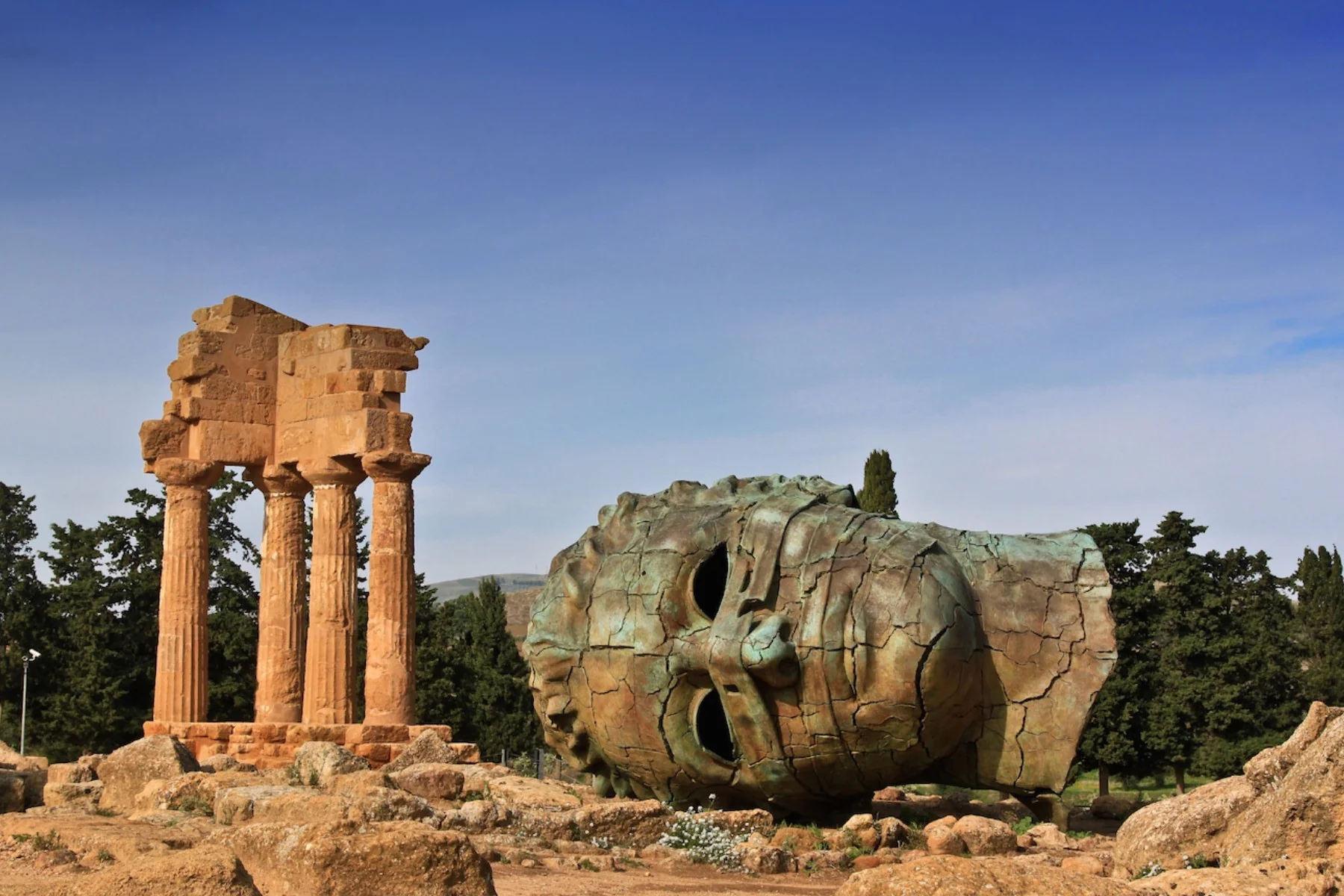
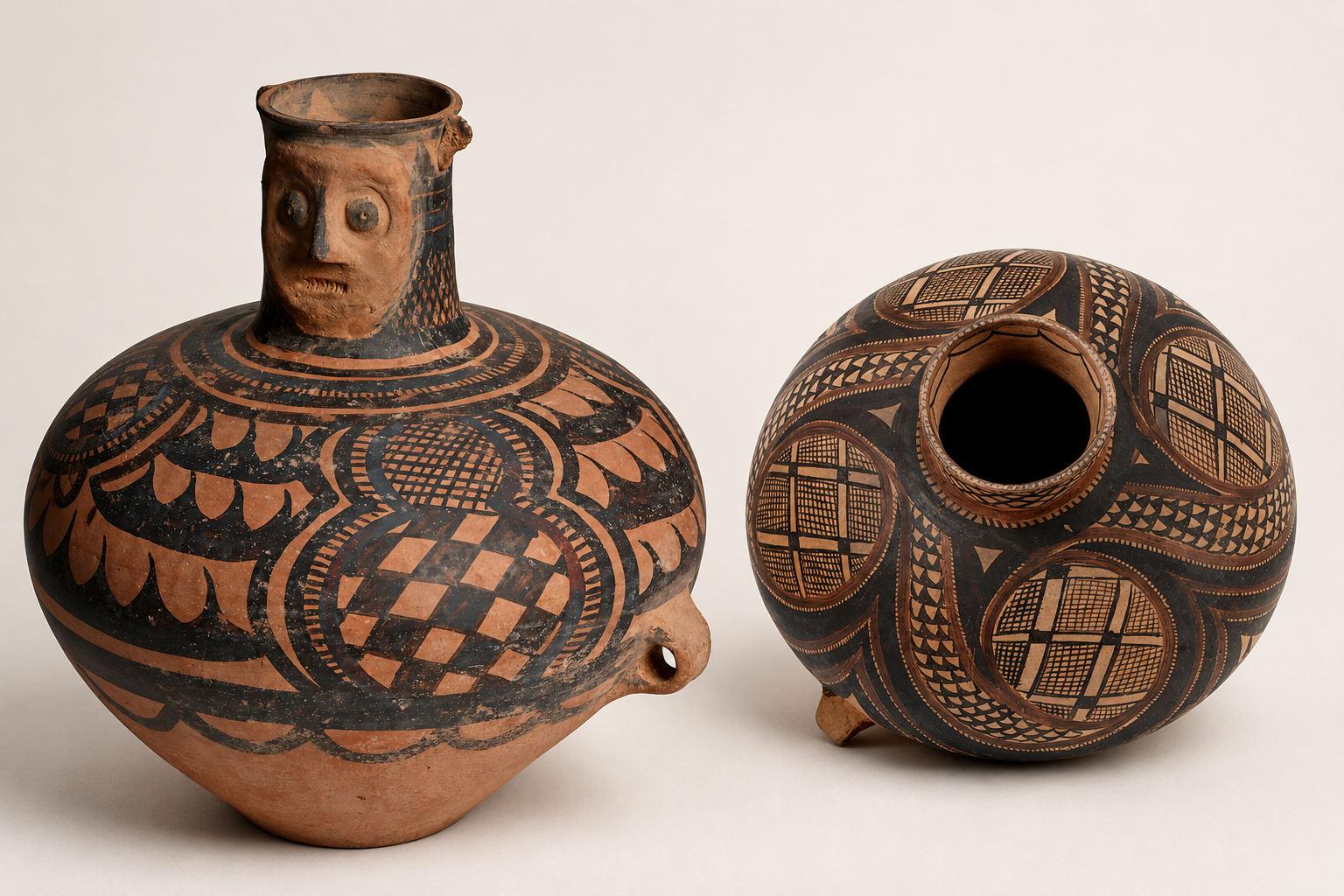
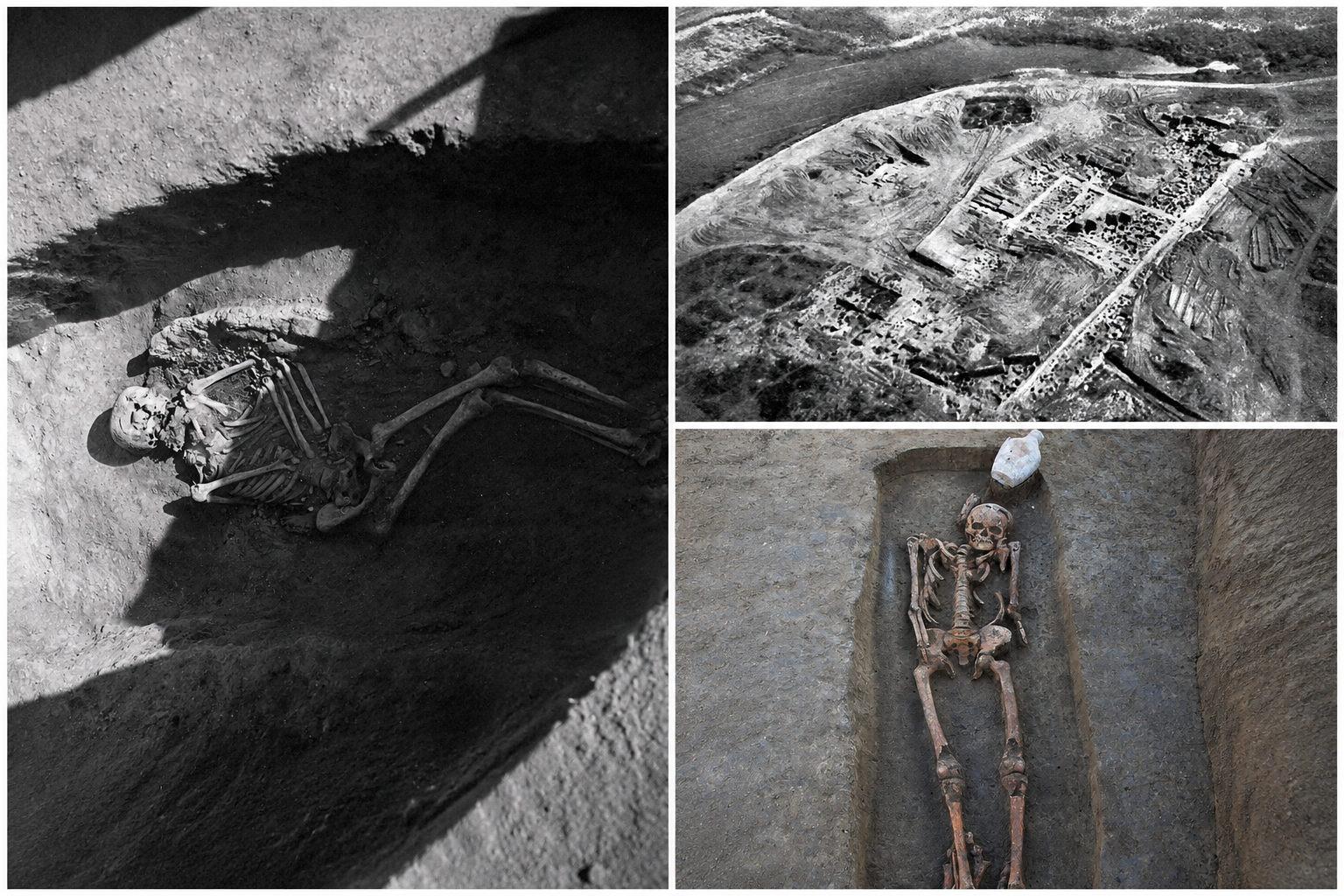
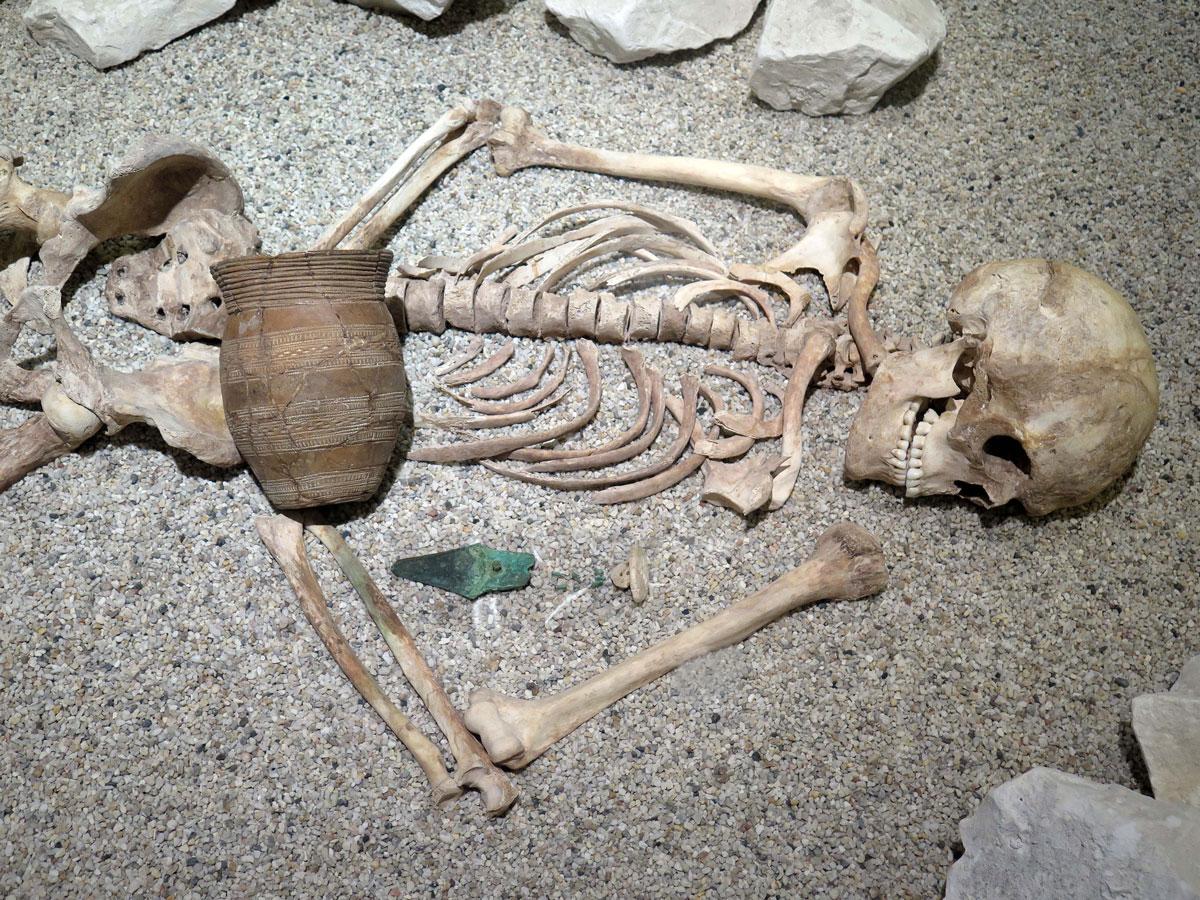
From an ancient-DNA point of view, the MacGregor-linked haplogroup R1b1a1b1a1a2c1a1f1 connects this heritage theme to a wide spread of earlier and related paternal lines rather than to any single proven ancestor. Linked or related samples include Celtic Durotriges burials from Duropolis at Winterborne Kingston in England such as WBK12, WBK20, WBK29, WBK41, WBK05, WBK30, WBK43, WBK06, WBK08, WBK18, and WBK191; Celtic Briton Oxfordshire Yarnton England (I21182); Iron Age Worlebury Somerset England (I11991); Iron Age Hillfort Battlesbury Bowl England (I21309); Bell Beaker Wiltshire Upavon England (I4950); Bronze Age Amesbury Down Wiltshire England (I2417); Bronze Age Trumpington Meadows Cambridge England (I3256); Bronze Age Bedfordshire England (I7576, I7577); Bronze Age Boatbridge Quarry South Lanarkshire Scotland (I5473); Celt Hinxton Iron Age (HI2); Early Bronze Age England Thames (I5377); and Ireland Copper Age (Rathlin2B). Beyond Britain and Ireland, related lineages also appear in Imperial Roman Era Zadar Croatia (I26776), Bronze Age Orkney Westray Links of Noltland (KD061), Bronze Age Calabria Cosenza Grotta della Monaca Sant Agata di Esaro (GMO015), Early Medieval Belgium Sint-Truiden Groenmarkt (ST2025), Medieval Belgium Outsider Sint-Truiden Onze-Lieve-Vrouwekerk (ST1308), Gallic France Parancot (CGG023699), Post Roman Era Worth Matravers Dorset England (I11580), Merovingian Grave North Rhine-Westphalia Germany Alt-Inden (IND013), Late Roman Era Klosterneuburg Lower Austria (R10656), Late Roman Conimbriga Portugal (R10488), Medieval Age Faroe Islands Sandoy Church (VK242), and Viking Age Warrior Oppland Norway (VK386). These do not prove direct descent to Clan MacGregor, of course, but they do place the clan's linked paternal signature within a very old Atlantic and northwestern European story stretching from the Bronze Age through Celtic, Roman, post-Roman, and medieval worlds.
Read more about Clan Mackenzie
If you carry MacGregor ancestry, or simply suspect a connection to Highland Scotland, DNA can add another layer to the story. Upload your results to MyTrueAncestry to see whether you match Clan MacGregor, its linked haplogroup R1b1a1b1a1a2c1a1f1, or any of the related ancient samples from Britain, Ireland, and beyond.
Comments