Clan McNab
– 3 min read


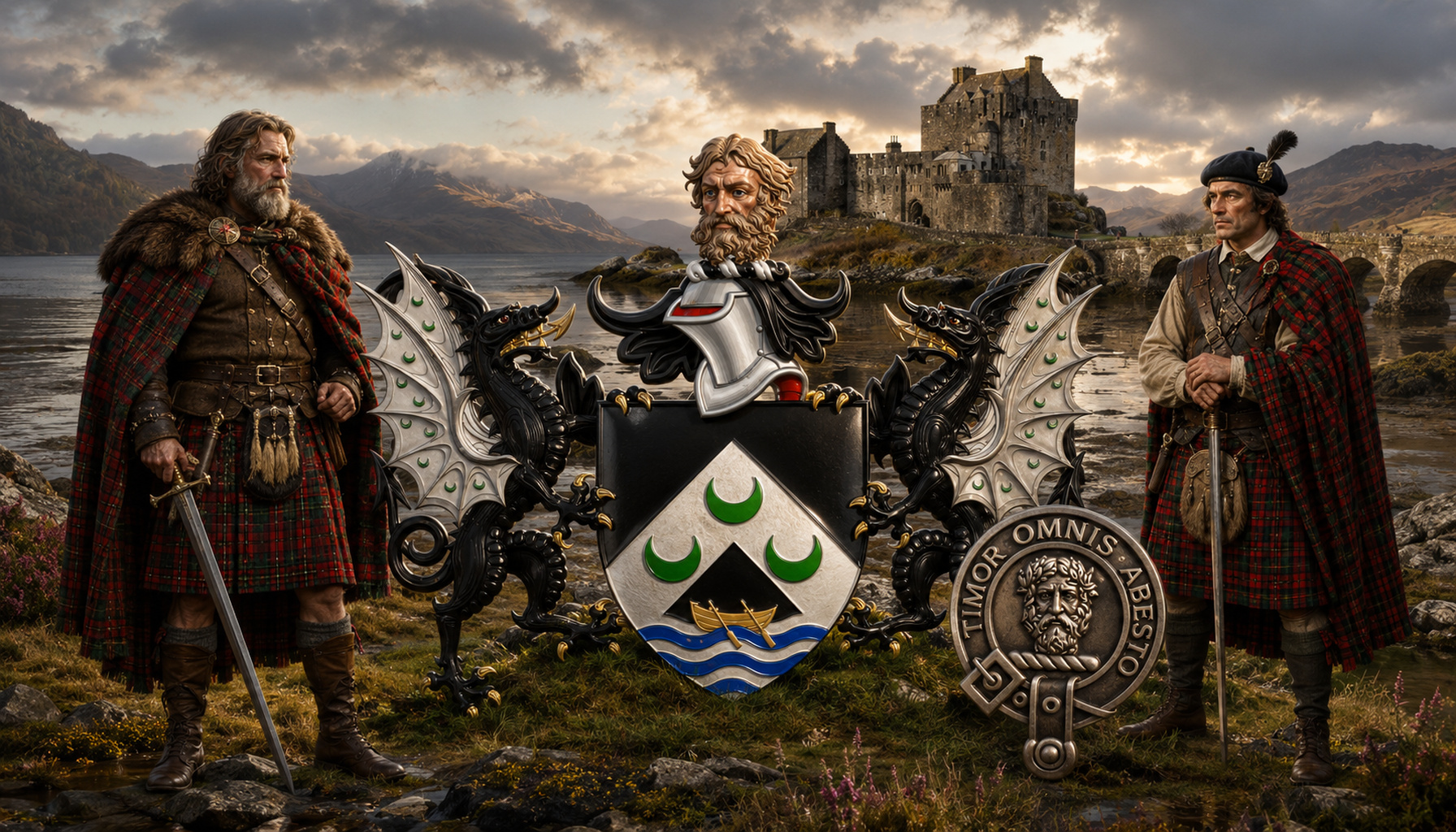
Clan MacNab was one of the old Highland kindreds of central Scotland, rooted above all in Glen Dochart, Killin, and the lands around Loch Tay. Their name comes from the Gaelic Mac an Aba, meaning son of the abbot, and that is a wonderfully revealing clue to their earliest identity. It suggests not merely a family name in the modern sense, but a lineage tied to an early ecclesiastical founder, a hereditary church family, and a world in which sacred authority and local power could sit very close together indeed. The primary family haplogroup linked here is R1b1a1b1a1a2c1a1a1a1a1, a paternal line that fits comfortably within the wider story of western European and Insular Celtic male ancestry.
Historically, the MacNabs belonged to that older Highland order where kinship, land, military service, and memory of descent were inseparable. They became known as a warrior clan, holding strong places around Loch Tay and the River Dochart, navigating alliances and rivalries in a region where politics could turn as sharply as the river itself. Tradition reaches far back, with figures such as Fergus Mac Echdach, dated to 778, standing at the misty edge of early clan memory. Whether in sacred association, martial reputation, or attachment to place, the MacNabs were very much a people of landscape as much as lineage.
Read more about Clan MacGregor
A family like the MacNabs needs a landscape anchor, and Eilean Ran Castle serves here as a reminder of how Highland lordship was imagined through water, rock, and defensible islands. The linked reference is to Eilean Donan, one of Scotland's most famous island castles, set where sea lochs and mountain routes meet in the western Highlands. Though not a MacNab seat in the strict sense, it offers an excellent parallel for the sort of island stronghold that shaped Highland political life: compact, dramatic, and built to command movement through a narrow world of glens, lochs, and loyalties. Castles of this kind were not just residences; they were statements in stone about kinship, protection, prestige, and control of the local corridor. Eilean Donan itself has a long history of medieval origins, destruction in the Jacobite era, and later reconstruction, and yes, it can still be visited today, which makes it a useful living window into the atmosphere of the Highland world the MacNabs knew.
Read more about Clan Mackenzie
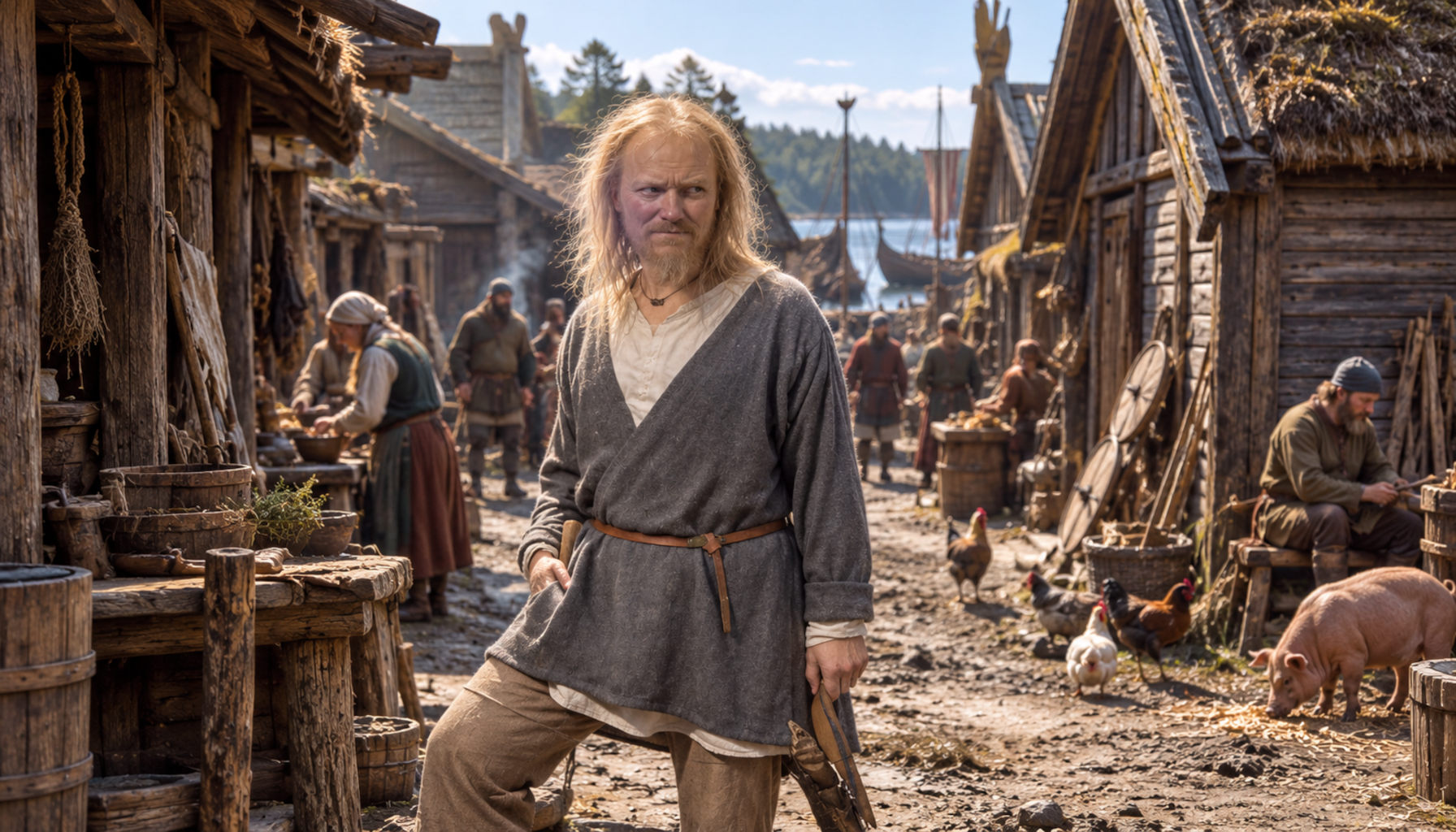
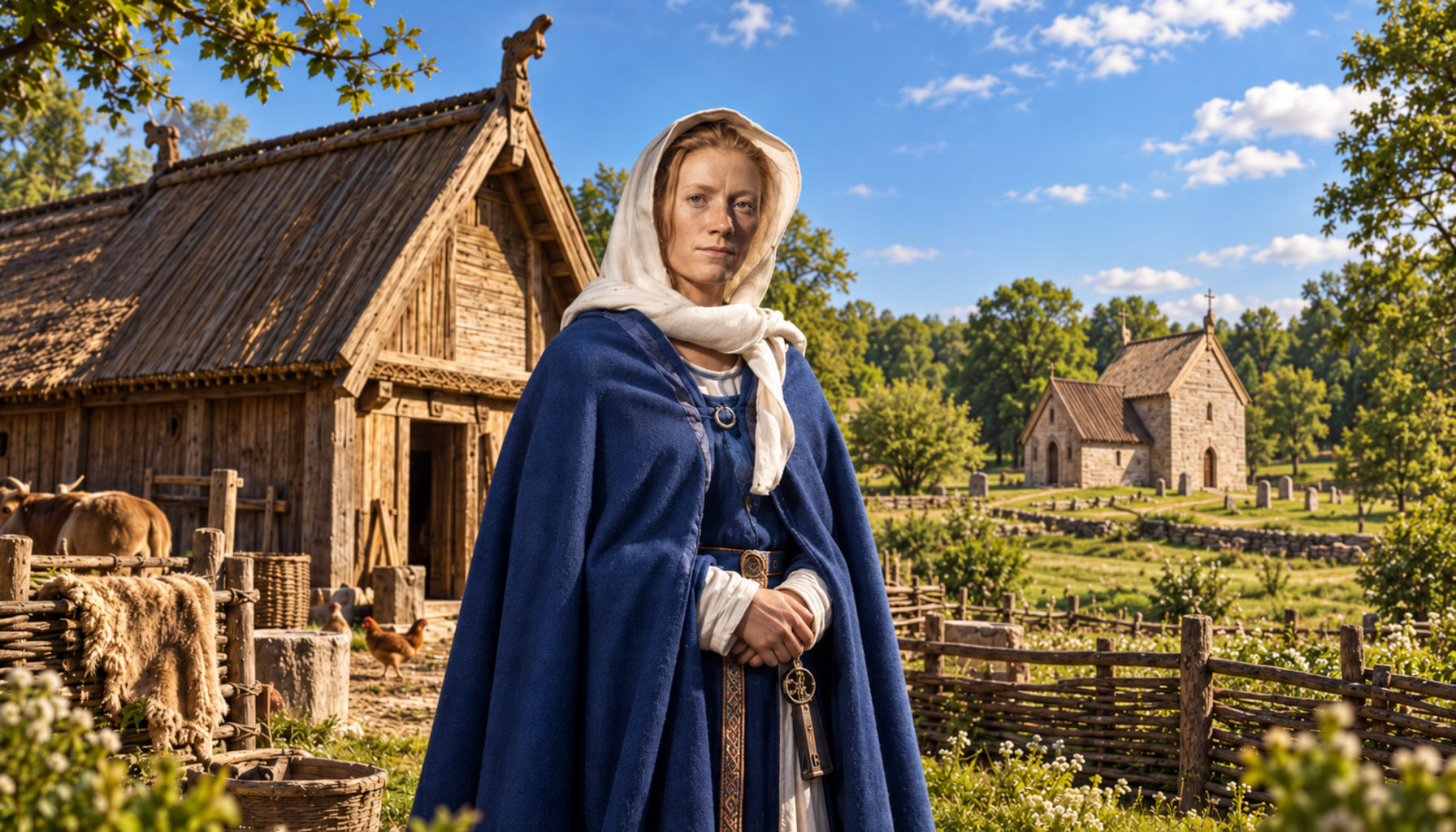
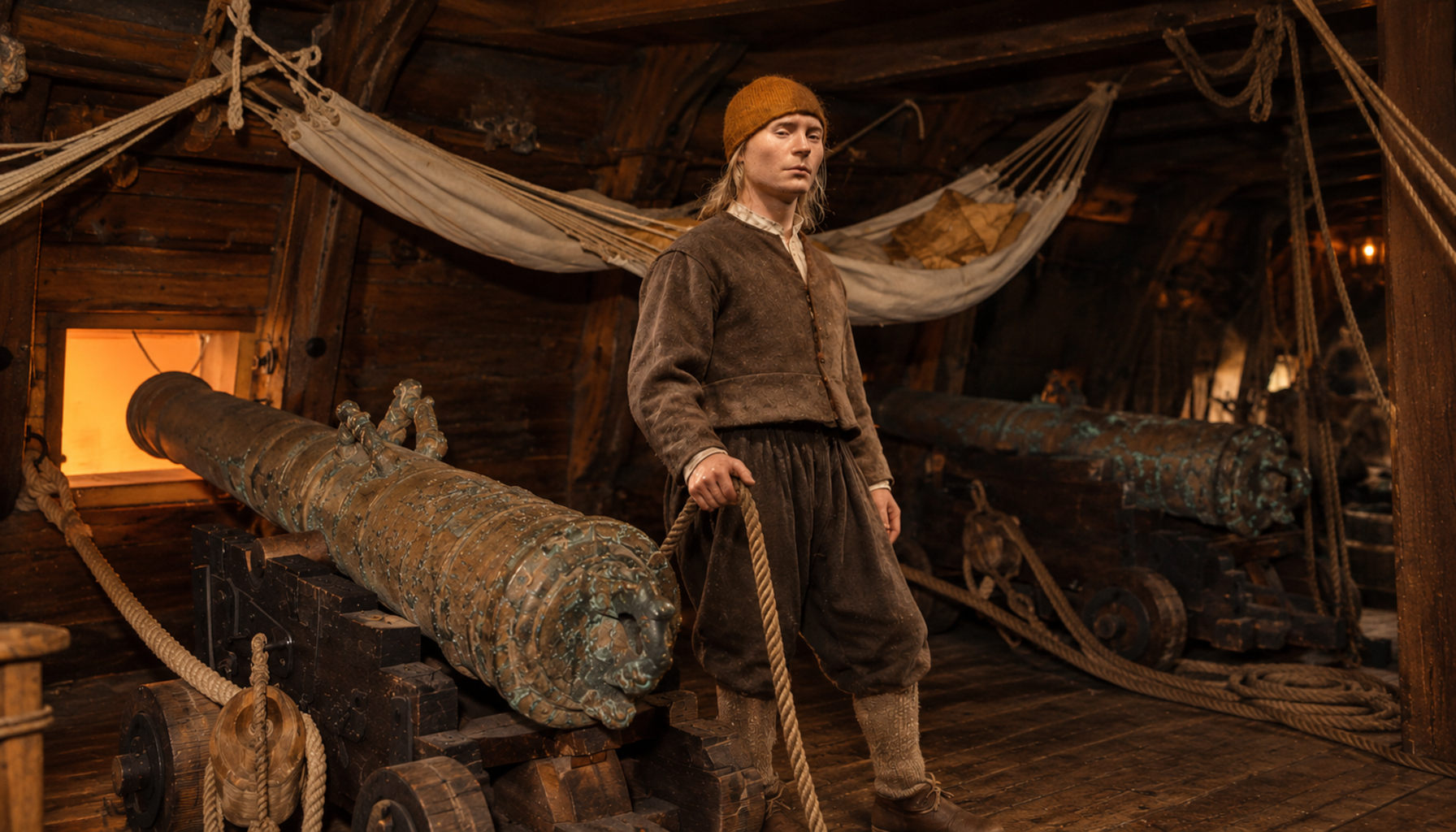
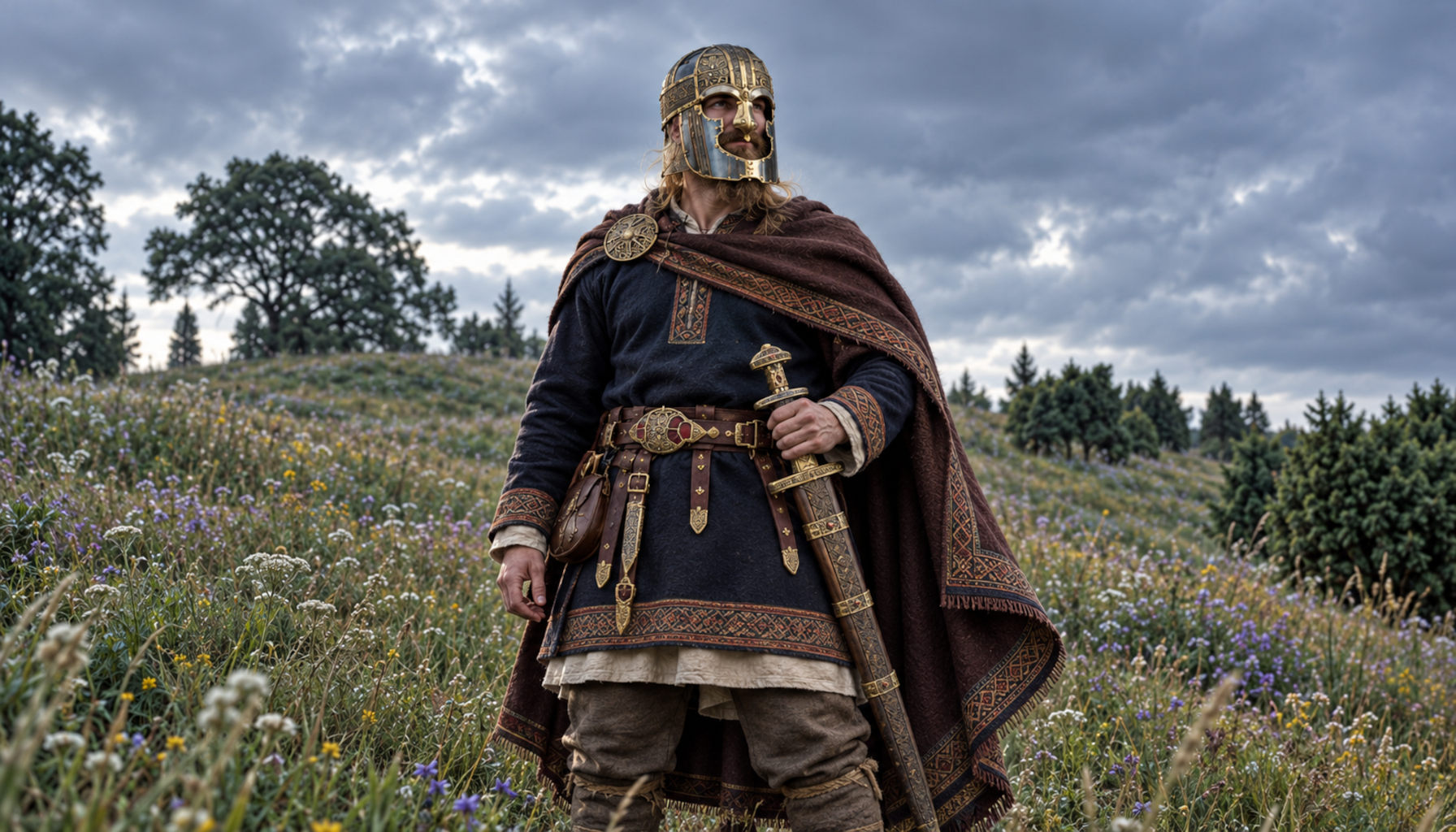
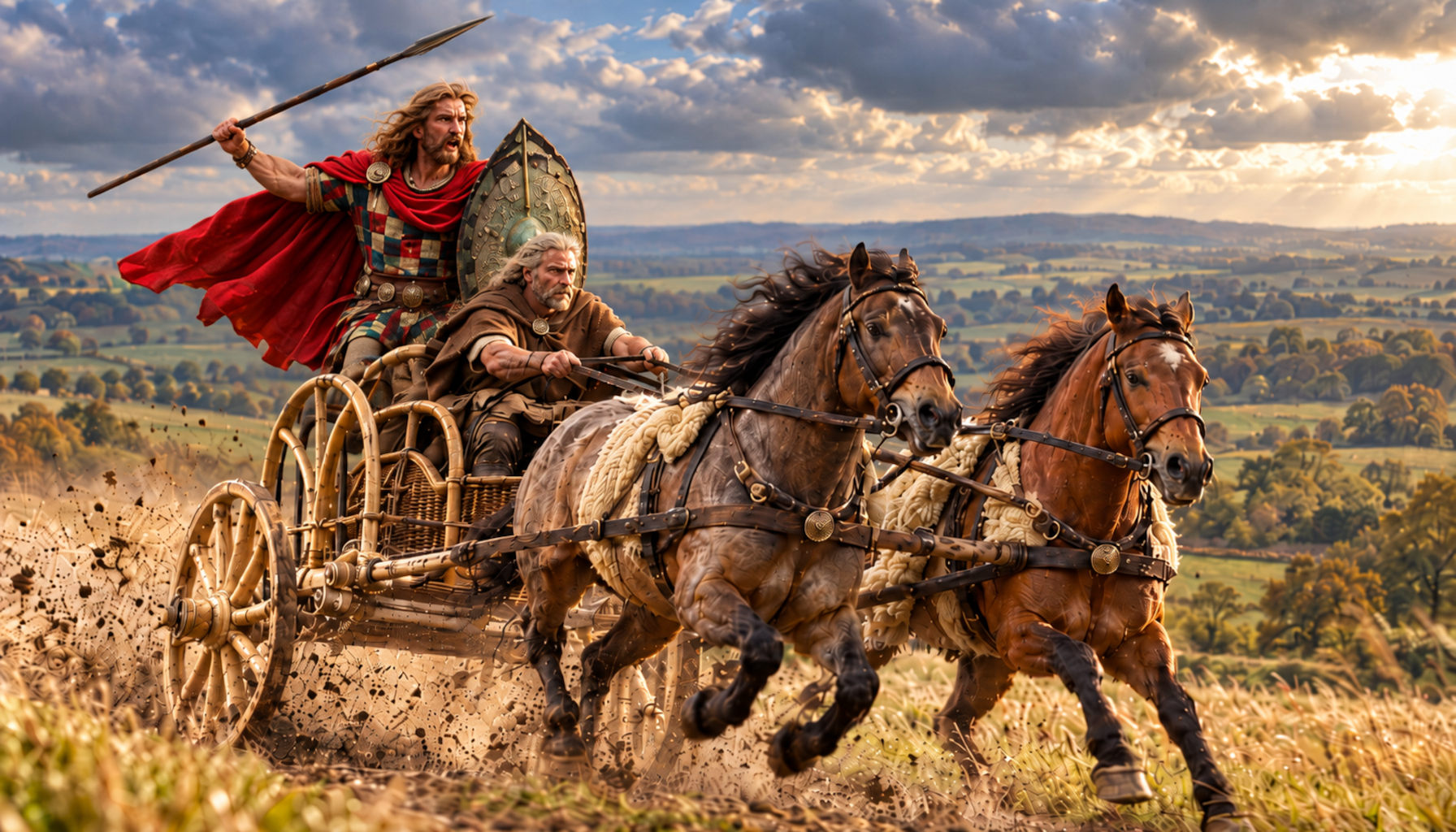
On the ancient DNA side, the MacNab-linked haplogroup R1b1a1b1a1a2c1a1a1a1a1 appears in a broad and rather evocative spread of related samples across time and place. These include Gallic Cenomani Tribe Horse Co-Burial Italy Verona Seminario Vescovile (3232s), Bronze Age Austria Drasenhofen (DSH008), Medieval Ireland Kilteasheen Roscommon Bishops Seat (KIL033), Medieval Ireland Kilteasheen Roscommon Bishops Seat (KIL037), Medieval Ireland Kilteasheen (KIL009), Late Iron Age West Yorkshire Wattle Syke (I14347), Iron Age Long Bredy Dorset England (I27382), Iron Age Briton Thornholme East Riding of Yorkshire (I22060), Iron Age Chemin de Coupetz Marne France (I19359), Viking Age Hofstadir Iceland (VK95), Viking Age Faroe Islands Panum (VK24), Medieval Age Faroe Islands Sandoy Church (VK44), and Viking Iceland (FOV-A1). These are not claims of direct descent from named MacNab ancestors, and we should be careful about that. What they do show is a linked paternal signature moving through Iron Age Celtic worlds, medieval Ireland and Britain, and Norse Atlantic settings, all of which help frame the deeper genetic background against which a Highland clan like the MacNabs emerged.
Read more about Clan McDonnell
If you carry MacNab ancestry, or simply suspect your family came out of the old Highland world of Glen Dochart and Loch Tay, DNA can add an intriguing extra layer to the story. Upload your DNA to MyTrueAncestry to see whether you match Clan MacNab, the primary haplogroup R1b1a1b1a1a2c1a1a1a1a1, or related ancient DNA samples from Iron Age, medieval, and Viking Age contexts across Europe.
Comments