Clan Haldane
– 3 min read


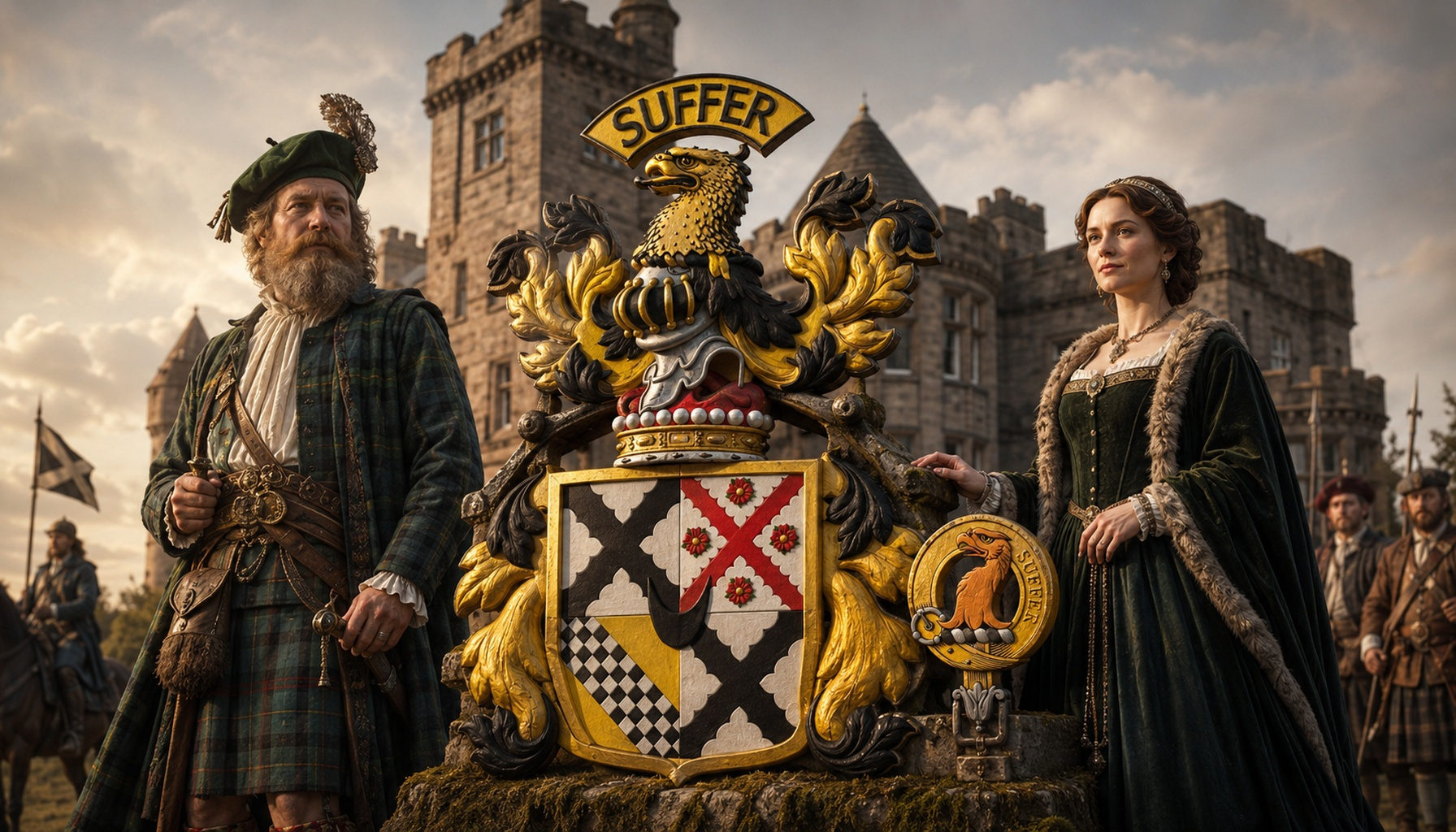
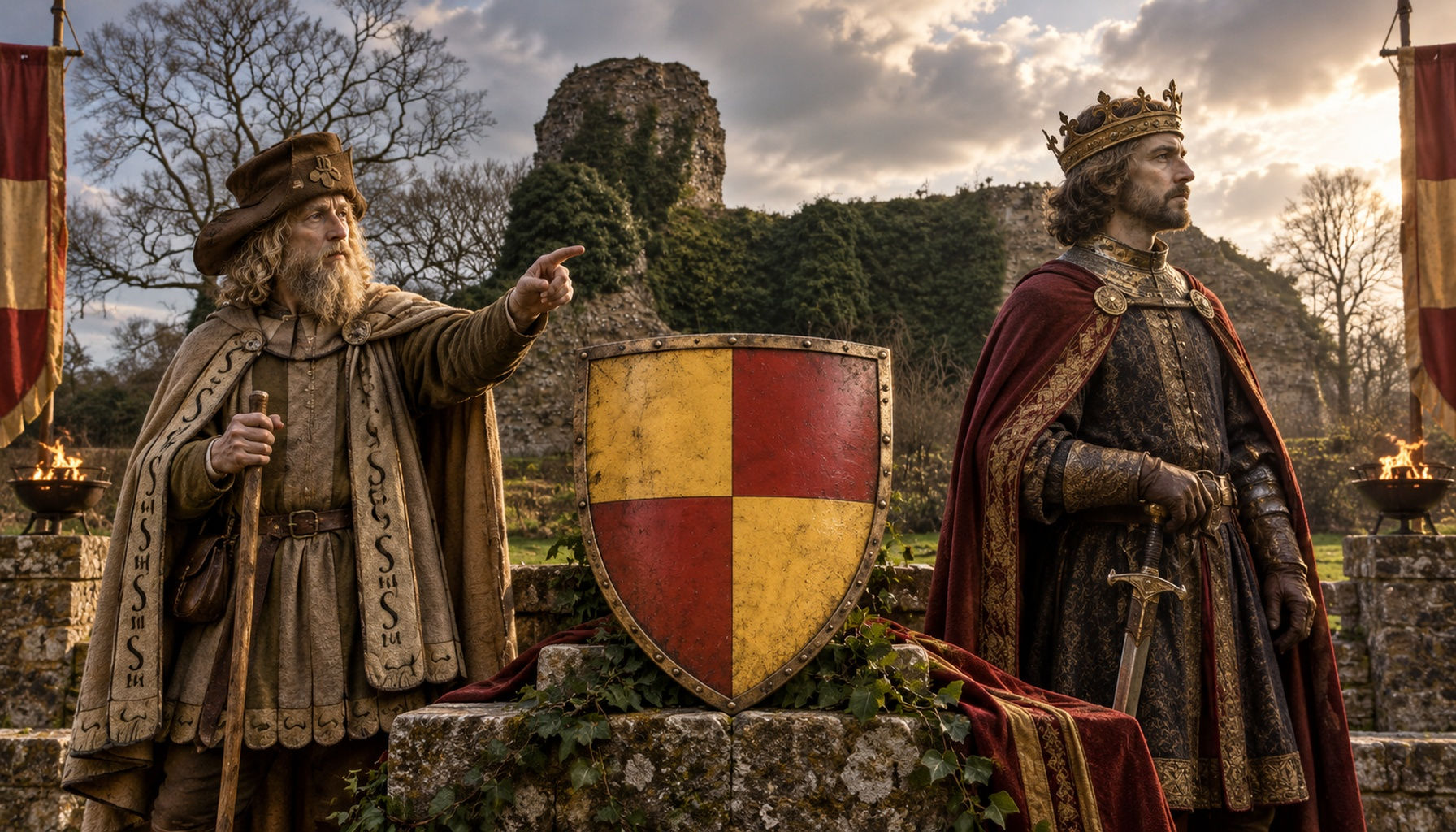
Clan Haldane was one of those distinctly Scottish Lowland noble families whose story was built not only on bloodline, but on land, office, service, and reputation. Associated above all with Perthshire, Gleneagles, and later wider Scottish public life, the Haldanes belong to that world of landed aristocratic houses who anchored themselves in place while also moving confidently through the machinery of kingdom and state. In haplogroup terms, the primary family line is linked here with I2a1b1a1a1a1a, with the broader heritage tag also sitting within that same I2 branch.
The family seems to have emerged from a territorial setting, as so many medieval Scottish surnames did, with the name Haldane generally understood to come from a place-name origin in Scotland rather than from a dramatic clan-founding legend. By the late 13th century they are already visible in the documentary record, including Aylmer Haldane in 1296, during one of the most tense and formative moments in Scottish history, when questions of fealty, lordship, and survival under Edward I pressed heavily on the Scottish landholding class. From there the Haldanes developed in a very recognisable Lowland pattern: estates, heraldry, marriages, military duty, legal standing, and participation in both Scottish and later British national life. They were not simply local lairds tucked away in the countryside; they were part of that enduring noble network that made Scotland work.
Airthrey Castle became one of the notable Haldane anchors, and it is a fine example of how a family seat can tell a much larger story than a pedigree chart ever could. Set near Bridge of Allan in Stirlingshire, at the foot of the Ochils and close to the great historic corridor between Lowland and Highland Scotland, Airthrey occupies a landscape thick with memory. The present castle is largely an 18th-century and later house rather than a medieval fortress, remodelled in elegant baronial style and associated with an estate that passed through important hands, including the Haldanes. It sits within what is now the University of Stirling estate, in ground that also lies close to the site of the Battle of Stirling Bridge, so the place positively hums with Scottish history. Happily, the exterior and grounds remain accessible as part of the university landscape, so yes, it can still reasonably be visited, and it offers exactly the sort of setting where family history, architecture, and national story come together in one view.
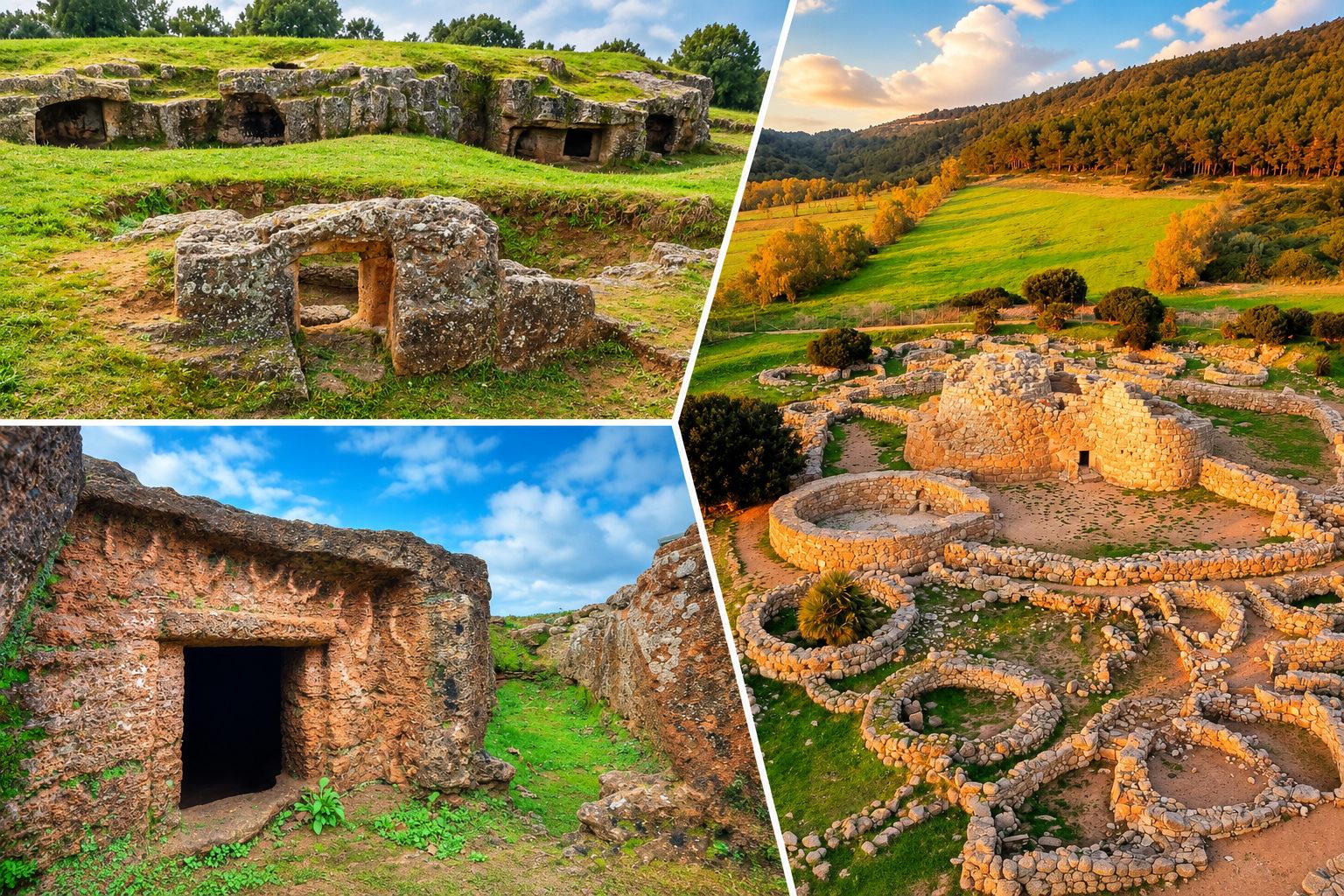
For those interested in deeper ancestry, the Haldane-associated primary haplogroup I2a1b1a1a1a1a connects the family, in a broad genetic sense, to a very long and varied prehistoric and historic landscape across Britain and Ireland. Related or linked ancient samples in this wider branch include Medieval England Augustinian Friars (ATP_PSN_527), the Celtic Briton from Cliffs End Farm in England (I14866), Neolithic Wales at Orchid Cave in Denbighshire (I16491), Iron Age East Lothian in Scotland (I16418), MacAurthur Cave at Oban in Argyll and Bute (I2657), Bell Beaker Upavon in Wiltshire (I4949), Ancient Carrowmore in Ireland (car004), and Pabay Mor on the Isle of Lewis (I2655). None of this proves direct descent from any one ancient individual, and it would be quite wrong to pretend otherwise. What it does show is that the paternal line linked with the Haldanes belongs to a branch with deep roots in the Atlantic-facing world of Britain and Ireland, turning up in contexts that range from Neolithic cave burials to Iron Age communities and medieval religious houses.
That is really the fascination of Clan Haldane: a family rooted in Scottish soil, shaped by the politics of land and service, and remembered through estates, heraldry, and generations of public standing, yet also part of a much older human story that stretches far beyond written records. If you have Haldane ancestry in your family tree, uploading your DNA can help you see whether you match this family story or any of the related ancient DNA samples connected with haplogroup I2a1b1a1a1a1a.
Comments