The Royal Arpad Dynasty
– 4 min read


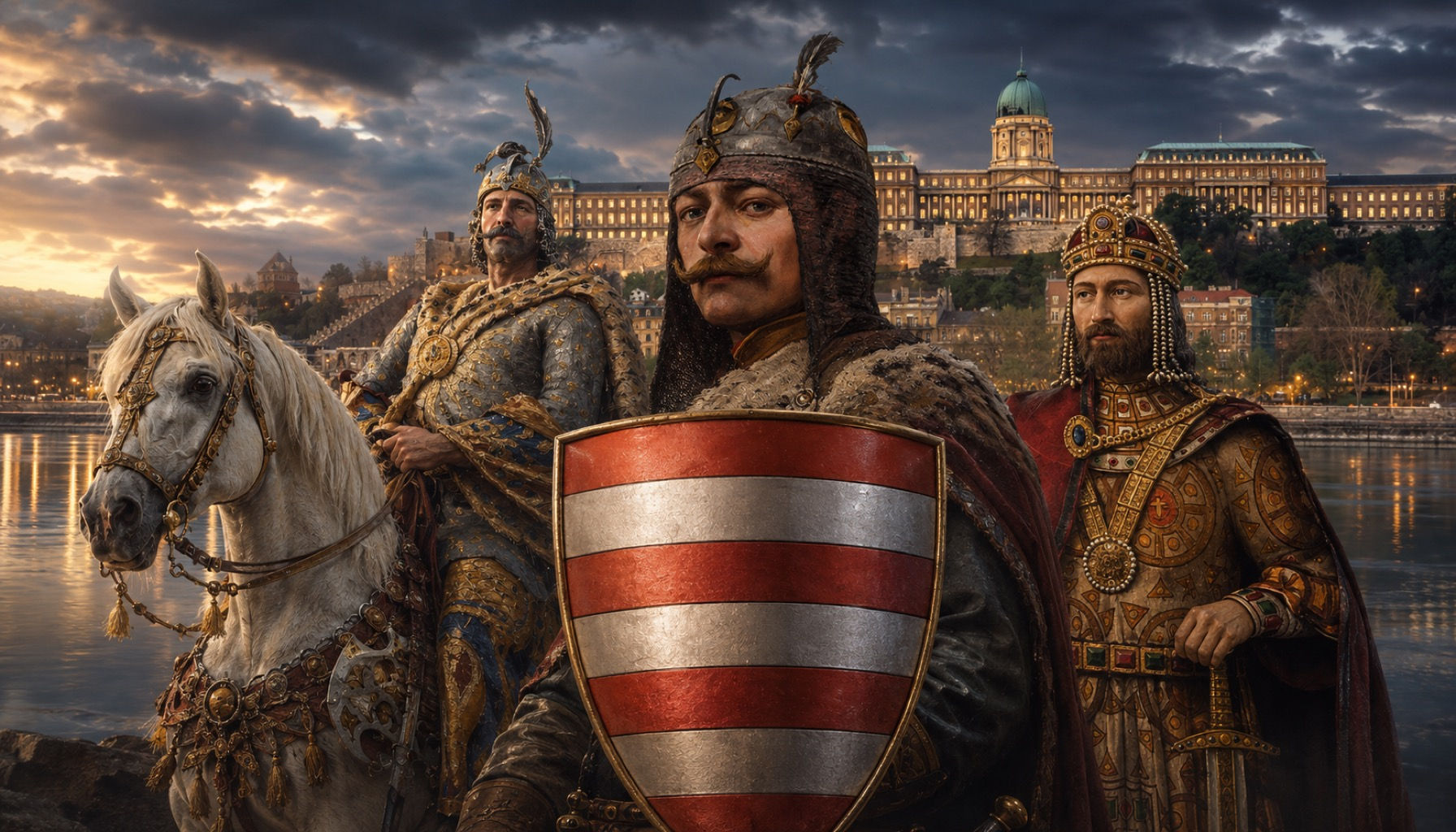
The Arpad Dynasty was the founding royal house of medieval Hungary, the line traditionally descended from Grand Prince Arpad, the leader associated with the Magyar settlement of the Carpathian Basin at the end of the 9th century. In dynastic memory, this was the family that took a mobile steppe confederation and turned it, over generations, into a durable Christian kingdom with laws, bishoprics, fortresses, and a royal court that mattered in European politics. The primary haplogroup linked with the dynasty is R1a1a1b2a2a1, a paternal line with deep roots across the Eurasian steppe and wider Central and Eastern Europe.
Their origins belong to that great historical hinge between steppe mobility and settled kingship. The early Magyars emerged from a world of tribal alliances, horse warfare, and long-distance movement across the Pontic and Ural-connected zones before entering the Carpathian Basin, where they established themselves among the political ruins and opportunities left by earlier powers. Under the Arpads, conquest was only the beginning. What followed was the harder task: conversion, administration, diplomacy, and survival among the Holy Roman Empire, Byzantium, the papacy, and neighboring Slavic lands. Figures such as Bela III, Emeric, Ladislaus III, Andrew II, Bela IV, Stephen V, Ladislaus IV, and Andrew, Duke of Slavonia, show the dynasty at work in all its variety: ambitious, pious, embattled, and deeply entangled in the politics of Central Europe.
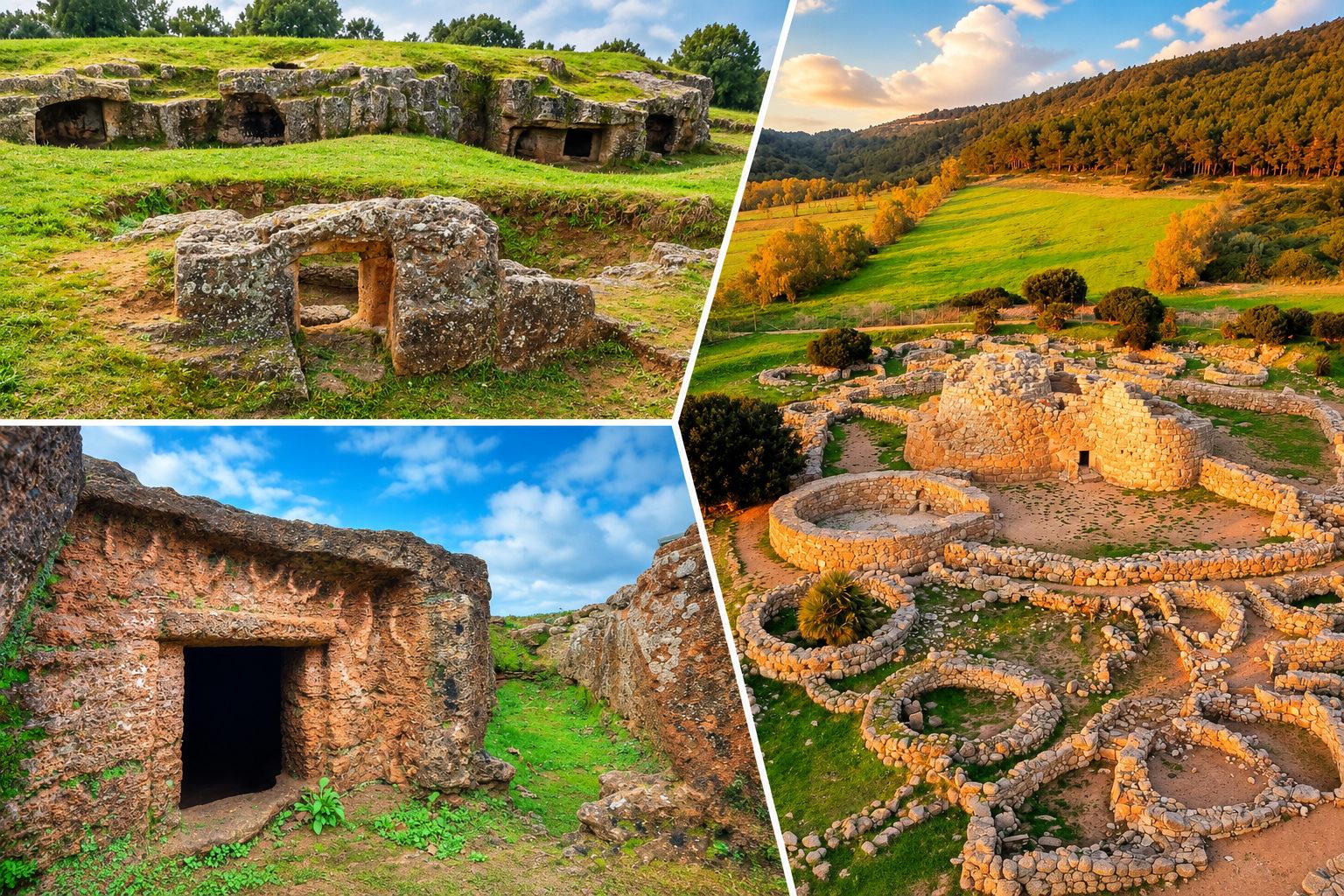
Read more about Arpad dynasty burials
The Arpads are remembered not simply because they ruled, but because they built. Their house oversaw the transition from grand princely leadership to Christian kingship, most famously with the establishment of the Kingdom of Hungary under Saint Stephen I, whose reforms gave the realm counties, dioceses, monasteries, and a recognizable royal state. Later rulers expanded and defended that inheritance in dramatically different circumstances. Bela III strengthened royal authority and court culture; Emeric ruled in a tense age of succession struggles; Andrew II issued the Golden Bull and pursued crusading and aristocratic politics; Bela IV rebuilt the kingdom after the Mongol catastrophe; Stephen V and Ladislaus IV faced the strains of frontier kingship and noble power. This is why Arpad heritage still carries such force in Hungarian memory: it speaks of first foundations, sacred kingship, territorial sovereignty, and the making of a medieval kingdom that endured.
Buda Castle is one of the great physical anchors for the memory of Hungarian kingship, even though the site we see today reflects many later rebuildings, destructions, and transformations. Set high on Castle Hill above the Danube in Budapest, it became over the centuries a royal residence and a commanding symbol of political authority in Hungary. The medieval core of the castle developed especially from the 13th century onward, after the Mongol invasion had shown with brutal clarity how badly the kingdom needed stronger defended centers. Later kings enlarged it, and by the late Middle Ages it had become one of the most important royal complexes in Central Europe. Its story is anything but neat: siege, Ottoman occupation, Habsburg rebuilding, wartime damage, and modern restoration have all left their mark. In other words, like Hungary itself, Buda Castle is layered rather than pristine. And yes, it can still be visited today, which is part of its fascination: you are not looking at a dead relic but at a lived historic landscape where medieval royal memory, archaeology, and later state symbolism all sit on top of one another.
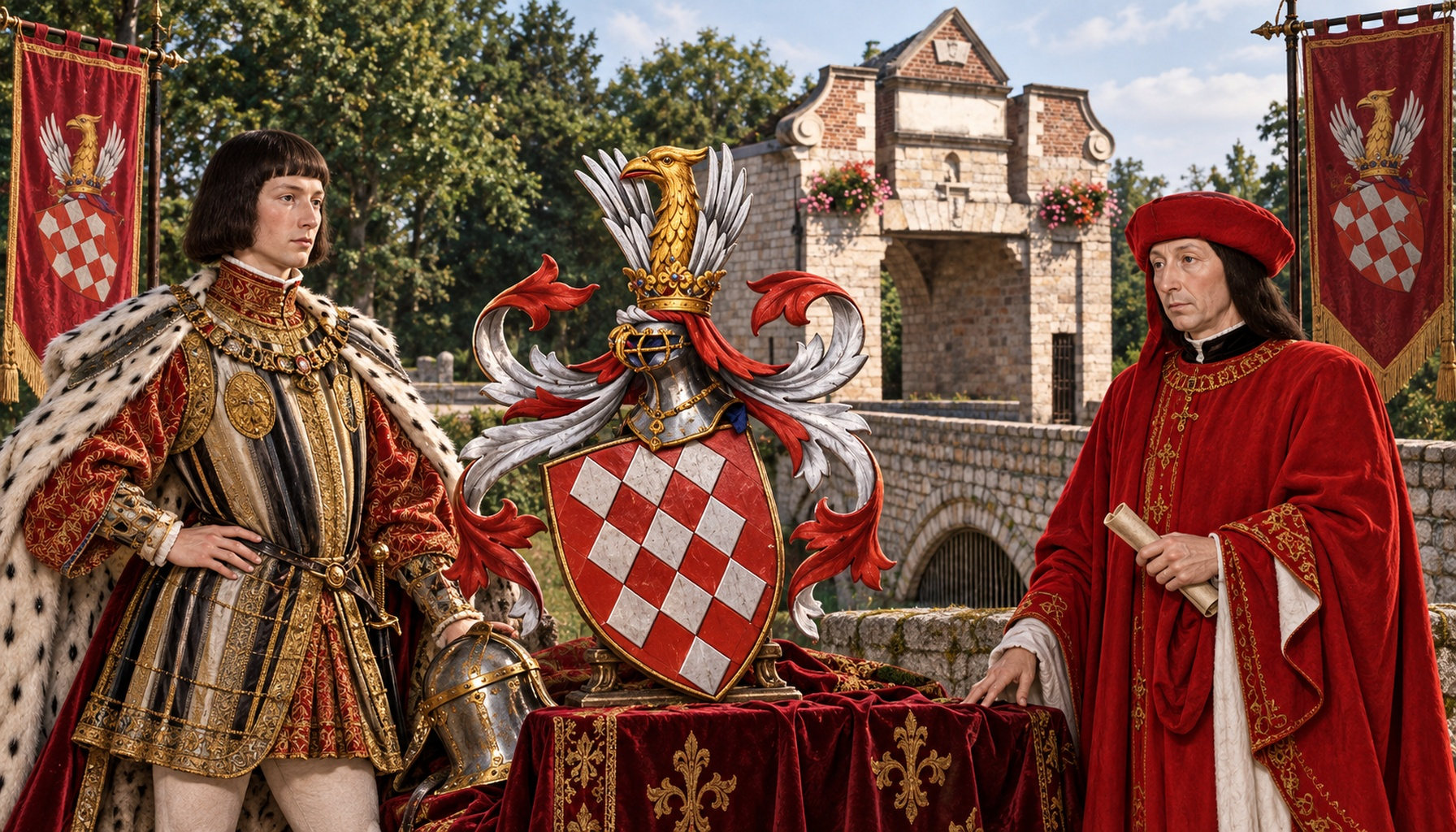
Explore the Royal House of Hunyadi
From an ancient-DNA perspective, the Arpad-linked paternal haplogroup R1a1a1b2a2a1 sits within a very wide historical landscape rather than a single neat ethnic box. Related or linked samples carrying this branch or nearby connections appear across time and space, from Bronze Age Germany at Wolkshausen (RISE440), Regensburg-Dechbetten (RISE473), Schoegeising (RISE478), Tiefbrunn (RISE434, RISE436), Manching-Oberstimm (RISE556), and Augsburg (RISE558, RISE560), to steppe and forest-steppe contexts such as Potapovka-1 Samara Russia (I0432), Sintashta Culture in the Urals (I1053), Andronovo-related individuals including Georgievsky Bugor (I11540, I11541) and Bayan-Zherek Mountains (I0507), and later Iron Age and nomadic contexts including Saka Scythian Aymyrlyg (CGG021496), Bektauta Kazakhstan (BKT001), Kyzylshilik Kazakhstan (KYZ001), Eurasian steppe samples DA15 and DA17, Sarmatian southwest Russia (Pr10), and Katelai (I12457). Further linked examples appear in migration-period and medieval settings such as the Gepid period at Jakovo-Kormadin near Belgrade (I27296), Late Avar Hungary at Janoshida-Totkerpuszta (JHT-130), Avar elite graves at Mako-Mikocsa (MMper227) and Dunavecse-Kovacsos (DKper701), the Hungarian Conqueror burial Karos II (K2per61_GE), Hunnic and Hun-period linked samples including Vidi-zug Hajduboszormeny (HDB001), Danube-Tisza (TGB023), Arpas-Szeruskert (HUNper3), and more easterly parallels such as Takhiltyn Khotgor (TAK009), Uguumur Uul (UGU010, UGU005), Tavan Tolgoi (TAV011), Arbulag Soum (ARS026), Kurayly (KRY001), and Zambaga Khairkhan (ZAM001). There are also later and more geographically distant occurrences, from Byzantine-period Mardin in southeast Anatolia (I4475) to Roman Republic era Motya in western Sicily (I12844), Medieval Portugal at Hospital da Misericordia (LP115_3), and Trans-Volga Forest Steppe Corded Ware contexts (kzb003, kzb007). None of this proves direct descent from the Arpads to these individuals, of course. What it does show is that the dynasty's primary paternal haplogroup belongs to a lineage with a long and striking history across the wider Eurasian world that fed into the population history of the Carpathian Basin.
Explore medieval Hungary's elite DNA
If the Arpad story speaks to your own Hungarian, Central European, or steppe-connected heritage, the obvious next step is to test it against the evidence. Upload your DNA to MyTrueAncestry and see whether you match the Royal Arpad Dynasty or any of the related ancient DNA samples linked with haplogroup R1a1a1b2a2a1 across Bronze Age Europe, the Eurasian steppe, Avar and Hun contexts, and medieval Hungary.



Comments