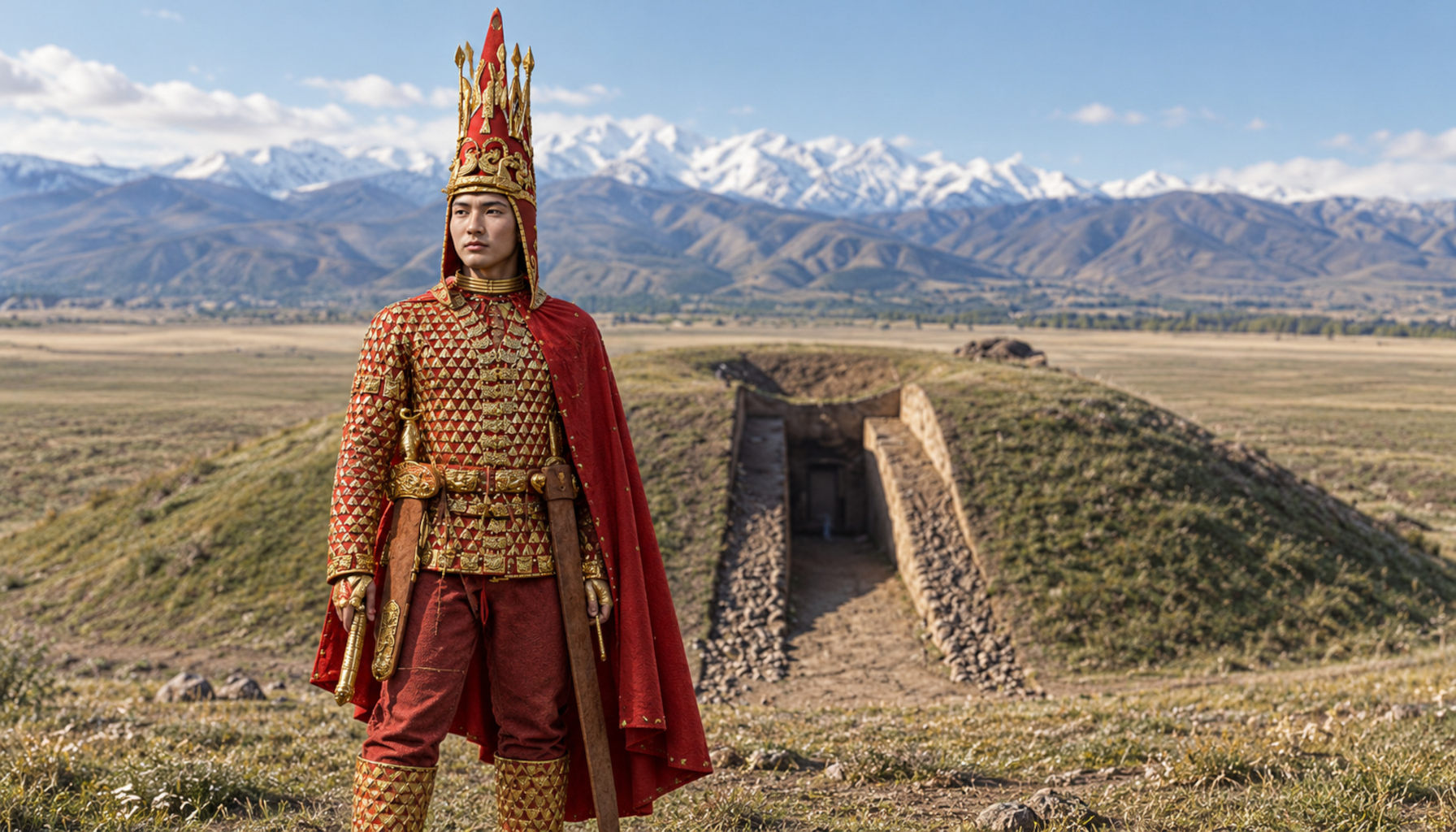
Haplogroups and Noble Lines Golden Man of Issyk The Golden Man of Issyk is one of those archaeological finds that has all but walked off with the public imagination. Buried around 296 BC in the Tian Shan region of what is now Kazakhstan, this Saka elite was laid to rest inside the Issyk kurgan near modern Almaty in By Sara V • 4 min read
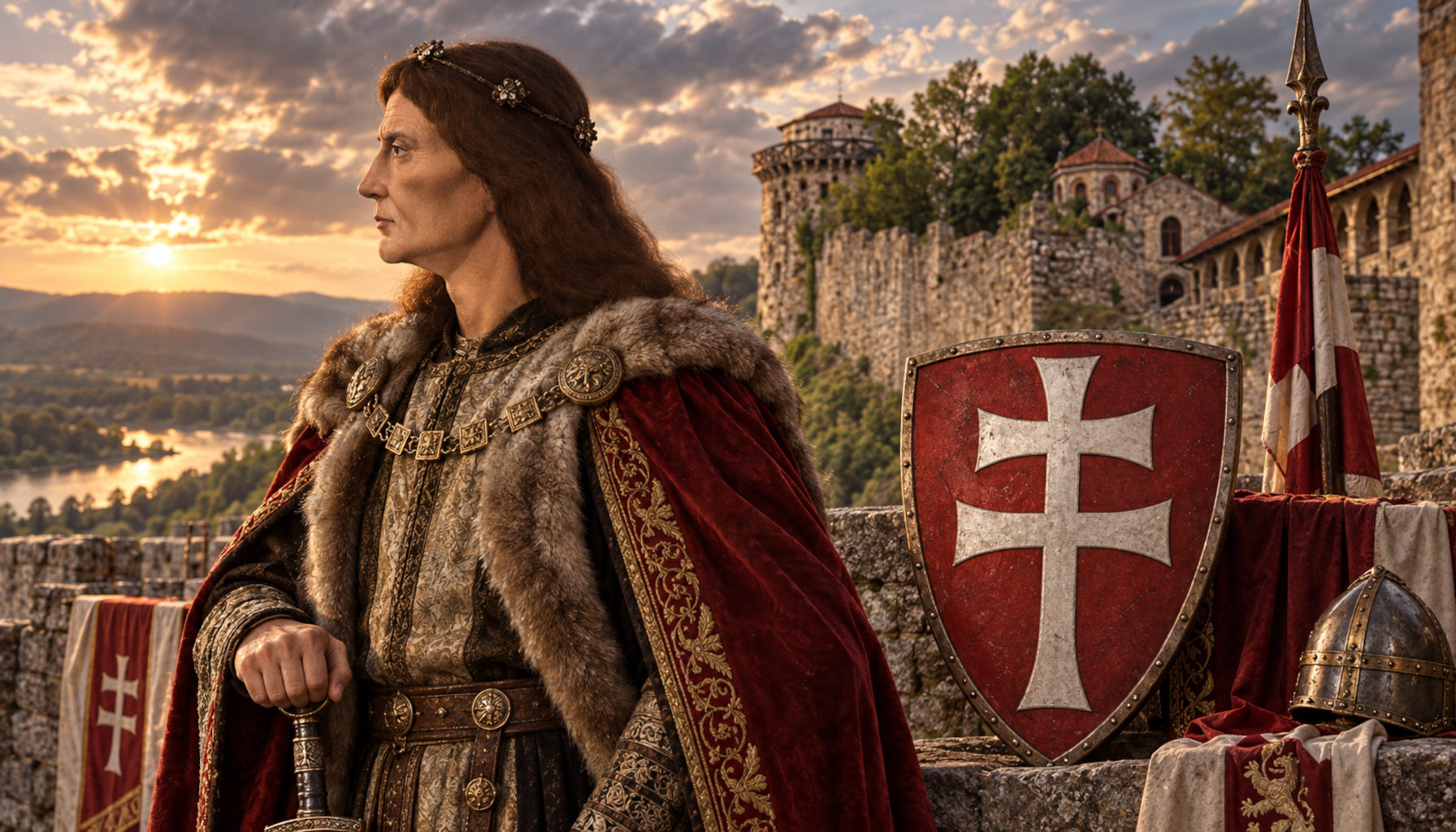
Haplogroups and Noble Lines Duke Béla of Macsó Duke Béla of Macsó was one of those medieval princes who seem to stand at the hinge of several worlds at once. Living in the 13th century and dying in 1272, he was the son of Rostislav Mikhailovich, a Rurikid prince descended from the rulers of Chernigov, and Anna of By Sven • 4 min read
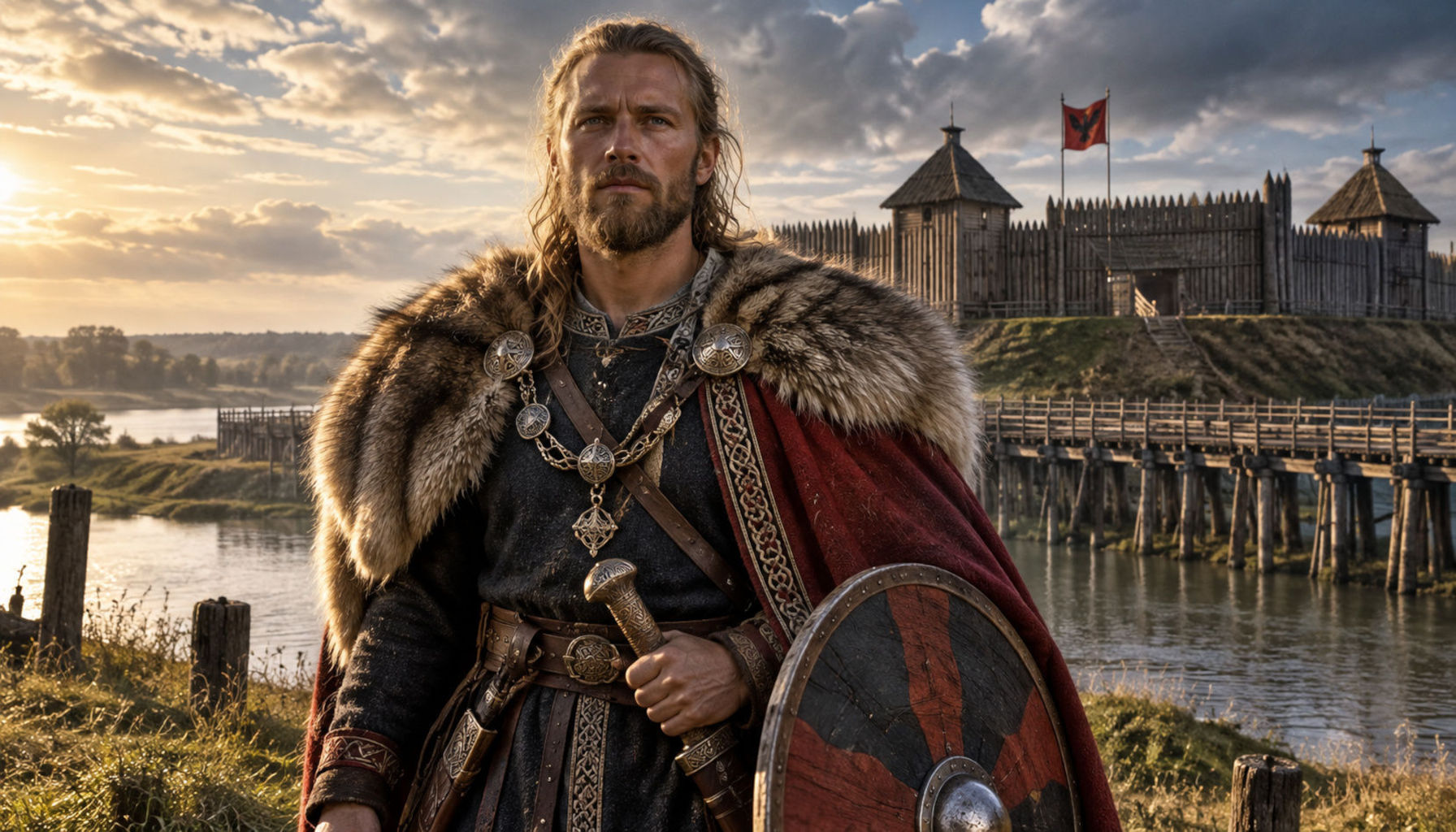
Haplogroups and Noble Lines Elite Viking Warrior of Bodzia The man known from sample VK157, the Elite Viking Warrior of Bodzia, was buried in Poland around 1015-1020 AD in one of the most extraordinary cemeteries of the Viking Age. Bodzia was no ordinary burial ground. Its chamber graves, timber enclosures, imported goods and armed burials speak of people who By Sven • 5 min read
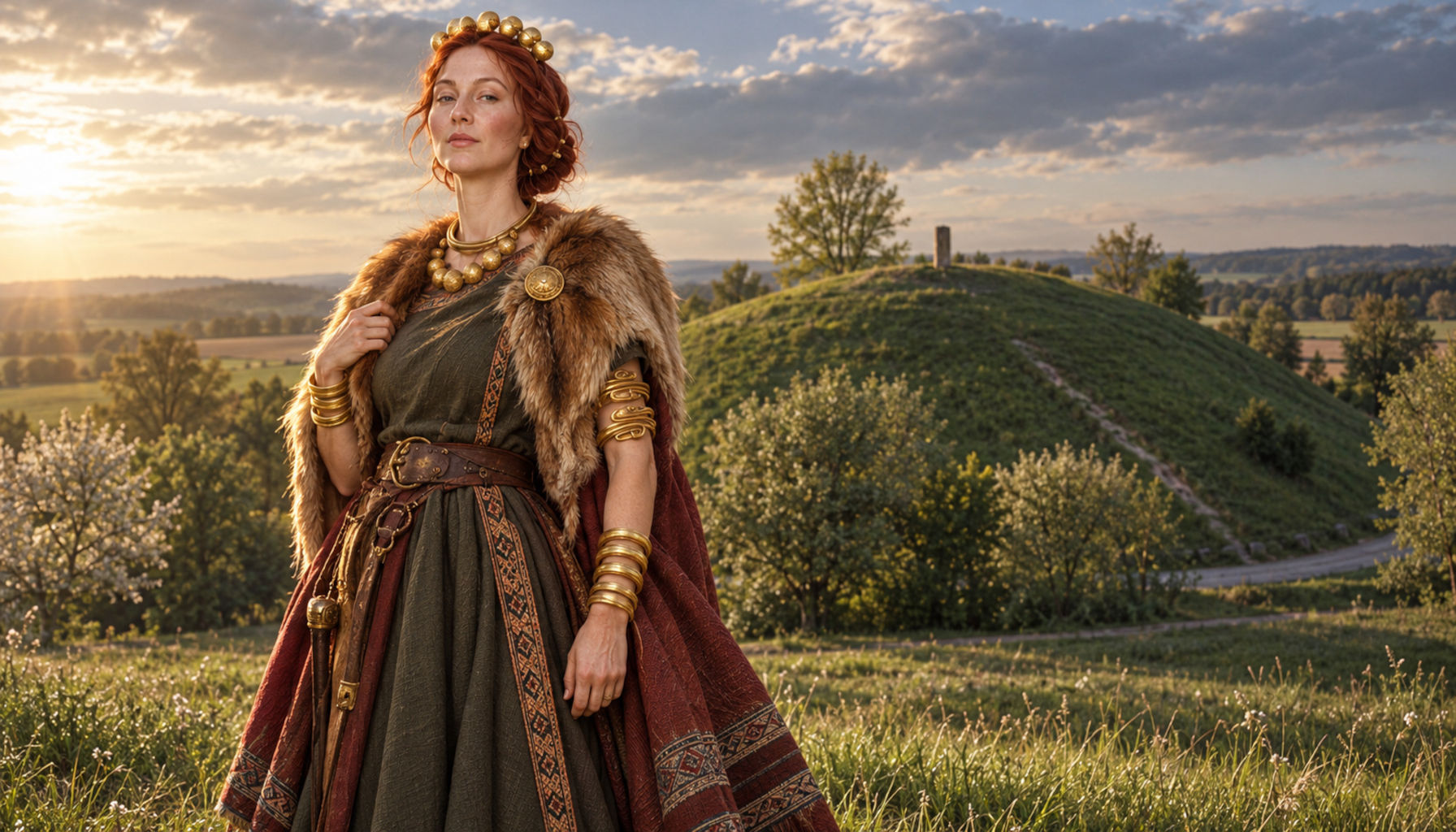
Haplogroups and Noble Lines Celtic Lady of Ditzingen-Schöckingen The Celtic Lady of Ditzingen-Schöckingen was a high-status woman buried in southwestern Germany around 300 BC, in the La Tène Iron Age world of wealthy Celtic communities. She is not known to us by a personal name, which is often the case in pre-Roman Europe, but her grave and her By Sven • 4 min read
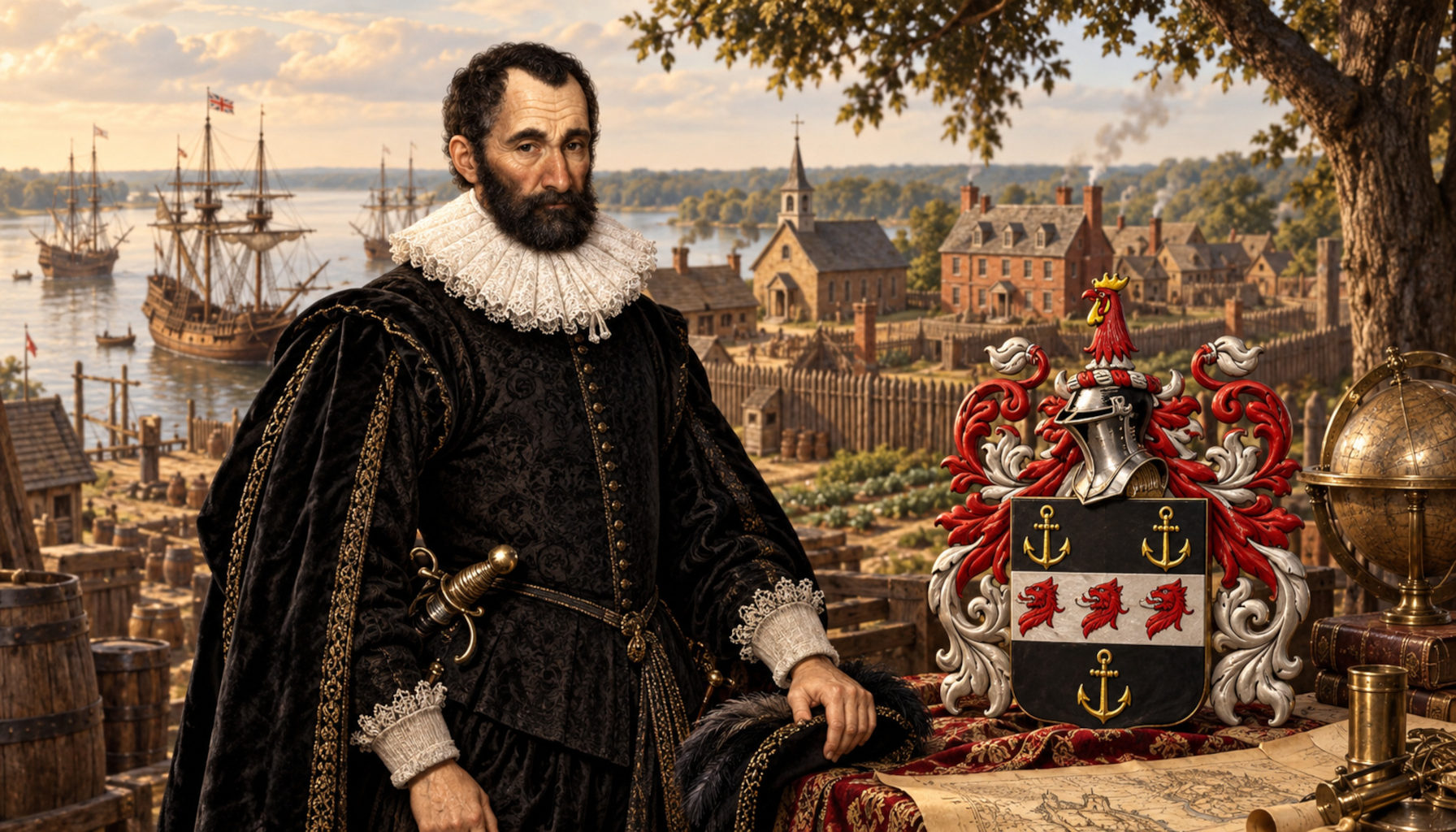
Haplogroups and Noble Lines Sir Ferdinando Wainman Sir Ferdinando Wainman belongs to that dramatic, precarious moment when England was trying, and often failing, to plant itself in North America. He was an English knight and military officer who arrived at Jamestown in June 1610 with his cousin Thomas West, Lord De La Warr, the newly appointed governor By Jamie L • 5 min read
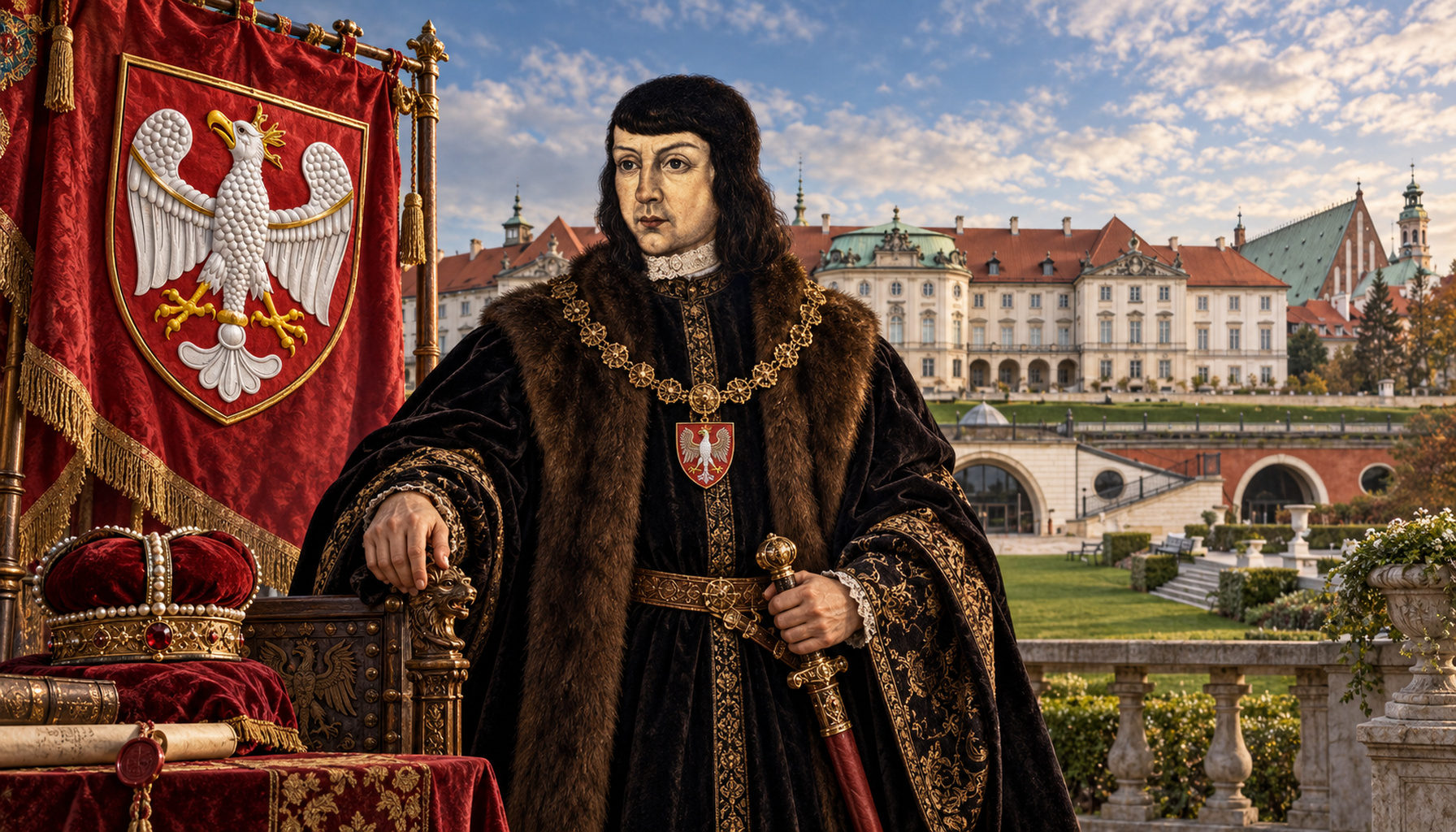
Haplogroups and Noble Lines Janusz III of Masovia Janusz III of Masovia stands at one of those awkward but fascinating points in history where an old dynasty does not so much explode as quietly run out of road. He was Duke of Masovia in the early 16th century, the last male representative of the Masovian branch of the By Jamie L • 5 min read
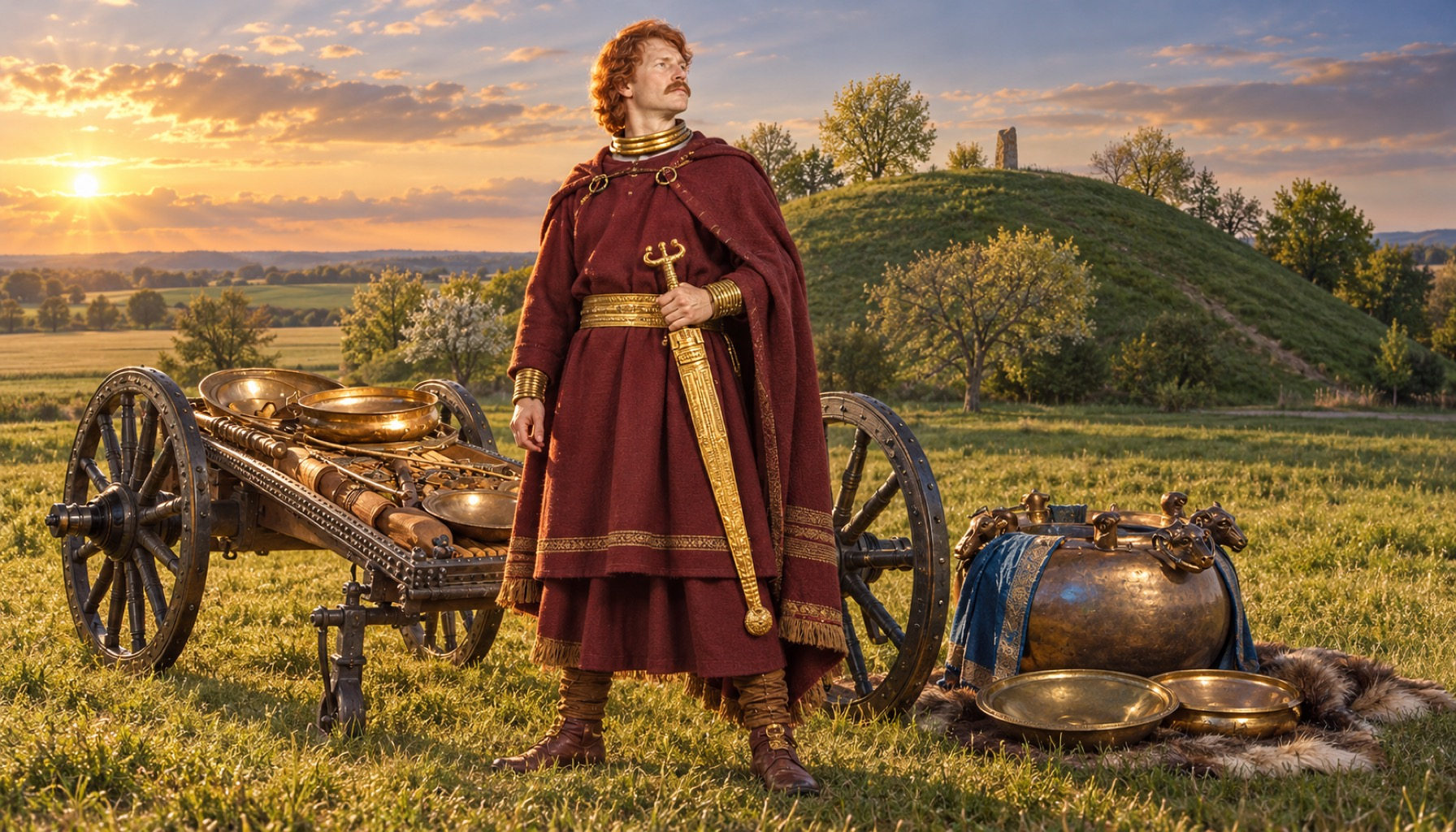
Haplogroups and Noble Lines Hochdorf Prince The Hochdorf Prince was buried near modern Eberdingen-Hochdorf in southwestern Germany around 530 BC, in the heart of the early Celtic world usually associated with the Hallstatt culture. He matters because his grave is not merely rich; it is one of those archaeological discoveries that makes one stop and stare. By Jamie L • 5 min read
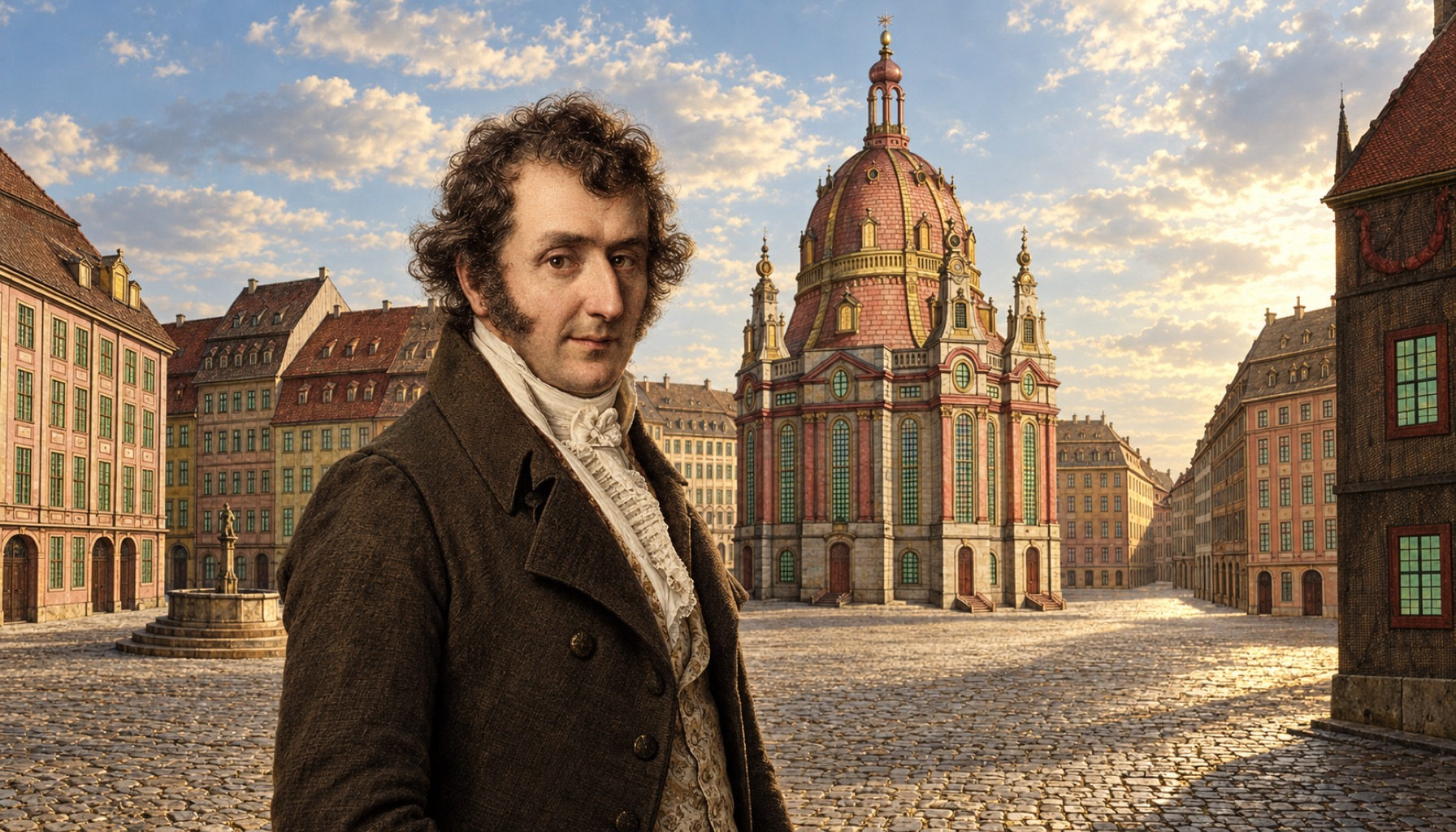
Haplogroups and Noble Lines George Bähr George Bähr was one of those figures who shaped a city so completely that his work became part of its identity. Born in Saxony in 1666, he rose from practical training as a carpenter and builder to become one of the most important German Baroque architects of his age. His By Jamie L • 5 min read
Haplogroups and Noble Lines Emperor Wu of Northern Zhou Emperor Wu of Northern Zhou, born Yuwen Yong, was one of the decisive rulers of sixth-century China. He reigned from 560 to 578 AD, in the turbulent age of the Northern and Southern Dynasties, when rival courts, frontier armies, and ambitious aristocratic families competed to control the old heartland of By Sara V • 5 min read
Haplogroups and Noble Lines Elek Báthory Elek Báthory was a 16th-century Hungarian nobleman from one of the most formidable aristocratic families of late medieval and early modern Central Europe. The Báthorys were not obscure local lords but a dynasty whose various branches supplied military commanders, leading magnates, princes of Transylvania, and most famously Stephen Báthory, who By Sven • 5 min read
Haplogroups and Noble Lines Catoctin Furnace Victim The woman often called the Catoctin Furnace Woman was an enslaved African American woman who lived and died in industrial Maryland around the beginning of the 19th century, probably close to 1810. She belonged to the community at Catoctin Furnace, an ironworks in Frederick County that helped supply a young By Jamie L • 5 min read
Haplogroups and Noble Lines Anne Wolseley Calvert Anne Wolseley Calvert was an English gentlewoman of the seventeenth century who became part of the ruling family of colonial Maryland through her marriage to Philip Calvert. Born into the prominent Wolseley family of Staffordshire, she belonged to the sort of well-connected English world in which kinship, confession, land, and By Jamie L • 5 min read
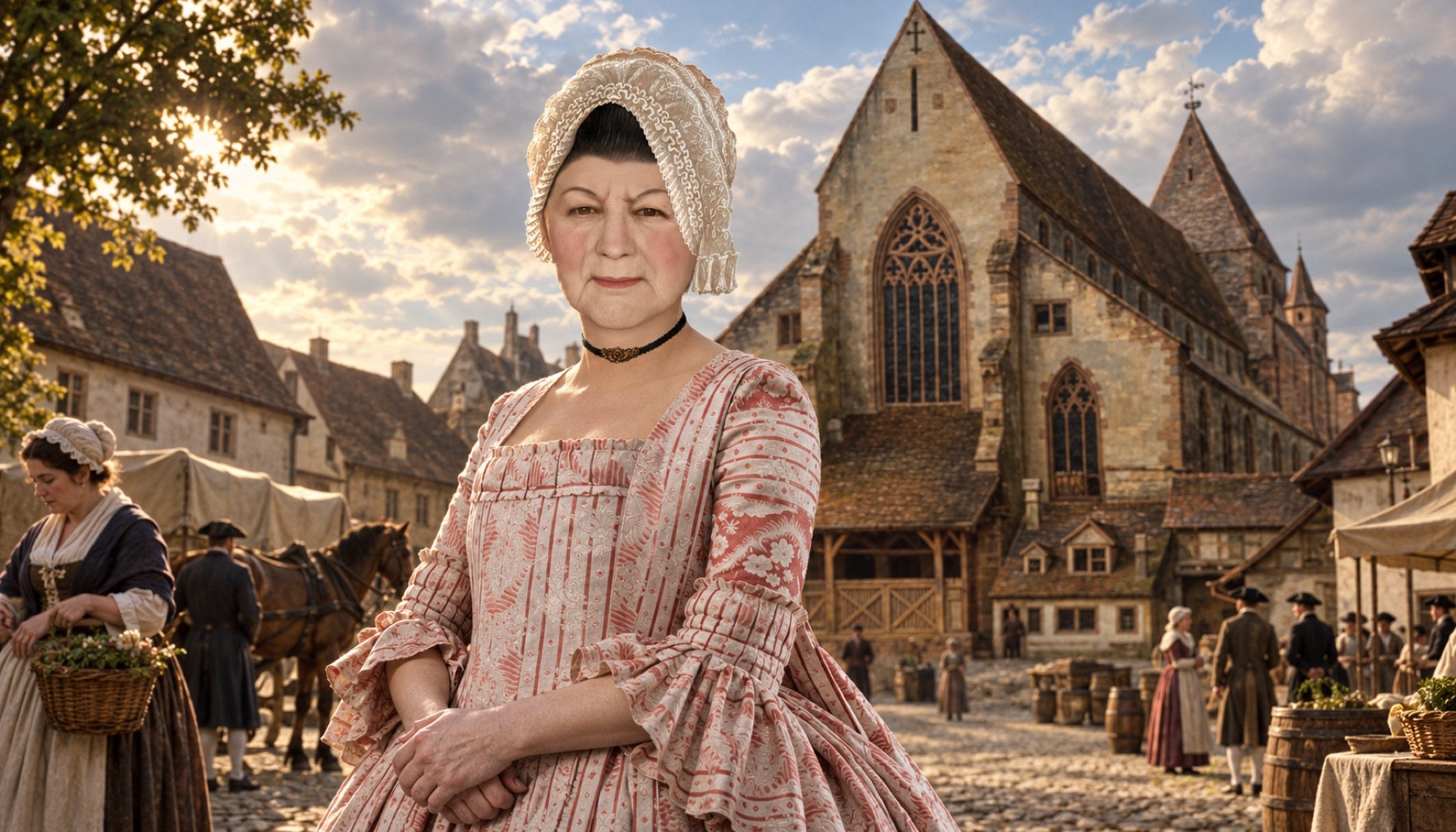
Haplogroups and Noble Lines Anna Catharina Bischoff Anna Catharina Bischoff was an 18th-century woman of Basel whose afterlife, if one may put it that way, became unexpectedly public. Her naturally mummified body was found during archaeological work at the Barfüsser Church in Basel, and what might once have been a local curiosity became one of Switzerland’s By Sara V • 4 min read
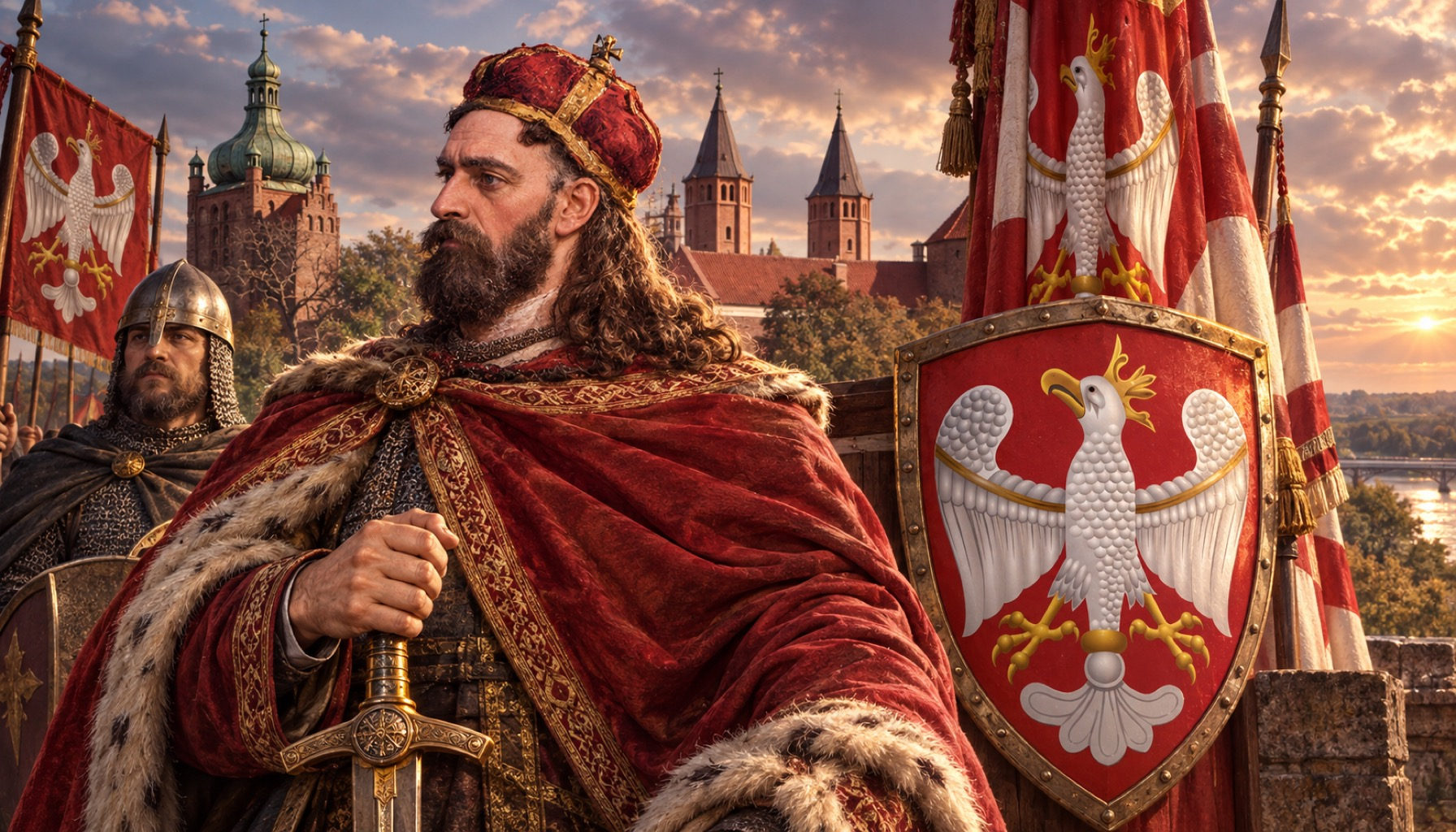
Haplogroups and Noble Lines Władysław I Herman Władysław I Herman, who died in 1102, was Duke of Poland from 1079 and one of the key rulers of the Piast dynasty, the house that built and held together the early Polish state. He came to power after the exile of his brother Bolesław II, and his reign unfolded By Caterina • 4 min read
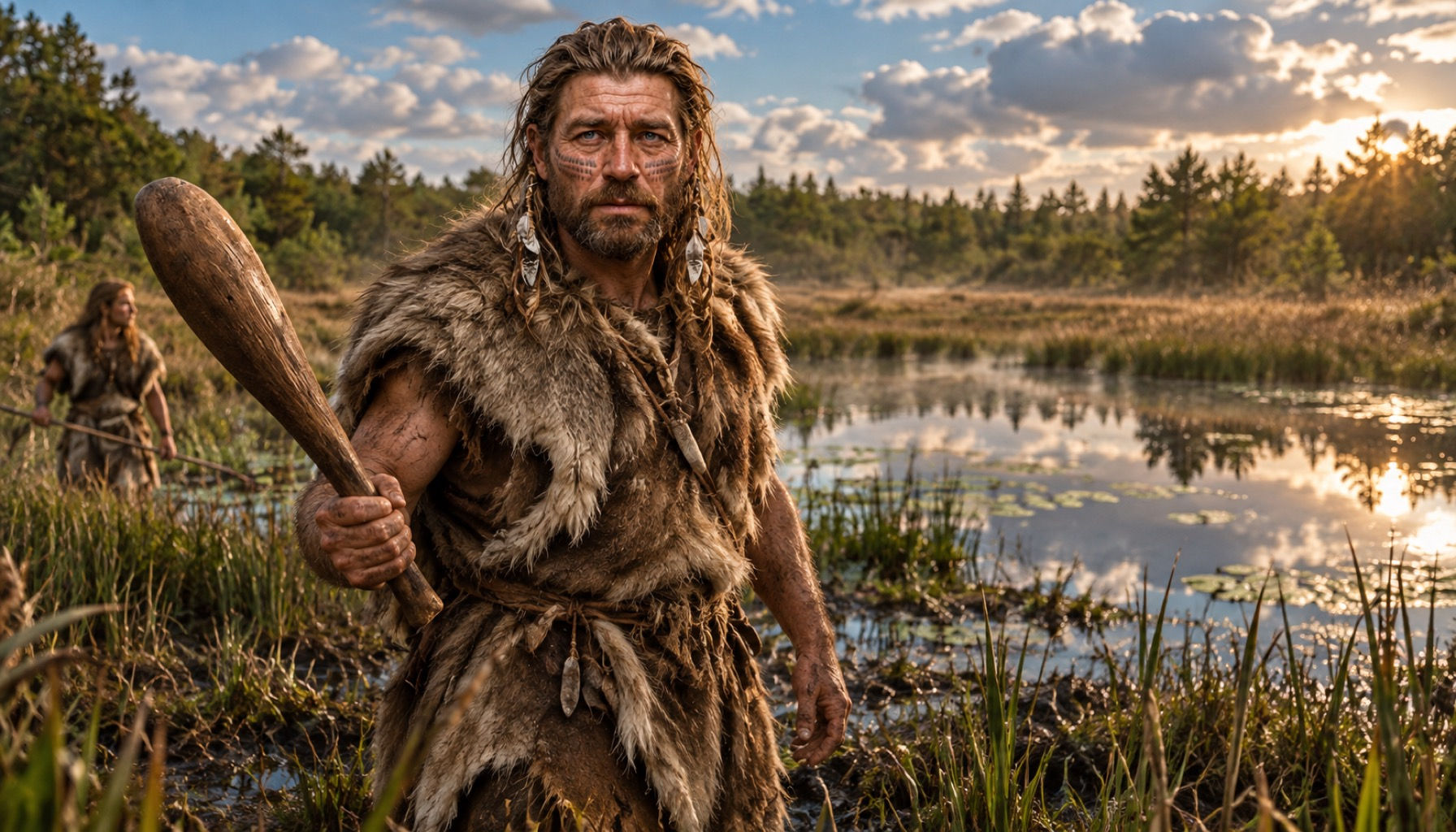
Haplogroups and Noble Lines Vittrup Man Vittrup Man was a Stone Age man who lived around 3300 BC, and yet we can now tell more of his life story than we can for many far more recent people. His remains were found in a peat bog in northern Denmark, but the real significance of the discovery By Sven • 5 min read
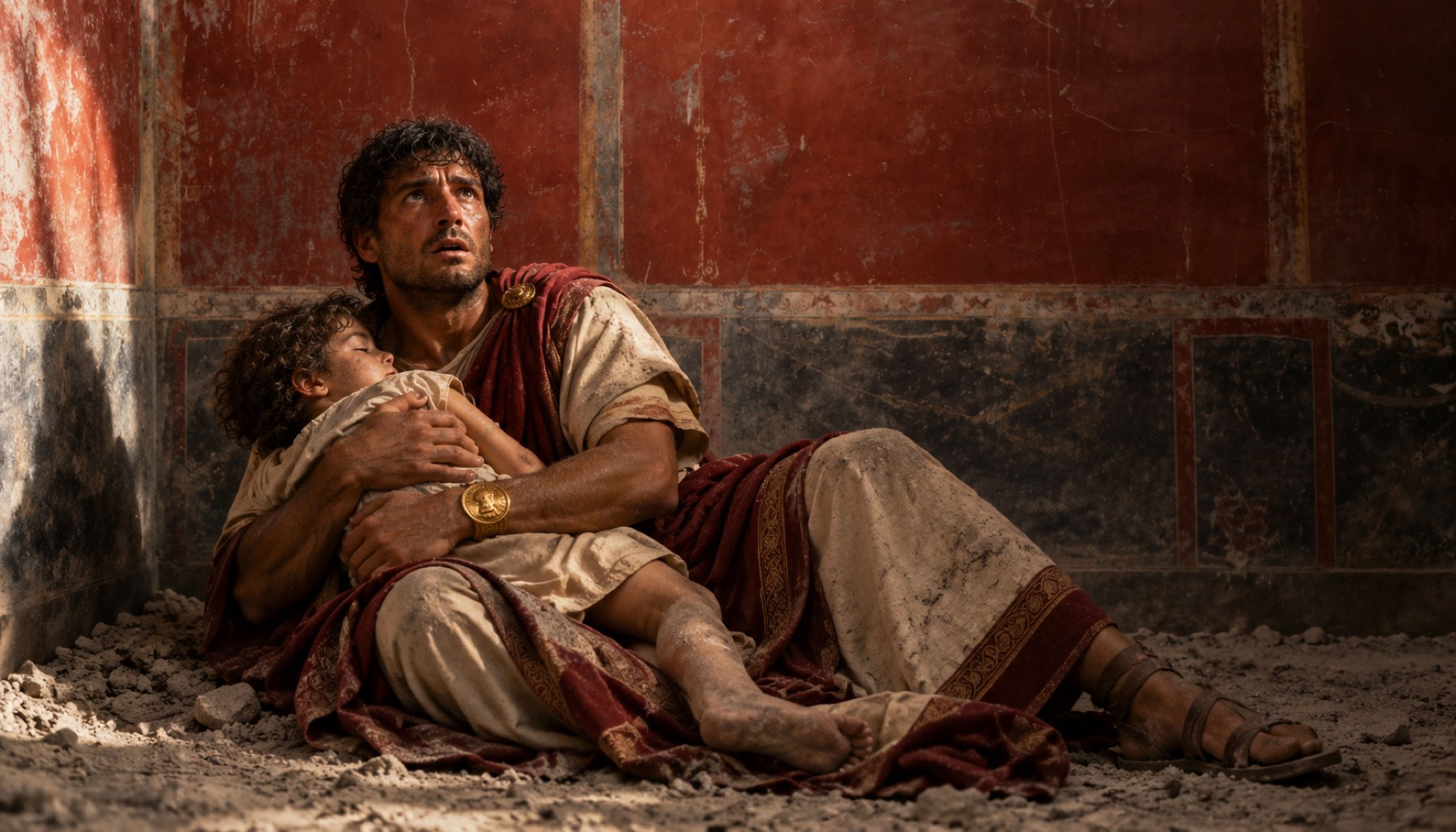
Haplogroups and Noble Lines Man with the Golden Bracelet The Man with the Golden Bracelet was one of the Pompeians killed when Mount Vesuvius erupted in 79 AD, burying the city under ash, pumice, and volcanic debris. He is historically important not because he was an emperor, senator, or general, but because his remains became attached to one of By Sara V • 5 min read
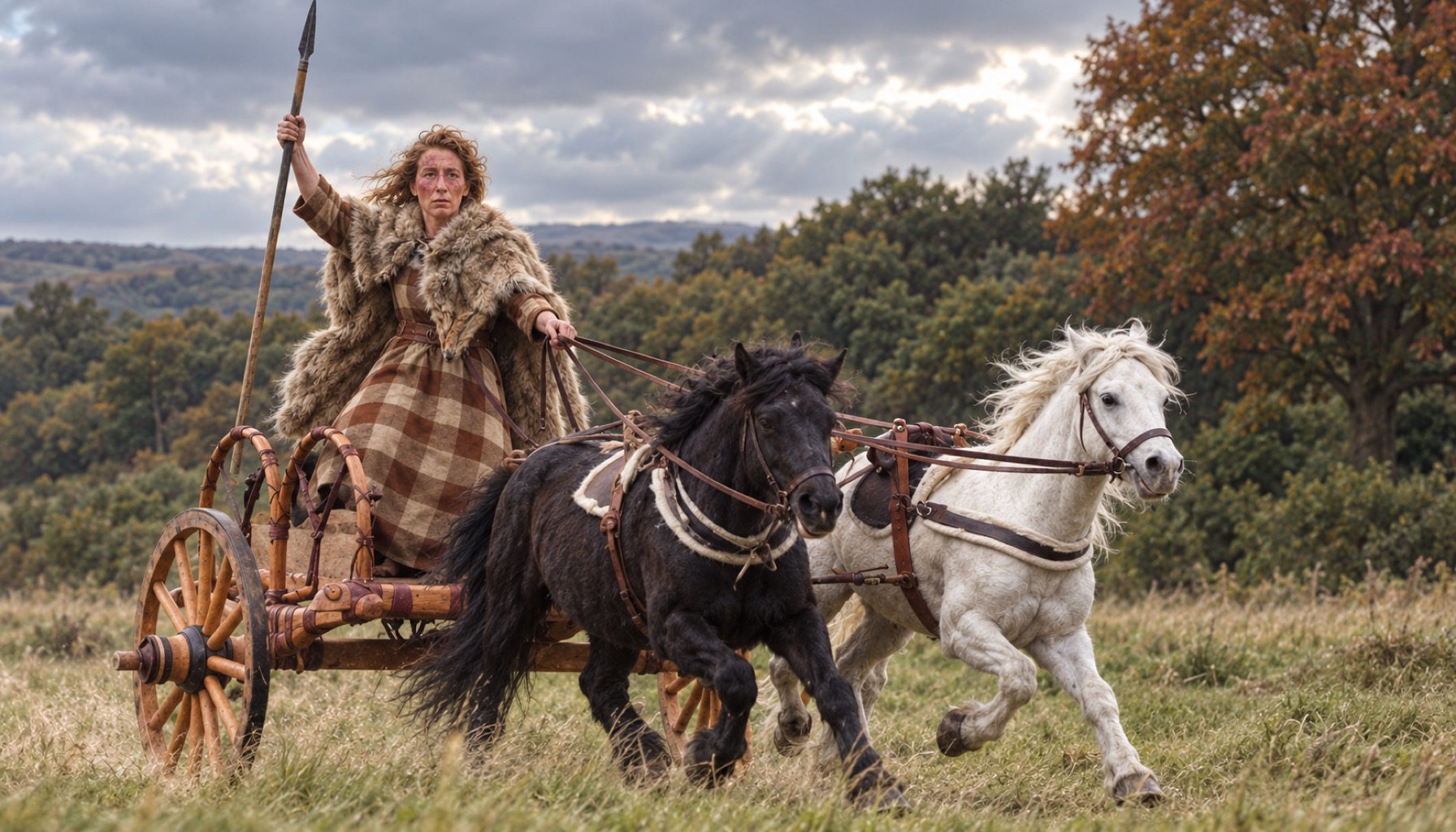
Haplogroups and Noble Lines Wetwang Chariot Woman The Wetwang Chariot Woman was an elite Iron Age Briton buried in East Yorkshire around 225 BC, in the world archaeologists call the Arras culture of pre-Roman Britain. She is historically important not because we know her personal name, rank, or family in the way we might for a Roman By Sven • 5 min read
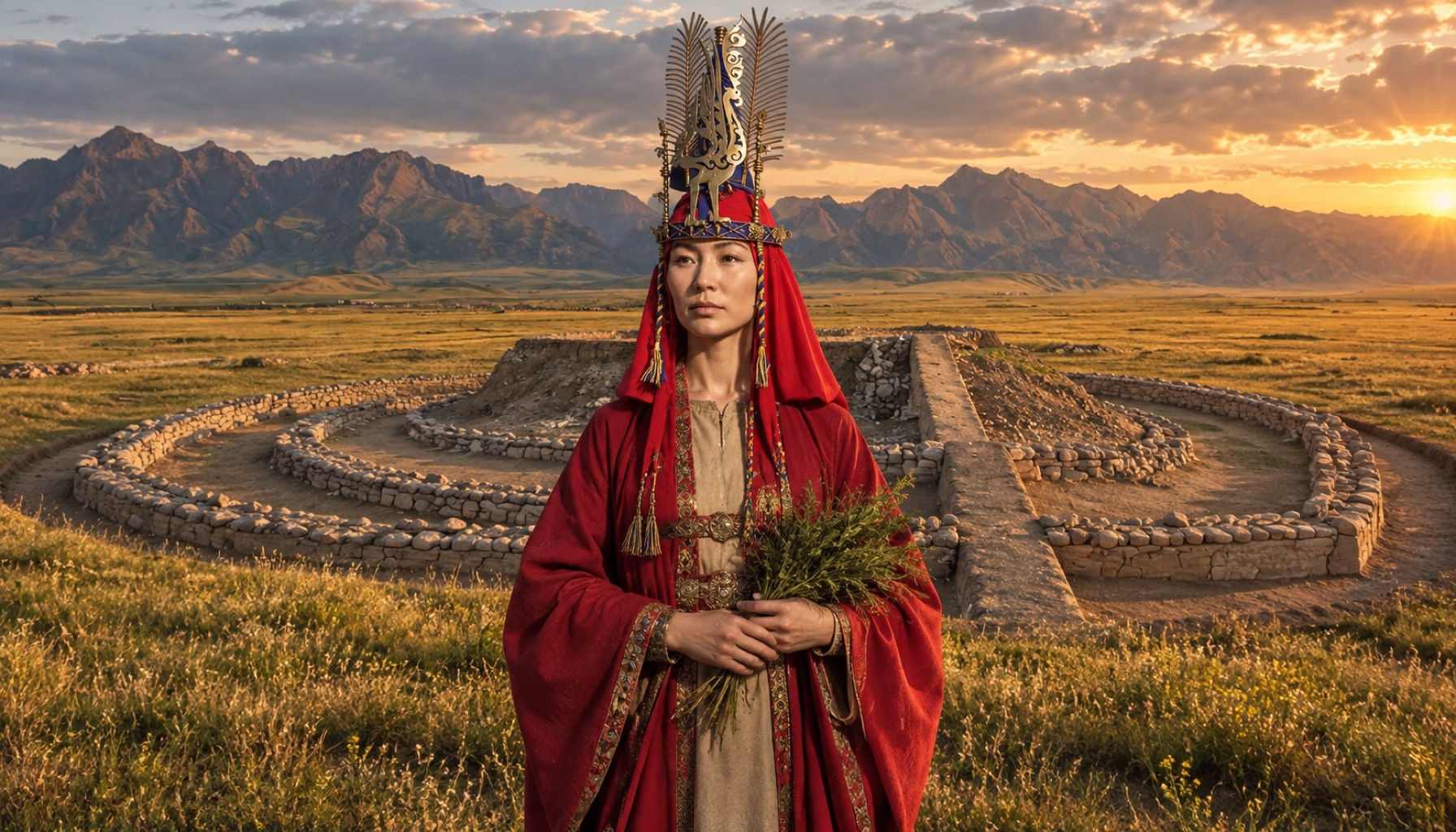
Haplogroups and Noble Lines Princess of Urdzhar The so-called Princess of Urdzhar was an elite Iron Age woman buried in eastern Kazakhstan around 423 BC, in the broad cultural world archaeologists call Saka, part of the wider Scythian horizon of the Eurasian steppe. She matters not because we know her personal name, but because her grave speaks By Caterina • 4 min read
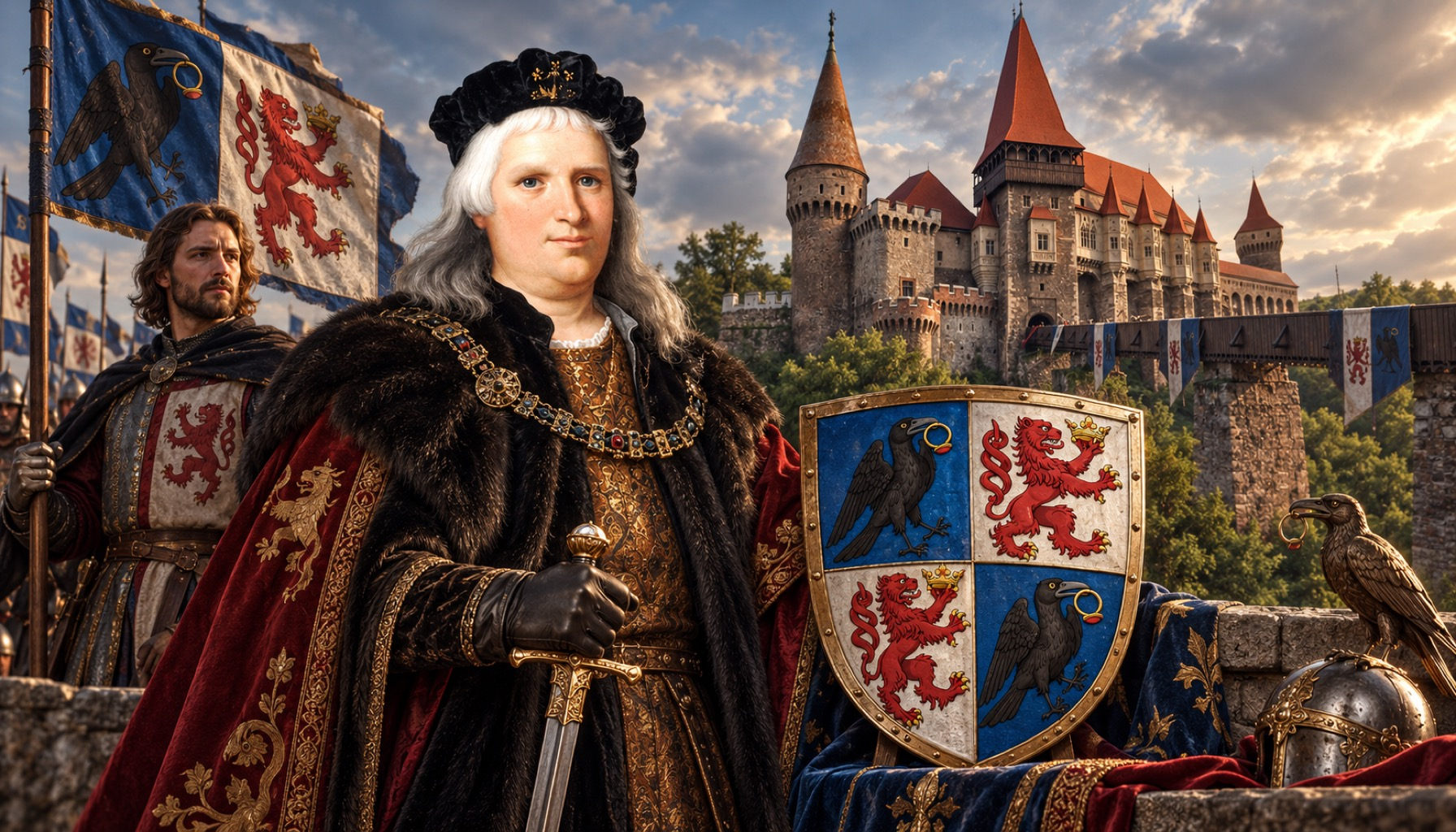
Haplogroups and Noble Lines Johannes Corvinus Johannes Corvinus stands at one of those awkward but fascinating junctions in late medieval history where dynastic ambition, aristocratic politics, and sheer bad luck all meet. He was the only known son of Matthias Corvinus, king of Hungary and Croatia, one of the most formidable rulers of 15th-century Central Europe. By Sven • 5 min read
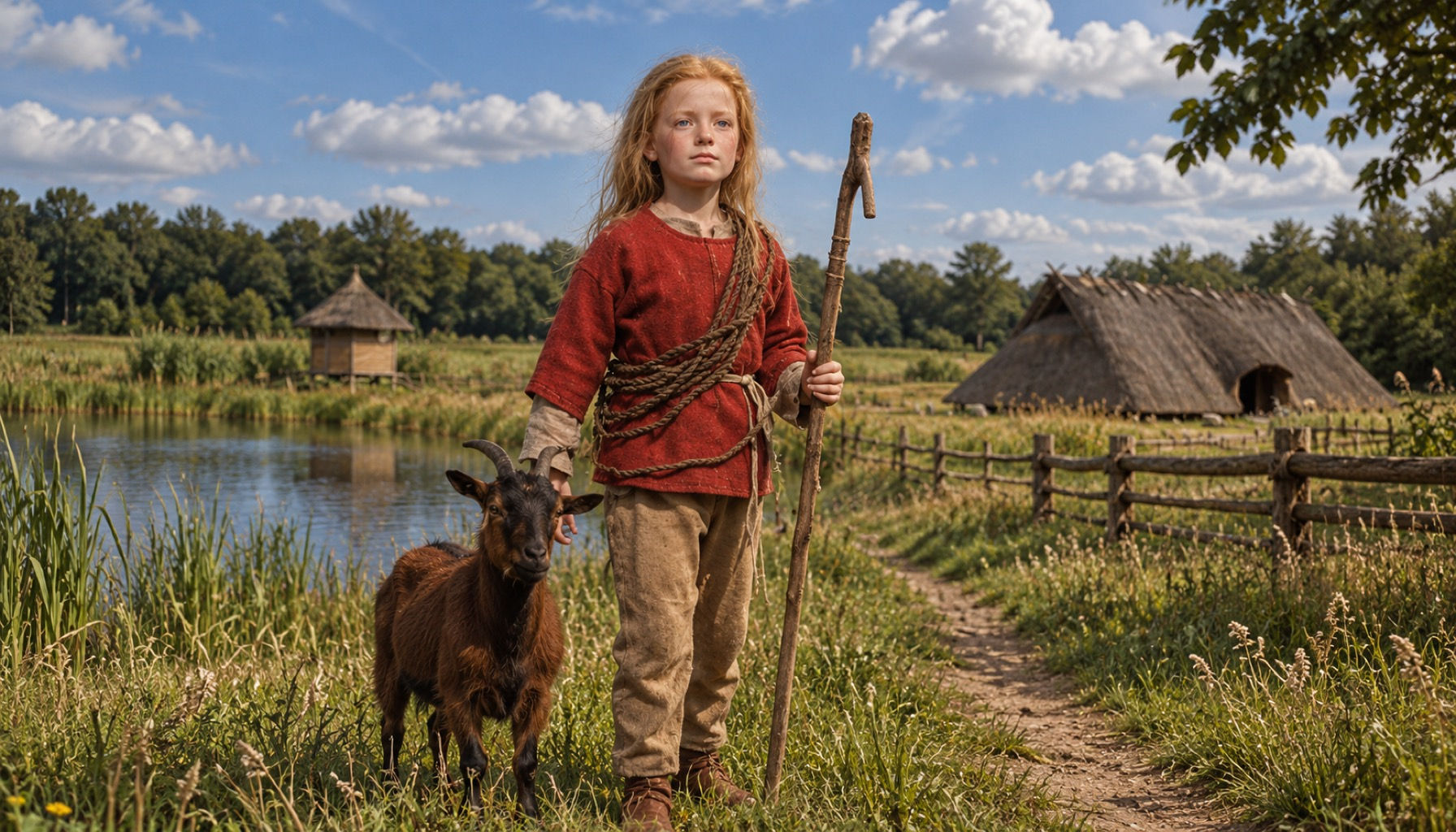
Haplogroups and Noble Lines Aak of the Frisian Terps Aak was a boy of the Late Iron Age, living around 200 BC in the coastal wetlands of what is now the Netherlands, long before Roman authors began labeling and classifying the peoples of the North Sea world. His remains, found at Uitgeest-Dorregeest in Holland, have become unexpectedly important because By Sara V • 4 min read
Haplogroups and Noble Lines Anna of Antioch Anna of Antioch was one of those medieval women whose life makes the map of the 12th century suddenly look smaller and more connected. Born into the world of the Crusader states, she was the daughter of Raynald of Chatillon, Prince of Antioch and later lord of Oultrejordain, a figure By Sara V • 5 min read
Haplogroups and Noble Lines Princess of Hassleben The woman conventionally known as the Princess of Hassleben was buried in Thuringia in one of the most spectacular elite graves of the Germanic world in what archaeologists call the Roman Iron Age. She lived beyond the formal frontiers of the Roman Empire, yet her burial makes plain that the By Sara V • 4 min read
Haplogroups and Noble Lines Amesbury Archer The Amesbury Archer was a man of the Early Bronze Age, buried near Stonehenge around 2300 BC in what is still one of the richest prehistoric graves ever found in Britain. He is important not because we know his personal name, tribe, or office—we do not—but because his By Sara V • 5 min read
Haplogroups and Noble Lines Bishop Teodomiro of Iria Flavia Bishop Teodomiro of Iria Flavia was an early medieval churchman in north-western Iberia, active in Galicia in the first half of the ninth century and traditionally associated with a discovery that changed the religious map of Europe. During his episcopate, a tomb found in Galicia was identified as the burial By Caterina • 5 min read