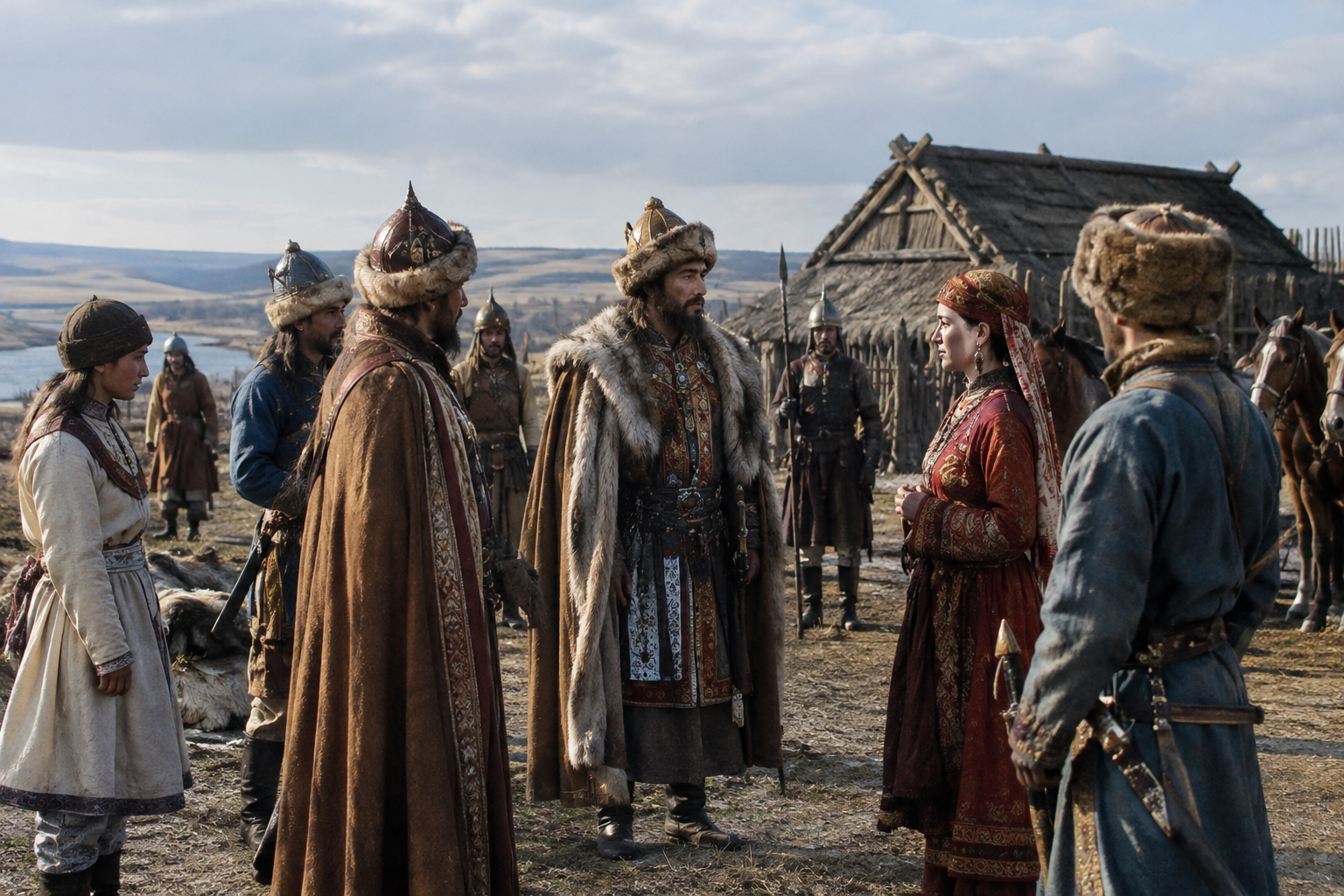
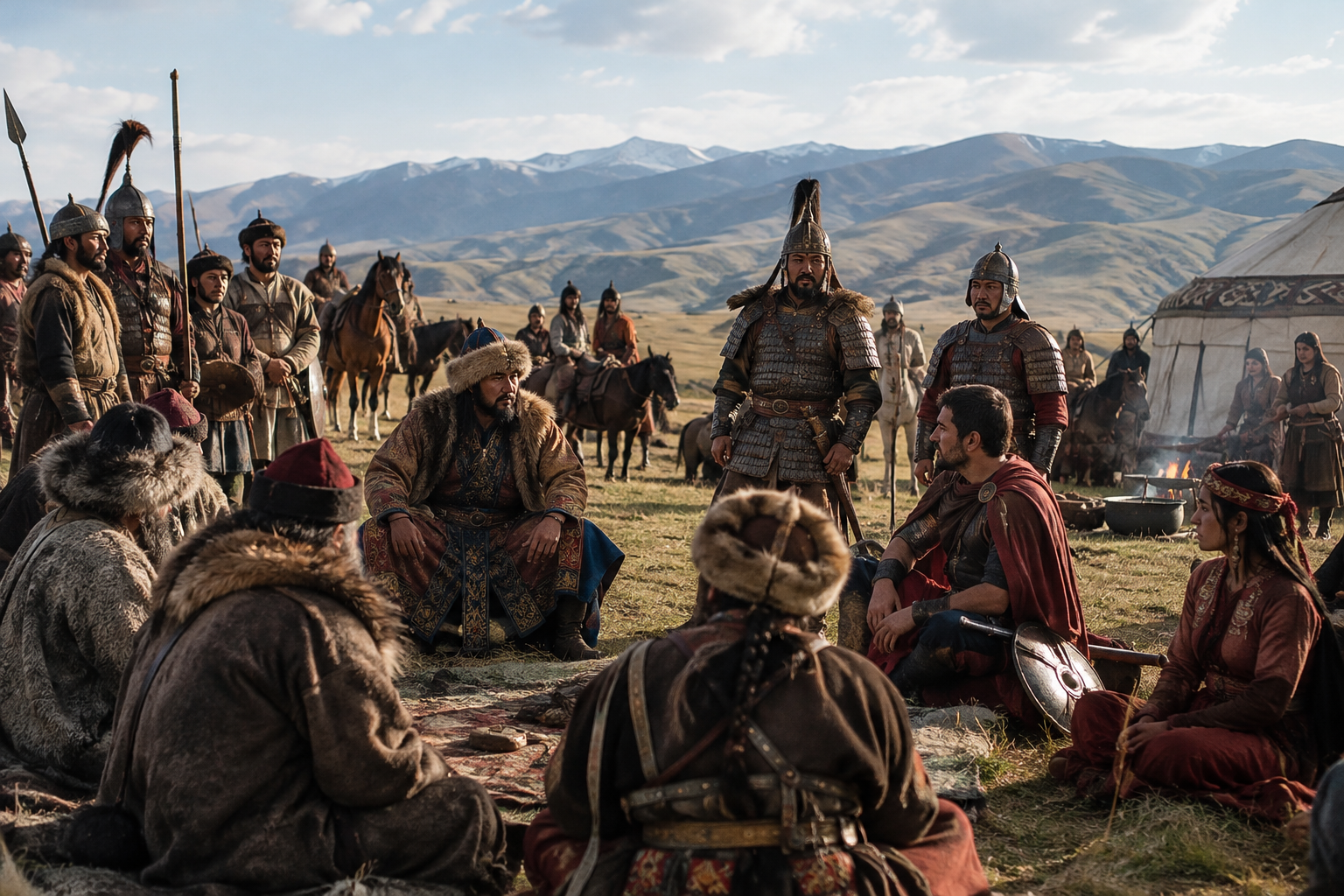
Haplogroups and Noble Lines Haplogroup Q1a2a1 There is something wonderfully disorienting about haplogroup Q1a2a1. Many readers will know haplogroup Q as a paternal lineage famous in the peopling of the Americas, yet one branch of that much larger family also turns up in ancient Eurasian contexts that pull us straight into the world of steppe riders, By Caterina • 6 min read
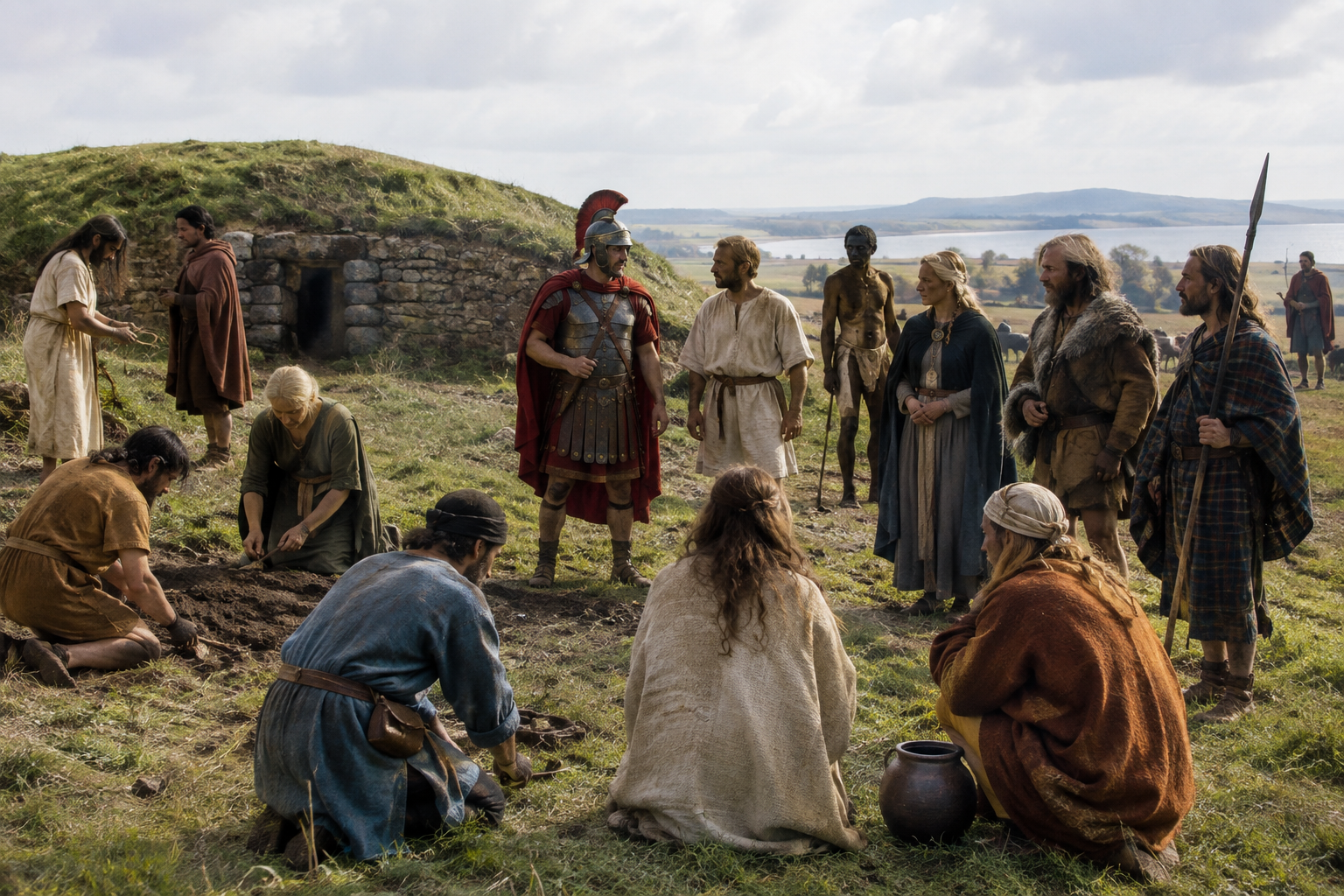
Haplogroups and Noble Lines Haplogroup I2a1a2a Some Y-chromosome lineages announce themselves with imperial drama. Others are more elusive, turning up in tombs, bog burials, island communities, and quiet rural cemeteries across long stretches of European prehistory. Haplogroup I2a1a2a belongs very much to the second category. It is historically interesting not because it can be pinned to By Caterina • 6 min read
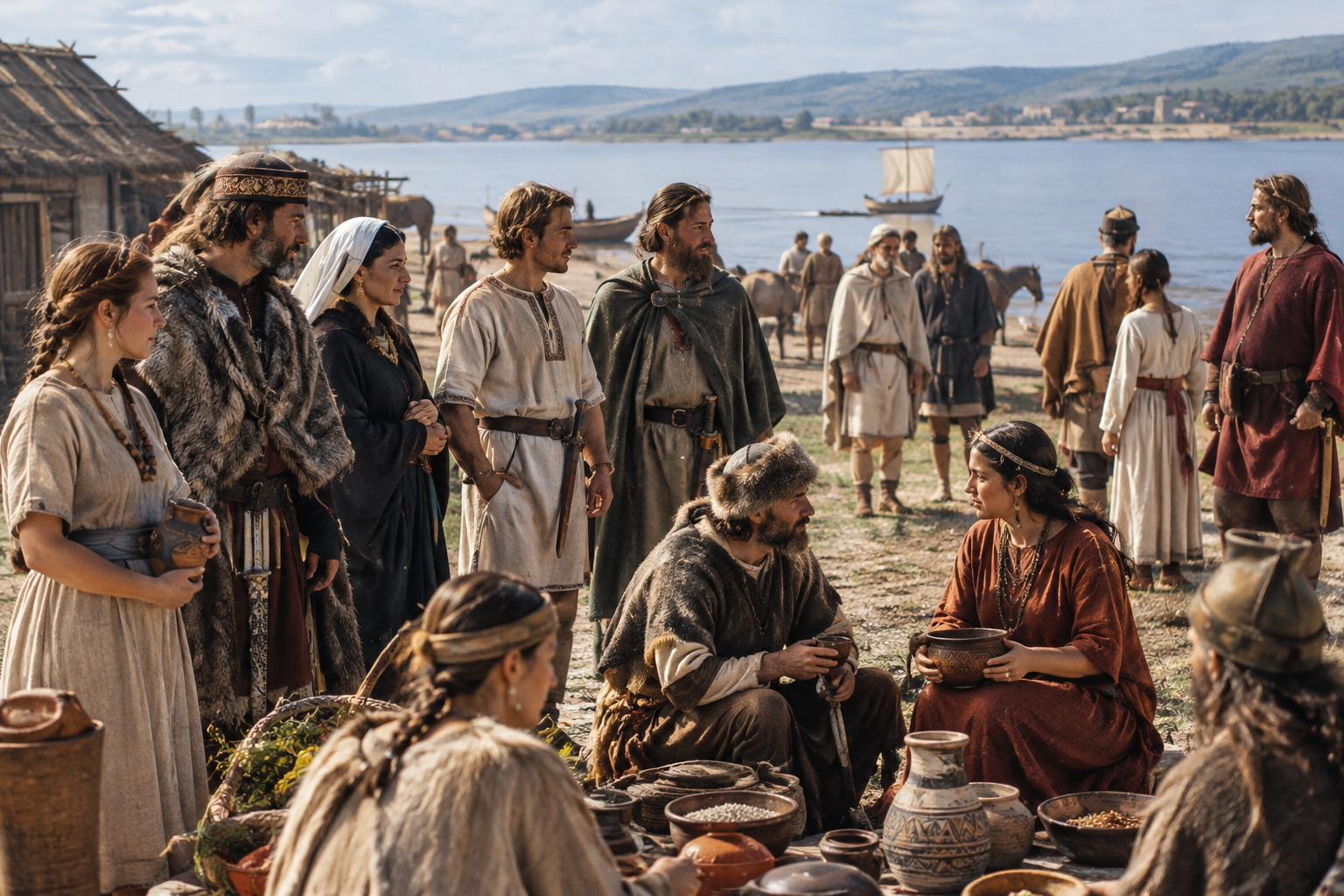
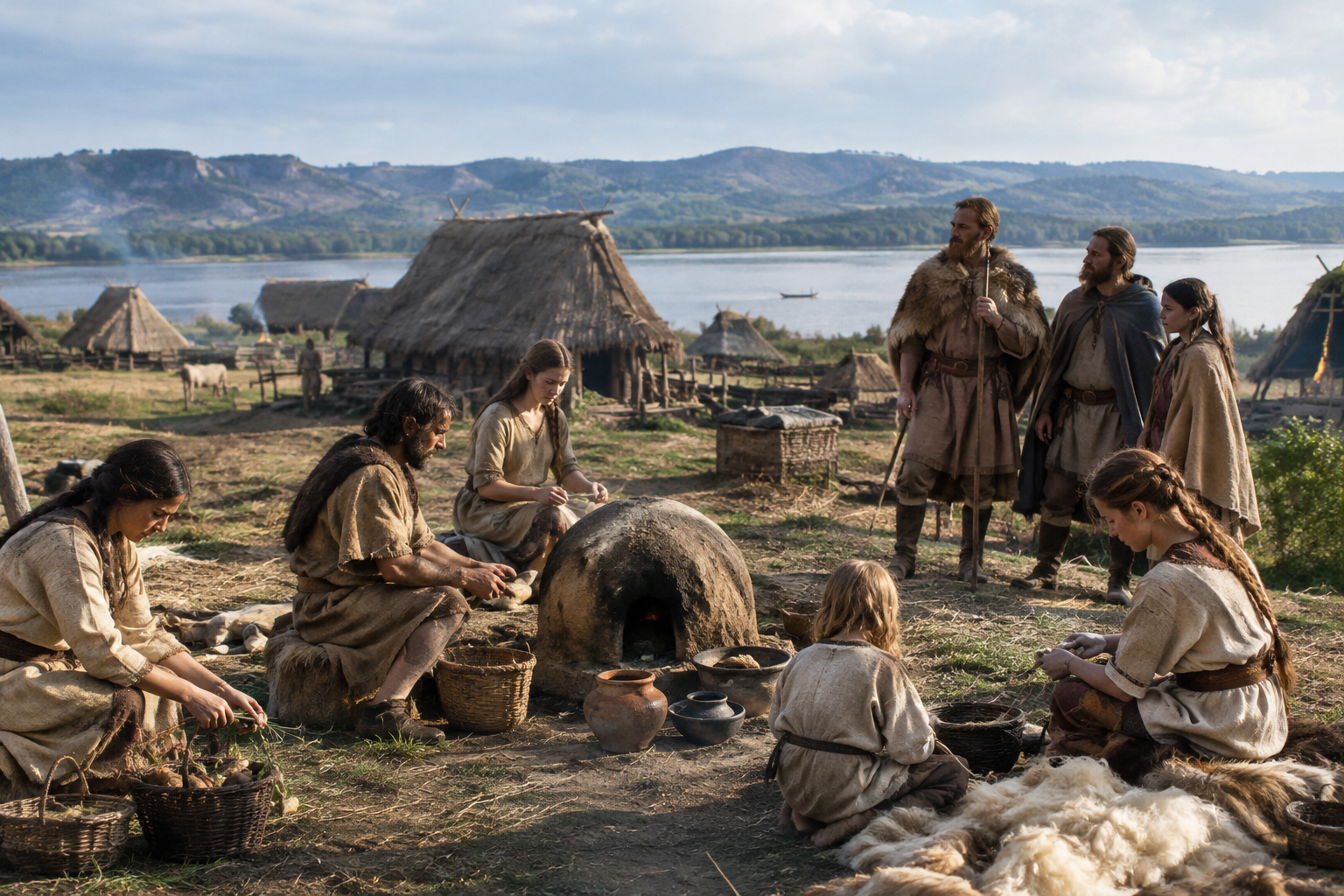
Haplogroups and Noble Lines Haplogroup G2a2b Some Y-DNA haplogroups arrive in the ancient DNA record with a bang: kings, warlords, or obvious imperial founders. G2a2b is more interesting than that. It appears instead as a stubborn, wide-ranging paternal line that turns up in early farming communities, Bronze Age societies, Mediterranean port worlds, Roman provinces, and the By Caterina • 6 min read
Haplogroups and Noble Lines Haplogroup R1b1a1b1b3 Some Y-chromosome lineages seem to sit quietly in the background of history until ancient DNA brings them into sudden view. Haplogroup R1b1a1b1b3 is one of those cases. It appears in a striking spread of archaeological contexts: among steppe-associated burials in Bronze Age Hungary and Moldova, in Afanasievo-related individuals deep in By Caterina • 6 min read
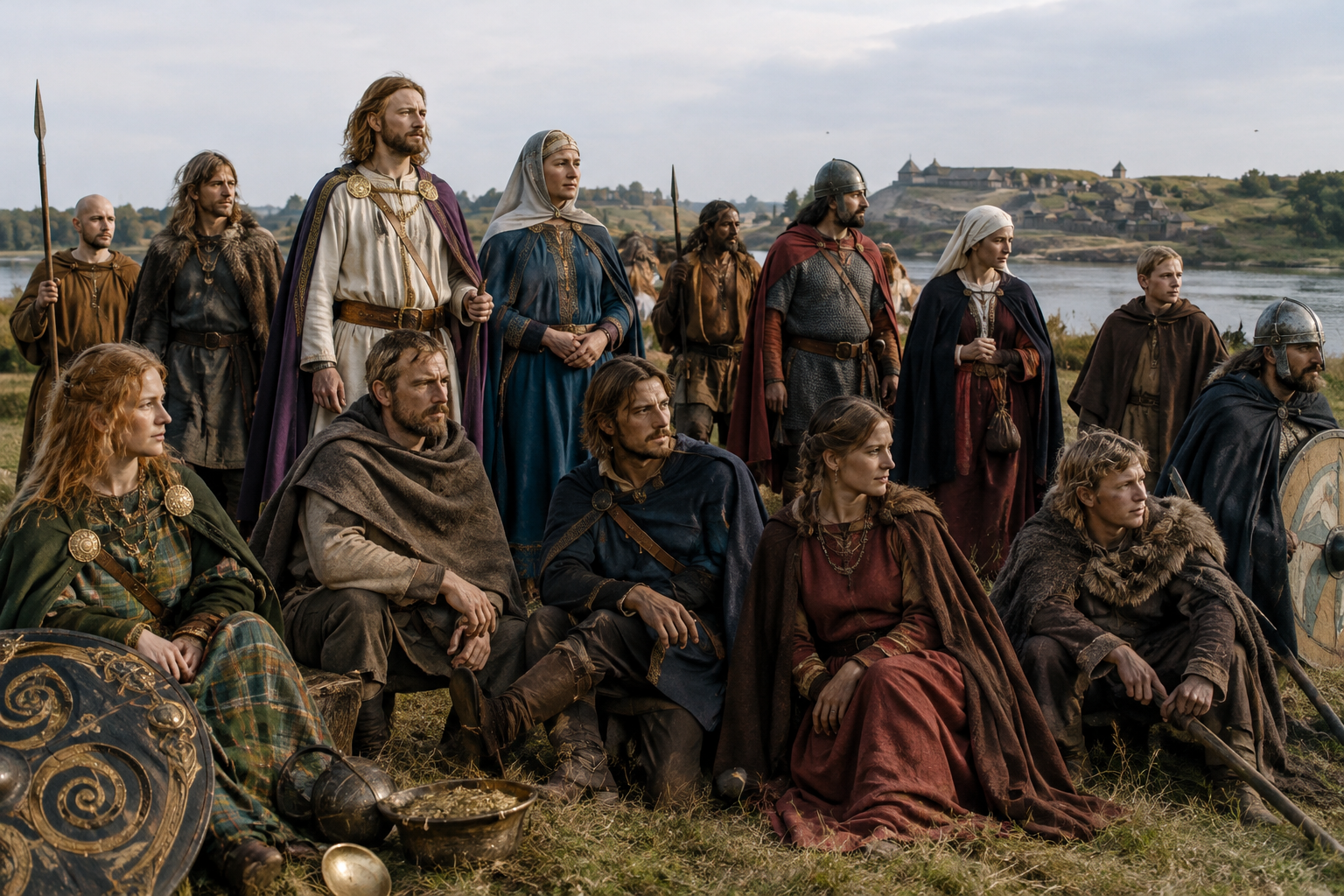
Haplogroups and Noble Lines Haplogroup R1b1a1b1a1a1c2b2b Some Y-DNA lineages appear in the record like sudden flashes: one burial, one region, one century. Others keep turning up in ways that make historians pause. The paternal lineage R1b1a1b1a1a1c2b2b is interesting for exactly that reason. In the material supplied here, it appears in an Iron Age elite Celtic burial By Caterina • 6 min read
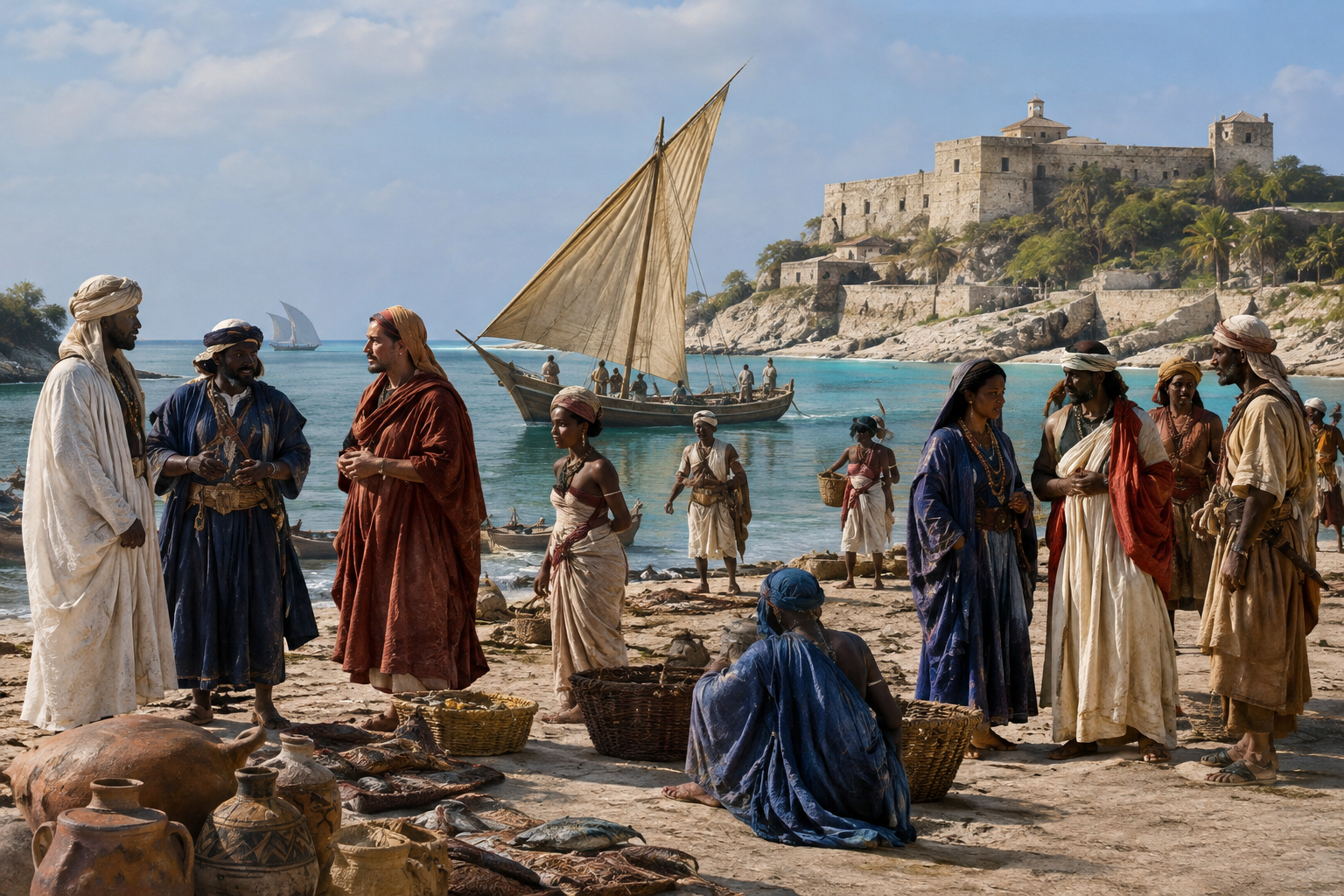
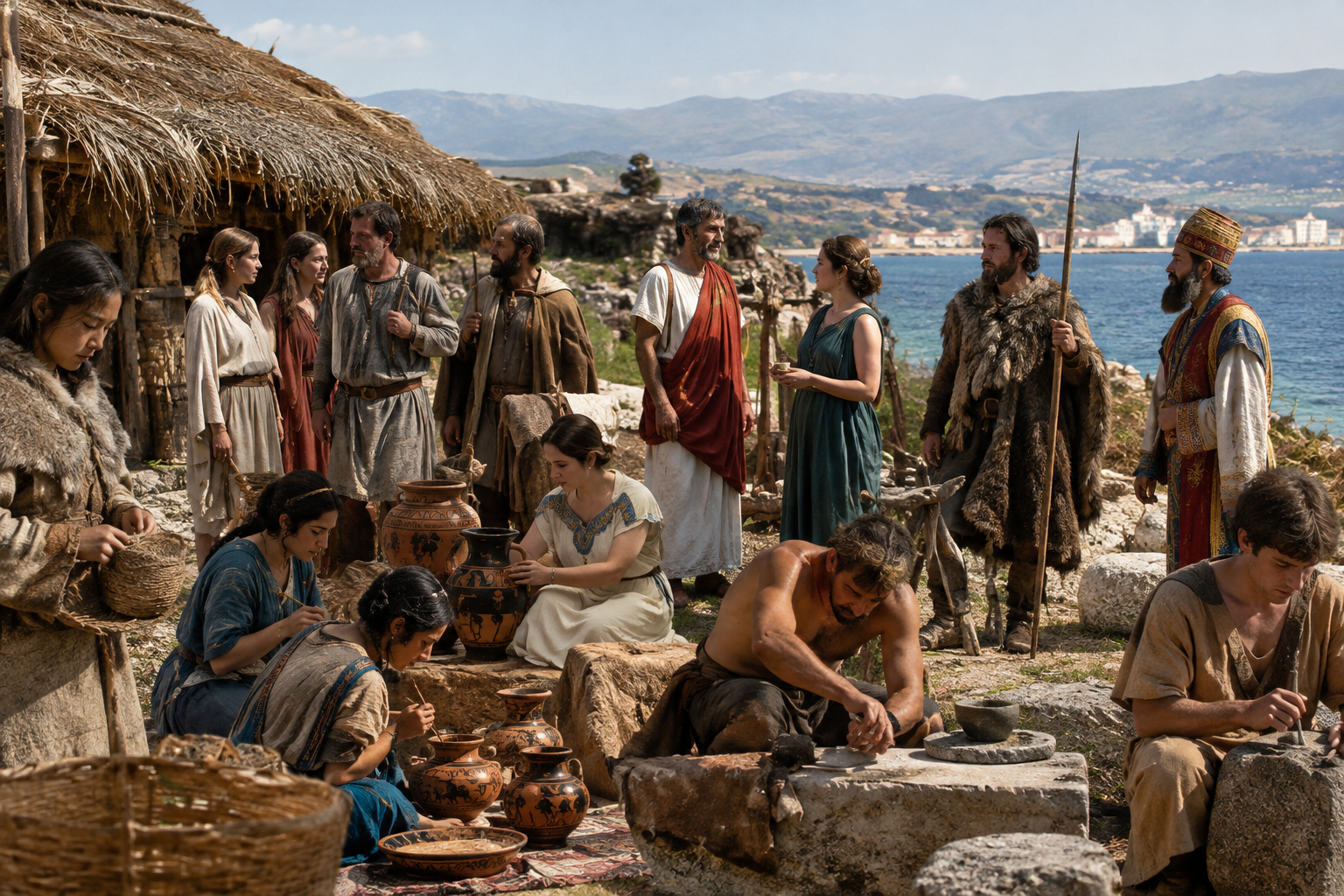
Haplogroups and Noble Lines Haplogroup J1a2a1a2d2b Some Y-DNA haplogroups announce themselves with a neat, tidy story. J1a2a1a2d2b does not. What makes it so interesting is precisely that it appears in places linked by sea lanes, empires, ports, and long-distance exchange: Punic Pantelleria, Roman Pannonia, the Byzantine Aegean, early medieval Iberia, Yemen, and the Swahili coast of By Caterina • 6 min read
Haplogroups and Noble Lines Haplogroup G2a2b2a1a1b1a1a2a Some Y-DNA lineages are loud in the historical record because they turn up in obvious places: royal tombs, famous dynasties, or well-known prehistoric expansions. Others are more interesting precisely because they refuse to stay in one box. Haplogroup G2a2b2a1a1b1a1a2a belongs to that second category. Its ancient trail, at least from By Caterina • 6 min read
Haplogroups and Noble Lines Haplogroup N Haplogroup N has one of the most intriguing distributions in the Y-chromosome tree. It is a paternal lineage now especially associated with northern Eurasia, and it turns up in places that make historians and geneticists stop and look twice: from Siberia to the Baltic, from the forest zone of northeastern By Caterina • 6 min read
Haplogroups and Noble Lines Haplogroup I2a1a2b1a1a Some Y-DNA haplogroups arrive in the record with trumpets. Others appear more quietly, in churchyards, riverine settlements, frontier villages, and cemeteries where the dead tell us, if not a grand national saga, then something often more interesting: how paternal lines actually moved through lived history. Haplogroup I2a1a2b1a1a belongs to that By Caterina • 6 min read
Haplogroups and Noble Lines Haplogroup J1a2a1a2 Some Y-DNA haplogroups announce themselves with a neat, single homeland and a tidy route across history. J1a2a1a2 is not one of them. What makes it so interesting is that the evidence we have for this paternal line appears in places that force us to think about the ancient world as By Caterina • 6 min read
Haplogroups and Noble Lines Haplogroup G2a2b2a1a1b1a Some Y-chromosome lineages seem to sit still in the historical record. Others appear, disappear, and then turn up somewhere entirely different, like a familiar surname in a parish register three counties away. Haplogroup G2a2b2a1a1b1a belongs to a wider paternal family with very old roots in prehistoric Europe, and what makes By Caterina • 6 min read
Haplogroups and Noble Lines Haplogroup E1b1b1a1b2 Some Y-chromosome lineages seem to sit quietly in the record for centuries, then suddenly turn up in places that make historians stop and look twice. Haplogroup E1b1b1a1b2 is one of those lineages. It belongs within the wider E1b1b branch, a major paternal family with deep importance in the history of By Caterina • 6 min read
Haplogroups and Noble Lines Haplogroup J2a1a1a2 Haplogroup J2a1a1a2 is the sort of Y-DNA lineage that reminds us how misleading tidy historical boxes can be. It belongs to the wider J2 branch, a paternal line often associated in broad terms with the eastern Mediterranean, Anatolia, the Aegean, and parts of the Near East. But once we narrow By Caterina • 6 min read
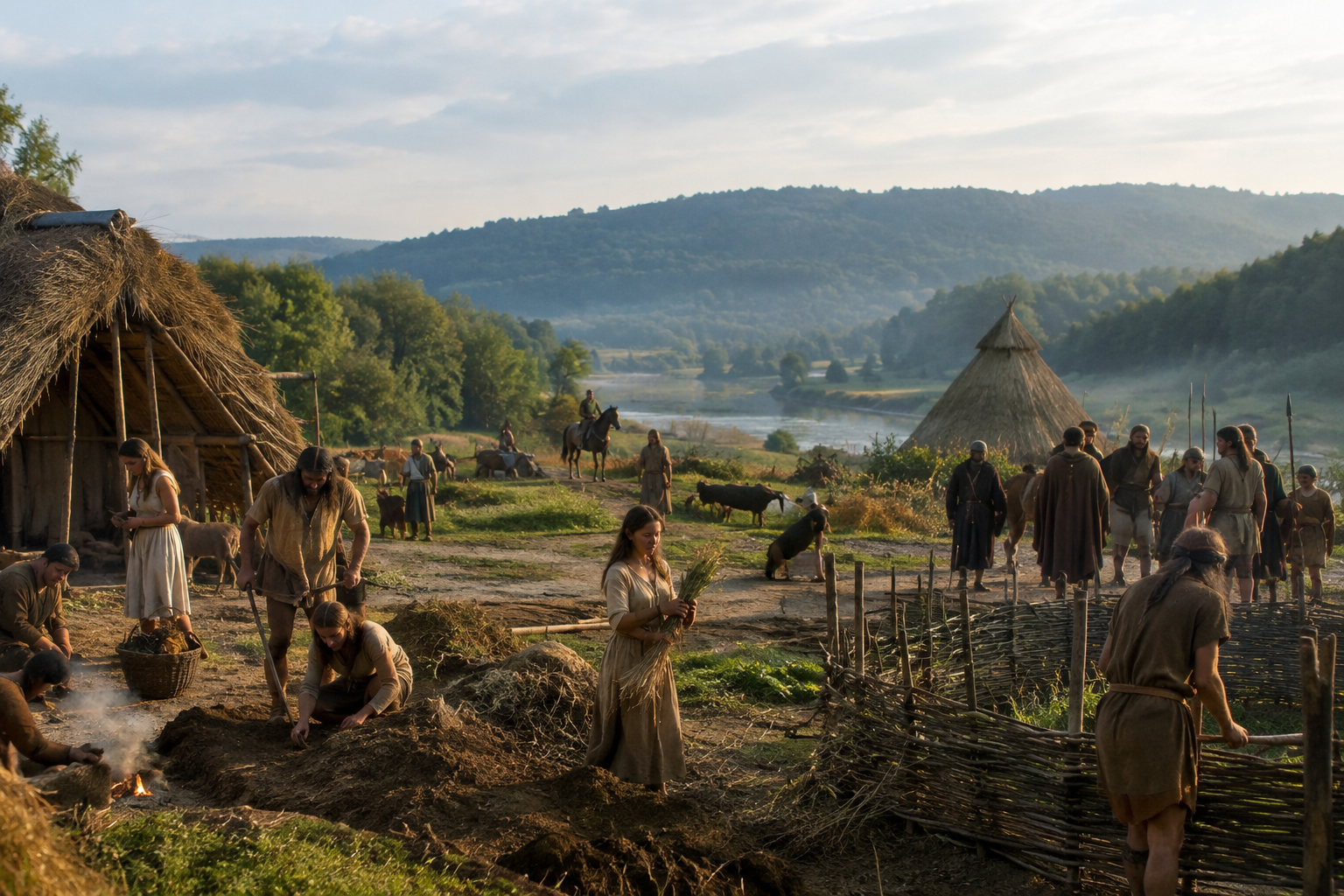
Haplogroups and Noble Lines Haplogroup I2a1a1a Some Y-chromosome lineages announce themselves with kings and conquerors. Haplogroup I2a1a1a is more interesting than that. It turns up not as the banner of a single famous people, but as a stubborn, recurring paternal line in prehistoric and ancient Europe: in caves, farming settlements, battlefield dead, and later communities stretching By Caterina • 6 min read
Haplogroups and Noble Lines Haplogroup G2a2b2a1 Some Y-DNA haplogroups announce themselves with royal swagger. G2a2b2a1 is more subtle. It turns up not as the banner of one empire or one famous people, but as a recurring paternal thread in places that matter enormously to European and Mediterranean history: Neolithic France, Iron Age Italy, Roman and post-Roman By Caterina • 5 min read
Haplogroups and Noble Lines Haplogroup I2a1b1a2b Some Y-DNA haplogroups arrive in history with trumpets and banners. Others appear more quietly, in river gorges, early farming cemeteries, island tombs, and frontier burials where the Roman world was fraying at the edges. Haplogroup I2a1b1a2b belongs to that second category. It is interesting not because it can be tied By Caterina • 6 min read
Haplogroups and Noble Lines Haplogroup R1a1a1b2a2a3 Some Y-DNA branches are famous because they turn up in obvious places: medieval kings, named dynasties, church crypts, battle graves. Haplogroup R1a1a1b2a2a3 is interesting for a rather different reason. Its story emerges across the great corridor of Eurasia, from Bronze Age burials in southern Siberia and the western steppe to By Caterina • 6 min read
Haplogroups and Noble Lines Haplogroup R1b1a1b1a1a1c Some Y-chromosome lineages announce themselves with a grand royal label. Others turn up in a more interesting way: in cemeteries, in warrior burials, in plague graves, and at castles where the written record begins to overlap with genetics. Haplogroup R1b1a1b1a1a1c belongs to that second category. It sits inside the wider By Caterina • 6 min read
Haplogroups and Noble Lines Haplogroup E1b1b1a1 There is something wonderfully awkward, in the best historical sense, about haplogroup E1b1b1a1. It refuses to sit neatly inside modern national boxes. Instead, it appears across a broad sweep of the Mediterranean, the Balkans, parts of Africa, and later medieval Europe, turning up in contexts that remind us how mobile By Caterina • 6 min read
Haplogroups and Noble Lines Haplogroup J2b2a1a1a1b2 Some Y-DNA haplogroups announce themselves with royal swagger. Others turn up more quietly, in hill forts, caves, trading ports, and provincial Roman cemeteries, and end up telling the more interesting story. Haplogroup J2b2a1a1a1b2 belongs to that second category. It sits within the wider J2 branch of the Y-chromosome tree, a By Sven • 6 min read
Haplogroups and Noble Lines Haplogroup J2b There is something particularly arresting about haplogroup J2b because it keeps turning up in places where old routes crossed: the Caucasus, Iran, Anatolia, the Levant, the Adriatic, the Roman Balkans, medieval Italy, Yemen, and even late medieval Germany. Not one empire, not one people, not one language. Instead, J2b appears By Sven • 6 min read
Haplogroups and Noble Lines Haplogroup R1b1a1 There is something gloriously awkward about broad Y-DNA labels. They look neat on a chart, but history is not neat. Haplogroup R1b1a1 sits inside one of the major paternal lineages of western Eurasia, and that makes it historically important, but also easy to oversimplify. The temptation is to turn it By Sven • 6 min read
Haplogroups and Noble Lines Haplogroup I1a2 Some Y-DNA haplogroups announce themselves with a bang across vast stretches of Eurasia. Others are more revealing in a different way: they appear, again and again, in precisely the places where historians have long argued about movement, settlement, and identity. I1a2 belongs to that second category. It sits within the By Sven • 6 min read
Haplogroups and Noble Lines Haplogroup R1a1a1b1a3 Some Y-DNA branches announce themselves with a bang across vast imperial histories. Others are more interesting precisely because they appear in glimpses: a burial in Bronze Age Norway, a Viking Age grave in Sweden, a Longobard-period individual in Pannonia, and then a cluster of medieval men in Scandinavia. Haplogroup R1a1a1b1a3 By Sven • 6 min read