Haplogroup G2a2b

– 6 min read


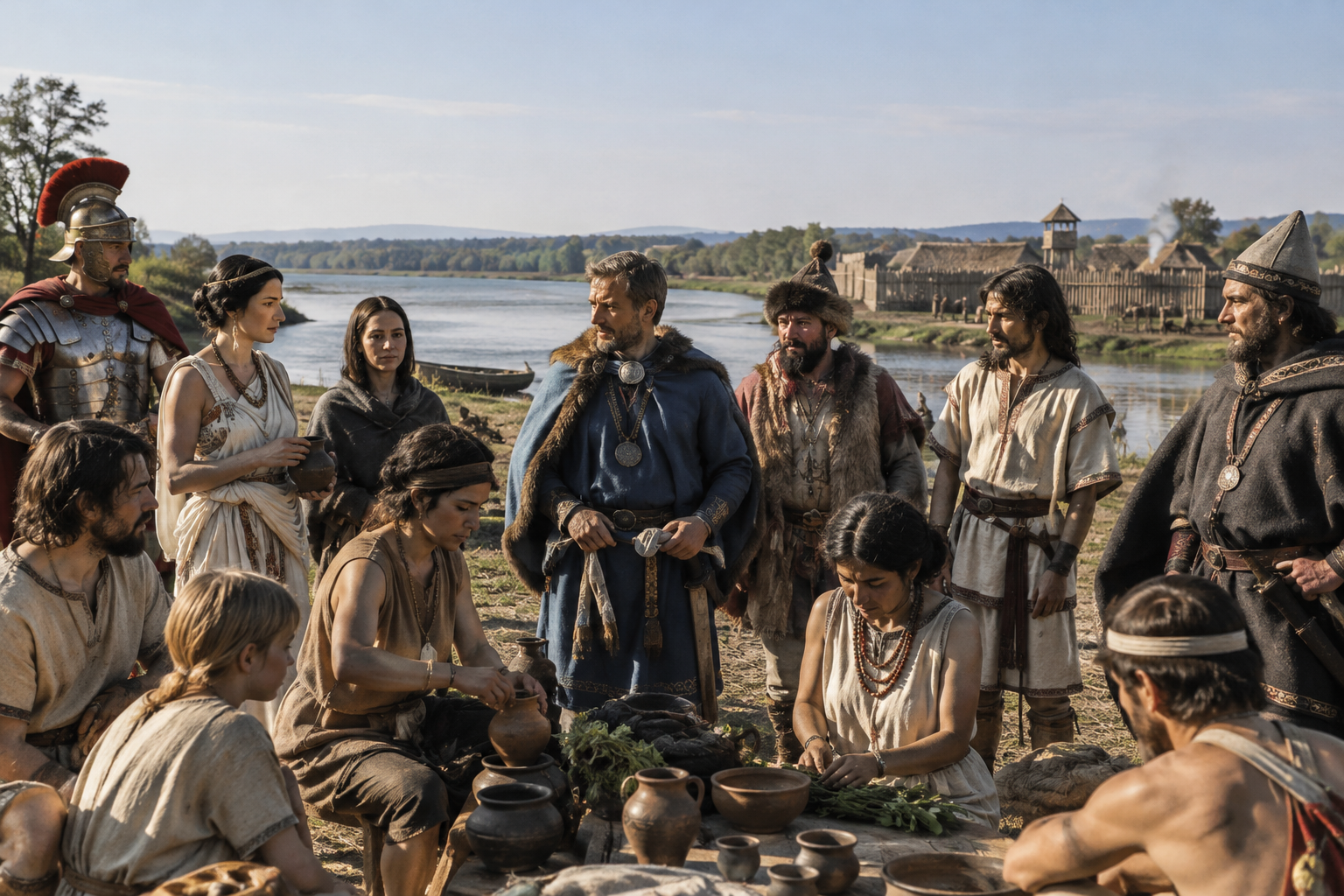
Some Y-DNA haplogroups arrive in the ancient DNA record with a bang: kings, warlords, or obvious imperial founders. G2a2b is more interesting than that. It appears instead as a stubborn, wide-ranging paternal line that turns up in early farming communities, Bronze Age societies, Mediterranean port worlds, Roman provinces, and the unsettled centuries after Rome. If you want a haplogroup that reminds us history is not made only by conquerors but by long continuity, local survival, and movement across many ordinary and extraordinary lives, G2a2b is a good place to look.
As a Y-chromosome lineage, G2a2b traces one direct paternal line only: father to son across many generations. It does not describe a person's full ancestry, and sharing a haplogroup with an ancient individual does not mean close kinship. Still, these paternal branches can be remarkably revealing. Within the wider haplogroup G tree, branches of G2a are well known in discussions of early farmers in Europe and western Asia. What makes G2a2b especially intriguing is how the supplied ancient samples place it across a broad arc from Anatolia and the Balkans to France, Sardinia, Britain, Pannonia, and even into the world of the Hungarian conquest.
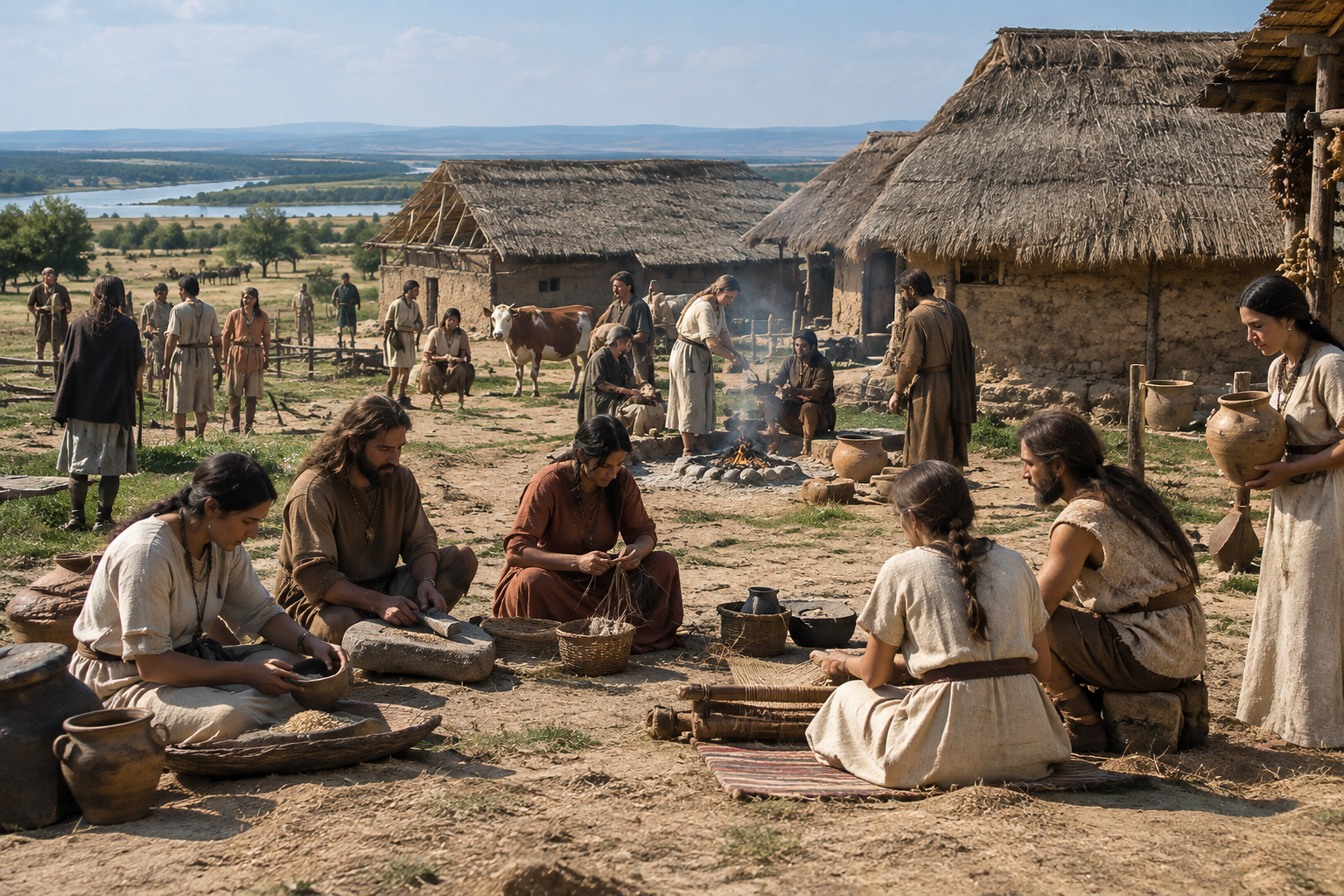
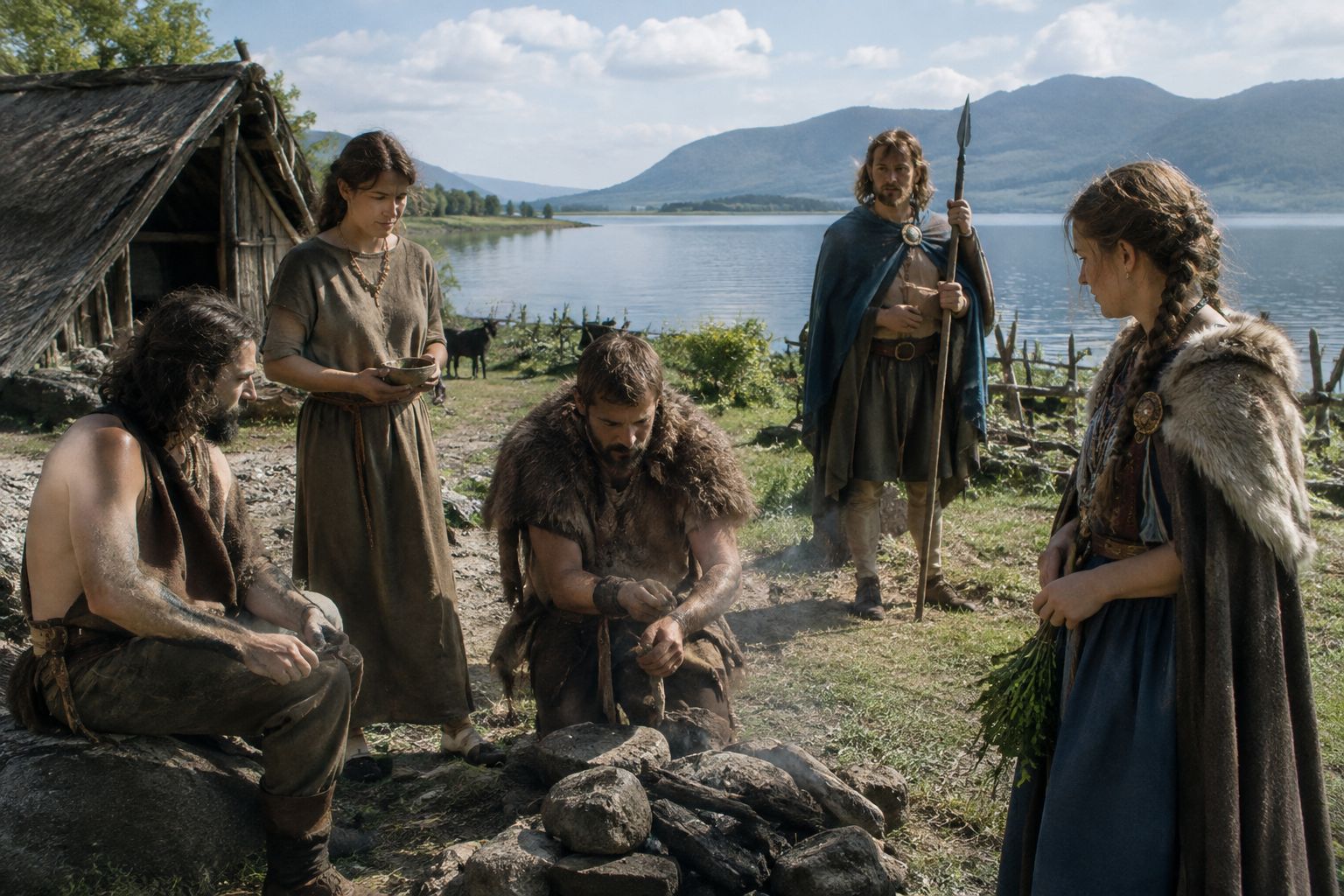
The broad background of haplogroup G is closely associated with early agricultural populations moving between Anatolia and Europe. That does not mean every branch followed exactly the same route or survived equally in every region. But G2a2b fits comfortably into that larger story of early Neolithic expansion and later regional persistence.
One of the earliest clues here is HBS004, from Neolithic France, dated to 4300 BC. That alone tells us something important: a paternal line connected with G2a2b was present far into western Europe during the farming era. Another early marker comes from IKI019 at Ikiztepe, Black Sea Anatolia, dated to 3300 BC. Anatolia has long been central to discussions of Neolithic and post-Neolithic population history, so this sample helps anchor G2a2b in a landscape that mattered enormously for the spread of people, crops, and technologies.
Between those two poles sits YUN015 from Early Bronze Age Bulgaria, Yunatsite, dated to 3120 BC. Bulgaria, of course, is no obscure backwater in prehistory. It lies at one of Europe's great crossroads, where movements from Anatolia, the Balkans, and the steppe could meet, mix, or bypass one another. G2a2b in this context suggests not a vanished Neolithic relic, but a lineage still present as society changed dramatically in the Copper and Bronze Ages.
Explore the Neolithic expansion
The Greek world adds another layer. I13428, from Illyrian Mycenaean Phokis Delphi Greece, dated to 1310 BC, places this paternal branch in the wider Aegean sphere during the Late Bronze Age. Delphi would later become famous as a sanctuary, but long before its classical celebrity the region was already part of a connected world of uplands, coasts, exchange, and local power. G2a2b here is a reminder that the paternal landscape of the Bronze Age Aegean was varied, not reducible to a single heroic-age stereotype.
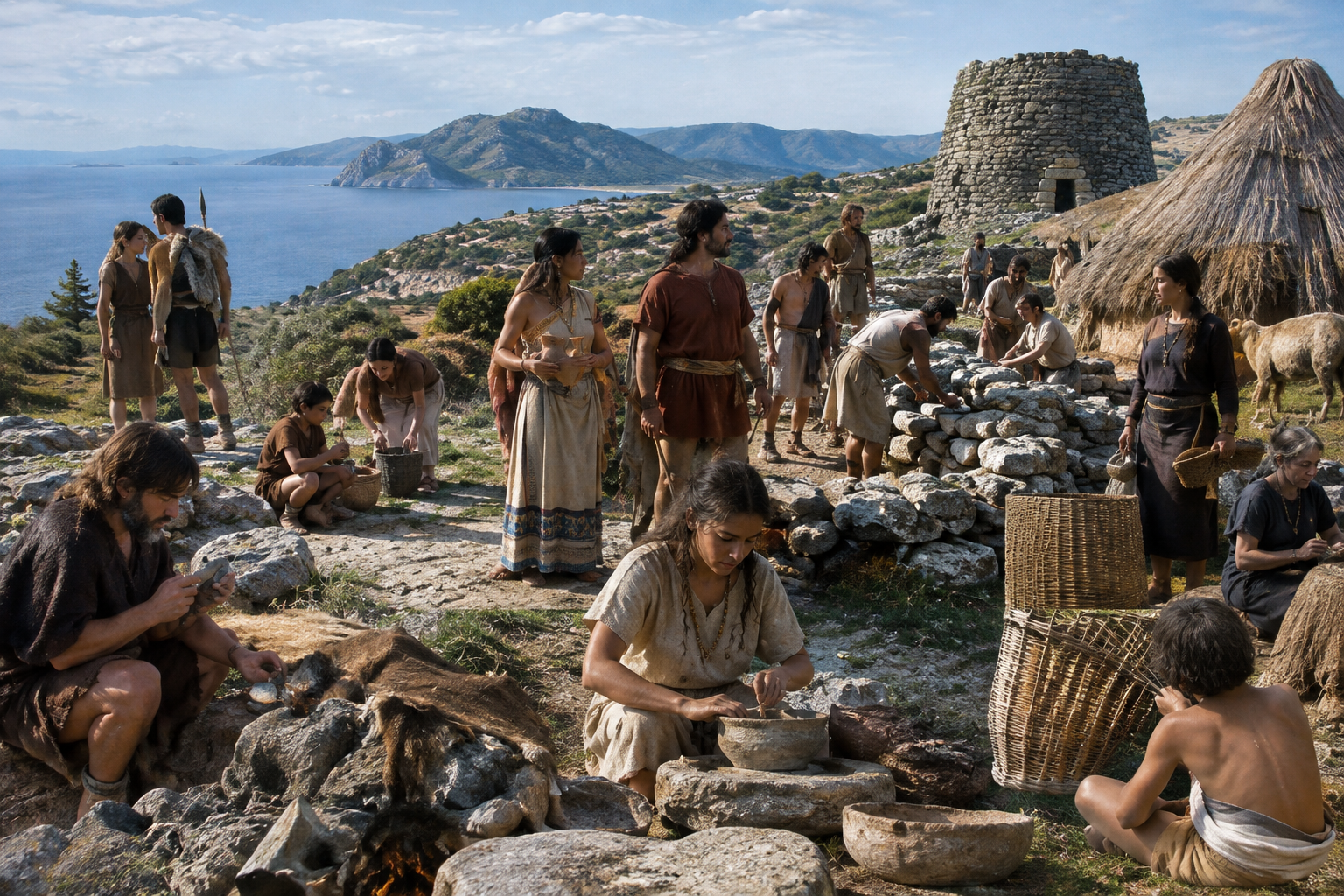
By the Iron Age and classical periods, G2a2b appears in settings that show just how mobile and regionally persistent paternal lines could be. CGG023688 from Gallic France Les Moidons, dated to 455 BC, places the lineage in Iron Age Gaul. Then there is I21987 from Phoenician Era Tharros Italy Sardinia, dated to 500 BC. That Sardinian sample is especially evocative. Tharros was part of a Mediterranean world of sailors, merchants, colonists, and local communities. A G2a2b-associated paternal line there should not be lazily labeled "Phoenician" in any simplistic ethnic sense; rather, it illustrates the mixed human background of island societies tied to wider exchange networks.
The Roman centuries make the story even richer. DUX006, from Roman Era Cambridgeshire Duxford, dated to 112 AD, shows G2a2b in Roman Britain. In itself that does not tell us whether this man's paternal ancestors had been in Britain for centuries or arrived more recently through imperial movement. But it does show that by the early second century AD, this lineage was present in a Roman provincial setting far to the northwest.
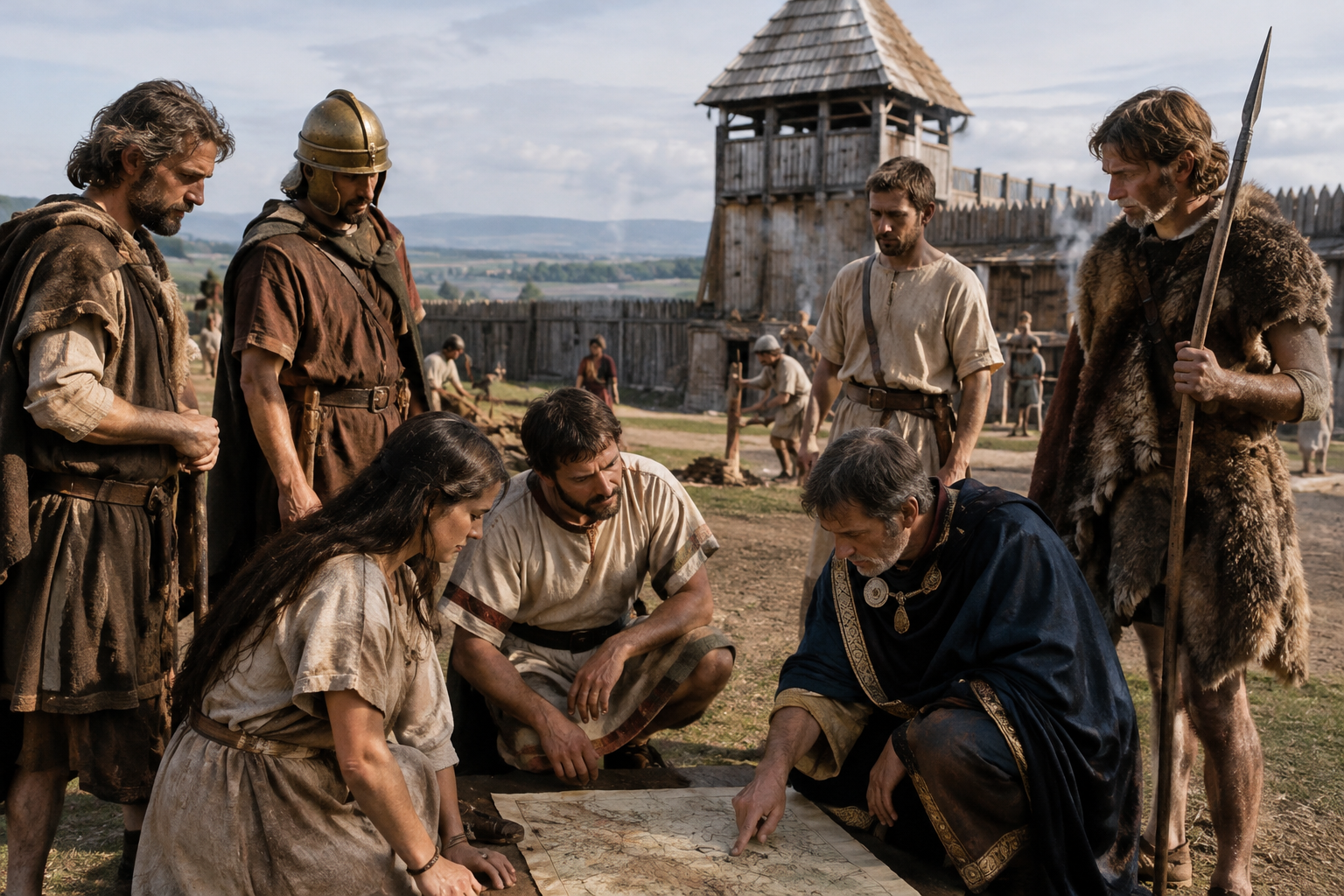
Further south-east, BBC022 from Imperial Roman Croatia Karlovac Pannonia Savia, dated to 275 AD, and GYS037 from Late Roman Pannonia Arrabona Szechenyi Square Hungary, dated to 425 AD, place the lineage firmly in the Danubian provinces. These were military, administrative, and commercial zones of constant traffic. Soldiers, settlers, traders, and families all moved through them. A paternal line like G2a2b could survive locally, arrive through migration, or do both across different branches and times.
Discover ancient DNA from Italian islands
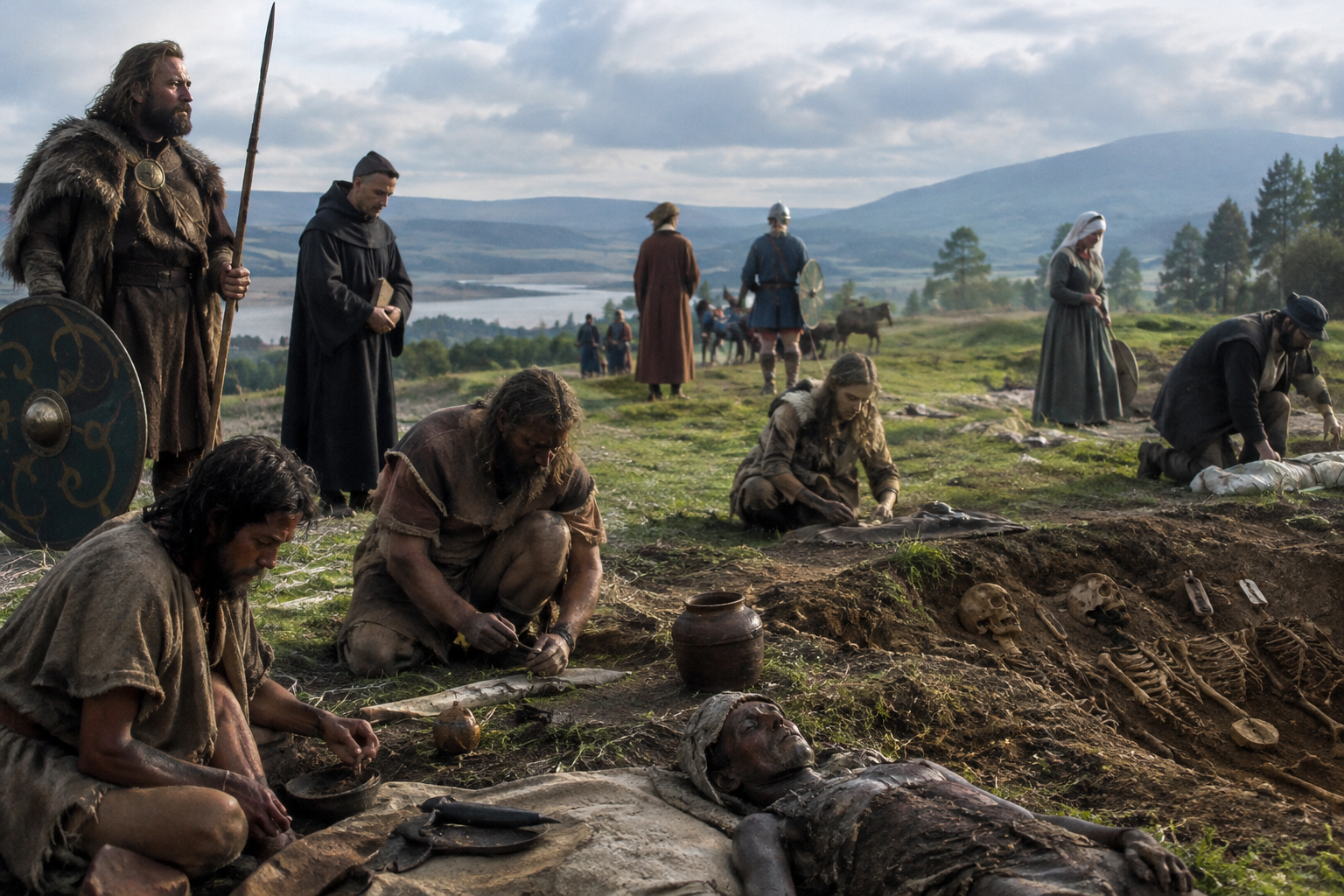
That complexity becomes sharper after Rome's authority weakened. SZL056 from Post Roman Period Pannonia Savaria Szeleste Barbaricum Hungary, dated to 525 AD, and MFC019 from Post Roman Period Pannonia Arrabona Menfocsanak Barbaricum Hungary, dated to 550 AD, belong to the murky centuries when "Roman" and "barbarian" are often treated as if they were neat categories. They were not. These burials suggest the continued presence of G2a2b in a frontier society where old provincial communities, newcomers, and mixed local groups overlapped.
If there is one region that stands out in this sample set, it is Pannonia and the Little Hungarian Plain. From the late Roman to post-Roman period, G2a2b appears repeatedly there. That pattern does not prove uninterrupted father-to-son continuity from one grave to the next, but it does point to a durable regional presence.
Then comes a striking outlier: K2per33_GE, from Hungarian Conqueror Karos II Outlier, dated to 900 AD. The Karos cemeteries belong to the era of the Hungarian conquest, often associated with mobile elites and steppe-linked ancestry. An outlier carrying this paternal background is a useful warning against overtidy historical models. Conquest-period societies were not genetically uniform, and paternal lines from older European populations could persist within, beside, or among incoming political formations.
In other words, G2a2b is not the haplogroup of one people, one language, or one kingdom. It is a lineage that appears in farmers, Iron Age communities, Roman provincials, frontier populations, and early medieval groups. That breadth is precisely what makes it historically valuable.
The supplied noble family field is empty, and that is worth saying plainly rather than pretending otherwise. So we are not in a position to tie G2a2b to a named dynasty, a medieval lordship, or a castle with any article-specific evidence. That may seem a limitation, but it is actually a useful reminder of how genetics and history work differently.
Written genealogies usually begin late and favor elites. Ancient DNA often begins early and favors whoever happened to be excavated and sampled. The gap between a Neolithic burial in France, a Roman-period man in Duxford, and a medieval noble pedigree is enormous. Sometimes it can be bridged with careful evidence; often it cannot. The honest answer for G2a2b in this case is that the ancient record is strong, while the supplied noble-family connection is not.
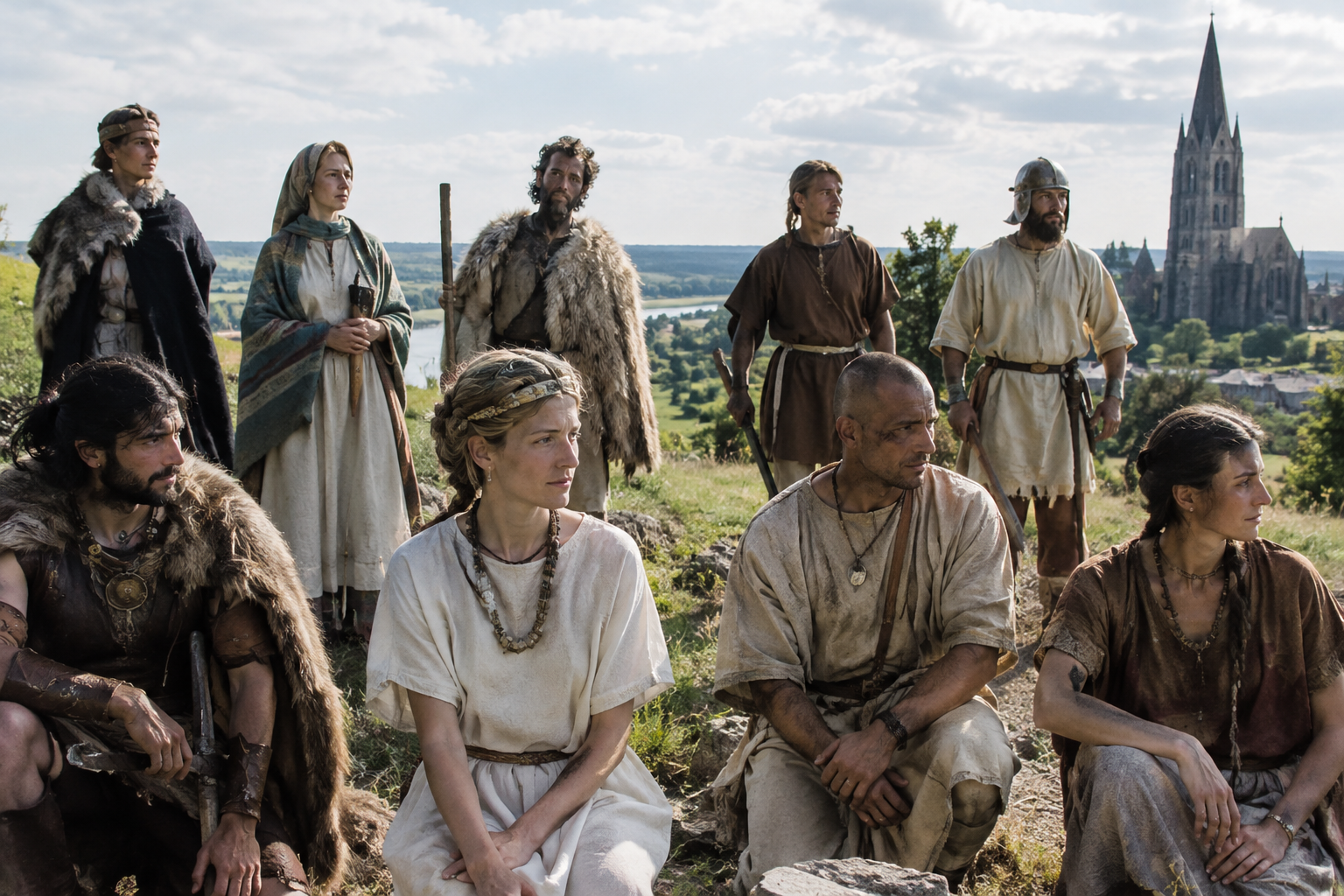
That does not make the medieval world irrelevant. On the contrary, the regions where G2a2b appears in these samples, France, the Aegean, Sardinia, Britain, Croatia, and especially Hungary, later became landscapes of castles, monasteries, noble estates, and border lordships. Ancient paternal lines did not vanish when stone keeps rose over river valleys. They persisted, mingled, narrowed, and sometimes disappeared into larger populations. Genetics gives us the deeper background beneath heraldry.
So what does G2a2b tell us? First, that some paternal lineages linked with the early farming world remained visible for a very long time. Second, that these lineages were not frozen in place. They show up in Bronze Age Bulgaria, Mycenaean-period Greece, Iron Age France, Phoenician-era Sardinia, Roman Britain, Roman Croatia, late Roman and post-Roman Pannonia, and the Hungarian conquest horizon. That is not a single migration story; it is a long history of persistence and redistribution.
Third, G2a2b is a good lesson in restraint. Sharing a broad haplogroup with HBS004 or DUX006 does not make anyone their direct descendant in a meaningful genealogical sense. Nor does it assign a modern identity, nationality, or noble status. What it does offer is a well-grounded paternal thread through some of the most important population changes in European and Mediterranean history.
If your own Y-DNA belongs to G2a2b, you are looking at a lineage with deep roots in the worlds of early agriculture and a later presence across multiple historical frontiers. That is not a small thing. It puts your direct paternal line into conversations about the first farmers of Europe, the Bronze Age Balkans and Aegean, Iron Age western Europe, Mediterranean island exchange, Roman mobility, and the reordering of central Europe after Rome.
MyTrueAncestry lets you explore those ancient connections for yourself. Upload your DNA and see whether your results show affinities to ancient individuals like HBS004, YUN015, I13428, DUX006, or the Pannonian samples discussed here. Those matches do not prove direct descent or membership in any historical family, but they can offer a fascinating and concrete way to place your ancestry within the human past.
Comments