Haplogroup R1b1a2a1a

– 6 min read


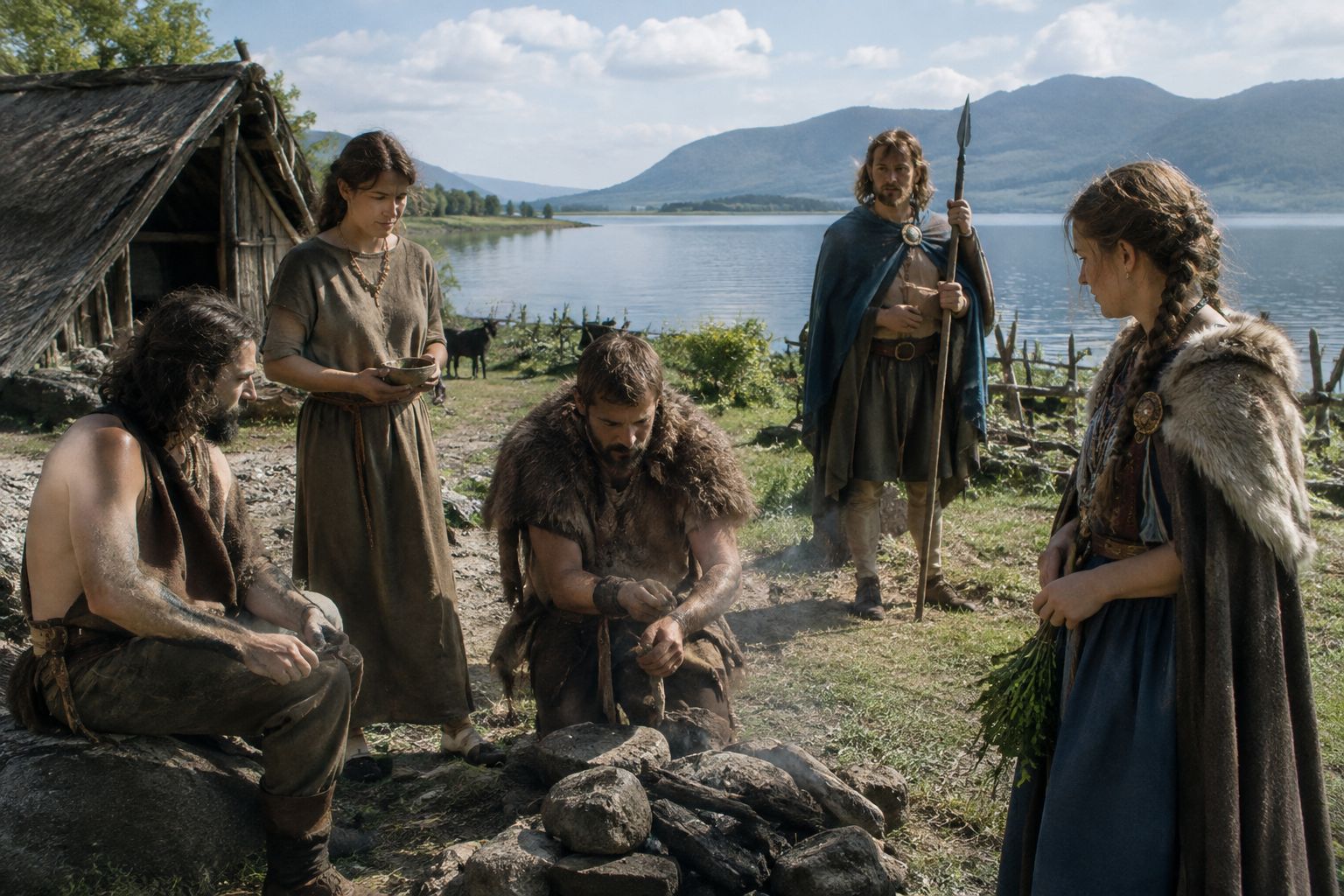
Some Y-chromosome lineages arrive in history with a trumpet blast. Others are more elusive, turning up in graves, river valleys, and old frontier zones, asking to be understood in context rather than myth. Haplogroup R1b1a2a1a belongs to that second category. It sits within the wider R1b family, one of the major paternal lineages in western Eurasia, but a specific branch like this is not a grand label for an entire people. It is better imagined as one thread in a very large and tangled historical fabric.
That is what makes it interesting. Ancient DNA allows us to watch a paternal line appear in very different settings: a Late Neolithic burial in Switzerland, Bronze Age communities in Austria and Alsace, and later a Nordic Lombard individual in the early medieval world. Taken together, these finds suggest a story rooted in central Europe, shaped by movement, continuity, and local change over long periods. As always, Y-DNA traces only one direct paternal line, not a person's whole ancestry, and certainly not a ready-made identity. But that one line can still tell us a great deal.
R1b1a2a1a belongs to the broader R1b branch of the Y-chromosome tree, a lineage deeply important in the population history of Europe. For readers new to the subject, the key point is simple: each narrowing string of letters and numbers marks a more specific branch, descended from a broader ancestral line. So while the wider R1b story stretches across vast regions and many millennia, a subclade like R1b1a2a1a has to be treated more carefully. We should not simply pour the entire history of R1b into it and call the matter settled.
What the evidence supplied here does suggest is a strong connection with central Europe in later prehistory. The sample trail begins in regions that were anything but marginal: the Upper Rhine, the Swiss plateau, and the Danube-linked landscapes of Austria. These were zones of exchange, farming, metallurgy, kin networks, and movement. By the Late Neolithic and Bronze Age, they were also places where paternal lineages could spread, contract, and persist as communities reorganized themselves repeatedly.
The story also fits neatly alongside wider discussions of Bell Beaker and post-Beaker population change in central and western Europe. If you want more background on that world of mobility and turnover, this related article is worth exploring.
Explore Bell Beaker Population Change
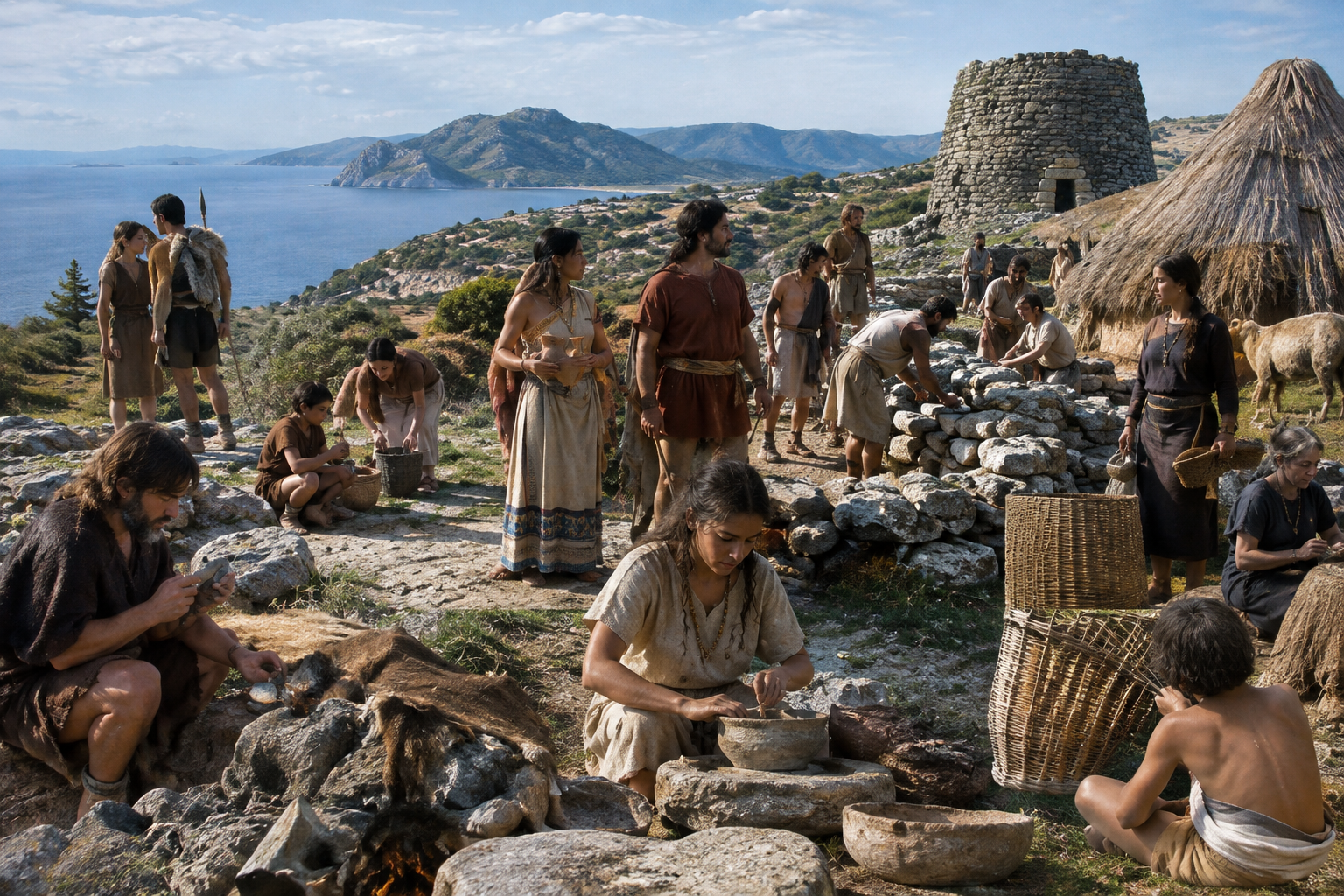
One of the earliest anchor points here is Aesch25, from Late Neolithic Aesch Switzerland, dated to 2500 BC. That date places him in a period when Europe was already a densely peopled mosaic of farming communities, with old Neolithic traditions mixing with newer social and genetic influences. Switzerland, far from being an isolated Alpine pocket, was part of wider networks linking the Rhine, the Danube, and northern Italy. Aesch25 gives us an early glimpse of this paternal lineage in that connected world.
Then there is SX32, from Celto-Germanic Lingolsheim Alsace, dated to 2335 BC. The label "Celto-Germanic" reflects a later cultural framing of the region rather than a neat ethnic answer for the individual himself, and it is worth being careful here. What matters most is place: Alsace sits on one of Europe's great corridors, between the Rhine plain and the uplands to the west. A paternal lineage found there in the later 3rd millennium BC is exactly the sort of evidence that reminds us how central this region was to prehistoric interaction.
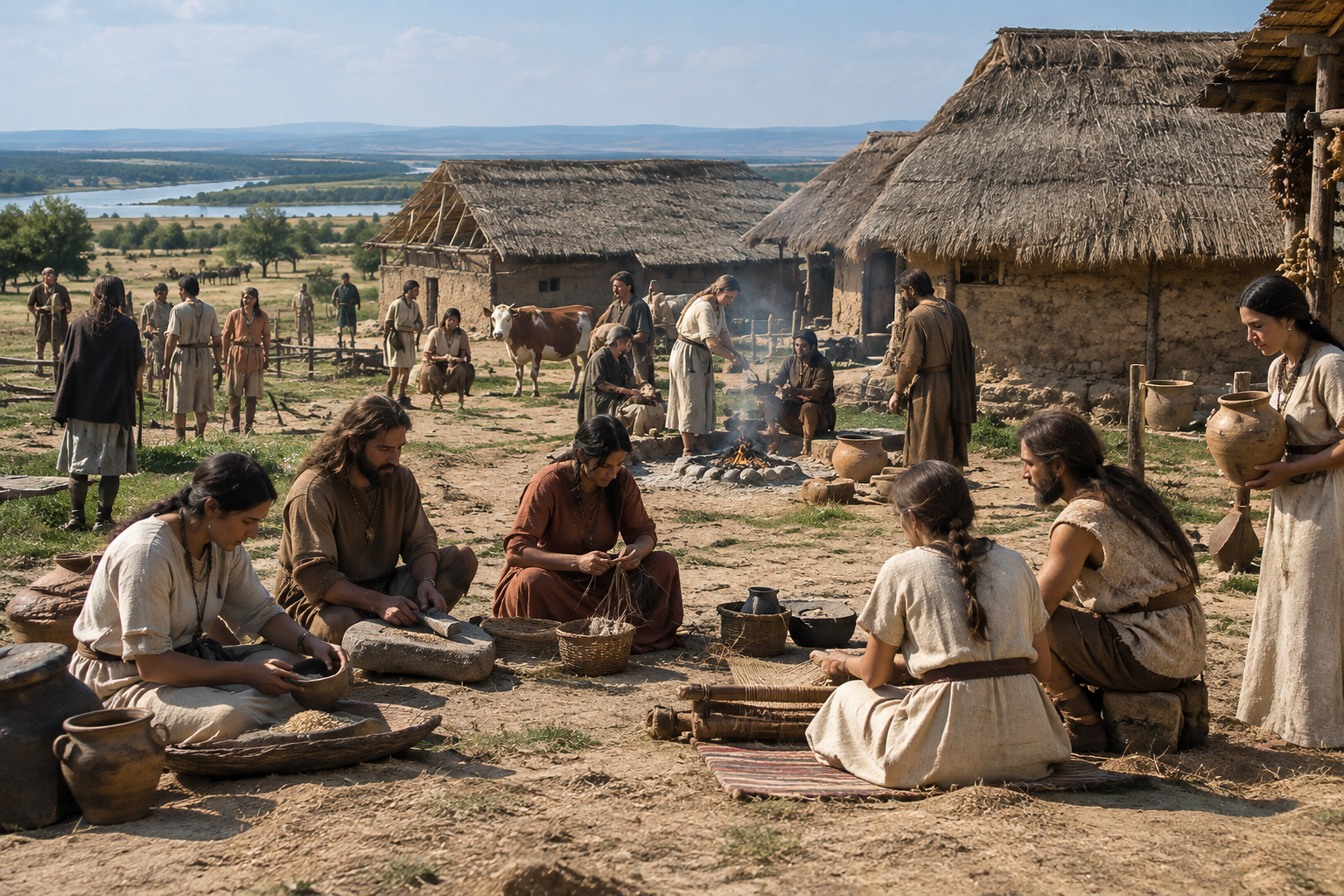
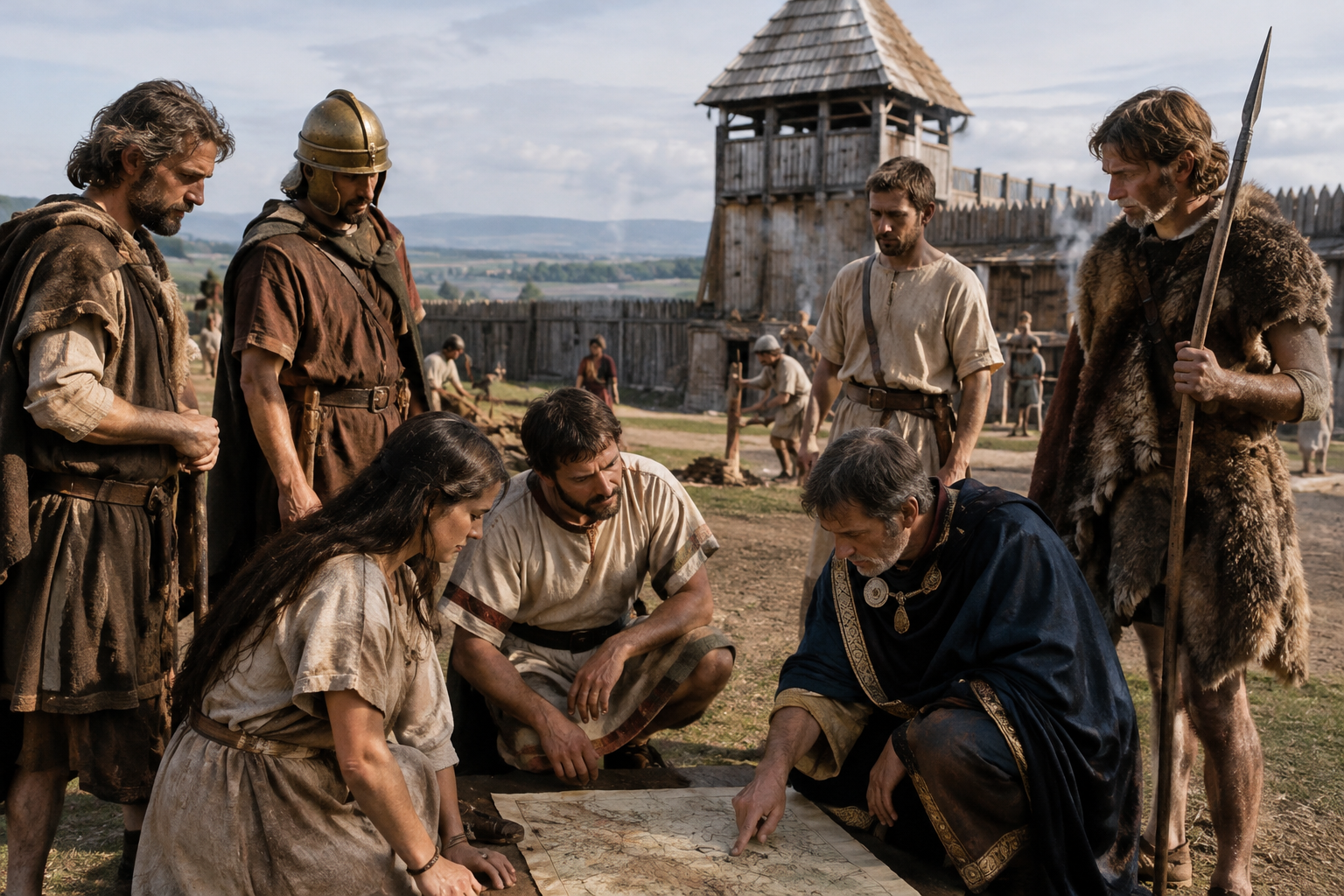
By 1900 BC, the picture broadens with two Austrian samples: UZH030 from Bronze Age Austria Unterhautzenthal and FZH001 from Bronze Age Austria Franzhausen. These are especially valuable because they come from a region repeatedly highlighted in archaeogenetic work on kinship, local continuity, and long-distance contacts in Bronze Age central Europe. A single sample can be suggestive; multiple finds in related regions and periods begin to sketch a pattern. They do not prove one uninterrupted dynasty of fathers and sons, of course, but they do show that this paternal branch was present in communities tied to the central European Bronze Age world.
If you would like to dig further into that Austrian setting, including how burials and kin networks illuminate Bronze Age society, this companion article is an excellent next step.
Discover Bronze Age Austria Kinship
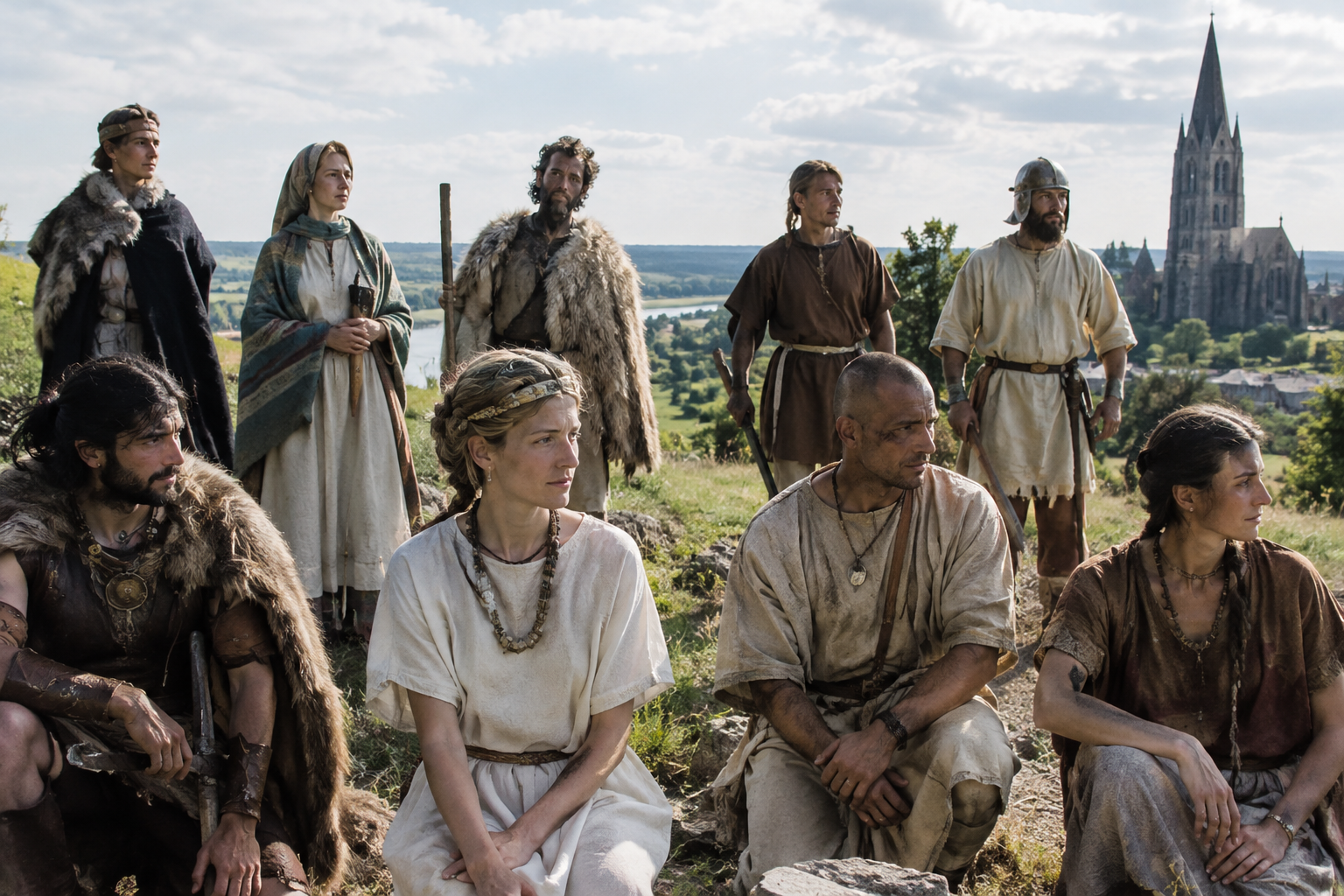
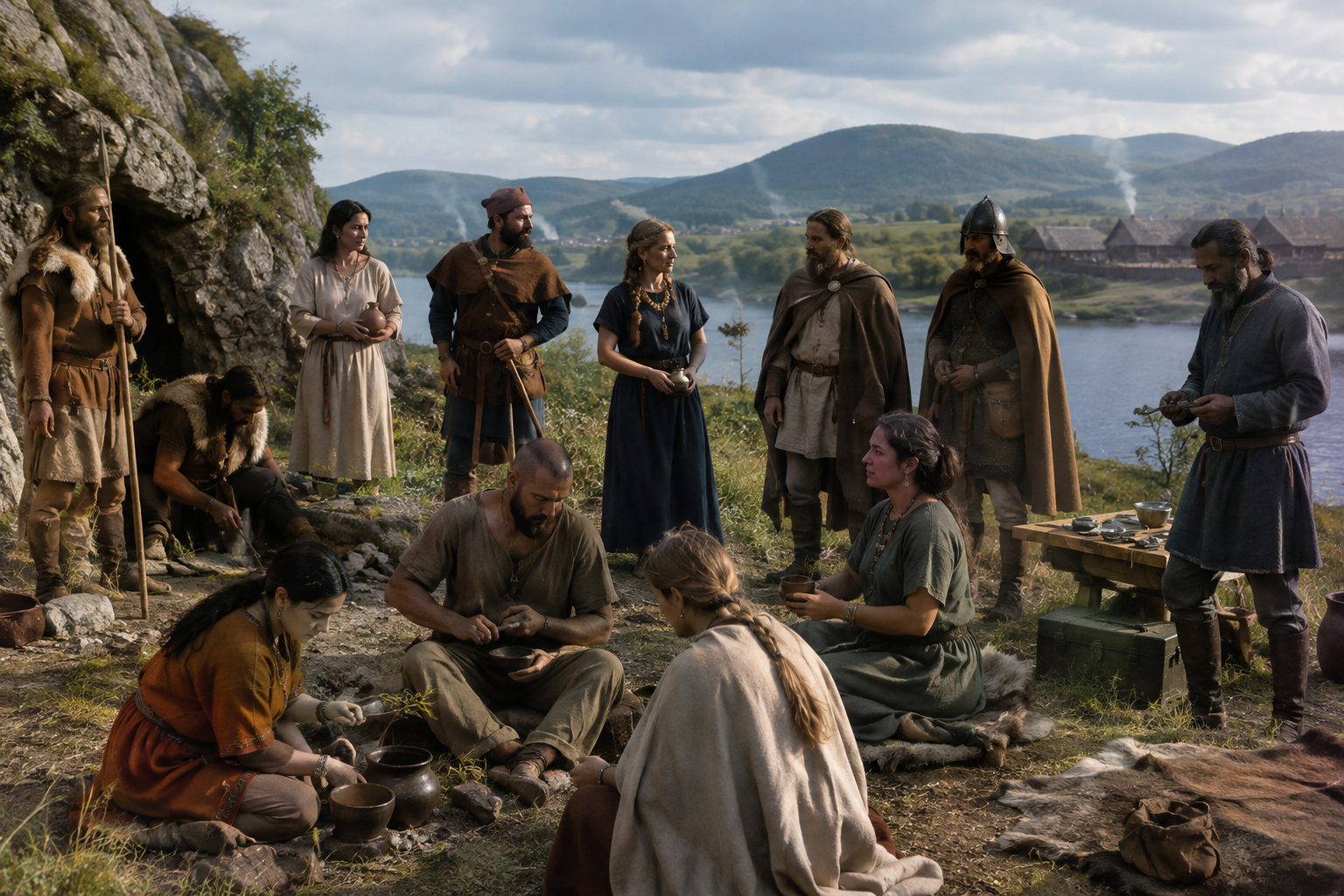
The most striking later appearance in this small dataset is CL92, identified as Nordic Lombard and dated to 580 AD. Here the historical setting changes dramatically. We are no longer in the age of early metalworking villages and burial grounds, but in the unsettled centuries after the Western Roman Empire, when armies, federates, migrants, and local populations were constantly being folded into new political formations.
The Lombards are a fine example of why ancient DNA has complicated old textbook stories. They are often presented as a neatly bounded "Germanic people" marching south into Italy. The reality, as archaeology and genomics keep showing, is far less tidy and much more interesting. Groups traveling under a Lombard political identity could include people of varied ancestry and local background. A Y-line like R1b1a2a1a appearing in a Nordic Lombard context does not mean that all Lombards carried it, nor that this lineage was somehow exclusively Lombard. What it does show is that the branch remained part of the human landscape of Europe into the Migration Period and early Middle Ages.
That is one of the great values of ancient DNA: it lets us see persistence without pretending to certainty where certainty is impossible. A line present in Late Neolithic Switzerland, Bronze Age Austria, and a Lombard-associated burial in 580 AD tells us that paternal branches can survive profound cultural transformation. Languages shift, kingdoms rise, confederations move, but some lineages remain in circulation across it all.
For a broader look at the same turbulent centuries on the continental frontier, readers may enjoy this piece on blending between Roman and post-Roman populations.
Explore the German Frontier World
In this case, the supplied field for associated noble families and castles is effectively empty. Oddly enough, that is not a problem so much as a useful reminder. Genetics and aristocratic memory do not always arrive together. Many medieval and early modern noble houses preserved names, arms, lands, and castles with extraordinary care, yet left no secure Y-DNA evidence at all. Conversely, ancient burials may preserve a paternal lineage beautifully while telling us almost nothing about later family names.
So for R1b1a2a1a, the better historical approach is restraint. We can place this lineage in regions that would later become crowded with lordships, abbeys, walled towns, and castles - the Upper Rhine, Swiss lands, and the Austrian Danube zone - but we cannot responsibly assign it to a specific noble dynasty on the basis of the evidence provided here. No castle keep, however romantic, can stand in for a documented paternal test.
That distinction matters. Shared geography is not the same thing as proven descent. A medieval family in Alsace or Lower Austria may have occupied the same broad landscape as these earlier individuals, but geography alone does not make them kin. Still, the overlap is historically fascinating. It reminds us that the stones of later Europe were often raised atop landscapes already inhabited for thousands of years by communities whose descendants, in one form or another, helped populate the medieval world.
If you enjoy tracing how central European DNA evidence speaks to the emergence of larger historical identities, this article on Celtic language spread adds an especially useful dimension.
Read About Central European Celtic Origins
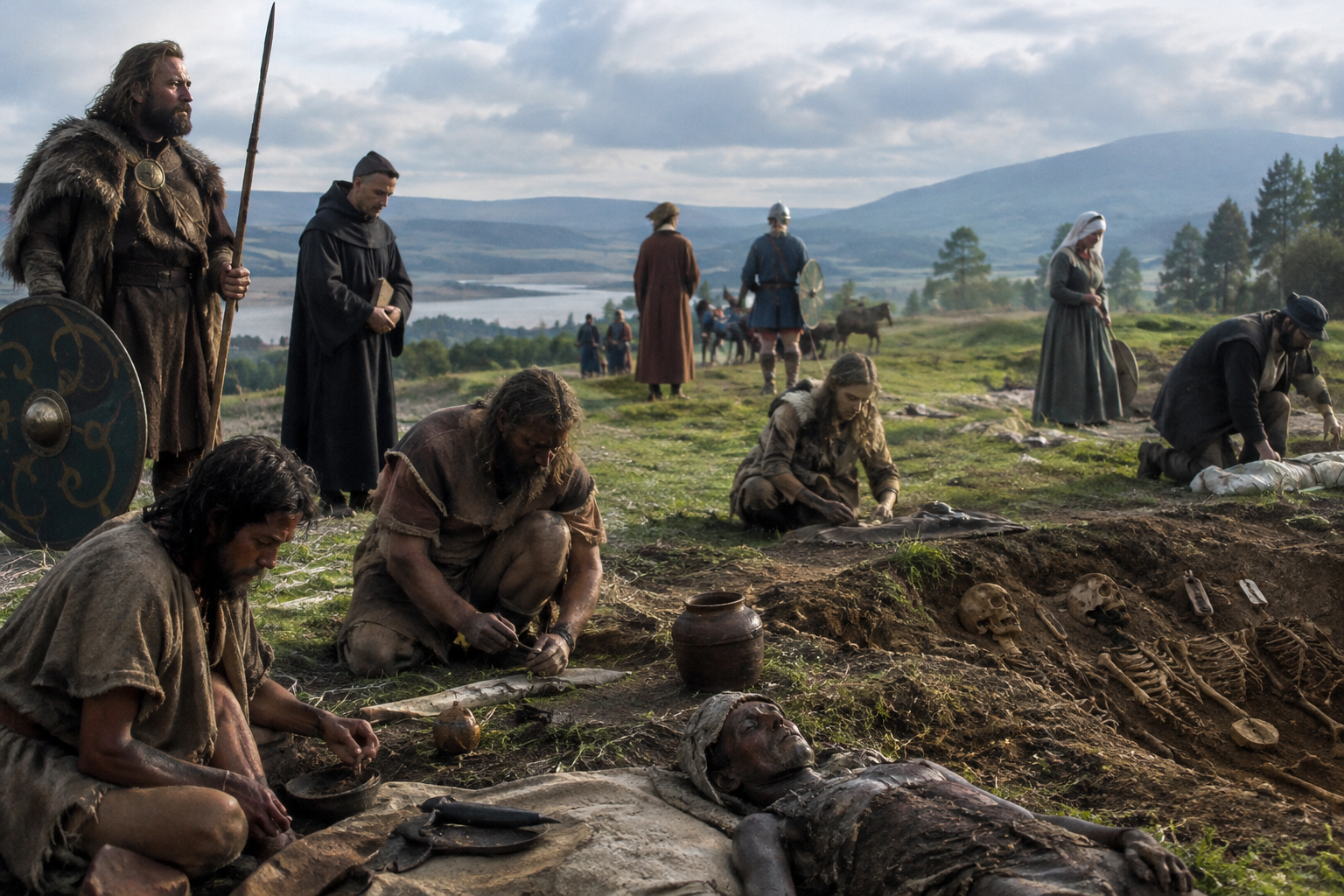
The real lesson of R1b1a2a1a is not that it "belongs" to one nation, one tribe, or one dynasty. It is that paternal lines can be tracked across very long spans of time while the societies around them change beyond recognition. From Aesch25 in 2500 BC Switzerland to CL92 in 580 AD, we are looking at a branch that appears in connected but very different worlds. That continuity is historically important even when it stops far short of genealogy.
It also shows why ancient DNA and written history work best together. Archaeology gives us burials, objects, landscapes, and chronology. Genetics gives us patterns of relatedness, movement, and persistence. Medieval records, when they exist, give names and institutions. None of these sources is complete on its own. But together they help us build a more human picture of the past: not a parade of pure peoples, but generations of families living, marrying, moving, and adapting in the same European regions over immense stretches of time.
If your own Y-DNA falls within the broad R1b world, ancient samples like these may offer intriguing historical context for one part of your paternal heritage. They do not prove descent from a particular ancient individual, and they certainly do not make anyone a member of a noble house by genetic magic. What they can do is place your direct paternal line inside a much older map of human history.
Upload your DNA to MyTrueAncestry to explore whether your results show links to ancient individuals, archaeological cultures, and historical populations like those discussed here. The comparisons can open a remarkable window onto your past, even when they are not proof of direct descent from a named family or ancient burial.
Comments