Haplogroup G2a2b2b1a1a

– 5 min read


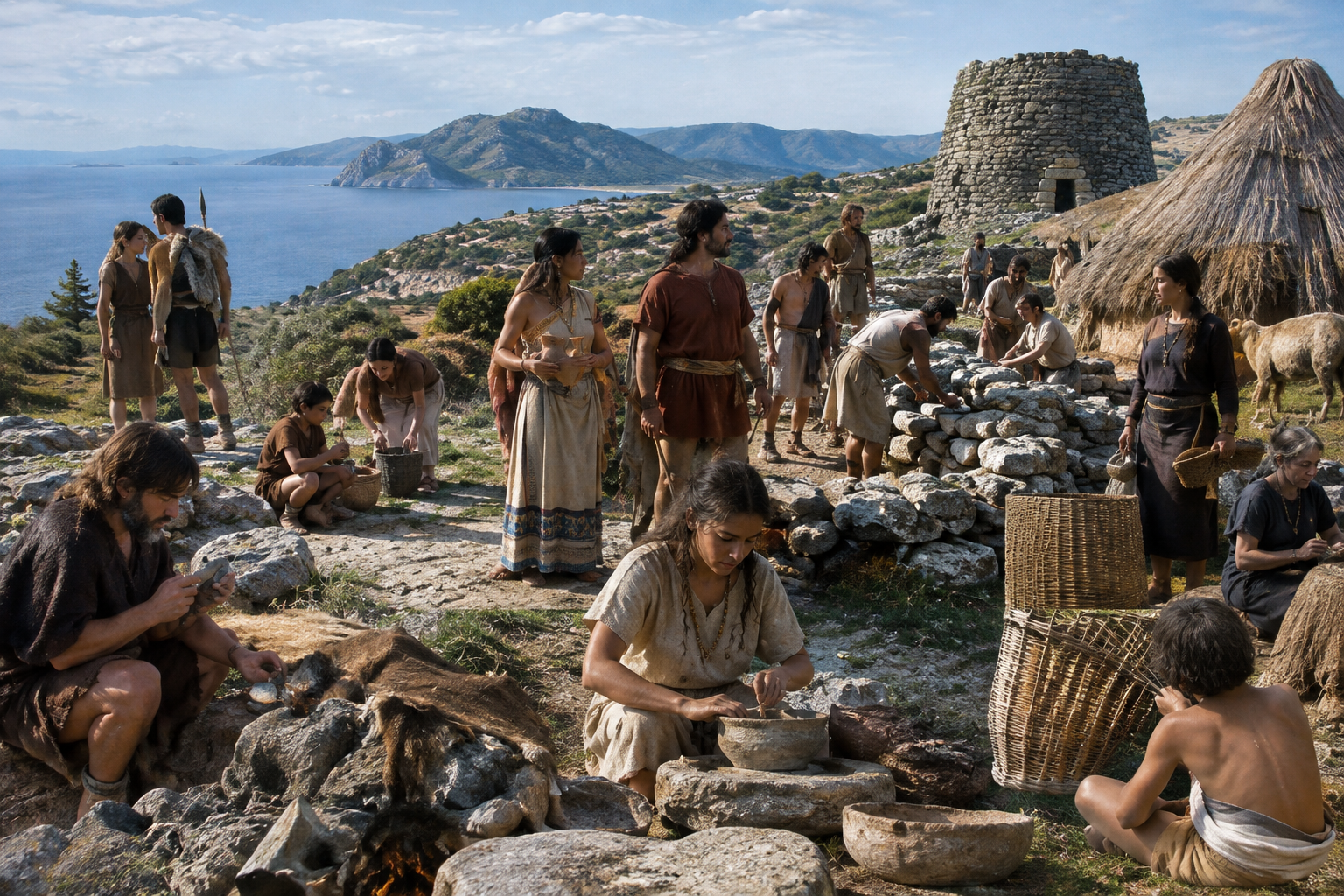
Some Y-DNA haplogroups announce themselves with a roar across the historical record. G2a2b2b1a1a does something more interesting. It appears in scattered but revealing places: prehistoric Greece, Copper Age and Iron Age Italy, Bronze Age and Nuragic Sardinia, prehistoric Iberia, and then much later in early medieval Germany. That distribution is a reminder that paternal lineages do not belong neatly to one people, one language, or one kingdom. They move with families, communities, traders, farmers, soldiers, and survivors.
That is what makes G2a2b2b1a1a historically fascinating. It sits within the broader G haplogroup family, a branch often associated in ancient DNA research with early farming populations in parts of Europe and the eastern Mediterranean. But a very specific subclade like G2a2b2b1a1a should be handled carefully. We can use the broader picture of haplogroup G for context, while letting the ancient samples show where this narrower lineage actually turns up. As ever, Y-DNA traces one direct paternal line only. It can illuminate a slice of ancestry, not the whole of a person's genetic or family history.
The strongest pattern in the evidence here is Mediterranean. Several of the supplied ancient individuals come from Greece, Italy, Sardinia, and Iberia, and they span an impressively long timeline. That suggests a paternal lineage present in the worlds shaped by early farming, later village life, Bronze Age mobility, and Iron Age regional cultures.
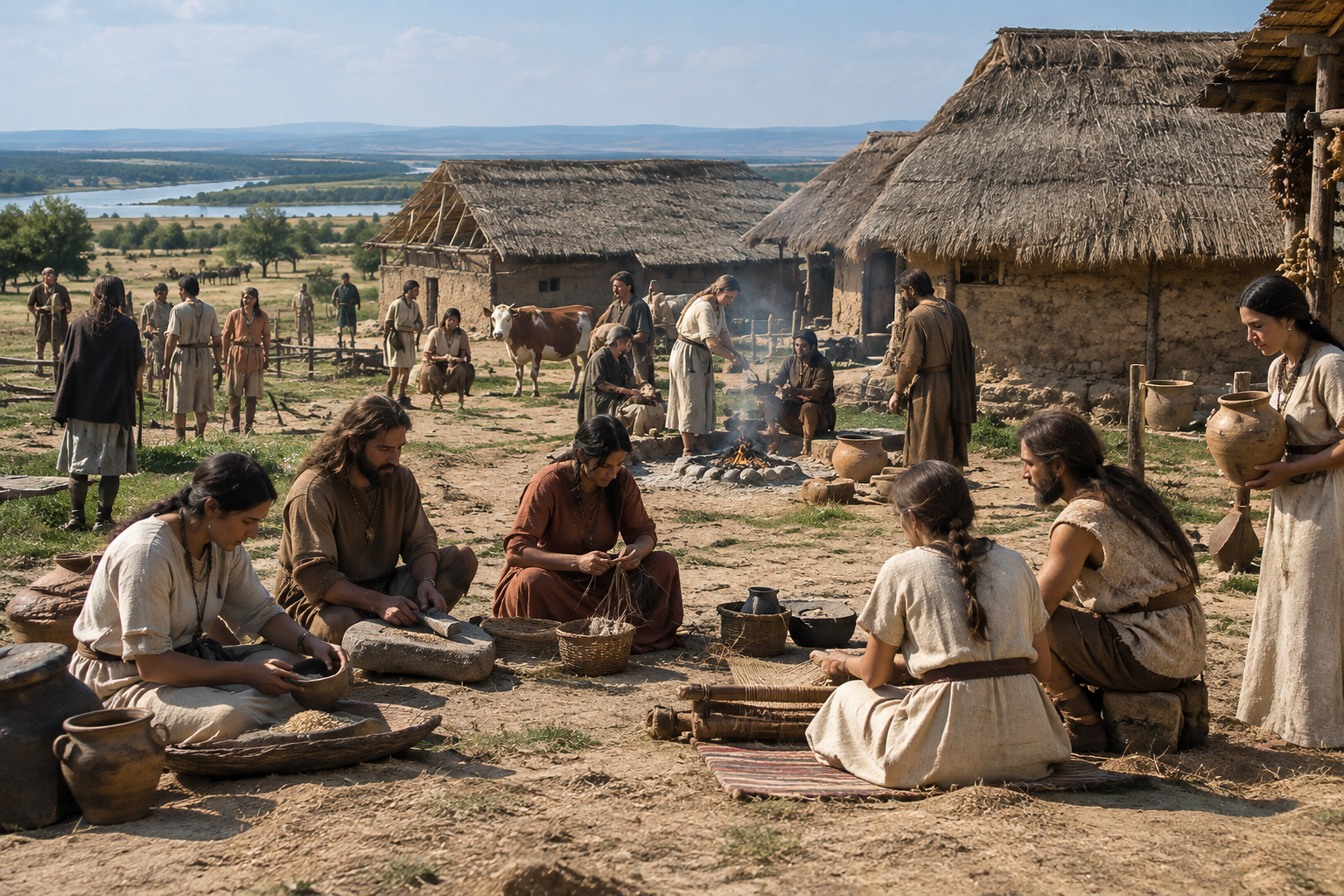
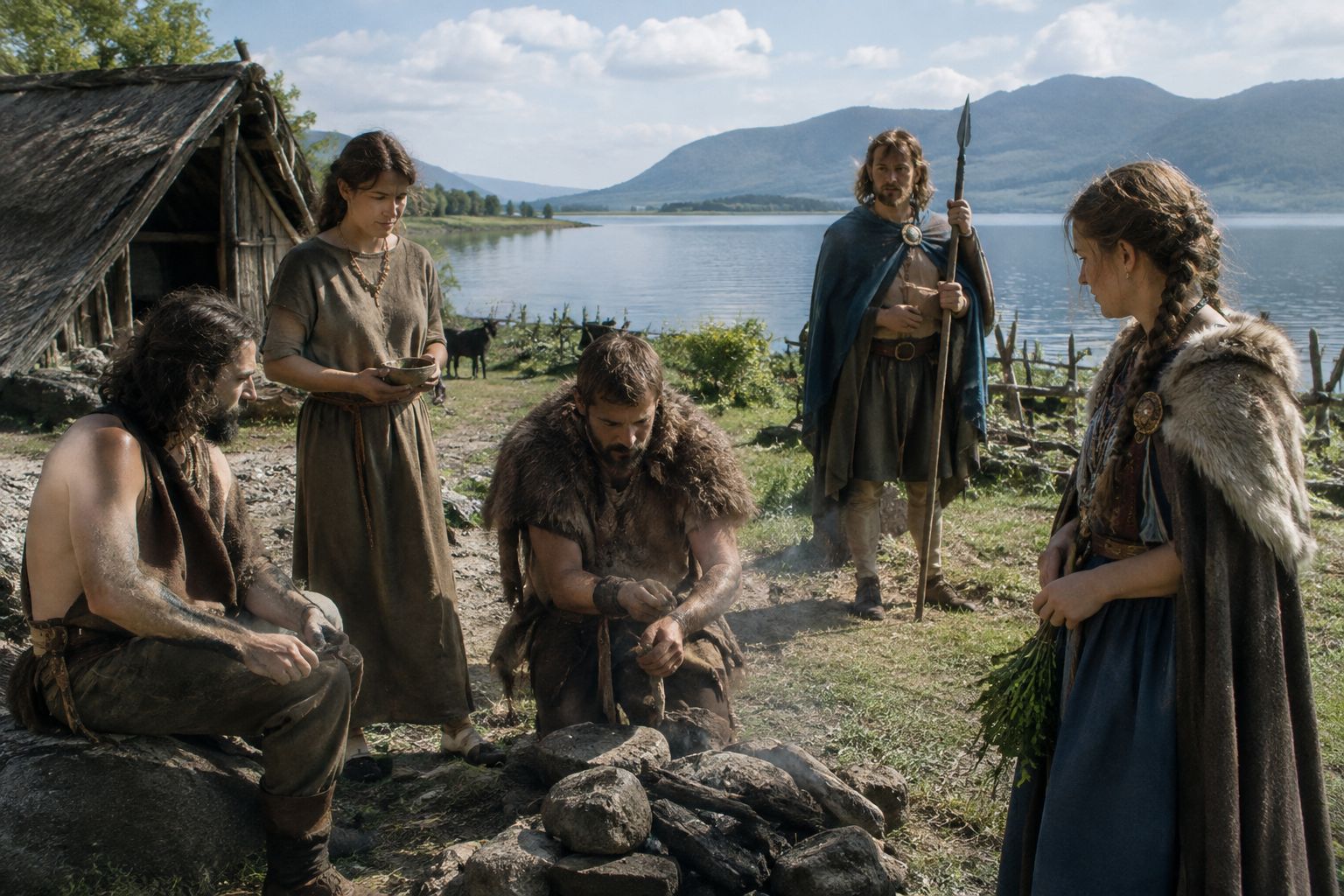
One of the earliest clues comes from NST005, an Early Bronze Age individual from Nea Styra, Euboea, Greece, dated in the input to 3900 BC. Whatever exact chronological label one prefers for that date, the geographical point matters: the Aegean. Euboea sits in a zone central to prehistoric movement between mainland Greece and the wider Mediterranean. If a branch of G was present there, it fits the broader picture of G lineages being part of the demographic world that spread farming and settled life across southern Europe.
Another early western marker is I10280 from Cova de la Guineu, Spain, dated here to 2950 BC. That places this paternal line, or a very close relative of it, in prehistoric Iberia. Not proof of one continuous march from the Aegean to Spain, of course, but evidence that related paternal branches were established at opposite ends of the Mediterranean world quite early.
The Italian and Sardinian evidence is where this story becomes especially vivid. BRC022, from Copper Age Grottina dei Covoloni del Broion in Italy and dated to 3100 BC, places the lineage in prehistoric Italy before the great political names of the peninsula existed. Long before Romans, Etruscans, or Lombards, men carrying this paternal branch were already part of the population landscape.
Then comes VET002, an Etruscan from Vetulonium in Tuscany, dated to 670 BC. That is a splendidly evocative find. Vetulonium was one of the important centers of Etruscan civilization, a world of aristocratic tombs, metalwork, city-states, and fierce local identity. A sample like VET002 does not mean "the Etruscans were G2a2b2b1a1a." That would be far too crude. What it does show is that this paternal line had a place within Etruscan Italy.
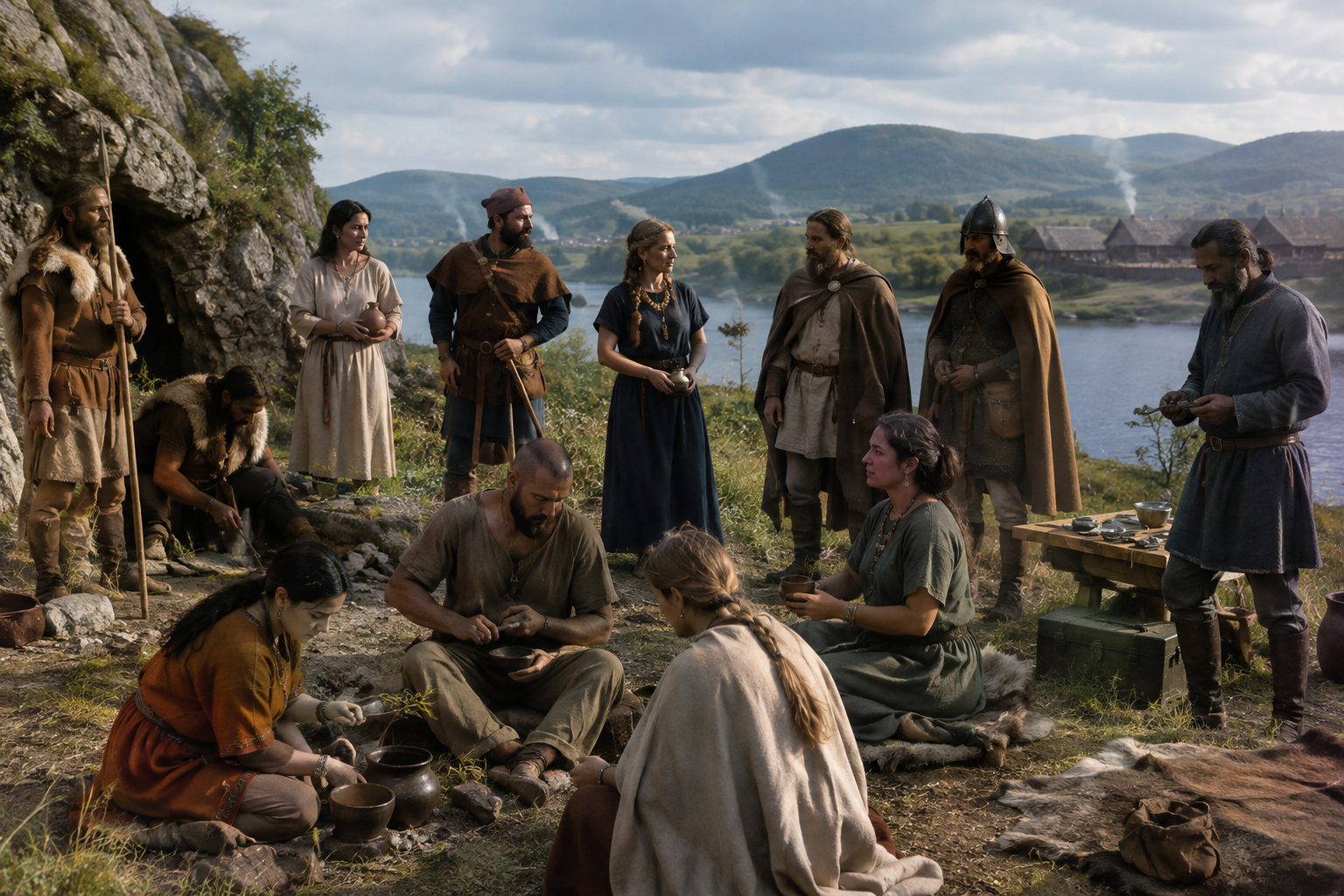
Sardinia adds yet more depth. We have I10365 from Early Bronze Age Seulo, dated 2050 BC; R29 from Bronze Age Sardinia SC, dated 2200 BC; ORC006 from the Nuragic Interior of Sardinia, dated 1180 BC; and I3642 from a Balari Settlement in Sardinia, dated 975 BC. Put those together and you have not a stray appearance but a pattern across centuries. Sardinia, often treated as peripheral, turns out to be central to this haplogroup's known ancient record.
That matters because Sardinia preserves many old lineages unusually well. Its mountains, inland communities, and distinctive Nuragic civilization could maintain local paternal continuity even while the island was connected to wider Mediterranean exchange. G2a2b2b1a1a in Sardinia therefore looks less like a brief intrusion and more like a long local chapter.
Discover Ancient Sardinia and Italian Islands
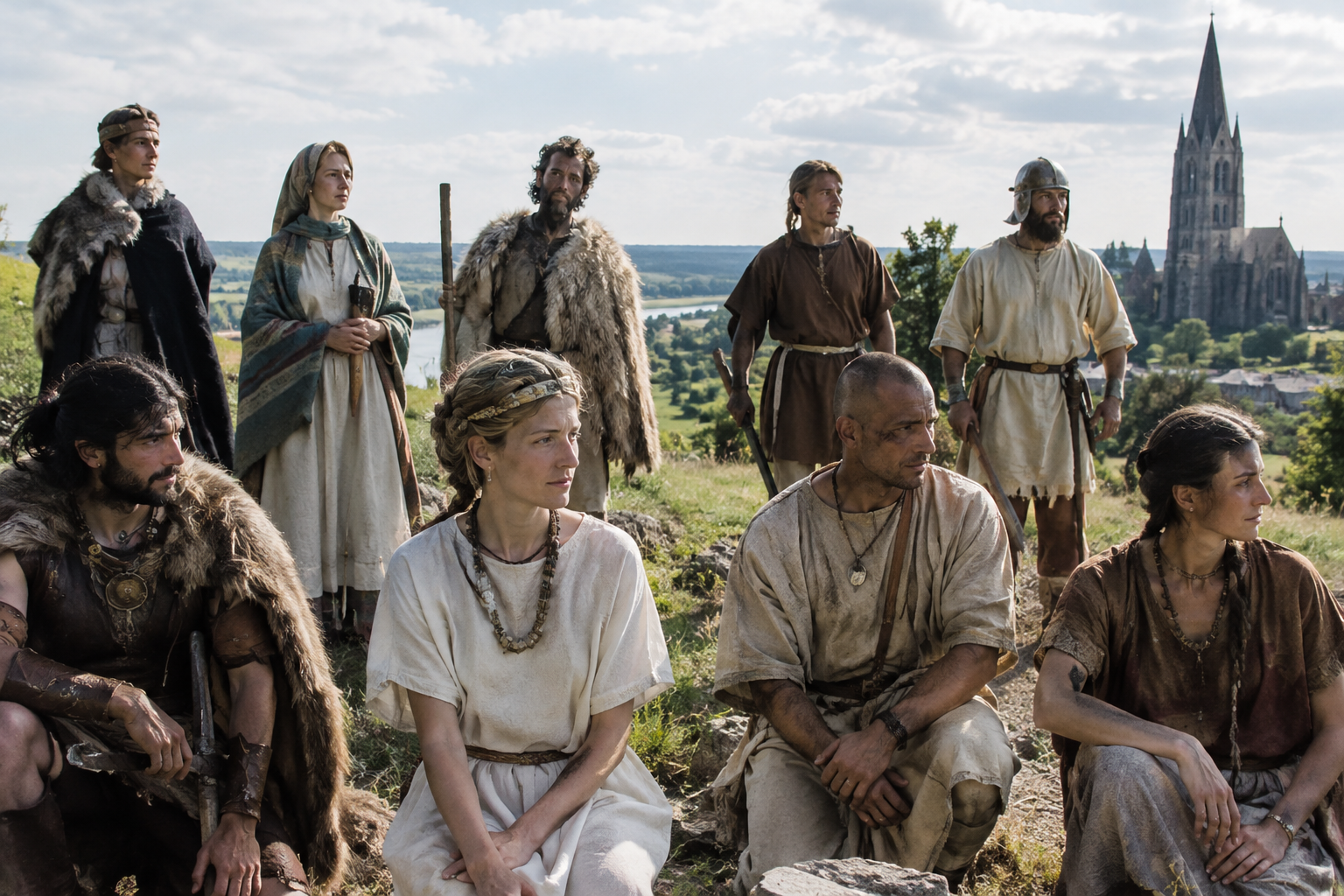
And then the plot shifts north. DRH012, from Deersheim in Saxony-Anhalt, Germany, dated 500 AD and described as a Thuringii Tribe individual, places this paternal line in the early medieval German world. Suddenly we are a long way from Euboea, Tuscany, and Sardinia.
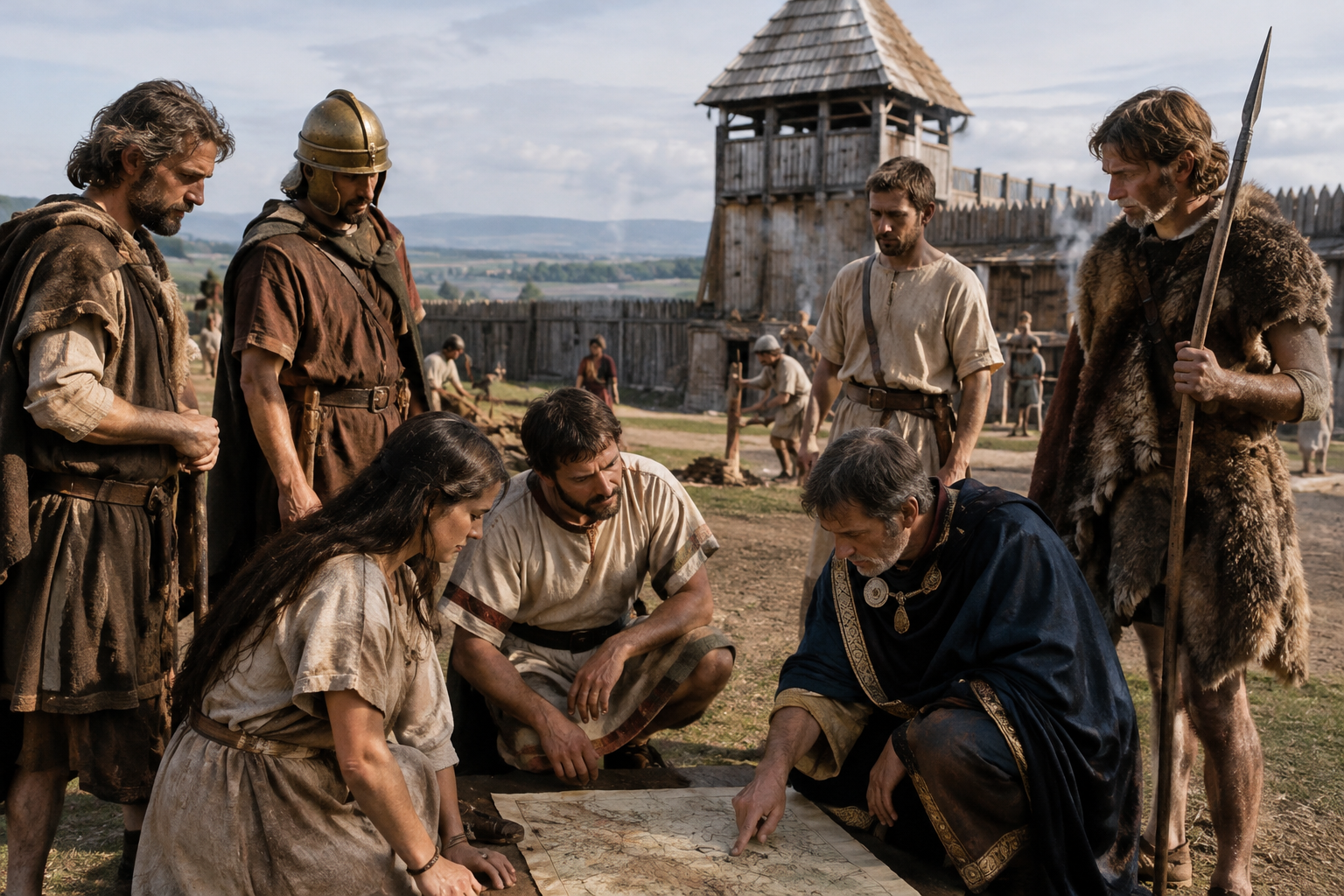
That does not require a single dramatic migration tale. It may reflect older dispersals, local continuity of rare lines, or movement through the Roman and post-Roman world. By 500 AD, central Europe was a place of political reassembly, shifting federations, and mixed communities living among the ruins and institutions of Rome. A paternal line with earlier Mediterranean appearances turning up among the Thuringii is surprising only if we imagine ancient peoples as sealed boxes.
Ancient DNA keeps teaching the same lesson: historical populations were not genetically uniform and rarely stayed still. G2a2b2b1a1a looks like one of those lineages that can survive quietly through many cultural changes while the labels around it alter completely.
Explore Roman-Frontier Mixing in Germany
The supplied noble-family field is empty, which is itself worth saying plainly. Without specific family names, dynasties, or castles provided in the input, it would be irresponsible to invent medieval houses and attach them to G2a2b2b1a1a. Genetics is already too often pushed into the service of romantic family legend.
Still, the broader historical point remains important. If a paternal lineage such as G2a2b2b1a1a persisted from prehistoric and Iron Age Mediterranean settings into early medieval Europe, then later noble families in some of those regions would have lived atop landscapes carrying much older paternal histories than any written genealogy could record. Castles, where they exist in those regions, preserve memory of lordship and territory; ancient DNA preserves a different sort of memory altogether, one measured not in charters and coats of arms but in inherited markers on the Y chromosome.
That is why noble genealogy and archaeogenetics make such an interesting pair. A family archive may take you back to the Middle Ages if you are lucky. Ancient DNA may show that the paternal landscape of that same region stretches back three or four thousand years further. The two records do not automatically identify the same men, but they do illuminate the same ground.
Read About an Italian Noble House
So what sort of haplogroup is G2a2b2b1a1a, historically speaking? On present evidence, it looks like a lineage with deep roots in the Mediterranean and southern European world, appearing in early Greece, prehistoric Iberia, Copper Age and Iron Age Italy, and repeatedly in Sardinia. Its later appearance in Germany hints that its history was not confined to one sea or one island.
That is exactly the sort of pattern that makes Y-DNA so useful and so tricky. Useful, because it can reveal continuity and movement invisible in texts. Tricky, because shared haplogroups do not prove close kinship, shared ethnicity, or descent from a famous house. A man matching this haplogroup today is not thereby "an Etruscan," "a Nuragic Sardinian," or "a Thuringian." What he may have is a direct paternal line that once ran through populations like those represented by NST005, BRC022, VET002, I10365, ORC006, I3642, R29, I10280, or DRH012.
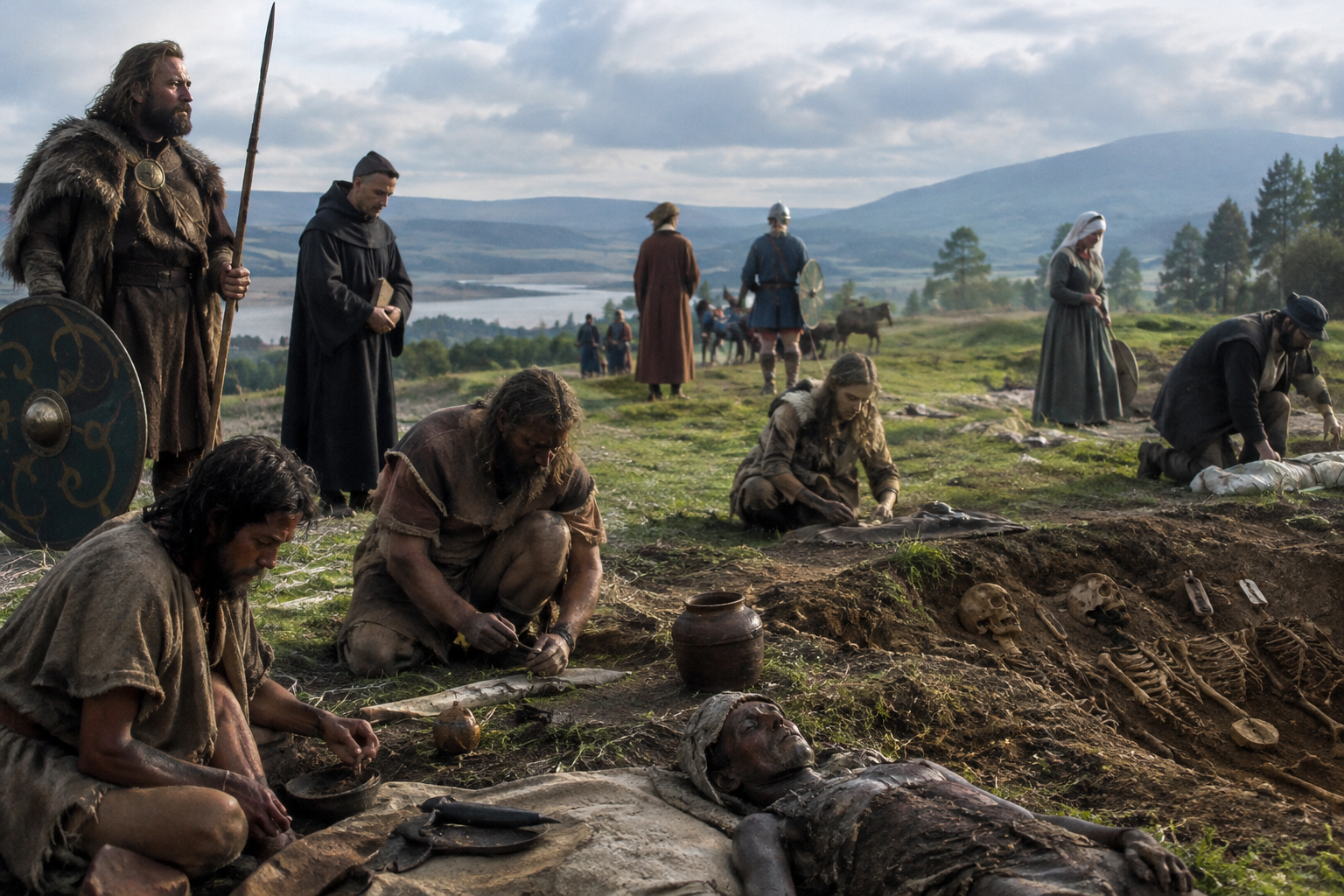
And that, frankly, is exciting enough. Not because it proves a heroic pedigree, but because it places one slender paternal thread inside the real human history of farms, islands, tribal confederations, and ancient communities whose bones have now begun to speak.
If you want to see whether your own DNA shows links to ancient individuals like these, MyTrueAncestry can help you compare your results with archaeological samples from across the ancient world. Those matches do not prove direct descent from a particular ancient person or noble family, but they can offer a remarkable new perspective on where parts of your ancestry fit into the human past.
Comments