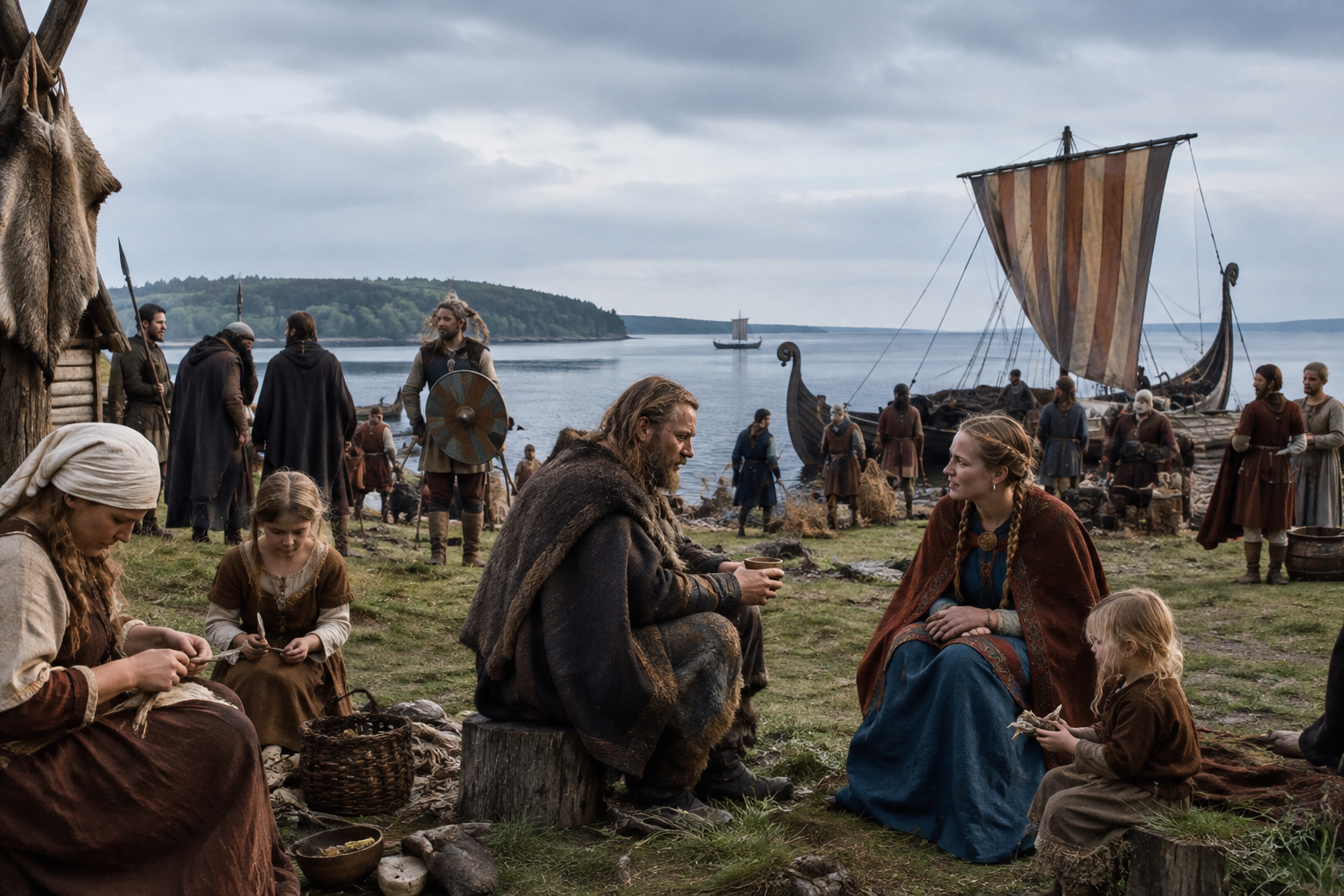
Haplogroups and Noble Lines Haplogroup I1a1b1 Some Y-DNA haplogroups are easy to pin to one famous chapter of history. I1a1b1 is more elusive, and that is precisely what makes it interesting. It appears in ancient DNA from Scandinavia, the North Sea world, post-Roman Central Europe, early medieval England, and even Italy. Instead of belonging neatly to By Sven • 6 min read
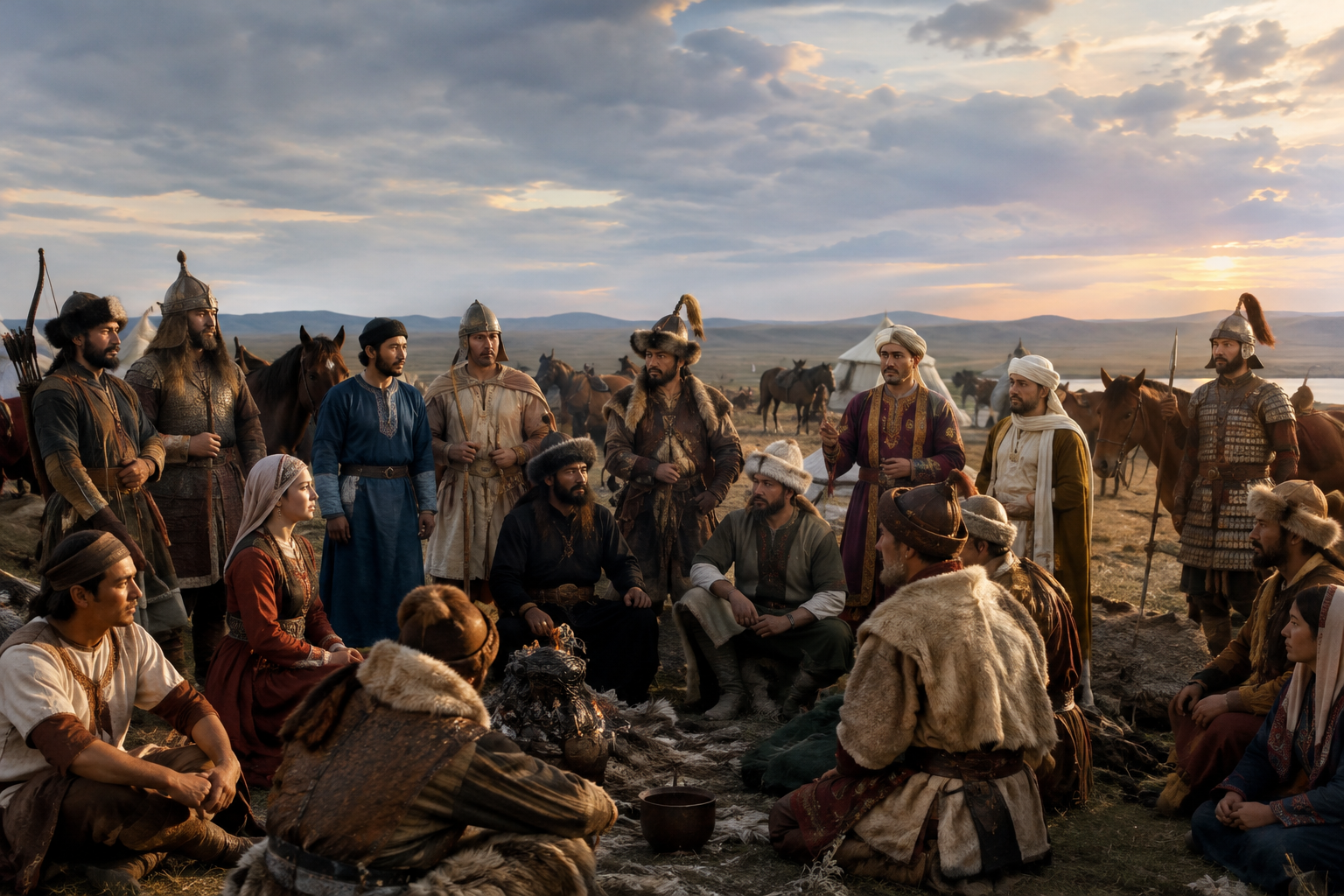
Haplogroups and Noble Lines Haplogroup N1a1a1a1a3a2 Some Y-chromosome lineages turn up here and there in the ancient DNA record, like scattered footprints. Haplogroup N1a1a1a1a3a2 is different. In the material supplied here, it appears not as a lone curiosity but as a striking cluster in Avar-period Hungary, especially around the middle of the 7th century. That makes By Sven • 6 min read
Haplogroups and Noble Lines Haplogroup BT Haplogroup BT is an odd subject for a historical article, and that is exactly what makes it interesting. Most readers meet Y-DNA through more familiar labels further down the tree, the branches that turn up in discussions of Bronze Age Europe, Viking migrations, medieval dynasties, or named regional lineages. BT By Sven • 6 min read
Haplogroups and Noble Lines Haplogroup G2a2b2a A paternal line with a very long memory Some Y-DNA haplogroups arrive in the ancient record with the air of conquerors. Others appear more quietly, but in some ways more intriguingly, across very different places and periods. Haplogroup G2a2b2a belongs to that second category. It turns up in early farming By Sven • 6 min read
Haplogroups and Noble Lines Haplogroup T1a1a Some Y-DNA haplogroups appear in the historical record like a drumbeat. Others turn up more like a series of intriguing footnotes in unexpected places. T1a1a belongs very much to the second category. It is not one of the big headline paternal lineages of western Eurasia, which is exactly why it By Sven • 6 min read
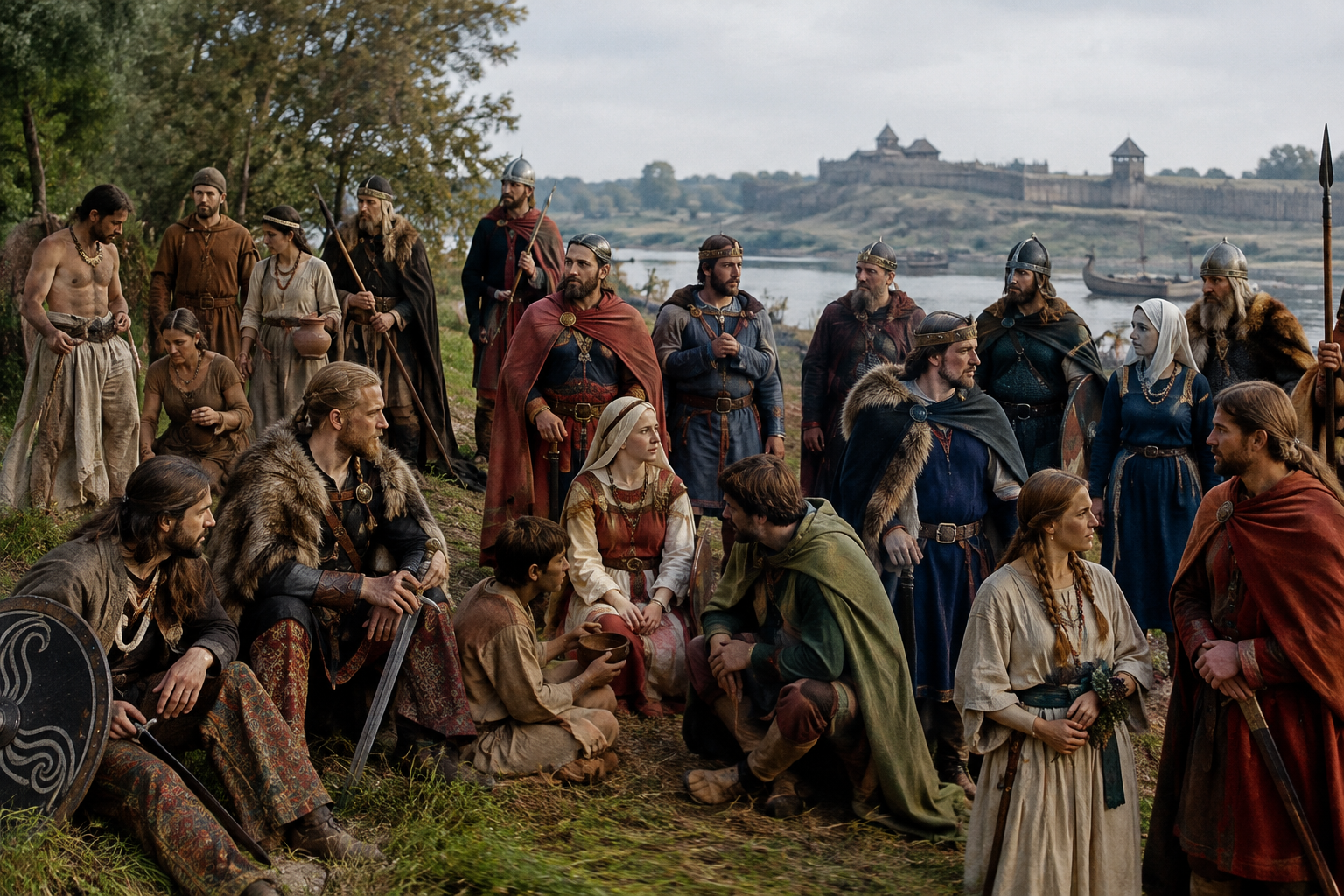
Haplogroups and Noble Lines Haplogroup R1a1a1b2a2 Some Y-DNA haplogroups sit neatly inside one landscape or one historical chapter. R1a1a1b2a2 does not. It appears instead like one of those stubborn threads that keeps turning up in very different places: Bronze Age Germany, the steppe world of Saka and Scythian burials, a Gepid-period grave in Serbia, a Roman-era By Sven • 6 min read
Haplogroups and Noble Lines Haplogroup R1a1a1b1 Haplogroup R1a1a1b1 sits in one of the most historically discussed branches of the Y chromosome tree, and for good reason. Its story turns up in places that at first seem only loosely connected: Bronze Age barrows in Central Europe, Iron Age steppe burials, medieval Poland, Scandinavia, Pannonia, and even farther By Sven • 6 min read
Haplogroups and Noble Lines Haplogroup R1a1a1b2a Some Y-DNA haplogroups behave in the historical record rather like recurring cameos. They appear in one age on the Eurasian steppe, turn up again in Iron Age burials, then reappear in the mobile worlds of Huns, Avars, and medieval frontier societies. R1a1a1b2a is one of those lineages. Not because it By Sven • 6 min read
Haplogroups and Noble Lines Haplogroup R1a1a1b1a1a Some Y-DNA haplogroups appear in the record once or twice and then slip away. Others keep turning up in places that make historians sit up a little straighter. R1a1a1b1a1a belongs to that second category. In the material supplied here, it appears in Bronze Age Hungary and Bronze Age Poland, in By Sven • 6 min read
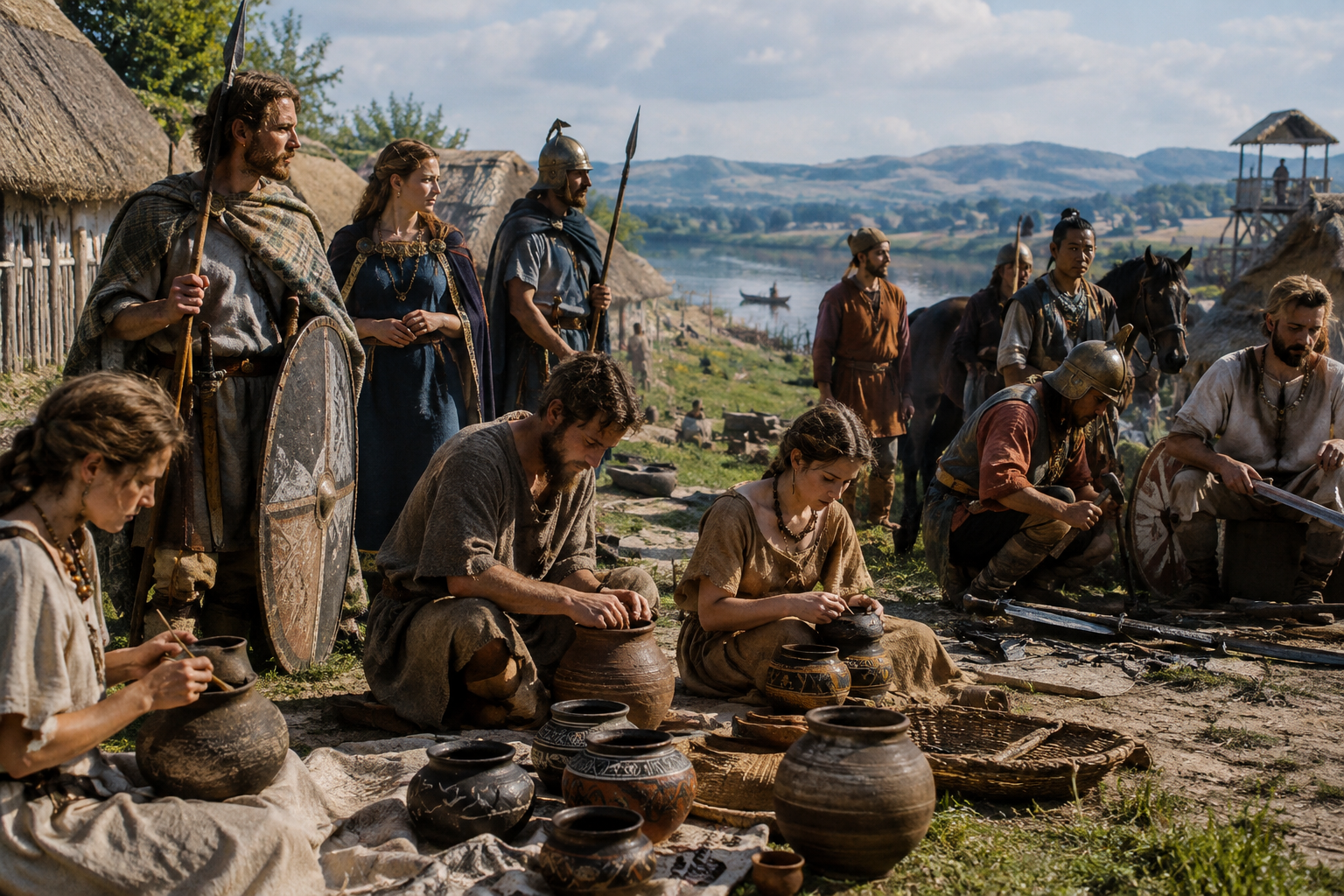
Haplogroups and Noble Lines Haplogroup I2a1b1a1b1 Some Y-DNA haplogroups announce themselves in a single dramatic setting: a royal tomb, a famous battlefield, a well-known dynasty. Haplogroup I2a1b1a1b1 is more interestingly awkward than that. It appears in a chain of ancient finds stretching across Bronze Age Hungary, north into Central Europe, west into Celtic Italy, and, rather By Sven • 6 min read
Haplogroups and Noble Lines Haplogroup O2a2b1a2a1a Some Y-chromosome lineages announce themselves in royal tombs or steppe war graves. Haplogroup O2a2b1a2a1a tells a rather different story. Its importance, at least from the evidence supplied here, lies in the remarkable depth of its presence in China: from Late Neolithic men at Baligang in Henan Province around 3000 BC By Sven • 6 min read
Haplogroups and Noble Lines Haplogroup R1a1a1b1a2b3a4a2 Some Y-DNA branches announce themselves with royal bombast. Others appear in quieter, more revealing places: a monastery vault, a village cemetery, a frontier settlement, a grave tied to movement across regions and languages. Haplogroup R1a1a1b1a2b3a4a2 belongs to that second kind of story. It sits deep within the broader R1a tree, By Sven • 5 min read
Haplogroups and Noble Lines Haplogroup I2a1b Haplogroup I2a1b is one of those paternal lineages that forces us to think on a very long timescale. Not the timescale of surnames, or even kingdoms, but of post-Ice Age Europe: wetlands, timber halls, megalithic tombs, island communities, battlefields, and later the patchwork of medieval lordships that emerged on the By Sven • 5 min read
Haplogroups and Noble Lines Haplogroup R1b1a1b1a1a2c1a1a A British Iron Age Paternal Line in Focus Some Y-DNA haplogroups announce themselves with a fanfare across half a continent. Others are more intriguing precisely because they seem to gather around particular places, periods, and archaeological stories. Haplogroup R1b1a1b1a1a2c1a1a belongs to that second category. On the face of it, the By Sven • 6 min read
Haplogroups and Noble Lines Haplogroup Q1b Haplogroup Q1b is a reminder that the paternal history of Eurasia was never tidy. If you only knew later medieval chronicles, castle genealogies, and the grand self-descriptions of noble houses, you might imagine the past as a set of neat regional boxes. Ancient DNA rather ruins that illusion. Q1b appears By Sven • 6 min read
Haplogroups and Noble Lines Haplogroup J2b1 Haplogroup J2b1 is one of those Y-chromosome lineages that refuses to stay politely in one corner of the map. It turns up in places that make historians sit up a little straighter: the southern Levant in the Bronze Age, Roman Italy, medieval Yemen, the Balkans, western Europe, and even an By Sven • 5 min read
Haplogroups and Noble Lines Haplogroup CT Haplogroup CT sits so high in the Y-chromosome family tree that writing about it is rather like writing about the foundation stones of a city instead of one particular medieval street. It is not a recent, local, or narrowly ethnic lineage. It is one of the great early branches in By Sven • 6 min read
Haplogroups and Noble Lines Haplogroup I2a2 Haplogroup I2a2 is one of those Y-chromosome lineages that reminds us how stubbornly the male line can persist, even while everything else changes around it: languages, kingdoms, burial customs, and the names people gave themselves. In plain terms, a Y-DNA haplogroup tracks one direct paternal line - father to son By Sven • 6 min read
Haplogroups and Noble Lines Haplogroup N1a1a1a1a3a Haplogroup N1a1a1a1a3a is one of those Y-chromosome lineages that becomes especially interesting when ancient DNA pulls it out of the abstract world of mutation labels and drops it into real graves, real landscapes, and real moments of political change. In this case, the story does not begin in a tidy By Sven • 6 min read
Haplogroups and Noble Lines Haplogroup F Haplogroup F is a slightly odd subject for a historical article, and that is exactly what makes it interesting. Most readers are more familiar with the great, populous branches that sit beneath it - lineages such as G, H, I, J, K and their many descendants - because those are By Sven • 6 min read
Haplogroups and Noble Lines Haplogroup R1b1a1b1 R1b1a1b1 is one of those Y-DNA lineages that turns up in places historians love arguing about: the steppe, Bronze Age central Europe, Iron Age Italy, Roman and post-Roman frontiers, medieval Iberia, and even later dynastic contexts. That does not make it a badge of one people, one language, or one By Sven • 5 min read
Haplogroups and Noble Lines Haplogroup R1b1 There is something wonderfully humbling about a broad Y-DNA lineage like R1b1. It does not belong to one kingdom, one people, or one age. Instead, it turns up in graves and settlements scattered across very different worlds: early farmers in Iberia, Bronze Age burials on the steppe, Roman-era Britain, Lombard-period By Sven • 6 min read
Haplogroups and Noble Lines Haplogroup G2a2a Haplogroup G2a2a is one of those paternal lineages that makes ancient DNA feel almost uncannily intimate. Long before castles, chronicles, and surnames, this branch was already present among some of the first farming communities to spread across Europe. If you want a haplogroup that takes you right into the deep By Sven • 6 min read
Haplogroups and Noble Lines Haplogroup I2a1a1b1a1 Some Y-chromosome lineages turn up once or twice in the ancient DNA record and then seem to vanish into the mist. Others keep reappearing in awkwardly interesting places, forcing us to think less in terms of neat ethnic labels and more in terms of long male-line continuity, movement, and survival. By Sven • 6 min read