Haplogroup R1a1a1b1

– 6 min read


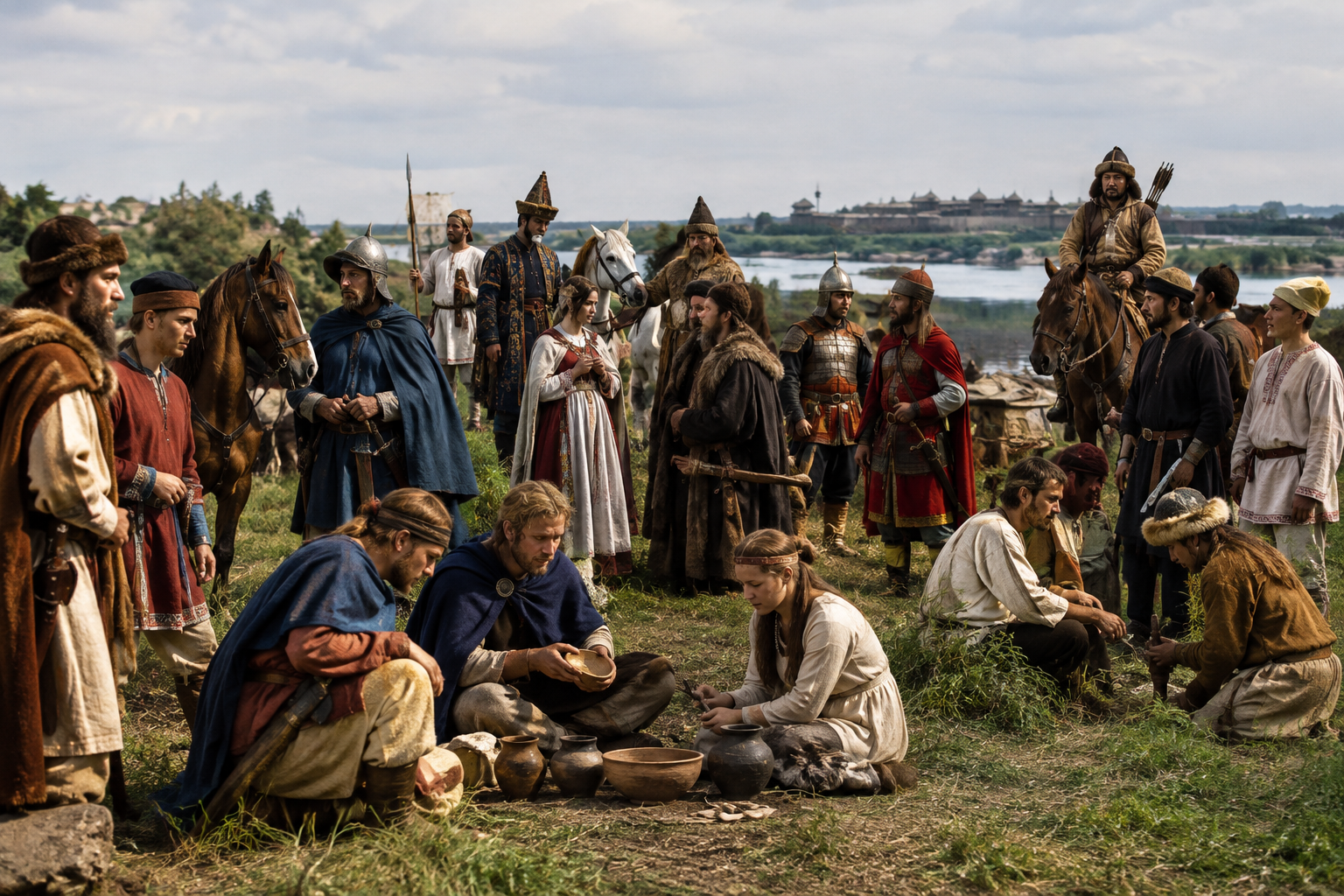
Haplogroup R1a1a1b1 sits in one of the most historically discussed branches of the Y chromosome tree, and for good reason. Its story turns up in places that at first seem only loosely connected: Bronze Age barrows in Central Europe, Iron Age steppe burials, medieval Poland, Scandinavia, Pannonia, and even farther east on the Mongolian steppe. That spread does not mean one simple people marched everywhere with a single banner. It means that one paternal lineage, or rather a cluster of related paternal lines, was carried by very different communities across a very long stretch of Eurasian history.
As always with Y-DNA, there is an important caveat. A Y haplogroup traces only one direct paternal line: father to father to father. It is not the same thing as a person's whole ancestry, culture, language, or identity. But in archaeology, that narrowness can be useful. It allows us to watch one thread of ancestry recur in graves, settlements, and dynastic contexts, and to ask how those threads intersect with the better-known worlds of chiefs, warriors, frontier settlers, and ruling houses.
R1a1a1b1 belongs within the broader R1a family, a major Y-chromosome branch long associated in ancient DNA research with parts of Eurasia shaped by Bronze Age mobility. For this specific branch, caution matters. We should not simply pour the entire history of broad R1a into the narrower vessel of R1a1a1b1. Still, the sample set here strongly suggests that this paternal line was already established across a wide arc of Europe by the Bronze Age and later appeared in settings linked to steppe, northern, central European, and medieval eastern European populations.
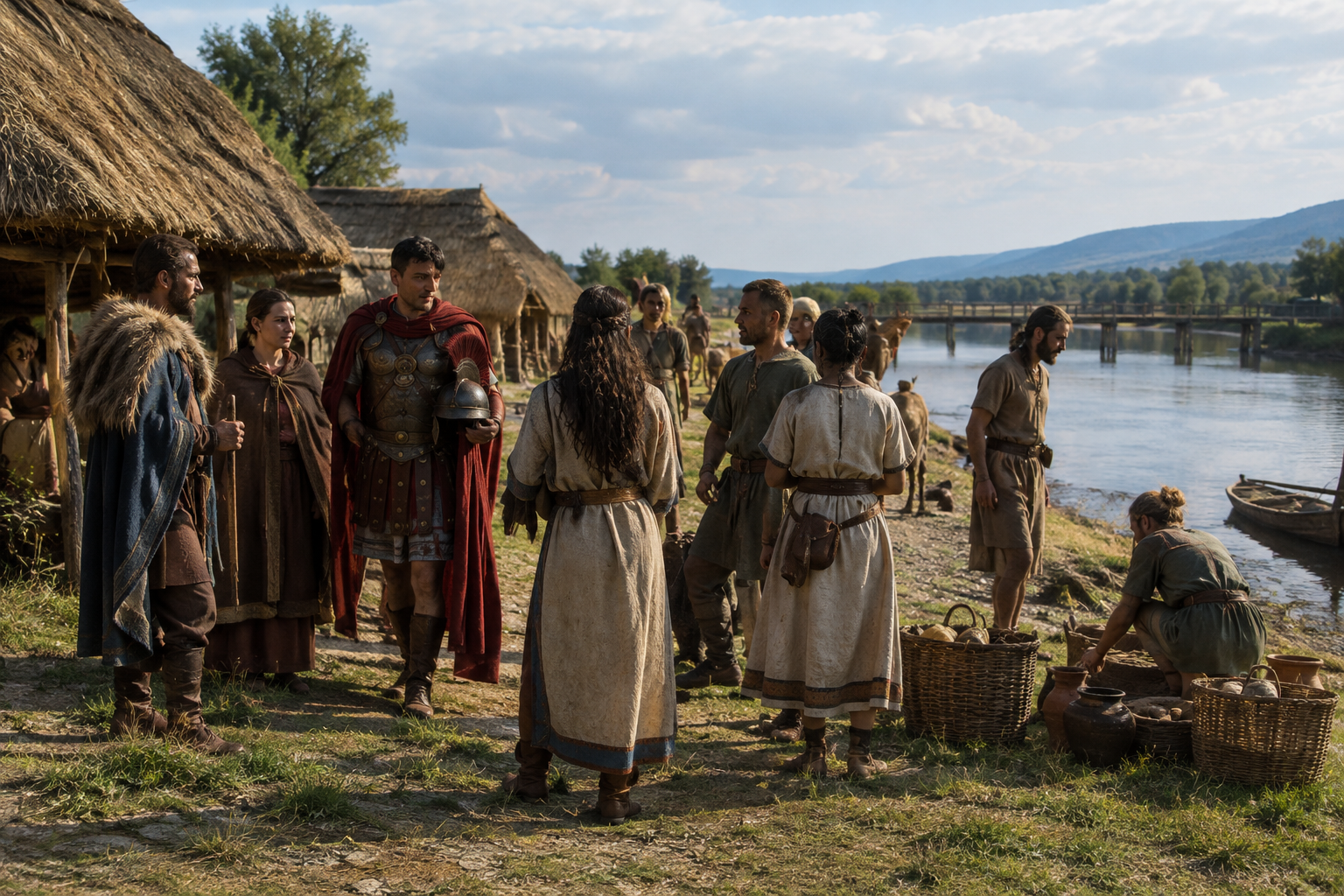
Some of the earliest signposts come from Central Europe. The Bronze Age Unetice sample LEU027 from Leubingen, Sommerda, Thuringia, Germany, dated to 1950 BC, places this lineage in one of the classic archaeological landscapes of early Bronze Age Europe. Unetice culture is famous for elite burials, metalworking, and the social changes of early Bronze Age central Europe. Nearby in time and region are DSH014 from Drasenhofen, Austria, dated 2000 BC, and poz790 from Hrebenne, Lublin, Poland, dated 2130 BC. Together, they suggest that lineages within this branch were not confined to one valley or one tribe, but formed part of a broader north-central European world.
Explore Late Bronze Age Central Europe
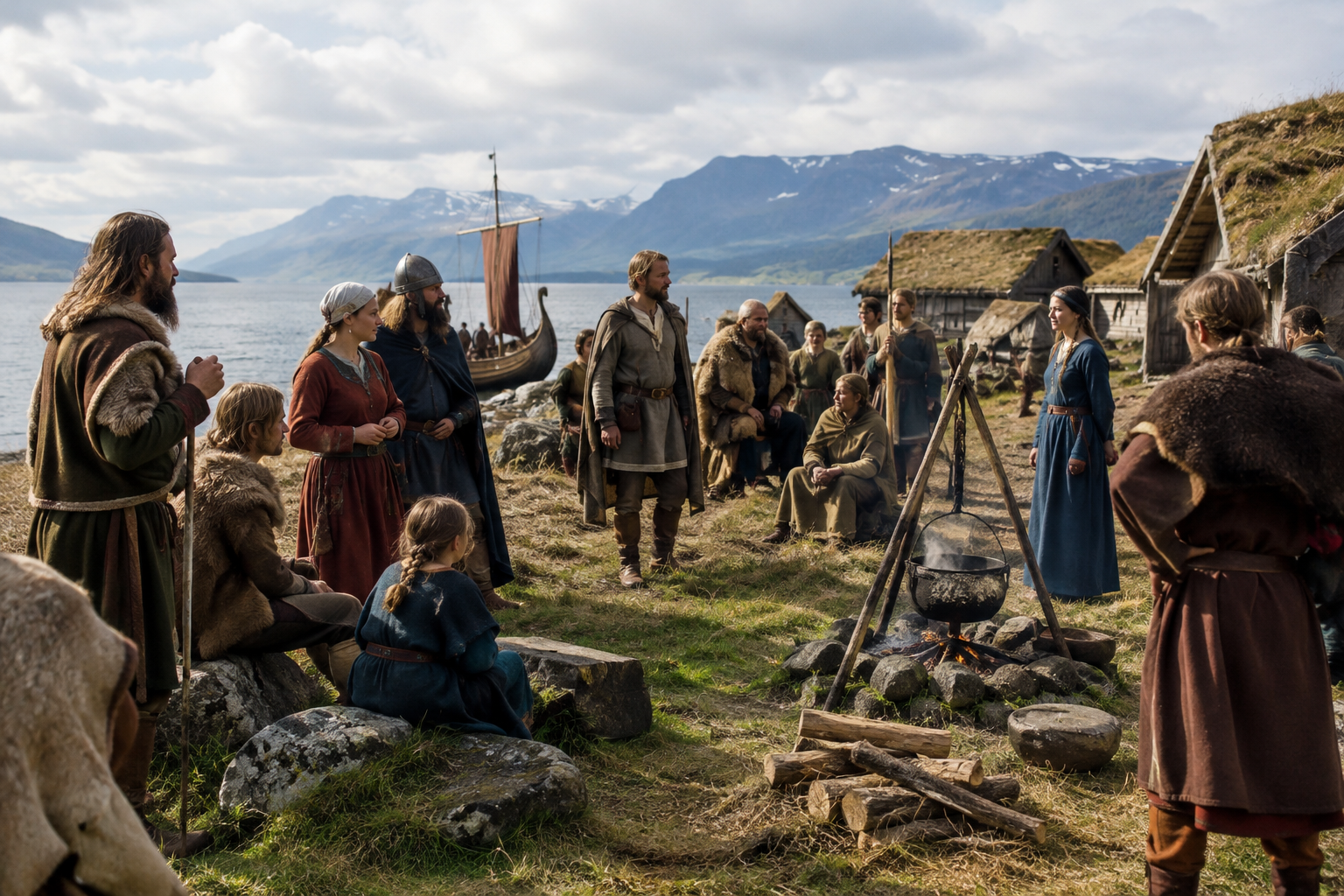
That pattern continues into later prehistory. Samples such as poz556 from Late Bronze Age Lublin Zubowice, dated 2000 BC as supplied, and poz711 from Bronze Age Silesia Pielgrzymowice, dated 1375 BC, show the lineage in territories that would much later become politically central to medieval Polish history. In Scandinavia too, the branch appears early: CGG105610 from Early Nordic Bronze Age Sund, Norway, dated 1681 BC, and CGG107512 from Tybjerg Mose, Sjaelland, Denmark, dated 387 BC. These finds do not prove one homogeneous "R1a people." They do, however, show that this paternal line had become embedded in several regional populations across northern Europe.
Ancient DNA becomes most interesting when we stop treating haplogroups like labels and start looking at the individuals. UKR035AB, from Medvyn Tract Girchakiv Lis in Ukraine and dated 650 BC, comes from a Scythian context. This places R1a1a1b1 in the world of the north Pontic steppe, horse culture, and the powerful mobile societies that so unsettled and fascinated the ancient Mediterranean imagination. It is a reminder that paternal lines can cross between farming zones, forest margins, and steppe networks.
Farther east still is NAI002, from Naimaa Tolgoi in Mongolia, dated 50 AD and associated with the Late Xiongnu horizon. No, this does not mean medieval Poles and Xiongnu elites were close genealogical cousins in any usable family-tree sense. It does mean that the wider paternal background behind this branch could travel astonishing distances across Eurasia, carried through very different political and cultural worlds.
The Carpathian Basin adds another layer. GYS048, from Late Antique Pannonia at Arrabona, Szechenyi Square, Hungary, dated 425 AD, belongs to the unsettled centuries after Roman power weakened in the region. Then there is K2per36_GE from Karos II, dated 900 AD, in the context of the Hungarian conquerors. These samples do not create a straight paternal chain from Bronze Age Austria to conquest-period Hungary, but they do show how this lineage appears repeatedly in the great corridor between Central Europe and the steppe.
Discover the Hungarian Conquest
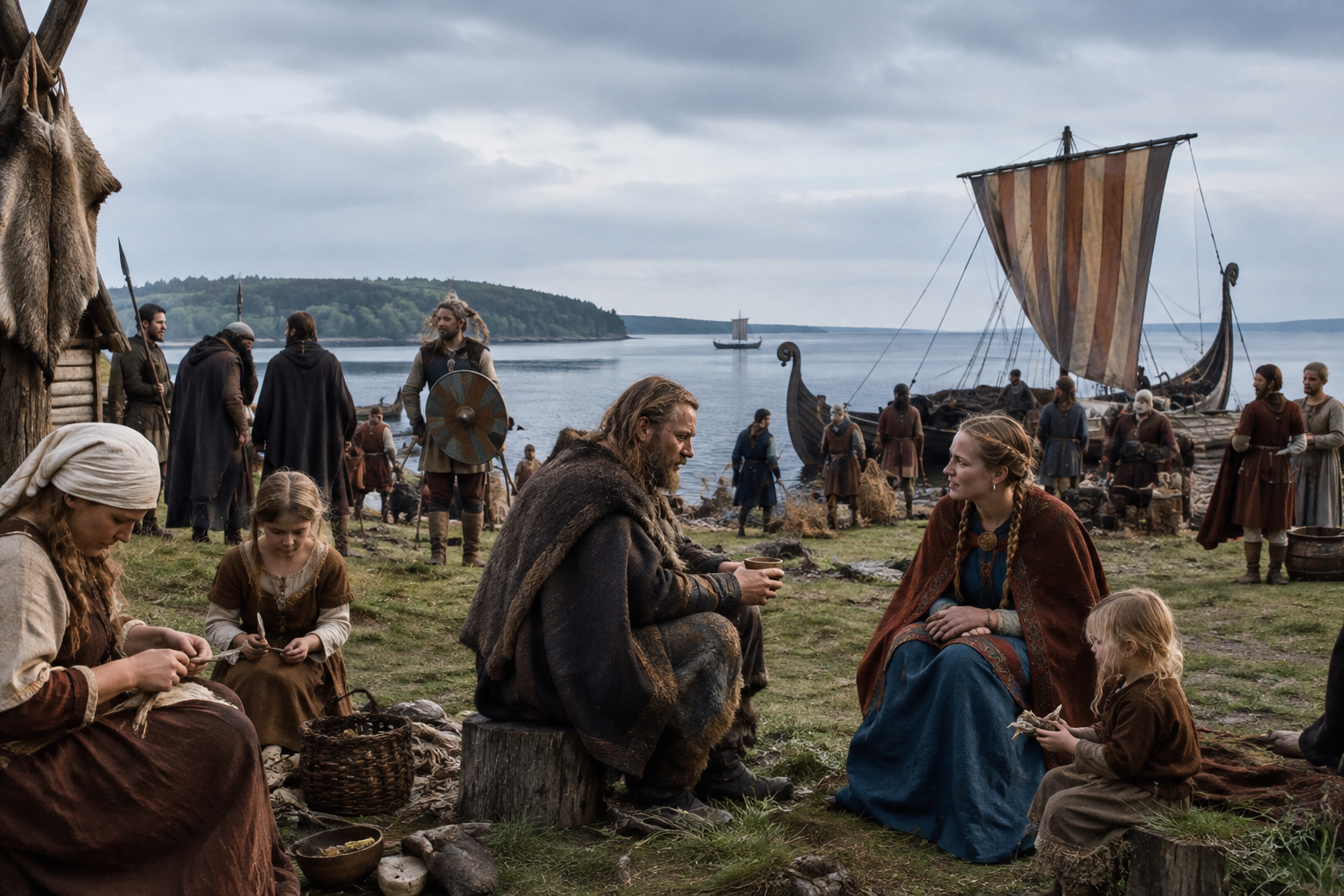
The Baltic region is equally revealing. Two Estonian finds, 0LS11 from Harju Jelhtme dated 974 BC and V16 from Late Bronze Age Estonia dated 660 BC, point to a northern distribution that fits the broad picture of R1a-related paternal lines appearing around the eastern Baltic in later prehistory. Again, the lesson is not ethnic simplicity but repeated presence.
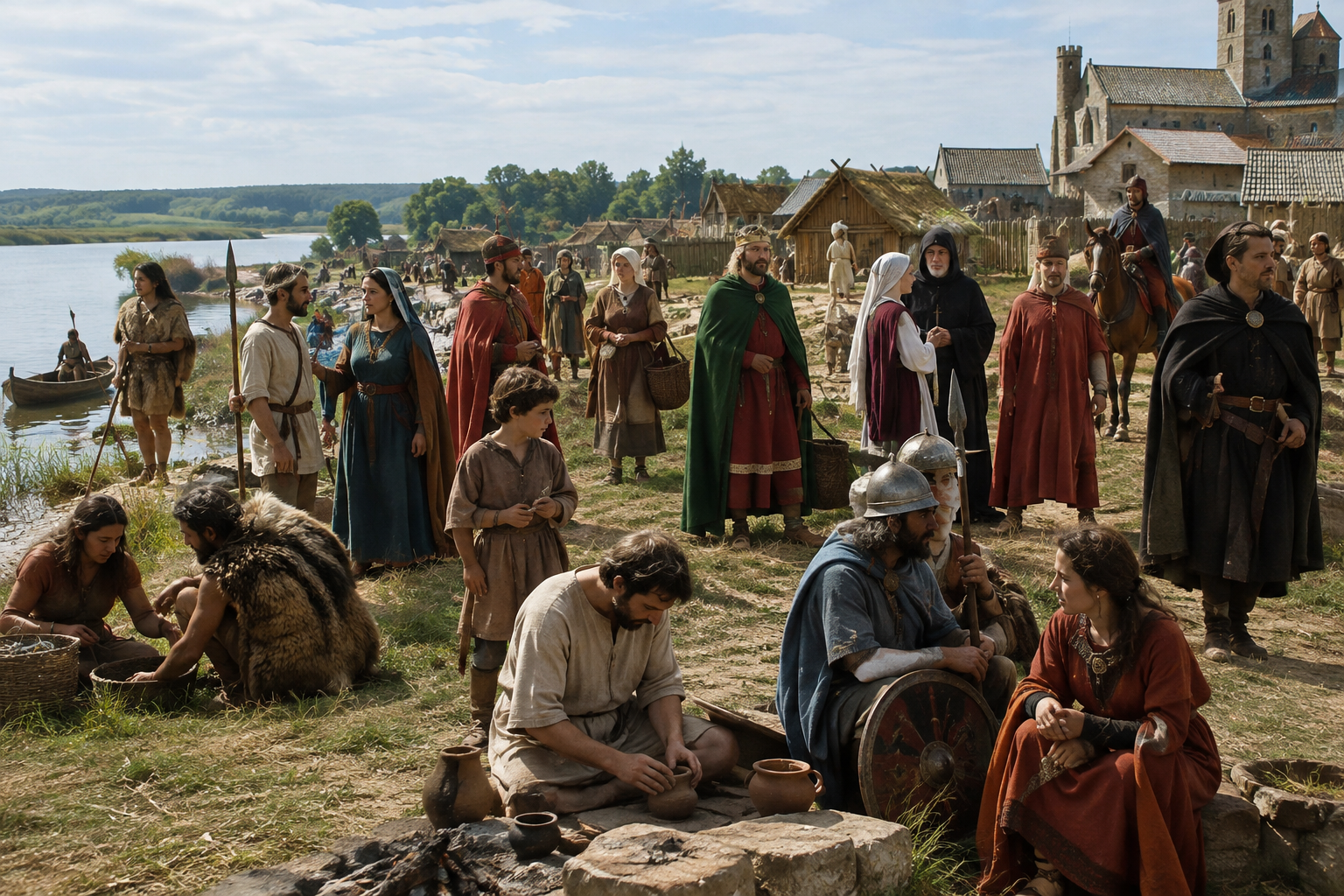
By the medieval period, this haplogroup appears in a particularly intriguing cluster connected with Poland and the western Slavic world. The Piast-related samples are especially striking: PCA0393 from the Piast Dynasty Lubusz-Greater Poland border at Santok, PCA0216 from Greater Poland, PCA0564 from Silesia Milicz, and PCA0317 from Plonsk in Masovia, all dated 1100 AD as supplied. Whether these represent close paternal kin or broader elite-associated lineages must be established case by case, but collectively they show R1a1a1b1 in the political heartland of early medieval Poland.
That matters because the Piast realm was not merely a royal genealogy on parchment. It was a territorial project, binding Greater Poland, Silesia, Masovia, and frontier strongholds into an emergent kingdom. The presence of this lineage in several Piast-era contexts suggests that some paternal lines seen in prehistoric and early historic east-central Europe also persisted into the age of Christian rulership, fortified settlements, and named dynasties.
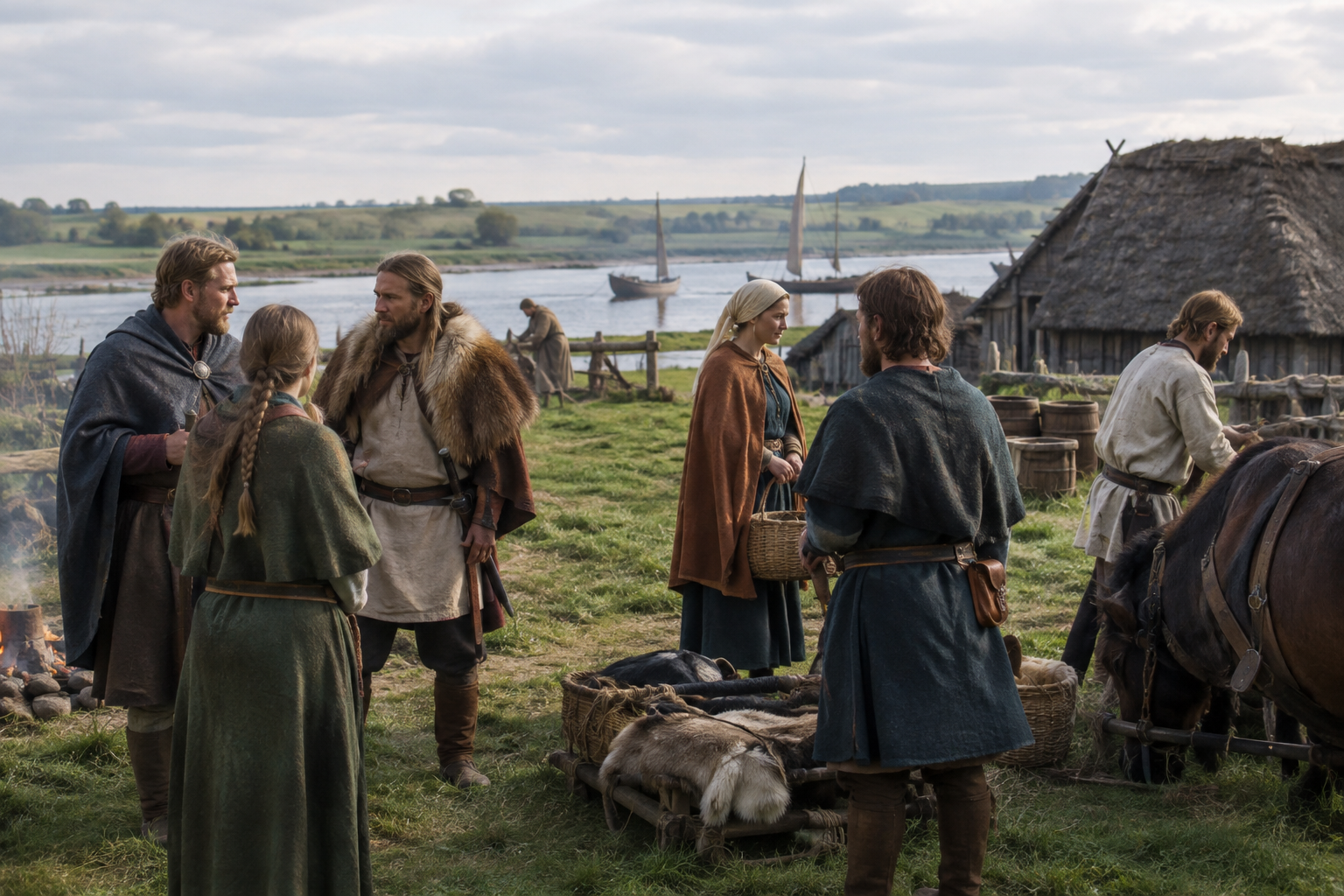
Another revealing sample is NDW013, a 1100 AD individual from Niederwuensch in Sachsen-Anhalt, described as a Western Slav settler. This is a useful corrective to tidy national stories. Medieval central Europe was a zone of contact, migration, colonization, and frontier overlap. Paternal lineages do not obey modern borders any more than medieval settlers did.
The supplied noble family field here is blank, and that is worth saying plainly rather than papering over it with invention. We are not given a documented set of aristocratic houses, castles, or ancestral seats specifically tied to this article's haplogroup. So the responsible historical move is not to fabricate heraldic drama, but to notice that the medieval samples themselves already place us in landscapes dense with power centers: Santok on the Lubusz-Greater Poland border, Milicz in Silesia, Plonsk in Masovia, and the settlement zones of western Slavic expansion in what is now eastern Germany.
These were the kinds of places where timber-and-earth strongholds evolved into castles, where ruling families anchored authority in border forts and river crossings, and where paternal lineages could persist not because genes bestowed rank, but because some family lines happened to survive, reproduce, and become socially prominent. Genetics can sometimes illuminate such histories, but it does not magically identify every duke in every ruined tower.
That is why ancient DNA is so valuable when handled carefully. It offers a different archive from chronicles and charters. A written genealogy may tell us who claimed descent from whom; a Y chromosome may reveal whether paternal continuity is plausible, complicated, or broken. But sharing a haplogroup with a Piast-era burial is not proof of descent from the Piasts, and certainly not proof of descent from any later noble house in the region.
Explore Piast Dynasty Connections
What makes R1a1a1b1 so compelling is not that it belongs to one famous people, but that it refuses to stay in one historical box. In the supplied evidence, it appears in Bronze Age Central Europe, in Estonia and Scandinavia, in Scythian Ukraine, in Late Antique Pannonia, among Hungarian conqueror-period remains, and in Piast-era Poland and western Slavic settlement zones. That is a serious geographical and chronological spread.
So the best way to understand this haplogroup is not as a badge of identity, but as evidence of long-term paternal continuity mixed with movement. Some branches endured in local populations for centuries. Others seem to have traveled through military, migratory, or elite networks stretching from central Europe to the steppe and beyond. Ancient DNA does not flatten these histories; it makes them more complicated, and much more interesting.
If you want a wider view of the steppe side of this story, the Scythian and Xiongnu contexts make a good companion to broader reading on Eurasian mobility and ancient paternal lines.
Explore DNA of the Mongolian Steppe
Upload your DNA to MyTrueAncestry to explore whether your results show connections to ancient individuals like UKR035AB, LEU027, GYS048, or the Piast-era samples from medieval Poland. These comparisons can offer remarkable historical perspective on your ancestry, while also reminding us that shared ancient DNA does not by itself prove direct descent from a specific dynasty or noble line.
Comments