Haplogroup I1a1b1

– 6 min read


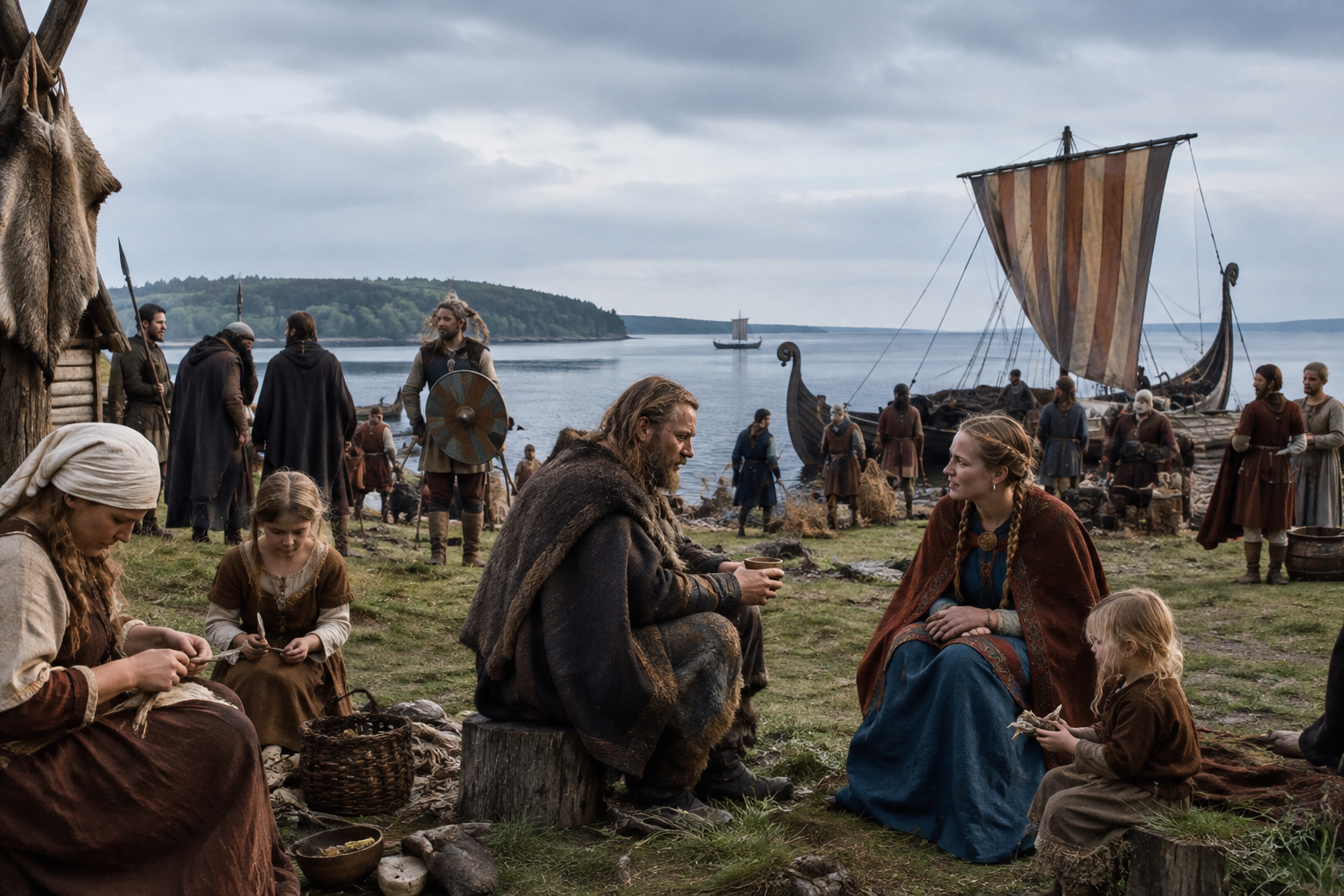
Some Y-DNA haplogroups are easy to pin to one famous chapter of history. I1a1b1 is more elusive, and that is precisely what makes it interesting. It appears in ancient DNA from Scandinavia, the North Sea world, post-Roman Central Europe, early medieval England, and even Italy. Instead of belonging neatly to one kingdom or one people, it seems to move through the very zones where late antiquity and the early Middle Ages were most unsettled: frontiers, migration corridors, trading coasts, and newly forming kingdoms.
As a Y-chromosome lineage, I1a1b1 traces one direct paternal line only: father to son to son across the generations. It does not describe a person's full ancestry, culture, language, or identity. Still, when we find the same broad paternal branch in burials scattered across centuries and regions, it gives us a useful thread. In this case, that thread runs through northern Europe and repeatedly turns up in contexts associated with Germanic-speaking populations, Scandinavian mobility, and the reshaping of Europe after Rome.
I1 is widely regarded as one of the major paternal lineages associated with northern Europe, especially Scandinavia. For a narrower branch such as I1a1b1, caution matters: we should not simply pour the entire history of haplogroup I1 into this one subclade. But the pattern of the samples supplied here does suggest that I1a1b1 belonged to the northern European paternal landscape and later spread through migration, settlement, and local continuity.
One of the earliest anchors in this set is CGG105926, from Neolithic Sweden Albacksbacken Maglarp, dated to 1800 BC. A sample like this matters because it places this paternal branch, or a very close line, in southern Scandinavia long before Vikings, Saxons, or Lombards enter the written record. That does not mean a straight, documented line from Neolithic Sweden to every later carrier. It does mean that the roots of this paternal history reach deep into the north.
The later appearance of I1a1b1 in Denmark and Sweden also fits that broad picture. CGG107443, from the Danii Tribe Denmark Northwest Sjaelland Asnaes and dated to 175 AD, shows this lineage in the Roman Iron Age world of Denmark. This is the sort of evidence that helps connect prehistoric northern paternal lines with the societies that classical and early medieval writers would eventually describe.
Readers interested in the deeper Scandinavian background behind such lineages may also enjoy this broader look at the region's transition into farming life.
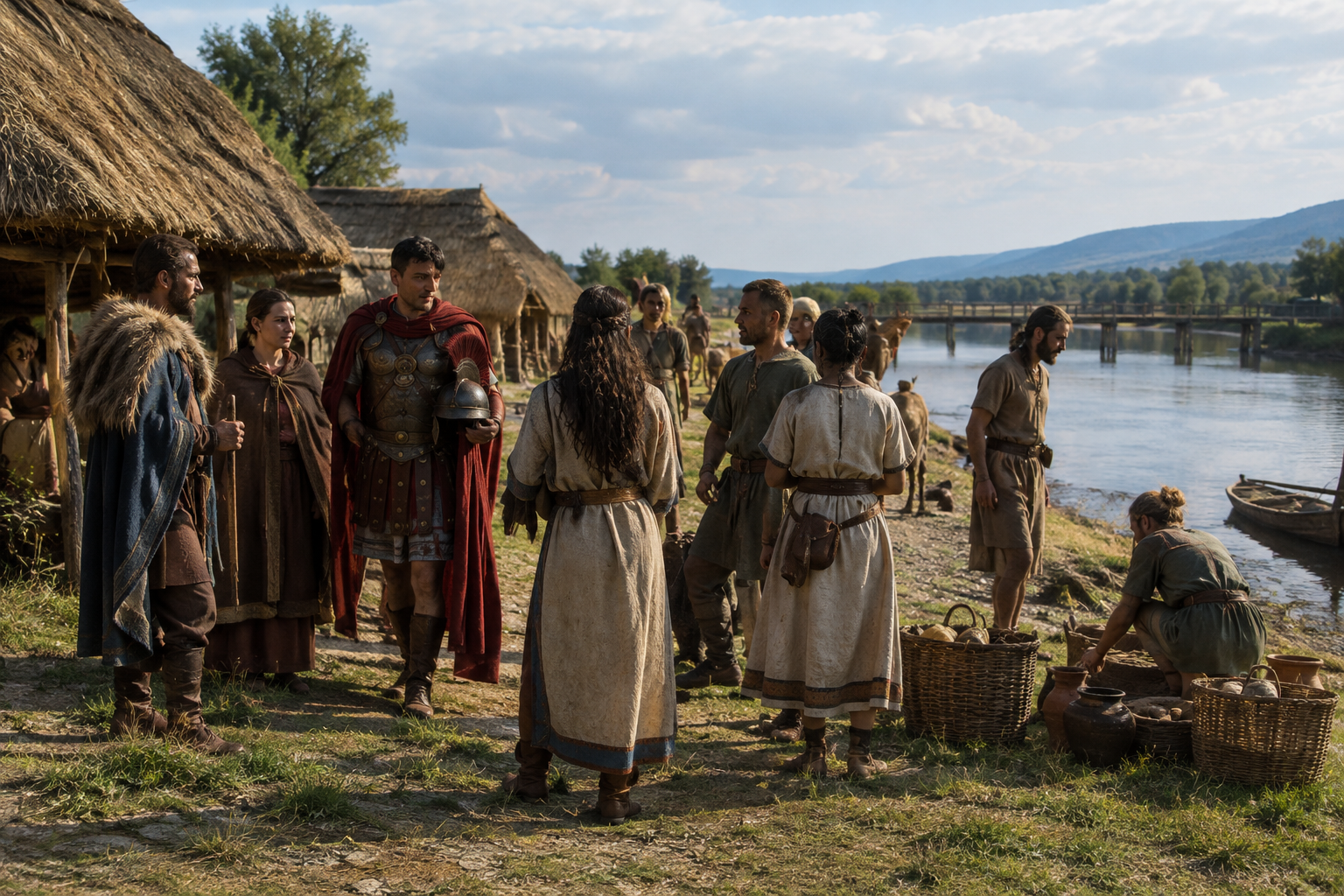
Once we move into the first millennium AD, I1a1b1 starts turning up in exactly the sort of places where historians expect movement, mixture, and new political worlds. The Carpathian Basin is a striking example. Bal_111, Bal_111m, and Bal_111x come from Post Roman Empire Pannonia Hungary Balatonszemes, dated to 475 AD. Nearby in time and geography are SZL026 from Longobard Period Pannonia Savaria Szeleste Barbaricum Hungary at 525 AD and RKF183 from Migration Period Hungary Rakoczifalva at 650 AD.
This concentration is telling. Pannonia was one of those great hinge regions of European history: once Roman, then contested by Goths, Lombards, steppe groups, and later the Avars. A paternal lineage found repeatedly there suggests not a single dramatic event, but a continuing male presence amid political upheaval. Some of those men may have been migrants from farther north or northwest; others may represent already mixed frontier communities. Ancient DNA lets us see that these were real populations, not just names in chronicles.
Another revealing sample is Alh_141 from Merovingian Period Bavaria Altheim Germany, dated to 600 AD. Bavaria in this period sat within a world shaped by Frankish power, local elites, and older regional traditions. Finding I1a1b1 there is perfectly compatible with the wide circulation of northern and central European paternal lines in early medieval society.
And then there is Italy. To_Lav_T2US16, from Dark Ages Italy Torino Lavazza and dated to 550 AD, places this lineage in the post-imperial Italian north. That is historically tantalizing. Northern Italy in the sixth century was not an isolated peninsula but a contested zone of Ostrogothic, Byzantine, and Lombard power. A northern-associated paternal lineage in Turin does not prove ethnicity, but it fits the broader picture of mobility into Italy after the collapse of western Roman rule.
If you want to follow that frontier world more closely, this related article is an excellent companion piece.
The western edge of this story is just as interesting. I16509, from the Kingdom of Mercia England Wolverton Buckinghamshire and dated to 635 AD, places I1a1b1 in early medieval England. So does I16383 from the Kingdom of Dumnonia Britain Cornwall Widemouth Bay, dated to 700 AD. These are very different settings: Mercia was an expanding Anglo-Saxon kingdom in the Midlands, while Dumnonia represents the southwest, where older British traditions remained strong longer.
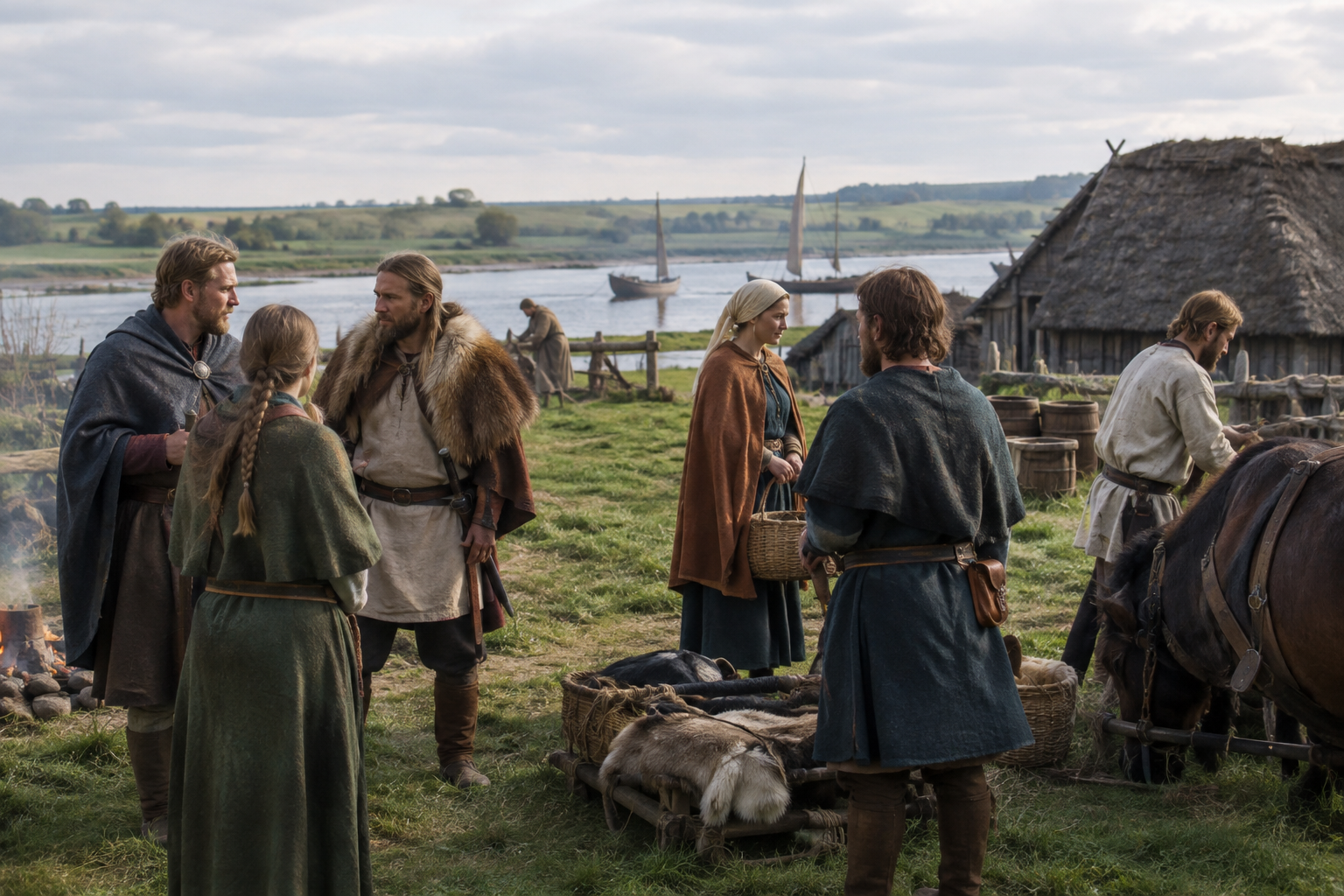
That contrast is exactly the point. Y-DNA does not map neatly onto political labels. A lineage can persist through conquest, intermarriage, local survival, and migration. In England, I1a1b1 may have arrived with settlers from the North Sea coast, but once there it became part of communities that were already varied and still changing.
DUN005, from Saxon Lower Saxony Germany Dunum dated to 840 AD, helps anchor the continental side of that North Sea world. Lower Saxony was one of the homelands often invoked in discussions of migration to Britain, and while one sample cannot prove a specific route, it shows this paternal branch in precisely the kind of region that mattered for early medieval English formation.
For readers curious about how ancient DNA is reshaping that history, this is a very useful next stop.
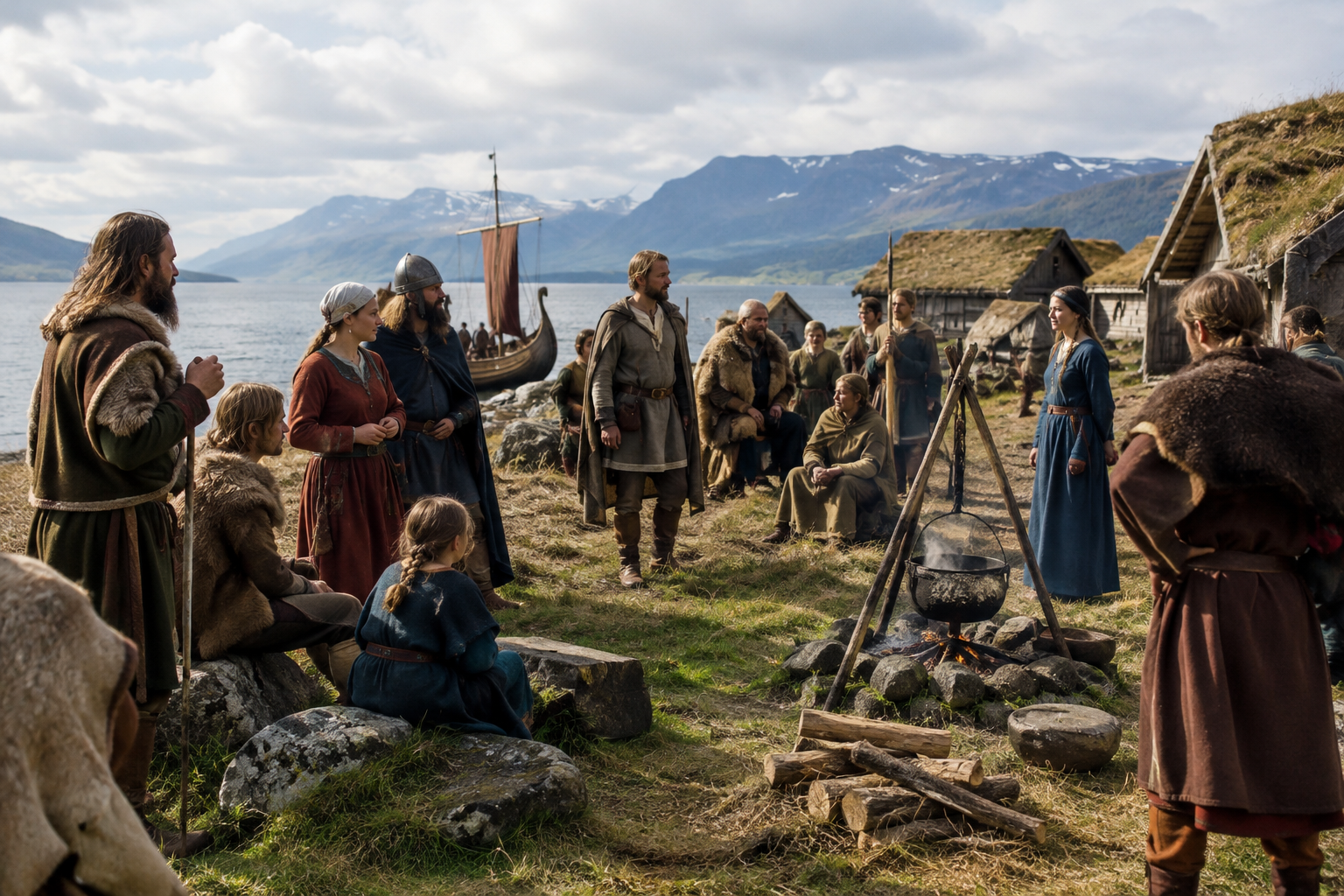
The later Scandinavian evidence is especially vivid. VK507, from Vendel Age Saaremaa Salme I dated to 725 AD, links this lineage to the eastern Baltic world, a region tied to seafaring, raiding, and warrior mobility before the classic Viking Age was fully underway. VK315, from Viking Age Rantzausminde Grav Funen Denmark at 875 AD, and als007, from Viking Age Sweden Uppland Alsike at 975 AD, place it squarely within Viking Age Scandinavia itself.
Then, remarkably, the line still appears in much later historical material: kro016 from the Stora Kronan Shipwreck Battle of Oland Sweden, dated to 1676 AD. This is a useful reminder that haplogroups are not just prehistoric curiosities. They persist through the medieval and early modern centuries, carried by sailors, farmers, nobles, craftsmen, and soldiers alike.
What we have, then, is not one dramatic origin story but a long record of presence: Neolithic Sweden, Iron Age Denmark, migration-period Hungary, Merovingian Bavaria, Dark Age Italy, Anglo-Saxon England, Viking Age Scandinavia, and early modern Sweden. That is a substantial historical footprint.
If the Viking and wider Scandinavian dimension of this lineage catches your eye, this related article is well worth exploring.
In this case, no associated noble families or castles were supplied alongside the haplogroup. That absence is worth stating plainly, because it highlights something important about good genetic history. Not every paternal lineage article should be forced into a tale of barons, dynasties, and ancestral seats. Sometimes the evidence is stronger, and more revealing, at the level of regions and populations than at the level of named pedigrees.
That does not make I1a1b1 any less historical. Quite the opposite. Its story belongs to the great working landscapes and contested frontiers of Europe: the farming communities of southern Scandinavia, the shorelines of Denmark and Sweden, the mixed post-Roman societies of Pannonia, the early kingdoms of England, and the sea-roads of the Viking Age. Castles and family archives preserve one kind of past. Ancient graves preserve another, often older and less tidy one.
I1a1b1 shows how a paternal lineage can be both regionally grounded and historically mobile. The ancient DNA suggests a strong northern European background, especially in Scandinavia, but its later distribution shows movement into Central Europe, Britain, and Italy in periods of major transformation. That does not prove direct descent from any one ancient sample, still less membership in a famous dynasty. What it does provide is context: a way of placing one paternal line inside the larger history of European settlement, migration, and continuity.
For MyTrueAncestry users, that is the real excitement. A haplogroup like I1a1b1 is not a badge of ethnicity and not a shortcut to a medieval pedigree. It is a clue - one that becomes far richer when set beside archaeology, burial evidence, and ancient genomes from real individuals such as CGG105926, CGG107443, SZL026, I16509, VK315, and kro016.
If your DNA points toward a lineage like I1a1b1, MyTrueAncestry can help you explore the ancient populations and historical worlds where similar paternal lines appear. You may discover links to Viking Age Scandinavia, post-Roman frontier societies, or early medieval Britain. Those comparisons do not by themselves prove direct genealogical descent, but they can open an unusually vivid window onto your deep past.

Comments