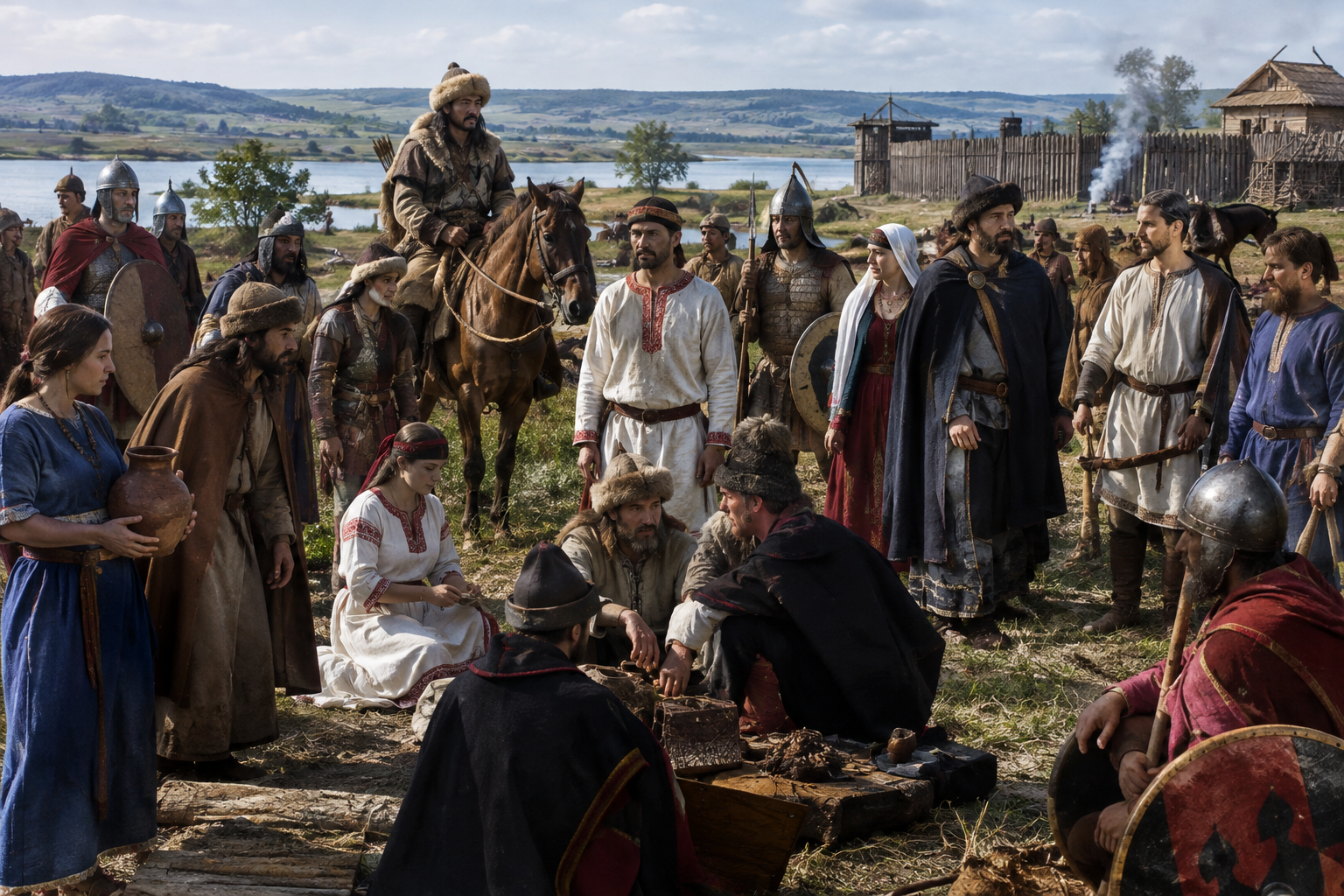
Haplogroups and Noble Lines Haplogroup R1a1a There are some Y-DNA haplogroups that sit neatly inside one chapter of history. R1a1a is not one of them. It turns up in a far broader and more unruly story: Bronze Age communities in Central Europe, Iron Age groups on the north Pontic steppe, Gothic-era burials in Poland, post-Roman and By Sven • 6 min read
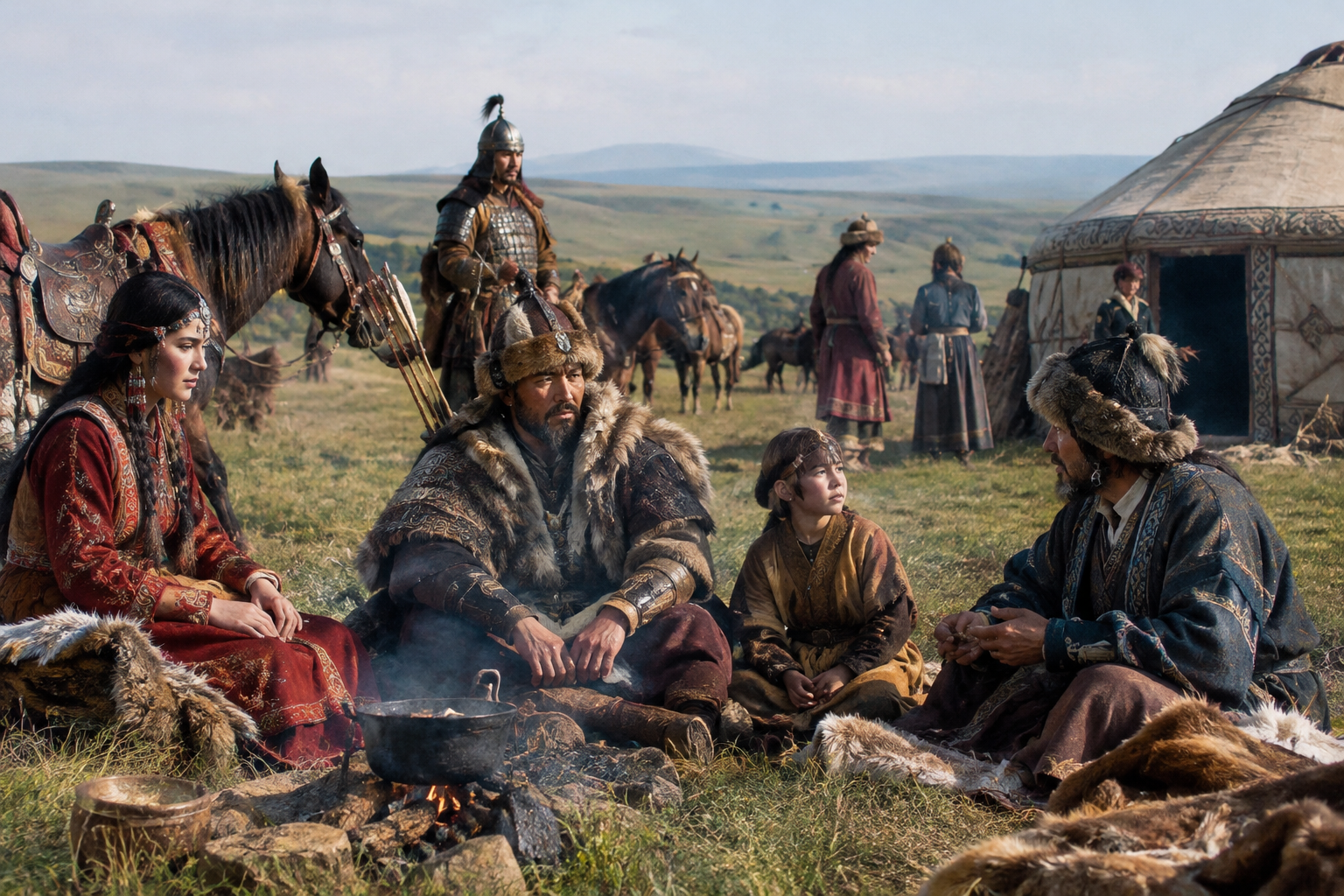
Haplogroups and Noble Lines Haplogroup R1a1a1b2 Some Y-chromosome lineages are easiest to understand when they stay politely in one region. R1a1a1b2 is not one of them. It appears instead in a long arc of ancient discoveries stretching from Bronze Age northern Europe through the forest-steppe and deep into Central and South Asia. That alone makes it By Sven • 6 min read
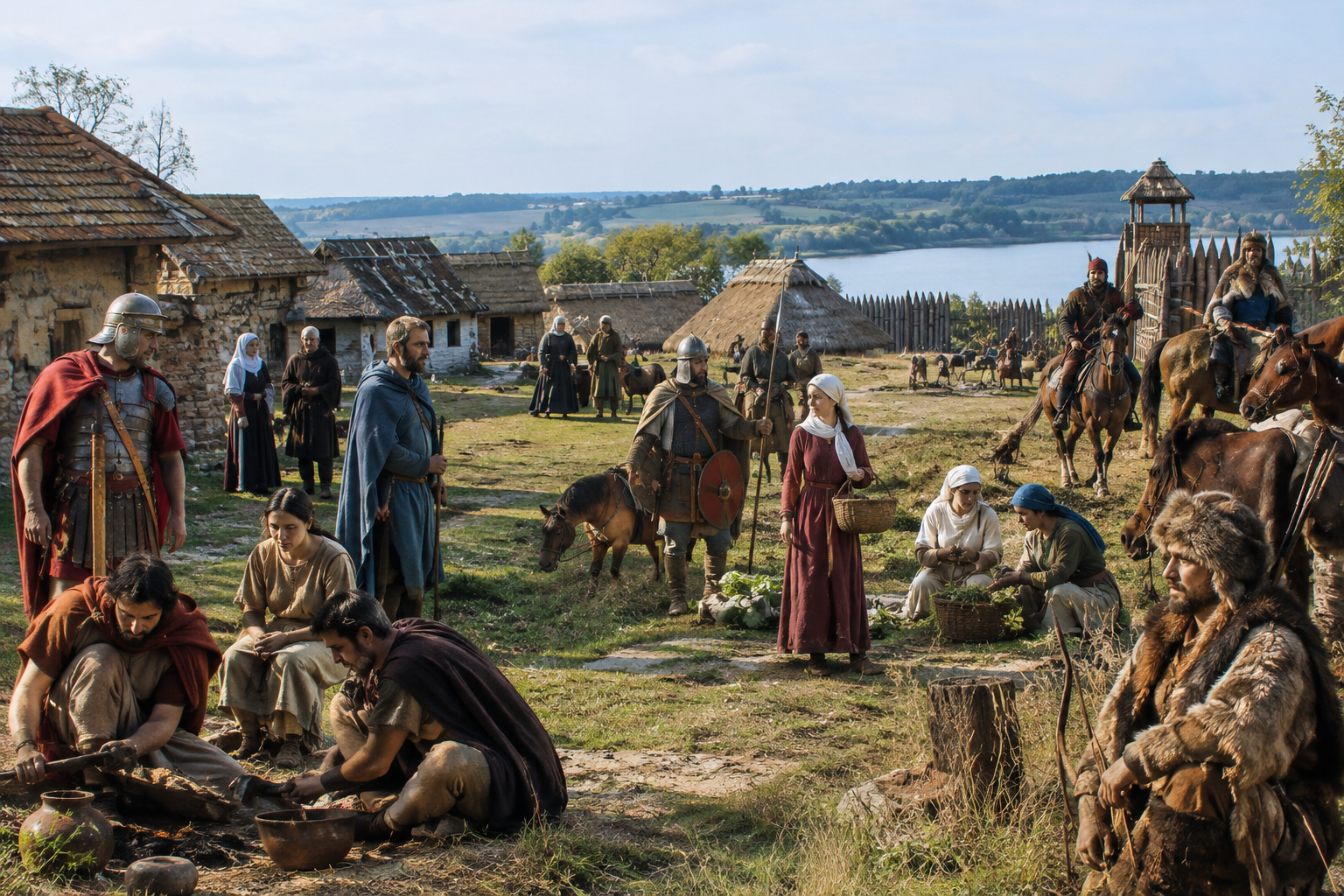
Haplogroups and Noble Lines Haplogroup R1 Why R1 still matters Haplogroup R1 is one of those deceptively simple labels that opens an enormous historical door. On the Y chromosome, R1 is a deep paternal lineage, ancestral to branches that would later become important across much of Eurasia. That matters because Y-DNA follows one narrow line - By Sven • 7 min read
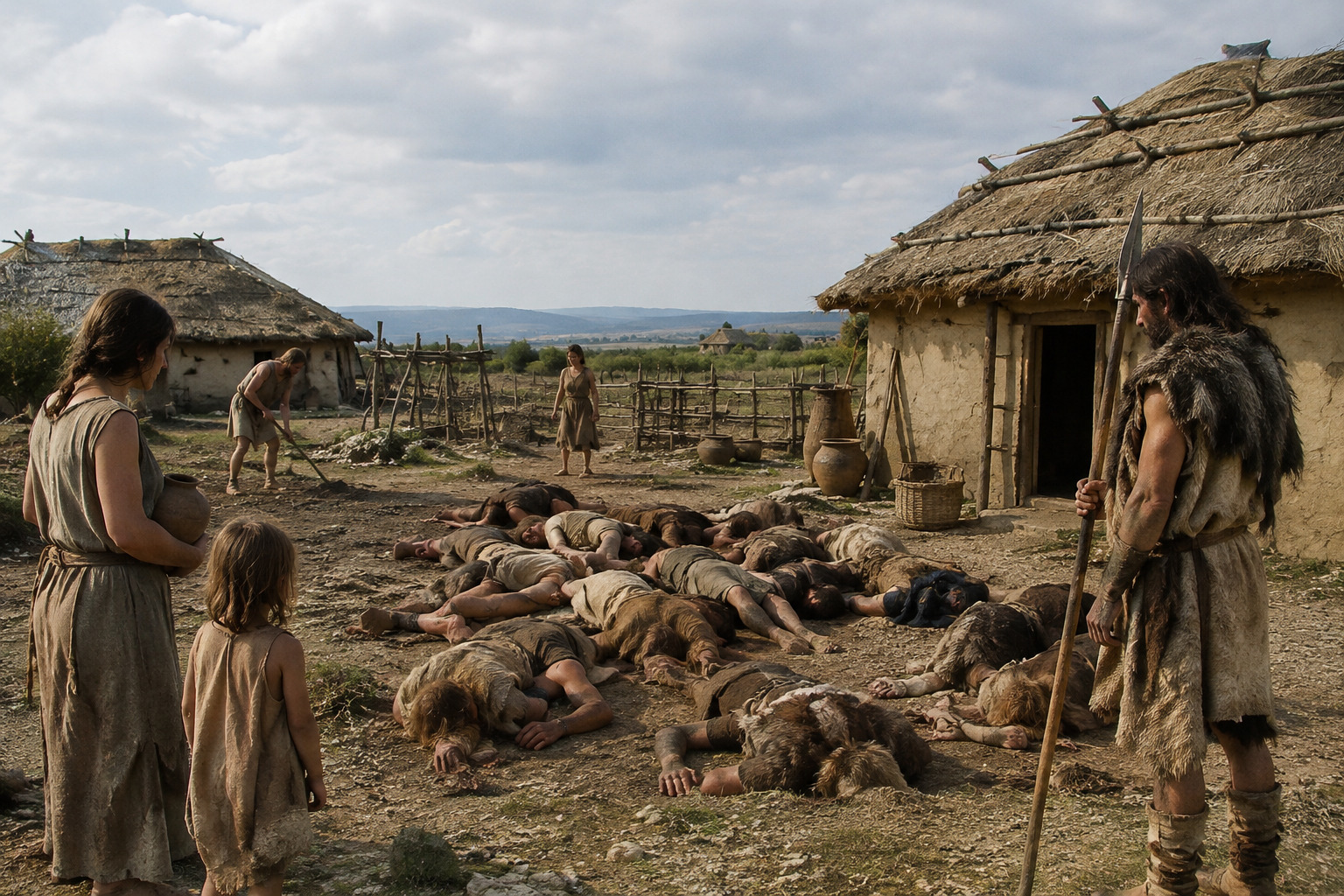
Haplogroups and Noble Lines Haplogroup C1a2 C1a2: an unexpectedly ancient paternal line Some Y-DNA haplogroups appear again and again in later historical populations, dynasties, and surnames. C1a2 is interesting for almost the opposite reason. It is one of those paternal lineages that turns up in ancient DNA as a quiet but persistent presence in early farming By Sven • 6 min read
Haplogroups and Noble Lines Haplogroup R1a Few Y-chromosome haplogroups have attracted as much historical attention as R1a. It turns up in a striking range of ancient burials, from Mesolithic and Neolithic sites in eastern Europe to Bronze Age graves in Scandinavia, steppe contexts in Inner Asia, and medieval dynastic burials in Poland. That breadth is exactly By Sven • 6 min read
Haplogroups and Noble Lines Haplogroup R1b1a1b1a Some Y-chromosome lineages turn up in just one corner of the ancient world. Others seem to behave more like seasoned Mediterranean merchants or restless Bronze Age fighters, appearing in one century in Iberia, then in central Europe, then in the Aegean, and later again in medieval towns and dynastic burials. By Sven • 7 min read
Haplogroups and Noble Lines Haplogroup I Haplogroup I is one of the most intriguing paternal lineages in Europe because it feels, in a sense, stubbornly local. While many Y-chromosome branches are tied to large later expansions, Haplogroup I is often discussed as one of the old European paternal lines that was already present in the continent By Sven • 6 min read
Haplogroups and Noble Lines Haplogroup J1a2a1a2d2b2b2 Some Y-DNA haplogroups turn up in one neat historical setting and stay politely there. Haplogroup J1a2a1a2d2b2b2 does not. The samples supplied for this branch point instead to a much wider and more intriguing story: one that stretches from Bronze Age Syria and Anatolia to Armenia, from a Punic burial in By Sven • 6 min read
Haplogroups and Noble Lines Haplogroup J Haplogroup J is one of those Y-chromosome lineages that keeps turning up in places where the history is already crowded: early farming villages, Bronze Age towns, eastern Mediterranean ports, Roman frontier communities, and medieval trading worlds. That alone makes it historically interesting. It is not a marker of one people, By Sven • 6 min read
Haplogroups and Noble Lines Haplogroup R1b1a1b1a1 There is something especially arresting about a Y-chromosome lineage that turns up in a Bronze Age kurgan on the Serbian plain, reappears in richly furnished Celtic burials in southwest Germany, turns up again in Roman and post-Roman Britain, and then surfaces in medieval contexts from Portugal to Poland and Scandinavia. By Caterina • 6 min read
Haplogroups and Noble Lines Haplogroup R1b1a1b1b Haplogroup R1b1a1b1b sits in one of the most historically consequential branches of the Y chromosome, but its interest lies not in grand slogans about "the R1b story" so much as in the scatter of real men who carried related paternal lines across an enormous stretch of time and By Caterina • 6 min read
Haplogroups and Noble Lines Haplogroup A1b Haplogroup A1b is the sort of Y-chromosome lineage that reminds us, very quickly, that paternal ancestry is not the same thing as national identity, surname history, or the neat family trees people sometimes hope genetics will hand them. Y-DNA traces one direct male line only: father to father to father. By Caterina • 6 min read
Haplogroups and Noble Lines Haplogroup R1a1a1 There are some Y-chromosome lineages that seem to sit quietly in the background of European and Eurasian history, and then there is R1a1a1. It appears in early farming frontiers, in Bronze Age central Europe, on the steppe among Iron Age horse cultures, in early medieval settlements, and later in the By Caterina • 6 min read
Haplogroups and Noble Lines Haplogroup R1a1a1b There are Y-chromosome lineages that sit quietly in a family tree, and then there are lineages like R1a1a1b, which seem to turn up wherever the history of Eurasia becomes most crowded, mobile, and argumentative. This is a paternal line associated, at a broad level, with parts of the wider R1a By Caterina • 6 min read
Haplogroups and Noble Lines Haplogroup I2a There is something arresting about haplogroup I2a because it keeps turning up in some of Europe's oldest male lines. Not in one neat homeland, not in one tidy people, and certainly not as the badge of a single later nation, but scattered across river valleys, bogs, burial grounds, By Caterina • 6 min read
Haplogroups and Noble Lines Haplogroup I2 Haplogroup I2 is one of the great old paternal lineages of Europe. If you want a Y-DNA story that begins not with kings, chronicles, or castles, but with hunter-gatherers moving through post-Ice Age forests and shorelines, I2 is a fine place to start. It appears again and again in ancient By Caterina • 6 min read
Haplogroups and Noble Lines Haplogroup R1b1a1b1a1a1 Why this Y line matters Some Y-DNA lineages announce themselves with a grand historical label. This one does something more interesting. Haplogroup R1b1a1b1a1a1 appears across an unexpectedly wide sweep of European history: from Late Neolithic and Bronze Age contexts in the Netherlands, Sweden, and central Germany to Iron Age Austria By Caterina • 6 min read
Haplogroups and Noble Lines Haplogroup E1b1b1a1b1 Some Y-chromosome lineages seem to sit neatly in one place or one period. E1b1b1a1b1 does not. What makes it historically interesting is precisely its refusal to stay put. In the ancient DNA record supplied here, this paternal line appears in contexts stretching from prehistoric Ukraine to Minoan Crete, from Thracian By Caterina • 6 min read
Haplogroups and Noble Lines Haplogroup J2b2a1a1a1a1a1a1e Some Y-DNA haplogroups turn up here and there, in scattered finds, like a half-heard rumor from the past. Others appear in ways that force us to stop and think about movement, status, and the very untidy business of how peoples and polities formed. Haplogroup J2b2a1a1a1a1a1a1e belongs to that second category, By Caterina • 6 min read
Haplogroups and Noble Lines Haplogroup I2a1a2 Some Y-DNA haplogroups arrive in the ancient DNA record with a bang: a royal tomb, a famous battle burial, a named dynasty. I2a1a2 is more interesting for almost the opposite reason. It keeps appearing across a very wide stretch of European time and geography: in Mesolithic and Neolithic contexts, in By Caterina • 6 min read
Haplogroups and Noble Lines Haplogroup H2 Haplogroup H2 is one of those Y-chromosome lineages that makes ancient DNA feel less like an abstract chart and more like a set of footprints across early farming Eurasia. It is not a dominant modern European paternal lineage, and that is precisely why it matters. H2 turns up repeatedly in By Caterina • 6 min read
Haplogroups and Noble Lines Haplogroup J2b2a1 Haplogroup J2b2a1 is the sort of Y-DNA lineage that makes ancient history feel less like a row of sealed museum cases and more like a crowded harbor. It appears in places that mattered enormously to the old Mediterranean and Balkan worlds: Sicily, Greece, the Adriatic, the Roman frontier, and later By Caterina • 6 min read
Haplogroups and Noble Lines Haplogroup R1b1a1b Some Y-chromosome lineages turn up in one region or one period and stay politely in place. R1b1a1b is not one of them. In the ancient DNA record supplied here, it appears in graves stretching from the steppe and the Caucasus to Iron Age Celtic Europe, Roman Britain, Lombard Italy, medieval By Caterina • 6 min read
Haplogroups and Noble Lines Haplogroup R1b1a1b1a1a2c1 Some Y-chromosome lineages announce themselves with a bang: royal tombs, famous skeletons, neat historical labels. R1b1a1b1a1a2c1 is more interesting than that. It turns up across a startling spread of ancient contexts, from an Early Bronze Age burial in Hungary to Iron Age Britain, Roman Iberia, medieval Ireland, northern Spain, and By Caterina • 6 min read