Haplogroup I2a

– 6 min read


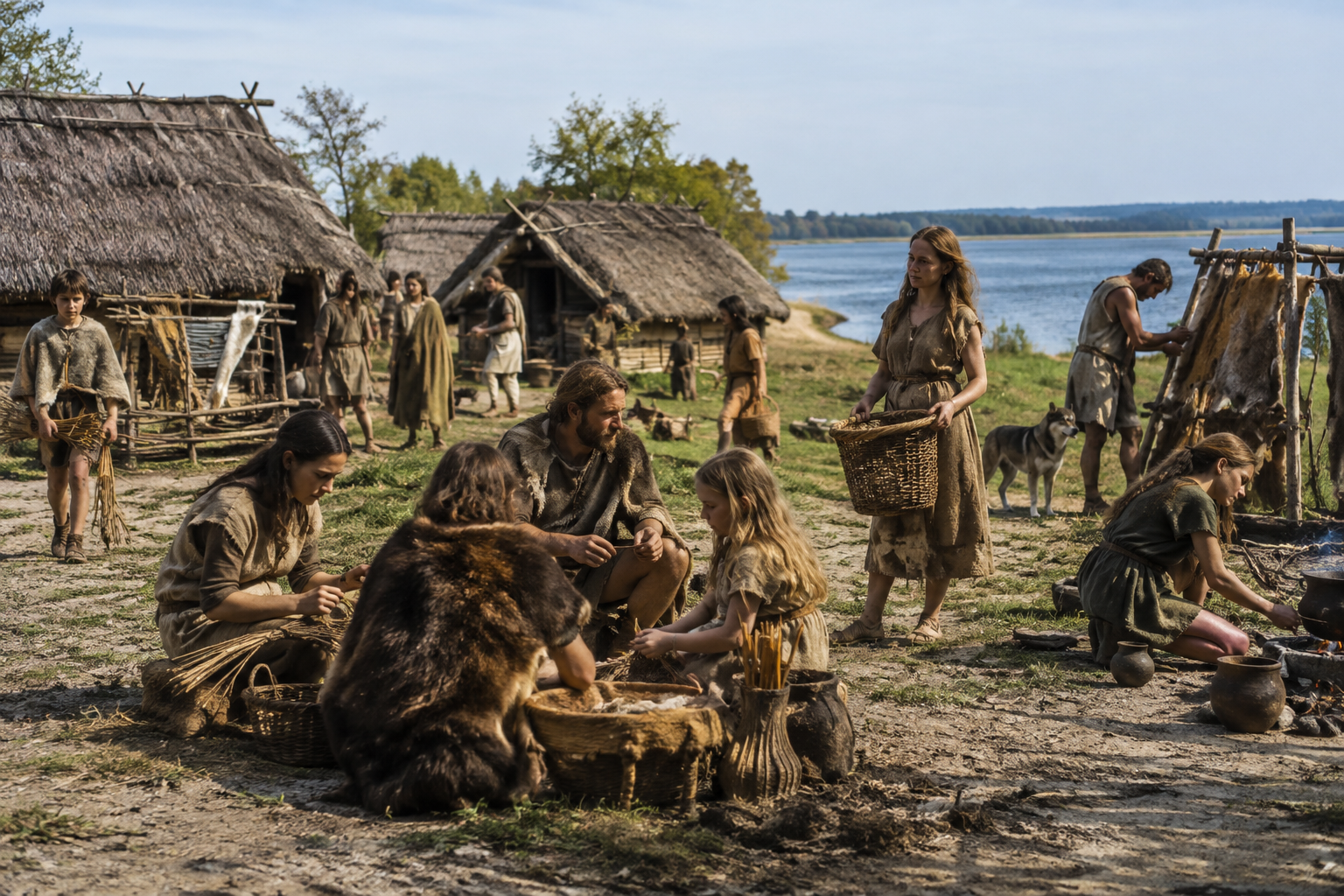
There is something arresting about haplogroup I2a because it keeps turning up in some of Europe's oldest male lines. Not in one neat homeland, not in one tidy people, and certainly not as the badge of a single later nation, but scattered across river valleys, bogs, burial grounds, chambered tombs, and coastal zones from the north Pontic region to Scandinavia and out into Atlantic Europe. If you want a reminder that prehistory was complicated, I2a is an excellent place to start.
Y-DNA haplogroups trace one very particular thread of ancestry: the direct paternal line, father to son across many generations. They do not represent a person's whole ancestry, culture, or identity. But they are extraordinarily useful for asking a specific question: where do certain male-line branches appear in the ancient record, and how do those appearances help us reconstruct population history? In the case of I2a, the answer is that this lineage has deep roots in prehistoric Europe and appears across hunter-gatherer, forager-farmer contact, and later Neolithic and Bronze Age settings.
Broadly speaking, haplogroup I is one of the major old European Y-chromosome lineages, and I2a is one of its important branches. Ancient DNA has made it increasingly clear that branches of I2 were present among Mesolithic and Neolithic populations in several parts of Europe. That does not mean every prehistoric European man belonged to I2a, nor that all later I2a carriers came from a single uninterrupted local population. What it does mean is that I2a is part of the deep paternal background of Europe before, during, and after the spread of farming.
One of the striking things about the sample list here is how often I2a appears in very early contexts around the north Pontic and Baltic world. Ancient Ukraine Vasilevka Year:8705 BC ID:NEO492 pushes us far back into the early postglacial period. Ancient Latvia Zvejnieki Year:5506 BC ID:NEO307 places the lineage in the eastern Baltic. The Ukrainian cluster is especially notable: Ancient Ukraine Vovnigi I Year:5336 BC ID:NEO552, Ancient Ukraine Volnensky Dnieper Year:4728 BC IDs NEO302, NEO304, and NEO305, Ancient Ukraine Vovnigi II Year:4666 BC IDs NEO502, NEO524, and NEO528, and Neolithic Ukraine Voloshskoe Year:4105 BC ID:NEO522. This is not a random scatter. It suggests that branches within the wider I2a world were embedded in populations along the great river systems of eastern Europe for millennia.
That matters because rivers such as the Dnieper were not barriers. They were thoroughfares. Boats, exchange, marriage networks, and burial traditions moved along them, and paternal lineages moved with them.
Explore the North Pontic DNA Story
The Russian material adds another dimension. Eneolithic Russia Ksizovo Year:3300 BC ID:NEO175 and the cluster from Neolithic Russia Sakhtish II Year:3318 BC IDs NEO178, NEO188, NEO195, and NEO197 place I2a in the forest zone of eastern Europe, while Ancient Russia Golubaya Krinitsa Year:5278 BC IDs NEO204 and NEO212 show it farther south in earlier contexts. These are the kinds of finds that stop us imagining prehistory as a single wave rolling westward or eastward. Different communities overlapped. Some were mobile foragers, some were more settled, some were deeply entangled with incoming farming traditions, and paternal lines like I2a could persist through all that change.
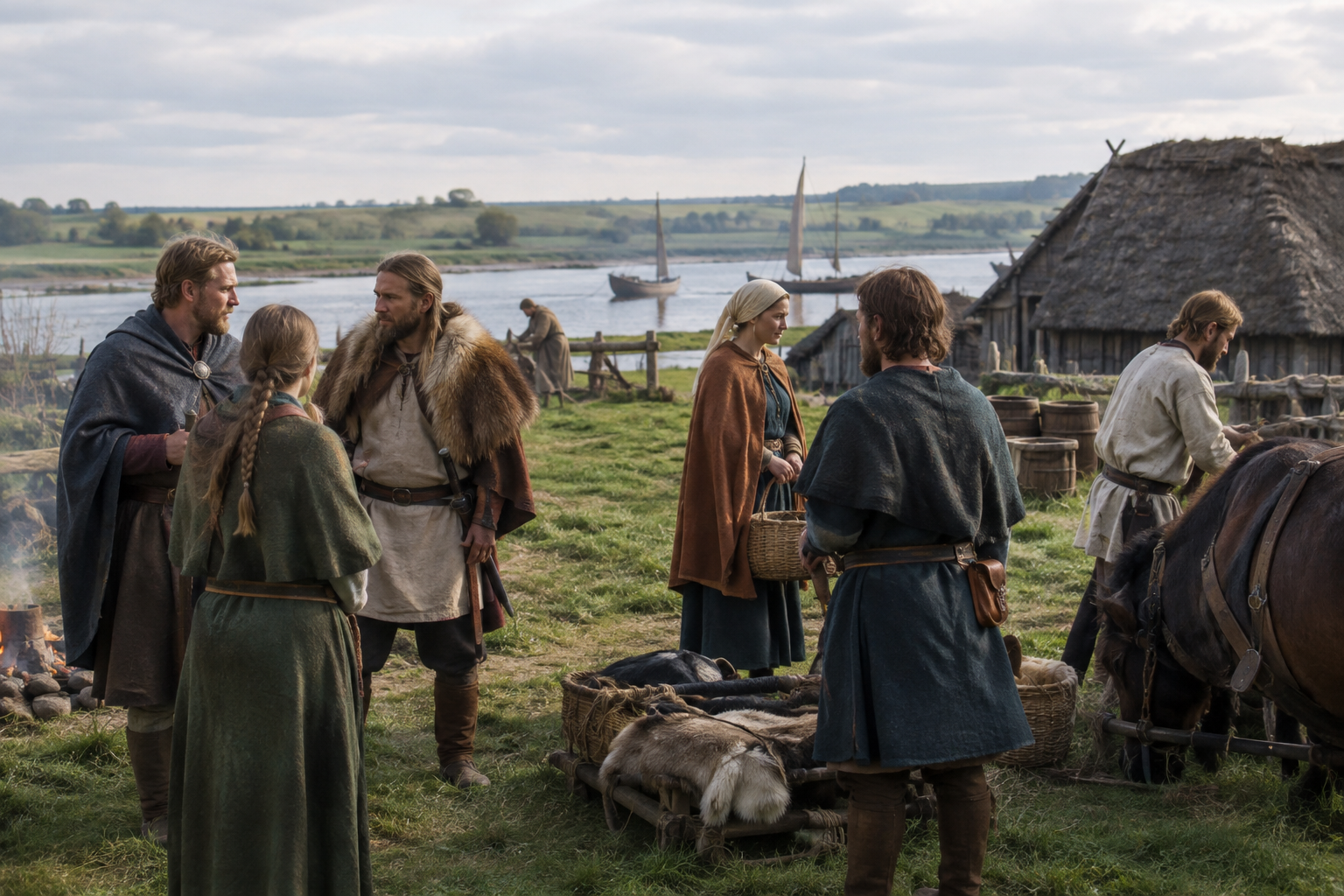
Western and northern Europe tell a similar story. In Denmark, I2a appears repeatedly: Ancient Denmark Koelbjerg Odense Year:8515 BC ID:NEO254, Ancient Denmark Groftemark Sjaelland Year:7184 BC ID:NEO91, Ancient Denmark Ronsten Year:6222 BC ID:NEO19, Ancient Denmark Sjaelland Kongemose Year:5427 BC ID:NEO587, Ancient Denmark Sjaelland Korsor Nor Year:5525 BC ID:NEO589, and later Neolithic individuals such as Neolithic Denmark Jutland Bygholm Norremark Year:3585 BC ID:NEO564, Neolithic Denmark Pandebjerg Year:3595 BC ID:NEO595, Neolithic Denmark Tysmose Year:3718 BC ID:NEO790, and Neolithic Denmark Sjaelland Jorlose Mose Year:3586 BC ID:NEO23. That is an extraordinary chronological spread.
What it suggests, cautiously, is that male lines within I2a were present both before and after the Mesolithic-Neolithic transition in Scandinavia. They were not simply erased by the arrival of farming. Instead, ancient DNA points to mixtures, survivals, and regional variation.
Read About Denmark's Transition
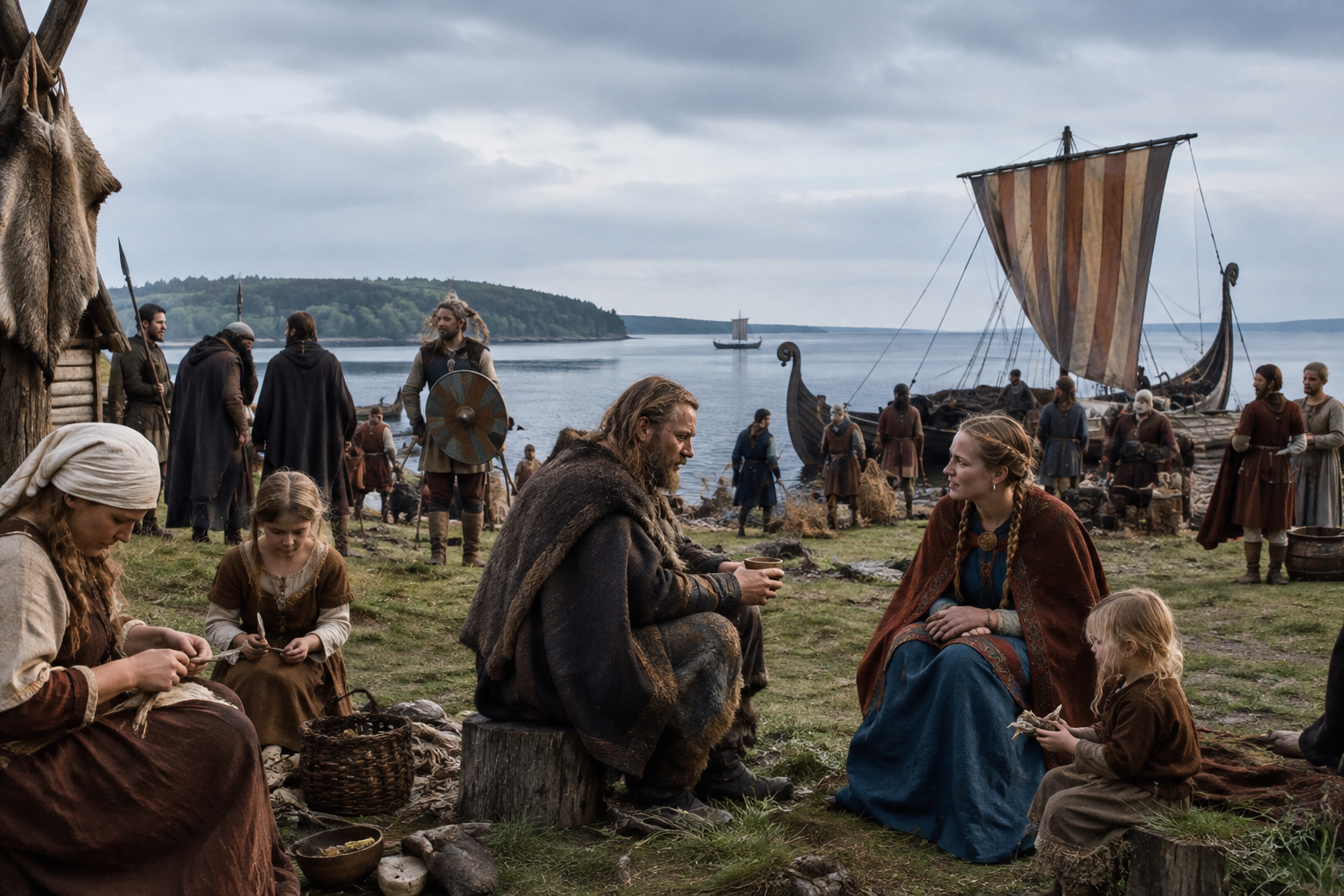
The archaeological settings themselves are part of the fascination. Vittrup Man Bog Skeleton Borglum Denmark Year:3189 BC ID:NEO33 comes from the strange and often unsettling world of bog deposition. Neolithic Denmark Bog Skeleton Vissenbjerg Funen Neverker Mose Year:3231 BC ID:NEO594 and Neolithic Denmark Bog Skeleton Storelyng Eel Picker Ogaarde Boat Year:3264 BC ID:NEO597 evoke watery landscapes where objects and people alike could end up in ritualized settings. In Sweden, Ancient Sweden Hanaskede Year:7925 BC ID:NEO18, Neolithic Sweden Hindby Mosse Year:7743 BC ID:NEO27, Neolithic Sweden Hindby Mosse Year:3124 BC ID:NEO39, and Ancient Sweden Fralsegarden Year:3010 BC ID:NEO259 add further evidence that I2a belonged to a long-standing northern European paternal repertoire.
Then the map widens again. Neolithic Germany Leubingen Year:3500 BC ID:LEU028 places the haplogroup in central Europe. Ancient Romania Baile Herculane Year:3640 BC ID:NEO674 and Ancient Romania Urziceni Year:4000 BC ID:Urzi26 show it in the Carpathian and lower Danube sphere. Neolithic Northern Spain El Toral III Year:4570 BC ID:NEO648, Neolithic Portugal Gruta do Caldeirao Year:5397 BC ID:NEO632 and Year:5185 BC ID:NEO631, Bronze Age Portugal Sao Paulo Year:2487 BC ID:NEO609, and Bronze Age Orkney Banks Chambered Tomb Year:2900 BC IDs NEO625, NEO626, NEO627, and NEO717 show that branches associated with I2a were also present along the Atlantic facade.
That does not prove a single migration route carrying one exact subclade from Ukraine to Orkney to Portugal. It does, however, show how widely the broader I2a world had spread by later prehistory, and how useful ancient DNA is in exposing that complexity.
Discover Sakhtysh and Forest Foragers
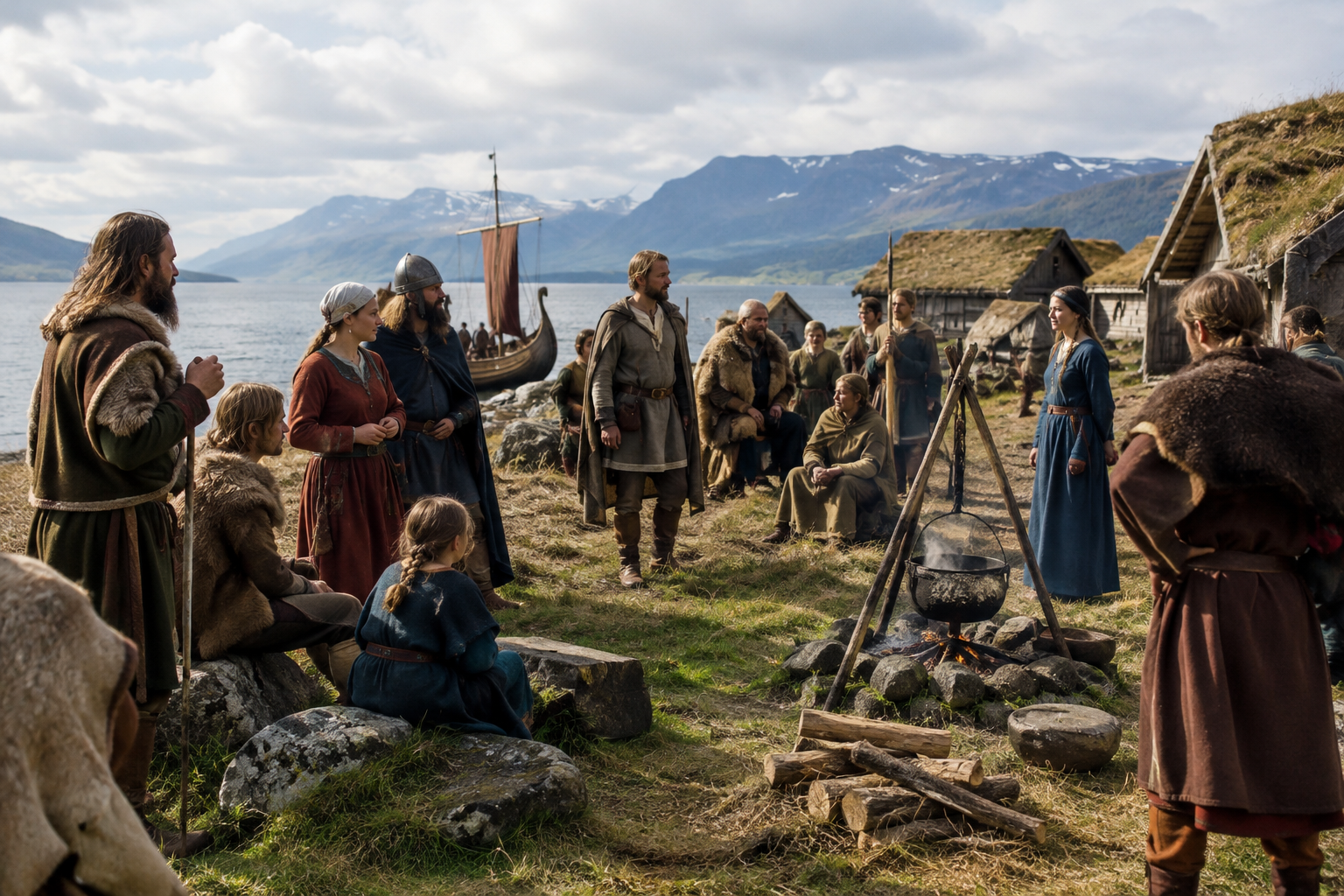
I2a did not vanish when Europe changed again. Nordic Bronze Age Denmark Jutland Kolind Year:2161 BC IDs NEO738 and NEO739 show its persistence in a later Scandinavian setting. Early Bronze Age France Grotte Mandrin Year:2577 BC ID:NEO121 and Early Bronze Age Britain Hetty Peglers Tump Year:3511 BC ID:NEO847 indicate that paternal lines in this broader family continued to appear in western Europe after the great demographic shifts of the late Neolithic and Bronze Age. Even later, Late Bronze Age Sant Imbenia Sardinia Year:850 BC ID:R11828 reminds us that I2a-related branches could still appear in Mediterranean island settings far from the northern wetlands and eastern river valleys where some of our earliest examples lie.
So what does that reveal? Not a single tribe marching across the continent, but endurance, adaptation, and repeated reappearance in very different societies. Haplogroups are better at tracing lineages than labelling peoples. I2a is a perfect example of that distinction.
Interestingly, no specific noble family or castle details were supplied here, and that absence is itself worth underlining. It would be very easy to leap from an ancient paternal lineage to medieval dynasties, clans, and strongholds. But responsible genetic history resists that temptation. A shared broad haplogroup does not prove that a medieval noble house descended from a particular Neolithic man in Denmark, Ukraine, or Portugal. At most, what we can say is that some later European paternal lines may ultimately belong to branches with deep prehistoric roots like these.
That is where ancient DNA and written genealogy do different jobs. Genealogy works downward from named people in documents. Archaeogenetics works upward and outward from biological evidence in graves. Sometimes the two meet. Often they do not. But together they make the past larger, stranger, and more human.
If you are interested in how paternal lineages can intersect with ruling houses when the evidence is specific enough, dynastic case studies are especially revealing because they show what good evidence actually looks like.
Explore a Medieval Dynasty DNA Case
I2a is historically interesting because it keeps us honest. It belongs to Europe's deep paternal past, yet it refuses to fit a simple script. It appears among early hunter-gatherers, among communities living through the arrival of farming, in bog deposits and chambered tombs, in Scandinavia, the north Pontic zone, Atlantic Iberia, central Europe, Britain, and even later Mediterranean contexts. Ancient DNA has turned what might once have seemed a dry label into a set of real men in real places: NEO492 at Vasilevka, NEO307 at Zvejnieki, NEO552 at Vovnigi I, NEO175 at Ksizovo, LEU028 at Leubingen, NEO33 in a Danish bog, and R11828 at Sant Imbenia.
That is the real value of this kind of evidence. It does not hand us a fairy-tale pedigree. It gives us a sharper map of where paternal lineages lived, endured, mixed, and moved.
If your own Y-DNA belongs to I2a, or to a downstream branch of it, MyTrueAncestry can help place that result into a far wider historical setting. Ancient DNA matches can reveal intriguing connections to prehistoric populations and archaeological cultures, even when they do not prove direct descent from any one ancient individual or later noble family.
Upload your DNA to explore whether your ancestry shows links to the ancient worlds of Vovnigi, Zvejnieki, Sakhtish, Leubingen, Orkney, or Bronze Age Scandinavia.
Comments