Haplogroup R1b1a1b1a1a1

– 6 min read


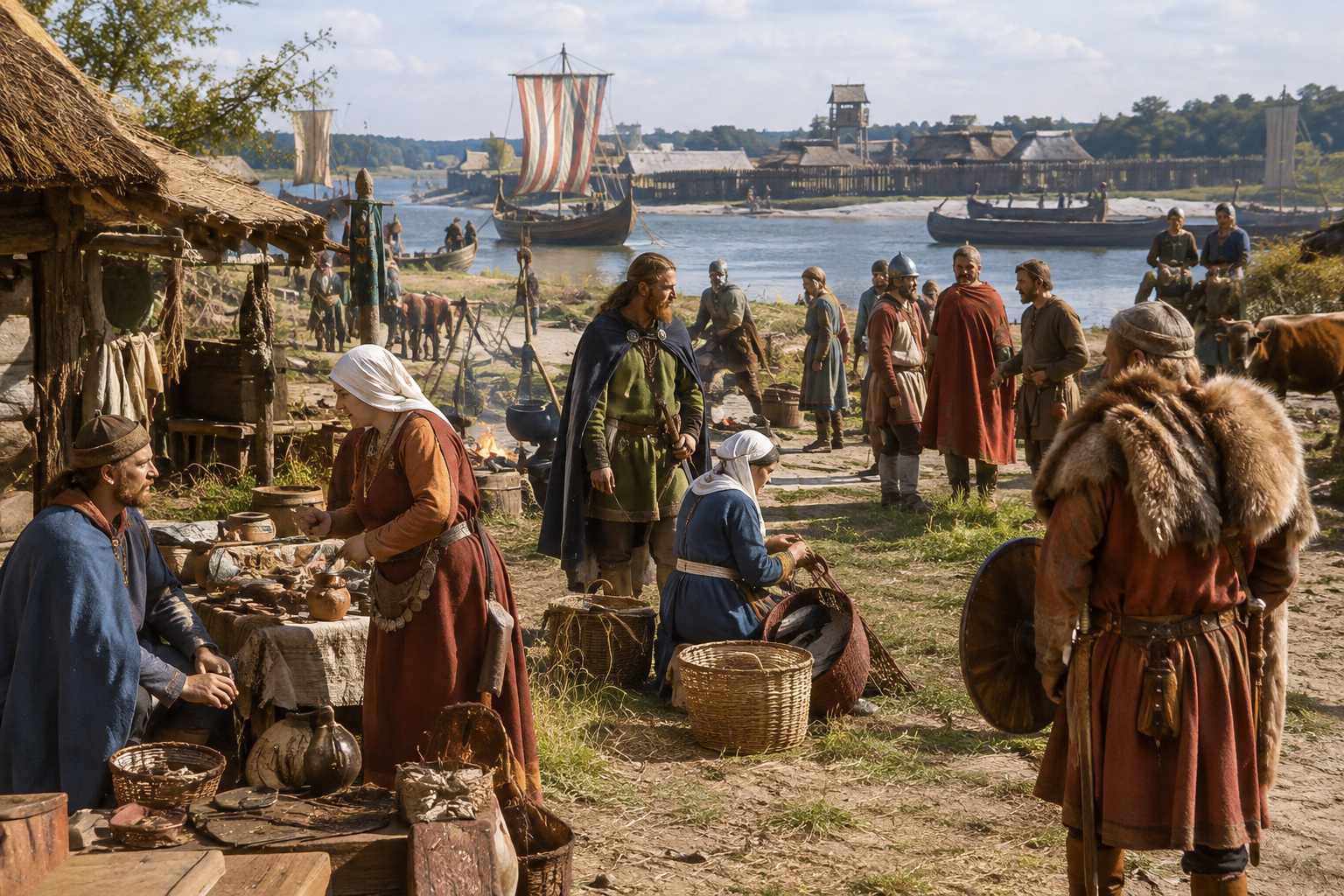
Some Y-DNA lineages announce themselves with a grand historical label. This one does something more interesting. Haplogroup R1b1a1b1a1a1 appears across an unexpectedly wide sweep of European history: from Late Neolithic and Bronze Age contexts in the Netherlands, Sweden, and central Germany to Iron Age Austria and Hungary, Roman and post-Roman frontier zones in the Balkans, and then into Anglo-Saxon England, Viking Age Scandinavia, Carolingian and medieval Belgium, and the North Sea world beyond.
That makes it historically useful. Not because a Y-haplogroup tells us everything about a person, it absolutely does not, but because it tracks one direct paternal line through time. A man may have thousands of genealogical ancestors in a millennium; his Y chromosome follows just one of those lines. So when a branch like R1b1a1b1a1a1 turns up in graves from several periods and regions, it gives us a narrow but revealing view of long-term male-line continuity, movement, and reshuffling.
In the wider Y-chromosome tree, this is a very specific subclade inside the vast R1b world, a lineage broadly important in later European prehistory. But it would be wrong to dump the whole story of R1b onto this narrower branch. What the evidence here supports, more cautiously, is that this subclade was present in parts of temperate Europe from later prehistory onward and became entangled with several of the major historical zones that archaeologists know well: the North Sea coast, central Europe, the Roman frontier, and early medieval migration corridors.
Explore Celtic Origins in Ancient DNA
The earlier part of the trail begins before kingdoms, chronicles, and castles. One of the oldest samples in the dataset is I12902, from Late Neolithic Vlaardingen/CordedWare Netherlands Mienakker, dated 2682 BC. Another is RISE98, from Battleaxe Sweden L Beddinge 56, dated 2079 BC. These are not the same culture, nor should we treat them as identical populations, but together they place this paternal branch in the broad northern European world shaped by late Neolithic and early Bronze Age transformations.
Then there is LEU007, from Bronze Age Unetice Thuringia Leubingen Sommerda Germany, dated 1950 BC. Unetice sits at the heart of early Bronze Age central Europe, with its metalwork, elites, and regional networks. A Y-line found there and also in the Netherlands and southern Scandinavia suggests that this branch belonged to populations moving within, and perhaps helping constitute, that north-central European belt long before later ethnic labels such as Celt, Saxon, or Dane came into use.
That is a useful reminder. Haplogroups do not speak a language, wear a single costume, or carry a tribal badge. What they can show is persistence of a paternal line through changing archaeological cultures.
By the Iron Age, the picture becomes even more interesting. The branch appears in CGG101214 from Celtic Iron Age Austria Hallstatt, dated 550 BC, and in Hung160 from Iron Age Hungary Kesznyeten-Szeruskert, dated 150 BC. Hallstatt in particular brings us into a world often associated with early Celtic-speaking societies, though one must be careful: a shared haplogroup is not proof that all carriers were "Celts" in any neat ethnic sense. Still, these finds place the lineage squarely in Iron Age central Europe.
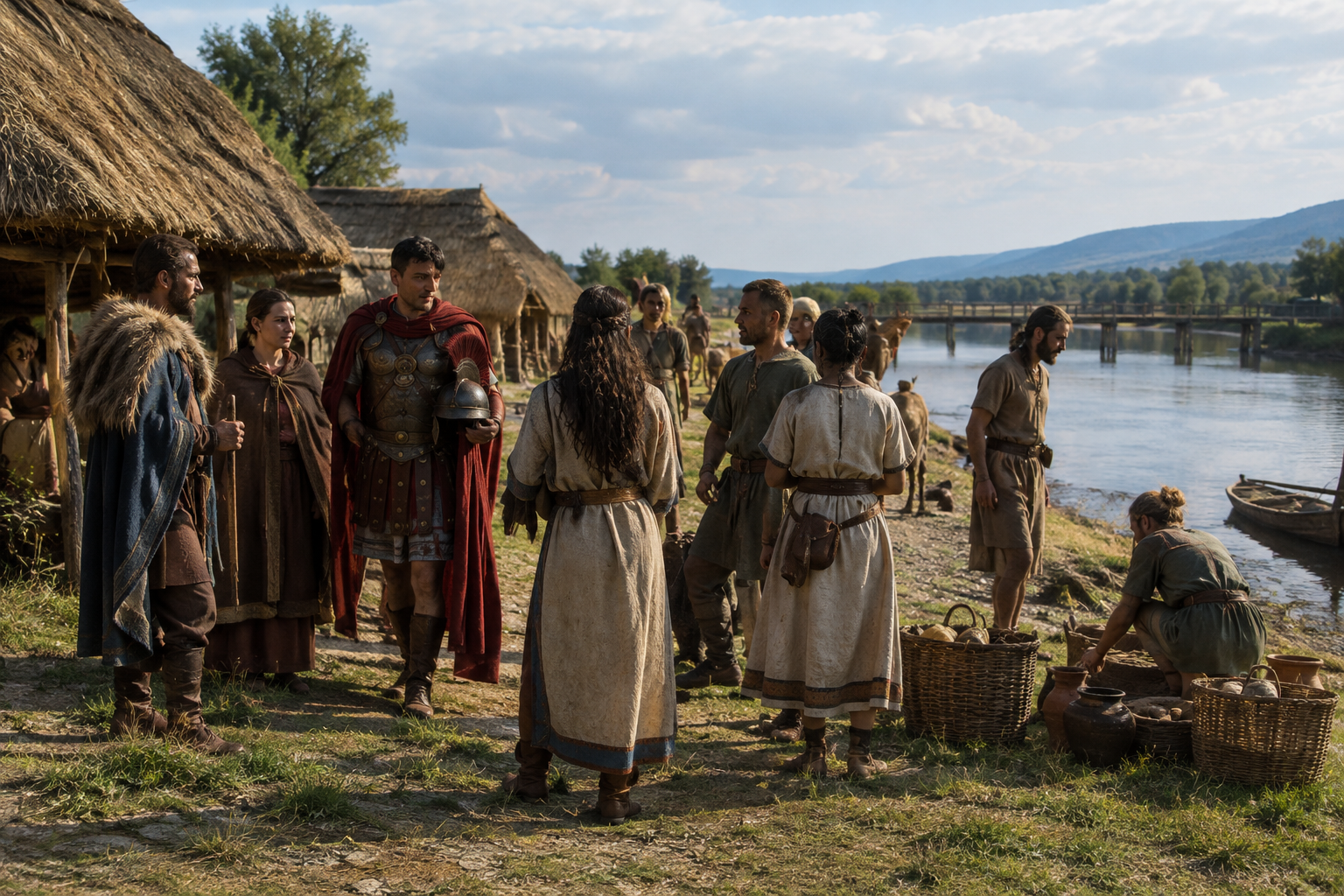
It then turns up in Roman settings and frontier landscapes: I15527 from Imperial Roman Viminacium Serbia Pecine Necropolis, dated 100 AD, and R11121 from Imperial Roman Era Isola Sacra, dated 200 AD. Add OSIJ003, the Roman-period Germanic Warrior Mursa Croatia Third Century Crisis, dated 260 AD, and you can see the sort of world this lineage inhabited: not isolated villages, but zones of military recruitment, trade, migration, and cultural mixture.
The Roman Empire did not erase paternal diversity. If anything, archaeology and genetics keep showing us how mobile frontier life could be, especially in the Danube and Balkan regions.
Read About Roman-Barbarian Frontier Mixing
Then comes the age that historians used to narrate almost entirely through invading peoples. Ancient DNA has made that story both messier and more convincing. Messier, because populations were mixed; more convincing, because we can now see real movement.
This haplogroup appears repeatedly in migration-period and post-Roman contexts: GYS029 from Germanic Late Antique Pannonia Arrabona Szechenyi Square Hungary, dated 425 AD; SZL050 and SZL051 from Longobard Period Pannonia Savaria Szeleste Barbaricum Hungary, both dated 525 AD; and SZL076 from the same wider setting and date. There are also northern finds like HVN003 from Celto-Longobard Haeven Mecklenburg-Vorpommern, dated 250 AD, and HVN004 from Longobard Haeven Mecklenburg-Vorpommern, also 250 AD.
These are exactly the kinds of contexts where a paternal lineage can illuminate connections between central Europe, the southern Baltic, and the Danubian corridor. Not a single people on the march, but linked male lines turning up in communities archaeologists label Germanic, Longobard, or mixed frontier populations. The same applies to STR393b and STR316b from Germanic Tribe Bavaria Straubing-Bajuwarenstrasse, dated 410 AD, and AED92b from Germanic Tribe, dated 505 AD.
The result is a line that seems at home in the very regions where late Roman administration, migrating war bands, and local farming populations collided and combined.
If the Bronze and Iron Age evidence puts R1b1a1b1a1a1 into central and northern Europe, the early medieval samples show how strongly it belonged to the North Sea world. In England alone the list is striking: BUK012, BUK060, BUK064, BUK070, and BUK007 from Buckland Dover England, mostly dated 400 AD; OAI006 and OAI013 from Oakington England, dated 470 AD; I11583, I11584, and I20652 from West Heslerton Yorkshire, dated around 500-550 AD; and EDI064c from Anglo-Saxon Edix Hill Cambridgeshire, dated 545 AD.
This is not a lonely outlier. It is a pattern. The lineage appears among early medieval communities usually discussed in connection with Anglo-Saxon settlement. Nearby on the continent are BRC006x from Saxon Migration Period Saxony-Anhalt Bruecken, RTW012 from Migration Period Germany Rathewitz Saxony-Anhalt, and HID003 and HID004 from Migration Period Lower Saxony Germany Hiddestorf, all around 400-500 AD, plus DUN006, DUN009, and DUN011 from Dunum in Lower Saxony, dated 840 AD.
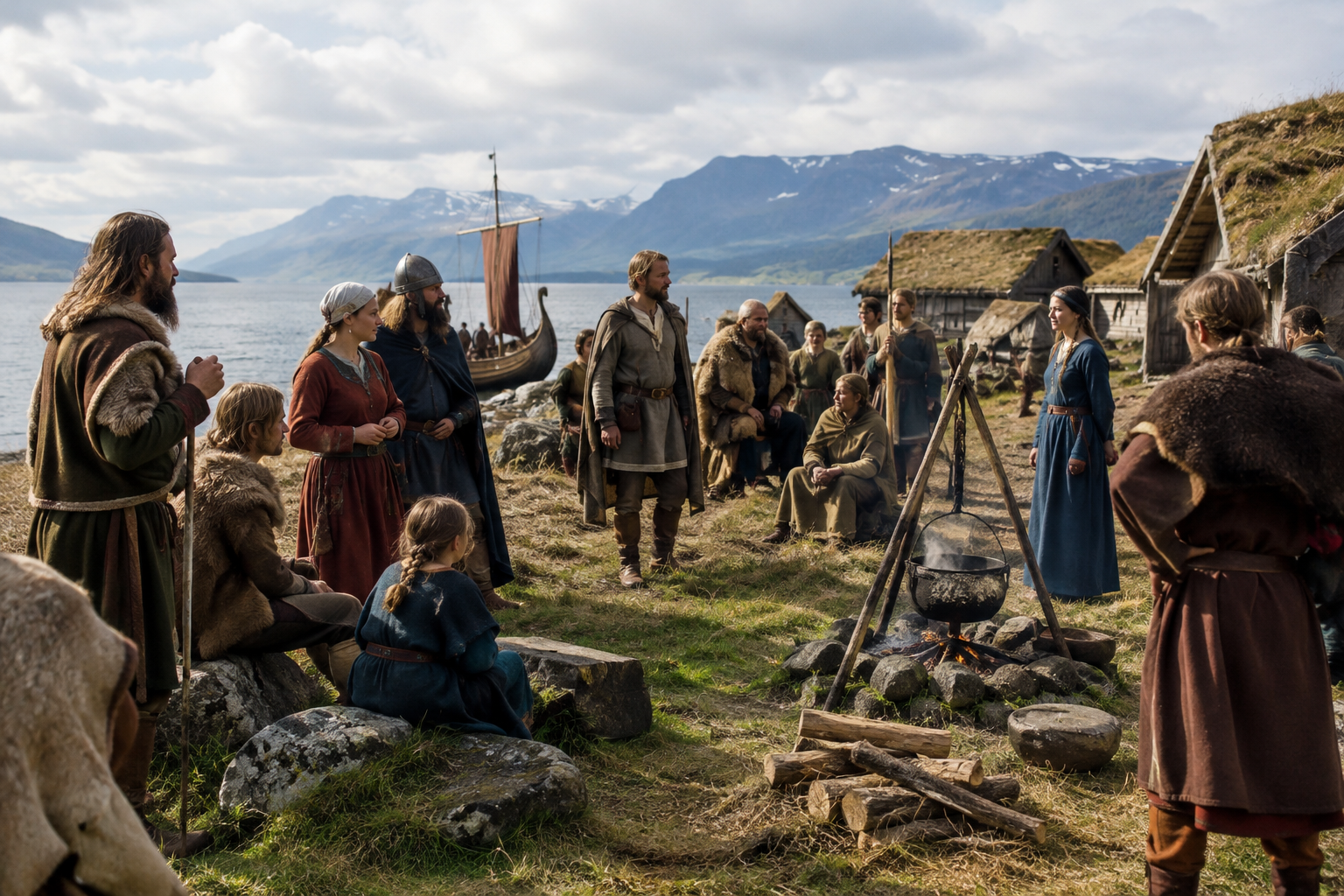
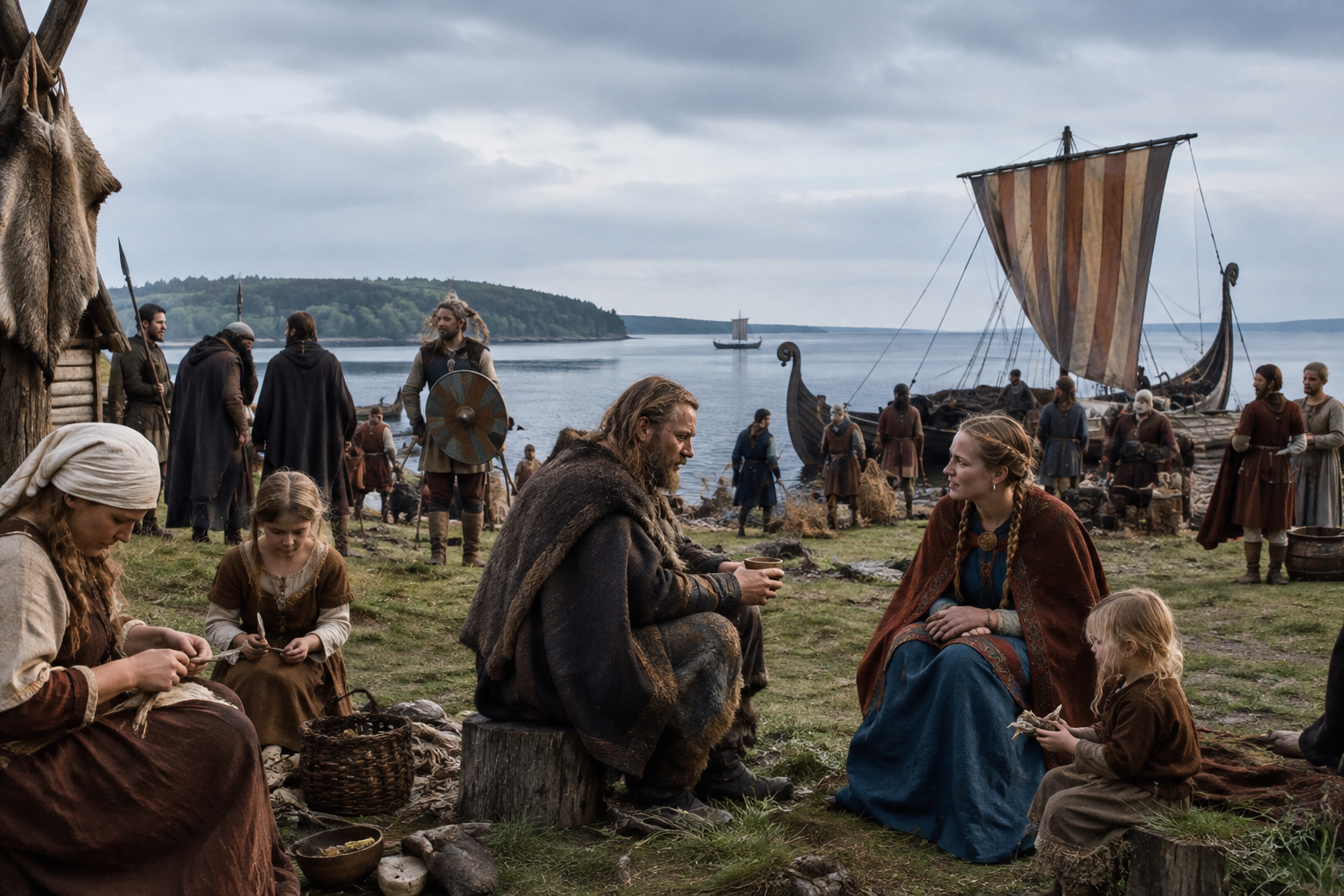
And across the water again, there are Scandinavian and Danish examples: CGG106724 from Danii Tribe Denmark Sjaelland Kalundborg Simonsborg, dated 175 AD; urm160x from Viking Age Sigtuna Sweden, dated 935 AD; and SWG001 from Post Viking Age Hedeby Schleswig Rathausmarkt Southern Jutland, dated 1140 AD.
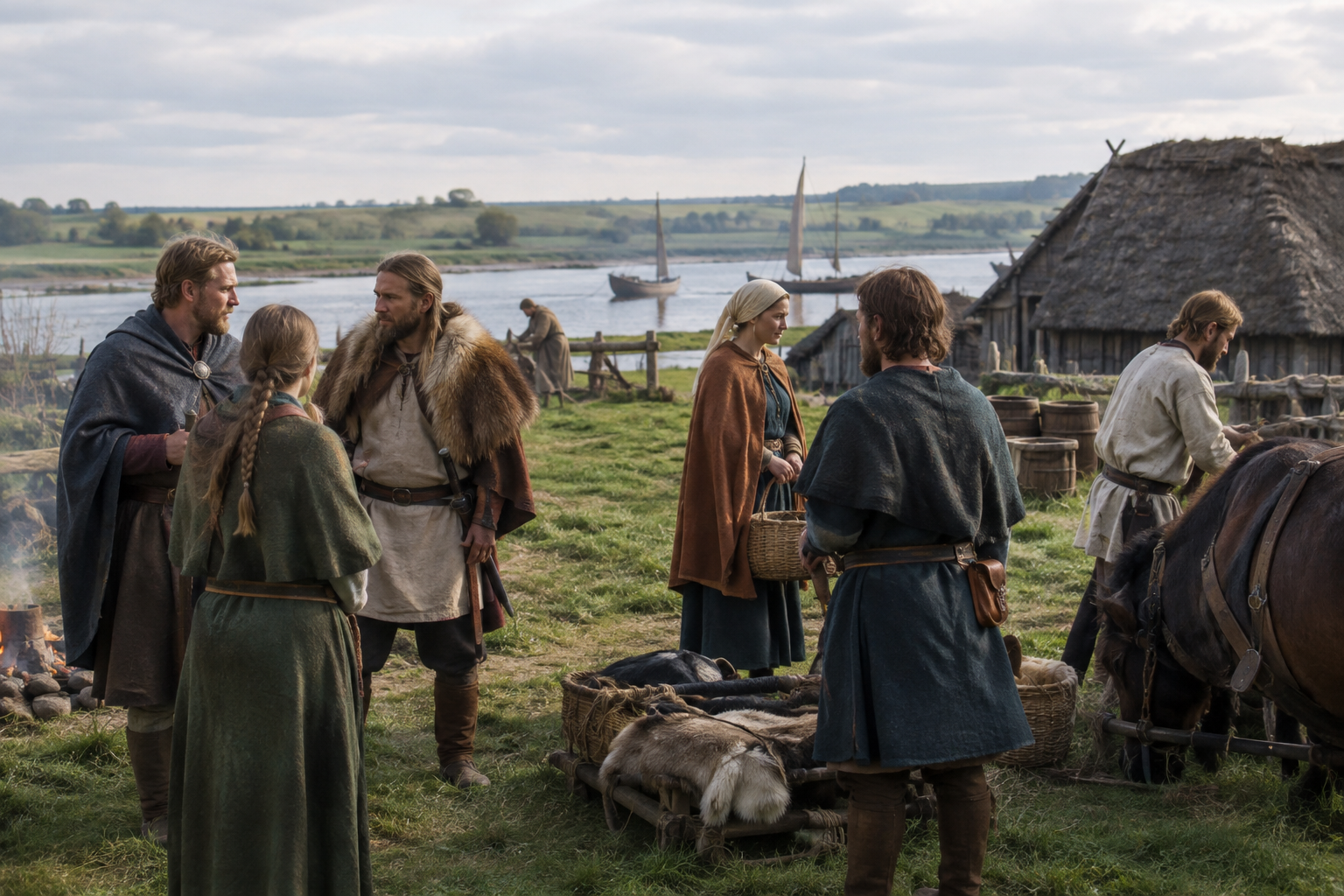
What emerges is not a simple "Saxon haplogroup" or "Viking haplogroup." That would be far too crude. Rather, this looks like a durable paternal branch spread through the coastal and near-coastal populations of northwestern Europe, present before, during, and after the classic migration-age centuries.
Discover Anglo-Saxon Migration DNA
The line does not vanish once the migrations settle down. It appears in the medieval Low Countries in ST2969 from Carolingian Belgium Sint-Truiden Groenmarkt, dated 795 AD; ST0323 and ST0786 from Medieval Belgium Sint-Truiden Onze-Lieve-Vrouwekerk, both dated 900 AD; ST0024 from the same church, dated 1090 AD; and WPK005 from Post Carolingian Flanders Wulpen, dated 1162 AD.
That matters because it shows something historians often struggle to pin down from texts alone: the paternal landscape of the medieval north was built both from movement and from continuity. The same broad male line can be seen in Bronze Age central Europe, migration-period Saxony and Pannonia, Anglo-Saxon England, Viking Age Scandinavia, and then in the settled urban and ecclesiastical world of medieval Flanders and Belgium.
There are even appearances in more easterly or politically complex settings such as HUNper2 from Hun Nobility Hungary Kecskemet-Mindszentidulo, dated 450 AD, K3per13_GE from Hungarian Late Conqueror, dated 800 AD, and K3per1_GE from Hungarian Conqueror Karos III, dated 900 AD. These do not mean that the lineage was uniquely "Hun" or "Hungarian conqueror"; they show instead how older European paternal lines could be incorporated into later political elites and mixed frontier societies.
Explore Medieval Sint-Truiden DNA
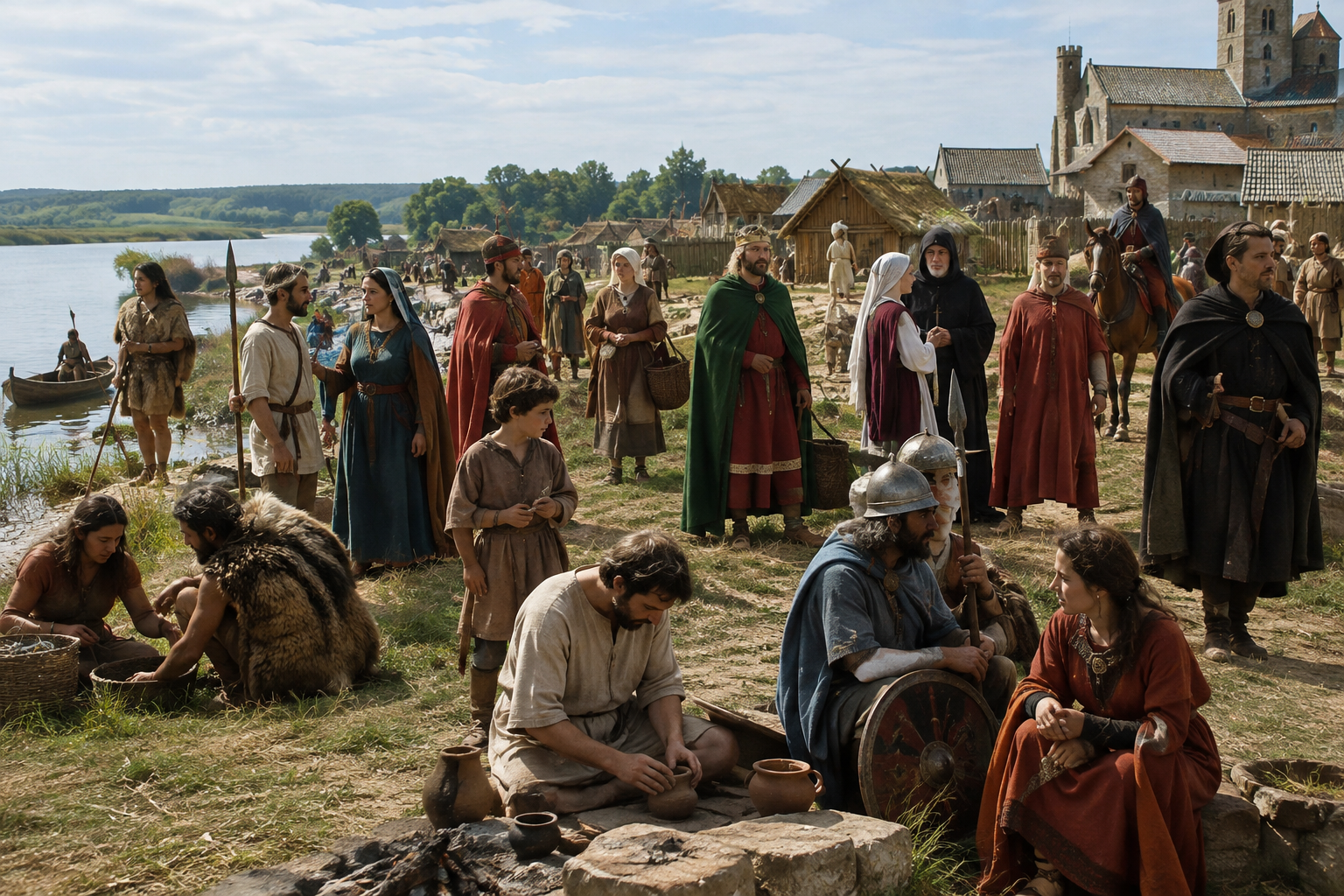
R1b1a1b1a1a1 is historically compelling because it refuses to sit still in one tidy chapter of European history. It is there in late prehistoric northwestern Europe, in Bronze Age central Europe, in Iron Age Hallstatt country, in Roman imperial and frontier zones, in migration-period Pannonia and Saxony, in Anglo-Saxon England, in Viking and post-Viking Scandinavia, and in medieval Flanders.
That does not prove direct descent from any one ancient individual, still less membership in any noble family or dynasty. A shared Y-haplogroup can connect men at very different time depths. But it does place a modern paternal line inside a real historical geography, one shaped by long continuity and repeated movement across the North Sea, the Rhine basin, central Europe, and the Danube frontier.
For MyTrueAncestry users, that is the real excitement. Ancient DNA does not hand you a fairy tale about one famous ancestor. It gives you something better: evidence. Fragments, certainly, but fragments from real graves, real communities, and real historical landscapes.
If your own Y-DNA falls on this branch, you may be looking at one paternal line that passed through prehistoric farmers and herders, Bronze Age chiefs, Roman frontier communities, Saxon settlers, Scandinavian townsmen, or medieval Flemish burghers. Not all of them, and not by direct documented descent from any named skeleton, but within that broad paternal story.
Upload your DNA to MyTrueAncestry to see whether your results show links to ancient individuals like LEU007, EDI064c, urm160x, or ST2969, and to explore how ancient DNA can add depth to your family history without pretending to prove more than the evidence allows.
Comments