Haplogroup E1b1b1a1b1

– 6 min read



Some Y-chromosome lineages seem to sit neatly in one place or one period. E1b1b1a1b1 does not. What makes it historically interesting is precisely its refusal to stay put. In the ancient DNA record supplied here, this paternal line appears in contexts stretching from prehistoric Ukraine to Minoan Crete, from Thracian and Scythian worlds to Roman frontier towns, Byzantine Anatolia, medieval Sicily, England, Belgium, and eastern Europe. That is not a single neat ethnic story. It is a record of movement, mixing, and survival across very different societies.
That is also a useful reminder of what a Y-DNA haplogroup can and cannot tell us. Y-DNA traces one direct paternal line only: father to father to father across time. It does not describe a person's total ancestry, culture, language, or identity. Still, when ancient burials from many centuries turn up on the same branch or neighboring branches, they can help us glimpse how a paternal lineage moved through the landscapes of prehistory and history.
E1b1b1a1b1 belongs within the broader E1b1b family, a major Y-chromosome lineage with deep importance in the history of the Mediterranean, the Balkans, and parts of northeast Africa and southwest Asia. For a very specific subclade like E1b1b1a1b1, caution matters: we should not simply pour the entire long history of all E1b1b men into this narrower branch. But the pattern in the samples here does suggest that this lineage, or closely related lines, participated in the long human traffic linking the Aegean, the Balkans, the north Pontic zone, and later the Roman and medieval worlds.
One of the earliest signposts in this dataset is UKR102, from Ancient Ukraine Deriivka, dated 6397 BC. Even a single prehistoric find must be handled carefully, but it is a striking marker. It places this paternal heritage in the north Pontic region very early indeed, in a zone that would later become famous as a corridor between farming worlds, steppe worlds, and river routes leading deep into Europe.
The broad geography of the samples also fits a larger historical truth: the Balkans and the Black Sea were never edges of history. They were central thoroughfares. Farmers, herders, traders, soldiers, and settlers moved through them for millennia, carrying not only pots and weapons but also families and paternal lines.
Explore North Pontic migrations
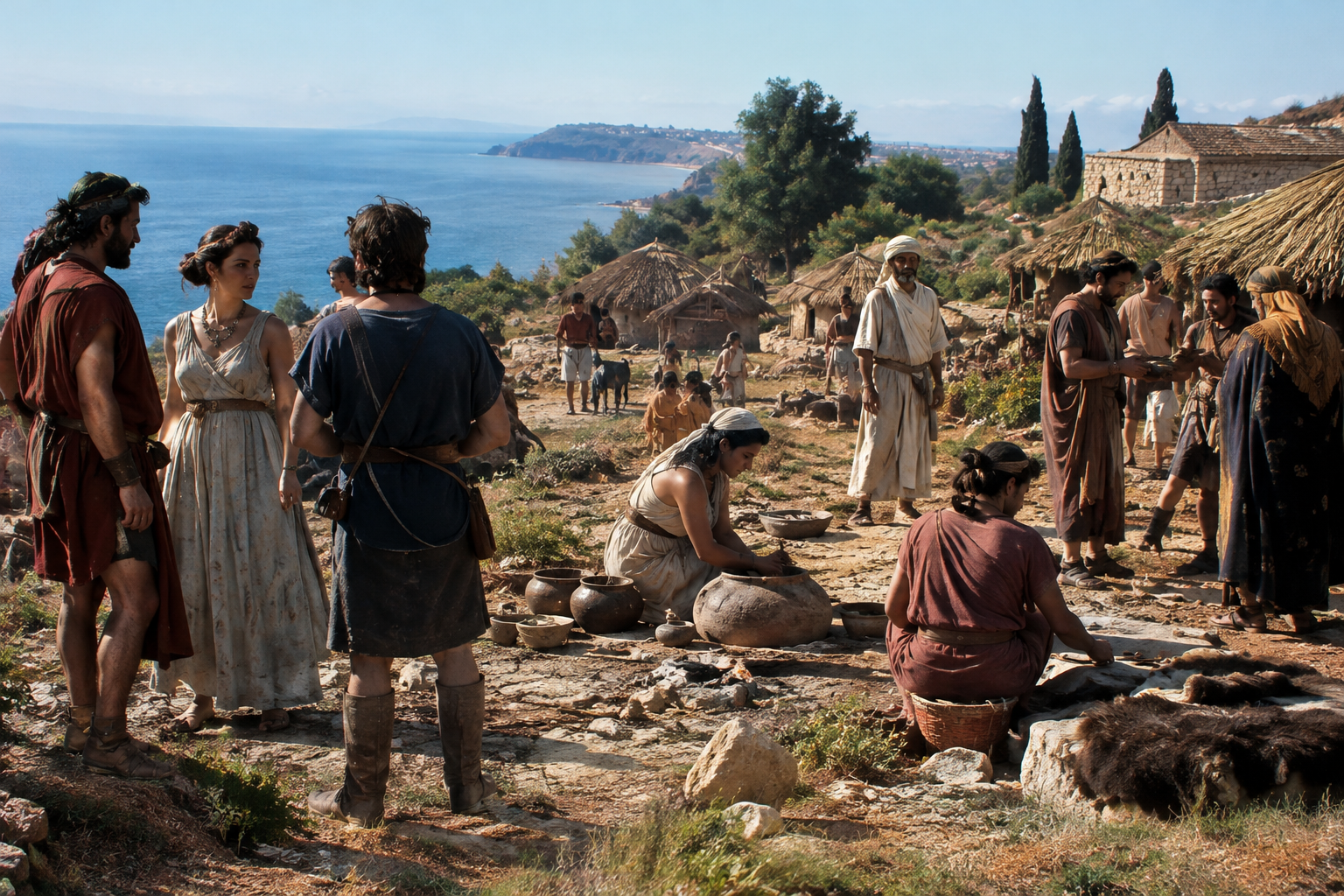
If you wanted a set of finds that demolishes any simplistic idea of a haplogroup belonging to only one ancient people, this is it. XAN016 from Minoan Period Crete Chania, dated 1575 BC, places the lineage in the Aegean Bronze Age. That does not make E1b1b1a1b1 a "Minoan haplogroup" in any exclusive sense, but it does show the branch present in one of the great maritime societies of the eastern Mediterranean.
Move north and east, and the picture becomes even more interesting. The Thracian sphere is represented repeatedly: UKR007 from Early Iron Age Ukraine Kartal Odesa Thracian Hallstatt dated 800 BC, and a cluster from Thracian Kapitan Andreevo Bulgaria at 800 BC - I20185, I19494, I20183, I20181, I20180, and I19495. Add I19500 from Iron Age Bulgaria Stara Zagora Kazanlak dated 250 BC, and you begin to see a clear Balkan footprint in the Iron Age record.
Then there is the north Pontic steppe and forest-steppe zone, where this lineage appears in Scythian-associated contexts: UKR091 from Scythian Hillfort Bilsk Poltava dated 450 BC and UKR089 from the same site dated 400 BC. These are especially valuable because they show the branch in a world often imagined only in terms of mounted nomads and aristocratic kurgans. In reality, Scythian-period societies were varied and regionally entangled, and paternal lines could persist across local populations, mobile elites, and mixed frontier communities.
Nor is the line confined to the Balkans and Black Sea. I14465 from Iron Age Vekerzug Komarno Slovakia dated 575 BC, I18832 from Celtic Hungary Gyor-Moson-Sopron Kophaza-Szeles dated 260 BC, I18527 from Iron Age Celtic Hungary Gyor-Moson-Sopron dated 250 BC, and I16272 from Iron Age Prague Jinonice Central Bohemia dated 300 BC suggest that related paternal lines had also reached central Europe in Iron Age settings.
Discover Iron Age Scythian DNA
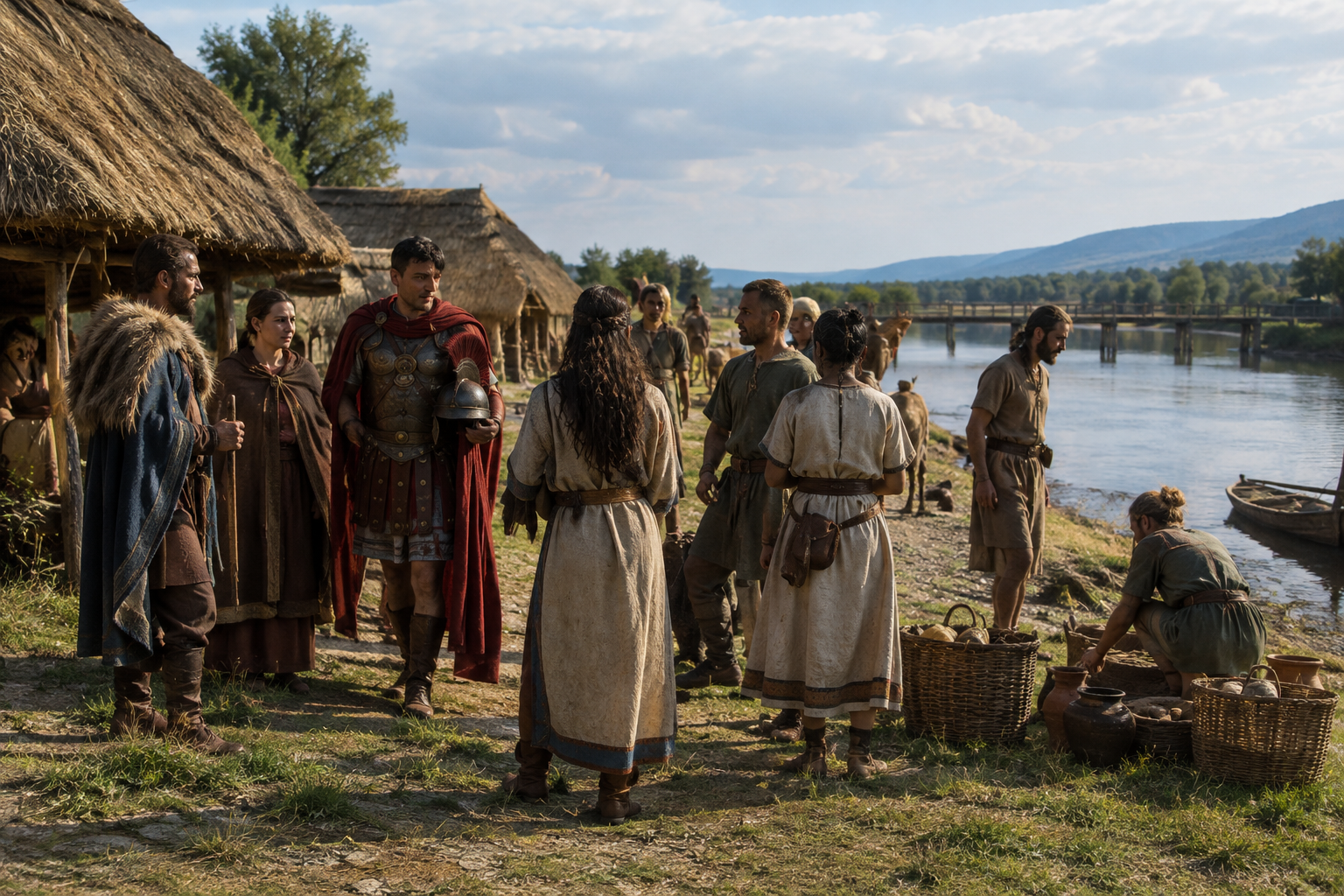
By the Roman period, the story becomes one of imperial mobility. Men carrying this lineage appear in towns, forts, cemeteries, and provinces spread across the empire and its fringes. There is R6750 from Roman Era Viminacium Serbia dated 150 AD, I15512 from Late Roman Empire Viminacium Serbia Pirivoj Necropolis dated 225 AD, BBC038 from Imperial Roman Croatia Karlovac Pannonia Savia dated 275 AD, and R3745 from Imperial Roman Era Zadar Ulica Croatia dated 175 AD. Two more, I34296 and I35009, come from Late Imperial Roman Croatia Hvar Radosevic Palace dated 400 AD.
This distribution suits the Roman world perfectly. Armies moved. Merchants moved. Slaves, administrators, colonists, and camp followers moved. A haplogroup appearing in Pannonia, Dalmatia, Moesia, and the Balkans is not surprising; indeed, that is what empire does to the genetic map.
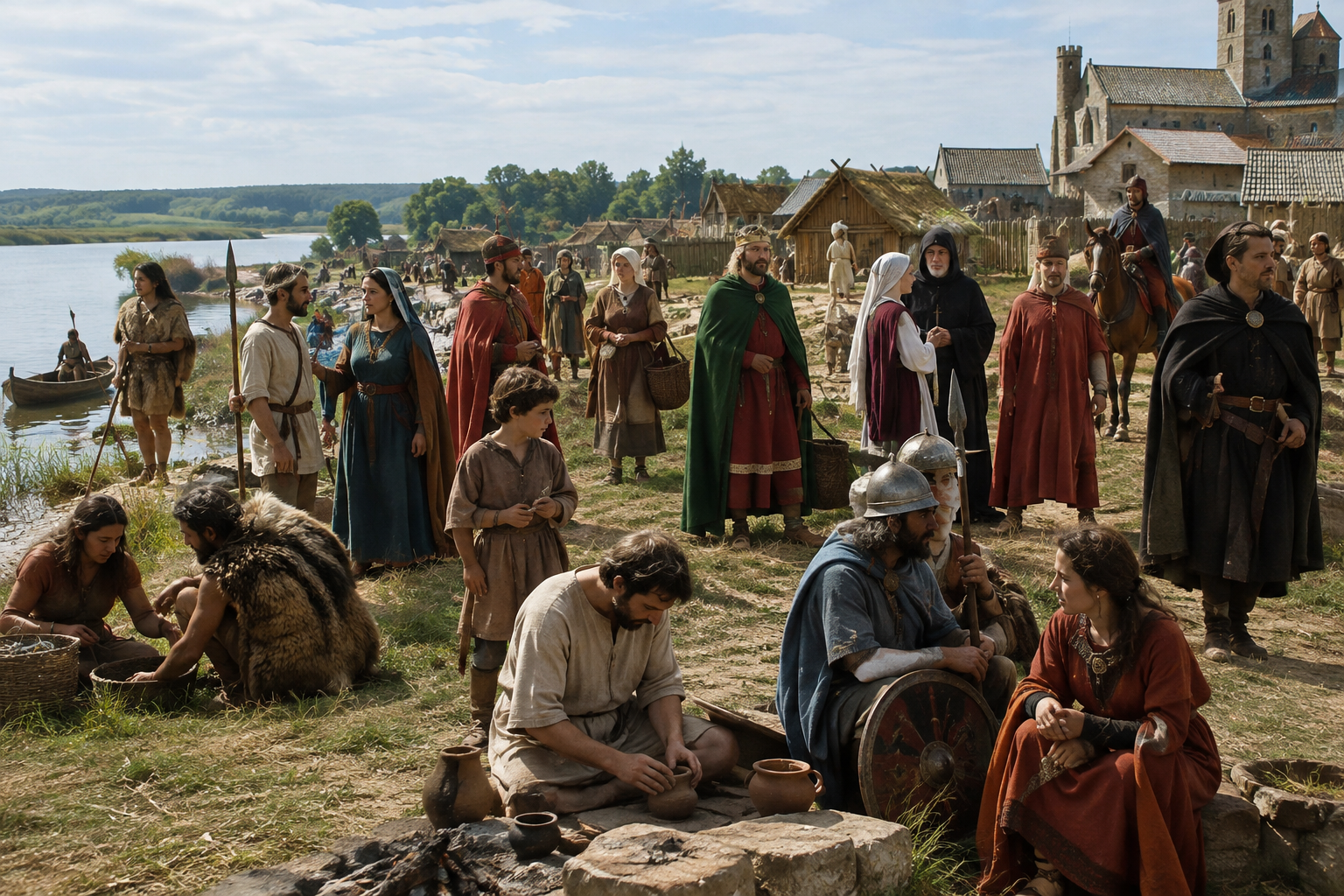
The post-Roman centuries did not simplify matters. They made them messier. In Hungary the lineage appears in strikingly varied settings: FVD009 from Late Roman Empire Pannonia Hungary Fonyod dated 440 AD; NEP1 from Hun Invader Hungary Budapest XIII Nepfurdo Street dated 450 AD; KUP021 from Early Avar Elite Grave Hungary Kunpeszer dated 609 AD; RKC003 from Avar Elite Hungary Rakoczifalva dated 650 AD; RKO016 from Germanic Migration Period Hungary Rakoczifalva dated 650 AD; I20799 from Avar Period Derecske-Hosszu Hungary dated 750 AD; and AHS13 from Medieval Hungary Carolingian Empire Zalavar Varsziget dated 850 AD.
That is a reminder that the Carpathian Basin was less a sealed kingdom than a revolving gate of empires and peoples. The same broad paternal lineage could turn up among late Roman provincials, Hunnic-period arrivals, Avar elites, Germanic-associated burials, and later medieval communities without implying that all were close kin.
The Mediterranean record is especially evocative. In Sicily alone, the lineage appears in very different historical layers: I17872 from Ancient Mercenary First Sicilian War Himera Sicily dated 480 BC; I12848 from Hellenic-Carthago Mix Classical Age Mozia Western Sicily Lilybaeum dated 569 BC; and much later SGBN20 from Medieval Sicily Teatro di Segesta dated 1220 AD. Sicily, of course, is exactly the sort of place where one might expect this. Greek, Phoenician, Punic, Roman, Byzantine, Islamic, Norman, and later Latin Christian layers all accumulated there, and paternal lineages could persist while languages, rulers, and religions changed above them.
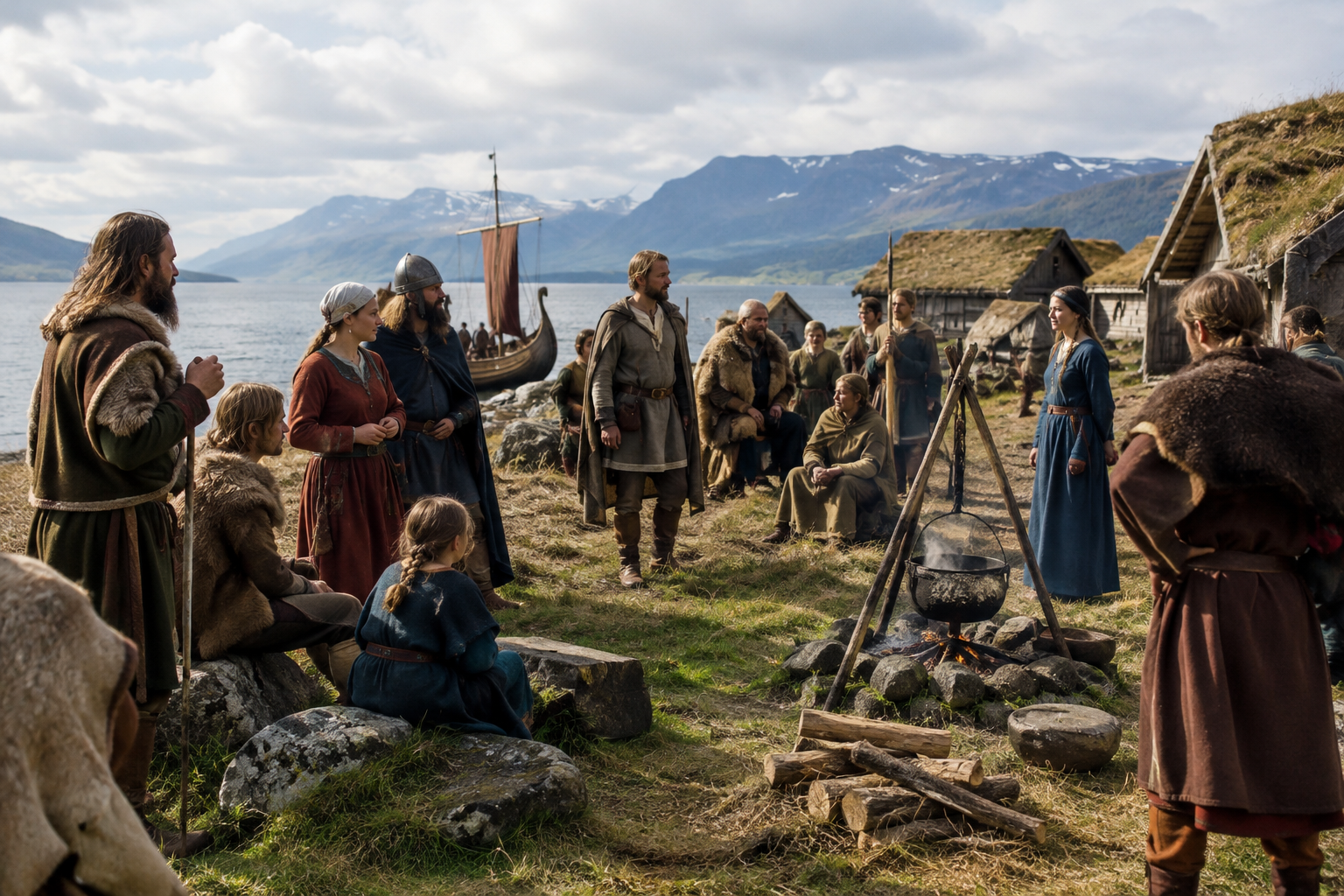
Elsewhere in western Europe, the line surfaces in I20396 from Post Roman Spain Girona Sarria de Ter Pla de lHorta dated 475 AD, I3583 from Late-Roman Era Montefrio Granada dated 500 AD, and I10853 from Girona Sant Julia de Ramis dated 1060 AD. Farther north, ST2363 from Medieval Belgium Sint-Truiden Groenmarkt dated 1050 AD and ATP_PSN_27 from Jute Medieval England Cambridge St Johns Hospital dated 1100 AD show that by the medieval period this paternal heritage had become part of populations well beyond its strongest ancient southeastern footprint.
The Byzantine east remains visible too, with I8366x, I8366, and I8367 all from Byzantine Aegean Anatolia Iznik Marmara dated 600 AD. That cluster is a useful anchor: it shows continuity of this paternal presence in the Aegean-Anatolian zone at the same time that related lines were also present in the Balkans and central Europe.
Normally this is the point where one would turn from ancient graves to named lineages, castles, and documented houses. But in the material supplied for this article, the field for Associated Noble Families and Castles is effectively empty. That absence is worth stating plainly, because it would be easy - and wrong - to fill the silence with guesswork.
So what can responsibly be said? Only this: if a haplogroup like E1b1b1a1b1 appears across the Balkans, the Aegean, Sicily, Hungary, Spain, and beyond, then it certainly formed part of the paternal background from which some later medieval and early modern families emerged. But that is a contextual statement, not a genealogical one. Without specific family evidence, there is no honest way to assign this branch to a particular noble house, clan, dynasty, or castle.
In fact, that is one of the more salutary lessons of archaeogenetics. Castles preserve memory, documents preserve claims, and DNA preserves biology - but the three do not automatically line up. A noble surname is a social institution. A Y-chromosome is a biological one. Sometimes they match. Sometimes they do not. And sometimes, as here, the evidence simply stops before the heraldry begins.
E1b1b1a1b1, at least in the ancient evidence supplied here, looks less like the badge of a single people and more like a witness to connected worlds. It appears early in the north Pontic zone, turns up in Bronze Age Crete, is well represented in Thracian and Scythian contexts, moves through Roman provincial life, and survives into medieval communities from Sicily to England and Russia, including SHE001 from Medieval Russia Shekshovo dated 1000 AD and PDH005 from Duchy of Sandomierz Lublin Region Pidhirtsi dated 1150 AD.
That is what makes ancient DNA so useful. It does not flatten history into a tidy origin myth. It gives us a chain of real men in real places - buried in hillforts, palaces, hospitals, necropoleis, and provincial cemeteries - and shows that paternal lineages can outlast kingdoms, religions, and languages.
If your own Y-DNA falls near E1b1b1a1b1, the most exciting possibility is not that it makes you "Scythian" or "Minoan" or part of some unnamed medieval house. It is that it places one line of your ancestry inside this long and complicated human map.
Upload your DNA to MyTrueAncestry to see whether your results show links to ancient individuals like UKR102, XAN016, UKR091, SGBN20, or the many Roman and medieval men discussed here. Those matches do not prove direct descent from a specific ancient person or noble family, but they can offer a remarkable new way to think about where your paternal history fits in the deeper past.

Comments