Haplogroup T1a1a

– 6 min read



Some Y-DNA haplogroups appear in the historical record like a drumbeat. Others turn up more like a series of intriguing footnotes in unexpected places. T1a1a belongs very much to the second category. It is not one of the big headline paternal lineages of western Eurasia, which is exactly why it is so interesting. When it does appear in ancient DNA, it often does so at crossroads: the Levant, North Africa, Anatolia, the Mediterranean, and then later in medieval Europe in contexts shaped by trade, conquest, pilgrimage, and urban life.
As a Y-DNA haplogroup, T1a1a traces one direct paternal line only: father to father to father across many generations. That makes it a powerful tool for studying ancient male-line ancestry, but not a summary of a person's whole family tree. A man with T1a1a may have inherited that one Y-chromosome line from a deep paternal ancestor while the rest of his ancestry came from many other populations. Still, when archaeologists recover this lineage from burials, textiles, dust samples, and castle-associated graves, it opens a remarkable set of questions about movement, continuity, and the hidden routes by which people carried their lineages across continents.
T1a1a sits within haplogroup T, a wider paternal lineage generally associated in broad terms with western Asia, the Near East, northeast Africa, and parts of the Mediterranean world. For a branch as specific as T1a1a, caution matters. We should not simply pour the entire history of haplogroup T into this narrower subclade. But the ancient samples supplied here do suggest that lineages close to T1a1a were present early in places that mattered enormously for prehistoric exchange: the Chalcolithic Levant, Bronze Age northern Syria and southeast Anatolia, and Neolithic Morocco.
That pattern alone is enough to make historians sit up. These are not marginal zones. They are regions tied to the spread of farming, long-distance trade, early urbanism, and later the great imperial and maritime systems of the Mediterranean. In other words, T1a1a is the sort of haplogroup that invites us to think less in terms of a single dramatic migration and more in terms of repeated movement through connected worlds.
Explore the Neolithic expansion
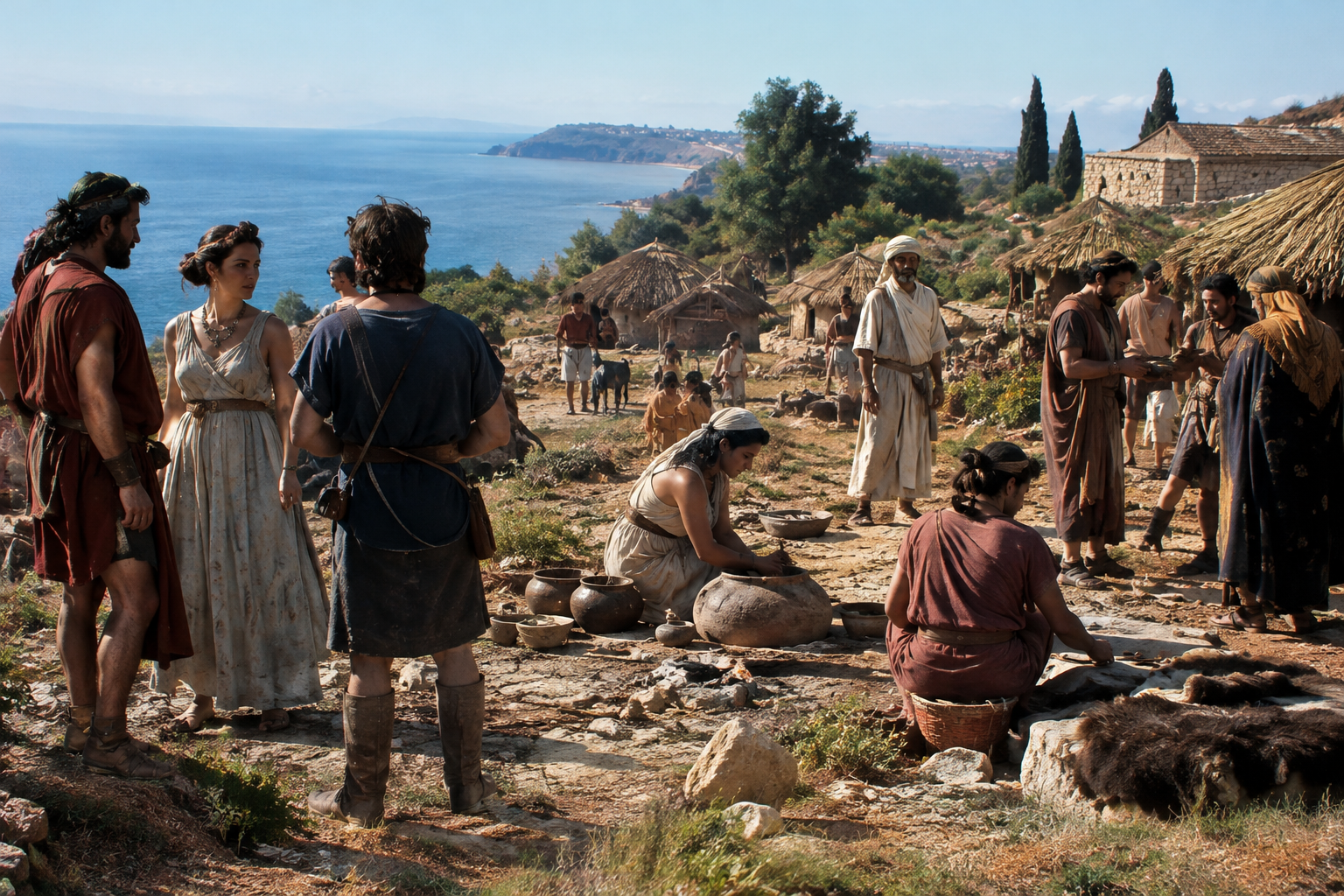
The deepest evidence in this set comes from the Levant. Three individuals from Peqi'in Cave Chalcolithic Levant Year:3900 BC - I1155, I1180, and I1172 - place this paternal lineage in one of the most archaeologically important societies of the late prehistoric Near East. Chalcolithic communities in the Levant were living in a world of metallurgy, ritual cave use, and increasingly complex social organization. A T1a1a presence here does not prove a point of origin by itself, but it does show that this paternal branch, or a very close lineage, belonged to real men living in a dynamic pre-urban landscape long before classical civilizations appeared.
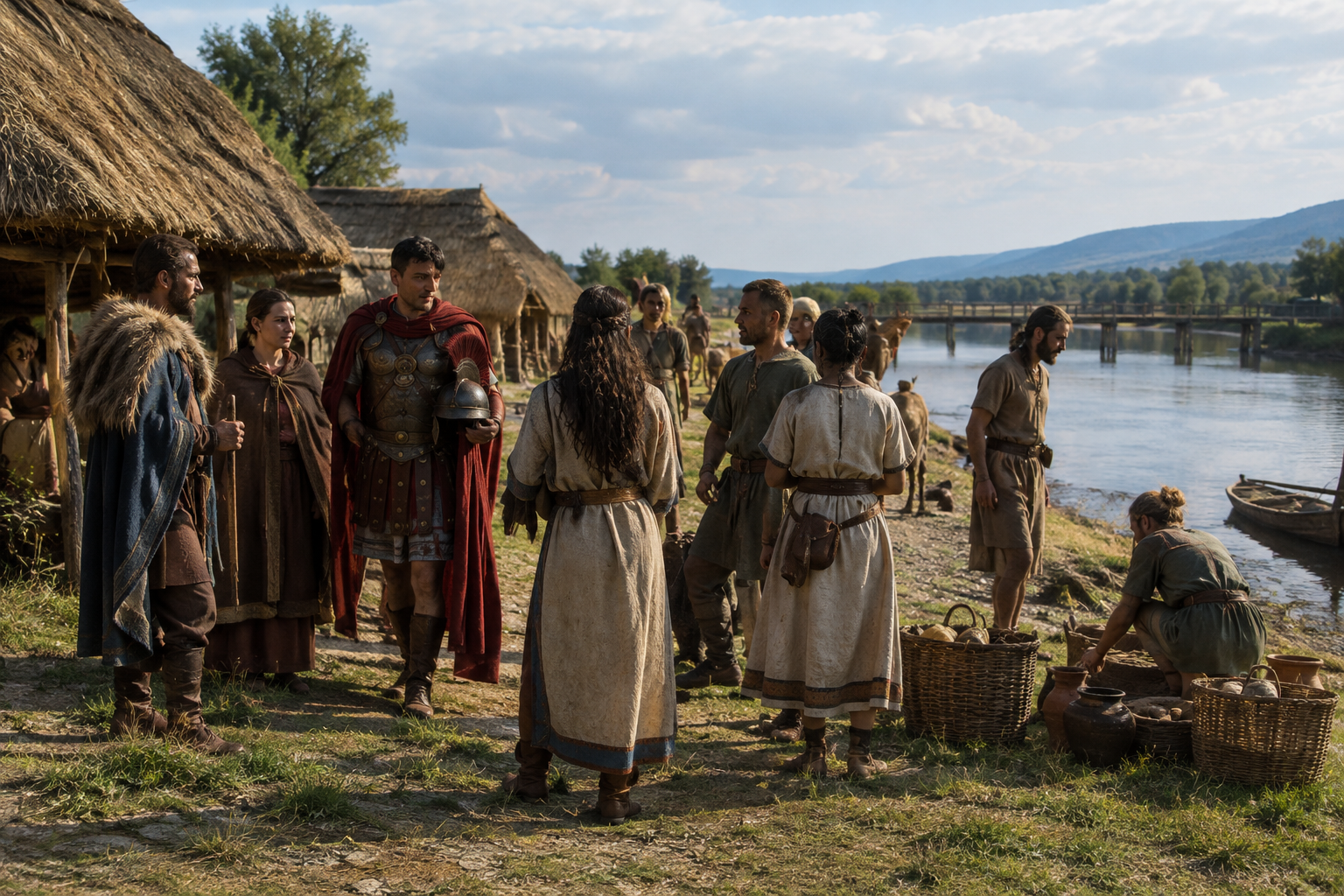
By the Bronze Age, the same broad story reaches north into Syrian and Anatolian political worlds. The Amorite Shell Pendant Alalakh Year:1900 BC ID:ALA015 and Bronze Age Amorite Alalakh Year:1685 BC ID:ALA110 connect the haplogroup to Alalakh, one of the major cities of the ancient Near East. Nearby we also have Yamhad Kingdom Kilis Southeast Anatolia Year:1600 BC ID:I14797. This is a striking cluster. It places T1a1a in the orbit of Amorite and north Syrian urban societies, where merchants, scribes, soldiers, and dynasts moved between city-states and kingdoms. The paternal line is not "Amorite" in any essential ethnic sense, but it was clearly present in that historical world.
Then comes North Africa. Two samples from Neolithic Morocco Skhirat-Rouazi Year:3250 BC - skh002 and skh003 - show this lineage, or one very close to it, on the Atlantic edge of the Maghreb in the late Neolithic. That is a major clue for anyone interested in how lineages moved between the Near East, North Africa, and the Mediterranean littoral. It fits well with the broader picture of prehistoric North Africa as neither isolated nor static.
Discover prehistoric North Africa
There are also later appearances that remind us how widely paternal lines can travel. Latin Tribe Ardea Year:650 BC ID:R850 places the lineage in Iron Age central Italy, in the world before or alongside early Roman expansion. Bronze Age Pommerania Lojewo Year:1750 BC ID:poz502 is especially arresting because it suggests that by the Bronze Age a T-line paternal branch had reached north-central Europe. One sample cannot rewrite the map, but it does warn against tidy assumptions that such lineages remained confined to the eastern Mediterranean.
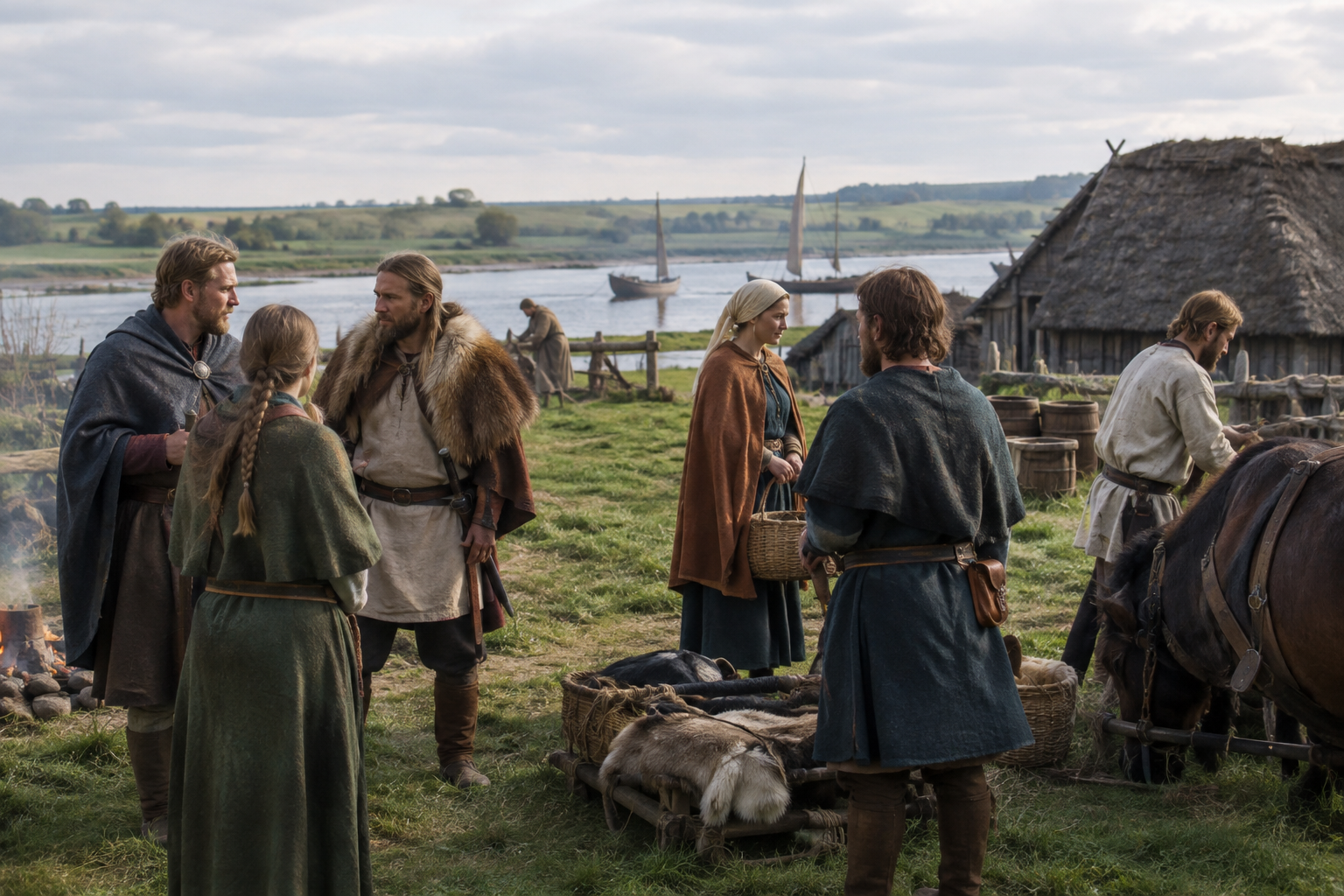
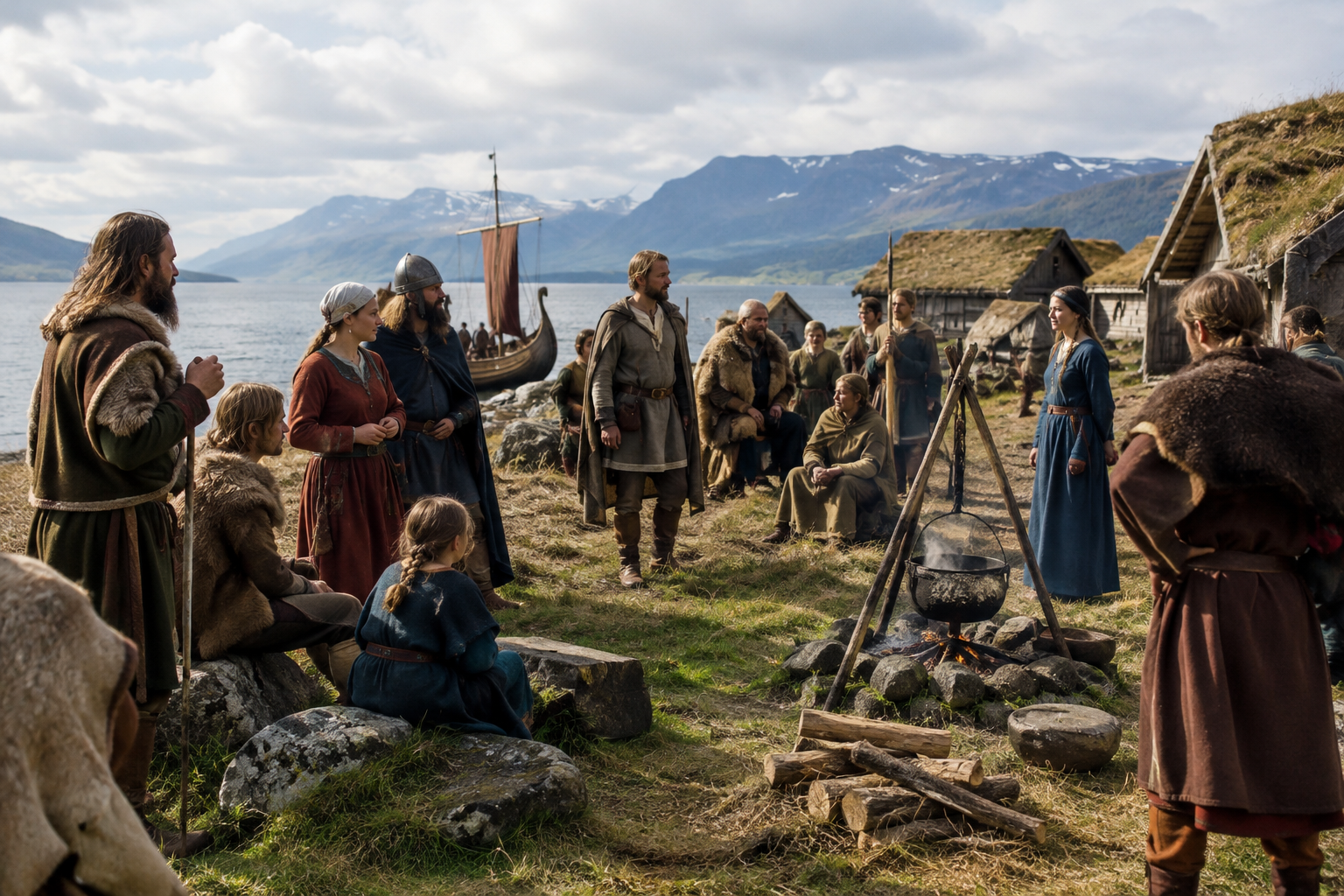
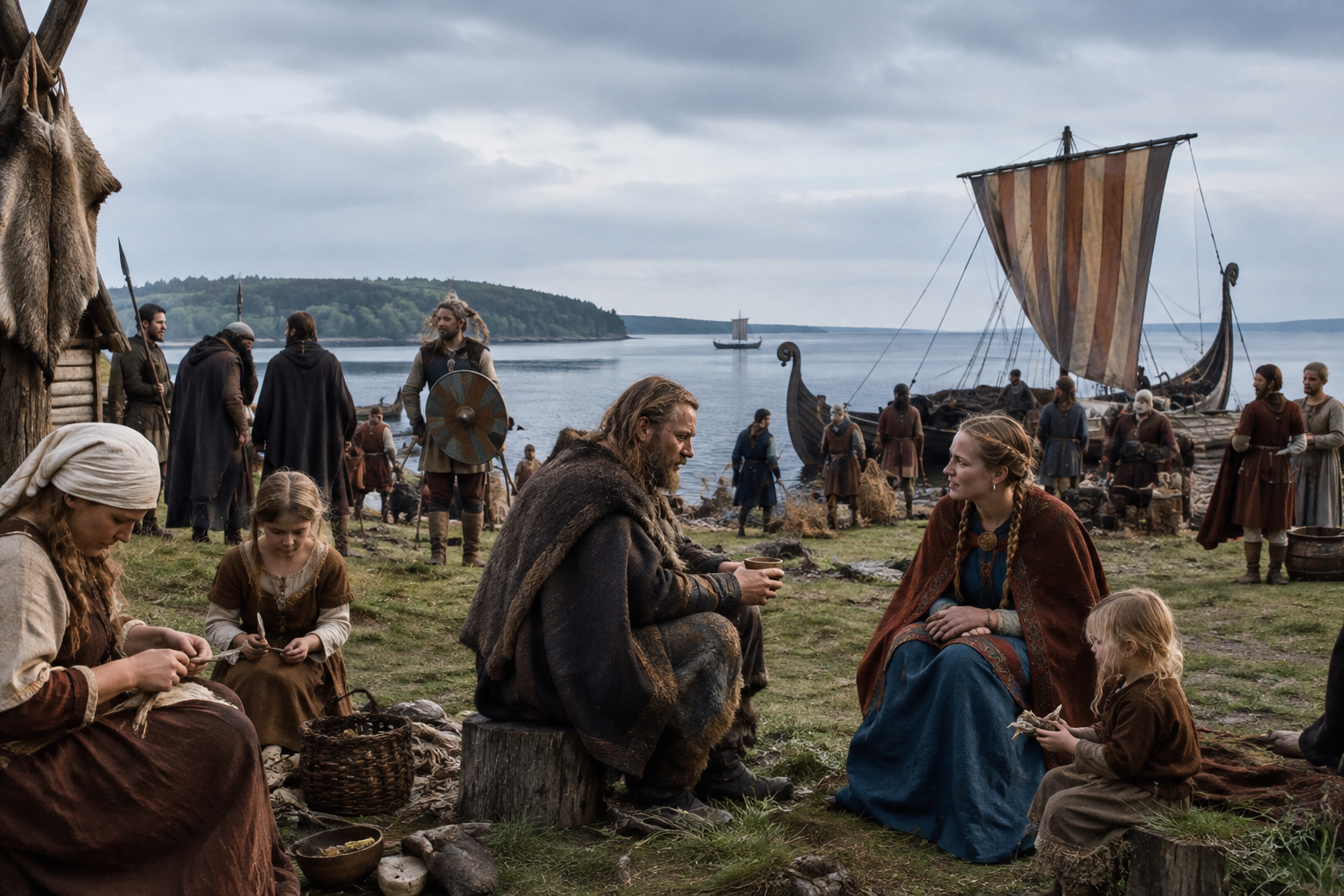
By the Middle Ages, T1a1a appears in settings shaped by commerce, mobility, and layered identities. In Sweden, Viking Age St. Gertrud Sigtuna Sweden Year:1050 AD ID:grt061 places the lineage in one of the great early Christian and mercantile towns of the Viking Age. Sigtuna was no sealed Scandinavian box. It was plugged into Baltic, North Sea, and continental networks. A paternal lineage with deeper roots farther south or southeast turning up there is precisely the sort of thing Viking Age archaeology has taught us to expect.
England offers another fascinating appearance: Norman Dynasty England Linconshire Lincoln Castle Year:1090 AD ID:I3011. Lincoln Castle is the sort of place that makes the historical imagination work overtime, but one must keep a cool head. A T1a1a result in a Norman-period castle context does not prove that the Norman elite as a whole carried this haplogroup, nor that a later noble family descended from this individual. What it does show is that post-Conquest England contained a wider paternal diversity than simplified ethnic labels suggest.
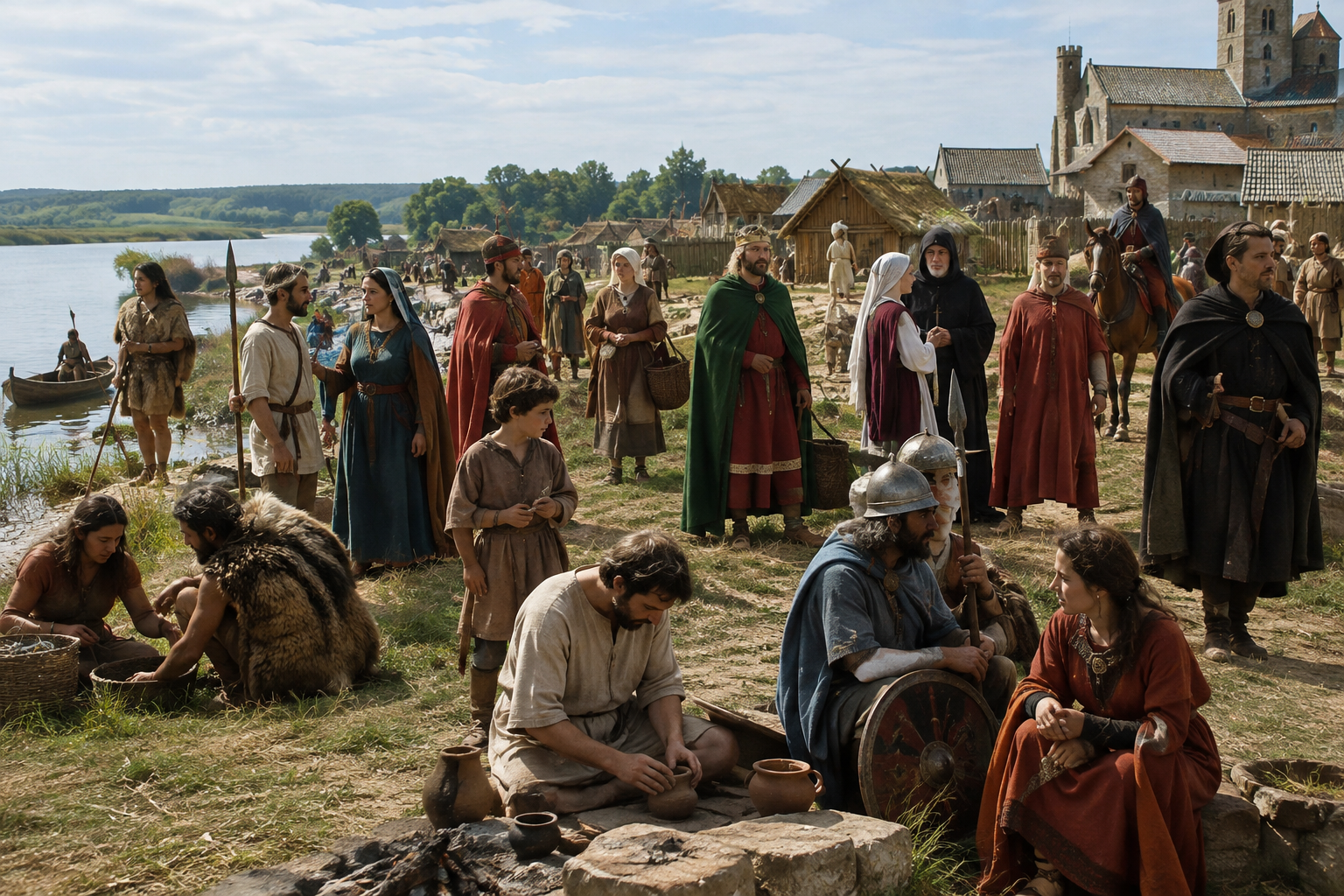
The same point emerges from the Continent. Medieval Belgium Sint-Truiden Onze-Lieve-Vrouwekerk Year:900 AD ID:ST0303 ties the lineage to an important ecclesiastical and urban center in the Low Countries. Late Medieval Ashkenazi Cemetery Erfurt Germany Year:1350 AD ID:I13862 places it within the medieval Jewish world of central Europe. And Kulubnarti Medieval Makurian Year:1140 AD ID:I6328 shows the lineage in medieval Nubia, within the Christian kingdom of Makuria. Put bluntly, this is a haplogroup that turns up where people met, traded, migrated, married, worshipped, and buried their dead across connected Afro-Eurasian worlds.
Read about medieval Sint-Truiden
Three of the most eye-catching entries in the dataset are not burials at all: Turin Shroud Lateral Edge Linen Fragment Turin Italy Year:1978 AD ID:AB1, Turin Shroud Foot Region Microscope Slide Turin Italy Year:1978 AD ID:B12, and Turin Shroud Gluteal Region Vacuum Dust Turin Italy Year:1978 AD ID:C10. These are famous because the Turin Shroud sits at the intersection of devotion, controversy, and forensic curiosity.
But this is exactly where scientific discipline matters most. DNA recovered from such material may reflect a complicated history of handling, environmental exposure, and later contamination. These samples are historically interesting because they show how genetic traces can accumulate on objects that have travelled through many hands and places. They are not straightforward evidence for the Y-DNA of any single ancient individual.
Examine the Turin Shroud DNA debate
No associated noble family or castle details were supplied here beyond the ancient sample contexts themselves, and that absence is worth acknowledging rather than papering over. In articles like this, there is always a temptation to leap from a medieval castle burial to a great lineage of lords and ladies, banners and battlements. But genetics does not work by romance. A haplogroup found in or near a castle is not proof that every noble associated with that site shared the same paternal line.
What we can say is something more historically satisfying. Castles, churches, cemeteries, and urban burial grounds preserve the social geography through which lineages like T1a1a moved. Lincoln Castle, the church at Sint-Truiden, the cemeteries of Erfurt and Kulubnarti, and the urban setting of Sigtuna all belong to worlds where written records capture only part of the story. Ancient DNA adds another layer. It shows that medieval Europe and the Mediterranean were populated not by neat biological blocks, but by men whose paternal lines might link them, very broadly, to older movements through the Levant, North Africa, Anatolia, and beyond.
If you want a wider look at how such movement played out in the central Mediterranean, the Roman and early medieval transition in Italy is particularly useful.
Explore Roman and medieval Italy
T1a1a is a reminder that paternal ancestry can be both precise and humbling. Precise, because it follows one line through time with extraordinary clarity. Humbling, because that line so often refuses to obey our modern expectations. In this dataset alone, it appears in Chalcolithic cave burials in the Levant, Bronze Age Syrian-Anatolian kingdoms, Neolithic Morocco, Iron Age Italy, Viking Age Sweden, Norman England, medieval Belgium, Jewish Erfurt, and Christian Nubia.
That does not mean all these men were closely related in any recent genealogical sense. It means that one paternal branch, over a very long time, travelled through some of the most important contact zones in history. It survived the rise of farming, the growth of cities, Mediterranean exchange, imperial expansion, religious transformation, and the making of medieval societies. That is quite enough to make T1a1a worth paying attention to.
If your own Y-DNA belongs to T1a1a, or to a nearby branch, MyTrueAncestry can help place that paternal line into a deeper archaeological setting. Ancient DNA matches and population comparisons cannot by themselves prove direct descent from a specific ancient individual or noble house, but they can offer a far richer sense of the historical worlds in which your ancestors' line once moved.
Comments