Haplogroup R1a1a1b1a1a

– 6 min read


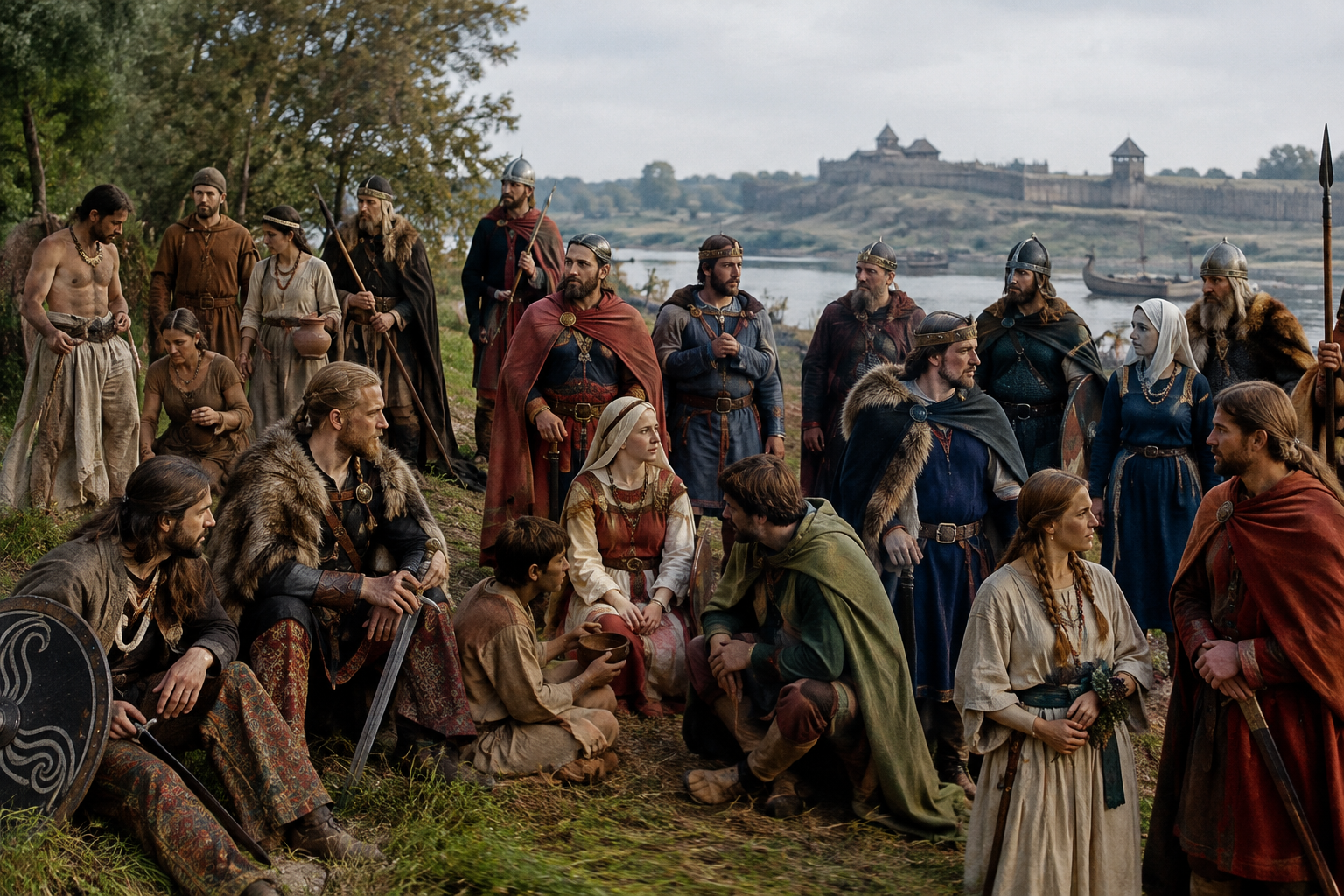
Some Y-DNA haplogroups appear in the record once or twice and then slip away. Others keep turning up in places that make historians sit up a little straighter. R1a1a1b1a1a belongs to that second category. In the material supplied here, it appears in Bronze Age Hungary and Bronze Age Poland, in Iron Age contexts in both Hungary and southern Germany, and then strikingly in medieval Poland, including several individuals linked with the Piast world. That is not proof of one unbroken family story. But it is exactly the sort of pattern that makes archaeogenetics so useful: it lets us see long-term paternal continuity and movement in regions where written history arrives late and unevenly.
As ever with Y-DNA, a caution comes first. A Y-chromosome haplogroup traces only one direct paternal line: father, father's father, and so on. It does not describe a person's whole ancestry, identity, language, or culture. And with a narrow branch like R1a1a1b1a1a, we have to be especially careful not to assign to it every grand claim ever made about the wider R1a family. Still, even a cautious reading is fascinating. This branch sits within one of Eurasia's best-known paternal lineages, and the ancient samples here suggest a history rooted in Central and Eastern Europe, with important appearances in Bronze Age communities, Iron Age societies, Viking Age networks, and the dynastic landscape of medieval Poland.
The broader R1a family is often discussed in connection with prehistoric movements across the Eurasian steppe and into Europe. That much is well established at a high level. What is harder, and more interesting, is narrowing the focus to a specific downstream branch without overclaiming. For R1a1a1b1a1a, the evidence supplied here suggests that by the Bronze Age this paternal line, or very close kin lines, was already present in the Carpathian Basin and in what is now Poland.
One of the earliest anchors is Hung137, from Bronze Age Hungary Mezozombor-Kozsegi temet, dated to 1050 BC. Another is poz554, from Bronze Age Poland Lublin Brodzica Trzciniec, dated to 1450 BC. Those two finds matter because they place the lineage in two important regions of later Central European history: the Carpathian Basin and the Polish plain. They do not tell us where the branch first formed, and they do not by themselves map an exact migration route. But they do show that this paternal line was already part of the human landscape long before kingdoms, chronicles, and heraldry.
The Trzciniec-associated Polish sample is especially evocative. The Trzciniec horizon belongs to a Bronze Age world of mixed farming, local exchange, and shifting regional identities across parts of East-Central Europe. A lineage present there and also in Bronze Age Hungary reminds us that the map of prehistoric Europe was never neatly boxed into later national borders.
Explore Late Bronze Age Central Europe
By the Iron Age, the same branch appears in settings that would have looked politically and culturally very different from the Bronze Age communities that came before. I25524, from Iron Age Komarom-Esztergom Hungary, dated to 225 BC, places the lineage again in the Carpathian region. And MX265, from the Iron Age Boii Tribe Singen am Hohentwiel, dated to 597 BC, takes us west into a Celtic setting in southern Germany.
This is a good moment to avoid an old trap. Sharing a haplogroup does not mean that all carriers belonged to the same people in any simple sense. A paternal line can pass through communities that speak different languages, follow different burial customs, and serve different rulers. That is precisely what makes ancient DNA so illuminating. A lineage that appears in a Boii-associated context and also in later medieval Polish dynastic contexts is not evidence that "the Boii became the Piasts." It is evidence that certain paternal lines could persist, disperse, and be absorbed into very different historical formations.
Seen that way, R1a1a1b1a1a starts to look less like a badge of ethnicity and more like a durable thread running through the human history of Central and Eastern Europe.
Read About Celtic DNA in Central Europe
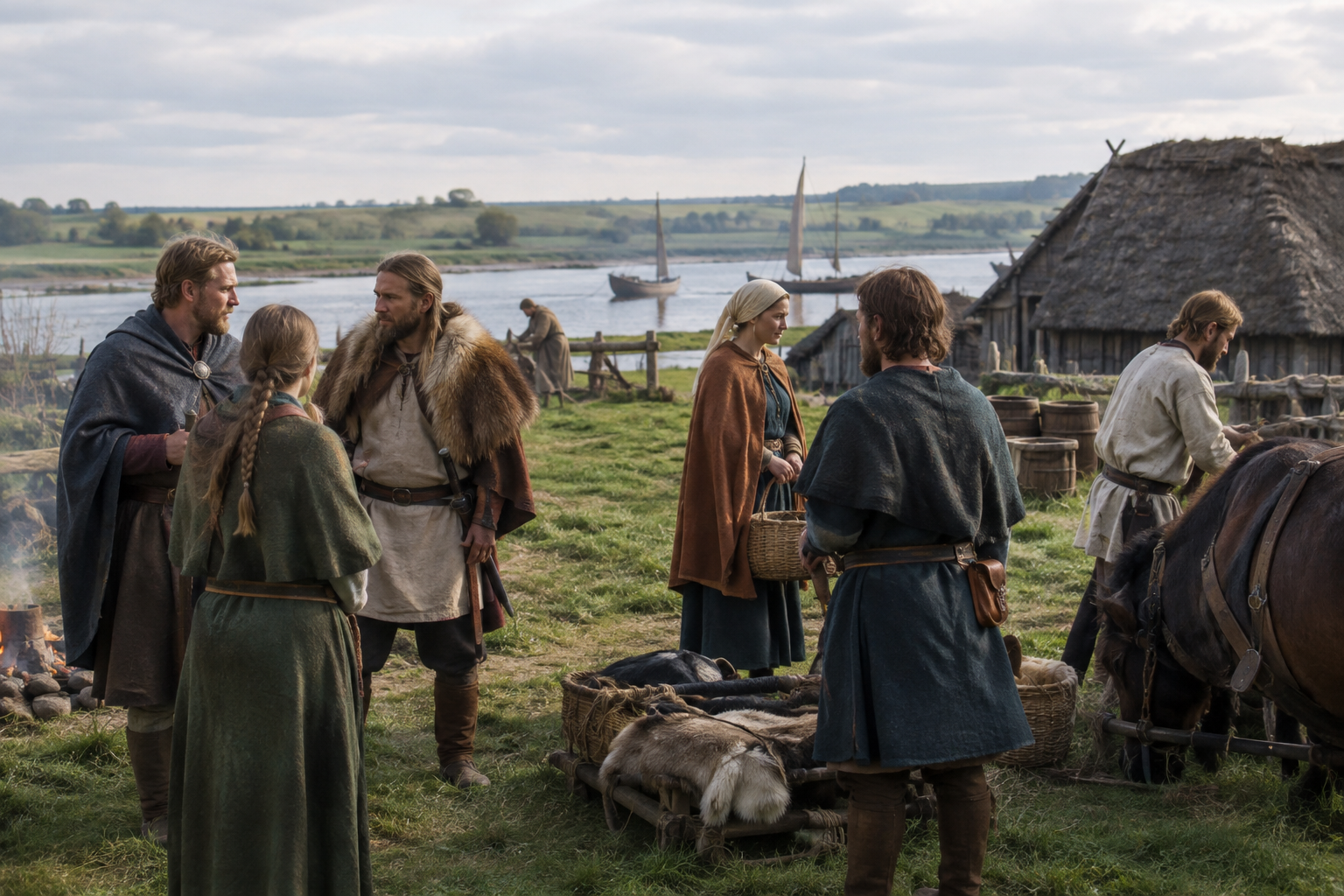
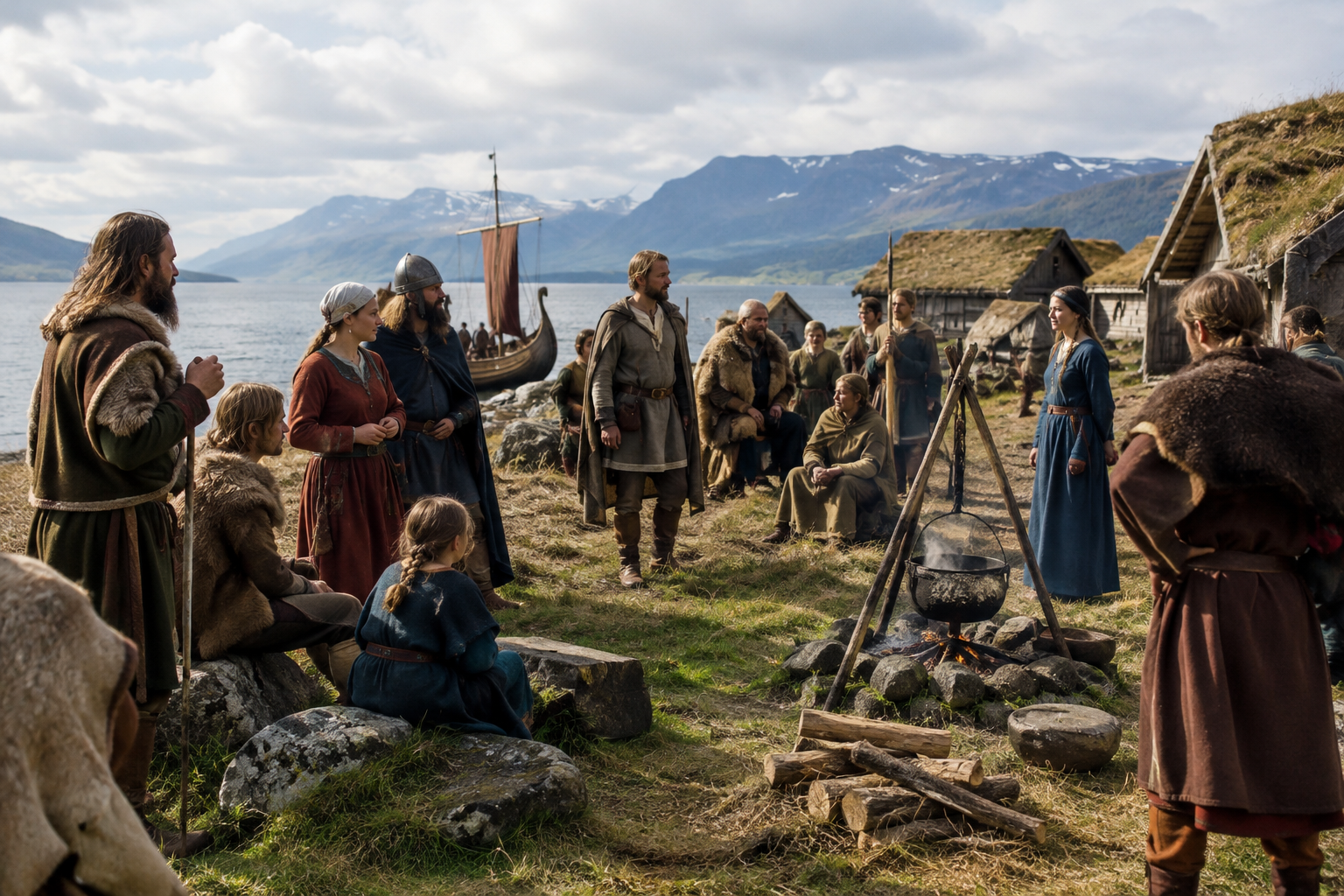
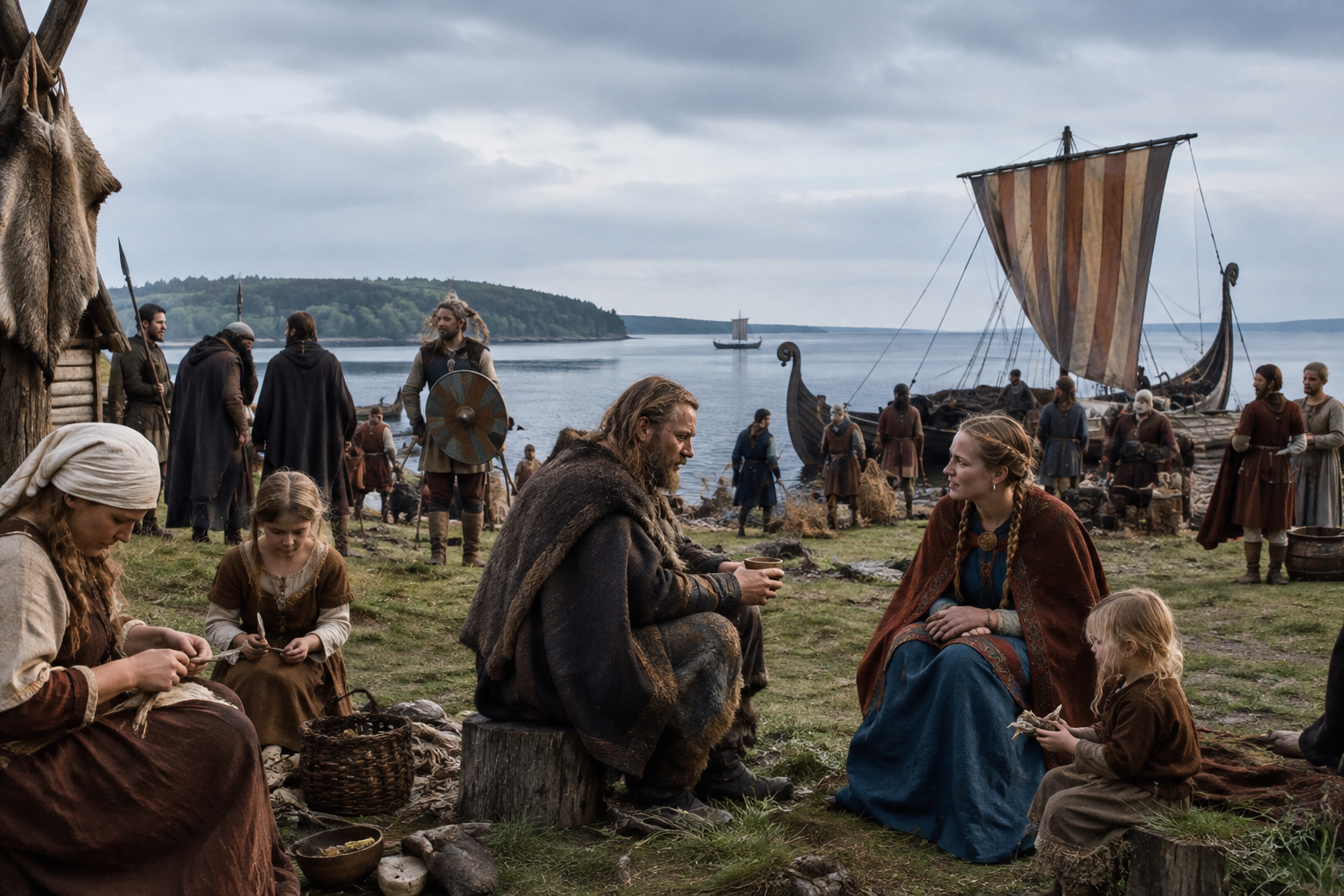
The Viking Age and the early medieval centuries add another layer. The branch appears in VK452 from Viking Age Gotland Kopparsvik Sweden dated to 975 AD, and VK438 from Viking Age Gotland Frojel Sweden also dated to 975 AD. Gotland was not some remote backwater. It was a commercial hinge in the Baltic, tied into trade routes linking Scandinavia, the eastern Baltic, and the river networks that reached deep into Eastern Europe.
Then there is VK408 from Viking Age Staraya Ladoga, dated to 1000 AD, another key node in the Baltic-to-Rus world, and VK212 from the Elite Viking Grave Cedynia, dated to 1010 AD, bringing the story right onto the Polish frontier zone. Taken together, these finds suggest that the paternal branch was present in the maritime and riverine networks that connected Scandinavia with the southern Baltic coast and the Slavic lands beyond.
That makes the medieval Polish evidence all the more compelling. We have PCA0166 from Medieval Poland Early Kingdom of Poland dated to 971 AD and PCA0572 from Medieval Kingdom of Poland Piast Dynasty Zielonka Poznan dated to 987 AD. These are not just random medieval burials in a vague region. They belong to the period when the early Polish state was taking shape around Greater Poland.
And then the evidence becomes unusually concentrated: PCA0328 from Medieval Piast Dynasty Poland Plonsk Masovia dated to 1100 AD; PCA0386 and PCA0387 from Piast Dynasty Lubusz-Greater Poland Border Santok Lad dated to 1100 AD; PCA0203 from Piast Dynasty Greater Poland Lad dated to 1100 AD; PCA0205 from Medieval Poland Piast Dynasty Lad dated to 1100 AD; PCA0197 from Medieval Poland Piast Dynasty Lad dated to 950 AD; PCA0573 from Piast Masovian Dynasty Prince dated to 1120 AD; and PCA0574 from Piast Non-Masovian Dynasty Prince dated to 1478 AD.
That concentration does not prove every Piast male carried exactly the same narrow branch forever, but it strongly suggests that this lineage had a notable place within the male lines associated with the Piast realm. In plain terms: this is one of those cases where ancient DNA does not merely decorate medieval history. It actively reshapes how we picture dynastic and regional continuity.
Discover the Piast Dynasty DNA
The supplied noble-family field is empty, which is itself worth saying plainly. It means we should not invent castles, dynasties, or aristocratic surnames merely because the Piast-related samples tempt us to do so. What we can discuss responsibly is the historical setting suggested by the sample list: Greater Poland, Masovia, Santok, Poznan, Plonsk, Cedynia, and the Baltic-linked routes running through Gotland and Staraya Ladoga.
These are places where power had to be built physically as well as politically: fortified settlements, river crossings, border strongholds, and regional courts. Santok in particular, sitting at the Lubusz-Greater Poland border in the supplied description, evokes exactly the kind of frontier landscape in which dynasties defended routes, extracted tribute, and projected authority. When a paternal lineage appears in such settings across multiple centuries, the point is not that DNA has found a castle key. It is that archaeology and genetics together make the regional history less abstract. We are no longer talking only about "the Piast state" in textbook terms. We are looking at actual men from actual burial contexts who belonged to that political world.
That is also why ancient DNA and written genealogy do different jobs. Chronicles remember rulers, bishops, and battles. DNA catches people the texts forgot, and sometimes it shows that the biological history of a dynasty or region is both more complicated and more continuous than the written record alone would suggest.
Explore Piast Dynastic Connections
So what does this haplogroup reveal, if we strip away the fantasy and keep the excitement? First, it shows that one paternal branch within the wider R1a family was present in Central and Eastern Europe from at least the Bronze Age onward. Second, it appears in varied settings: Bronze Age communities, Iron Age Hungary, a Boii-associated burial in southern Germany, Viking Age Baltic nodes, and the dynastic environment of medieval Poland. Third, it demonstrates how paternal lines can persist through enormous cultural change without belonging exclusively to one people, one language, or one ruling house.
For MyTrueAncestry users, that is the real fascination. A haplogroup like R1a1a1b1a1a is not a simple identity label. It is a clue. It places one direct paternal line inside a very long historical geography stretching from Bronze Age cemeteries to early kingdoms and Baltic trade routes. It may connect your Y-line, at the broad level, with some of the same regions and population histories represented by samples such as Hung137, poz554, VK212, or the Piast-era individuals PCA0166 and PCA0573. But similarity is not the same as direct descent, and a match to an ancient sample is not a title deed to a dynasty.
That said, it is hard not to feel the thrill of it. A modern DNA result can now be set beside burials from Mezozombor, Brodzica, Cedynia, Poznan, and Plonsk. The old boundary between prehistory and history looks much thinner than it once did.
If you want to see whether your own DNA shows links to ancient individuals, medieval populations, or the paternal histories discussed here, MyTrueAncestry can help place your results into that deeper archaeological context. You may discover genetic similarities to people from Bronze Age Poland, Viking Age Baltic communities, or the world of the Piasts, while remembering that these are historical and genetic connections, not automatic proof of direct genealogical descent.
Comments