Haplogroup R1b1a1b1

– 5 min read


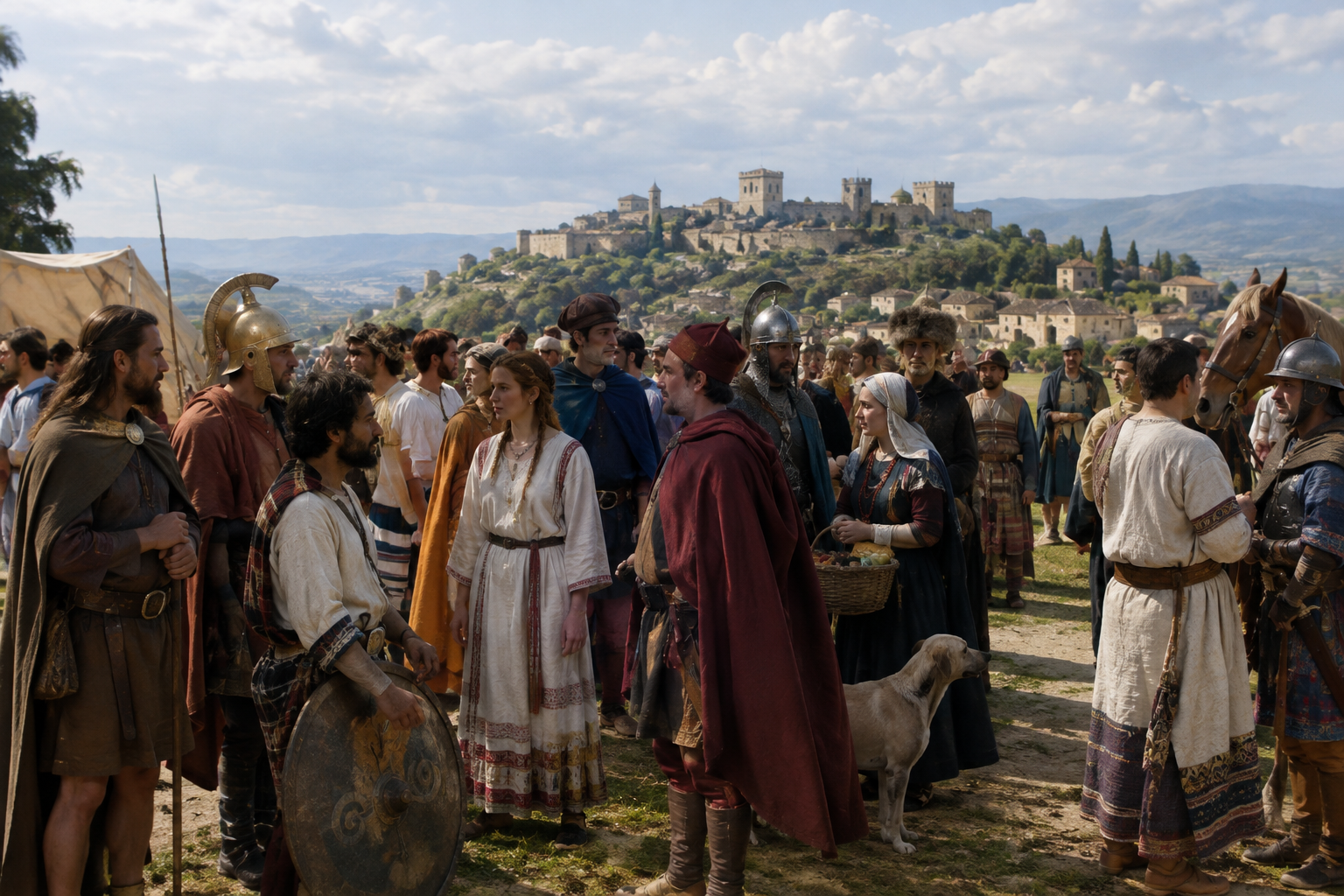
R1b1a1b1 is one of those Y-DNA lineages that turns up in places historians love arguing about: the steppe, Bronze Age central Europe, Iron Age Italy, Roman and post-Roman frontiers, medieval Iberia, and even later dynastic contexts. That does not make it a badge of one people, one language, or one kingdom. Quite the opposite. It makes it interesting because it shows how a paternal line can move through very different worlds while the cultures around it change almost beyond recognition.
As a Y-chromosome lineage, R1b1a1b1 traces one direct paternal line only: father to father to father. It is not a summary of a person's whole ancestry, and it cannot by itself prove descent from a famous tribe or noble house. Still, when ancient DNA repeatedly places related paternal branches across Europe over long stretches of time, it gives us a rare way to follow male-line continuity and mobility through landscapes that written sources barely touch.
The broad R1b family is deeply important in the study of western Eurasian prehistory, and R1b1a1b1 belongs within that larger story. For this narrower branch, caution matters: we should not simply pour the entire history of all R1b into one label. But the supplied evidence does place this lineage in some very early and revealing contexts.
One of the most striking samples is I3141, an Ancient Yamnaya Culture Donestk Ukraine individual dated to 3000 BC. That does not mean every later bearer of R1b1a1b1 descends directly from this one man, but it does place the lineage in the world of steppe pastoralists whose movements transformed much of Bronze Age Europe. From there, the story widens westward and southward.
By the Early Bronze Age and Bronze Age, related paternal lines appear in the Balkans and central Europe: I18801 from Early Bronze Age Bulgaria Boyanovo dated 2750 BC, I19457 from Bronze Age Bulgaria Tell Ezero dated 2275 BC, and LEU053 from Bronze Age Unetice Thuringia Leubingen Sommerda Germany dated 1950 BC. That spread is historically suggestive. It fits a picture in which paternal lines linked to steppe-associated expansions became part of emerging Bronze Age societies stretching from southeastern Europe into central Europe.
What matters here is not some simplistic tale of replacement. Archaeology and ancient DNA keep showing us mixtures, local continuities, and new elites forming out of older populations and incoming groups alike. R1b1a1b1 seems to have been one of the male lines present in that long process.
Explore North Pontic migrations
By the Iron Age, the picture becomes even more fascinating because the same broad paternal lineage appears in very different cultural settings. In Italy, three Etruscan-associated individuals from Monteriggioni Colle di Val d'Elsa dated 600 BC carry this line: EV15A, EV16D1, and EV7A. Nearby in the Adriatic zone, three Piceni Italic Tribe Novilara Iron Age Adriatic Coast Italy samples dated 650 BC do as well: PN62, PN43, and PN52.
This is exactly the kind of evidence that unsettles old tidy stories. Etruscans, Picenes, and other Iron Age Italians were not sealed-off peoples in a museum case. They were part of a connected peninsula with movement, exchange, marriage, war, and local continuity. A paternal lineage appearing in both Etruscan and Italic contexts does not erase cultural differences, but it does remind us that genes and identities do not map neatly onto one another.
The same point appears farther west with CGG022447, a Gallic France Bucy-le-Long individual dated 360 BC. This places the lineage in Iron Age Gaul too. Again, that is not proof of a "Celtic haplogroup" in any narrow sense. It is better understood as evidence that this paternal branch was present among multiple western and central European populations during the first millennium BC.
Then the Roman and post-Roman centuries complicate matters further. Hacs_15 from Post Roman Empire Pannonia Hungary Hacs dated 450 AD, CL97 identified as Celto-Germanic Lombard dated 580 AD, and CL110 described as a Roman Outlier Lombard Grave dated 580 AD all point to a world in which armies, federates, settlers, and local communities were thoroughly entangled.
There is also BUK023 from the Early Anglo Saxon Period Buckland Dover England dated 400 AD. Dover is not just any place: it is a threshold, a crossing point. A lineage found there in the early Anglo-Saxon period speaks to movement across the Channel, but not to one single origin story. Men carrying related Y-lines could have arrived through migration, military service, family movement, or earlier Roman mobility.
On the eastern side of Europe, UKR132 from a Scythian Nomadic Rich Grave Psiochyn Kharkiv dated 400 BC and UKR135-1_II from Medieval Magyar Forest Steppes Ukraine Saltiv dated 229 AD show this paternal line in steppe and frontier settings long after the Yamnaya horizon. That does not create a direct line from Scythians to Magyars to later dynasties, but it does underline how certain paternal branches remained part of the populations circulating through the Black Sea and forest-steppe zones for many centuries.
Discover Black Sea ancient DNA
The Iberian evidence is especially good for showing long-term regional presence without overclaiming continuity. In northeastern Spain, I29537 from Early Medieval Spain Tarragona Cambrils Torre Bargallona dated 525 AD and I29629 from Post Roman Early Medieval Spain Tarragona Cambrils La Mineta dated 575 AD place the lineage in the post-Roman landscape of Tarraconensis. Later still, ldo160 from Medieval Northern Spain Las Gobas dated 1000 AD and L017, a Spanish Soldier Barcelona La Sagrera Camp Catalan Revolt dated 1652 AD, show that related paternal ancestry continued to surface in medieval and early modern Iberia.
That sort of spread makes historical sense. Iberia was shaped by Roman settlement, Visigothic rule, regional Christian polities, Islamic states, frontier warfare, and dense local continuities. A paternal lineage present there in late antiquity and again in medieval and early modern contexts is not surprising. But it is revealing, because it gives us a male-line thread running across periods that written records usually treat separately.
The same caution applies to dynastic material. PCA0656, a Piast Masovian Dynasty Male dated 1370 AD, places this Y-line in a medieval ruling context in Poland. That is historically exciting, but it does not mean everyone connected to the Piasts shared the same paternal line, nor does it bridge all earlier samples into a royal genealogy. What it does show is that a paternal branch already visible in prehistoric and ancient Europe could also appear in the line of a documented medieval dynasty.
Unfortunately, no associated noble family or castle details were actually supplied in the input for this article, so it would be wrong to invent them. In a case like this, the honest thing is to say that the genetic evidence is the stronger guide than heraldic romance. If future family-specific or castle-specific documentation is added, it could help place this haplogroup within a clearer medieval regional setting. For now, the reliable story lies in the graves, not in imagined battlements.
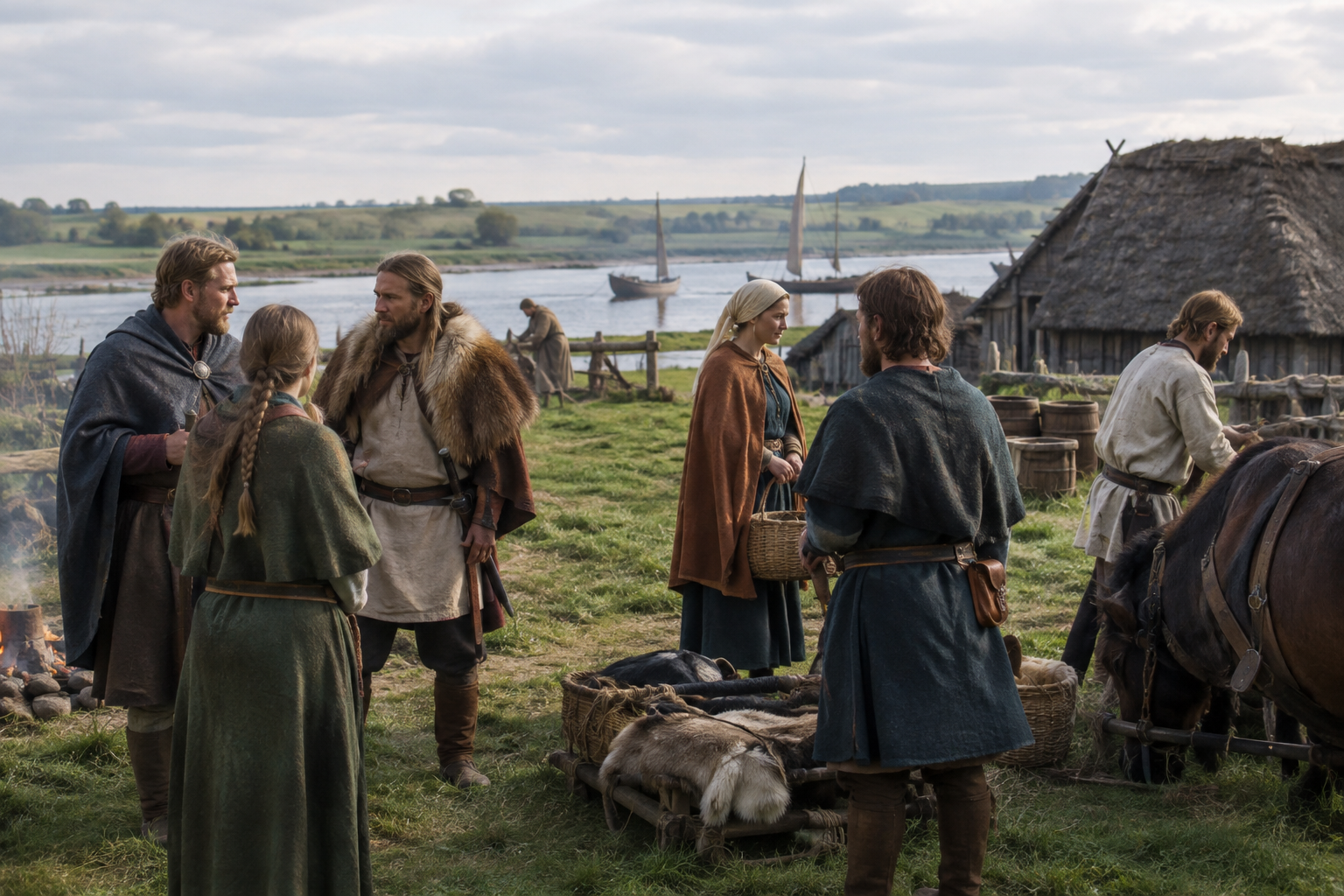
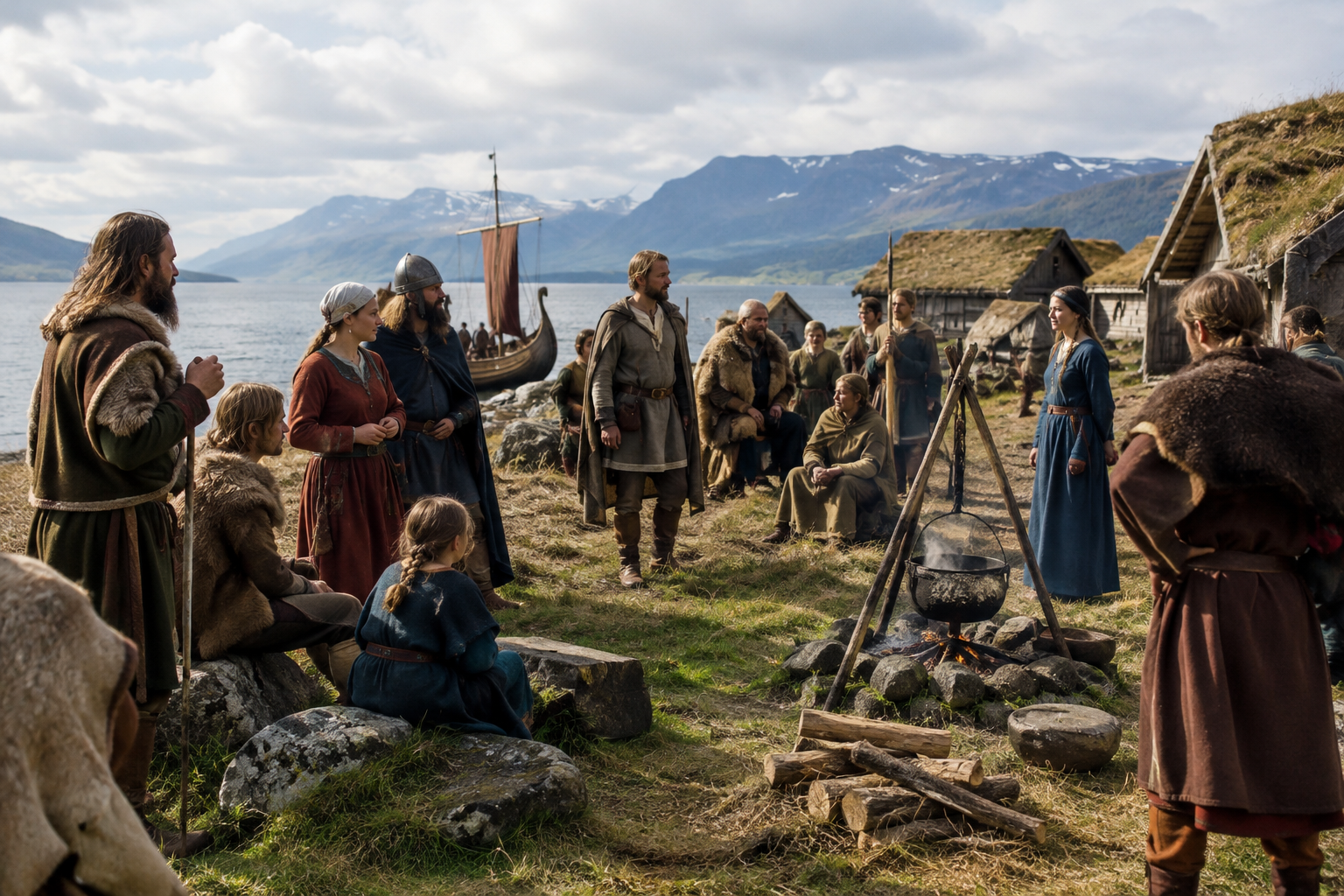
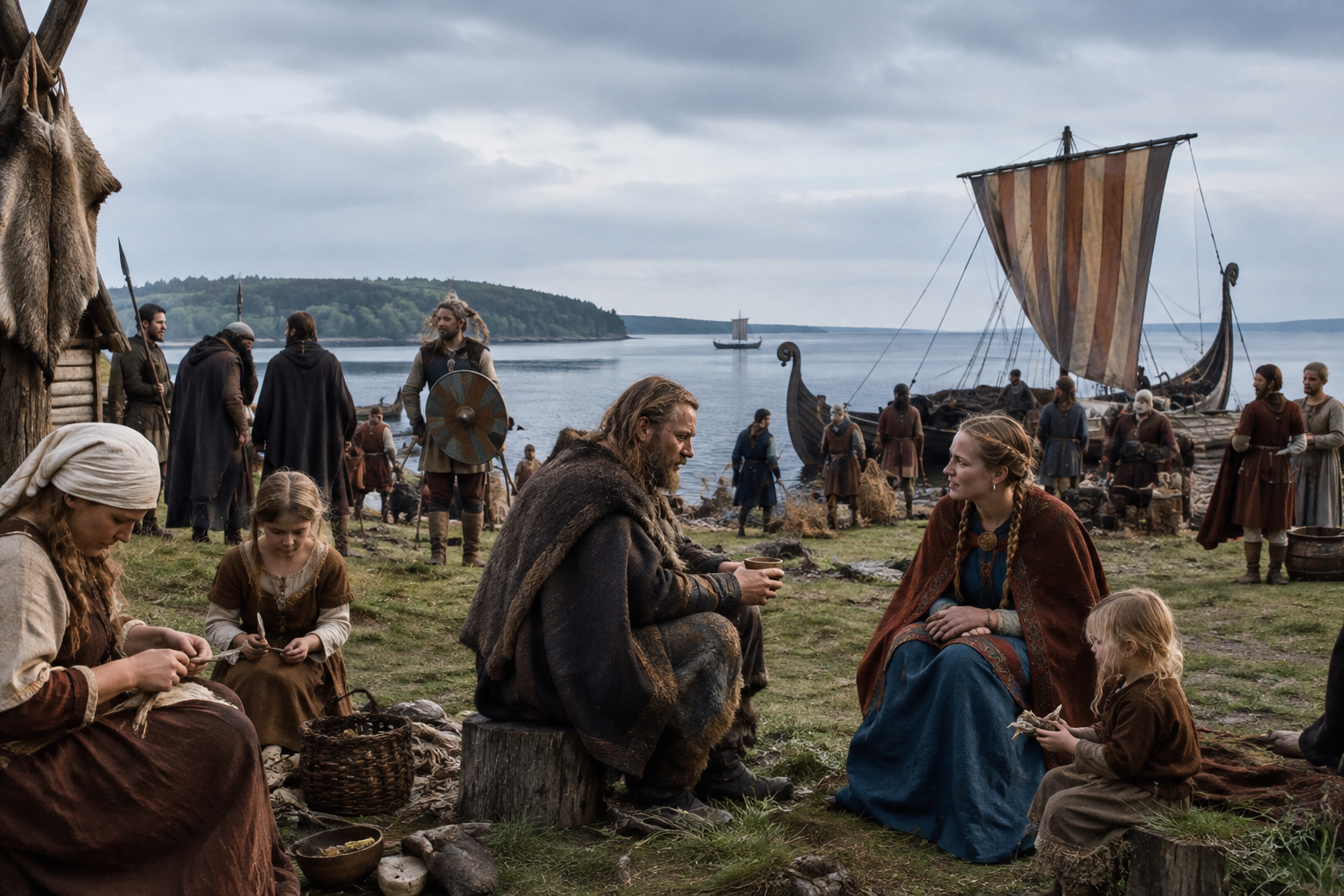
So what does R1b1a1b1 reveal? First, that one paternal lineage can persist across enormous historical changes: Yamnaya-associated horizons, Bronze Age societies in Bulgaria and Germany, Iron Age Italy and Gaul, late Roman borderlands, early medieval England and Spain, steppe-connected worlds near Kharkiv and Saltiv, Viking Age Sweden with VK267 from Karda Smaland Sweden dated 1000 AD, and even dynastic medieval Poland.
Second, it shows why Y-DNA is powerful but limited. Powerful, because it lets us track direct paternal ancestry across long spans of time. Limited, because sharing a broad haplogroup does not prove close kinship, ethnic identity, noble descent, or a single migration route. Ancient DNA works best when it is read alongside archaeology, geography, and history, each correcting the others.
That is the real excitement here. R1b1a1b1 is not a slogan. It is evidence. And the evidence suggests a paternal line that was repeatedly present in important turning points of European history, from steppe mobility to medieval kingdoms.
If your own Y-DNA or autosomal results connect you with ancient populations like these, MyTrueAncestry can help you explore those links in context. Ancient DNA matches can offer remarkable clues about where parts of your ancestry fit into the human past, even if they do not prove direct descent from a specific ancient individual or noble dynasty.
Comments