Etruscan Origins and Change in Bologna
– 5 min read


Ancient Bologna: From Villanovan Origins to Roman Integration
The archaeological investigation of ancient Bologna places one of the most compelling questions in early Italian history under examination: were the Etruscans of Felsina newcomers, or did they emerge from the older Villanovan communities already established in the region? This research proves especially significant because it moves beyond traditional analyses of pottery, weapons, and burial customs to examine the ancient people themselves, utilizing bones and teeth from Bologna's cemeteries to determine whether the population experienced dramatic change or maintained deep local continuity across generations.
Central to this narrative is Felsina, the Etruscan city situated beneath and around modern Bologna. The study presents it not as an isolated settlement, but as a dynamic crossroads between the Apennines, the Po Valley, and the routes extending toward the Alps. This strategic location proves crucial to understanding the region's development. While archaeologists had previously identified signs of cultural transformation through burial practices, elaborate grave goods, and extensive trade connections, this research poses a more fundamental human question: when the city acquired Etruscan political power and cultural identity, were the people buried in its cemeteries still predominantly descendants of the Villanovan communities who had interred their dead there for generations?
To investigate this question, the research examines 24 Villanovan-period individuals from three urban Bologna sites. These early burials provide essential baseline data for understanding the city's population before Etruscan dominance. Dating to the formative centuries when Villanovan communities established the foundations of what would later become a major Etruscan center, these individuals represent the opening chapters of a long historical narrative unfolding in the same landscape that later witnessed the rise of monumental Etruscan Felsina.
The cemeteries themselves function as historical witnesses, with each burial ground offering distinct glimpses into community life at specific moments. Some graves belong to the earlier Villanovan world, characterized by distinctive funerary customs, while later burials reflect the flourishing Etruscan city. Archaeologists have extensively studied grave goods to track social status and cultural connections: cremation urns, inhumation burials, ornaments, and prestige items suggesting links throughout Italy and beyond. This research adds a crucial dimension by examining whether these visible cultural shifts corresponded to population replacement or unfolded within the same broad local communities.
The investigation of biological continuity essentially explores family lineages on a civic scale, examining whether the people of Etruscan Felsina were largely descendants of earlier Villanovan inhabitants. Rather than treating "Villanovan" and "Etruscan" as completely separate peoples, the research tests whether these labels describe different phases in closely connected local community history.
The Bologna excavation sites prove particularly revealing because urban cemeteries preserve the transition from the 10th to 8th centuries BCE, when Villanovan foundations were established, through the 7th to 5th centuries BCE, when Etruscan Felsina expanded and flourished. These locations function as layered terrestrial archives, with one stratum containing remains of early inhabitants following Villanovan funerary traditions, and another preserving later Etruscan burials from the city's peak period. The study's strength lies in directly comparing people from these different phases rather than inferring population changes solely from material culture transformations.
Ancient Felsina emerges from this research as one of early Italy's most fascinating crossroads. Positioned strategically between the Apennines, Po Valley, and Alpine routes, Felsina appears not simply as an Etruscan city, but as a meeting place where families, newcomers, and established communities interacted across centuries. Through analysis of human remains from cemeteries and settlement contexts, the study traces interpersonal connections across time and examines how regional population developed through both continuity and contact.
At the research's foundation lies an remarkable dataset of 103 ancient individuals from 13 Etruscan archaeological sites, including ten within the Bologna metropolitan area and three in surrounding countryside. These excavation sites span an extensive timeline from the 10th century BCE to the 3rd century CE, enabling researchers to track communities from the Villanovan period through Etruscan Felsina's height, periods of Celtic contact, and finally into Roman Bologna. Few locations offer such comprehensive and intimate archaeological documentation of urban development.
Population structure analysis examines how Felsina's inhabitants were organized socially and biologically. Were people buried in neighboring cemeteries members of the same broad community, or did they represent different social or family groups? How closely related were rural communities to urban populations? Did major cultural changes reflect new arrivals or local families adapting to new customs? These broad historical questions are addressed through examination of specific individuals buried in the archaeological record.
Kinship analysis provides particularly vivid insights into ancient social organization. Using DNA extracted from bones and teeth, researchers identify biological relationships between specific individuals, transforming cemeteries from silent grave collections into complex social landscapes. Burial grounds might contain parents and children, siblings, or more distant family members, but they also reveal surprising patterns: people buried with similar rituals and grave goods who were not closely blood-related, demonstrating that community identity could develop through shared culture as much as family descent.
Villanovan-period individuals prove especially significant to this investigation. The 24 people from three urban Bologna sites dating to this earlier phase, before Etruscan Felsina reached full development, provide opportunities to test whether the city's rise emerged from local roots or involved major demographic transformation. The study examines whether later Felsina's population descended primarily from existing Villanovan communities or whether urban expansion drew in new populations from elsewhere.
Archaeological evidence enriches these questions considerably. Regional cemeteries preserve evolving burial customs, from cremation to inhumation, alongside grave goods advertising identity, status, and connections extending far beyond the immediate area. The research combines these material finds with genetic evidence, examining whether ritual and cultural changes accompanied population shifts. Changes in burial practices do not necessarily indicate wholesale population replacement; they may instead reflect local families adopting new fashions, beliefs, or political identities.
Ancient Felsina's position beneath modern Bologna placed it at one of early European history's most dynamic meeting points. Here, routes from the Po Valley, Apennines, and Alpine regions converged, creating natural connections between Etruscan communities in northern Italy and Celtic groups from Central Europe. Rather than treating this contact as background context, the research directly examines it through ancient DNA analysis.
The study focuses particularly on centuries when transalpine contact intensified, comparing Bologna-area populations with Hallstatt groups from the 9th to 5th centuries BCE and La Tène groups from the 5th to 1st centuries BCE. The research addresses a fundamental human question: when archaeologists identify Celtic contact in material remains, were new people actually arriving, or were local communities primarily adopting new objects, fashions, and practices from distant regions?
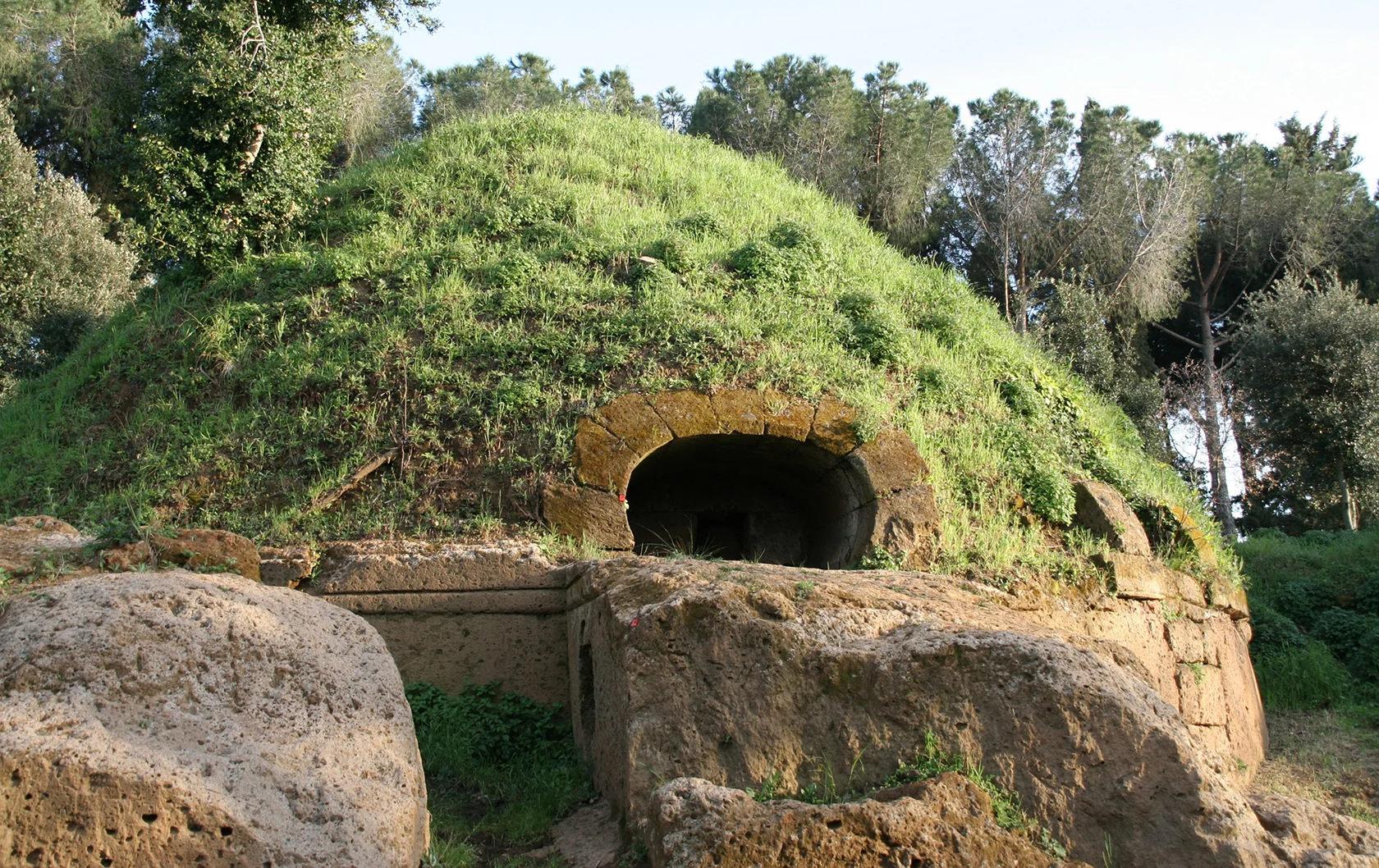
Felsina's cemeteries prove crucial to understanding this contact because these burial grounds represent more than bone collections. They are locations where changing identities were expressed and displayed publicly. Tombs in the Bologna region preserve evidence of shifting burial customs, elite display, and long-distance connections. The research treats these graves as historical witnesses showing how communities south of the Alps participated in broader networks reaching deep into Central Europe.
The project's most compelling aspect combines physical excavation drama with hidden evidence preserved in teeth and bones. Researchers analyze 103 ancient individuals from 13 Etruscan archaeological sites, including urban Bologna cemeteries and nearby rural locations. This geographic distribution matters because Celtic contact affected not only cities but also surrounding countryside, suggesting both urban centers and rural areas participated in the same networks of movement, exchange, and family connection.
The research identifies a "genetic dialogue" between northern Etruscan communities and Celtic groups beyond the Alps. This technical-sounding concept represents a straightforward idea: examining biological connections between people buried around Felsina and Hallstatt or La Tène populations from Central Europe. The investigation attempts to determine whether archaeological contact evidence also represents human contact preserved in ancestry patterns.
Hallstatt and La Tène cultures are traditionally known through distinctive artifacts, warrior imagery, and extensive exchange networks. This research brings Felsina into that narrative from the southern Alpine perspective. Bologna was not a remote outpost awaiting outside influence but an active participant in dynamic networks where objects, customs, and people moved across mountain barriers that were never as impermeable as maps might suggest.
Comments