Haplogroup I2a1a2a

– 6 min read


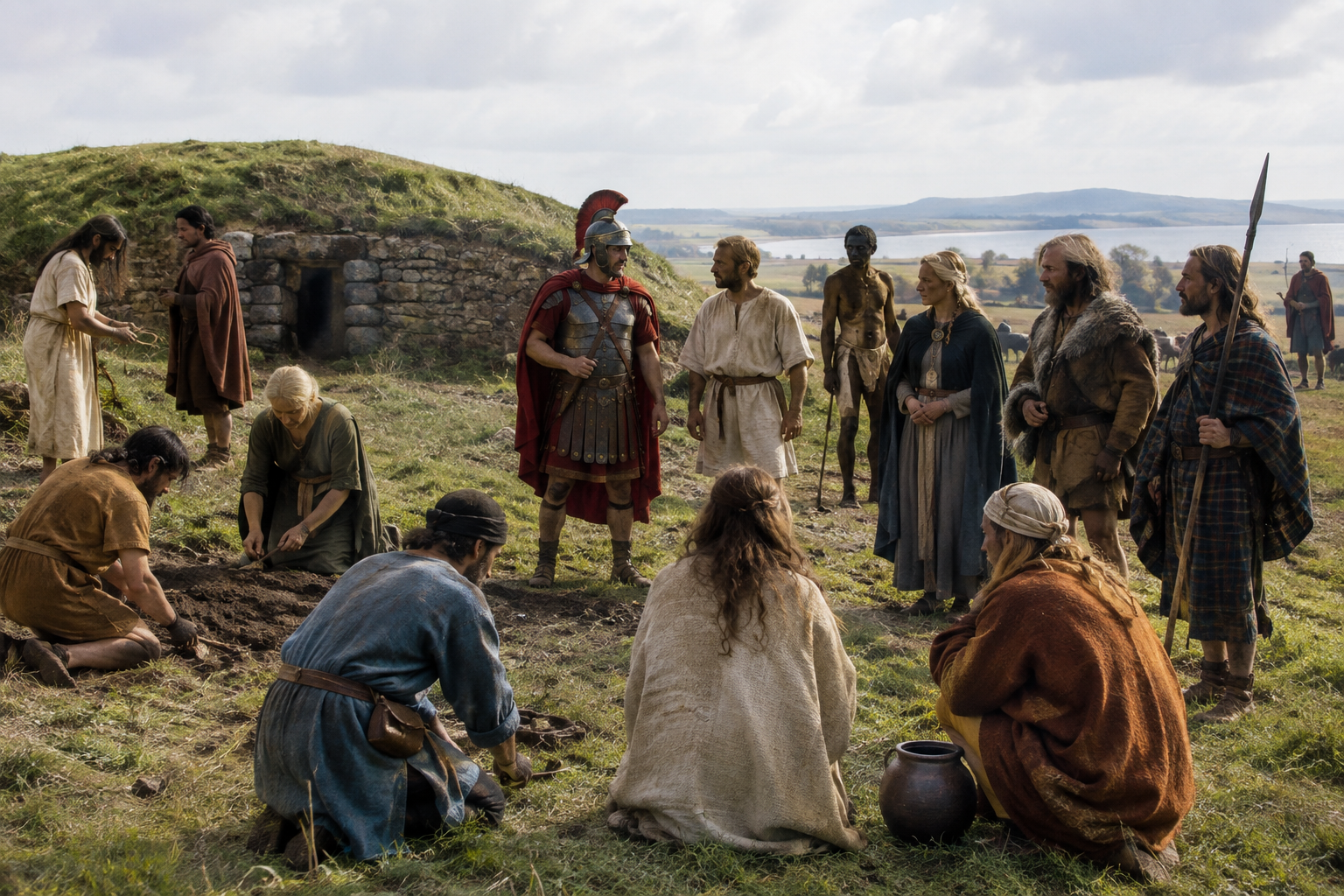
Some Y-chromosome lineages announce themselves with imperial drama. Others are more elusive, turning up in tombs, bog burials, island communities, and quiet rural cemeteries across long stretches of European prehistory. Haplogroup I2a1a2a belongs very much to the second category. It is historically interesting not because it can be pinned to a single famous kingdom or conquering people, but because it appears in a striking series of ancient contexts stretching from Neolithic France and Britain to Bronze Age Orkney, Iron Age Denmark, and Roman and post-Roman England.
That makes it exactly the sort of lineage that ancient DNA has been so good at illuminating. Y-DNA haplogroups trace one direct paternal line only - father to father to father - and they do not represent a person's total ancestry. But they can reveal something quite special: the persistence, movement, and branching of male lines across centuries in ways that written history alone never could. In the case of I2a1a2a, the picture that emerges is one of deep European roots, regional survival, and repeated appearances in the northwest of the continent.
Within the wider Y-chromosome tree, haplogroup I is one of the old European paternal lineages, with branches that survived major prehistoric changes and later mixed into farming, megalith-building, and Bronze Age societies. A narrow subclade such as I2a1a2a should be treated carefully: we should not casually assign to it the entire history of all I or all I2 lineages. Still, the samples provided here suggest that this branch, or lineages very close to it, had a meaningful presence in western and northern Europe over a very long period.
One of the most revealing points is chronological. The lineage appears in Neolithic Rosheim France with sample ROS102 dated to 4600 BC. It then appears further northwest in southern Britain and Orkney, and later in continental contexts associated with Late Neolithic and Corded Ware worlds. That does not prove a simple straight-line migration from one site to another, but it does suggest that paternal lines in this part of the tree were already embedded in several important prehistoric communities.
What is especially striking is the cluster in Britain and Orkney. There, I2a1a2a seems less like a passing visitor and more like part of the long human background of the region, surviving cultural changes from the Neolithic into the Bronze Age and then reappearing in later historical periods.
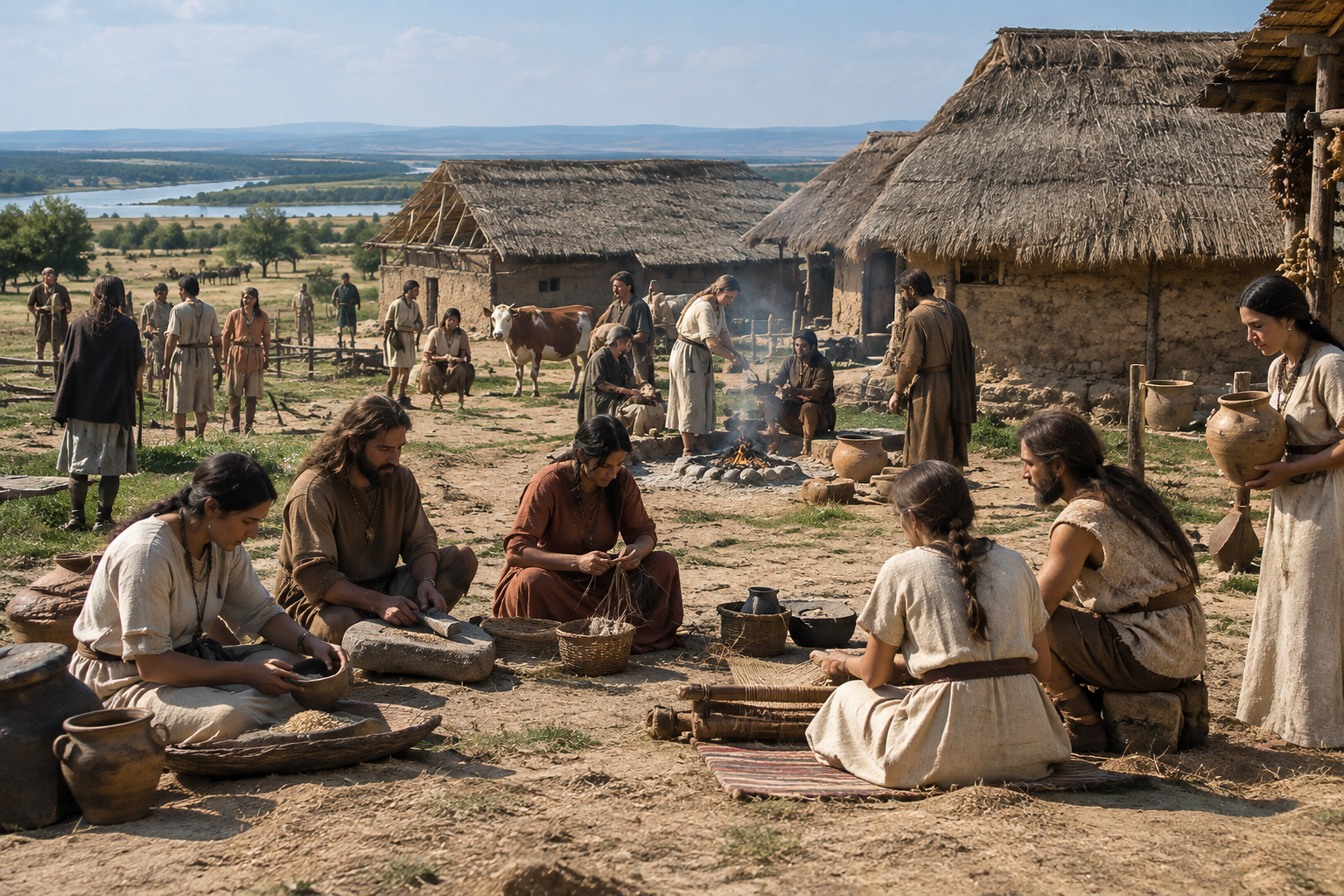
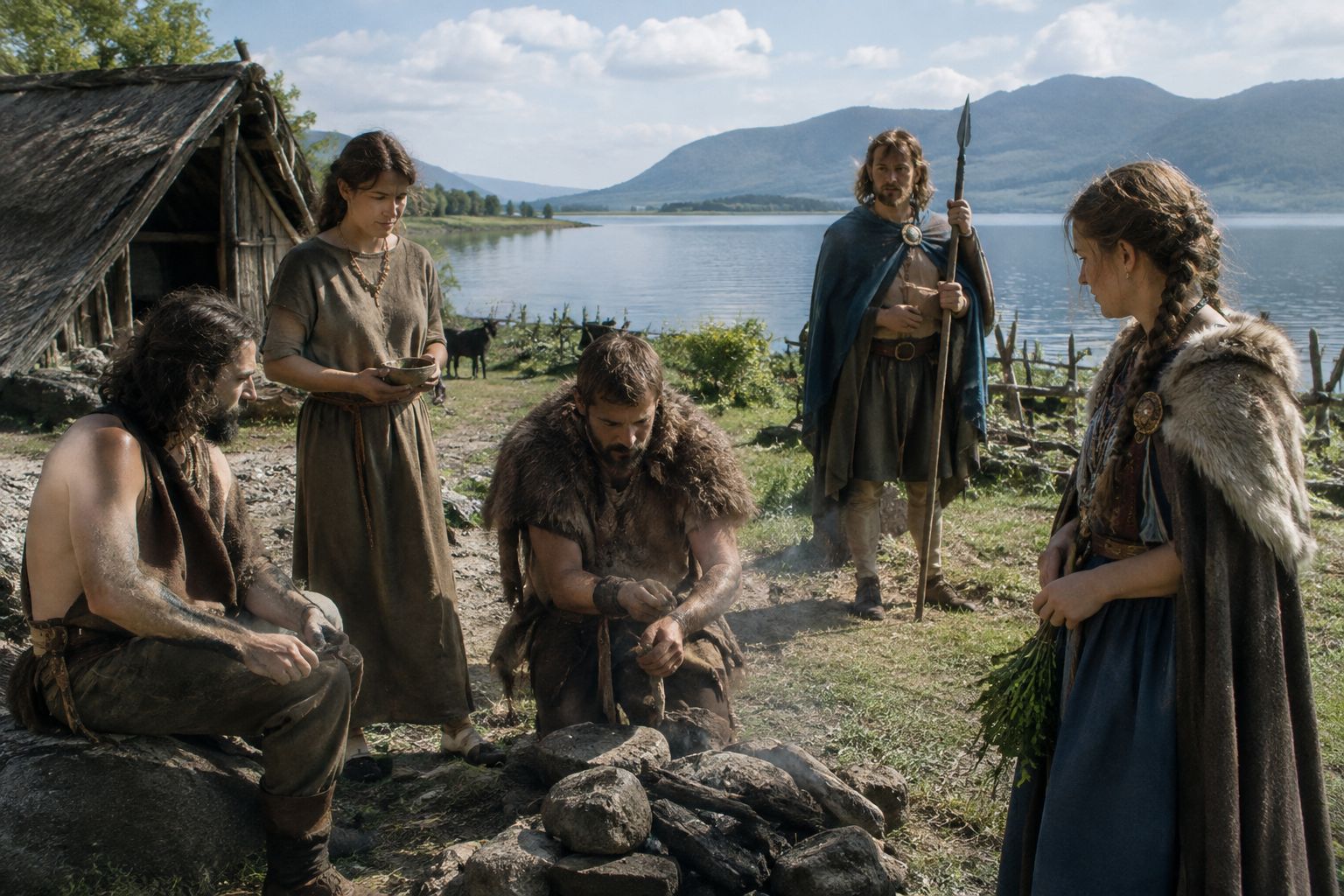
The earliest sample in this group, ROS102 from Neolithic Rosheim France dated to 4600 BC, places the lineage in one of the key zones of early European farming. By itself, it does not tell us whether I2a1a2a originated there, but it shows that this paternal line had already entered the world of settled Neolithic communities on the continent.
Then come the British and island finds. At Wor Barrow in Cranborne Chase, Dorset, two individuals - wrb002 and wrb006, both dated to 3500 BC - connect the haplogroup to Neolithic southern England. Wor Barrow is precisely the kind of monumental landscape that reminds us how much social memory mattered in this period: burial, ancestry, and land were tied together. A paternal lineage turning up there is not just a dry lab result; it is part of the human story behind one of prehistoric Britain's ceremonial landscapes.
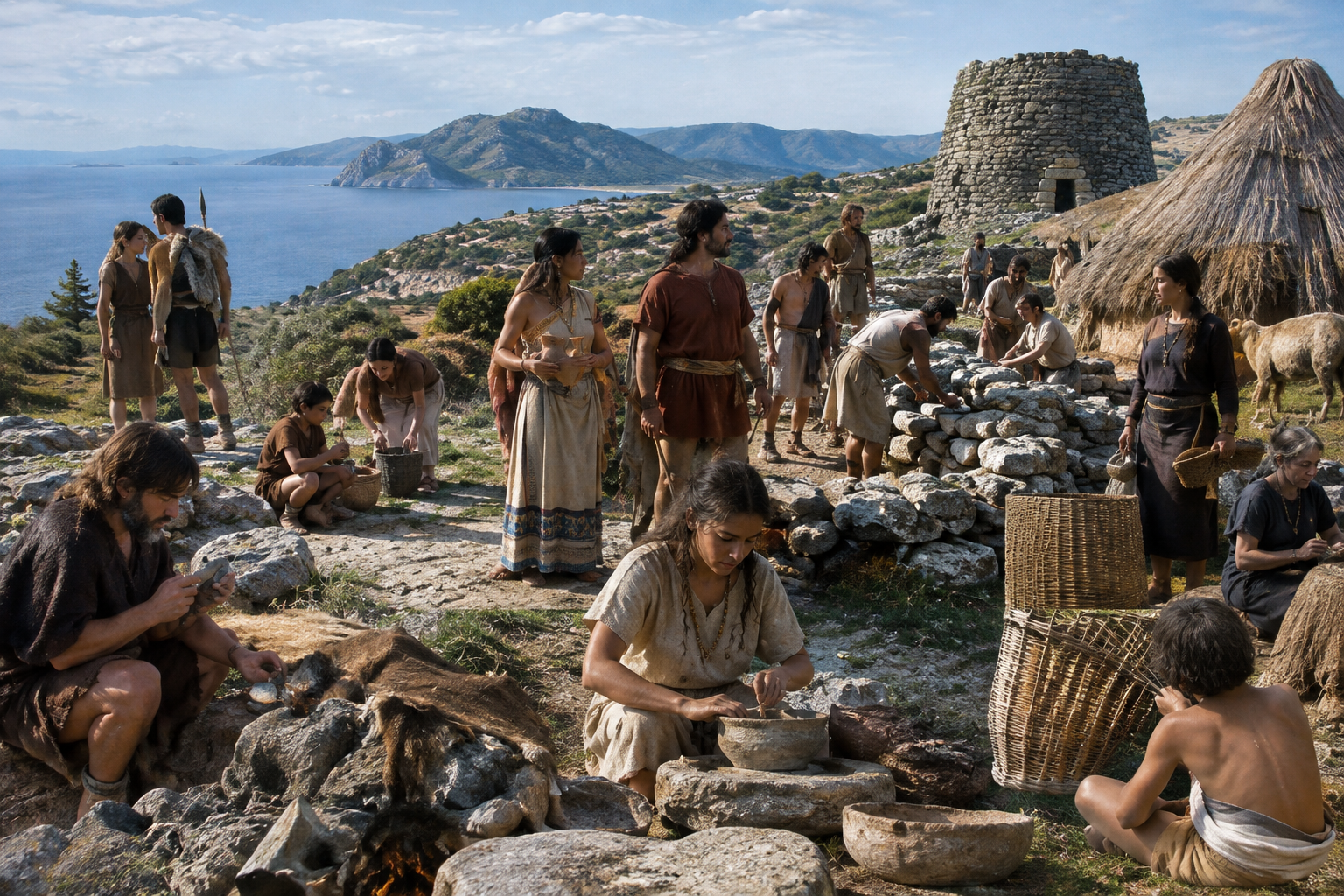
Even more evocative is Orkney. Sample lai001 from Knowe of Lairo, Orkney, dated to 3234 BC, places the lineage in Neolithic Scotland. Later still, two men from Westray Links of Noltland - KD060 dated to 1498 BC and KD057 dated to 1400 BC - show its presence in Bronze Age Orkney. That continuity across so many centuries in the same broad island world is one of the most intriguing features of the dataset. It does not prove uninterrupted descent from one excavated individual to another, but it strongly suggests that related paternal lines endured locally through major cultural change.
On the continent, WB2060 and WB15b from Late Neolithic Warburg, Nordrhein Westfalen, Germany, both dated to 3000 BC, and MX195 from Spreitenbach CWC, Switzerland dated to 2260 BC, widen the geographical frame. These sites place the lineage in the world of Late Neolithic and Corded Ware-associated central Europe. Again, caution is essential: a haplogroup is not an ethnicity, and one lineage cannot stand in for an entire archaeological culture. But these finds show that paternal lines of this type were part of the human populations moving through and living in central Europe as new burial customs and social networks spread.
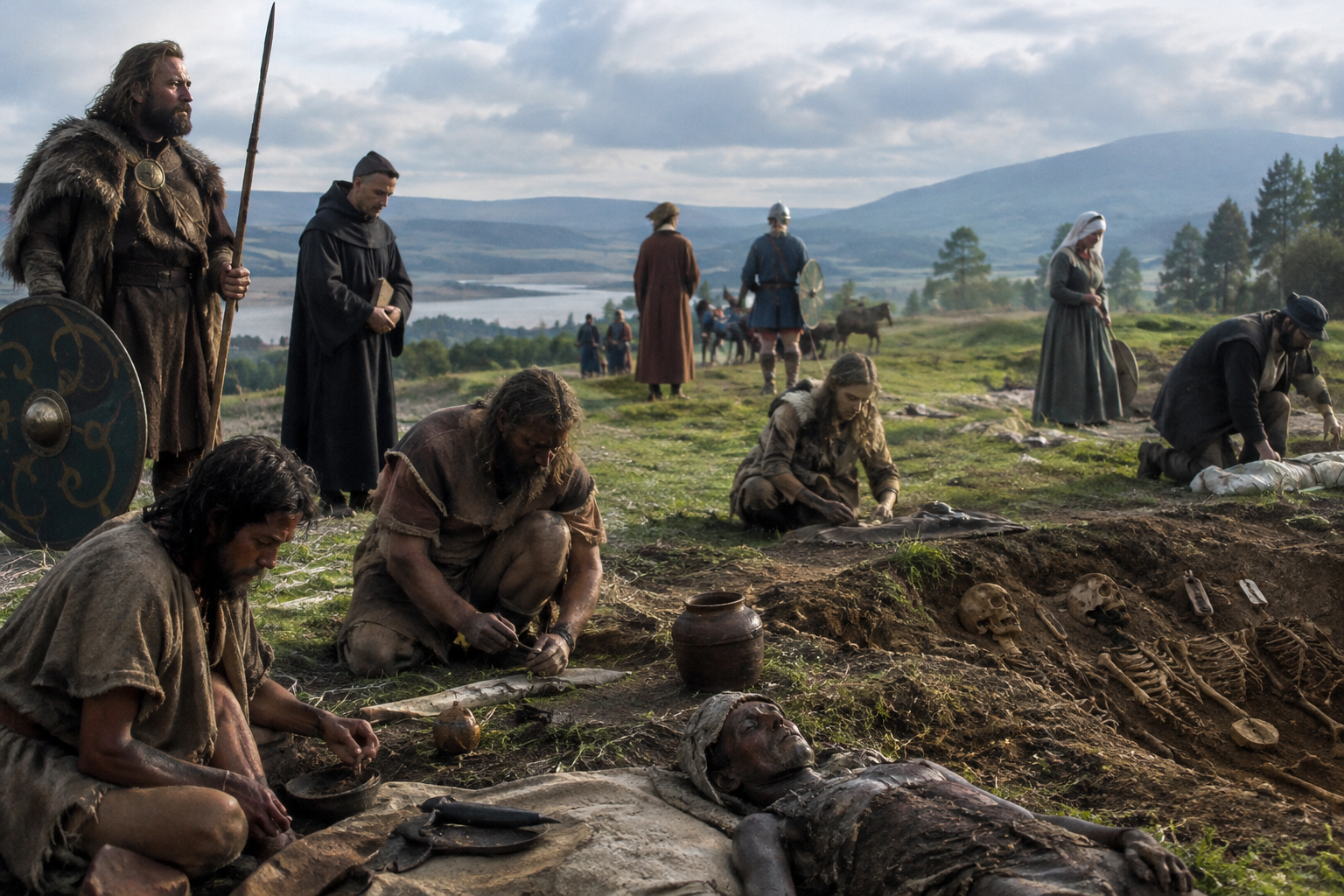
The later samples give the story a rather different texture. CGG023270 from Tollestrup Mose, Jutland, Denmark, dated to 526 BC, comes from an Iron Age bog skeleton. Bog bodies always have a particular power in the imagination, but genetically they also anchor lineages in specific regions. Here, I2a1a2a appears in Iron Age Denmark, showing that it was not restricted to Atlantic Britain alone.
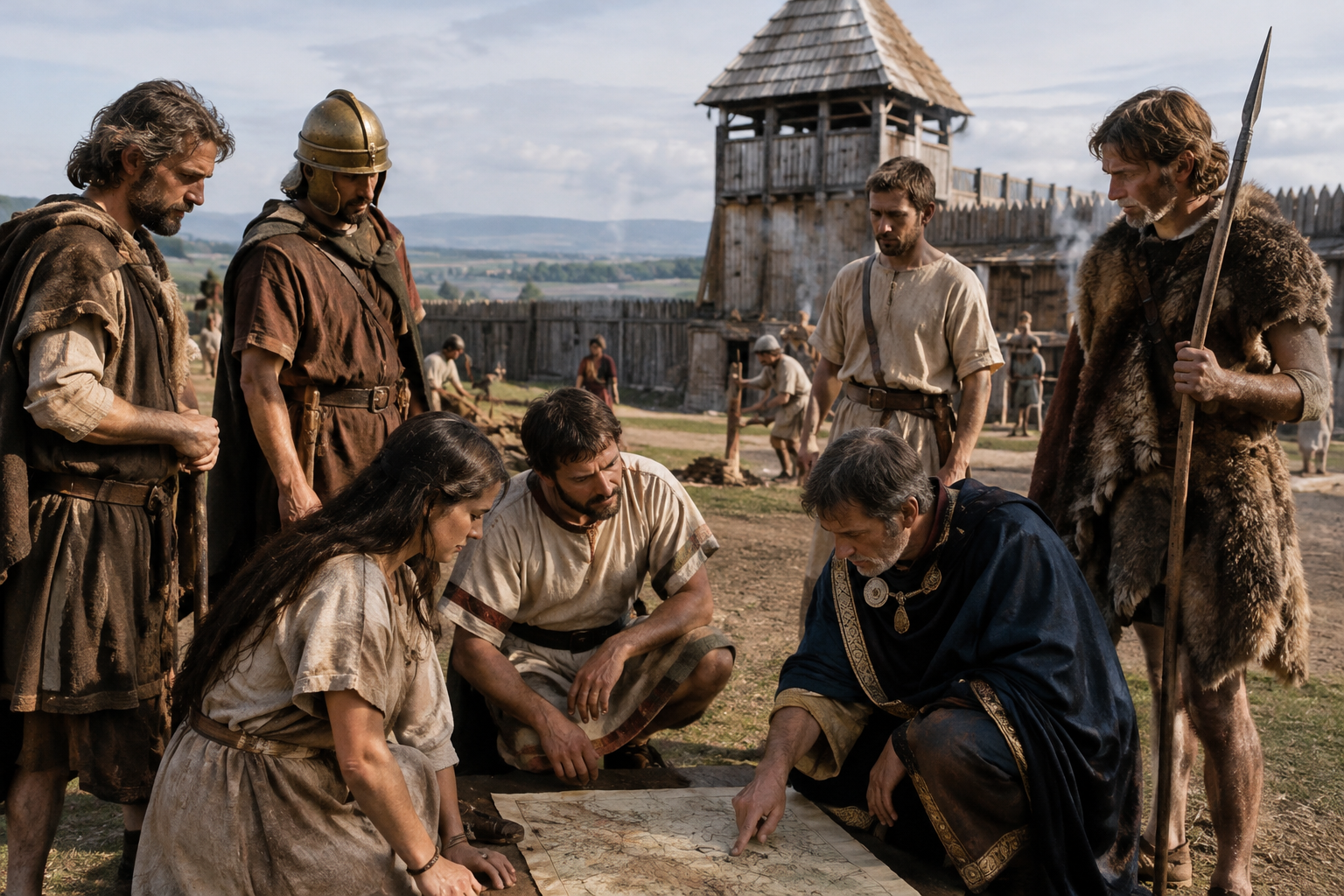
Then we move into the Roman world with DUX008 from Roman Era Cambridgeshire Duxford, dated to 112 AD. This is exactly the period when Britain was tied into the infrastructure of empire: roads, forts, villas, markets, migration, military service. A Y-lineage found in Roman Cambridgeshire might represent local continuity, movement within Roman Britain, or ancestry reaching into the province from elsewhere in northwestern Europe. The point is not to force a single explanation, but to see how ancient DNA restores complexity to a landscape often flattened by textbook labels like "Roman" or "native."
That complexity continues with I11581 from Worth Matravers, Dorset, England, dated to 600 AD. Post-Roman Britain is one of the most debated periods in British history, with arguments about continuity, migration, acculturation, and local survival. A lineage already seen in Neolithic and later Roman-period Britain appearing again in post-Roman Dorset is a reminder that not every story is one of replacement. Some paternal lines plainly remained in the landscape, even as language, politics, and burial practices changed around them.
Read Roman and Early Medieval Britain
The supplied noble-family field is empty here, which is in its own way a useful reminder of how genetics and genealogy differ. We do not need a named dynasty or castle to make this lineage historically meaningful. In fact, I2a1a2a shows why ancient DNA can be so valuable even when heraldry and pedigree fall silent.
If a later noble house in Britain, Scotland, Denmark, or northwestern Europe were ever associated with this haplogroup through documented testing, that would have to be treated as a separate and much more specific question. A shared broad haplogroup is not proof of direct descent, and certainly not proof that every branch of a titled family carried the same Y-line. Castles, where they exist in later centuries, preserve regional memory and family prestige; they do not by themselves preserve genetic certainty.
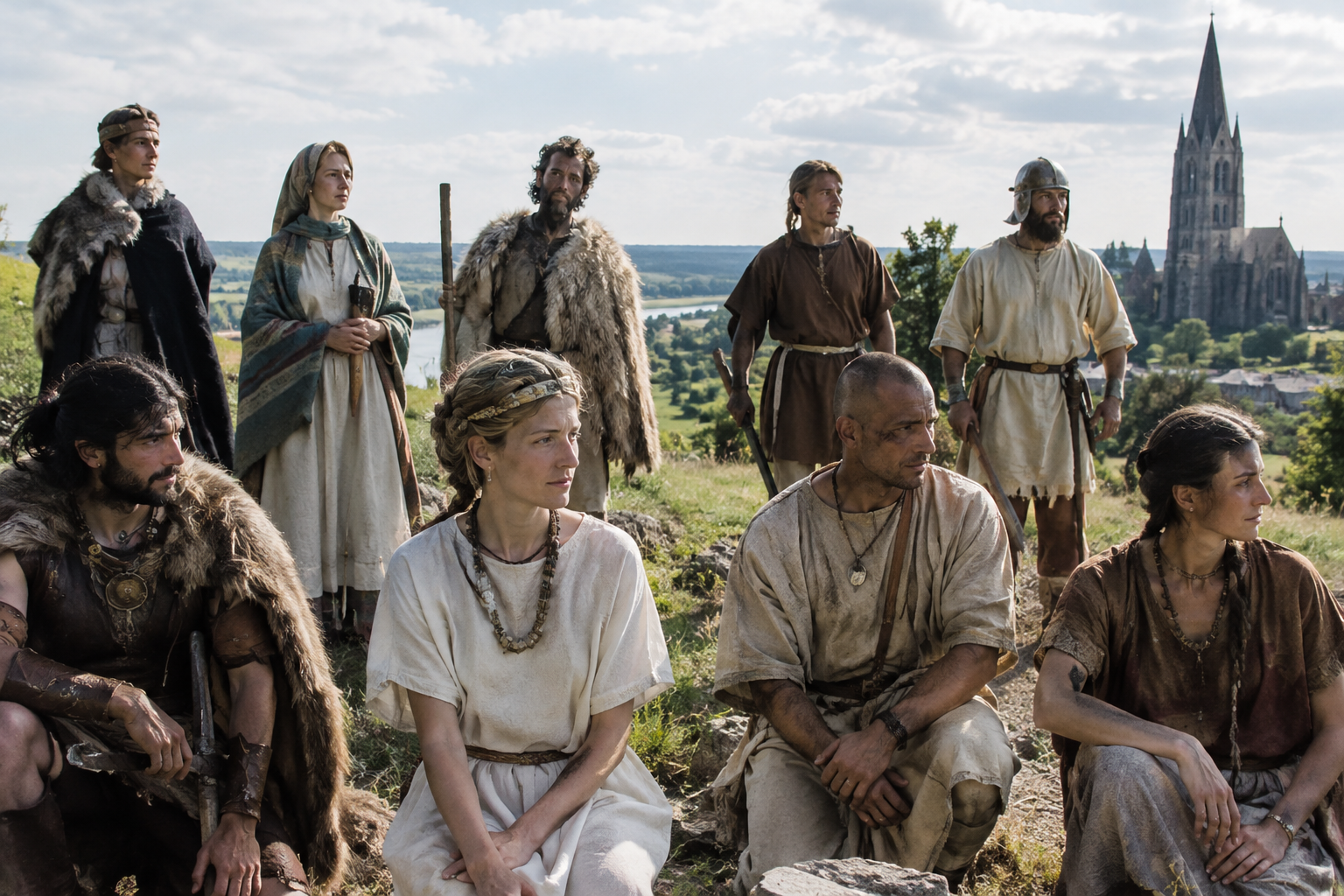
Still, one can see the historical backdrop clearly enough. The regions where I2a1a2a appears in the ancient record - Dorset, Cambridgeshire, Orkney, Jutland, the Rhineland, Switzerland - later became landscapes of manors, ecclesiastical power, fortified residences, and noble estates. The paternal lines of prehistoric farmers, Bronze Age islanders, and Roman-period provincials were part of the biological inheritance of the same lands in which medieval lordship would later be built.
The real lesson of I2a1a2a is not that it belongs neatly to one people, one migration, or one later surname. Quite the opposite. Its value lies in showing long-term paternal persistence across different archaeological worlds: Neolithic farming communities in France and England, megalithic and settlement landscapes in Orkney, Late Neolithic central Europe, Iron Age Denmark, Roman Britain, and post-Roman Dorset.
That pattern should make us wary of simple labels. A lineage can outlast languages, kingdoms, and burial customs. It can be carried by men who lived in very different societies and thought of themselves in very different ways. Ancient DNA is so exciting precisely because it lets us see this deep continuity alongside historical change.
For anyone exploring a paternal line today, haplogroup I2a1a2a offers a glimpse into a very old northwestern European past. Not a complete identity, and not a ready-made family tree, but a durable thread running through some of the most fascinating archaeological landscapes in Europe.
If you want to explore whether your own DNA shows connections to ancient individuals like ROS102, lai001, KD060, DUX008, or I11581, MyTrueAncestry can help place your results beside real archaeological discoveries. These matches do not necessarily prove direct descent or membership in any historic family, but they can open a remarkable window onto the ancient populations behind your ancestry.
Comments