Haplogroup I2a1a1a

– 6 min read


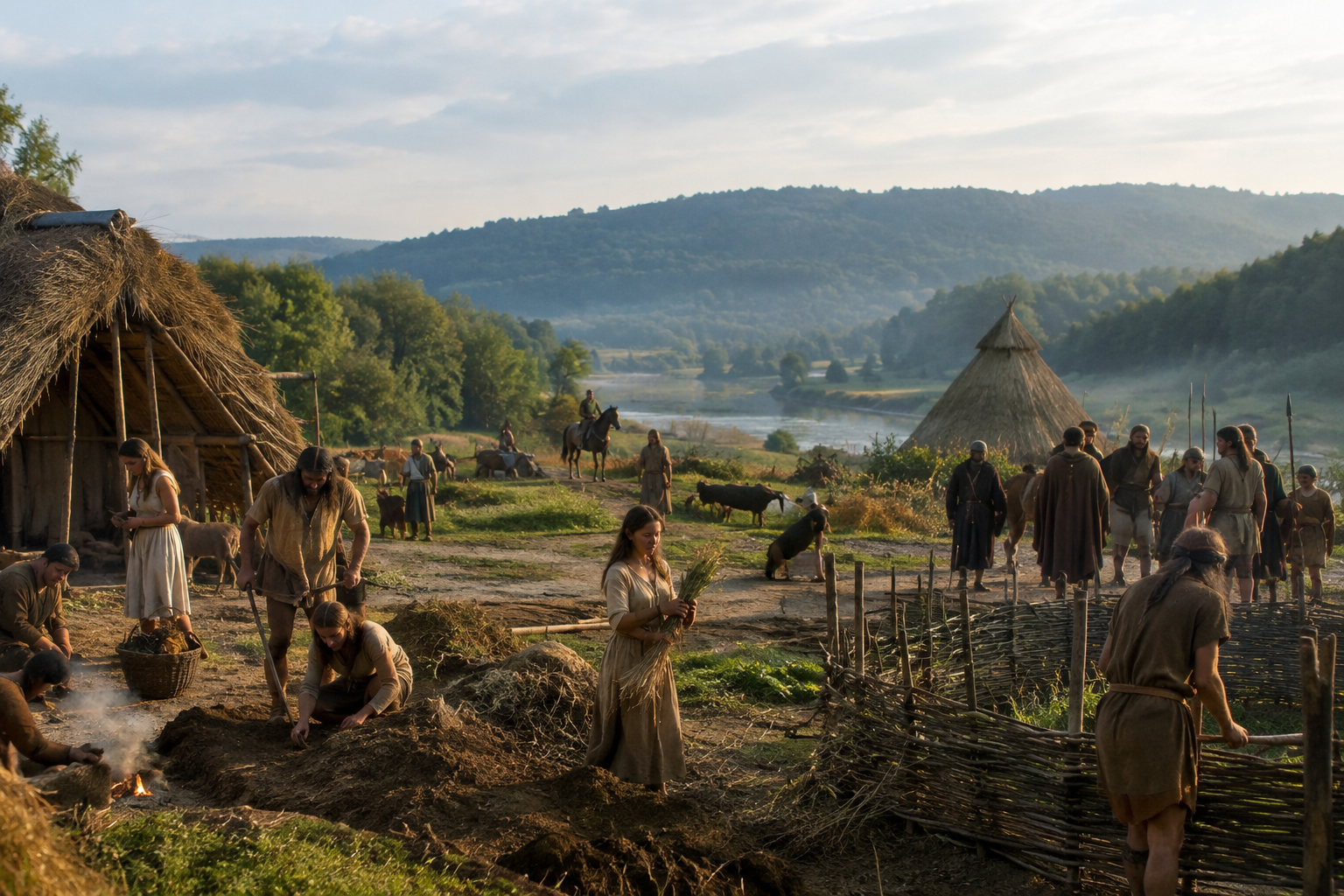
Some Y-chromosome lineages announce themselves with kings and conquerors. Haplogroup I2a1a1a is more interesting than that. It turns up not as the banner of a single famous people, but as a stubborn, recurring paternal line in prehistoric and ancient Europe: in caves, farming settlements, battlefield dead, and later communities stretching from Iberia to the Carpathian Basin. That makes it valuable to historians, because it reminds us that the past was not built by neatly labeled tribes, but by generations of men whose descendants moved, settled, mixed, and stayed.
As a Y-DNA lineage, I2a1a1a traces one direct paternal line only: father to son to son. It does not describe a person's total ancestry, culture, language, or identity. Still, when ancient DNA repeatedly places related paternal branches in specific regions and periods, it helps us reconstruct something written sources cannot reach: the long, uneven history of male-line continuity and change. In the case of I2a1a1a, the evidence supplied here points especially toward Neolithic and later western and central Europe, with striking appearances in Belgium, Germany, Hungary, Italy, Spain, and the Basque region.
Haplogroup I belongs to one of the deep-rooted Y-chromosome families of Europe. Within that wider tree, branches of I2 are often discussed in connection with ancient European populations, especially before and during the great demographic shifts brought by farming, metallurgy, and later Bronze and Iron Age mobility. For a specific branch such as I2a1a1a, caution is essential: we should not simply assign to it the whole history of every I2 lineage. But the pattern in the ancient samples is revealing.
What emerges is not a single march across the map, but a patchwork. Men carrying this paternal branch or very close related lines appear in Middle and Late Neolithic settings, survive into the Bronze Age, and are still present in later Iron Age and Migration Period contexts. That persistence matters. It suggests that some paternal lines could endure locally through major social changes, while also spreading into new regions through marriage networks, frontier mobility, and the rise and fall of different archaeological cultures.
For readers interested in the wider background to these early farming transformations, MyTrueAncestry has a useful companion piece on the broader prehistoric process: The Neolithic Expansion: A Genetic and Archaeological Journey Through Ancient Europe.
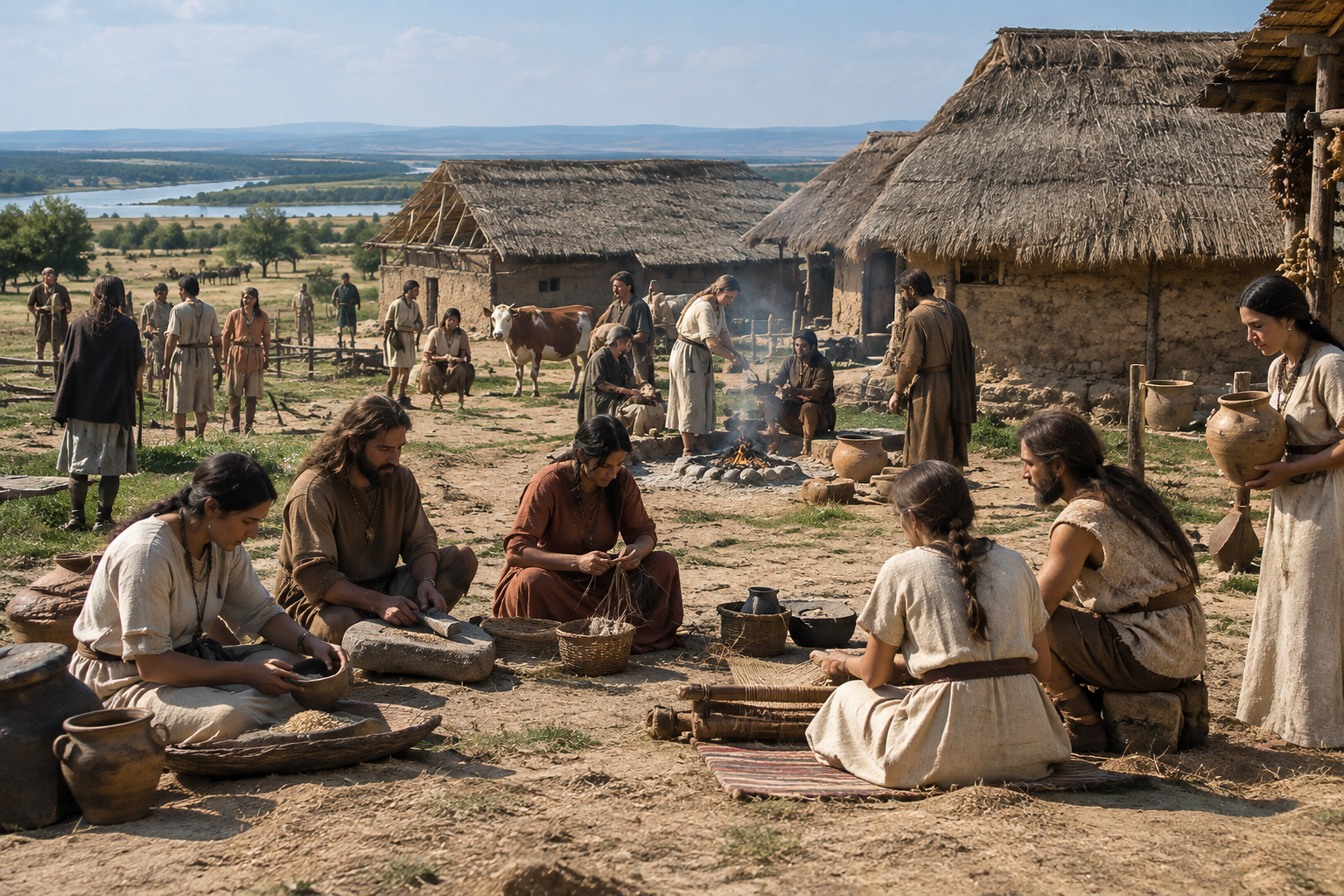
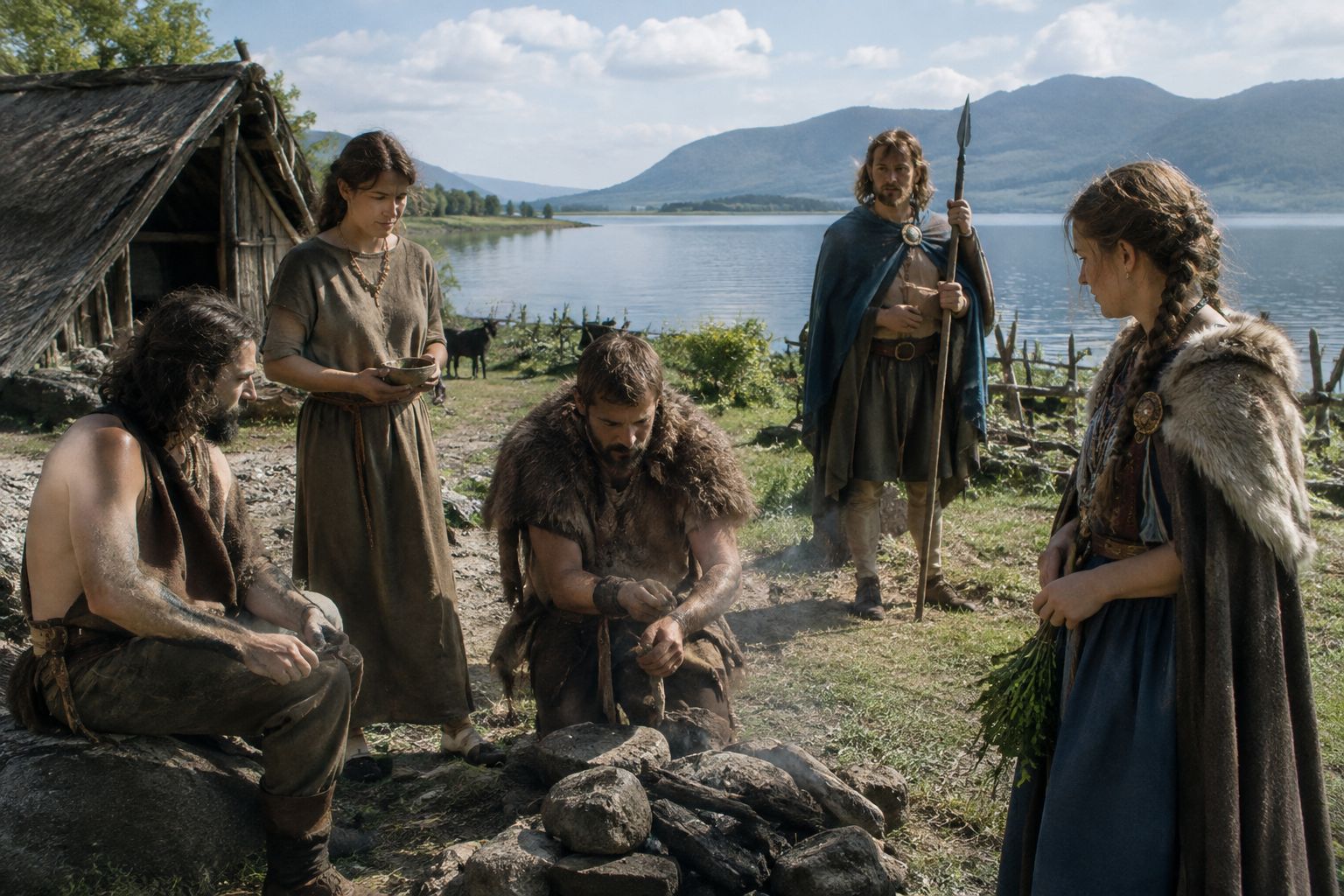
The supplied ancient DNA evidence for I2a1a1a is geographically broad and chronologically deep. One of the earliest examples here is I3535, from Middle Neolithic Hungary Hajdunanas Eszlari Ut, dated to 5118 BC. That alone is enough to place this paternal line in the Carpathian Basin very early in the farming era. It is a useful reminder that the Neolithic world of central Europe was not just about the movement of crops and pottery styles, but of families and male lineages as well.
From Germany, AD11 from Neolithic Germany Baden Wuerttemberg Altendorf LBK, dated 3050 BC, places this lineage in a region associated with one of Europe's best-known early farming traditions. We should not leap from one individual to sweeping ethnic conclusions, but the sample shows that lineages in this part of the I-tree were woven into settled farming landscapes far from any imagined single homeland.
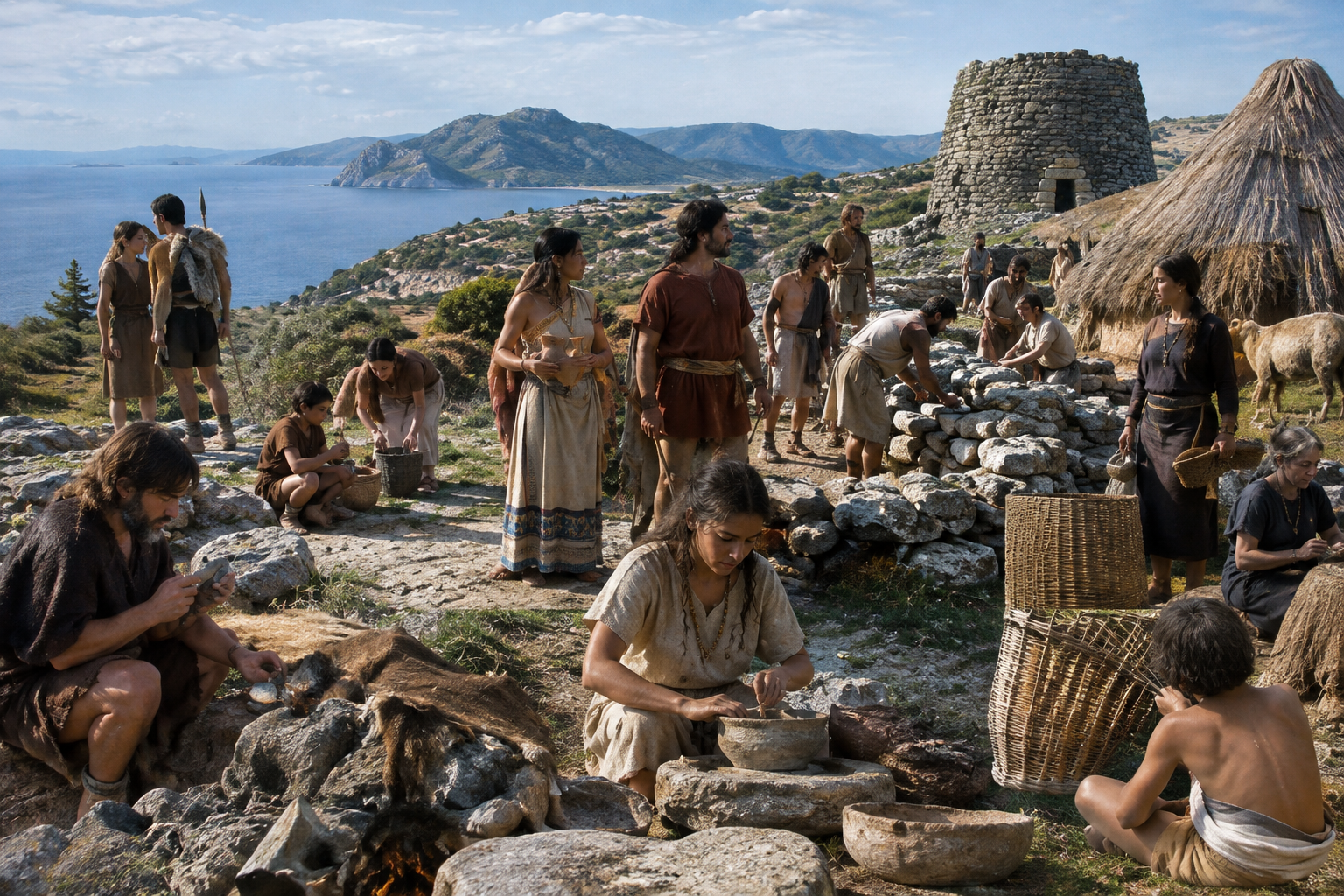
Belgium is especially striking in this dataset. We have I7012 from Late Neolithic Belgium Namur Lustin Grotte Rousseau dated 2529 BC, I13649 from Late Neolithic Belgium Grotte du Mont Falise dated 2825 BC, and I13656 from Neolithic Belgium Abri Sandron 50 dated 2691 BC. Three appearances in broadly the same region and period do not prove a dynasty, of course, but they do suggest that this paternal line had a noticeable foothold in the Meuse and cave-burial world of later Neolithic Belgium.
Another evocative sample is I1565 from Neolithic Blatterhohle Germany Bltterhoehle Cave, dated 3724 BC. Cave contexts always sharpen the sense that these were real communities with their own funerary customs, not abstract data points. Likewise GLR004 from Copper Age Gattolino Italy, dated 2704 BC, and I10277 from Cova de la Guineu Spain, dated 2950 BC, show related paternal ancestry appearing far to the south in peninsular Europe.
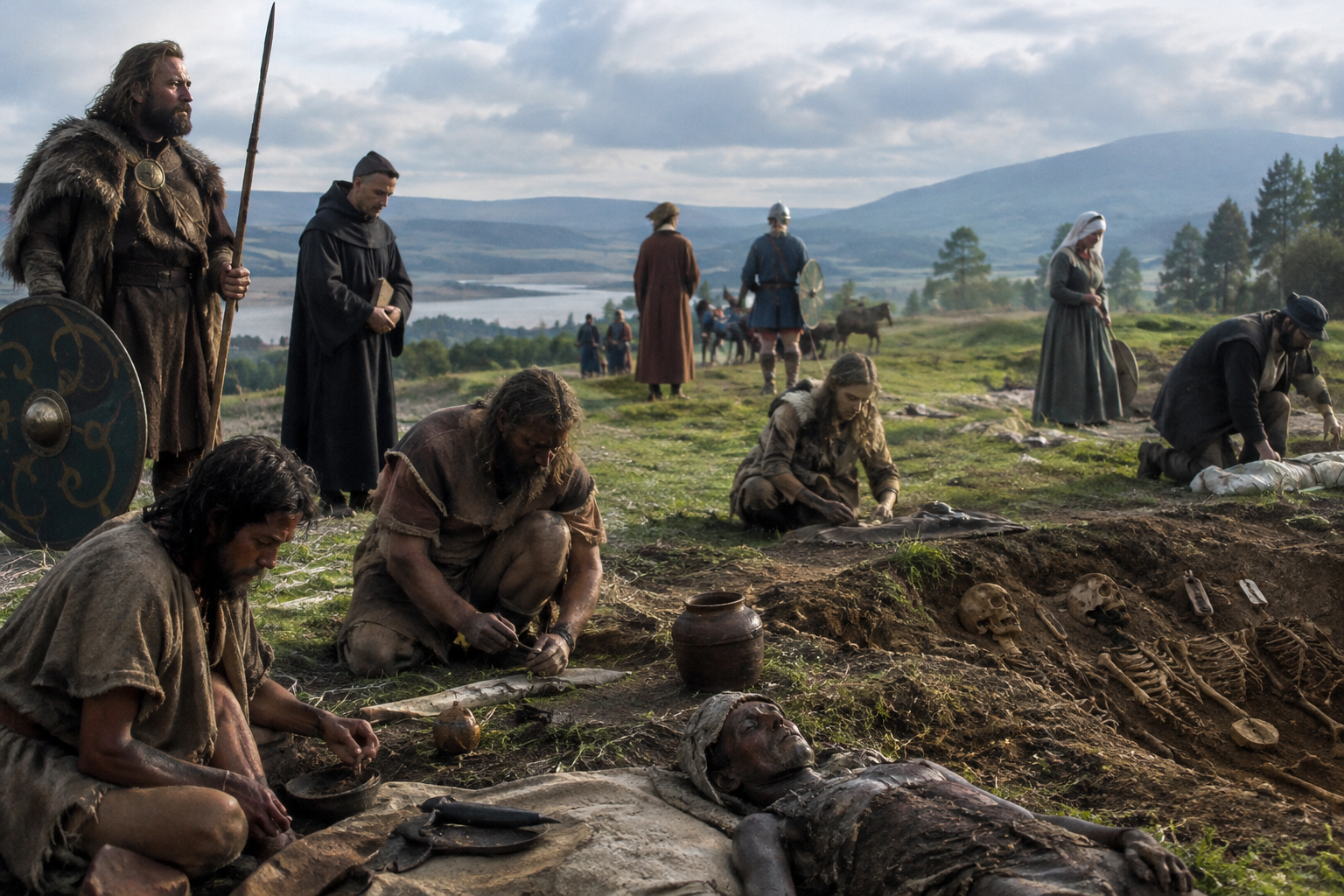
Then there is war. WEZ58 from the Bronze Age Germany Tollense Valley Battlefield Mecklenburg-Vorpommern, dated 1250 BC, brings I2a1a1a into one of the most dramatic conflict sites in prehistoric Europe. A haplogroup that appears in caves and farming sites also appears among the dead of a battlefield. That is as good a lesson as any that paternal lineages pass through every kind of human story: domestic, ritual, and violent.
Readers who want a wider look at that later prehistoric setting may enjoy the article on Late Bronze Age Central Europe: Ancient DNA, Isotopes and Burials Reveal Local Continuity Amid Cultural Change.
Explore Bronze Age Central Europe
Two later samples help show how long-lived and regionally adaptable this paternal line could be. I3759, from the Vascones Tribe Vasconia, dated 280 BC, places it in Iron Age or late pre-Roman northern Iberia. That is especially interesting because the Basque region often features in debates over continuity and regional distinctiveness. One Y-line does not explain the history of Vasconia, but it does place this branch in a landscape famous for preserving old identities while still participating in wider ancient European networks.
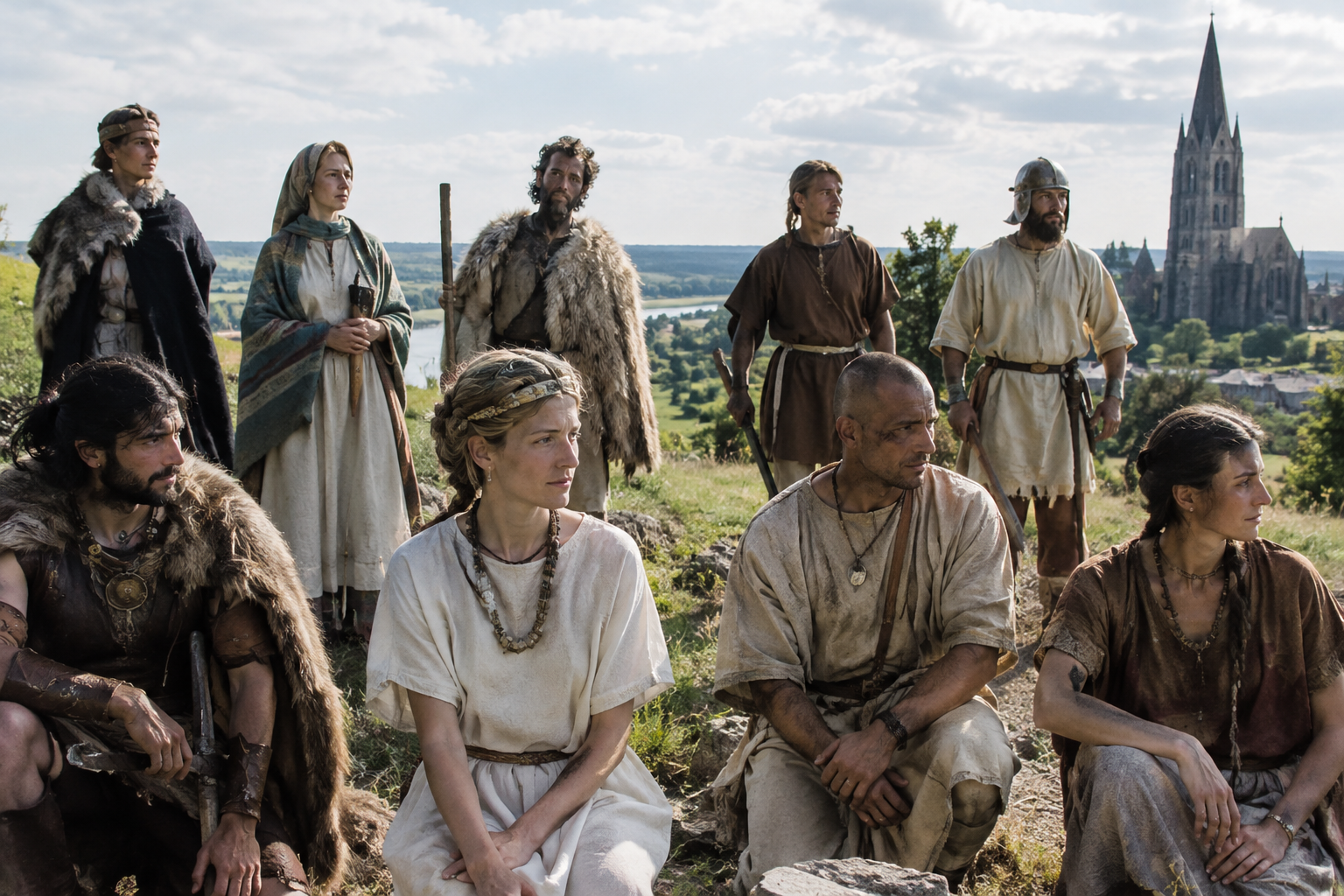
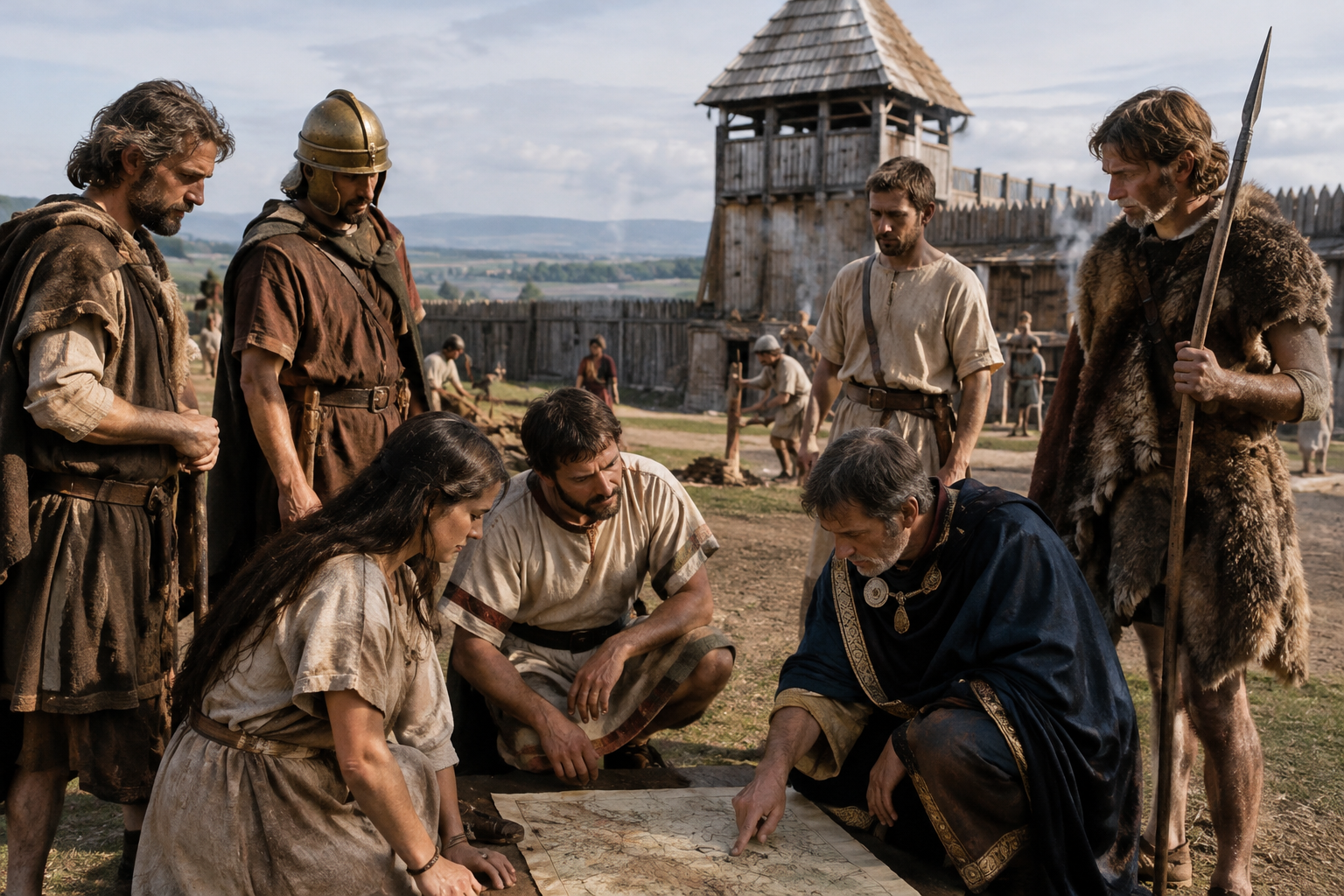
At the other end of the chronology sits RKO015 from Migration Period Hungary Rakoczifalva, dated 650 AD. By then, the Roman world had fragmented, new polities had formed, and the Carpathian Basin had become one of Europe's great crossroads. The presence of this paternal line in that setting is exactly the sort of thing ancient DNA is good at showing: not simple replacement, but coexistence of older local lines with newcomers and mixed communities.
That Hungarian context makes a natural bridge to MyTrueAncestry's discussion of the region after Rome: Ancient DNA Sheds Light on Post-Roman Society in the Little Hungarian Plain.
The noble family section supplied with this article is, strikingly, empty. Oddly enough, that is no disadvantage. It lets us make an important point plainly. A haplogroup article is not improved by attaching grand medieval surnames where the evidence is missing. Castles are wonderful; noble genealogies are intoxicating; but neither should be used as decoration for claims that cannot be supported.
What we can say is this: lineages such as I2a1a1a almost certainly passed through the same European regions where later lordships, fortified seats, and aristocratic families emerged. The men buried in Neolithic Belgium, Copper Age Italy, Bronze Age Germany, Iron Age Vasconia, and Migration Period Hungary were part of the deep population history from which later medieval societies were built. But that is context, not proof of direct descent from any named house.
In other words, ancient DNA and written genealogy do different jobs. Genetics can reveal long-term paternal continuity in a region; charters and chronicles can trace a medieval family through offices, estates, and marriages. Occasionally the two meet exactly. Often they do not. That is not a failure. It is simply how evidence works.
If you would like to see how regional continuity and population mixture can be studied in Iberia, the article Roman Hispania's Lasting Genetic Legacy is a good companion to the Iberian side of this story.
The real fascination of I2a1a1a lies in its persistence. This is a paternal line found in early farmers of Hungary, Neolithic and Late Neolithic sites in Belgium and Germany, a Copper Age individual in Italy, a Bronze Age battlefield casualty in Tollense, an Iron Age man in Vasconia, and a Migration Period burial in Hungary. That spread does not tell a simple story of one people conquering Europe. It tells a better one: that ancient Europe was a world of local survival, movement, and repeated reshaping.
For anyone who carries I2a1a1a today, that does not mean descent from any one of these men, still less from a named tribe or noble family. What it does mean is that your direct paternal line belongs to a branch with a long and well-attested presence in the archaeological record of Europe. And that is rather wonderful. It places one thin line of your ancestry among cave burials, early farms, Iron Age communities, and the unsettled centuries after Rome.
Upload your DNA to MyTrueAncestry to explore whether your results show connections to ancient individuals, populations, and regions like those discussed here. Ancient DNA matches can offer a fascinating historical perspective on your ancestry, even when they do not prove direct descent from a particular ancient person or later noble house.
Comments