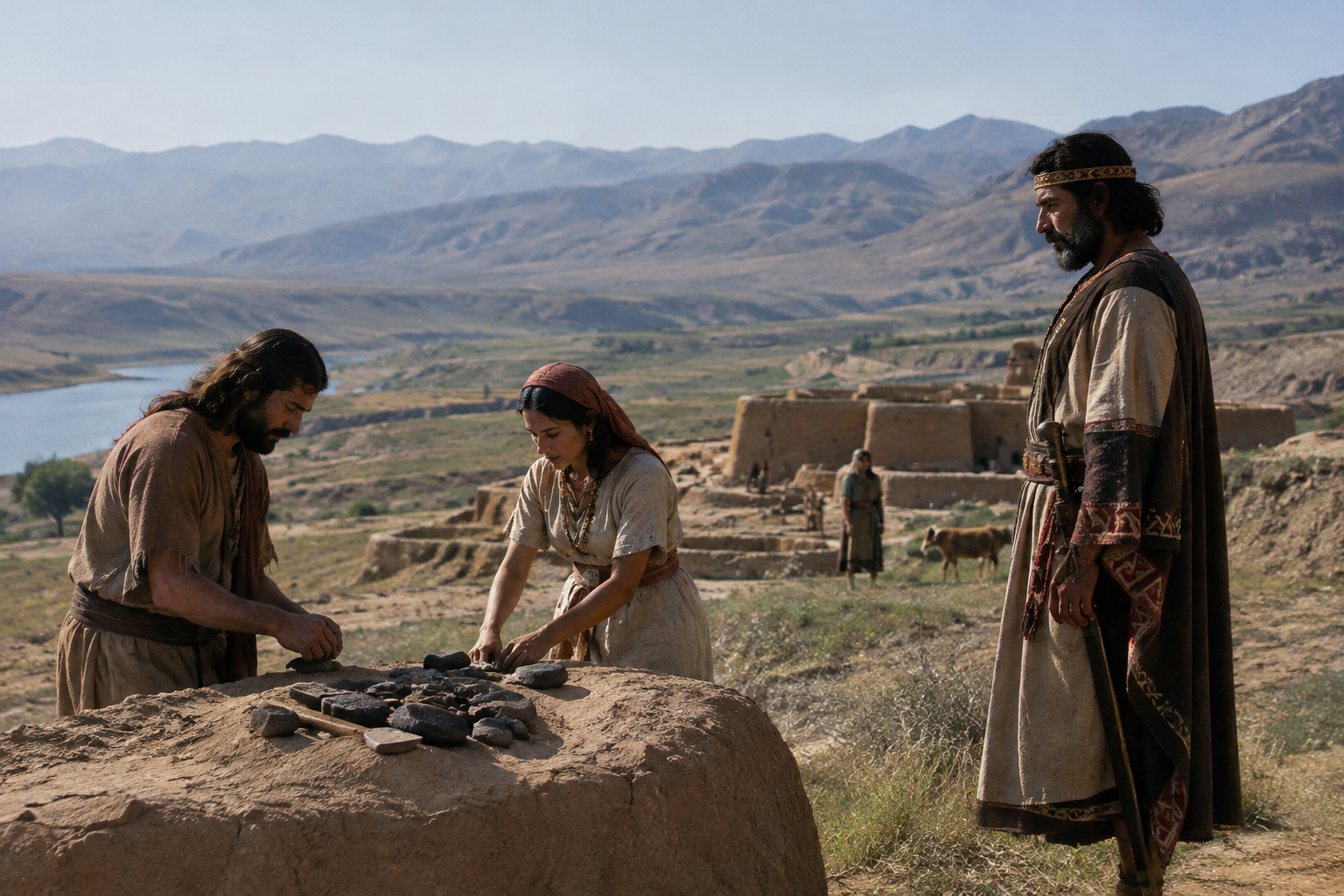
Haplogroups and Noble Lines Haplogroup R2a At Ganj Dareh in the Zagros Mountains of western Iran, one early farming community has become unexpectedly important to the history of Y-DNA haplogroup R2a. Among the ancient individuals recovered there is sample I1947, dated here to around 8000 BC. That matters because Ganj Dareh sits near one of the By Sara V • 4 min read
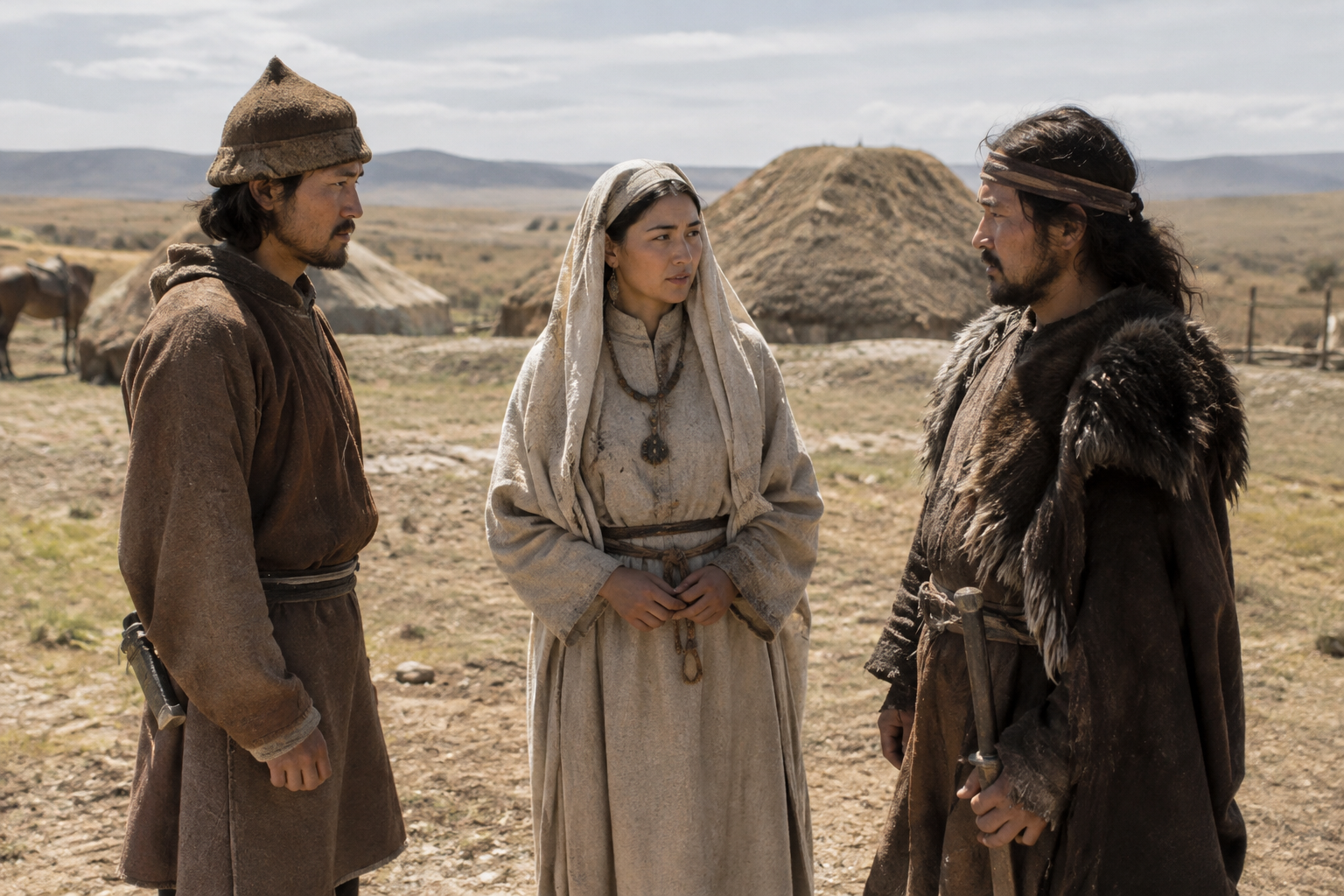
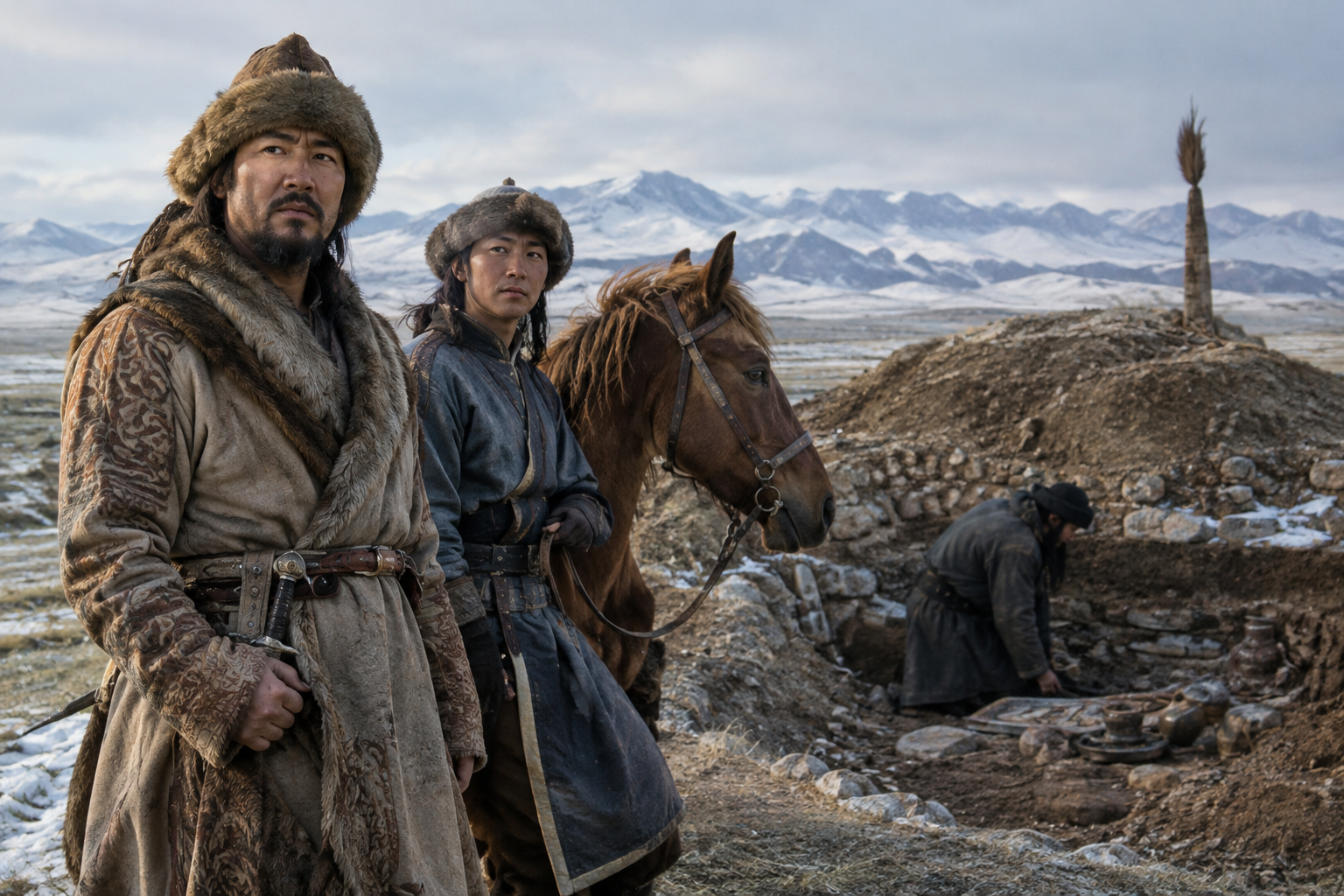
Haplogroups and Noble Lines Haplogroup L1a2 At Konyr Tobe, part of the Otyrar oasis in southern Kazakhstan, one ancient male labeled KNT005 brings the Y-DNA haplogroup L1a2 into unusually clear historical focus. He belongs to a world around AD 300, when the great river-fed settlements of Central Asia were not remote outposts at all, but busy By Sara V • 5 min read
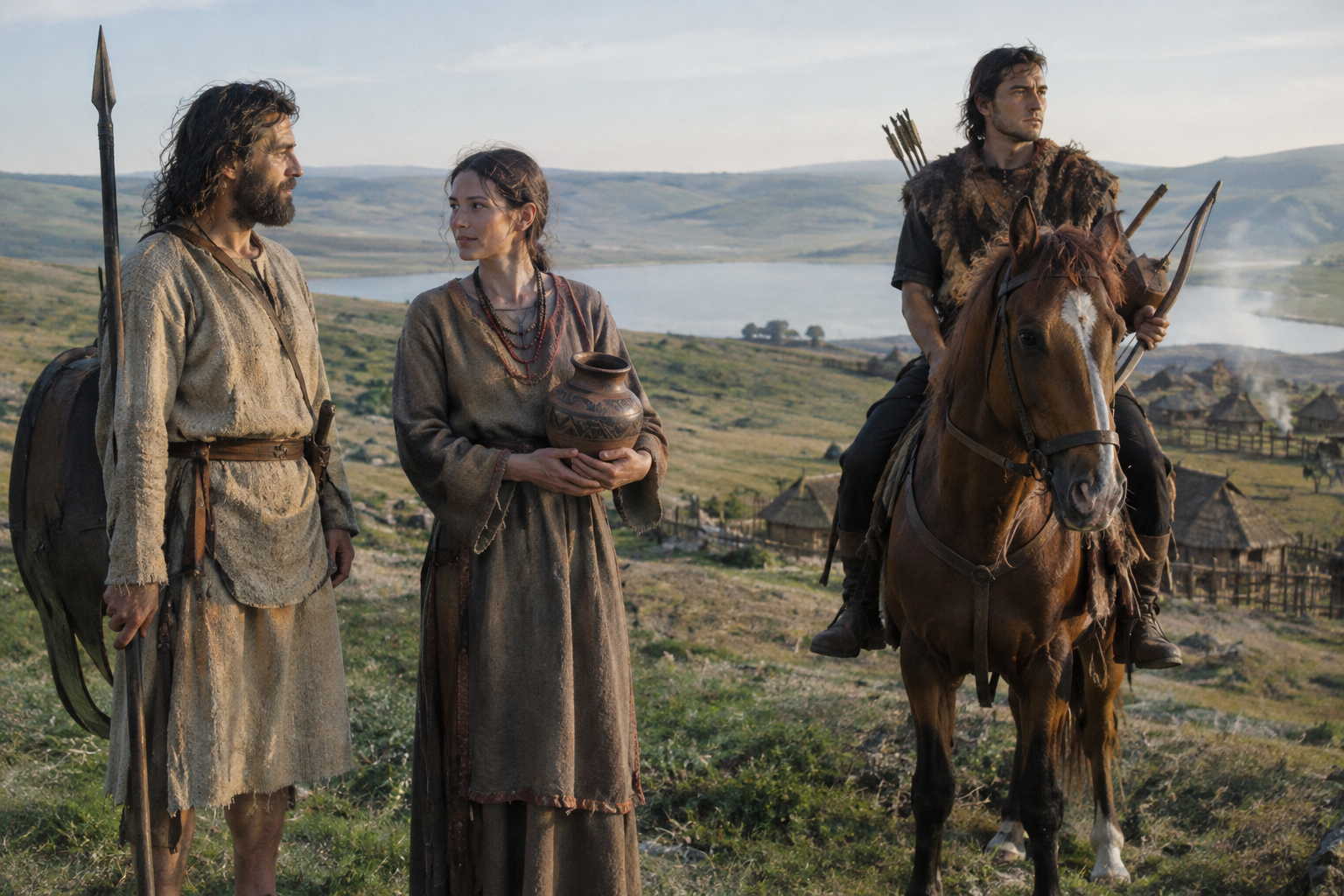
Haplogroups and Noble Lines Haplogroup I2a2a1b In the early Bronze Age layers of Bulgaria, one male individual labeled I2176 stands out not because we know his name or his possessions, but because his Y-chromosome points to a paternal line now identified here as I2a2a1b. Dated to around 3100 BC, he belongs to a moment when the By Sara V • 5 min read
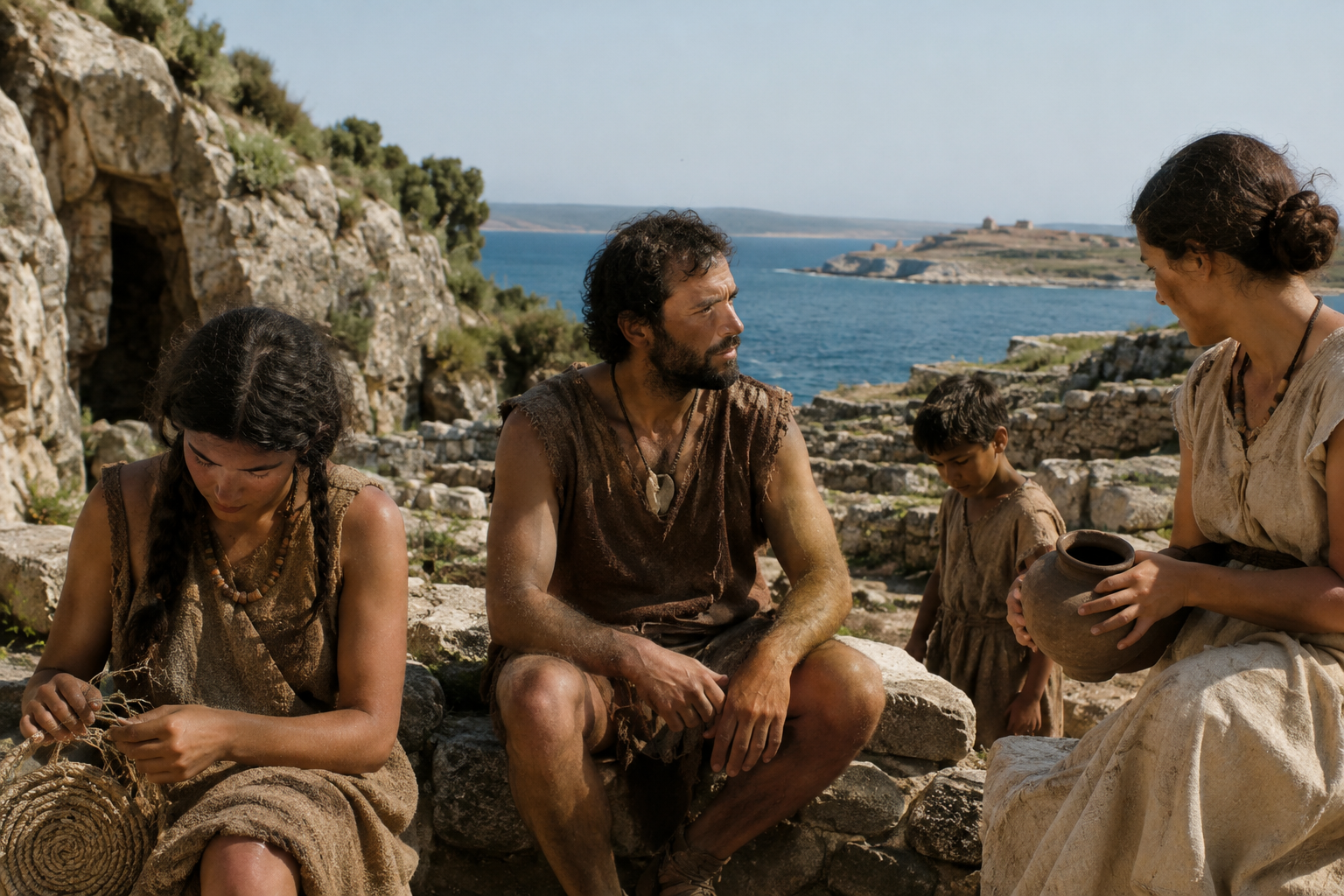
Haplogroups and Noble Lines Haplogroup D1a2a1 At NAG012 and NAG037 in ancient Okinawa, both dated to around 680 BC, the striking point is not lavish archaeology or dynastic fame. It is continuity. Two male individuals from the Ryukyu island world, separated from the Japanese main islands by sea and by a rather distinctive history, have been By Sara V • 5 min read
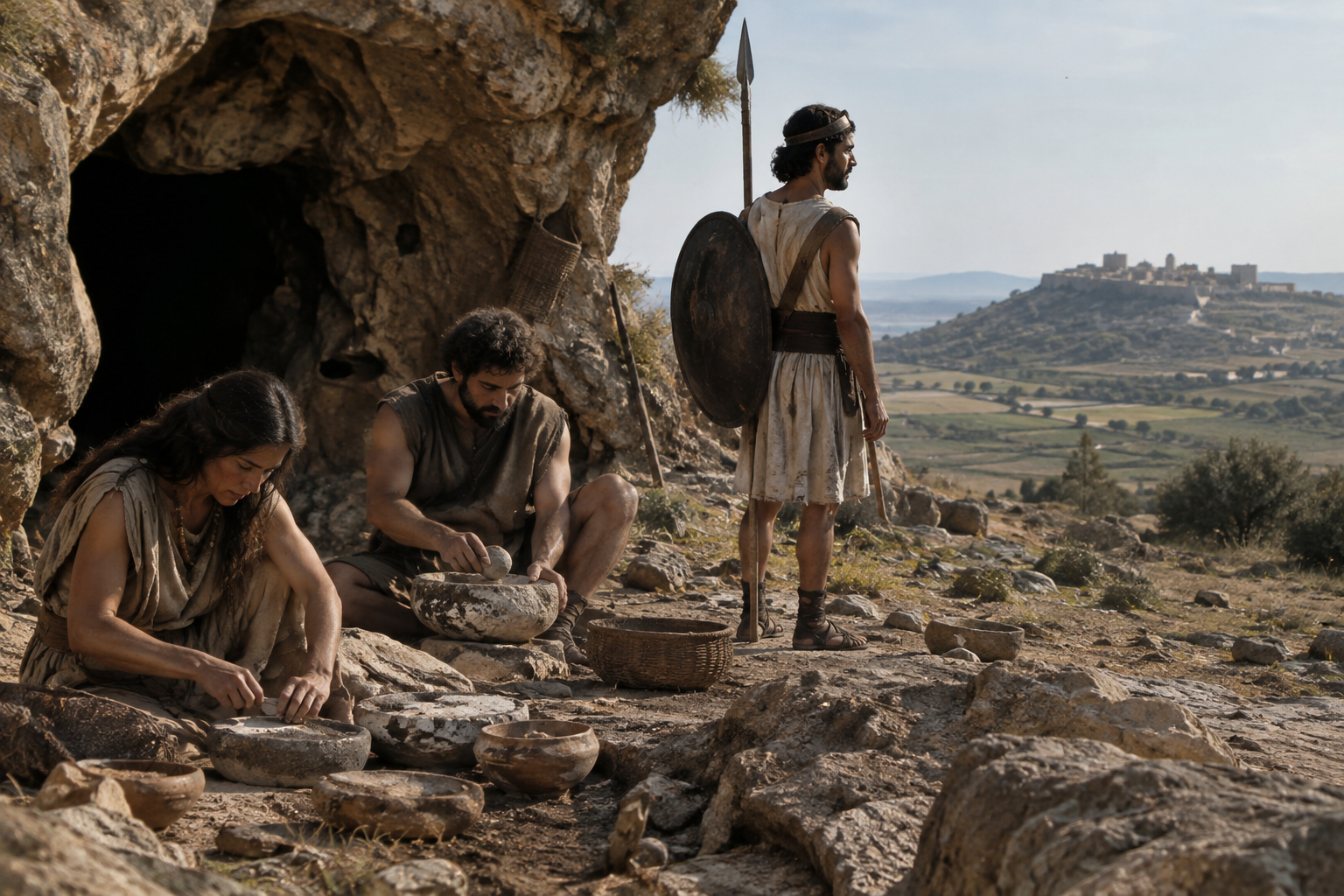
Haplogroups and Noble Lines Haplogroup I2a1b1a1b2 At Cueva de las Lechuzas in Bronze Age Iberia, one ancient male labeled CLL004 offers a small but striking clue to the long history of Y-DNA haplogroup I2a1b1a1b2. Dated to around 2200 BC, he belongs to a period when Iberia was changing quickly: old local traditions persisted, while new population By Sara V • 5 min read
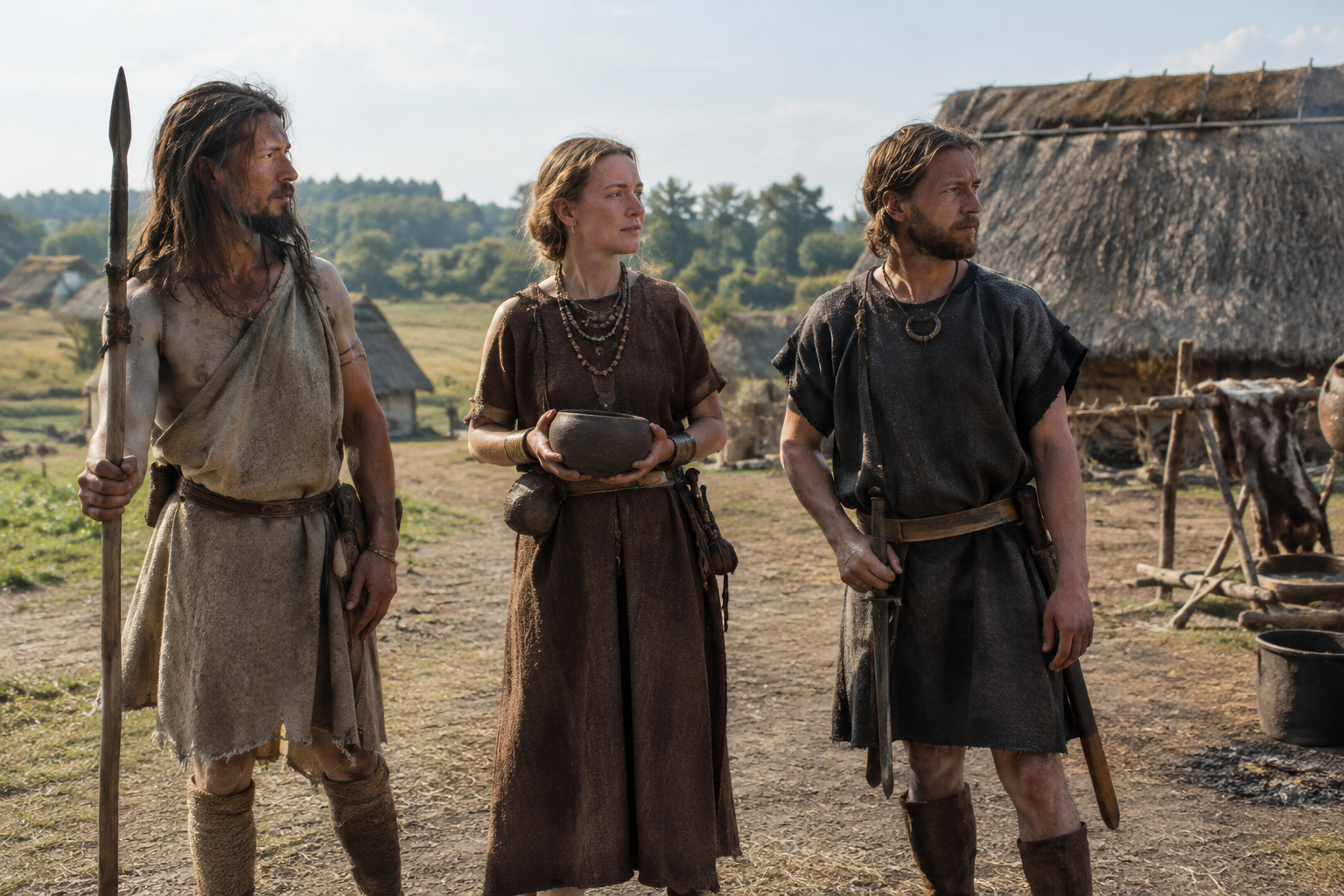
Haplogroups and Noble Lines Haplogroup R1b1a1b1a1a2c1a1a1a1 At Wattle Syke in West Yorkshire, one man from around 200 BC carries an unexpectedly modern kind of visibility. Sample I14347, recovered from a Late Iron Age context in northern England, is one of the ancient individuals associated with the Y-DNA lineage R1b1a1b1a1a2c1a1a1a1. That formidable string of letters and numbers By Sara V • 5 min read
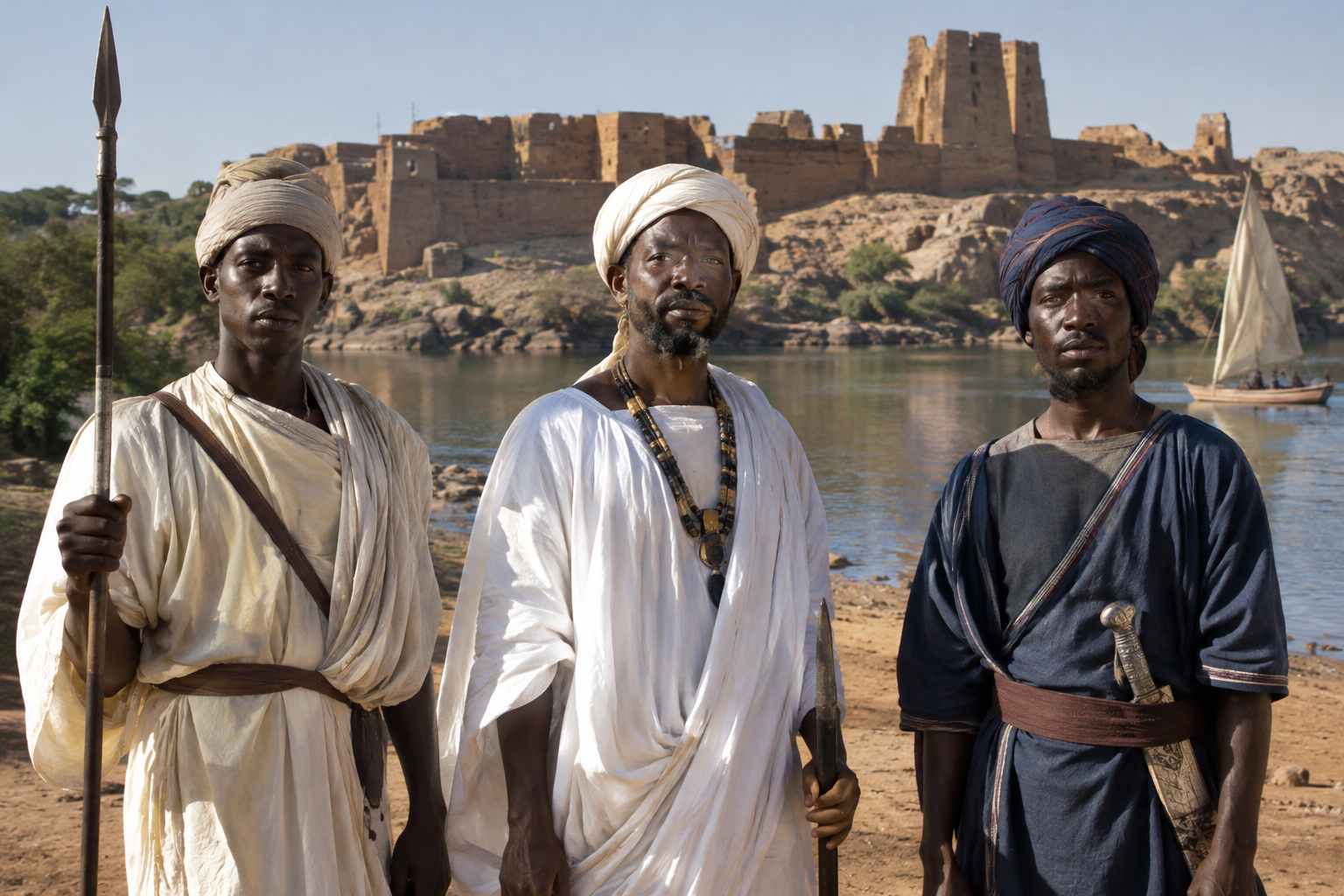
Haplogroups and Noble Lines Haplogroup E1b1b1a1a1b1a1 At Kulubnarti, on the Nile in medieval Nubia, ancient DNA has put a very specific paternal line into a very specific historical landscape. Three male individuals from this cemetery cluster - I6250, dated around AD 1220, I6327, dated around AD 1080, and I18508, from Early Makurian Nubia around AD 750 By Sara V • 4 min read
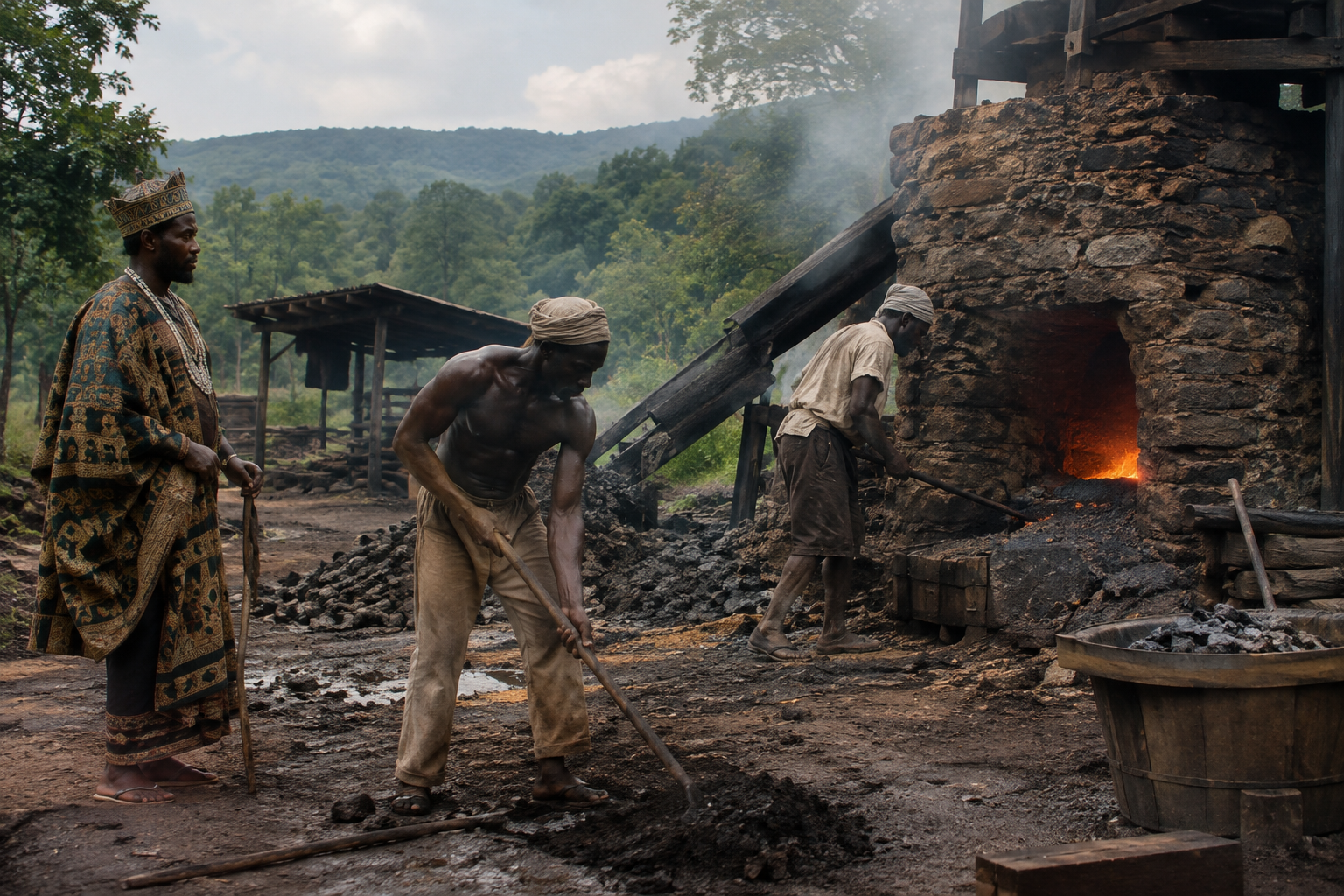
Haplogroups and Noble Lines Haplogroup E1b1a1a1a1c1a1 At Ngongo Mbata in the old Kongo Kingdom, one man dated to around AD 1700 carries a particularly telling Y-chromosome line: E1b1a1a1a1c1a1. He appears in the record as sample NGO001. That may look like a string of letters and numbers, but in historical terms it places a direct paternal line By Sara V • 5 min read
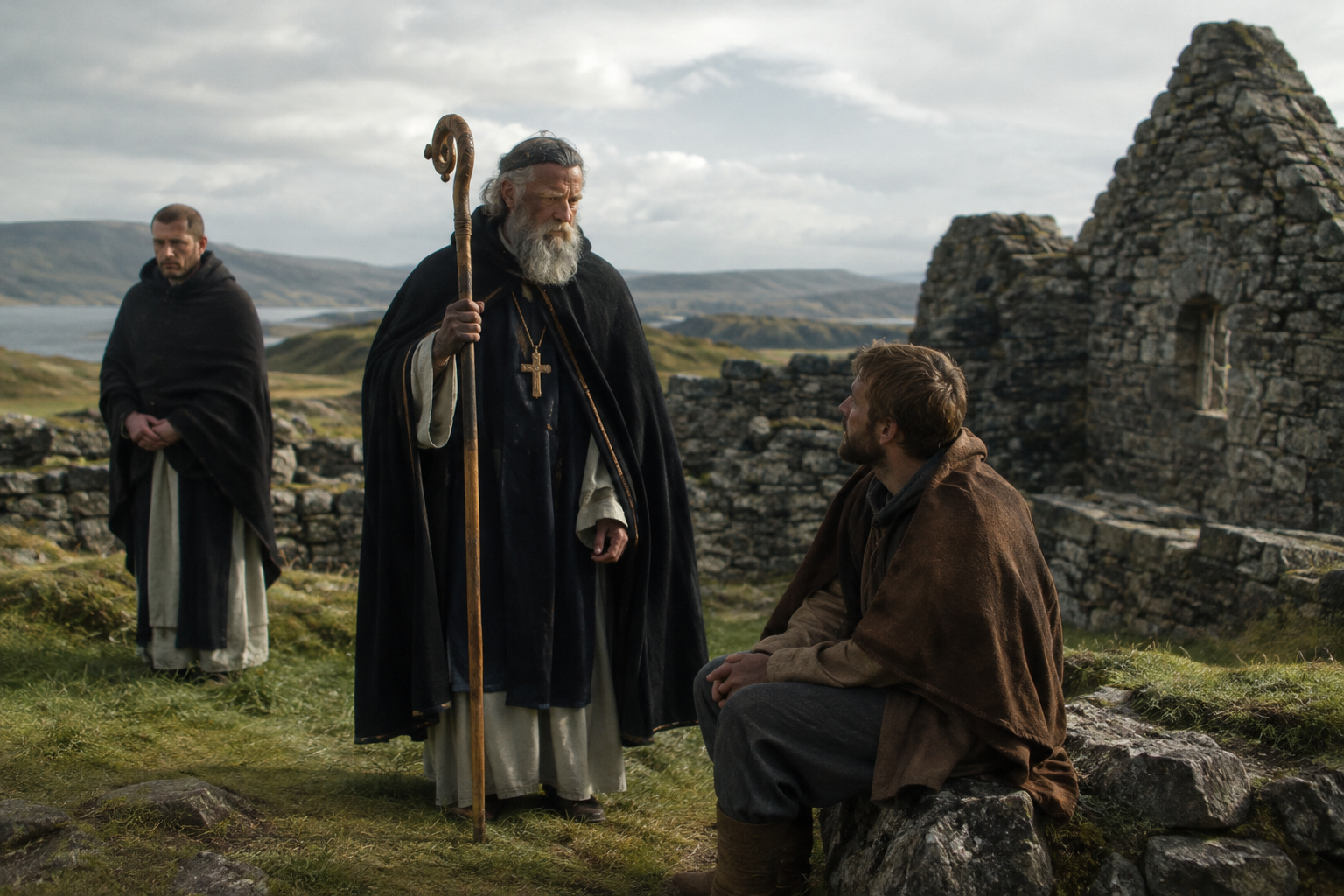
Haplogroups and Noble Lines Haplogroup R1b1a1b1a1a2c1a1a1a1a1a1 At Kilteasheen in County Roscommon, three men buried around AD 650 offer a striking glimpse of an early medieval Irish community at the edge of major change. The sample IDs KIL033, KIL037, and KIL009 come from the cemetery at Kilteasheen, a place associated with an important ecclesiastical landscape in medieval By Sara V • 5 min read
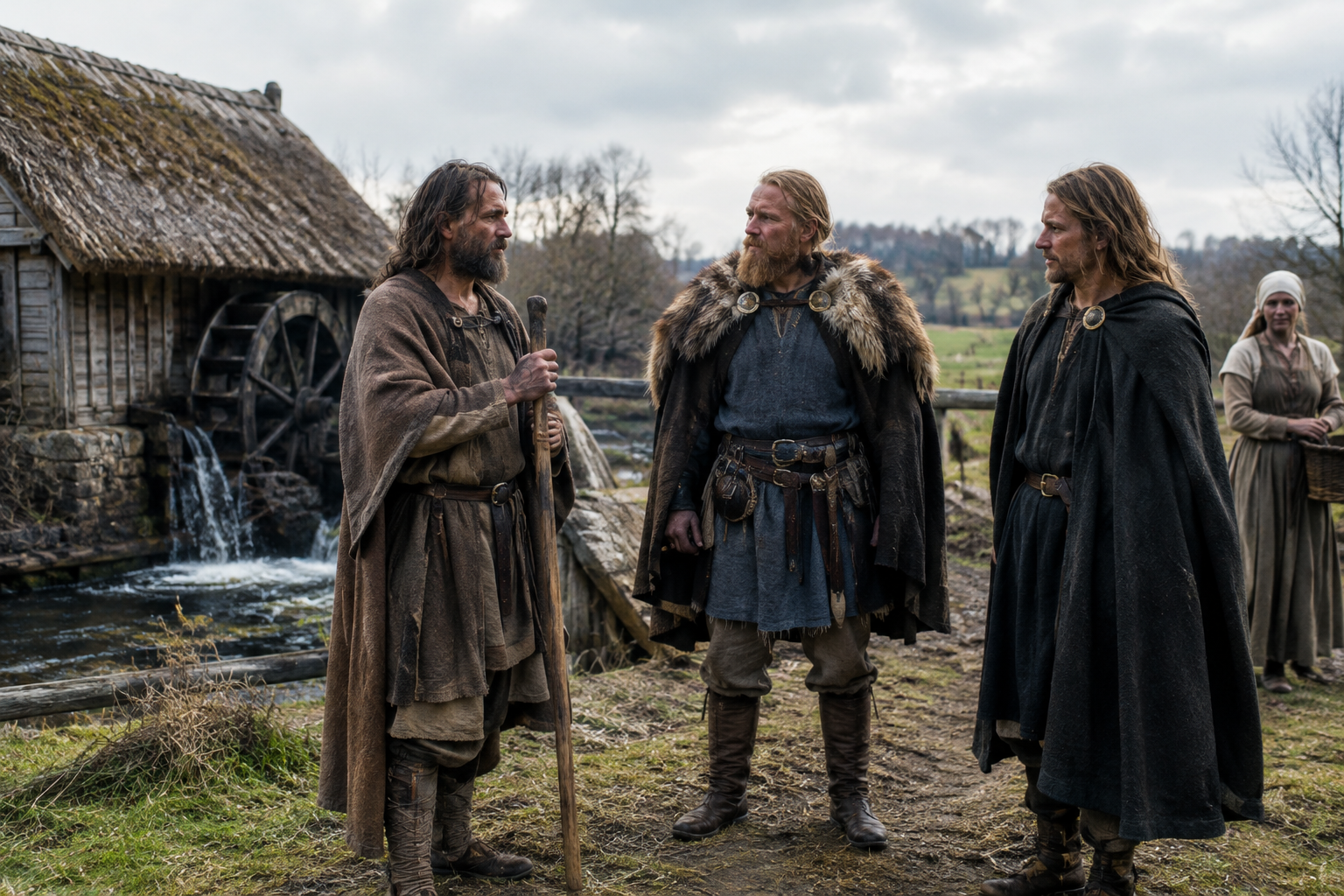
Haplogroups and Noble Lines Haplogroup R1b1a1b1a1a1c2b1 At Norton Bishops East Mill in Yorkshire, an early medieval man identified as I17274 offers a useful starting point for thinking about the Y-DNA haplogroup R1b1a1b1a1a1c2b1. He lived around AD 550, in the unsettled centuries after Roman rule in Britain had ended and new political worlds were taking shape across By Sara V • 5 min read
Haplogroups and Noble Lines Haplogroup E1b1b1b2 At Ain Ghazal in present-day Jordan, archaeologists uncovered one of the most important Neolithic settlements in the Levant: a place of early farming, plastered architecture, and famous human figures made from lime plaster. Among the ancient individuals studied from this site is sample I1414, dated to around 8100 BC and By Sara V • 5 min read
Haplogroups and Noble Lines Haplogroup G1a At Dinkha Tepe in northwestern Iran, one ancient male sample stands out for anyone interested in Y-DNA haplogroup G1a. Sample I3915, dated to around 920 BC in the Hasanlu period, places this paternal line in the Iron Age world of the Iranian plateau, in a region that sat between highland By Sara V • 5 min read
Haplogroups and Noble Lines Haplogroup G2a2b2b1a1 In Viking Age Sigtuna, one of Sweden's earliest towns, a man dated to around AD 955 appears in the ancient DNA record as sample grt035. That is already an arresting setting: Sigtuna was not an isolated farmstead but a place of minting, trade, Christianity, political theatre, and movement By Sara V • 5 min read
Haplogroups and Noble Lines Haplogroup T1a1a1b2 At Megiddo, one of the great tells of the southern Levant, a Late Bronze Age man catalogued as I4518 was buried in a world of palaces, trade routes, and imperial pressure. Dated to around 1425 BC and identified as a Canaanite from Megiddo, he matters here because his paternal line By Sara V • 5 min read
Haplogroups and Noble Lines Haplogroup I2a1b2a2 At Karczyn in Lower Silesia, one man from around 1750 BC carries an unexpectedly durable clue to Central Europe's paternal past: sample poz498, associated here with Y-DNA haplogroup I2a1b2a2. On its own that might sound like just another laboratory label. But set beside a second Bronze Age man By Sara V • 5 min read
Haplogroups and Noble Lines Haplogroup G2a2b2a1a1c1a At Kaf Taht el-Ghar, a cave site in northern Morocco, two Early Neolithic males dated to around 5250 BC, ktg004 and ktg006, carry a clue to one of the more interesting paternal lines in the ancient DNA record: G2a2b2a1a1c1a. That matters because this is not a lineage turning up in By Sara V • 5 min read
Haplogroups and Noble Lines Haplogroup Q1a1b1a At Berel in eastern Kazakhstan, a small cluster of burials dated to around AD 300-330 has turned up a striking pattern: more than one male from this cemetery complex is associated in MyTrueAncestry's records with Y-DNA haplogroup Q1a1b1a. The individuals are listed as BRE011, described as Xianbei Hun By Sara V • 5 min read
Haplogroups and Noble Lines Haplogroup J2a1a1b2a1a2 One of the more arresting appearances of haplogroup J2a1a1b2a1a2 comes from a man buried with the Hungarian conqueror elite at Bugyi-Kisvanpuszta, dated to about AD 950 and identified as BK-2. This is already a historically charged setting: the generation after the Magyar conquest of the Carpathian Basin, when steppe traditions, By Sara V • 4 min read
Haplogroups and Noble Lines Haplogroup R1b1a1b1a1a1c2b2a1b5a2 At Hegebeintum in the northern Netherlands, archaeologists uncovered burials from a terp settlement, one of those artificial dwelling mounds raised above the wet coastal landscape. Among the early medieval dead was CGG024691, dated to around AD 625 and associated with the Frisii world of the North Sea coast. For anyone By Sara V • 5 min read
Haplogroups and Noble Lines Haplogroup G2a2b2a1a1 At Kerkouane on the Tunisian coast, one ancient male identified as I24208 lived around 470 BC in the world of Carthage. That alone would be interesting enough: a Punic settlement tied to Mediterranean trade, North African history, and the long shadow of Phoenician expansion. But his reported Y-DNA association with By Sara V • 5 min read
Haplogroups and Noble Lines Haplogroup R1a1a1b1a3a1b3 At Skongeneshelleren on the west coast of Norway, archaeologists and geneticists have been able to place one branch of Y-DNA into a very specific early medieval landscape. The individual labeled CGG107009, dated to around AD 550, belongs to the paternal line identified here as R1a1a1b1a3a1b3. That is an arresting find By Sara V • 5 min read
Haplogroups and Noble Lines Haplogroup I1a2a1a1d1a At Hedeby, the great trading settlement on the southern edge of Jutland, one post-Viking Age man carries a particularly useful clue for anyone following Y-DNA haplogroup I1a2a1a1d1a. Sample SWG015, dated to about AD 1105 and associated with Hedeby Schleswig Rathausmarkt, places this paternal line in one of northern Europe' By Sara V • 5 min read
Haplogroups and Noble Lines Haplogroup I1a2a1a1a1b At Espe on Sjaelland, an ancient man dated to around AD 218 appears in the record as CGG107515 and is associated here with the Y-DNA haplogroup I1a2a1a1a1b. That is a very specific paternal branch, and the immediate interest is not simply that it turns up in Denmark, but that it By Sara V • 5 min read
Haplogroups and Noble Lines Haplogroup R1a1a1b2a2b2b2 At Kiskundorozsma in Roman-era Pannonia, one ancient male dated to around AD 216, sample CGG021922, offers a neat reminder that frontiers were never tidy edges on a map. This was a world of Roman power, Sarmatian mobility, and constant movement across the Carpathian Basin. The reported association of this man By Sara V • 4 min read