Haplogroup R1b1a1b1a1a2c1a1a1a1a1a1
– 5 min read


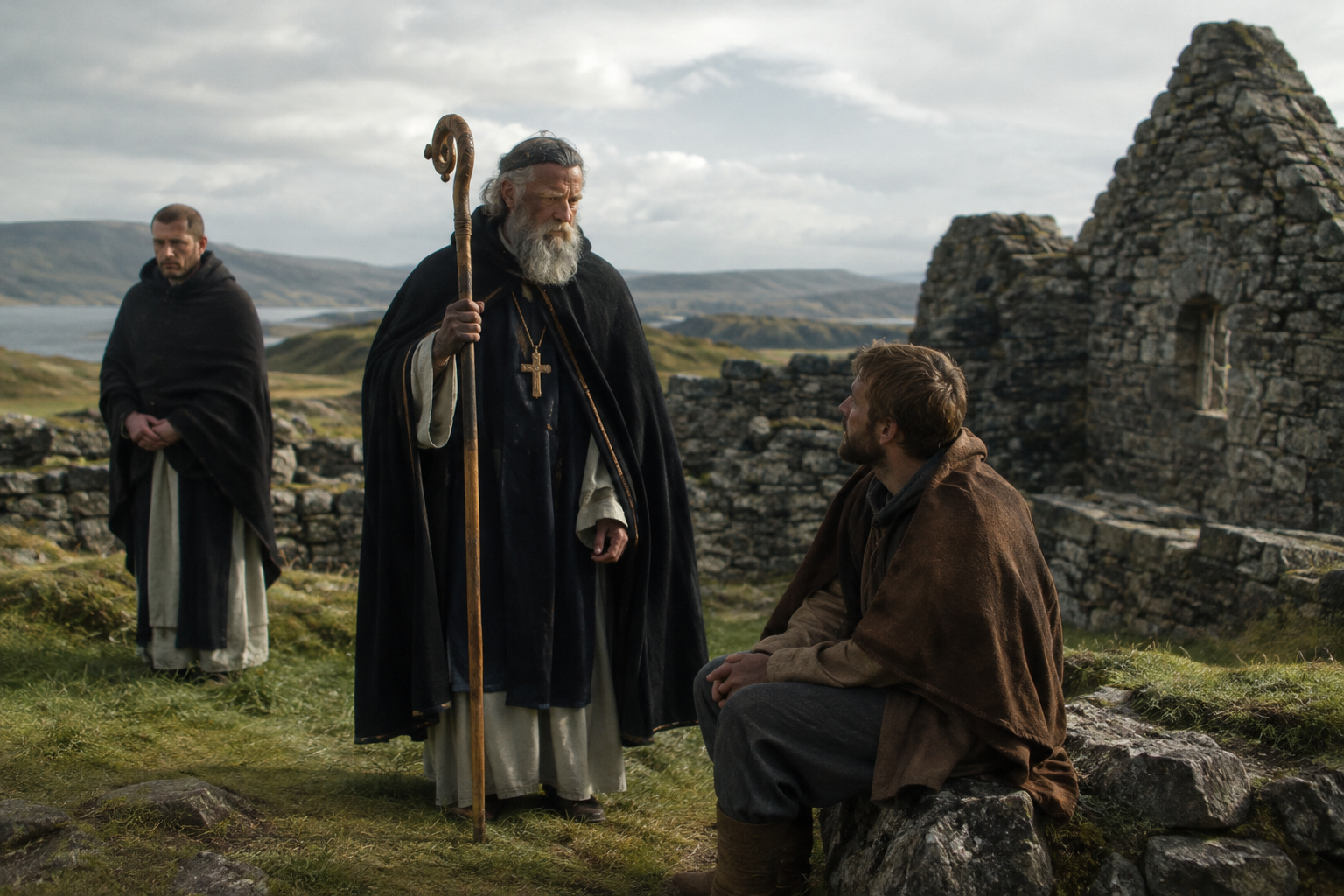
At Kilteasheen in County Roscommon, three men buried around AD 650 offer a striking glimpse of an early medieval Irish community at the edge of major change. The sample IDs KIL033, KIL037, and KIL009 come from the cemetery at Kilteasheen, a place associated with an important ecclesiastical landscape in medieval Ireland. What makes them especially interesting here is their reported association with the very narrow Y-DNA branch R1b1a1b1a1a2c1a1a1a1a1a1.
That formidable string of letters and numbers needs a little unpacking. It belongs within the much broader R1b family, a major paternal lineage in western Europe, but this article is about a far more specific twig on that tree. Y-DNA tracks one direct male line only, so it does not describe the whole ancestry or identity of these men. Still, when the same narrow paternal branch appears more than once at one early medieval Irish site, it becomes archaeologically interesting: not because it proves a dynasty, but because it hints at local continuity, kin networks, or a recurring male line within a real historical setting.
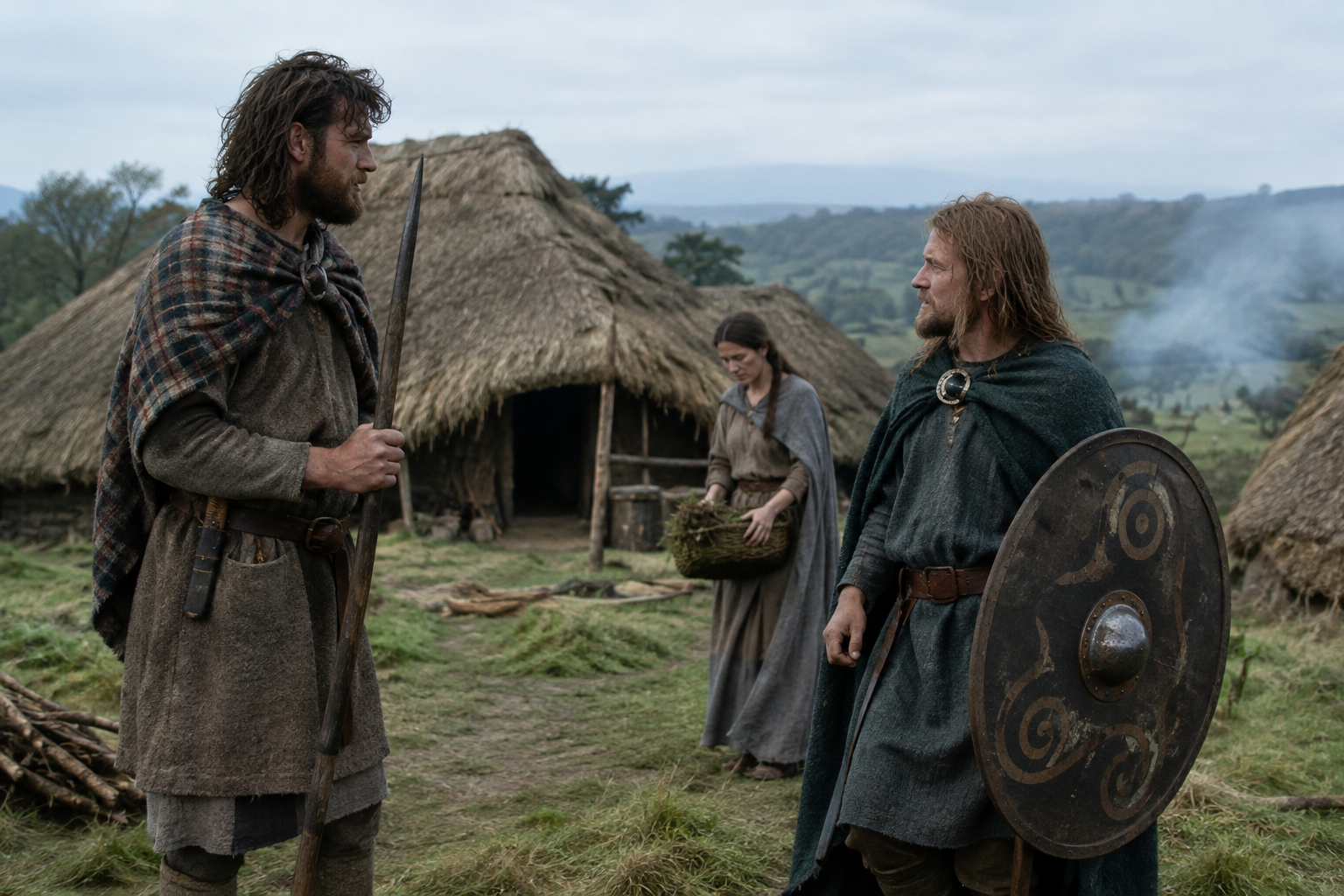
Kilteasheen was not just any burial ground. It belonged to the dense network of churches, settlements, and local lordships that shaped Ireland after the end of Roman Britain and before the Viking age fully transformed the Irish Sea world. By the seventh century, the island was organized through overlapping kingdoms, monasteries, and kin-based territories rather than through towns in the Roman sense.
The three samples tied to this haplogroup all come from that same broad horizon: KIL033, KIL037, and KIL009, each dated around AD 650. Even with sparse sample-level details, that cluster matters. A single Y-DNA result can be a curiosity; several from one cemetery begin to suggest that this paternal line was part of the living social fabric of the community using the site.
An ancient DNA study examining medieval Irish burials has helped bring places like Kilteasheen into sharper focus, showing how genetics can be set alongside archaeology rather than replacing it. For readers interested in the wider biological and historical background to such work, research on the Irish medieval population can be found here: https://www.ncbi.nlm.nih.gov/pmc/articles/PMC6026117/.
It is tempting, when several males from one site share a paternal branch, to leap straight to family trees. Archaeology is usually less obliging. The presence of KIL033, KIL037, and KIL009 does not by itself prove that they were father, son, brothers, or members of a ruling lineage. What it does show is repetition, and repetition is often the beginning of a historical pattern.
In early medieval Ireland, burial grounds could serve communities shaped by kinship, clientship, religious affiliation, and local status. A repeated Y-chromosome signal at one cemetery fits comfortably within that sort of world. The simplest careful reading is that this branch formed part of a local male population in Roscommon during the seventh century, at a time when church foundations and regional polities were deeply intertwined.
That is useful for anyone carrying this haplogroup today. The evidence does not place the lineage everywhere in Ireland, nor does it turn one branch into a badge of ethnic purity. But it does anchor the branch in a documented medieval Irish context, which is far more valuable than vague claims about "Celtic blood" or sweeping origin myths.
The wider R1b umbrella is extremely common across parts of Atlantic Europe, including Ireland. Yet that broad fact should not be confused with the much narrower branch named here. R1b1a1b1a1a2c1a1a1a1a1a1 is not the same thing as "R1b in general," and one of the easiest mistakes in popular genetics is to borrow the fame of the parent lineage and assign it to every tiny downstream branch.
What can responsibly be said is narrower and better. This branch, as represented by the Kilteasheen males, was present in early medieval Ireland. That anchors the lineage in a real place and period. It does not automatically tell us when the branch first entered Ireland, whether it arrived in prehistory, or whether every later Irish bearer descends from one medieval local cluster.
That distinction matters because Irish genetic history is layered. Prehistoric migrations, Iron Age continuity, local expansions of kindreds, church patronage, and later medieval reshaping all affected the male line landscape. A subclade like this one may have had a long earlier history, but the strongest evidence in hand here is the seventh-century cemetery at Kilteasheen.
By around AD 650, Christianity in Ireland was no longer new, but it was still reshaping how people organized sacred space and remembered the dead. Sites like Kilteasheen sit in that important middle ground: not prehistoric tombs reused for memory, and not later urban graveyards, but burial places embedded in local ecclesiastical communities.
That setting gives the three samples extra interest. If several men carrying the same narrow paternal branch were buried within such a landscape, we may be looking at a community in which certain male lines were established enough to recur across the cemetery's use. That need not mean elites. It may reflect the ordinary persistence of local descent groups whose lives were now tied to churches, agricultural landholding, and the politics of neighboring kingdoms.
Early medieval Ireland is often imagined through saints' Lives and king lists, but cemeteries tell a quieter story. They show who actually belonged to a place. In that sense, KIL033, KIL037, and KIL009 are valuable not because they are grand, but because they are local. They bring a named Y-lineage into the everyday historical geography of Roscommon.
Ancient DNA from Ireland is still uneven, with some periods and regions better represented than others. That makes every securely placed cemetery cluster useful. Kilteasheen contributes a small but tangible point on the map of medieval Irish paternal ancestry: a specific lineage, at a specific site, in a specific century.
It also helps correct a common misunderstanding in genetic genealogy. Modern surname traditions, later clan identities, and medieval Y-DNA patterns do not always line up neatly. The men from Kilteasheen lived before many later documentary lineages become visible in the record, and no noble or dynastic connection should be assumed from these samples alone. The significance lies elsewhere: this branch was present in a real early Christian Irish burial community, not merely inferred from modern distributions.
Early medieval Britain genomes
The best-supported insight for R1b1a1b1a1a2c1a1a1a1a1a1 is not a tale of kings or sweeping conquest, but something more solid: this paternal branch appears among men buried at Kilteasheen in County Roscommon around AD 650. KIL033, KIL037, and KIL009 place it within the lived world of early medieval Ireland, where church communities and local kin networks shaped both the landscape and the memory of the dead. For someone researching this Y-line today, that is a meaningful clue: your direct paternal ancestry may connect, at least at this branch level, to the ordinary but historically important communities of early Christian Ireland.
Comments