Haplogroups and Noble Lines Haplogroup R1b1a1b1b3a Some Y-chromosome lineages announce themselves in the grand manner, splashed across discussions of famous kingdoms and well-known migrations. Haplogroup R1b1a1b1b3a is more interesting precisely because it has to be reconstructed from fragments: a burial on the steppe, another in Bronze Age Hungary, another in Bulgaria, a man among the Hungarian By Sara V • 5 min read
Haplogroups and Noble Lines Haplogroup T1a2 Some Y-chromosome lineages seem to sit quietly in the background of history until ancient DNA brings them abruptly into view. Haplogroup T1a2 is one of those cases. It is not one of the big headline paternal branches that dominate popular discussions of European prehistory, yet when ancient samples begin to By Sara V • 5 min read
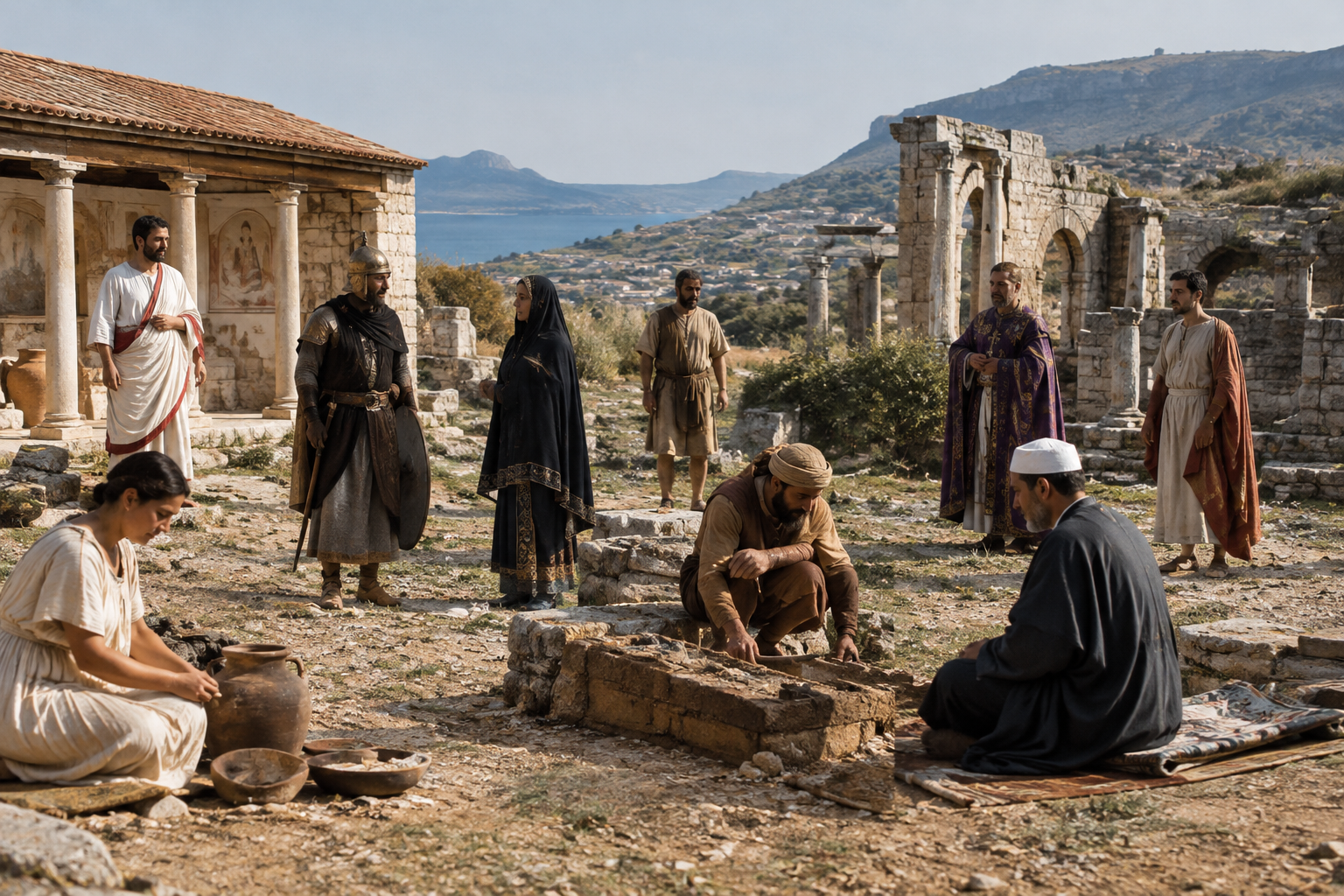
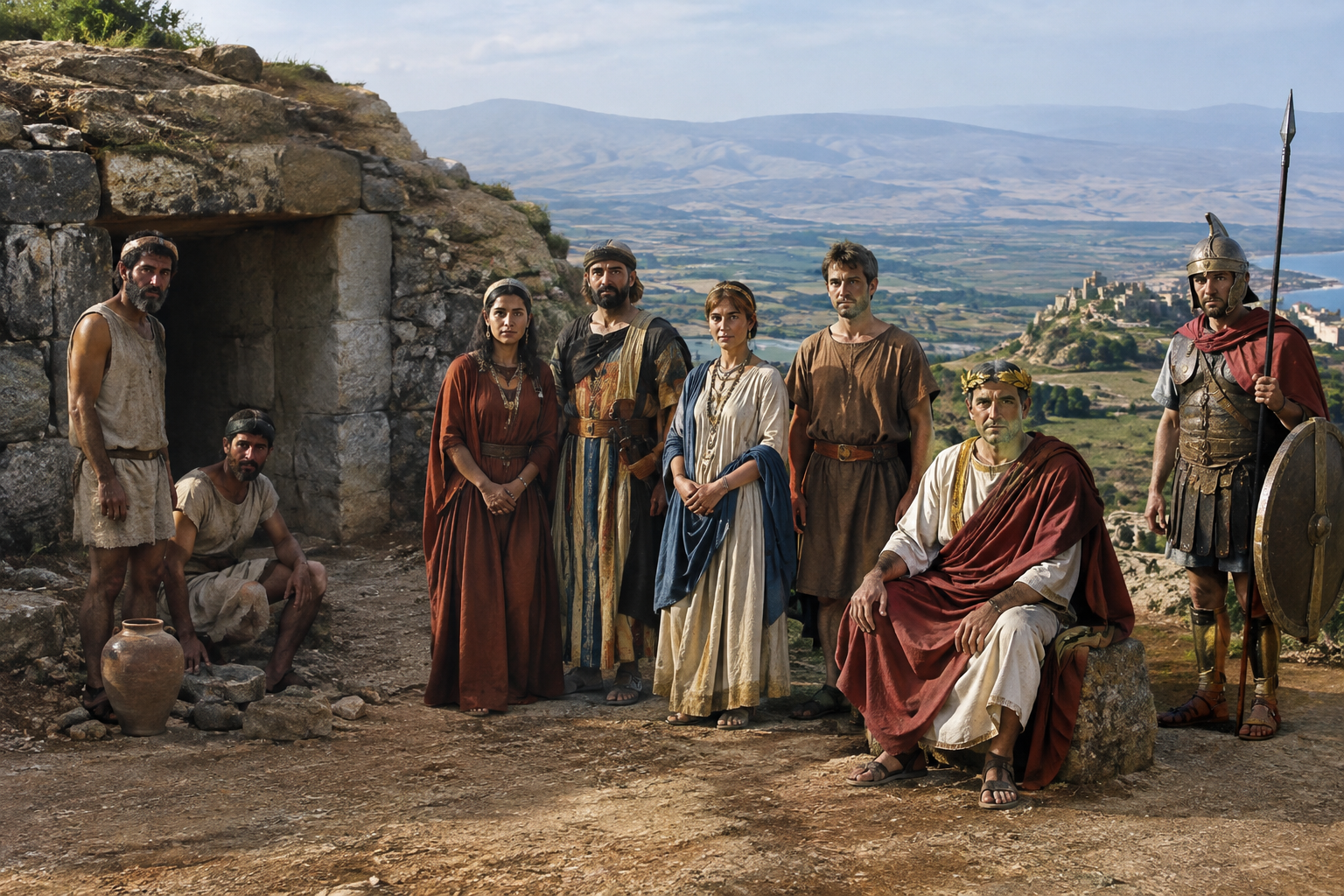
Haplogroups and Noble Lines Haplogroup J1a2b There is something particularly arresting about finding the same paternal line in a Bronze Age crypt in the Caucasus, in Canaanite burials at Megiddo, in Bronze Age Anatolia, and then again in a Roman-era individual on the western Mediterranean coast. Haplogroup J1a2b belongs to that sort of story: not a By Sara V • 5 min read
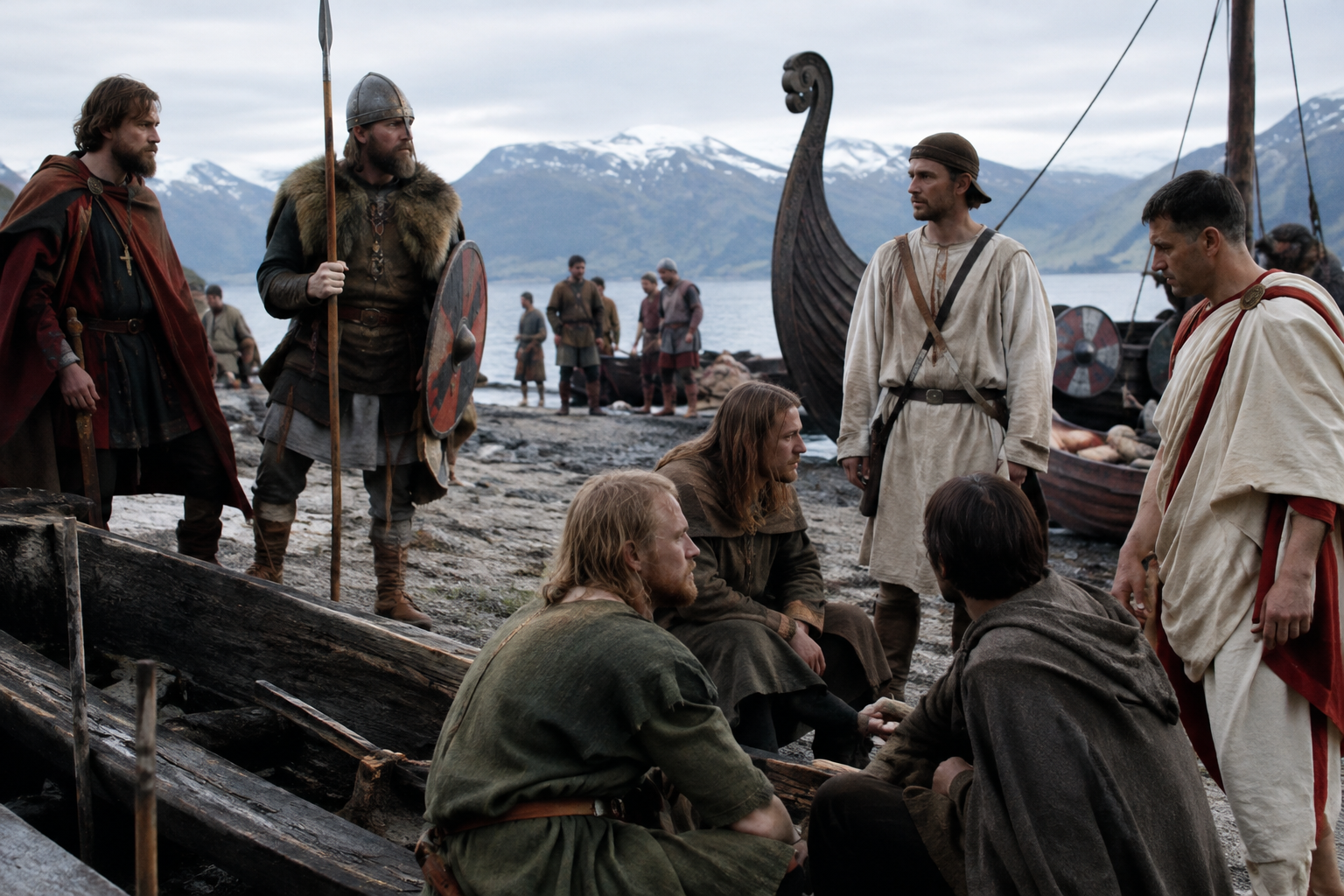
Haplogroups and Noble Lines Haplogroup I1a2a1a1d1a1a A Scandinavian paternal line seen in graves from the Baltic to Britain Some Y-DNA branches are historically interesting because they turn up once in a while in the ancient record. Others are interesting because they appear in precisely the sorts of places historians already argue about: raiding fleets, boat burials, By Sara V • 5 min read
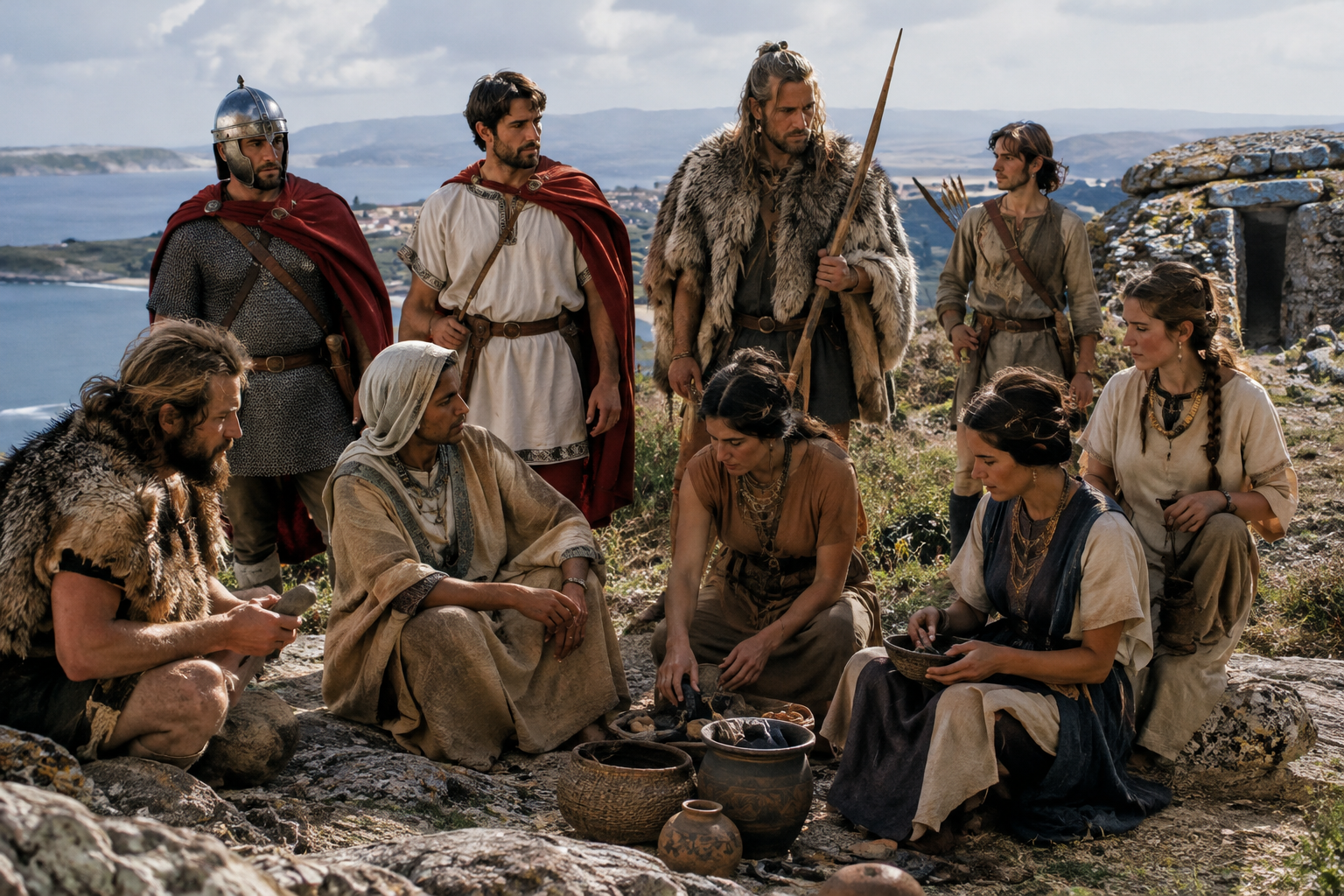
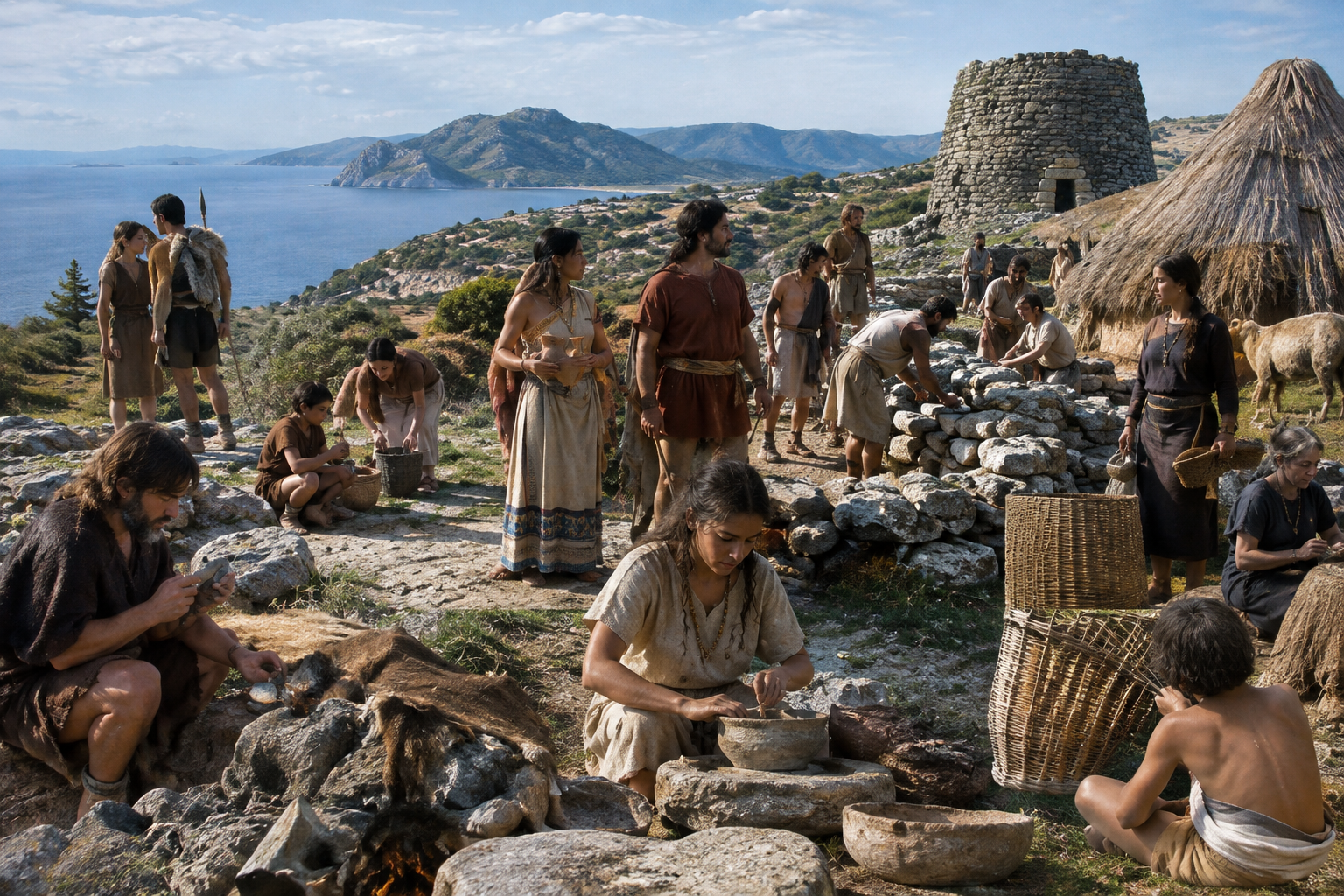
Haplogroups and Noble Lines Haplogroup I2a1b1b1a Some Y-DNA haplogroups appear in just the sort of places that make historians sit up. Haplogroup I2a1b1b1a is one of them. It turns up in early farming contexts, in Iron Age Central Europe, in Roman-period mobility, in Viking Age Scandinavia, and strikingly in prehistoric Sardinia. That is not the neat By Sara V • 5 min read
Haplogroups and Noble Lines Haplogroup Q1a Haplogroup Q1a has one of those histories that reminds us, rather forcefully, that the old map of Eurasia was never neatly divided into separate worlds. In modern popular imagination, paternal lineages are too often boxed into tidy national or ethnic stories. Q1a refuses that sort of simplification. Its ancient appearances By Sara V • 6 min read
Haplogroups and Noble Lines Haplogroup G2a2b1 Haplogroup G2a2b1 is one of those paternal lineages that rewards a second look. It does not usually appear in popular accounts of sweeping conquests or famous royal dynasties, yet in ancient DNA it turns up in places that matter enormously for the history of Eurasia: early farming Anatolia, the Black By Sara V • 6 min read
Haplogroups and Noble Lines Haplogroup G2a2a1a2a Some Y-DNA haplogroups announce themselves in kings, conquerors, or sweeping historical labels. Haplogroup G2a2a1a2a is interesting for almost the opposite reason. Its story is older, quieter, and in many ways more revealing. It appears in some of the earliest farming communities of northwest Anatolia and the Balkans, then turns up By Sara V • 6 min read
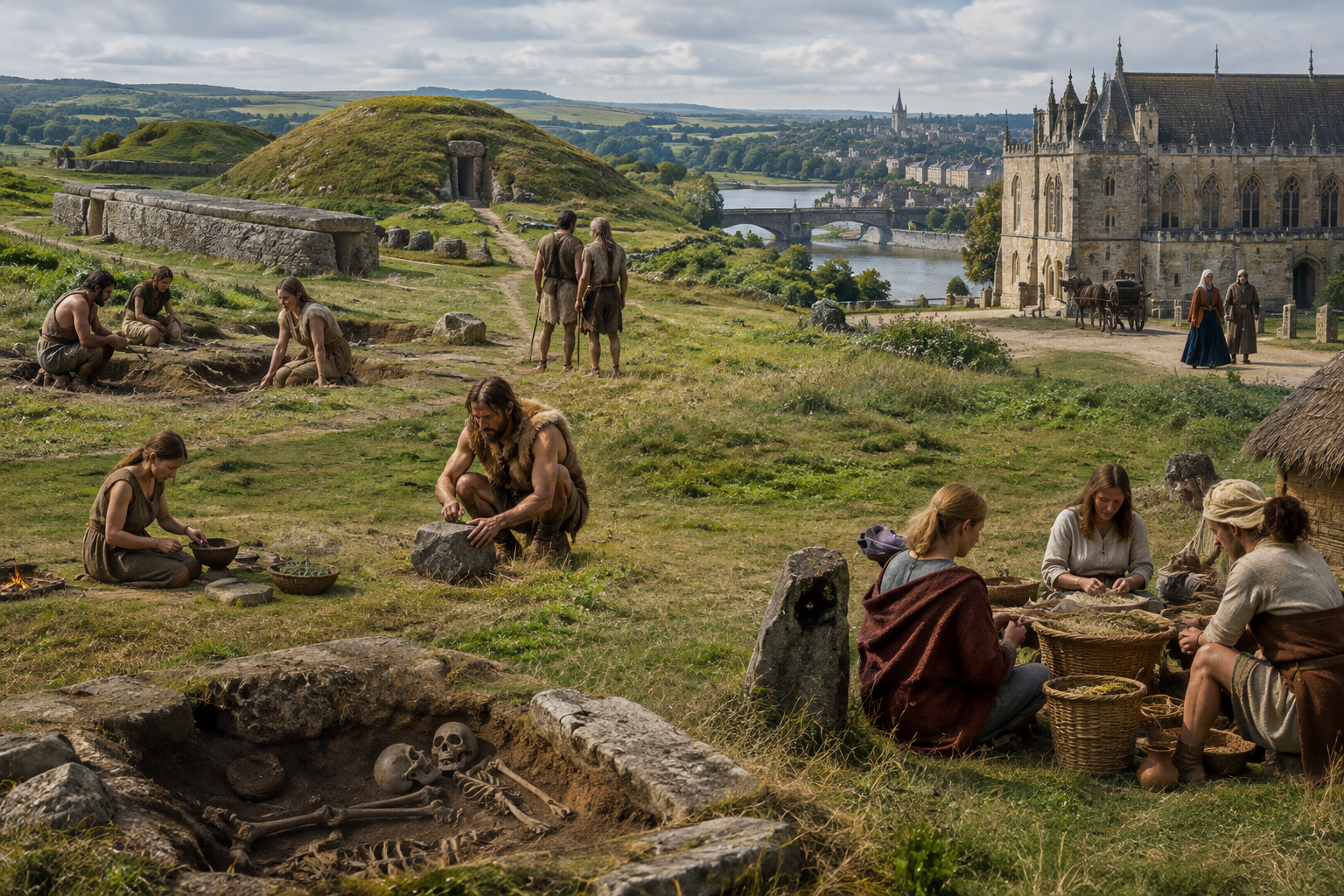
Haplogroups and Noble Lines Haplogroup I2a1b1a1a1 Haplogroup I2a1b1a1a1 is the sort of paternal lineage that reminds us how misleading neat historical labels can be. What looks, at first glance, like a technical code from a laboratory chart turns out to open onto a very human story: cave burials in Scotland, Neolithic Wales, Bell Beaker graves in By Sara V • 6 min read
Haplogroups and Noble Lines Haplogroup I2a1b1a1a Haplogroup I2a1b1a1a is the sort of Y-DNA lineage that reminds us how stubbornly the male line can persist through enormous historical change. Kingdoms rise, languages shift, dynasties appear and disappear, but a paternal branch can still be detected in burials thousands of years apart. That is what makes this lineage By Sara V • 6 min read
Haplogroups and Noble Lines Haplogroup G2a2b2a1a1b1 Some Y-chromosome lineages announce themselves with imperial drama. Haplogroup G2a2b2a1a1b1 is more elusive, and in some ways more interesting for that very reason. It appears not as the banner of a single famous conquest, but in a chain of ancient men spread across Copper Age Alpine communities, Bronze Age northern By Sara V • 6 min read
Haplogroups and Noble Lines Haplogroup I2a1b1a2 There is something wonderfully stubborn about a Y-chromosome lineage. Kingdoms collapse, languages spread, churches rise over older sacred ground, and yet a paternal line can still be glimpsed in a burial from Neolithic Italy, a tomb in northern Scotland, a kurgan in the Caucasus, and a medieval churchyard in Belgium. By Caterina • 6 min read
Haplogroups and Noble Lines Haplogroup C1a2b Some Y-DNA haplogroups dominate the headlines because they are common, expansive, or attached to famous later populations. Haplogroup C1a2b is interesting for almost the opposite reason. It appears in ancient DNA as a small but striking paternal thread, turning up in early farming worlds, in southeastern Europe, and then again By Caterina • 6 min read
Haplogroups and Noble Lines Haplogroup I2a1b2a Haplogroup I2a1b2a is the sort of Y-DNA lineage that reminds us how awkward, and how interesting, paternal history can be. It does not belong neatly to one people, one kingdom, or one heroic origin story. Instead, when it turns up in ancient DNA, it appears in settings as different as By Caterina • 6 min read
Haplogroups and Noble Lines Haplogroup G2a2b2b1a1a Some Y-DNA haplogroups announce themselves with a roar across the historical record. G2a2b2b1a1a does something more interesting. It appears in scattered but revealing places: prehistoric Greece, Copper Age and Iron Age Italy, Bronze Age and Nuragic Sardinia, prehistoric Iberia, and then much later in early medieval Germany. That distribution is By Caterina • 5 min read
Haplogroups and Noble Lines Haplogroup R1b1a2a1a2 Some Y-chromosome lineages turn up once or twice in the ancient DNA record and then disappear into the statistical fog. Others keep appearing in places that make historians stop and look twice. Haplogroup R1b1a2a1a2 is interesting for exactly that reason. In the material supplied here, it is present in a By Caterina • 6 min read
Haplogroups and Noble Lines Haplogroup R1b1a R1b1a is one of those Y-chromosome lineages that turns up so often in the story of western Eurasia that it can feel almost too familiar. But that is precisely why it is interesting. Once you start following it through ancient DNA, this paternal line appears not as a single people By Caterina • 5 min read
Haplogroups and Noble Lines Haplogroup I2a1b1b Some Y-DNA haplogroups announce themselves with a flourish. Others appear more like recurring cameos in the archaeological record: a Neolithic burial here, an Iron Age grave there, a later individual in a plague cemetery centuries afterward. Haplogroup I2a1b1b belongs very much to that second category, and that is precisely what By Caterina • 6 min read
Haplogroups and Noble Lines Haplogroup R1a1a1b1a1a1a A paternal line glimpsed across the medieval frontier Some Y-DNA branches announce themselves with a neat, famous story. R1a1a1b1a1a1a does not quite do that. It is a very specific paternal subclade within the wider R1a family, and that is exactly what makes it interesting. When a branch becomes this narrow, By Caterina • 6 min read
Haplogroups and Noble Lines Haplogroup R1b1a1b1a1a2f Some Y-DNA haplogroups announce themselves with trumpet blasts: royal burials, famous dynasties, neatly labelled migrations. R1b1a1b1a1a2f is more interesting precisely because it does not. It appears instead in a string of finds scattered across Iron Age France, Iron Age Yorkshire, Viking Age Scandinavia, and medieval Serbia. That spread is the By Caterina • 5 min read
Haplogroups and Noble Lines Haplogroup T1a2b1 Some Y-DNA haplogroups turn up where you expect them. Others appear like a historian's nuisance in the best possible sense: in places that force you to rethink tidy maps. T1a2b1 belongs very much to that second category. It is a paternal lineage within haplogroup T, a branch of By Caterina • 6 min read
Haplogroups and Noble Lines Haplogroup E1b1a1 There is something especially arresting about haplogroup E1b1a1 because it refuses to stay inside modern borders or tidy historical categories. In the ancient DNA record, it appears in places that force us to think less in terms of isolated nations and more in terms of movement: movement across African landscapes By Caterina • 6 min read
Haplogroups and Noble Lines Haplogroup Q1 There are some Y-chromosome haplogroups that sit comfortably inside the familiar histories of Europe or the Near East. And then there is Q1, which has a way of pulling the story eastward, across the forest-steppe, into Siberia, the Altai, and the great corridors of Inner Asia. If you are interested By Caterina • 6 min read
Haplogroups and Noble Lines Haplogroup R1a1a1b2a2a Some Y-DNA lineages make their history easy to tell. Others refuse to sit neatly inside one region, one people, or one period. Haplogroup R1a1a1b2a2a belongs to the second category, and that is exactly what makes it so interesting. In the ancient DNA record provided here, this paternal branch appears in By Caterina • 5 min read