Haplogroup I2a1b1b

– 6 min read


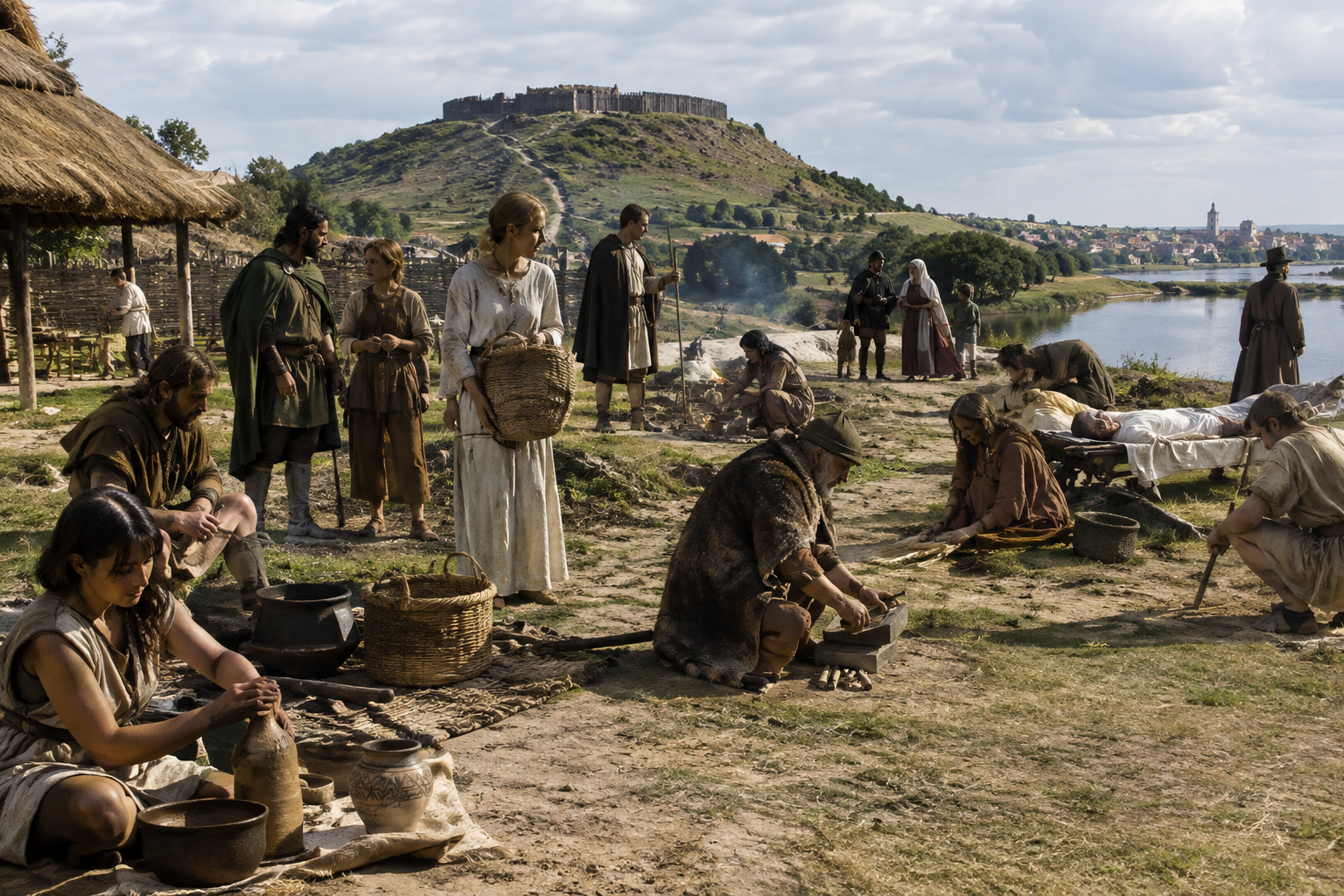
Some Y-DNA haplogroups announce themselves with a flourish. Others appear more like recurring cameos in the archaeological record: a Neolithic burial here, an Iron Age grave there, a later individual in a plague cemetery centuries afterward. Haplogroup I2a1b1b belongs very much to that second category, and that is precisely what makes it so interesting. It offers a glimpse of a paternal line that seems to have been present across parts of Europe for a very long time, turning up in very different worlds: early farming communities in France, a Corded Ware context in Bohemia, Iron Age Britain, and even post-medieval Germany.
As always with Y-DNA, a note of caution comes first. A Y-chromosome haplogroup traces only one line of ancestry: the direct paternal line, father to son to son. It does not describe a person's whole ancestry, culture, language, or identity. Nor does sharing a broad haplogroup prove close kinship between people separated by centuries. But when ancient DNA places the same paternal branch in several regions and periods, it allows us to ask better historical questions about continuity, movement, and the making of European populations.
Haplogroup I is one of the major old European Y-chromosome lineages, and branches of I2 are often discussed in connection with prehistoric Europe. For a specific subclade like I2a1b1b, though, caution matters. We should not simply pour the entire history of all I2 lineages into this narrower branch. What we can say is that the evidence supplied here places I2a1b1b and closely related paternal lines in a broad western and central European setting across several millennia.
The earliest appearances in this dataset come from Neolithic and Copper Age contexts in France and Sardinia, suggesting that this paternal lineage was already part of the mixed and complicated world of Europe's first farming societies and their successors. Later appearances in the Czech lands and Iron Age Britain hint that some branches persisted locally while others moved, perhaps as part of wider demographic processes that included regional continuity, intermarriage, and the repeated reshaping of communities through time.
Explore the Neolithic Expansion
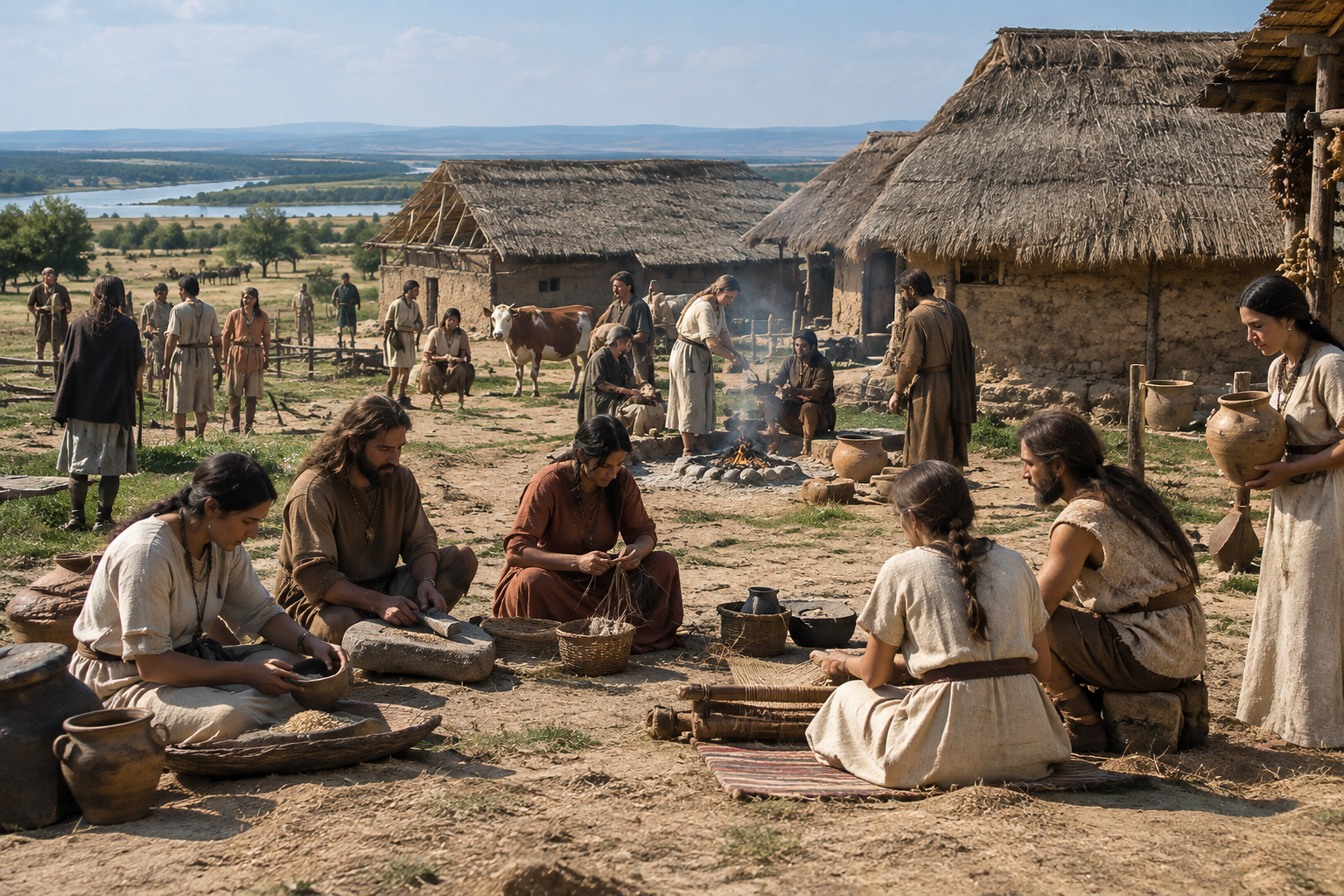
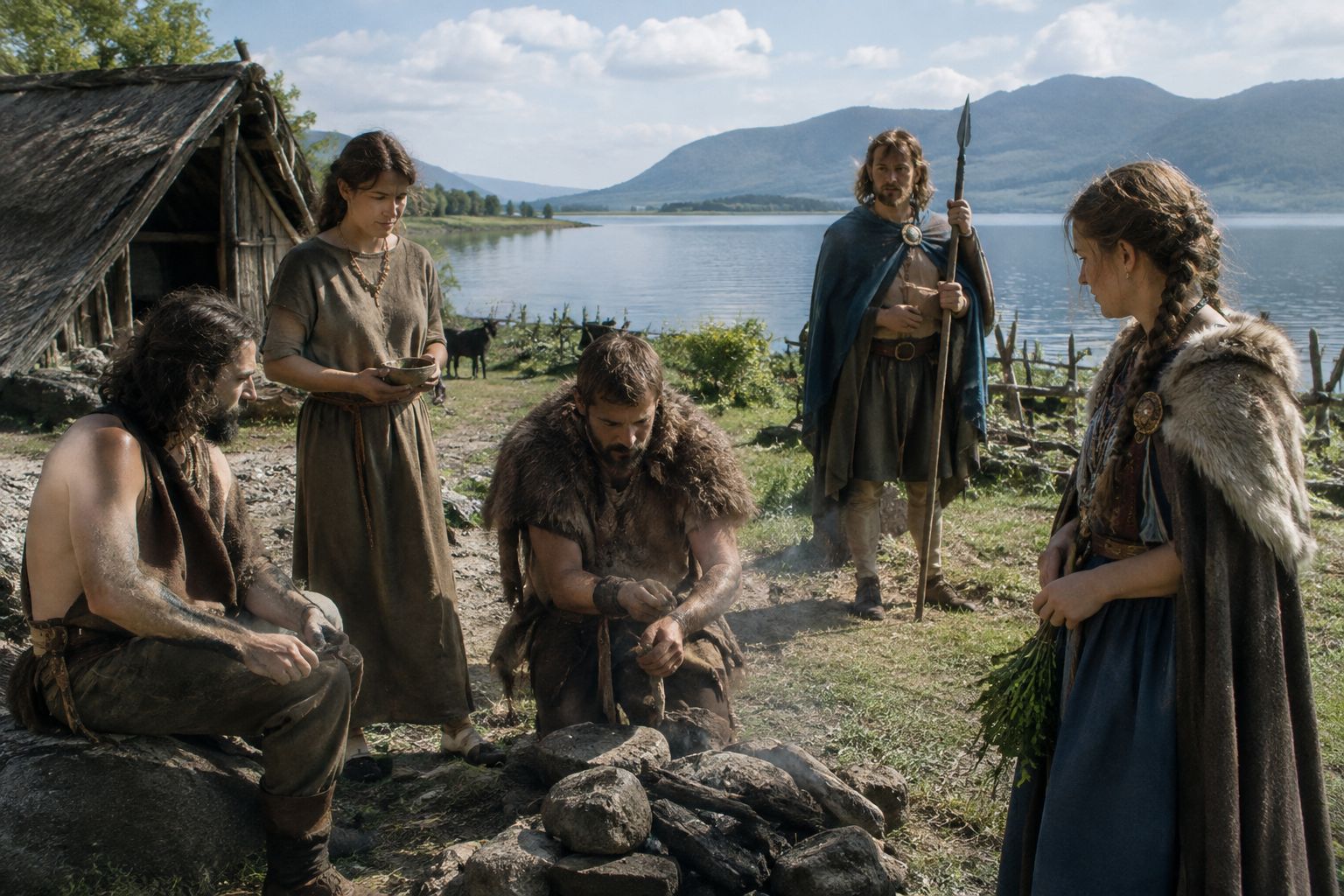
The French material is especially revealing because it places this haplogroup in some of the earliest agricultural settings in the dataset. At Beaurieux, France, sample BLP10 is dated to 4100 BC. That is very early indeed, in the world of long-settled Neolithic communities whose landscapes were already being transformed by farming, burial traditions, and emerging regional identities.
Another French sample, I18428, comes from Neolithic Moussey PLA France and is dated to 3450 BC. Then there is ROUQC from Grotte du Rouquet Moujan France, dated to 3096 BC. Taken together, these finds suggest that this paternal line was present in multiple parts of prehistoric France across many centuries. Not a single isolated appearance, then, but something more durable.
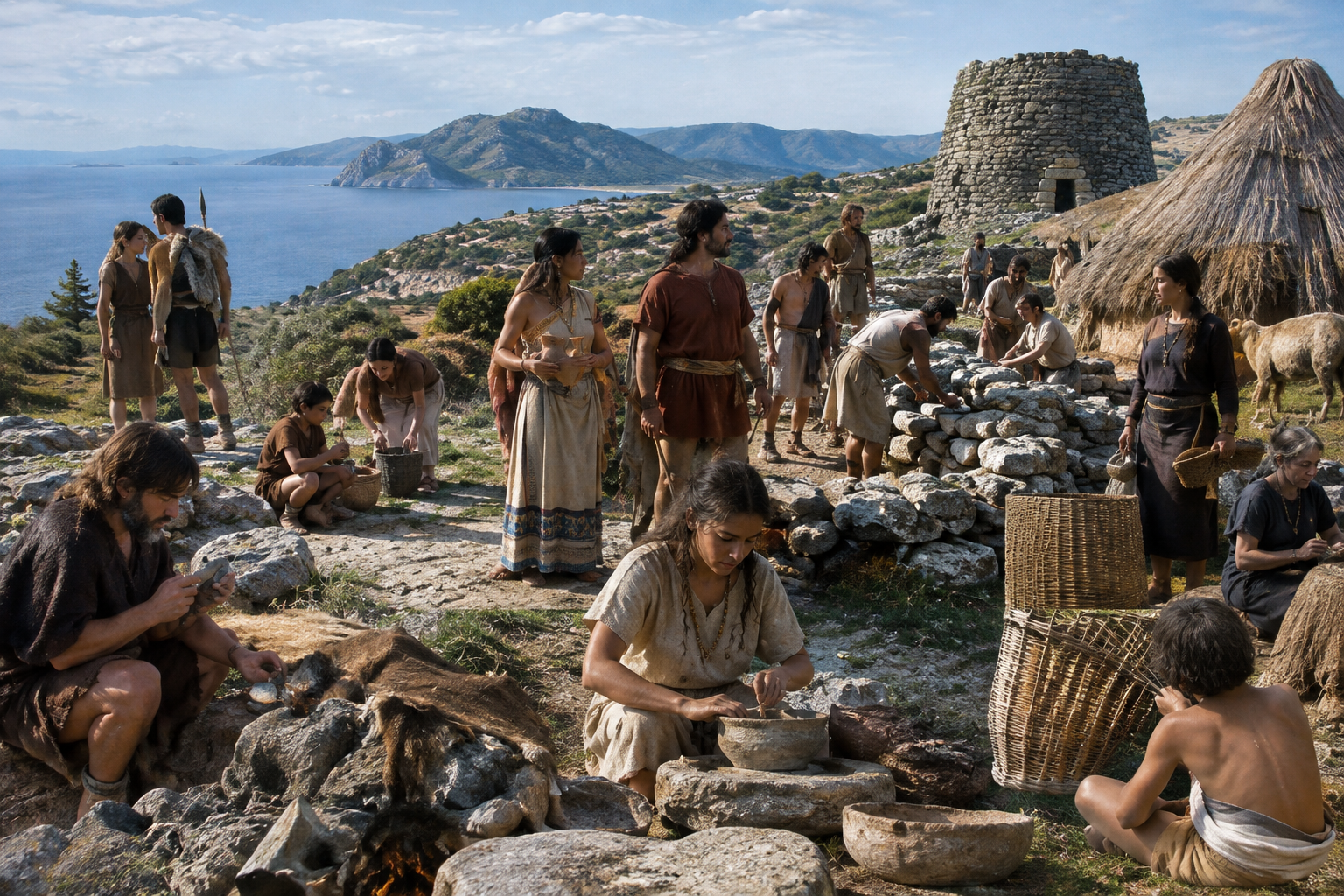
And then the picture widens. Sample SUC005 from Early Copper Age Porto Torres Sardinia, dated to 2100 BC, places the lineage on a Mediterranean island with its own long and distinctive prehistoric history. Sardinia is one of those places that tempts people into easy stories of isolation, but ancient DNA keeps spoiling such simplicities. Even islands were part of wider networks of movement, exchange, and settlement.
What these early cases show is not a neat, single migration arrow on a map, but a lineage moving through - or persisting within - a Europe already full of local variation.
Central Europe enters the story with I7272, from Corded Ware Culture Brandysek Czech, dated to 2550 BC. This is an important reminder that paternal lineages do not belong permanently to one archaeological culture. A haplogroup found in Neolithic France can also appear in a Corded Ware context in Bohemia, because cultures are social and material formations, while haplogroups track only one male line.
Still, the Brandysek sample matters. The Czech lands were a classic crossroads in later prehistory, linking the Danubian world, central Europe, and routes north and west. Later in the dataset, another central European appearance turns up in Iron Age Czech Prague, sample 2909, dated to 100 BC. Whatever happened between the late 3rd millennium BC and the late Iron Age, the paternal line had not vanished from the region.
That continuity across such different settings should not be exaggerated into an unbroken family tree. But it does suggest that some branches of I2a1b1b remained embedded in central European populations through dramatic cultural change.
Read About Central European Celtic Origins
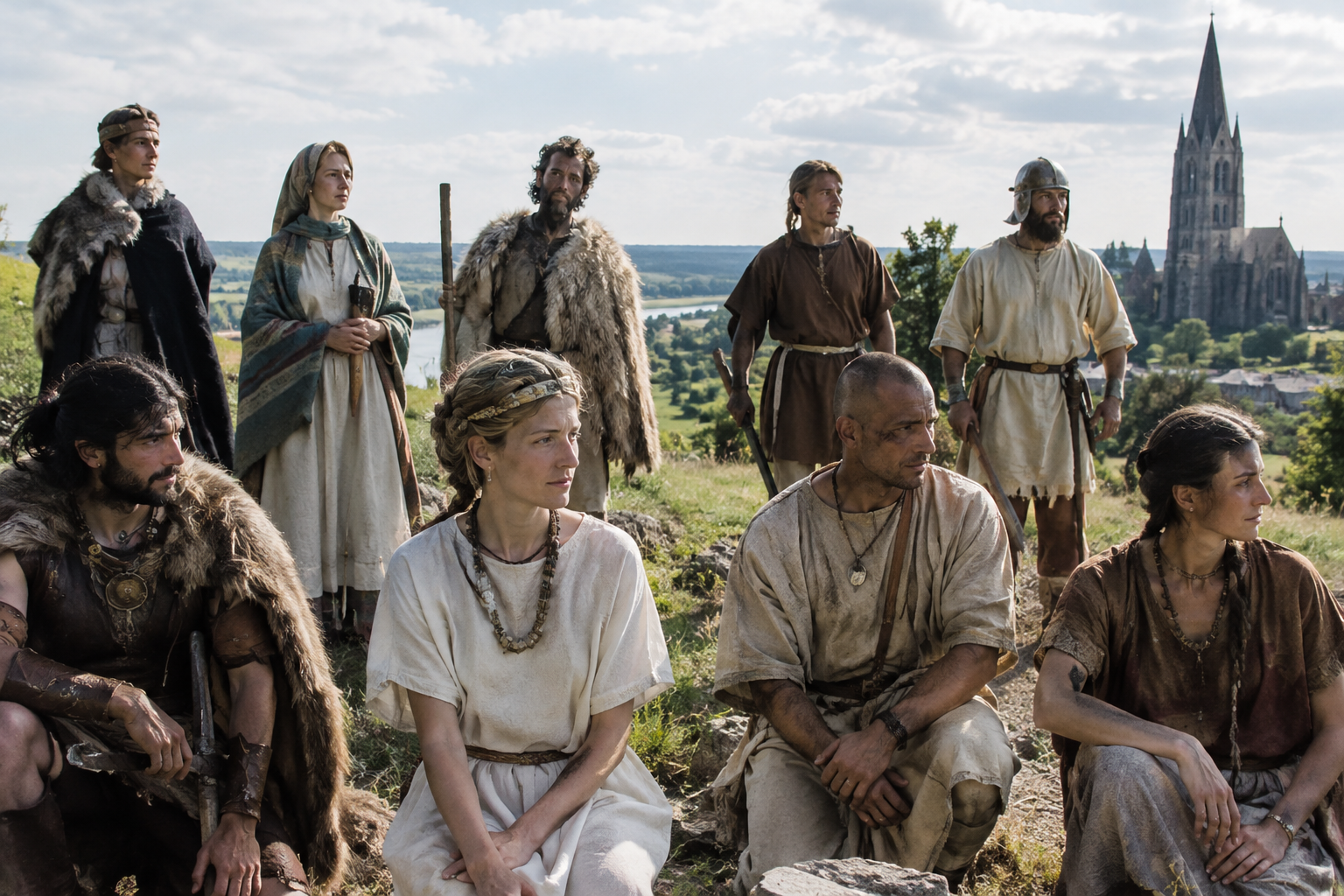
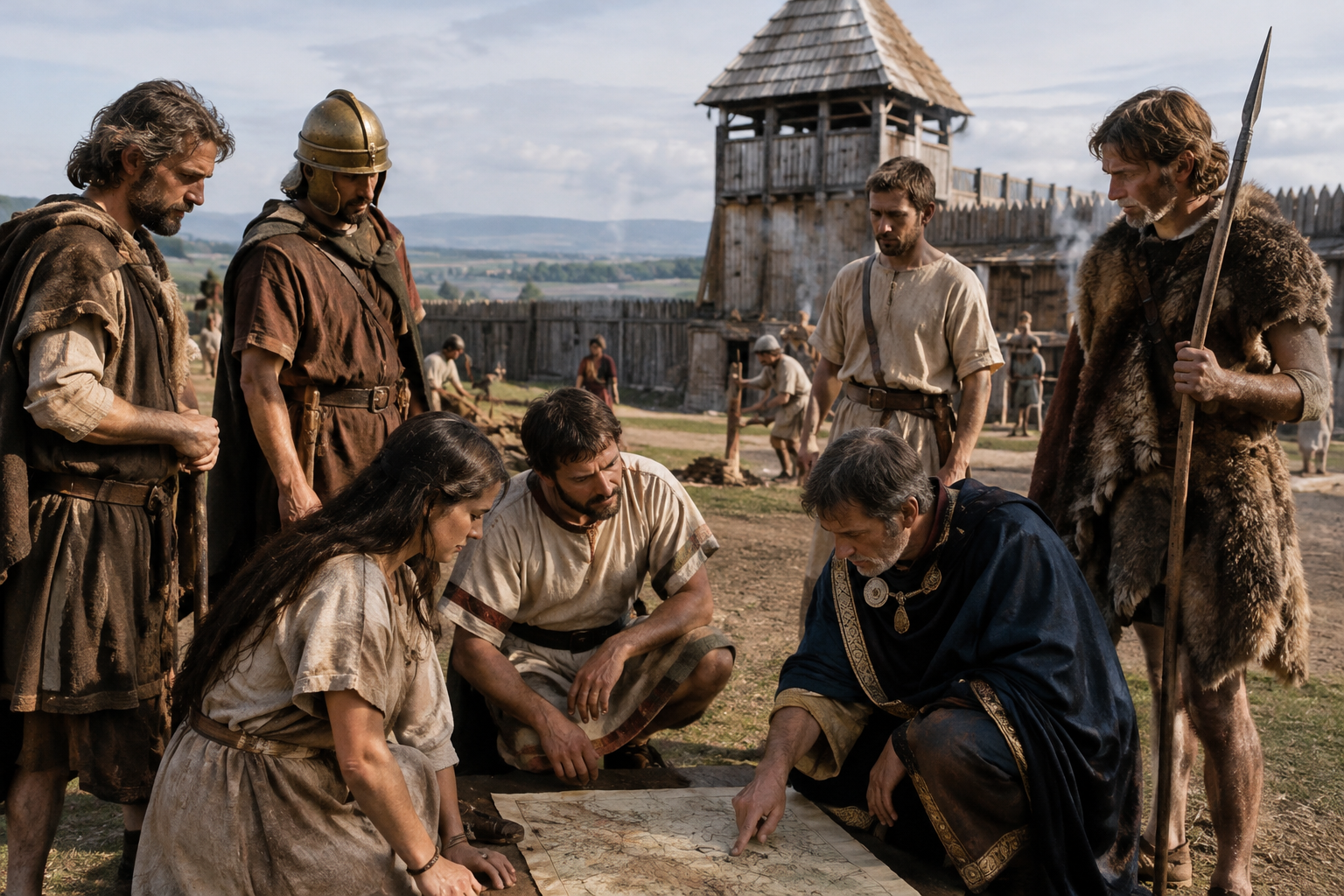
If the French and Czech samples show depth in time, the British evidence gives us something equally appealing: a cluster of Iron Age appearances across different regions of England. Sample I36826 comes from the Celtic Parisi Iron Age England East Yorkshire Wetwang Slack and is dated to 225 BC. Wetwang Slack is one of the best-known Iron Age cemetery sites in Britain, and the association with the Parisi places the lineage in a distinctly local tribal setting.
Further south, I17259 from Early Iron Age Stockbridge Hampshire England is dated to 560 BC. And in the north Midlands, I20626 from Iron Age Hill Fort Fin Cop Derbyshire England is dated to 150 BC. These are not all from one valley, one clan, or one political community. They represent different corners of Iron Age England.
That matters because it suggests the haplogroup was not confined to one tiny pocket. Instead, branches of this paternal line were part of the wider human fabric of Iron Age Britain. Some may have arrived in earlier prehistoric movements; some may reflect deeper local continuity; some may have been redistributed through marriage networks, mobility, and elite exchange. Ancient DNA rarely gives us a single answer, but it does let us see the question more clearly.
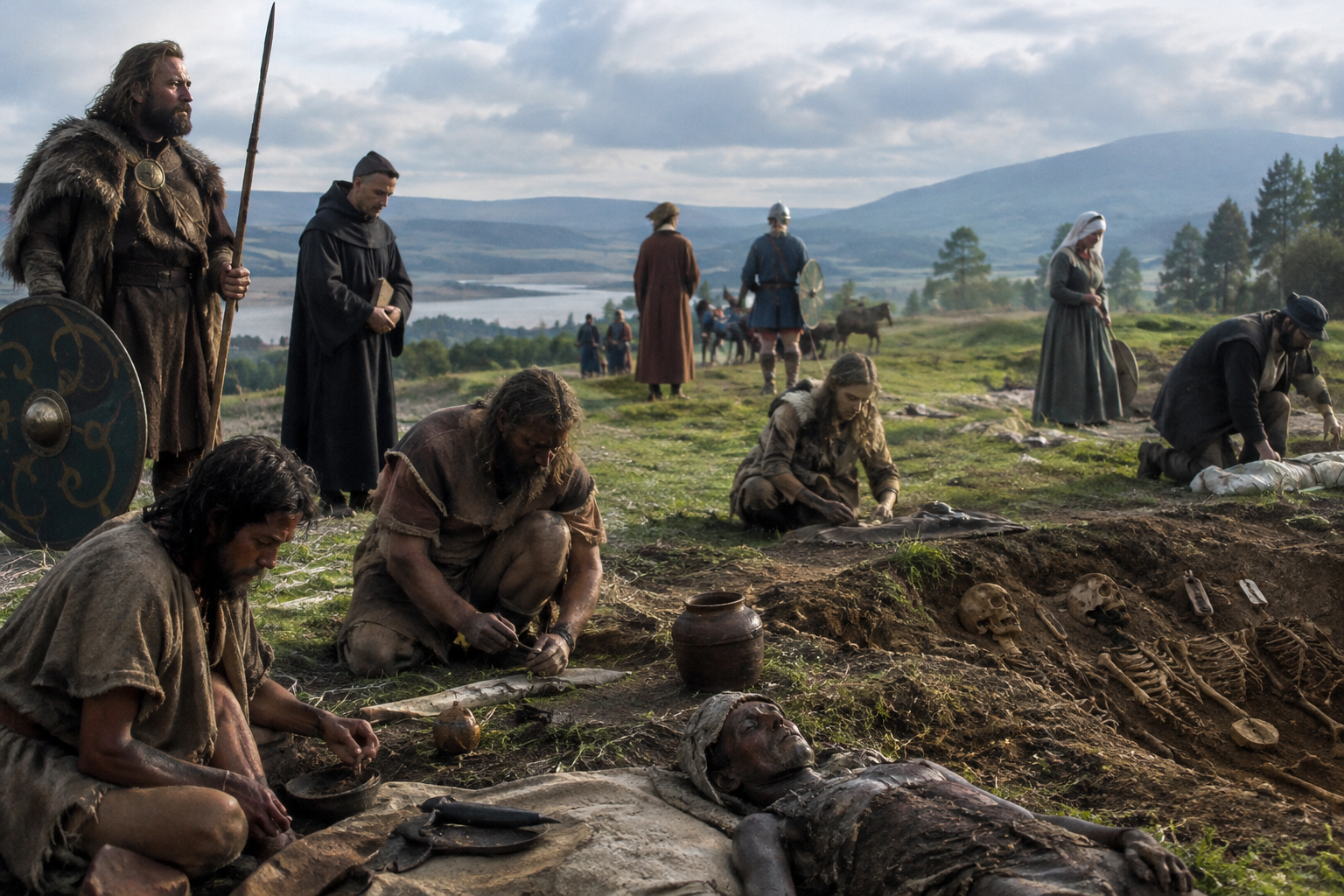
The latest sample in the set is strikingly different in mood and setting: ELW027, a Post Medieval Plague Victim Ellwangen Germany dated to 1550 AD. This is a grim reminder that haplogroups are not just abstractions on phylogenetic trees. They belonged to real men living through very particular crises. By the 16th century, Europe had long since passed through Roman rule, early medieval realignments, feudal lordship, Reformation turmoil, and recurring epidemic disease. Yet this paternal line was still there.
That is one of the great values of ancient DNA. Written genealogy usually begins late and only for a social minority. Genetics, by contrast, can sometimes show us the deeper background hum of ordinary paternal continuity. A plague burial in Ellwangen is not noble, not glamorous, and not dynastic - but it is every bit as historically important.
In this case, the supplied field for associated noble families and castles is effectively blank, and that is worth saying plainly rather than papering over it. We are therefore not in a position to tie haplogroup I2a1b1b to any specific named dynasty, clan, or castle from the provided evidence.
That may sound disappointing, but it is actually a good example of how historical genetics should be done. Too often, haplogroups are dragged toward aristocratic fantasy: one ancient skeleton, one castle, and suddenly everyone wants a coat of arms. The more responsible approach is to say that while paternal lineages can persist for long periods in the same broad regions where medieval lordships later emerged, that does not prove descent from a noble house. Shared geography is not the same thing as documented genealogy.
What we can say is that lineages like I2a1b1b formed part of the demographic foundations on which later historical societies were built. The men buried in Neolithic France, Iron Age Britain, or post-medieval Germany were not waiting to become someone's heraldic ancestor. They were simply the people who made Europe's history possible.
I2a1b1b is fascinating because it appears in several different historical worlds without belonging exclusively to any of them. It shows up among early agricultural communities in France, in a Copper Age context in Sardinia, in Corded Ware Bohemia, in Iron Age England, and in a plague burial in Germany. That spread does not give us a neat slogan. It gives us something better: evidence that paternal lines can endure through enormous cultural change.
For anyone who carries this haplogroup today, that does not mean descent from any one ancient sample, still less from a forgotten king. But it may mean that your direct paternal line shares deep roots with some of the men who lived in these landscapes thousands of years ago. And that, frankly, is wonder enough.
If you want to explore how ancient DNA can illuminate the deeper history of your own paternal ancestry, MyTrueAncestry lets you compare your results with archaeological samples and historical populations. Those matches may reveal surprising connections to ancient communities like the ones discussed here, while still reminding us that genetic similarity is not the same as proven descent from a specific individual or noble family.
Comments