Haplogroup R1b1a1b1b3a
– 5 min read


Some Y-chromosome lineages announce themselves in the grand manner, splashed across discussions of famous kingdoms and well-known migrations. Haplogroup R1b1a1b1b3a is more interesting precisely because it has to be reconstructed from fragments: a burial on the steppe, another in Bronze Age Hungary, another in Bulgaria, a man among the Hungarian conquerors, and then, unexpectedly, a medieval individual in southern Italy. What emerges is not a neat family tree with labels attached, but a long paternal thread running through some of the most consequential population movements in Eurasian prehistory and history.
As ever with Y-DNA, it is worth keeping our feet on the ground. A Y-haplogroup traces one direct paternal line only: father to father to father. It does not describe a person's whole ancestry, culture, language, or identity. Nor does sharing a broad haplogroup prove close kinship between ancient individuals, still less direct descent from any noble house. But when read carefully, paternal lineages can illuminate how male lines moved across landscapes, survived political upheavals, and turned up in places that written history alone would never have led us to expect.
R1b lineages are famously important in the story of Bronze Age Eurasia, but one must be careful not to pour the whole history of broad R1b into a much narrower branch like R1b1a1b1b3a. What the supplied evidence does support is a strong connection between this lineage and populations linked to the steppe horizon that expanded into southeastern and central Europe during the late 4th and early 3rd millennia BC.
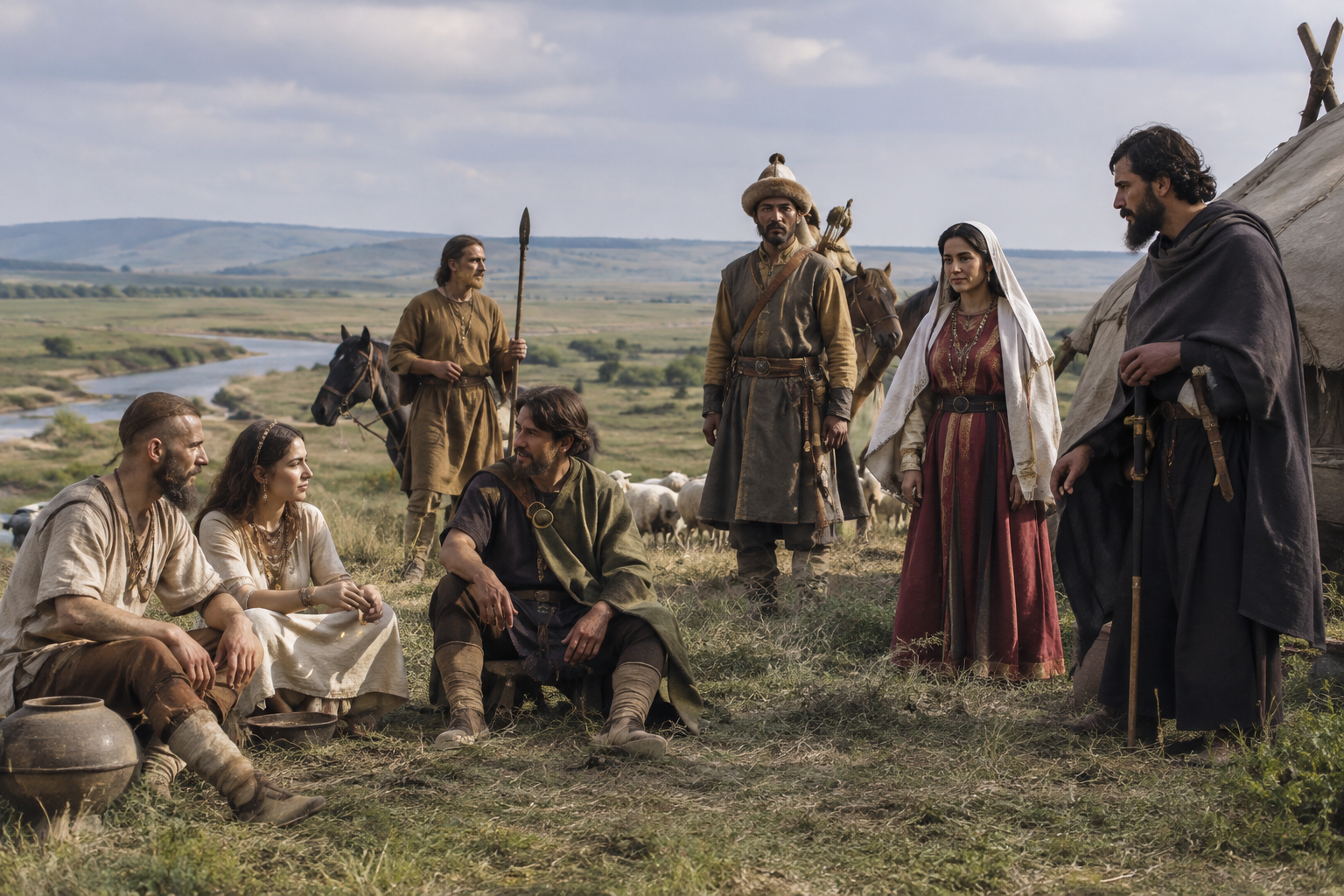
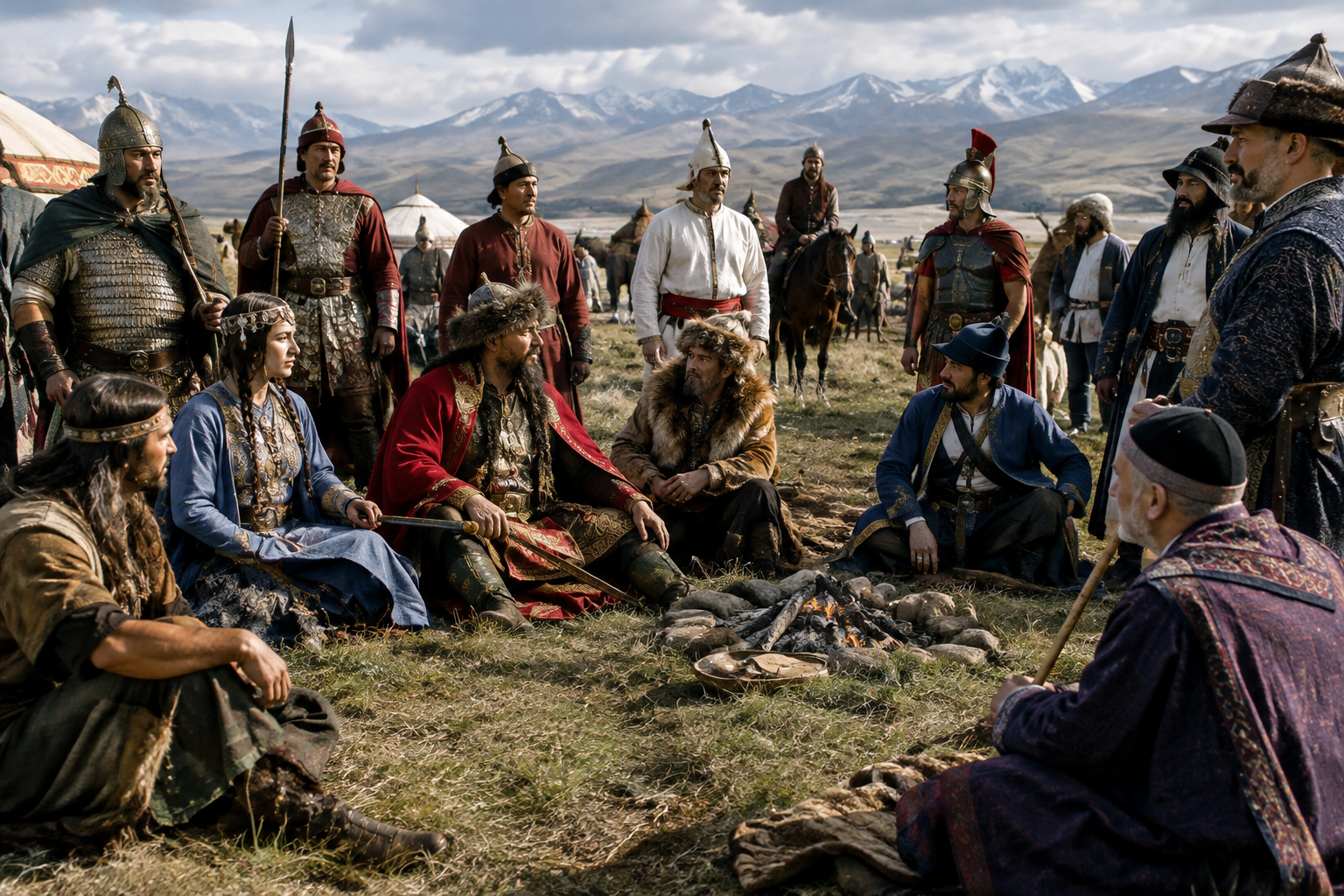
That matters because the steppe was not some empty corridor occasionally crossed by wanderers. It was a zone of mobile pastoral societies, burial mounds, exchange networks, and dramatic demographic change. Ancient DNA has shown again and again that male lineages associated with steppe groups could travel far, especially in the Bronze Age. In this case, the supplied samples place the haplogroup in a broad arc from the Volga region to the Balkans and the Carpathian Basin.
One of the most suggestive pieces of context comes from work on the wider North Pontic and steppe world, where archaeogenetics has transformed old arguments about migration into testable questions of ancestry and kinship.
Explore North Pontic Migrations
The earliest anchors in this story lie deep in the Bronze Age. One is I0231, listed as Early Bronze Age Russia Samara Yamnaya, dated to 2900 BC. Samara has become one of the classic regions for understanding steppe prehistory, and a Yamnaya-associated male there is exactly the sort of evidence that helps explain how paternal lines connected to steppe pastoralists were distributed before their westward spread.
Closely related in setting is I0231a, from Neolithic Pre-Ural Steppe Yamnaya Ekaterinovka, dated to 2875 BC. The wording of the label is a reminder that archaeological categories can be messy when reused across datasets, but the geographical importance is clear enough: another early male from the Volga-Ural steppe zone, again pointing to a paternal lineage embedded in that wider steppe world.
Then the trail moves west. I2762, from Early Bronze Age Hungary Yamnaya Devavanya-Barcehalom, dated to 2881 BC, places this line in the Carpathian Basin at an early date. This is crucial. It shows that whatever branch we are dealing with was not confined to the eastern steppe; it had already appeared among populations in Bronze Age Hungary. Another western marker is BOY009, from Early Bronze Age Bulgaria Boyanovo, dated to 2697 BC. That situates the lineage in the Balkans too, hinting at a distribution stretching across the lower Danube and into southeastern Europe.
This is the sort of pattern archaeogenetics has been steadily clarifying: not a single arrow on a map, but multiple placements in regions reshaped by Bronze Age mobility. Readers interested in the broader archaeological revolution behind such finds may enjoy the wider story of how the field itself developed.
Discover the Rise of Archaeogenetics
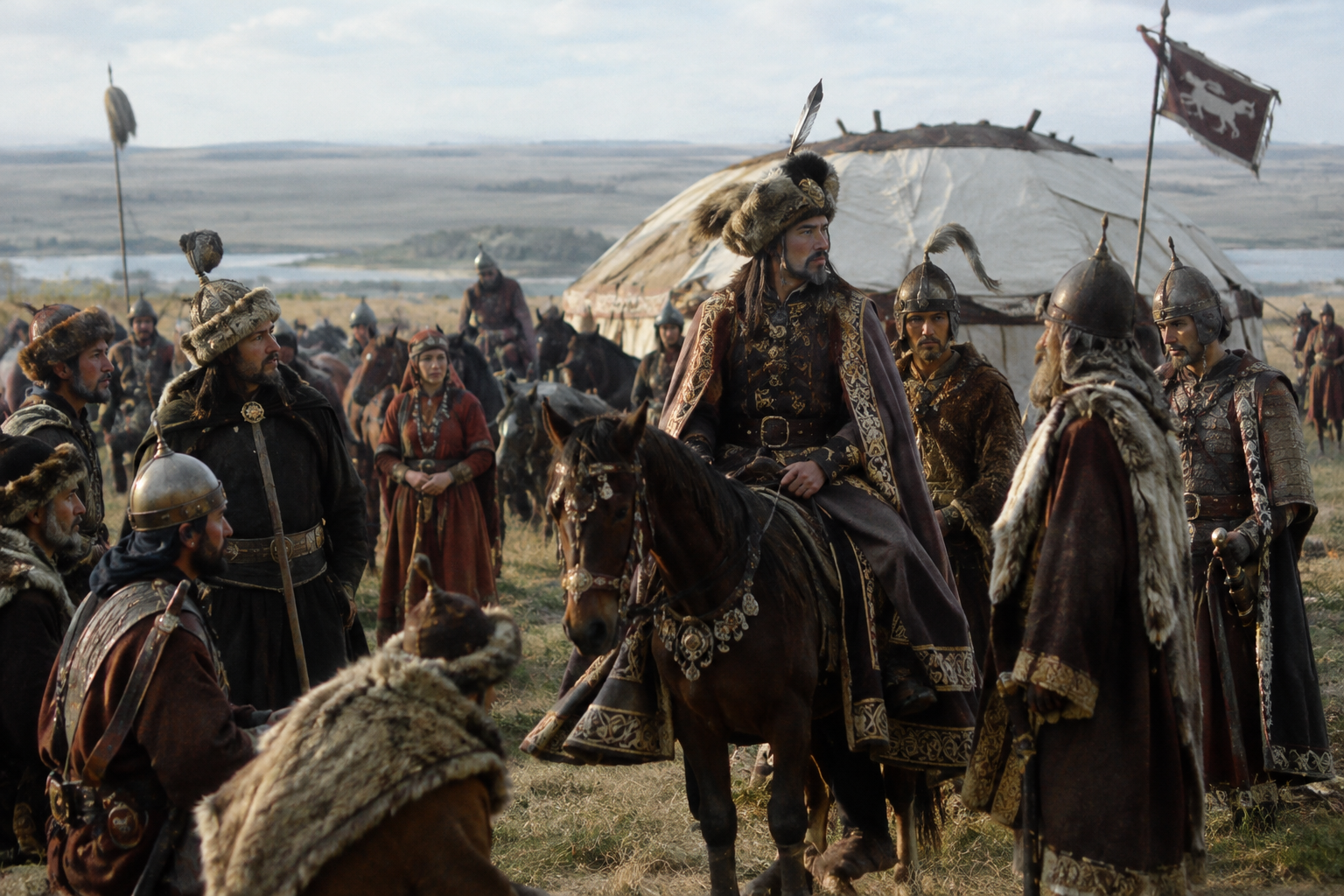
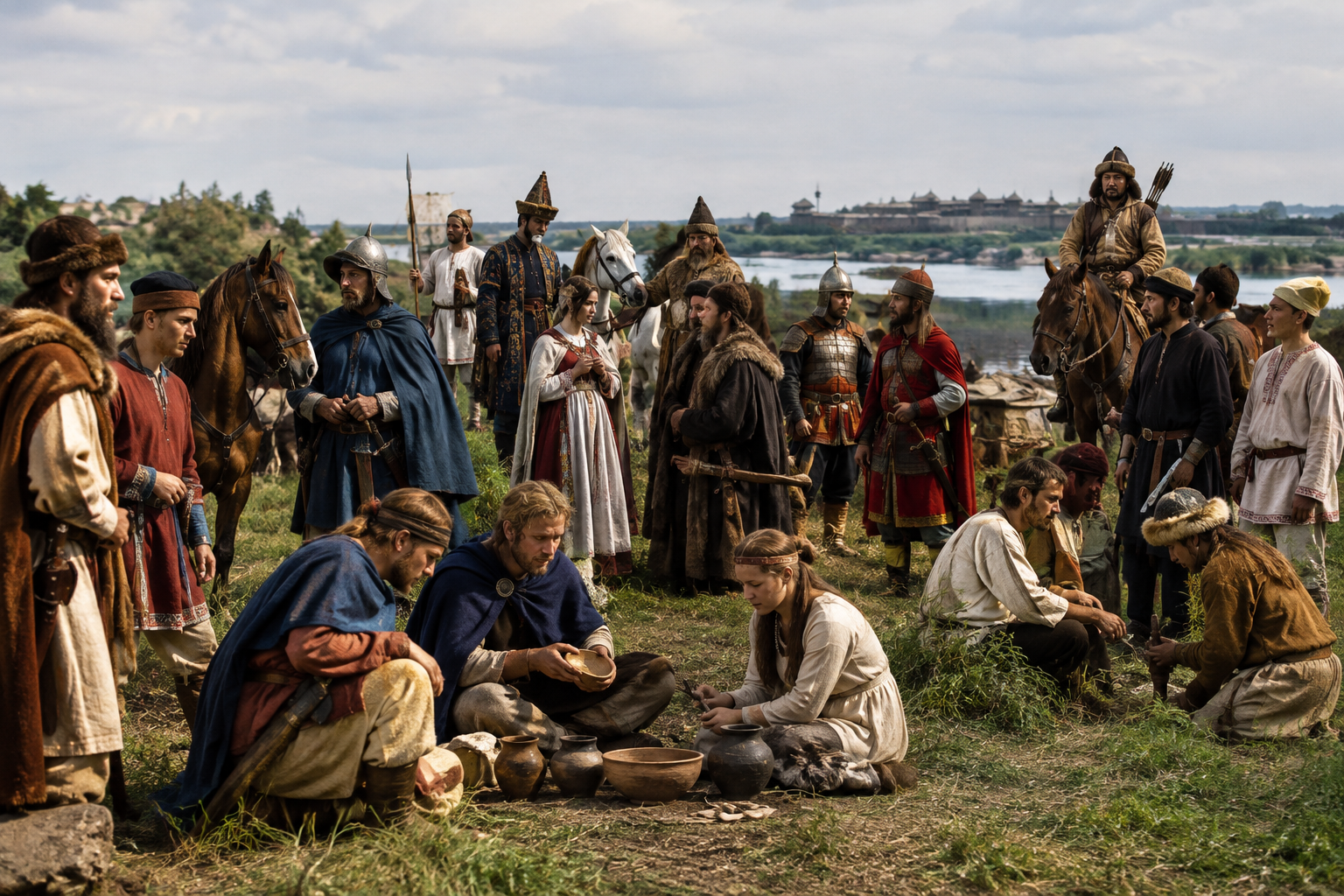
The most intriguing part of the dataset is that the lineage does not vanish with the end of prehistory. It reappears in later settings that are historically very different. NTH-1, identified as a Hungarian Conqueror Commoner Nagytarcsa-Homokbanya and dated to 950 AD, brings the story into the age of the Magyar conquest and the making of medieval Hungary. The label "commoner" is important: this was not a princely burial offered up to flatter dynastic fantasies, but an ordinary member of the conquering population.
That does not mean NTH-1 was descended in any simple, documentable way from the Bronze Age men in Samara or Devavanya-Barcehalom. It does mean, however, that a paternal line found in steppe and steppe-connected Bronze Age contexts was still present in a population with strong eastern and steppe-linked historical associations in the 10th century AD. Geography and deep population history meet here in a particularly striking way.
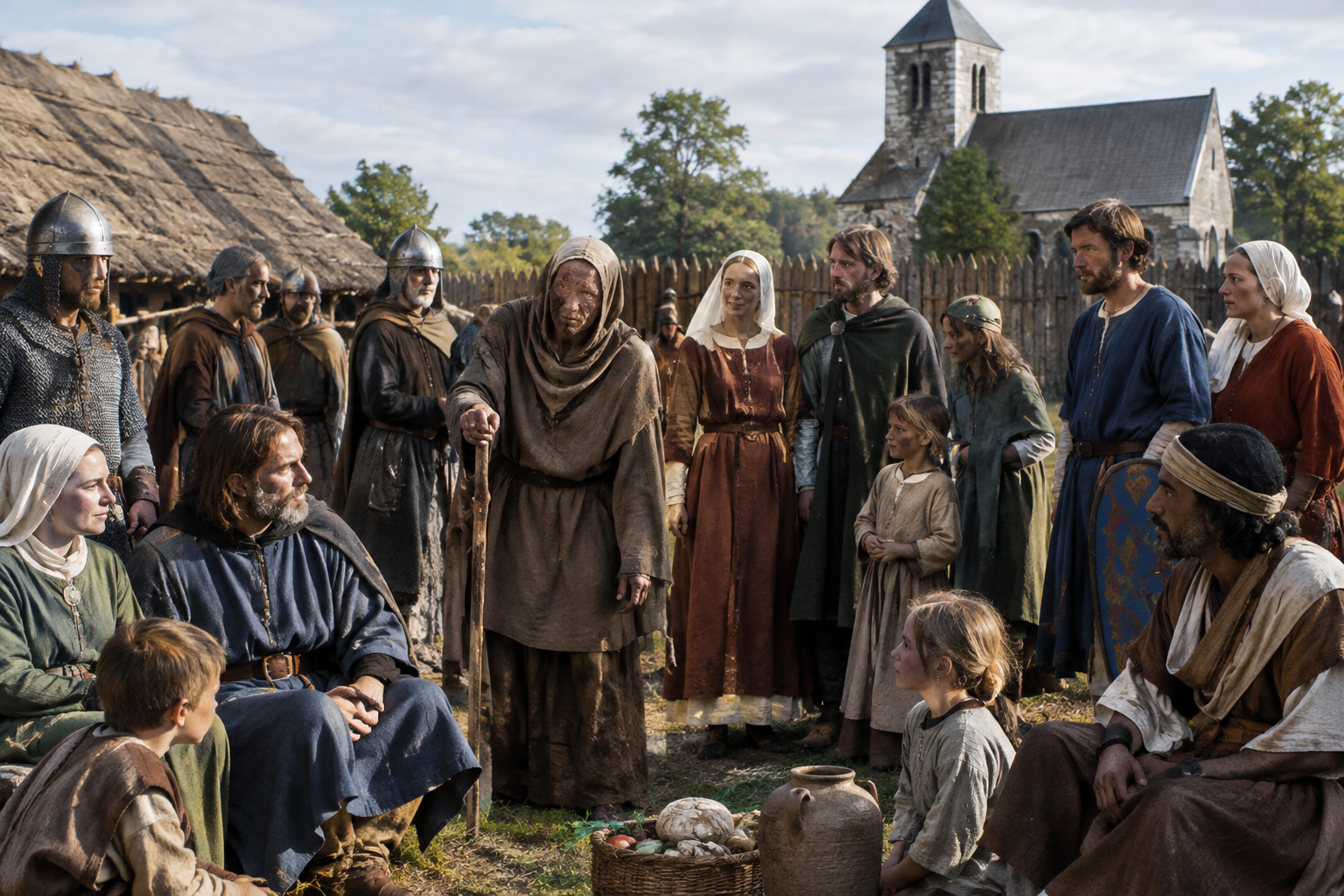
And then there is VK535, from Medieval San Lorenzo Foggia Italy, dated to 1240 AD. Southern Italy, of course, was no genetic backwater. It was a crossroads of Lombards, Byzantines, Normans, local Italic populations, and Mediterranean traffic of every kind. A medieval individual there carrying this paternal lineage reminds us that long before the age of surnames and parish registers, male lines could travel astonishing distances and settle into entirely new historical worlds.
For readers interested in how medieval Italy looks under the lens of ancient DNA, there is a useful parallel in this related piece on Roman and early medieval ancestry from another Italian setting.
Explore Ancient DNA in Medieval Italy
Usually this is the point where one turns to the supplied noble families, ancestral seats, and castles and starts weaving together stone fortresses, dynastic ambitions, and the persistence of paternal lines across centuries. But in this case, the input for associated noble families and castles is blank. That absence matters, and it is better to say so plainly than to pad the article with borrowed grandeur.
In other words, there is no responsible basis here for attaching R1b1a1b1b3a to a named house, a medieval clan, or a specific castle. That is not a weakness in the evidence; it is simply where the evidence stops. Genetics often preserves one sort of memory, while documents preserve another. Sometimes they overlap beautifully. Sometimes they do not.
If readers want to see how MyTrueAncestry handles cases where named dynasties and genetic evidence can be discussed together, medieval Hungary offers a particularly relevant comparison, because conquest-era and later elite burials have become an important testing ground for the relationship between written history and DNA.
Read About Hungary's Arpad Burials
So what can we say, responsibly, about R1b1a1b1b3a? First, the supplied ancient DNA places it in a credible steppe and steppe-connected setting during the Early Bronze Age, with examples in Samara, Ekaterinovka, Hungary, and Bulgaria. Second, it appears later in a 10th-century Hungarian conqueror context and in 13th-century southern Italy, showing that paternal branches associated with ancient mobility could persist into very different medieval populations.
What we cannot say is equally important. We cannot turn this into proof of a single people, language, or ethnicity. We cannot claim that everyone with this haplogroup descends from Yamnaya chiefs, nor that any medieval bearer must belong to a noble line. Ancient DNA is most powerful when it reveals patterns of continuity and movement without being forced into romantic genealogies.
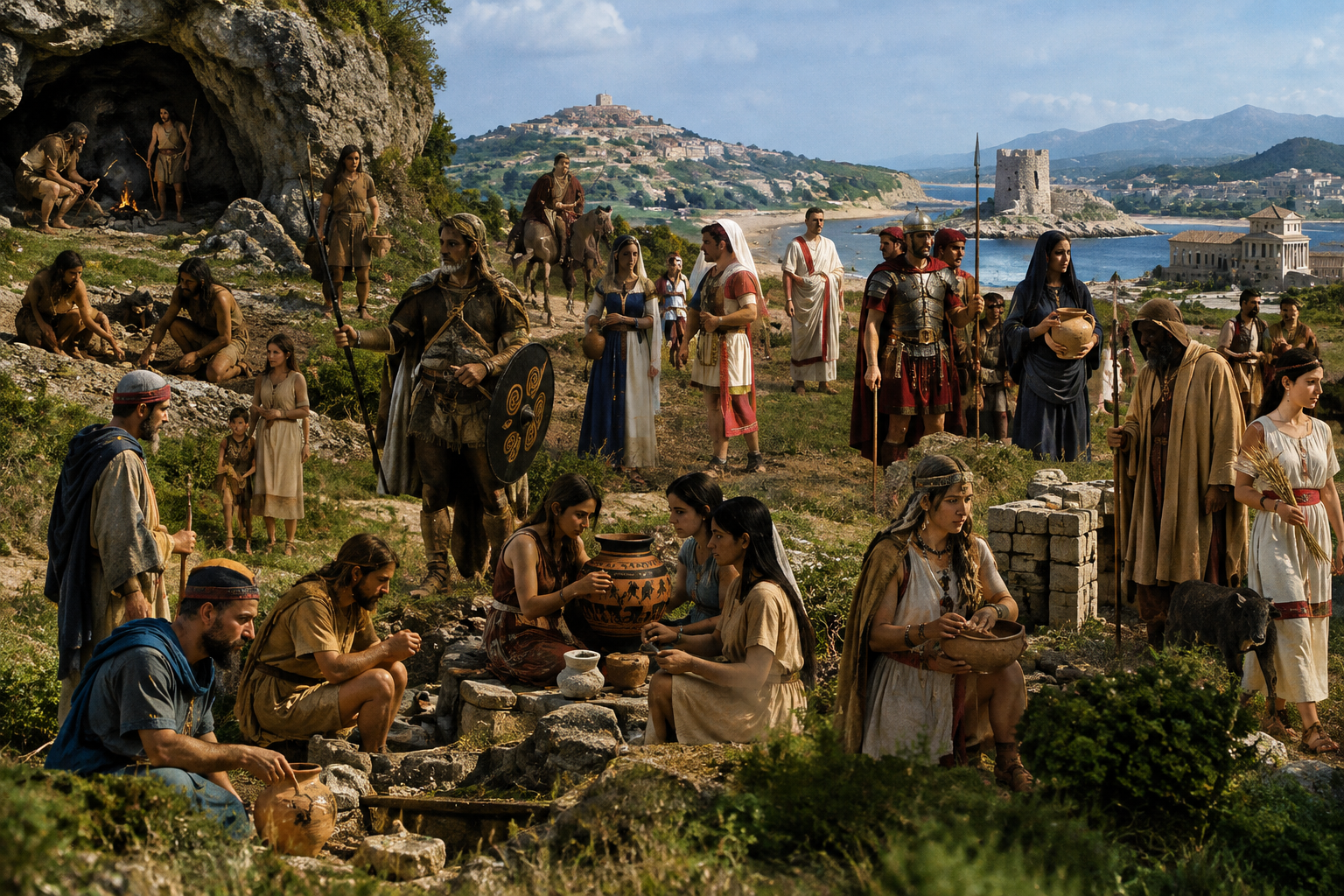
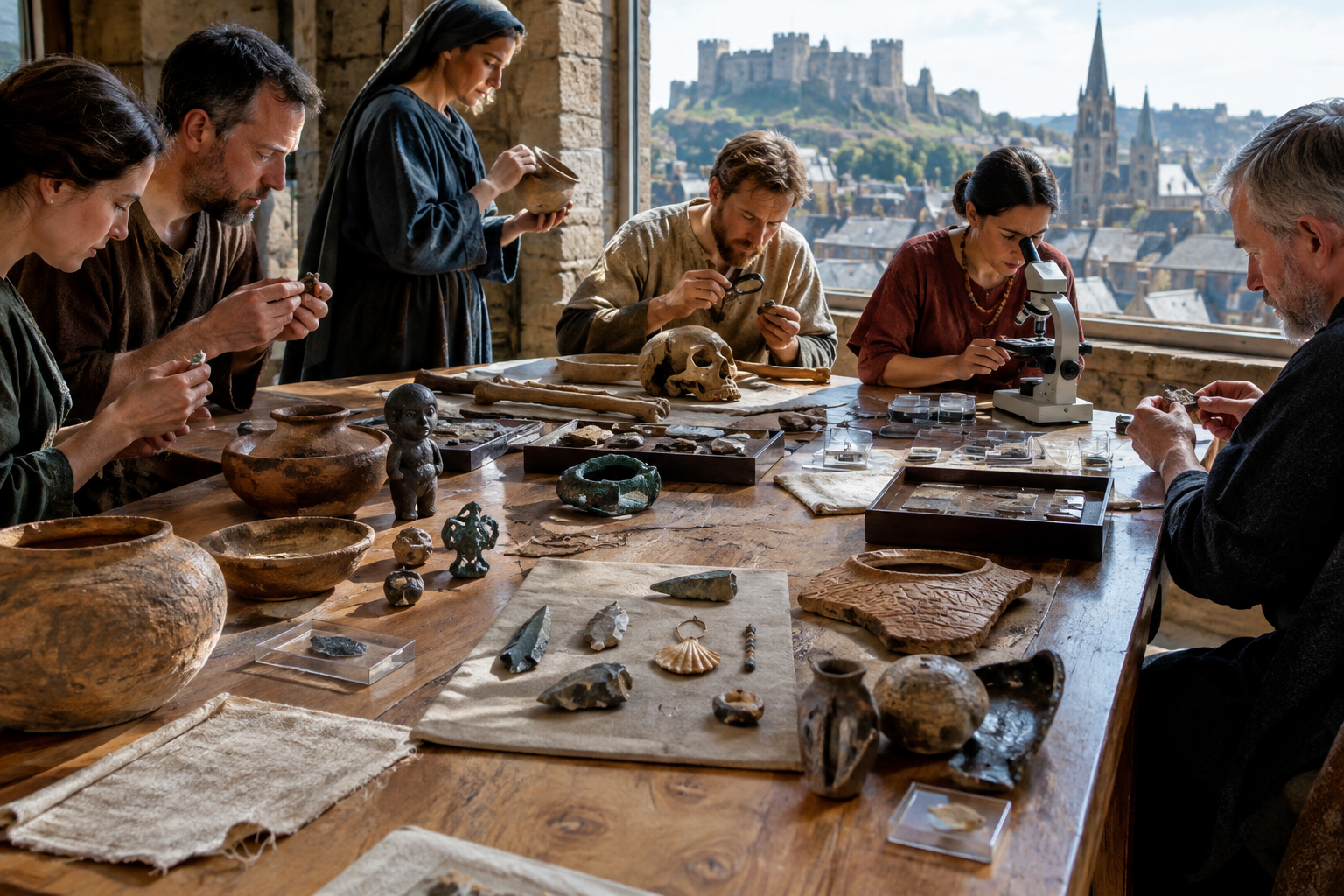
That is perhaps the real fascination of this lineage. It belongs to a historical world larger than any one kingdom: the steppe, the Balkans, the Carpathian Basin, and the medieval Mediterranean. A few excavated skeletons - I0231, I0231a, I2762, BOY009, NTH-1, and VK535 - are enough to show how one paternal branch can surface again and again in places connected by movement, conquest, settlement, and survival.
If you have tested your DNA, MyTrueAncestry can help place your ancestry beside ancient individuals and historical populations like these. Such matches do not prove direct descent from a particular ancient person or noble line, but they can offer a remarkable new perspective on where parts of your deep family history may fit into the human past.
Comments