Ancient DNA and the Rise of Archaeogenetics
– 6 min read


Unearthing Ancient Lives: Archaeology Meets Ancient DNA
This comprehensive exploration plunges readers into the heart of a revolutionary approach to archaeology, where mud-spattered trenches and delicate grave goods are examined alongside microscopic traces of ancient DNA. Rather than focusing on broad theories, it follows real dig sites, real burials, and real individuals whose bones and belongings finally speak across the centuries.
At the centre of modern archaeological research are burial sites treated as extraordinary time capsules. Archaeologists carefully open graves that have lain undisturbed for thousands of years, meticulously noting every detail: the position of the skeleton, the placement of weapons or jewellery, even the stains of an old wooden coffin. These graves are not merely holes in the ground; they are snapshots of a community's beliefs about death, status, and identity. A sword laid across the hip, a string of beads at the throat, or a clay pot of food by the feet all hint at how the living imagined the journey of the dead.
These excavation sites are portrayed as busy, muddy laboratories in the open air. Trenches cut into fields and hillsides reveal layers of soil peeled back like pages of a book. Archaeologists painstakingly record every feature: postholes from long-vanished houses, dark stains that mark ancient ditches, and clusters of stones that once formed hearths and ovens. These dig sites extend far beyond graves, revealing traces of everyday life around the burials: animal bones from meals, broken pottery, lost pins and buckles that paint pictures of bustling settlements where people farmed, cooked, crafted, and held gatherings.
The rich variety of grave goods that emerge from the soil provides remarkable insights into ancient lives. One burial might contain a complete warrior's kit: spearheads, a shield boss, and a carefully worked blade whose edge has long since dulled with time. Nearby, a child's grave may hold tiny beads, a small bronze brooch, or a toy-like object carved from bone. In another grave, a woman is found adorned with fine necklaces, spiral arm rings, and a comb that still carries traces of use.
Each object serves as a crucial clue. A particular style of brooch links the burial to distant regions, hinting at extensive trade routes and travel networks. Pottery shapes and decorations reveal fashions that spread across valleys and coastlines. These finds are not merely treasures but talking points that allow archaeologists to piece together who these people were, what they valued, and how they connected to the wider world.
The catalogue of grave goods ranges from the everyday to the spectacular. Men's graves often contain weapons placed with ceremonial care: long swords with carefully crafted hilts, spears still sharp when they entered the grave, and shields whose metal fittings survived even after the wood rotted away. Women's graves frequently yield different but equally striking assemblages: brooches that once fastened cloaks, strings of beads in vibrant colours, combs, small knives and needles, and personal items that speak of daily life involving grooming, clothing, and craft work. In some burials, large decorated brooches appear in matching sets, one on each shoulder, hinting at fine clothing that has long since disappeared.
Rather than treating the past as a blur of nameless masses, this research lingers on specific individuals whose stories emerge from careful analysis. One burial might be that of an older woman, her spine curved with age, yet buried with a lavish set of jewellery and fine imported vessels. Her bones suggest a long life of work and strain, while her grave goods mark her as someone of considerable standing in her community.
Another grave may belong to a young man, tall and robust, buried with both weaponry and items associated with feasting, such as drinking horns and large bowls. These details sketch a life cut short, perhaps that of a warrior or someone who participated in communal banquets and ceremonies. There are also quieter stories: an infant laid to rest with a single bead or protective amulet, suggesting love and hope even in the face of loss.
Some individuals stand out because they do not quite fit local patterns. One young person was buried with ornaments and clothing styles that differ from those in nearby graves. Combined with scientific analysis, this suggests they may have grown up elsewhere and later joined this community. The grave becomes a snapshot of movement and migration, preserved in both body and belongings.
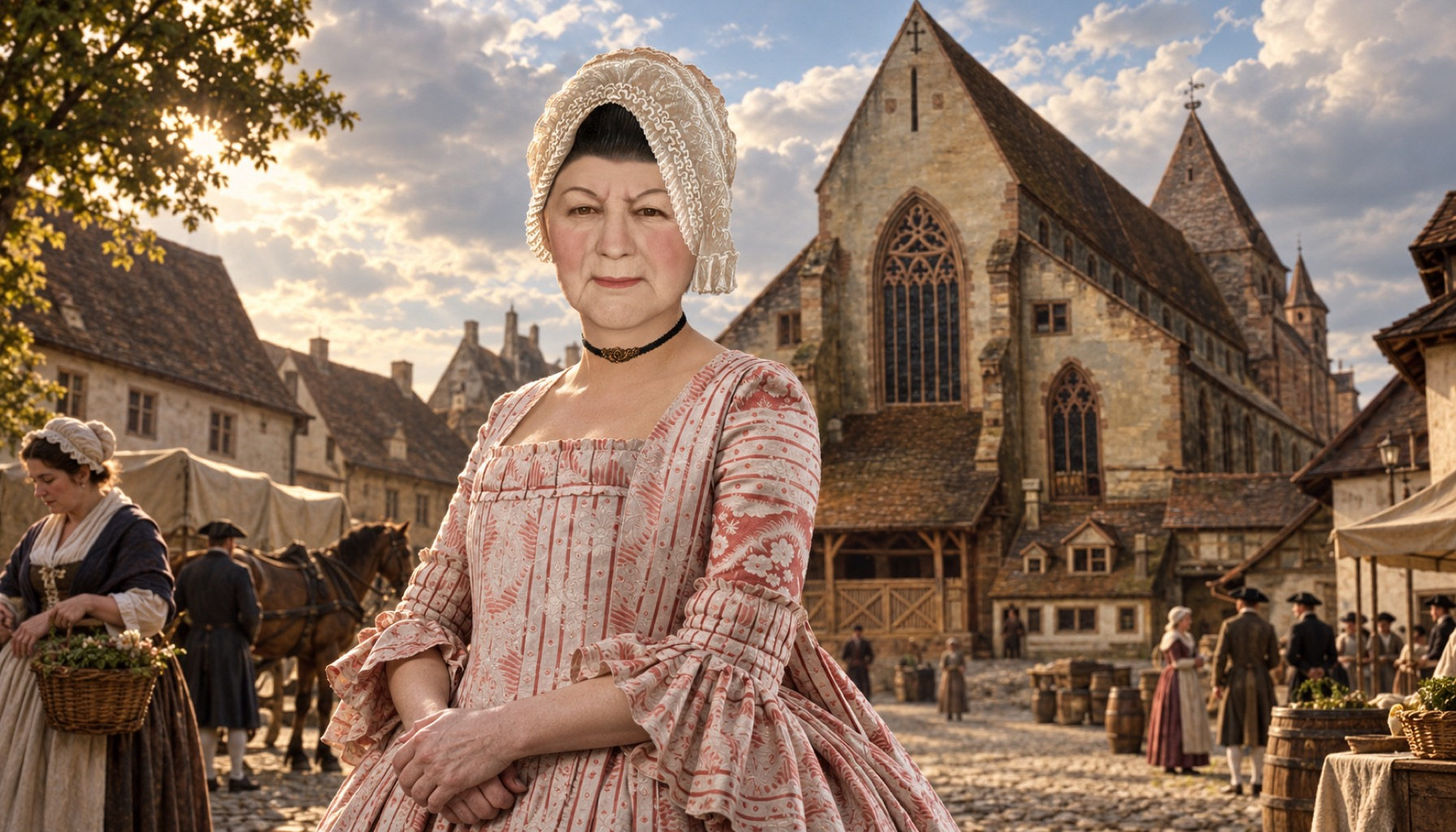
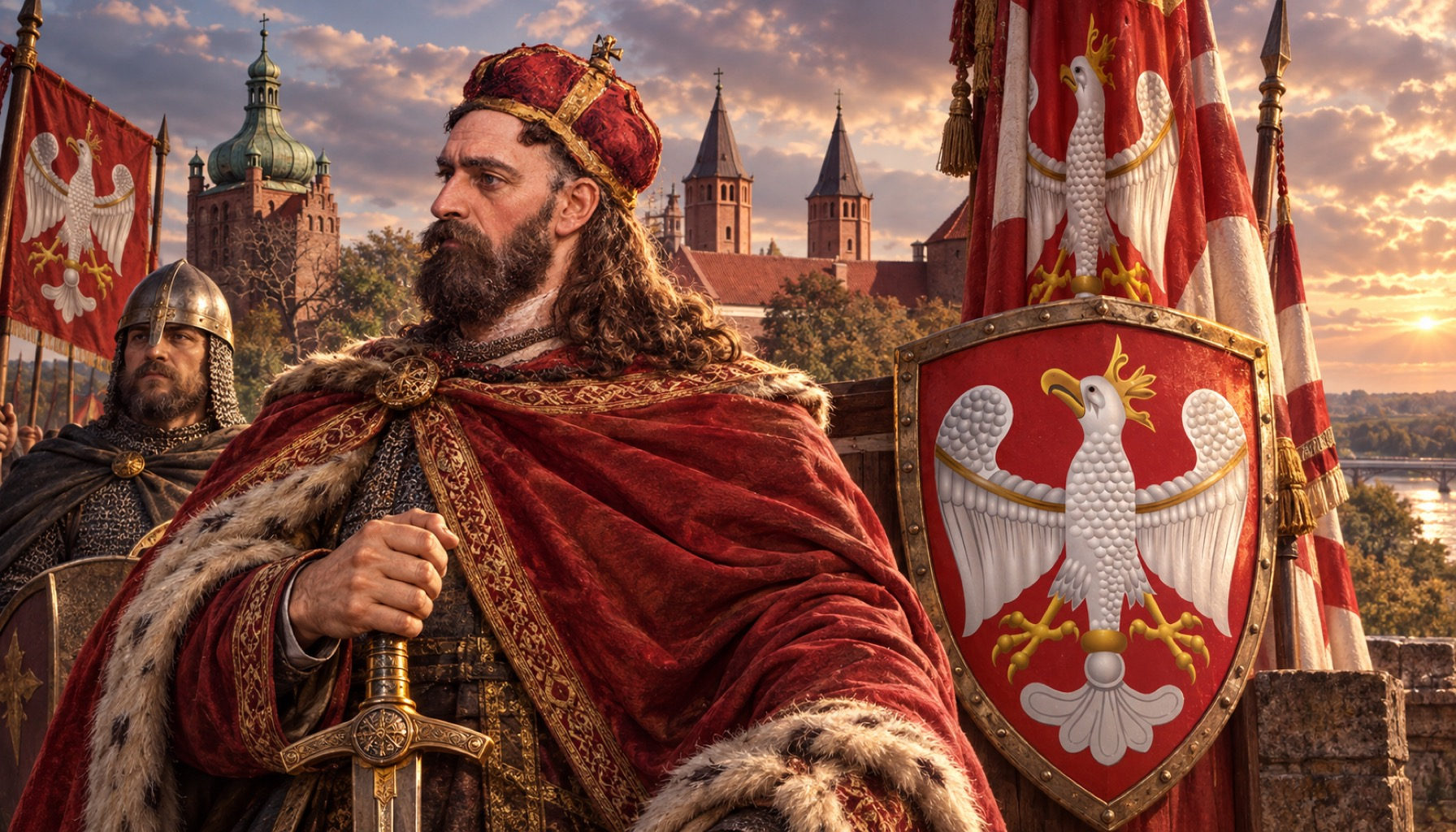
At one site, a tall man was buried with a complete set of weapons: sword, spear, and shield, placed in the grave with obvious care, head turned slightly, weapons arranged almost like a display. From his strong bones and rich accompanying items, archaeologists suspect he held high social rank, perhaps serving as a local leader or champion. Another striking case involves a woman buried with elaborate jewellery and finely made dress fittings, creating a vivid picture of how she might have looked in life: cloak fastened by shining brooches, a necklace that caught the light, and tools for spinning and weaving by her side.
Ancient DNA has emerged as a surprising new type of artefact in archaeological research. Tiny samples taken from teeth or the dense bone of the inner ear are treated with the same care as the finest gold brooch. From these samples, scientists recover genetic traces that reveal where a person's ancestors originated, who they were related to in the same cemetery, and even, in some cases, what colour hair or eyes they might have possessed.
This genetic information resembles a family story written inside the bones. In one cemetery, this genetic narrative shows that some people buried side by side were close relatives, perhaps parents and children or siblings. In another, people buried with similar grave goods turn out to have very different family backgrounds, suggesting that shared identity in life did not always follow blood ties.
By pairing these genetic findings with the physical layout of graves and their goods, archaeologists can now ask entirely new questions. Did people from distant regions marry into local families? Were certain objects reserved for particular lineages, or could outsiders adopt local fashions and customs? Ancient DNA becomes a quiet but powerful voice, adding layers of detail that could never have been guessed from objects alone.
In several cemeteries, the most richly equipped graves cluster within tight-knit family groups, showing how power, wealth, and fine grave goods often traveled along the same genetic lines, generation after generation. Family trees can now be reconstructed within early medieval cemeteries, with grandparents buried near their children and grandchildren, brothers and sisters lying side by side sometimes with very different grave goods, and cousins and more distant relatives linked by both their bones and the layout of the burial ground.
This research transforms distant archaeological sites into familiar human spaces. Fields, river valleys, and hilltops become places where real people once loved, fought, traded, and were mourned. The combination of careful excavation and ancient DNA allows those people to step forward from the shadows, not as abstract populations but as individuals whose stories can still move and surprise the modern world.
By reading subtle genetic clues, researchers can separate people whose deeper ancestry links them to various European regions. In some cemeteries, strong patterns emerge: people with certain genetic profiles often have graves packed with weapons or rich jewellery, echoing styles seen in their regions of origin. Others with different genetic profiles sometimes appear with simpler burials, fewer goods, and more modest costume items. Yet this research reveals mixed families: children with combined ancestry, households where parents' roots lie in different regions, creating cemeteries that become records of blending and intermarriage over generations.
The graves themselves record social rules and customs. Men of certain lineages tend to be buried with weapons, generation after generation, hinting at traditions of inherited military or leadership roles. Women linked to the same families often wear particular styles of brooches and dress fittings, marking them visually as part of specific groups. Children sometimes receive grave goods matching their parents' styles, suggesting that status and identity were assigned from very young ages. These cemeteries were not merely places to dispose of the dead but stages on which communities displayed who belonged, who led, who married in, and how family lines continued over time.
Through detailed glimpses of sites, graves, and individuals, this revolutionary approach turns what might have been lists of measurements into something profoundly human: portraits of real people, buried with care by those who loved them, carrying into the ground the tools, ornaments, and memories of their lives. Ancient cemeteries become crowded, interlinked communities of the dead, allowing us to walk among those graves and meet the people beneath the soil - warriors and weavers, migrants and homebodies, children and elders - all taking their place in a far more intricate and human story than old legends of simple invasion and replacement ever allowed.
Original source article
Original source article: https://doi.org/10.64898/2026.04.01.715912
Comments