Early Horse Riding Before Full Domestication: Insights from Ancient DNA and Archaeology

– 5 min read


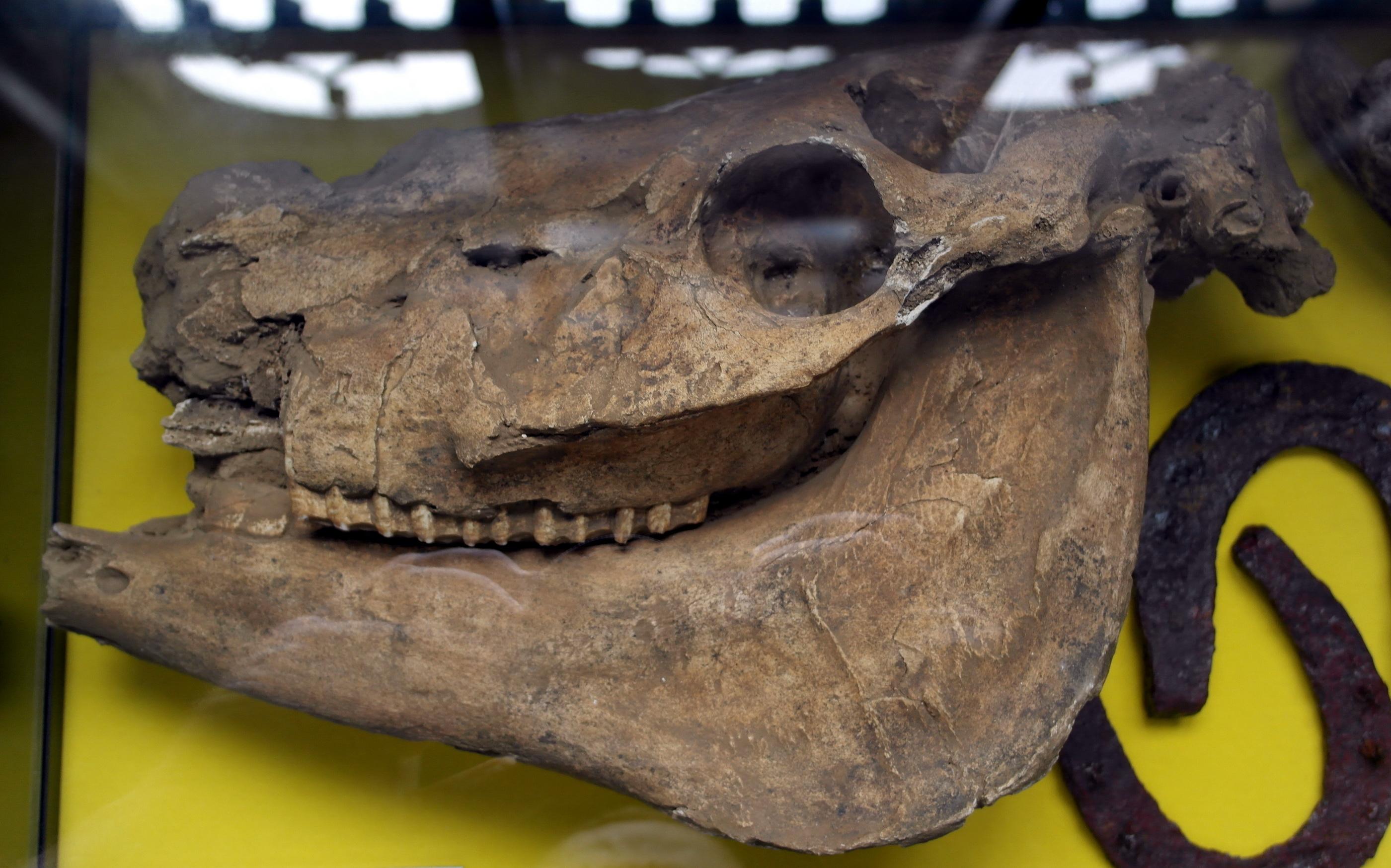
Riders Before Domestication: Early Horse Taming on the Eurasian Steppe
This comprehensive examination sweeps readers back to a time when humans first dared to climb onto the backs of wild horses, long before the fully domesticated animals known from later empires and cavalry charges. Drawing on ancient DNA, animal bones from archaeological sites, and remains of early horse gear, evidence suggests that people were taming and riding horses well before the classic domestication package appears in the archaeological record.
On the open grasslands of Eurasia, long before written history, communities experimented with capturing and managing wild herds. These vast landscapes acted as living laboratories where early horse handlers learned to control, ride, and selectively keep animals that suited them best, even without the specialized domestic breeds that would come later.
Ancient DNA reveals a telling contradiction: the genes that later become common in clearly domestic horses, especially in the well-known DOM2 lineage, are mostly absent from these earliest animals. Yet archaeological sites where their bones lie buried demonstrate human control through organized corrals, cut-marked bones from managed killing, and the first signs of riding equipment.
At the heart of this story stands Botai, a remarkable Eneolithic settlement in northern Kazakhstan. This cluster of semi-subterranean houses, occupied about 5,500 years ago, contains remains of thousands of horse bones scattered throughout the site. Botai represents one of the most dramatic early horse-management sites ever excavated.
Archaeologists at Botai have uncovered dense layers of horse bones in organized middens, suggesting systematic processing rather than occasional hunting. Horse teeth show wear patterns potentially caused by primitive bits or nosebands. Soil samples from house floors contain traces of horse fat and milk, indicating that fermented mare's milk may have been consumed. The settlement layout includes possible corral structures and organized bone disposal areas.
However, when their DNA is examined, these Botai horses do not resemble ancestors of modern domestic horses. They belong instead to a lineage closer to today's wild steppe horses. This puzzle powerfully illustrates that these people were managing and probably riding horses without producing the genetic signature of later, fully domestic stock.
Domestication represents not a single moment but a long process. Early riders did not need perfectly bred animals with all the advantageous traits seen in Bronze Age warhorses. They only needed enough control to stay mounted and steer, which could be achieved with tamed wild horses that were carefully handled, tethered, and used by skilled individuals within communities.
Horse bones from several steppe sites show patterns fitting this early stage: age profiles suggesting managed herds rather than random hunting, skeletal modifications from repeated loading and stress, and spatial organization indicating corralling or tethering. This paints a picture of communities beginning to live with horses rather than merely hunt them, keeping them near settlements and mounting them for journeys or rapid hunting.
Although the earliest phases of riding may not always leave spectacular artifacts, graves and grave goods show humans and horses appearing side by side. In burials from the steppe and neighboring regions, individuals rest with items that only make sense where horse riding is known: cheek-pieces that may have worked like primitive bits, horse bones arranged near bodies, and ornaments that echo harness equipment.
Each grave provides glimpses of specific ancient people whose names are lost but whose status is written into their burial. A man interred with an early bridle form, a young woman laid alongside carefully selected horse bones, a community leader with ornaments interpreted as harness fittings—these early riders straddled the line between wild and domestic worlds.
When geneticists discuss the main family line of domestic horses, they often reference the DOM2 lineage—a genetic cluster appearing clearly in Bronze Age horse bones, especially in steppe cultures using fast, strong horses for chariots, cavalry, and long-distance travel. These animals carry genetic changes making them excellent at living with people, running distances, and working hard.
This later, well-bred horse type should not be confused with the first moments when people began controlling horses. The DOM2 genetic pattern marks refined, fully developed horse culture, not the original breakthrough of taming and riding. The first riders probably climbed onto animals that genetically resembled wild horses, with the great genomic changes defining DOM2 coming only after generations of experimental management.
In centuries following DOM2 domestication, graves tell new stories. Across the great steppe and into Europe and western Asia, archaeologists find humans laid to rest with horses and elaborate gear. Large earthen mounds visible from great distances contain timber-lined graves, sacrificed horses, and weapon sets, representing individuals buried as if ready for campaigns.
When ancient DNA is sampled from both people and horses in these graves, the story becomes clearer: human lineages and new horse lineages move together. Palace complexes reveal carefully laid-out stables, bronze bits, and chariot fittings, powered by the same domestic horse type first perfected on the steppe.
The complete story emerges only when ancient DNA from horse bones and teeth combines with archaeozoological studies and wider archaeological records of settlements, graves, and artifacts. Rather than treating genetics and archaeology separately, this integrated approach reveals when humans first began controlling horses and changing history.
Bones quietly record the physical stresses of riding. Archaeozoologists examine horse teeth for bit-wear patterns and limb bones for repeated strain from carrying riders. Human skeletons show their own riding adaptations: modified leg bone development from gripping horses, spinal changes from mounted posture, and distinctive wear patterns on joints.
Beyond individual remains, excavations reveal the transformation of entire settlements. Dense horse refuse and corrals, changes in bone size and shape coinciding with riding gear appearance, and shifts from hunting camps to horse-centered villages all document the gradual development of mounted life.
By weaving together excavation reports, bone studies, and genetic results, evidence shows that early horse taming and riding belong to a deep, experimental phase of human-horse interaction. At sites like Botai and across steppe settlements, people were reshaping their lives around these powerful animals—hunting, milking, tethering, and likely riding them—even though the horses themselves had not yet become the standardized, specialized domestic creatures that would later carry warriors, traders, and kings across continents.
This story of early riding becomes less sudden invention and more a centuries-long dialogue between humans and horses, preserved in village layouts, dung-stained corrals, worn teeth, and the quiet companionship of horses in human graves. Each excavation site serves as a laboratory for past human-horse relationships, transforming scattered finds into a vivid narrative of how people first climbed onto horse backs, learned to steer, and over generations forged one of the most transformative partnerships in human history.
The later wave of domestic horses can be tracked through time like a tracer dye. When scientists extract DNA from horse bones at different sites, they find the same key traits reappearing: animals bred for speed, endurance, and predictable temperament. These shared traits mark the lineage that dominates Bronze Age and historical times, creating a shared, continental-scale horse culture binding together steppe camps, village cemeteries, city palaces, and royal battlefields from the Bronze Age into historical times.
Original source article: https://www.science.org/doi/10.1126/sciadv.ady7336






Comments