Haplogroup Q1

– 6 min read


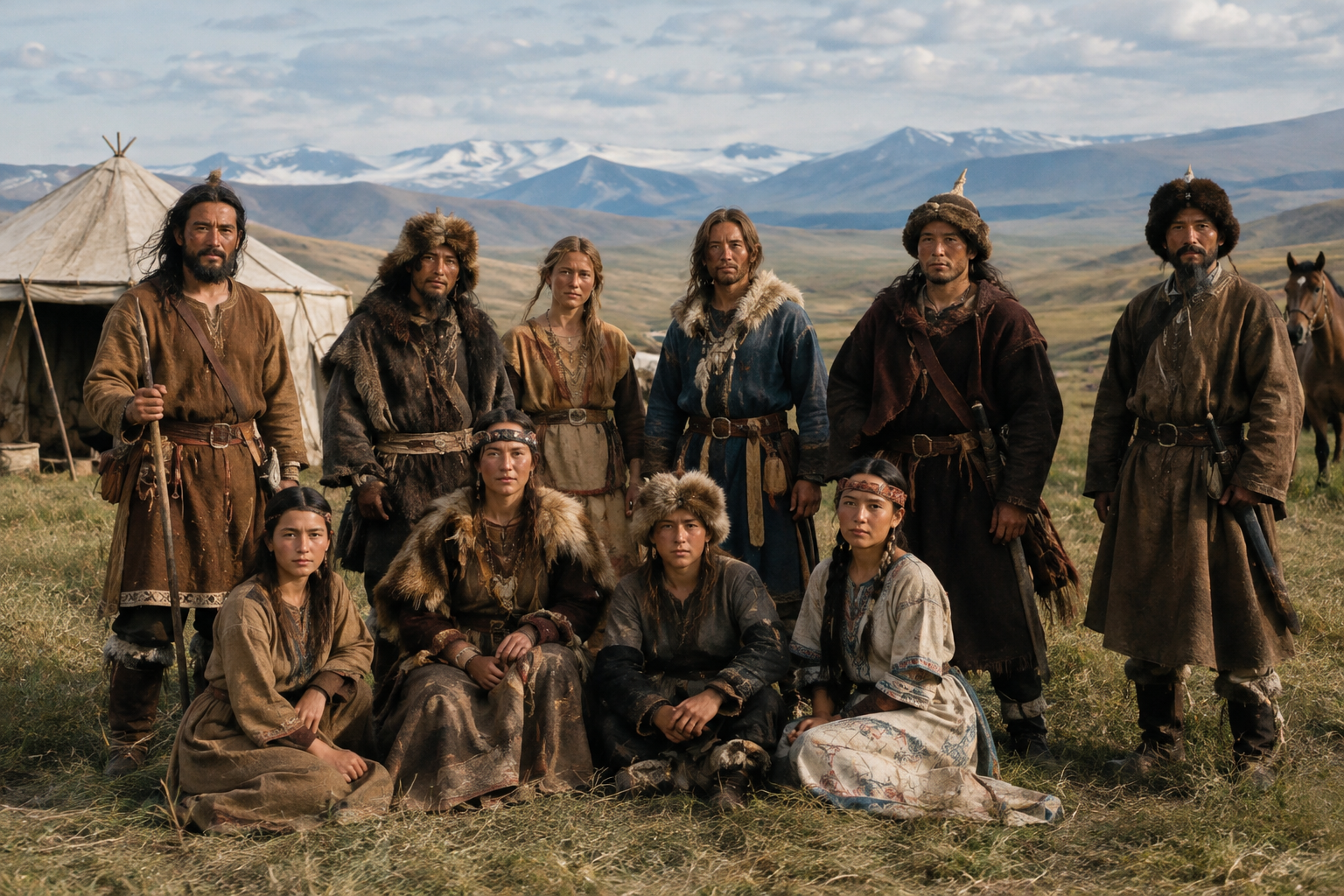
There are some Y-chromosome haplogroups that sit comfortably inside the familiar histories of Europe or the Near East. And then there is Q1, which has a way of pulling the story eastward, across the forest-steppe, into Siberia, the Altai, and the great corridors of Inner Asia. If you are interested in paternal-line ancestry, Q1 is fascinating precisely because it does not fit neatly into the old textbook boxes. It belongs to a wider Y-chromosome lineage whose history reaches deep into northern Eurasia and beyond, and ancient DNA has made that history far more vivid than it used to be.
As always, a caution worth stating plainly: a Y-DNA haplogroup traces only one line of descent, the direct paternal line from father to father to father. It is not the whole of anyone's ancestry, still less a shortcut to a complete ethnic or genealogical identity. But that single line can still be remarkably informative. In the case of Q1, ancient burials from Neolithic western Siberia to the Bronze Age Minusinsk Basin and the Hunnic-era Tian Shan show us that this paternal lineage formed part of a long northern Eurasian story, one that later written history only partially captures.
Q1 belongs to haplogroup Q, a major Y-chromosome branch best known to many readers for its importance in the peopling of the Americas, but that is only part of its history. The broader haplogroup also has deep roots across northern Eurasia. Different branches of Q appear in ancient and modern populations from Siberia, Central Asia, and adjoining regions. That matters, because it reminds us that paternal lineages do not stay politely inside modern national borders. They move with herders, hunters, warriors, traders, and local communities over very long spans of time.
For Q1, the evidence supplied here points especially toward northern and Inner Asia. That does not mean every man carrying Q1 belonged to one culture, spoke one language, or shared one political identity. It means that this paternal lineage turns up repeatedly in regions that were historically connected by mobility: river corridors in Siberia, the Altai uplands, the Minusinsk Basin, and the Tian Shan world further south. These are exactly the landscapes where archaeologists and geneticists have found that population history is complex, layered, and often surprisingly continuous.
Explore Ancient DNA of the Steppe
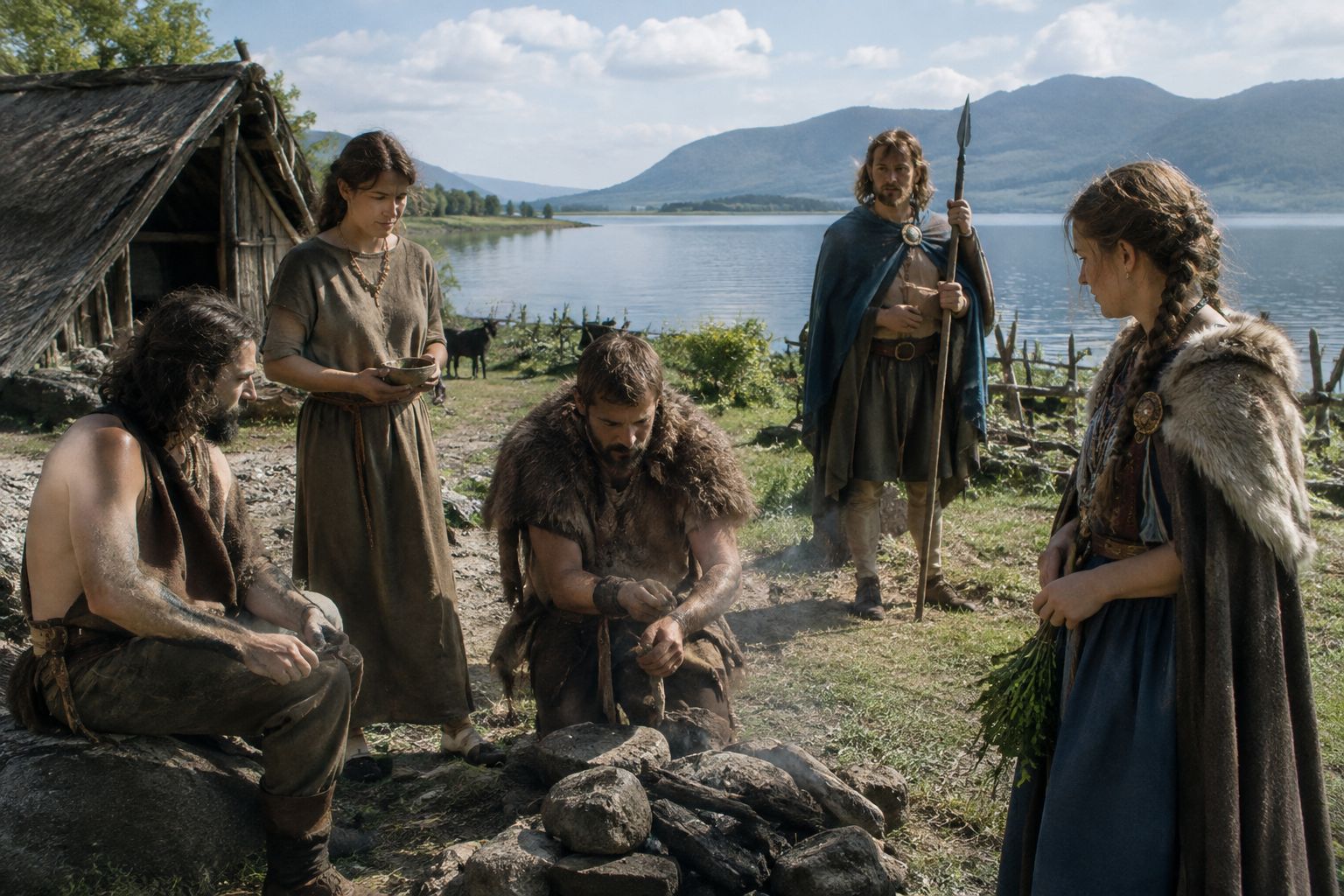
One of the earliest anchors in this dataset is NEO915, from Ancient Russia Vengerovo, dated to 3770 BC. Vengerovo, in western Siberia, belongs to a zone that has become increasingly important in archaeogenetics because it preserves evidence for prehistoric populations living far beyond the old Mediterranean-centered story of antiquity. A Q1 lineage here suggests that this paternal branch was already established in northern Eurasia in the Neolithic period. That is important not because it proves a single homeland beyond dispute, but because it places Q1 in a very old Siberian setting.
By the Bronze Age, the evidence becomes richer still. Several supplied samples come from the Okunevo cultural horizon in southern Siberia: RISE664 from Russia Khakassia Okunev Ulus dated to 2331 BC, RISE719 from Russia Krasnoyarsk Syda 5 Tumen dated to 2350 BC, RISE674 from Russia Khakassia Verkhni Askiz dated to 2128 BC, RISE672 also from Verkhni Askiz dated to 2100 BC, and RISE683 from Russia Khakassia Uybat V dated to 2020 BC.
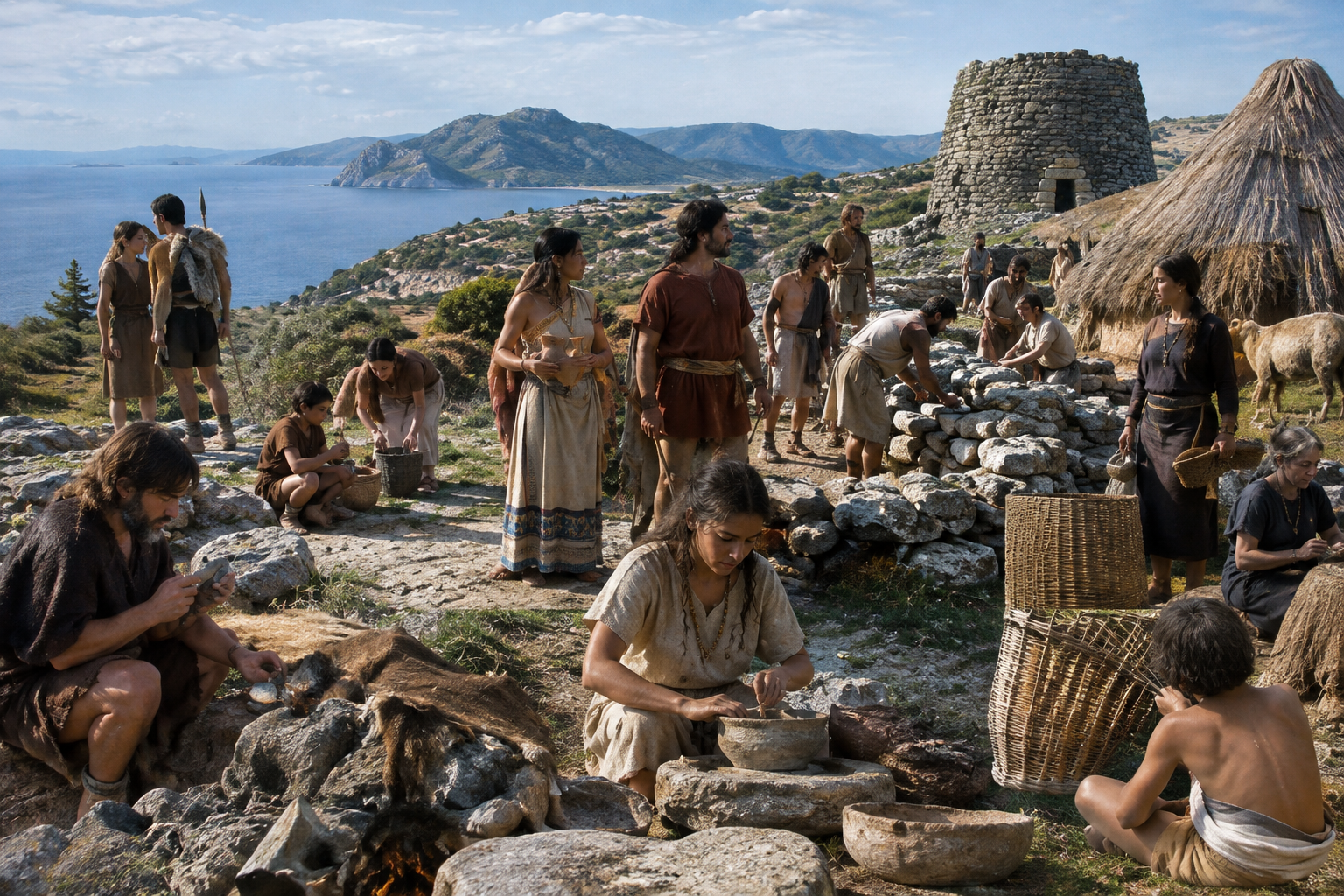
The Okunevo culture, centered in the Minusinsk Basin, is one of those archaeological worlds that seems almost designed to intrigue us: striking stone monuments, distinctive imagery, and a position at a crossroads between steppe and taiga. These repeated Q1-associated finds do not mean the Okunevo were genetically uniform, nor that Q1 defined the culture. But they do show that this paternal lineage was not a passing curiosity there. It appeared often enough to suggest that branches of haplogroup Q were an established part of male ancestry in that Bronze Age society.
That in turn complicates any simple tale in which Inner Asia is merely a parade of incoming steppe migrants replacing everyone before them. Ancient DNA often shows something subtler: periods of movement, yes, but also local persistence. Q1 in the Okunevo context hints at exactly that sort of depth.
Discover Northern Eurasian DNA
Move forward more than a millennium and Q1 is still there, but now in different historical settings. RISE600, from Iron Age Altai Russia Verh Uimon dated to 500 BC, places the lineage in the Altai during the Iron Age. This is a region of enormous importance in Eurasian history: not a fringe, but a hinge. The Altai connected the Siberian interior, the eastern steppe, and Central Asia. It is exactly where one would expect to see paternal lineages involved in repeated episodes of contact and movement.
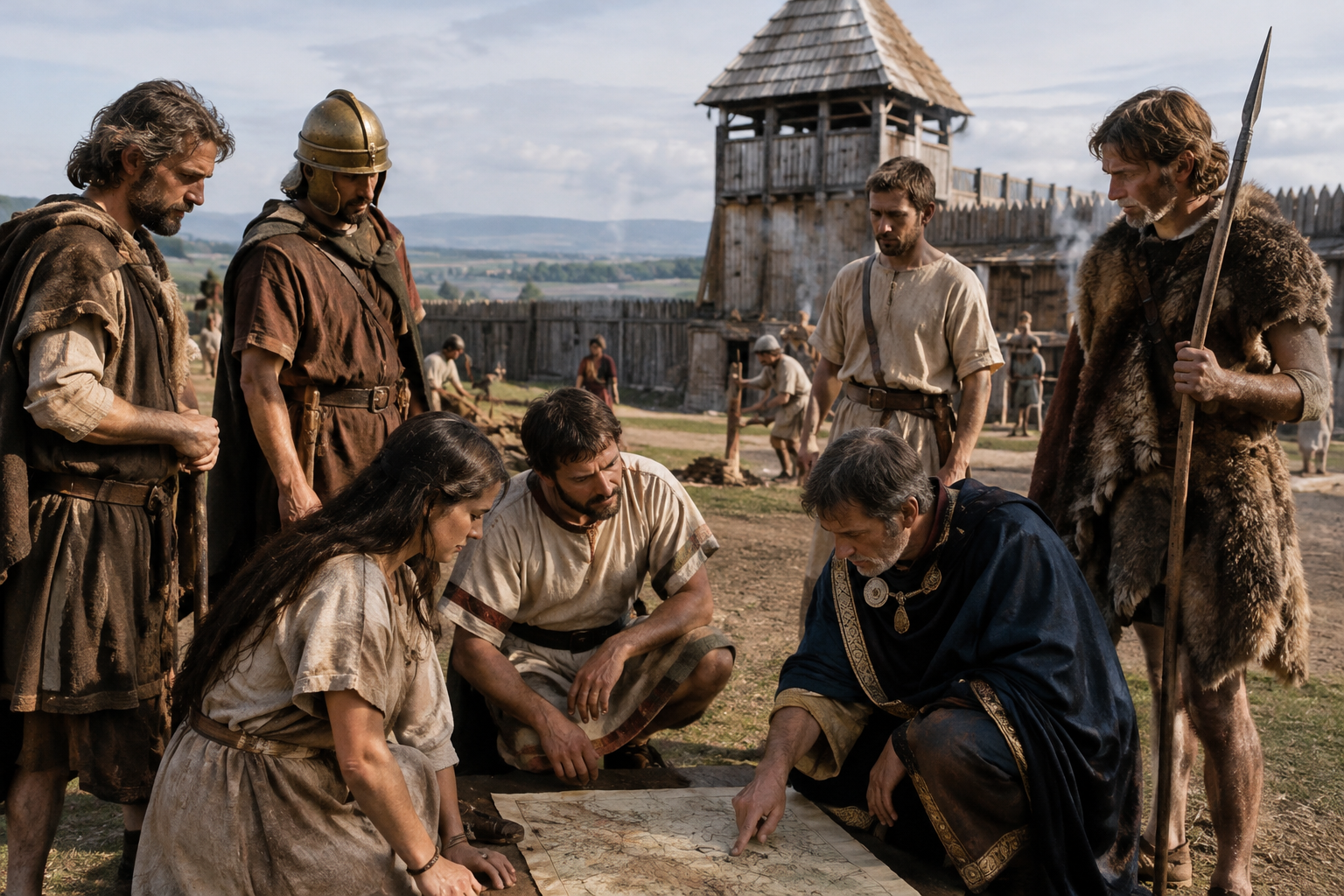
Then come two especially evocative samples from the Hunnic period: DA127 from Kazakhstan Tian Shan Aktas dated to 371 AD, and DA74 from Kyrgyzstan Tian Shan Kuibysheva 1 dated to 410 AD. Now we are in the age when steppe confederations, frontier politics, and long-distance mobility were reshaping Eurasia. We should be careful, of course. A Q1 lineage in a Hunnic-period burial does not prove "a Hun" in some simplistic ethnic sense, nor does it identify a direct line to any later dynasty. But it does show that paternal branches associated with northern and Inner Asian populations were present in the Tian Shan world during late antiquity.
That is precisely the sort of evidence that helps historians move beyond old stereotypes. The Hunnic world was not genetically or culturally monolithic. It was a moving political network. Q1's appearance there fits a wider picture of mixed, mobile populations stretching from the Altai into Central Asia.
If we stand back from these samples, the broad outline is striking. The supplied Q1 evidence runs from 3770 BC in western Siberia to the Bronze Age Okunevo cluster in southern Siberia, then onward into the Iron Age Altai and the Hunnic-era Tian Shan. In historical terms, that is not a single event but a very long pattern. It suggests that Q1 belonged to paternal-line networks rooted in northern Eurasia and repeatedly carried into adjoining Inner Asian zones.
Still, the responsible reading is not that Q1 "belongs" to one people. Haplogroups do not map neatly onto ethnic labels. A branch can persist while languages, material cultures, and political identities change around it. Nor should we confuse a broad shared haplogroup with close kinship. A man from Okunev Ulus and a man from Hunnic-period Aktas may share Q1, but that tells us only that they sit somewhere on the same paternal tree, not that they were near relatives in any genealogical sense.
That is one reason ancient DNA is so valuable. Written genealogies usually begin late, and they are often concerned with elites. Ancient burials, by contrast, let us see lineages long before chronicles, heraldry, or castles enter the picture.
In this case, the supplied field for associated noble families and castles is empty. That absence is worth handling honestly rather than papering over with invention. There is therefore no responsible way to attach Q1 here to a named medieval dynasty, clan, or ancestral stronghold on the evidence provided.
And in truth, that is quite refreshing. Too often, popular discussions of Y-DNA rush from an ancient sample to a coat of arms, as though a shared paternal marker were enough to bridge thousands of years and many missing generations. It is not. Even when a noble house is historically associated with a haplogroup, that does not prove every branch of the family carried it, nor that any modern tester with the same broad haplogroup descends from them.
What we can say is something both more modest and more interesting. If later historical families emerged in regions shaped by steppe, Siberian, or Central Asian population history, then ancient DNA like this provides background to the human landscapes from which later polities arose. It gives us the deep prehistory beneath the fortresses and chronicles, the paternal lineages that existed long before medieval identity turned them into something recorded.
Q1 is historically interesting because it keeps turning up in places that matter for the making of Eurasia: Neolithic Siberia, the Bronze Age Minusinsk Basin, the Iron Age Altai, and the Hunnic-period Tian Shan. It is the sort of haplogroup that reminds us that the center of the historical map does not always lie where older narratives placed it. Some of the most revealing paternal histories run through Khakassia, the Altai, and Central Asia.
For anyone who carries Q1 today, ancient DNA does not hand over a ready-made identity card. But it does offer context. It suggests that your direct paternal line may belong to a branch with deep roots in northern Eurasia and a long presence in the mobile worlds of Inner Asia. That is not the whole story of your ancestry, but it is one line of it, and an unexpectedly ancient one.
If you want to explore whether your DNA shows connections to ancient populations like NEO915, RISE664, RISE719, RISE600, DA127, or DA74, MyTrueAncestry can help place your results beside real archaeological discoveries. Those matches do not prove direct descent from a particular ancient individual or noble family, but they can open a remarkable window onto the deep history behind your paternal line.
Comments